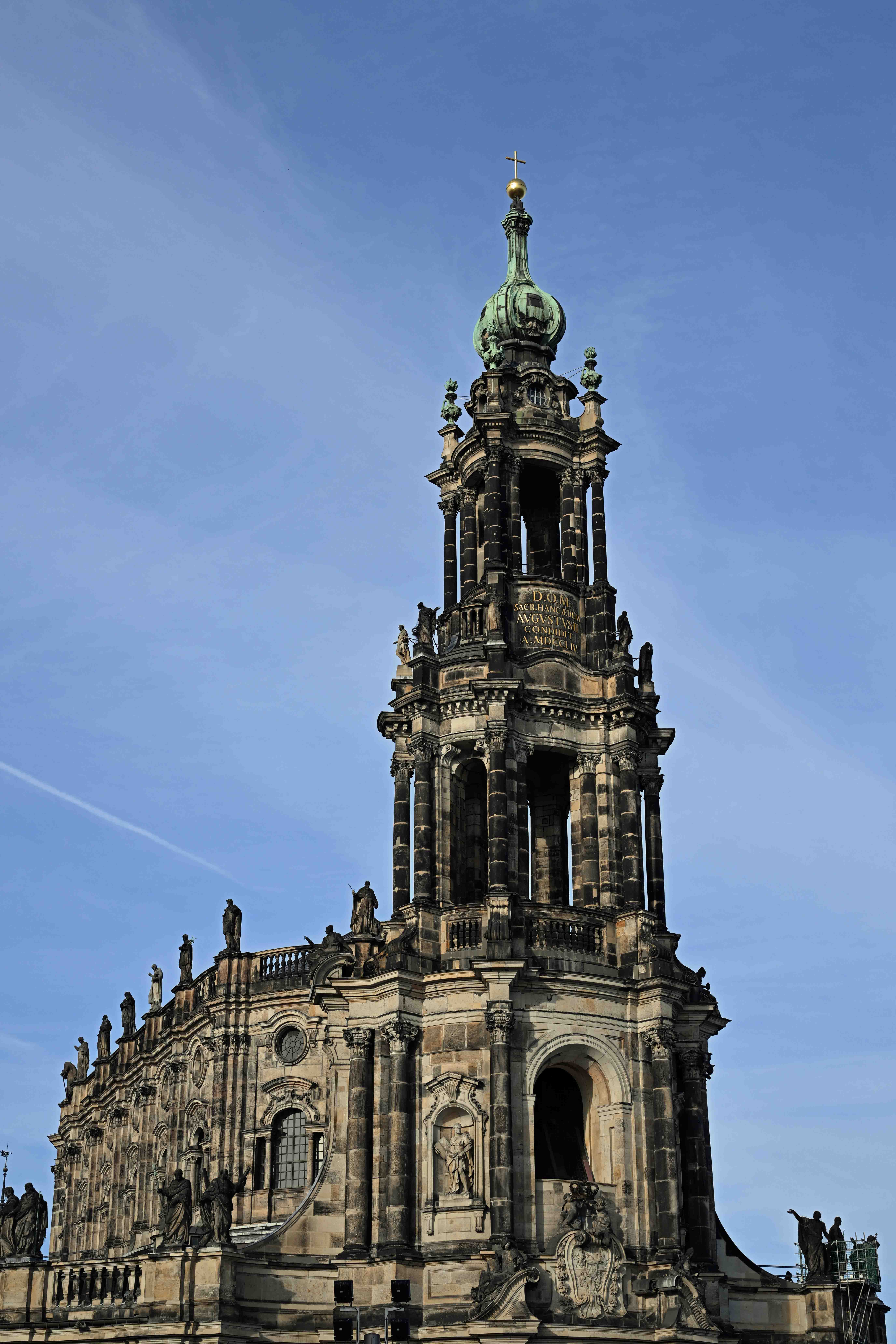
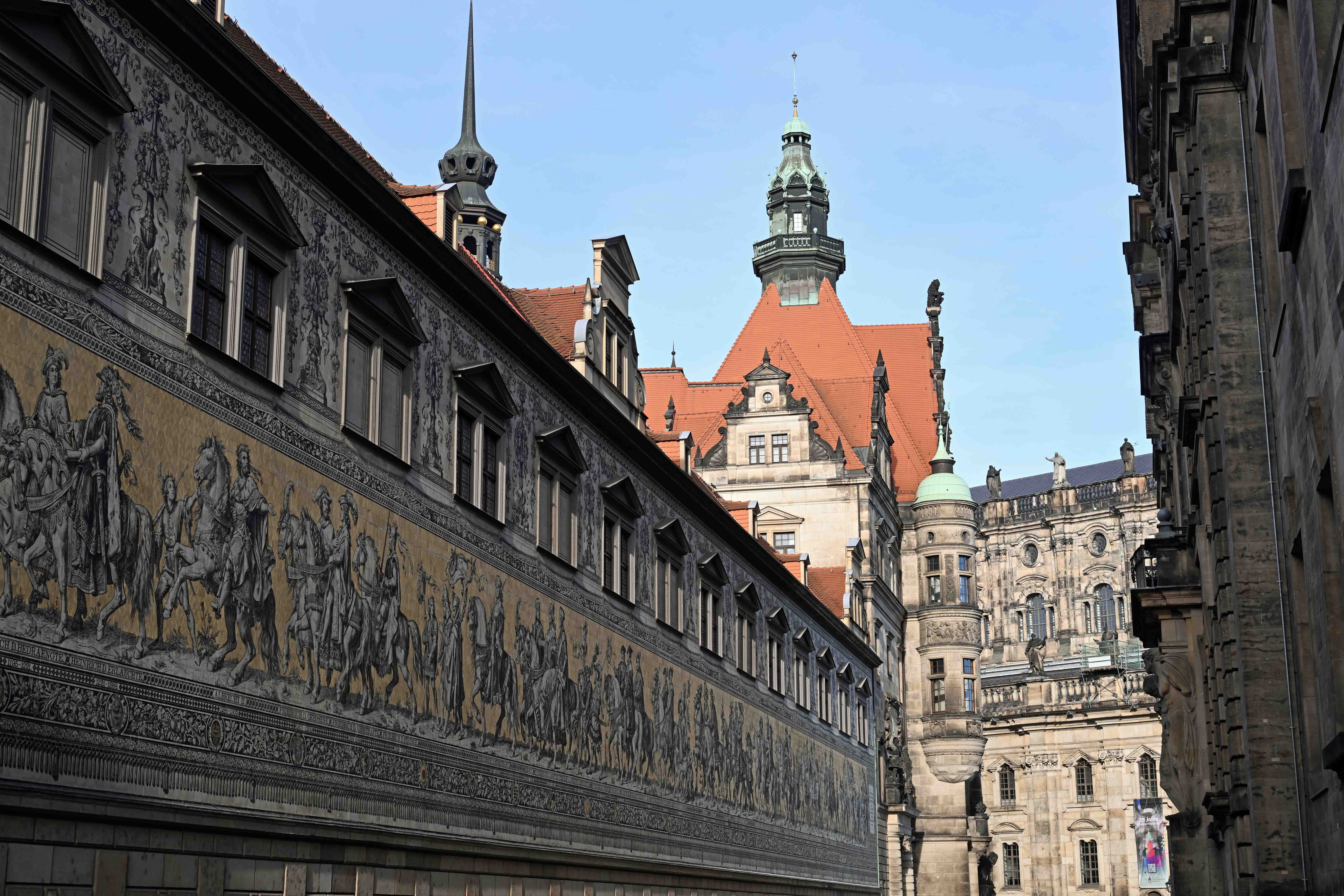
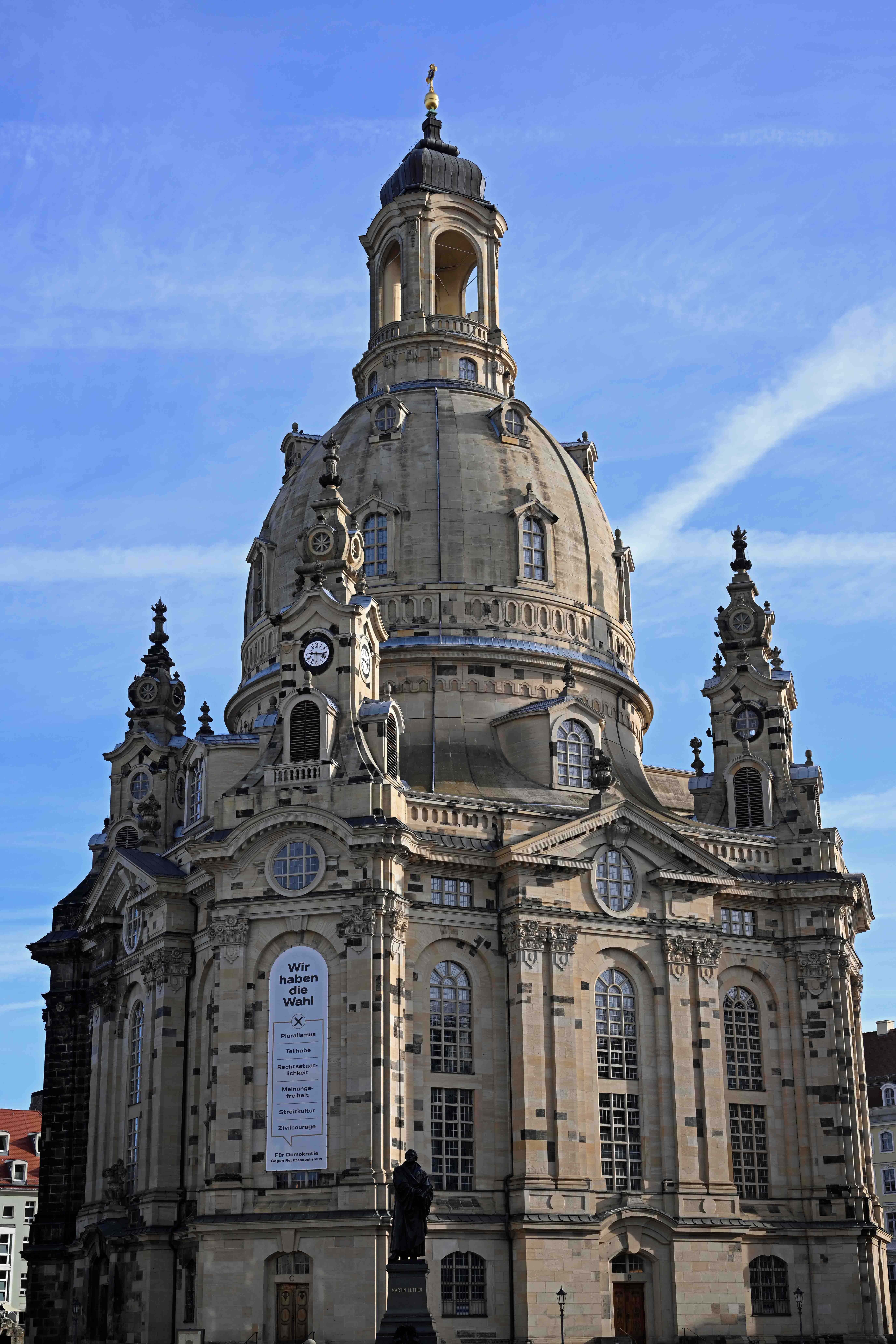
with my time in Dresden being short I was up early in order to enjoy a lighting walking tour of the Alstadt (old town). With it being early – and a Sunday, Dresden was very quiet indeed – which made picture taking so much easier! The weather Gods has smiled upon me too as we had yet more blue skies. Dresden is another European city where the sheer size and scale of the buildings can’t fail to impress. What’s also impressive is the way the city has been restored after the terrible bombings it suffered at the hands of the British and Americans towards the end of World War 2, in February1945.
I’d loved to have stayed and explored more. Not just the city itself but also the expansive rail network. The city’s very much a hub for freight traffic which is interesting to see for a Briton brought up in a country that’s done its best to get freight off (not on) the railways.
The countryside around Dresden looks interesting too. There’s rolling hills and what look like vineyards, which is a refreshing change from the flatness of the areas of Scandinavia and Northern Europe that I’ve traversed on this trip so far. I’m looking forward to putting that right…
Now I’m back in Berlin for just over 24 hours before beginning the trek to Southern Europe through countryside that’s anything but flat!
Here’s a couple of pictures from today’s wanderings to whet your appetite.
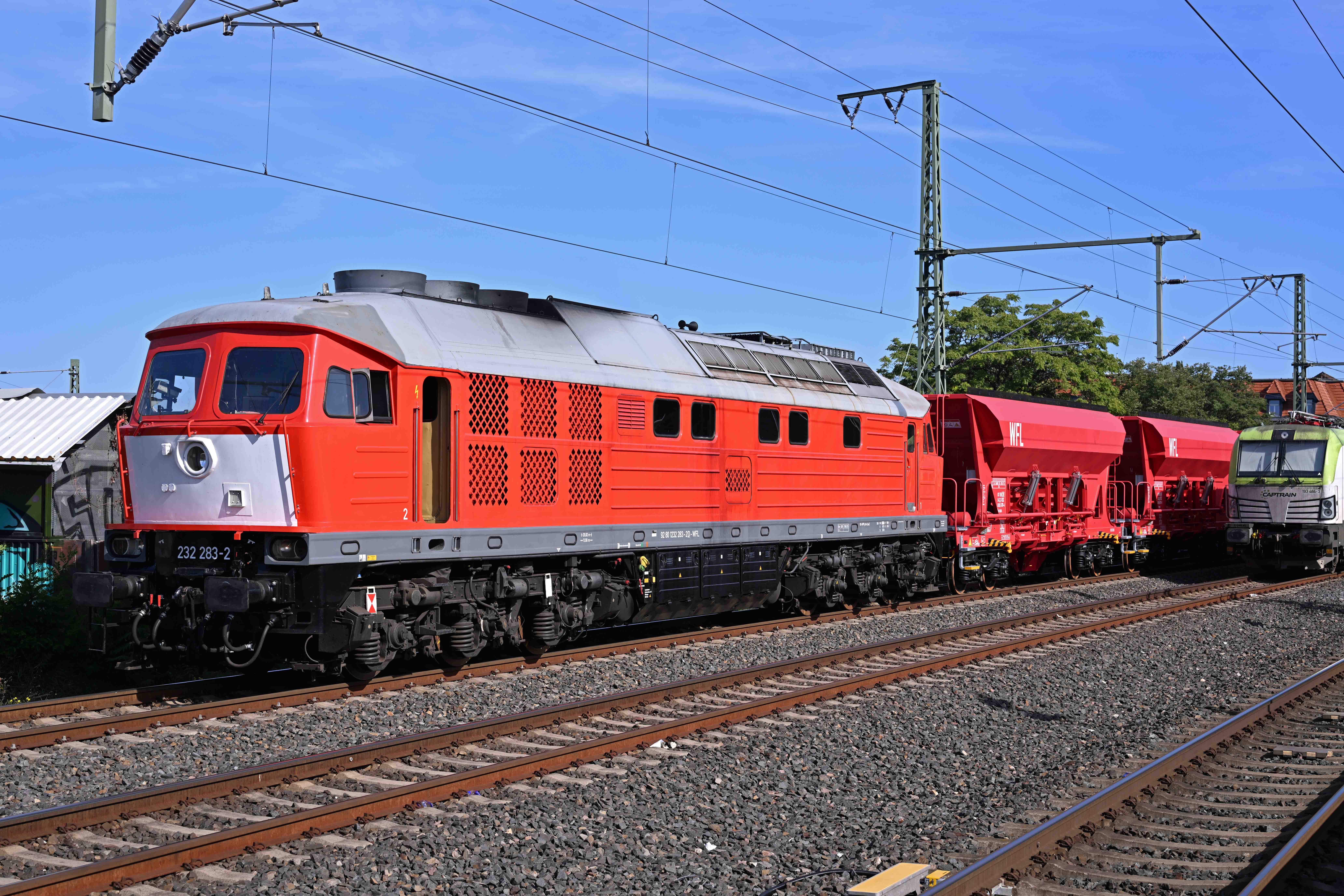
The Cathedral of St TrinitatisThe Fürstenzug is a mural made of porcelain tiles which depicts Saxon rulers throughout the ages.This is the Frauenkirche, a Baroque church reconsecrated in 2005 after being destroyed in World War 2.A DB class 232 pauses at Neustadt for a crew change. nicknamed ‘Ludmillas’ these engines were built by the Soviet Union in Ukraine from 1973-82.
More later…
I’ve a small favour to ask… If you enjoy reading this or any of the other blogs I’ve written, please click on an advert or two. You don’t have to buy anything you don’t want to of course – although if you did find something that tickled your fancy that would be fab! – but the revenue from them helps me to cover some of the cost of maintaining this site (which isn’t cheap and comes out of my own pocket). Remember, 99% of the pictures used in my blogs can be purchased as prints from my other website – https://paulbigland.zenfolio.com/
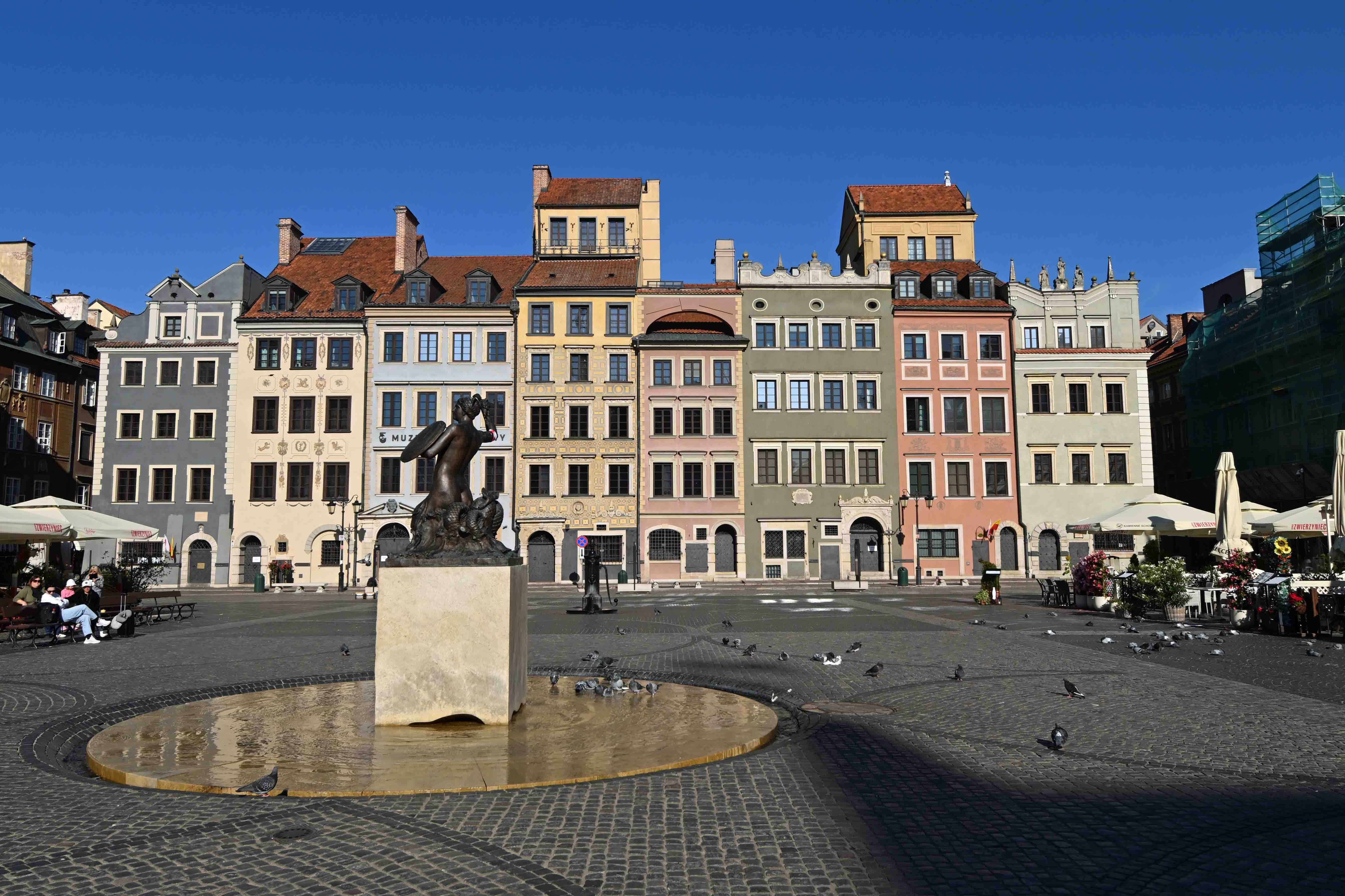
I’m staying in Warsaw until 11:00 tomorrow when I move on to Berlin, so I have a full day to explore the city. The weather’s gorgeous with clear blue skies. The temperature is due to hit 21 degrees, so I’m out exploring. My first destination was the old town which was half an hour’s walk away. That time wasn’t wasted as I got to see the more of the modern city. I have to say, I’m impressed with Warsaw. The quality of its transport infrastructure puts many UK cities to shame. Especially the provision for cycling. But then, that’s been 6. 3off the idea that the only way to get around it by car – and they’re all much nicer places for it. Unfortunately, there’s still a mindset in Britain that car’s should come first and any attempt to provide safe and attractive options for pedestrians and cyclists is an ‘attack on the motorist’.
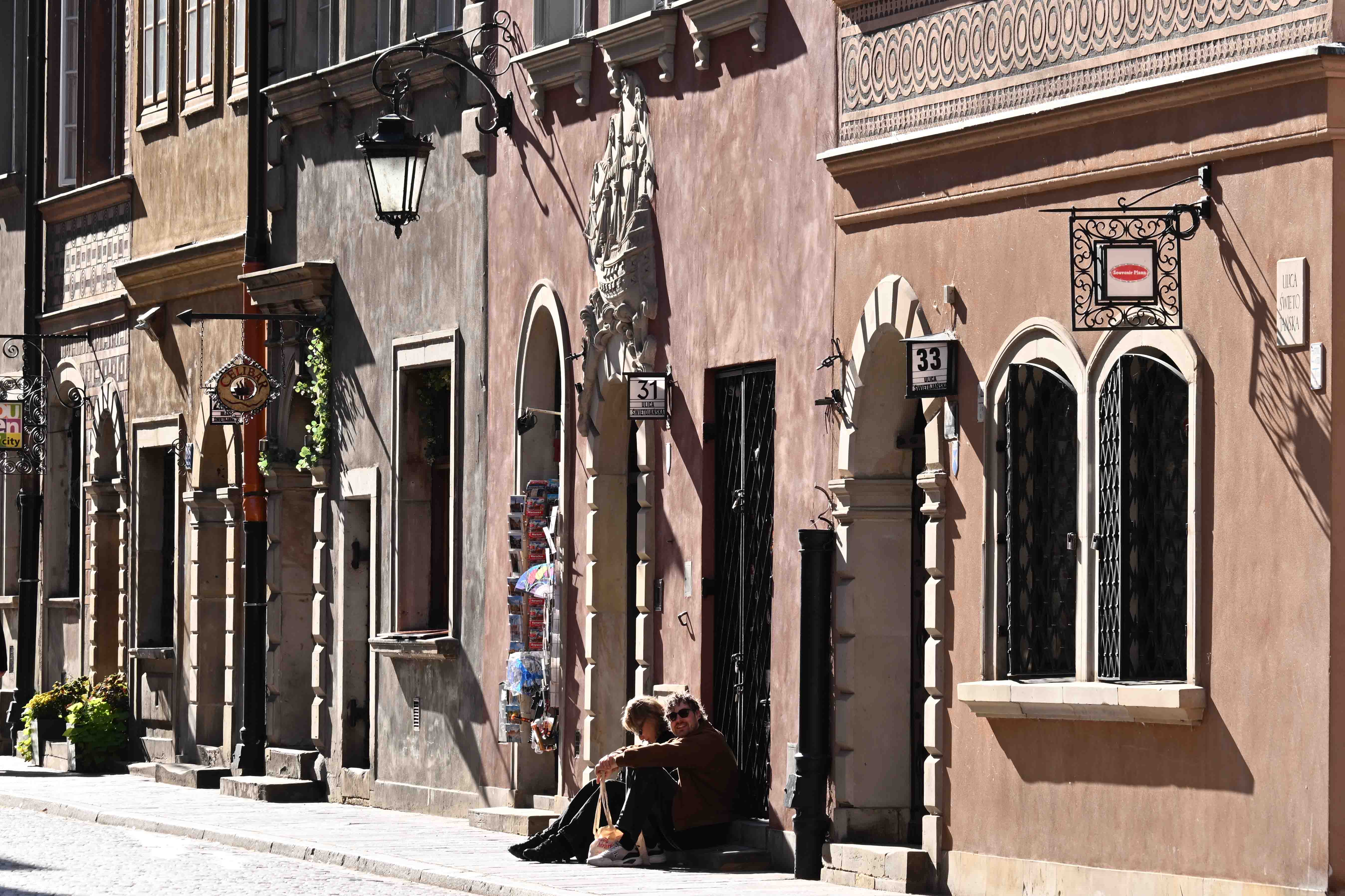
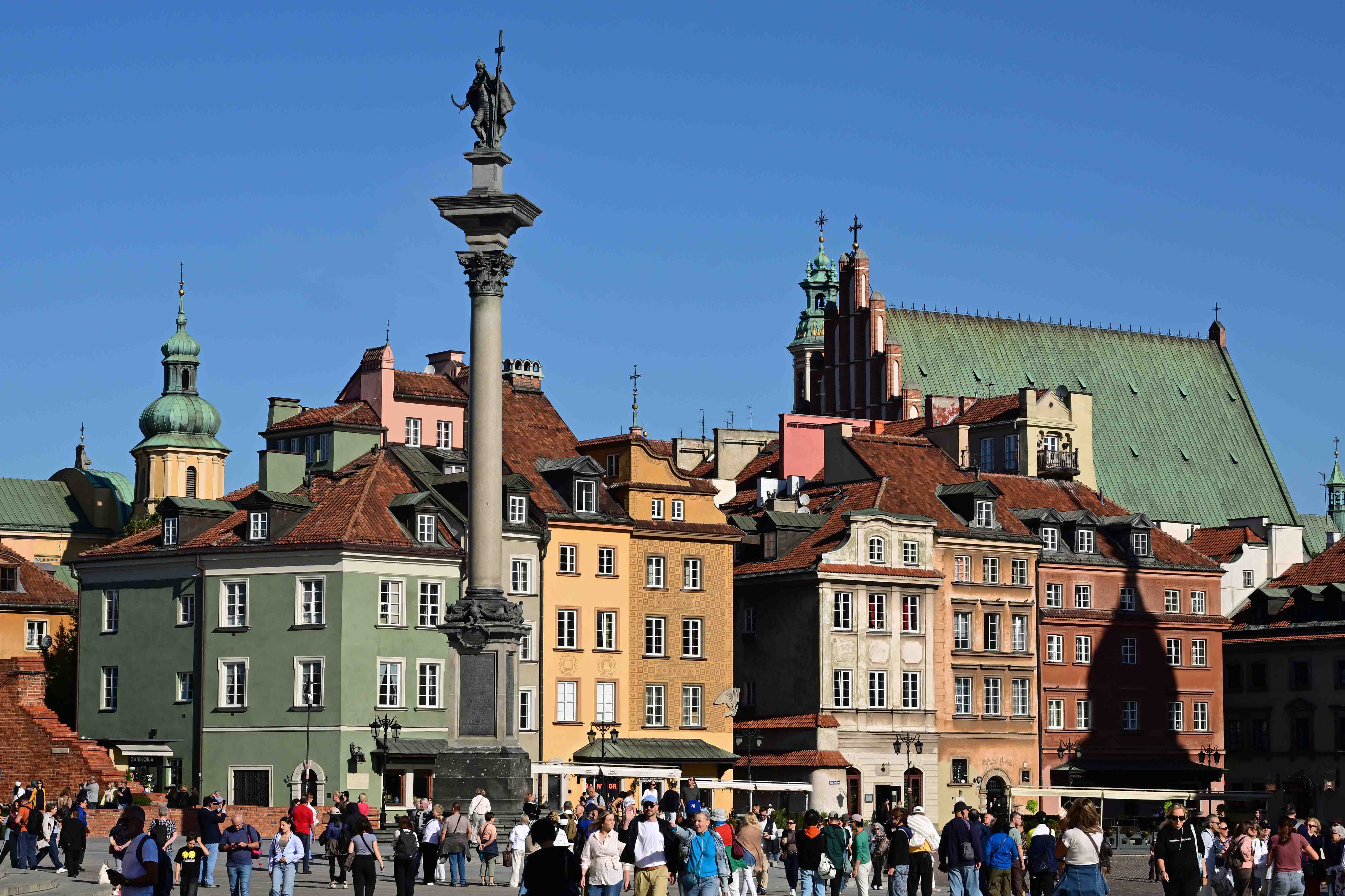
5i made it to to the old town early, so as to avoid the tourist hordes. Most bars and restaurants were still closed which gave me the opportunity to take pictures of nearly empty streets. The architecture and artwork of the old town is gorgeous, even more so when you realise that it’s been painstakingly recreated. During world war 2 the old town was razed to the ground by the Nazis in retaliation for the Warsaw Uprising. 85% of it was destroyed. There’s many plaques on buildings explaining their significance during t53hose awful, brutal times. I’ve a whole selection of pictures to edit when I get the time, but here’s a few for now.
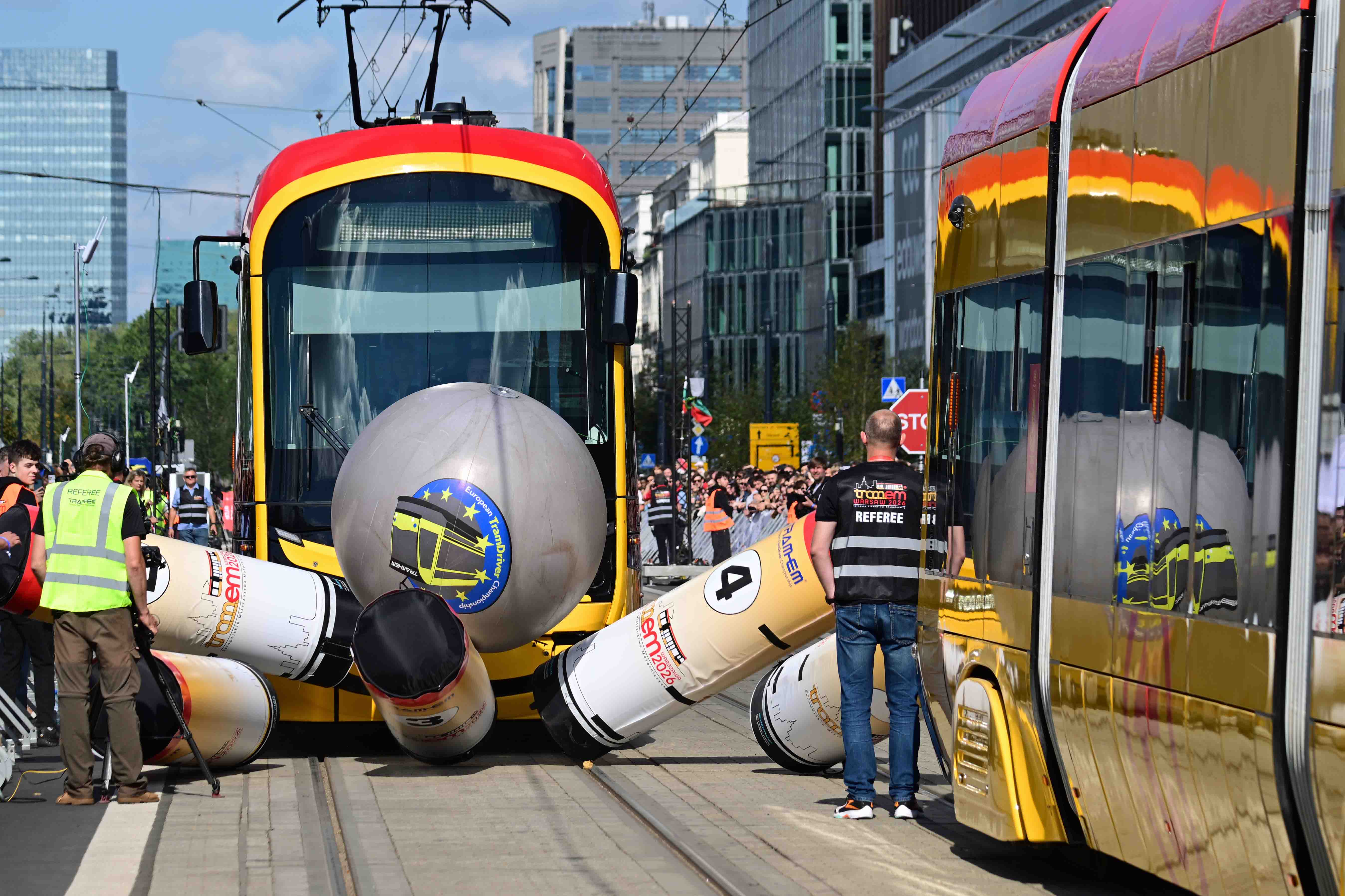
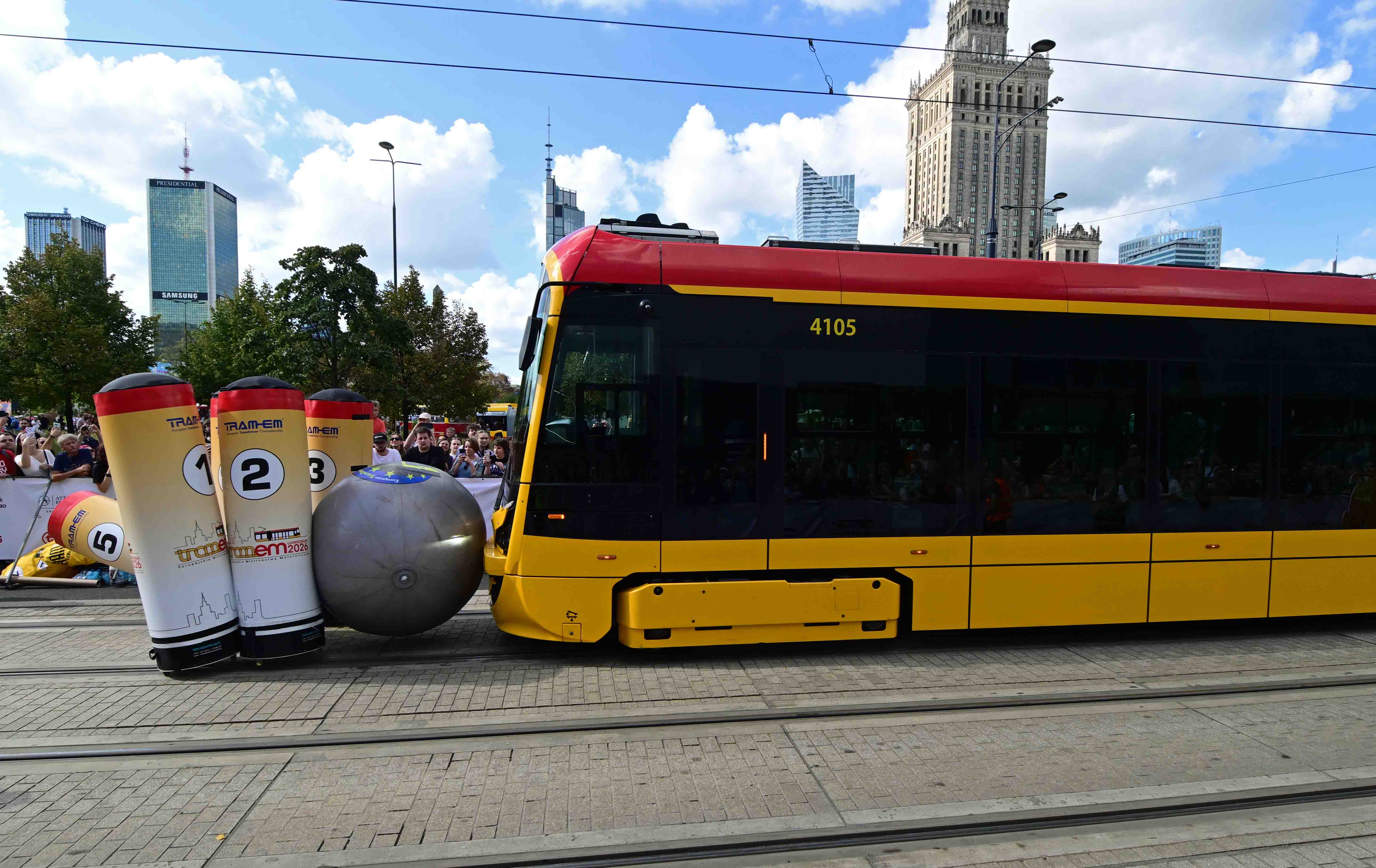
After experiencing the darker side of human history I encountered something completely different. I hadn’t realised, but Warsaw was hosting the annual international tram driving competition. Imagine ‘it’s a knockout’ with trams! Teams form 26 countries (including the UK, who sent a team from Croydon) compete on various challenges which show off their skills in driving trams. It’s wonderful. Warsaw had turned it into a big event with displays of old trams and buses and lots of family activities. Thousands of people turned up.
Tram skittles!
the event was so much fun that I changed my plans to hang around, watch and take pictures. Next year the event is in Luxembourg in July.
Right, that’s all for now. The flaky wifi here in the hotel won’t let me add more. I’ll (hopefully) blog from the train to Berlin tomorrow.
I’ve a small favour to ask… If you enjoy reading this or any of the other blogs I’ve written, please click on an advert or two. You don’t have to buy anything you don’t want to of course – although if you did find something that tickled your fancy that would be fab! – but the revenue from them helps me to cover some of the cost of maintaining this site (which isn’t cheap and comes out of my own pocket). Remember, 99% of the pictures used in my blogs can be purchased as prints from my other website – https://paulbigland.zenfolio.com/
Typical! The day the rain stops is the day I’m on the move again!
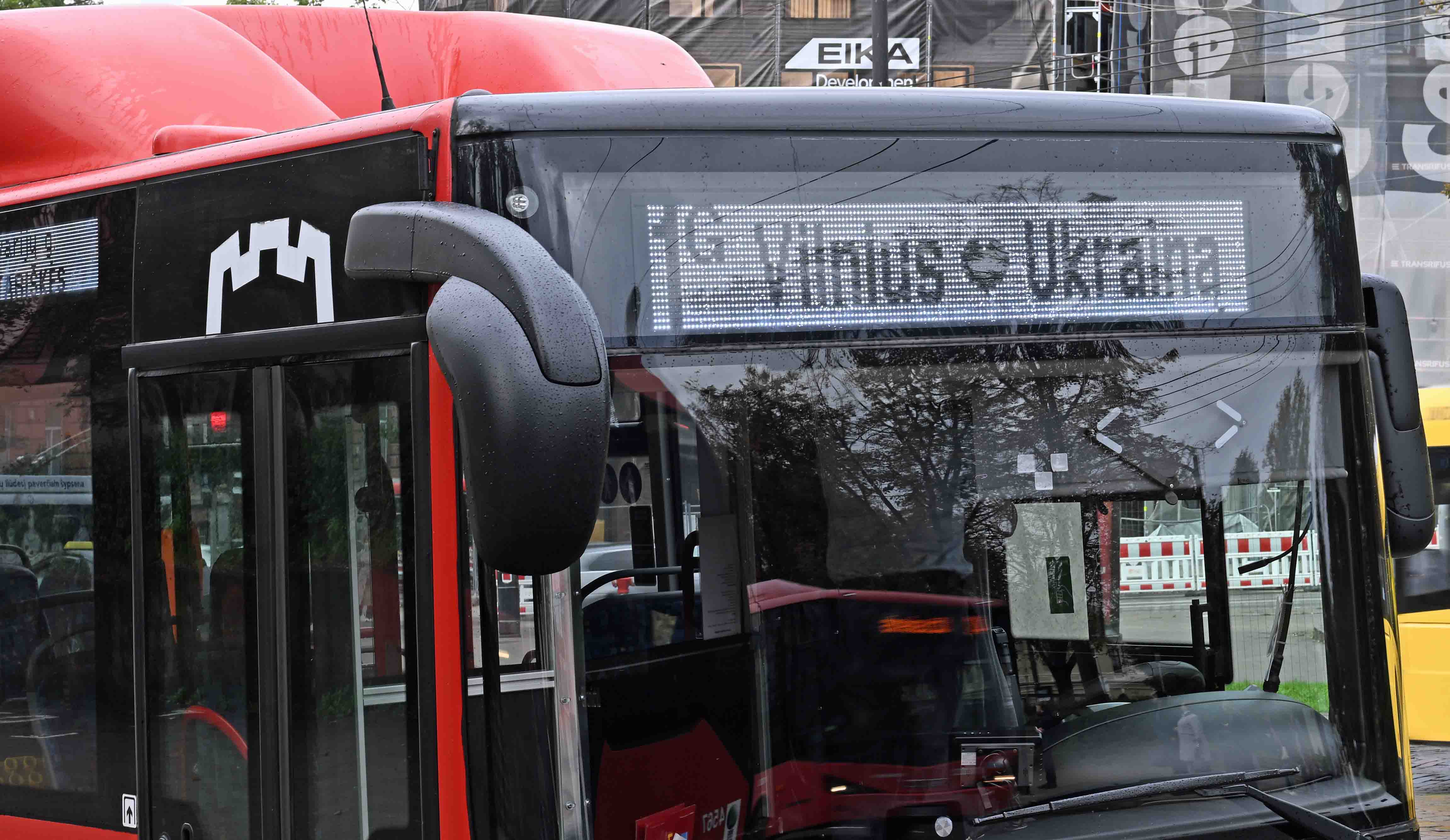
I was woken early this morning by the sound of military jets in the skies above Vilnius. It’s easy to forget that the Lithuanian capital is only a few miles away from Belarus, part of Russia. The Russians have been getting increasingly aggressive in their attitude towards NATO countries. Sending drones and sabotage teams over various countries borders. The idea that Putin is no threat is not one that’s held in the Baltic states. The Ukrainian flag is on display everywhere around town. Even the buses carry this message on their PIS screens.
As my train didn’t didn’t leave until 12:20 I had time to have another wander around the old town, only this time in the sunshine. Here’s a couple of pictures.
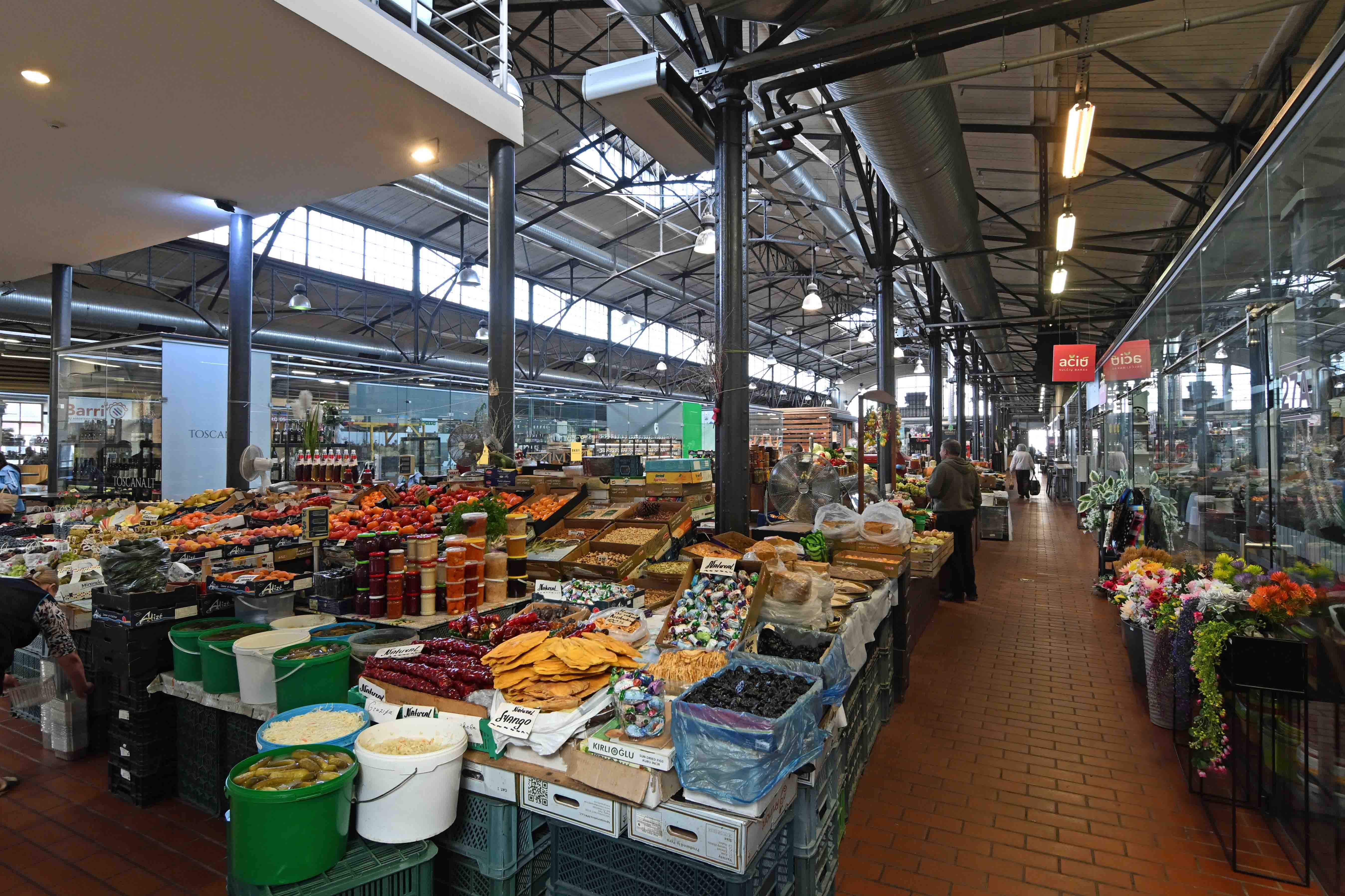
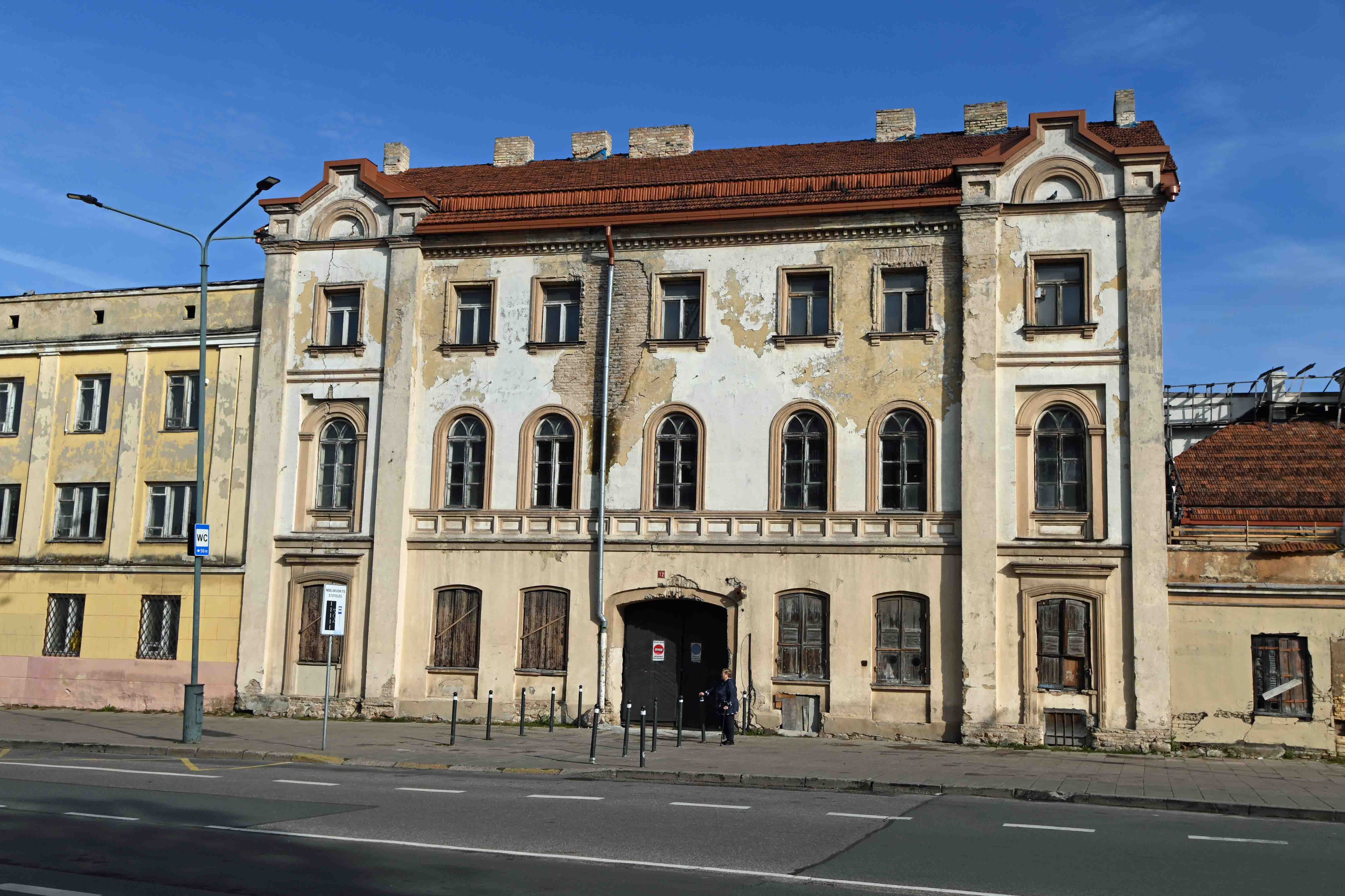
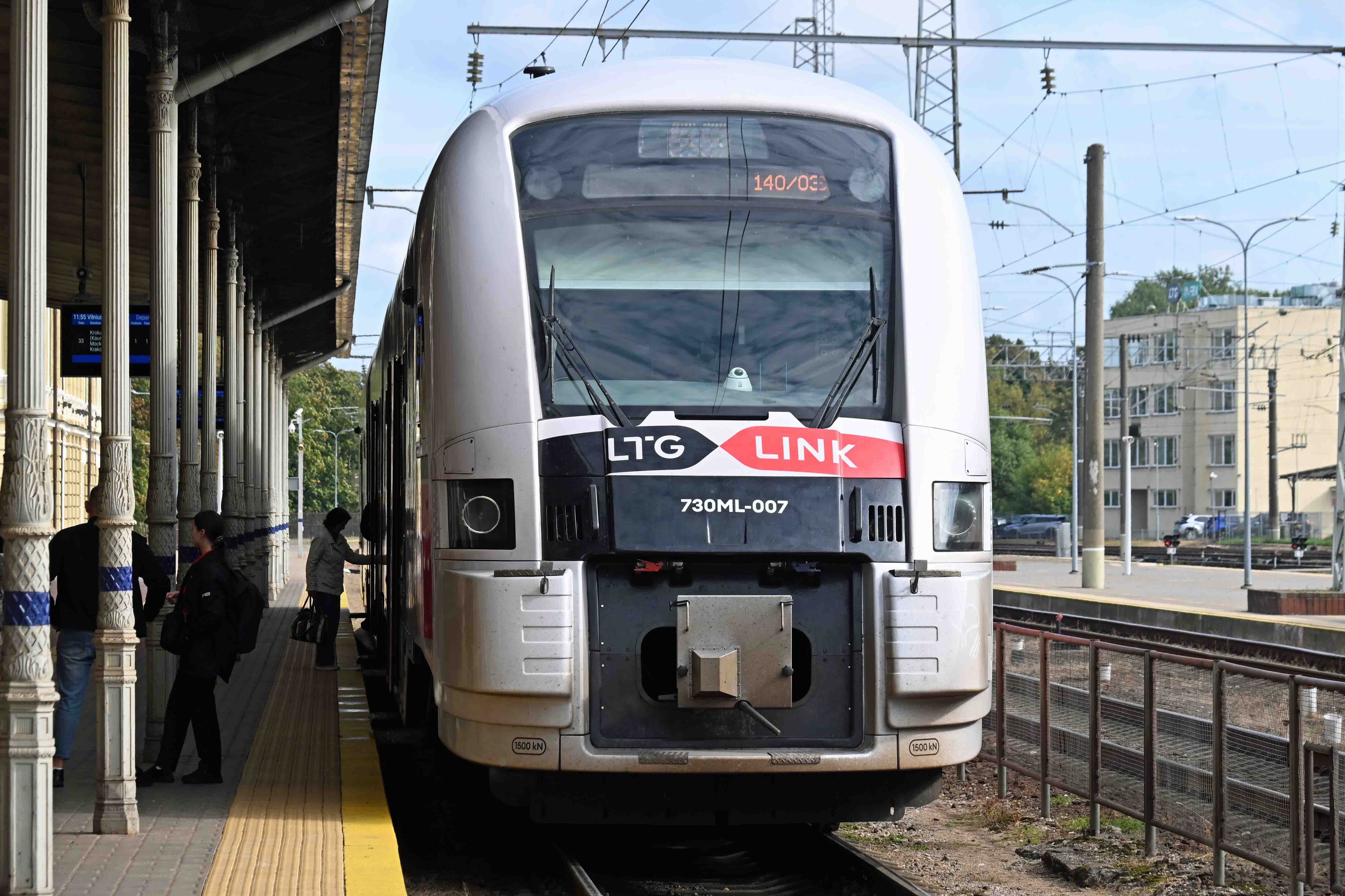
I do love a good market and this one in the old town is redolent with the smell of smoked meats, pickles and spices. Many buildings could do with some TLC. Plenty are receiving it – just not this one, yet.My train to Warsaw, which is of the same type that’s taken me all the way from the Estonian border, through Latvia to here. This particular services runs all the way to Krakow, via Warsaw with a change of train at Mockava.
14:05.
We’ve stopped twice on the trip so far. First at the busy junction and freight yards at Kaunas, where we picked up so many passengers that we’re almost full – then at the small town and junction of Kazlų Rūda. My table bay of four now has three occupants, of which I’m one. But, I have a window seat, a power socket and wifi, so I’m content. We’re gradually leaving the built up and more industrial areas behind to head out across open fields, which makes a change as the railways in this part of the world are often hemmed in by trees. I’ve just watched a pair of deer bound away from the tracks!
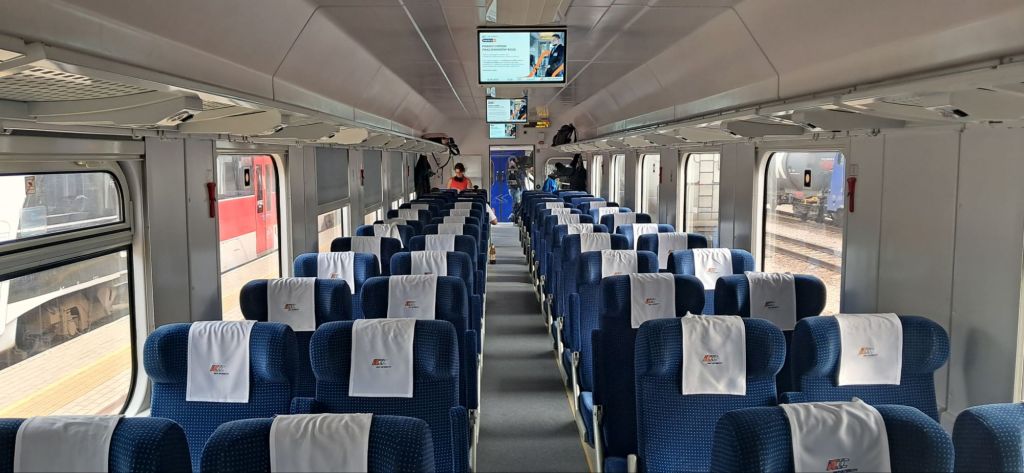
My fellow passengers seem to be mostly locals of all ages with a smattering of older travellers like me. The atmosphere is relaxed and the two young women stewards both helpful and efficient.
We’ve just called at the wonderfully ornate station at Marijampole. The station building is a delight. The area also boasts extensive freight yards full of grain wagons (there’s some massive grain silos here) and tank wagons – although I haven’t got a clue what they carry. Lithuanian railways are fascinating as (unlike the UK) most industrial sites still have a rail connection. Some are disused, but they still exist.
15:25.
We arrived at Mockava Spot on time. A swift cross platform interchange saw us go from a crowded 3-car multiple unit to a far more expansive locomotive hauled train run by Polish railways (PKP).
14:45.
We’re currently stopped at Kierunek, where a posse of Polish Immigration officers and military have checked everyone’s passports. We’re in the territory of the Suwalki gap, which has gained greater significance since Russia’s invasion of Ukraine.
16:15.
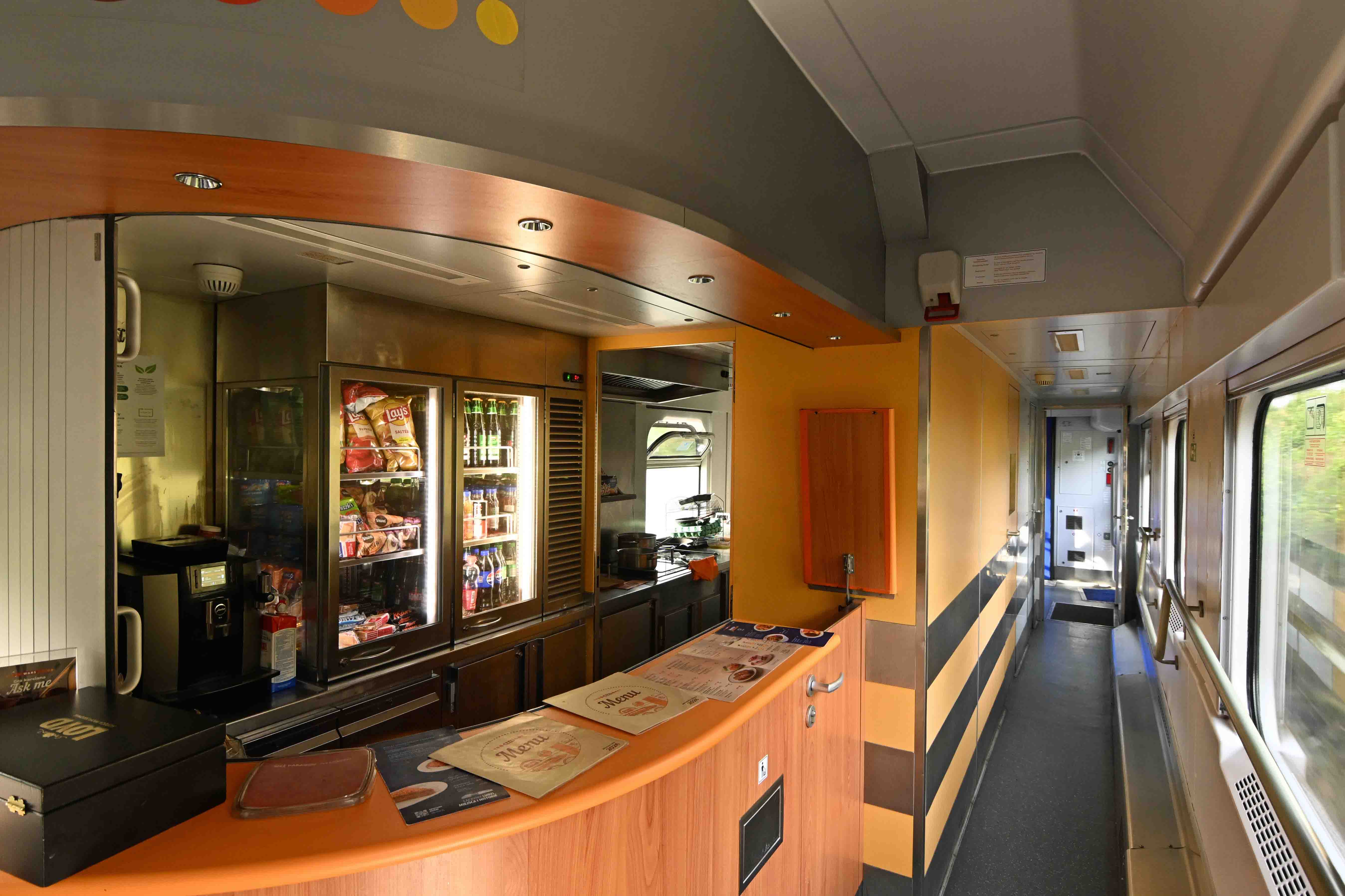
Polish railways are like stepping back in time. We’ve not seen anything like this in the UK since the 1980s. Imagine a loco-hauled train of half a dozen coaches – one of which is a buffet car! Said buffet car serves freshly cooked meals from pans. None of this ‘prick and ping’ microwave stuff! At Suwalki we stopped for a good 20 minutes so the the engine could run round the train. Now we’re bowling through the countryside along a railway followed by telegraph poles.
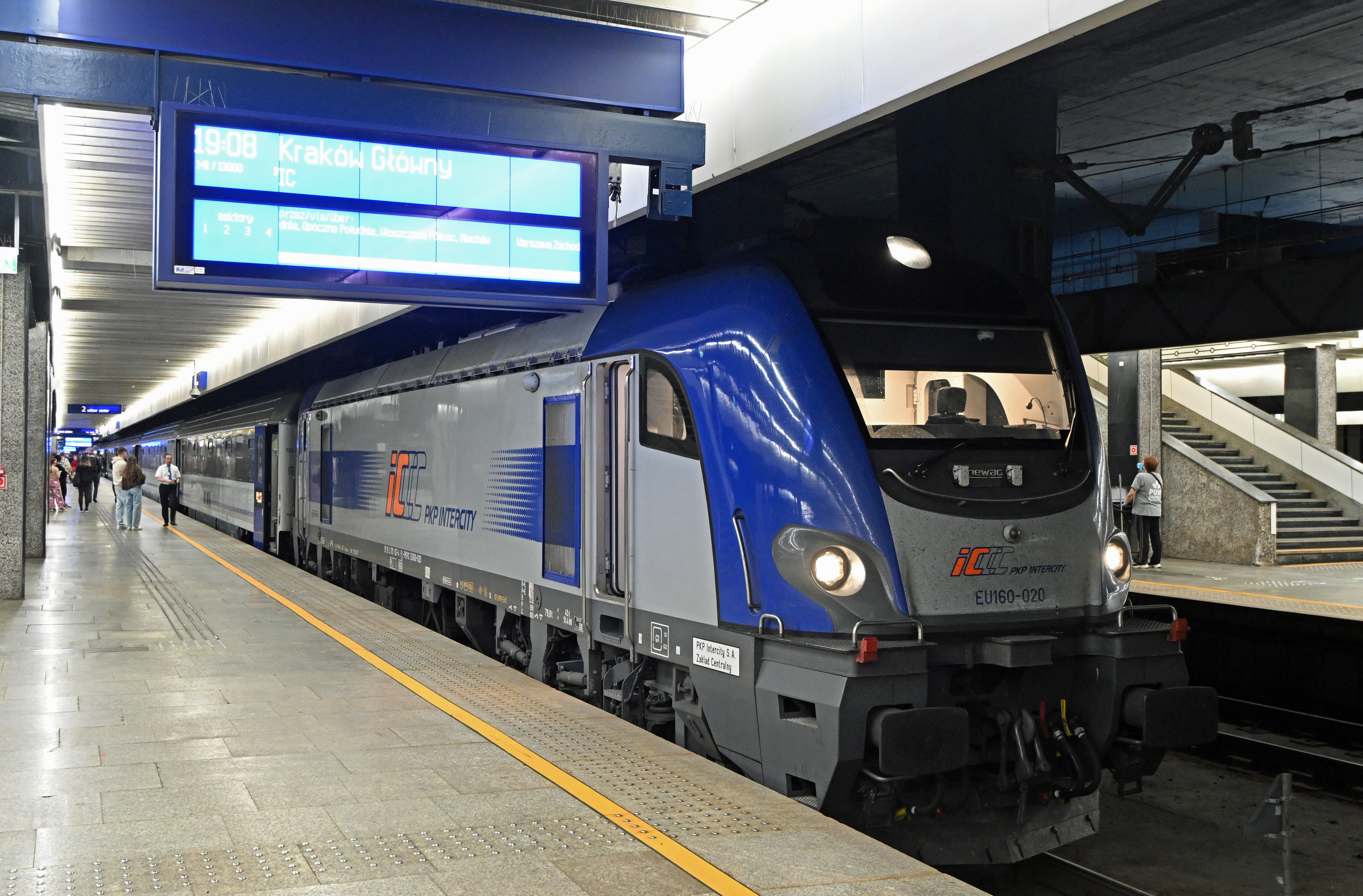
The buffet car counter on my Polish train.Arrived. We had an engine change from diesel to electric at Bialystok where this modern EU160 was attached for the final leg.
It took me 25 minutes to walk to my hotel in central Warsaw, partly because the place was packed with people. It being Friday night a lot of young people were out on the town. The city certainly seems to have a vibrant nightlife, although as a solo traveller that’s not something I’m partaking of. Instead, it was a trip to the local Lidl to stock up on food for the kitchenette I share with another room at the hotel, have a video call with Dawn, then work at my desk sorting out pictures. Unfortunately, the hotel wifi’s a bit flaky, which is hindering these updates. Let’s see what tomorrow brings.
I’ve a small favour to ask… If you enjoy reading this or any of the other blogs I’ve written, please click on an advert or two. You don’t have to buy anything you don’t want to of course – although if you did find something that tickled your fancy that would be fab! – but the revenue from them helps me to cover some of the cost of maintaining this site (which isn’t cheap and comes out of my own pocket). Remember, 99% of the pictures used in my blogs can be purchased as prints from my other website – https://paulbigland.zenfolio.com/
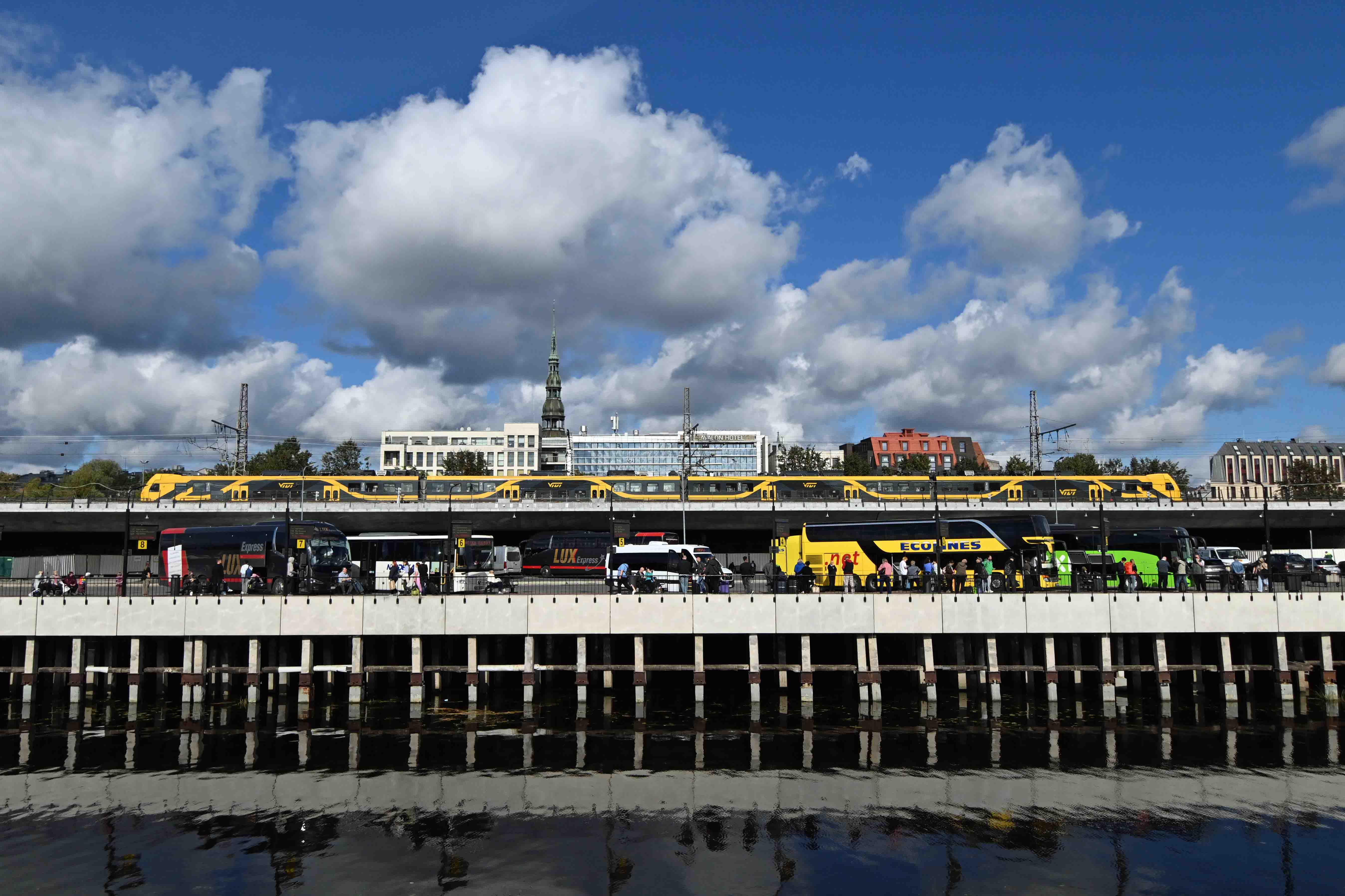
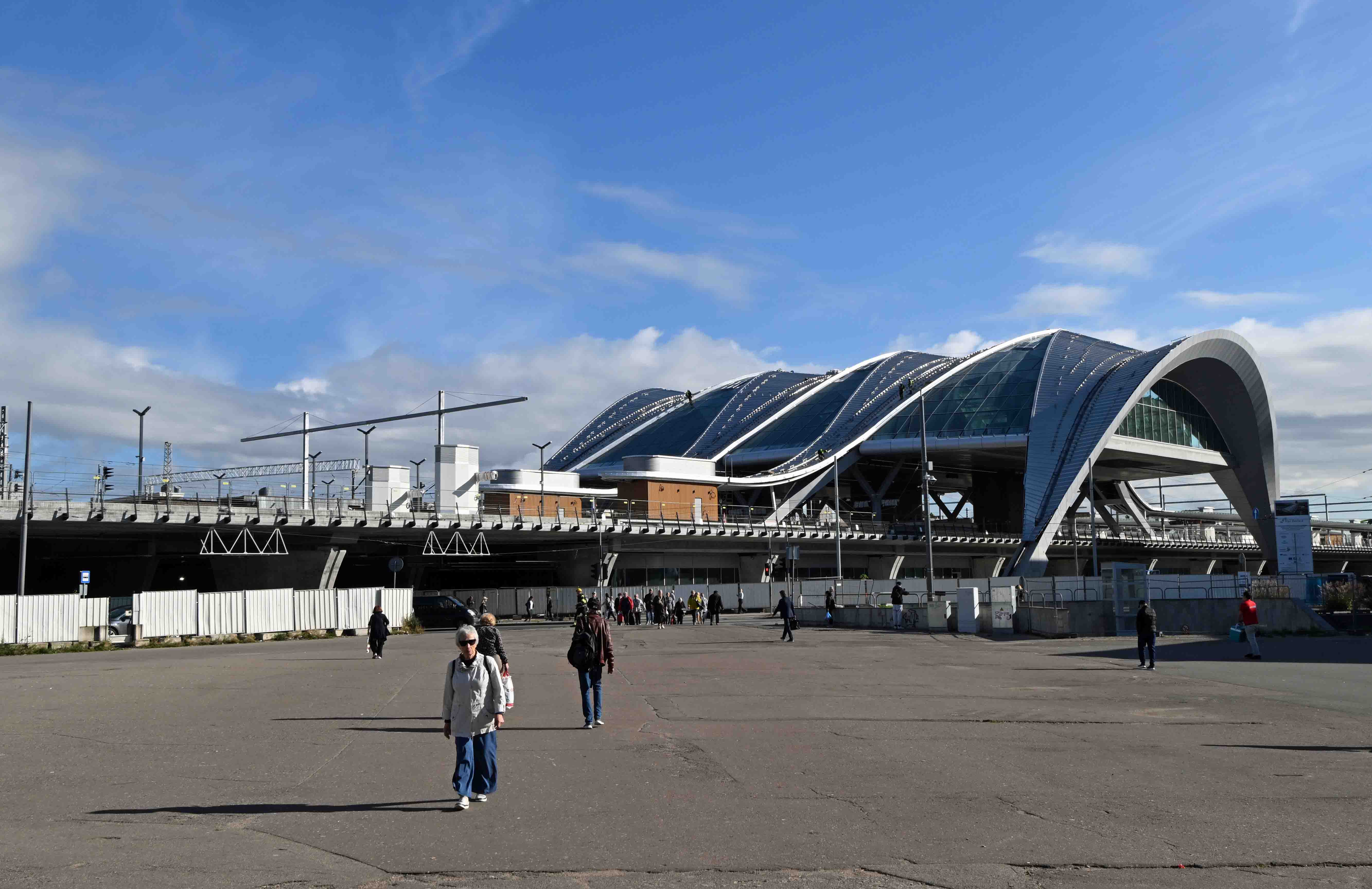
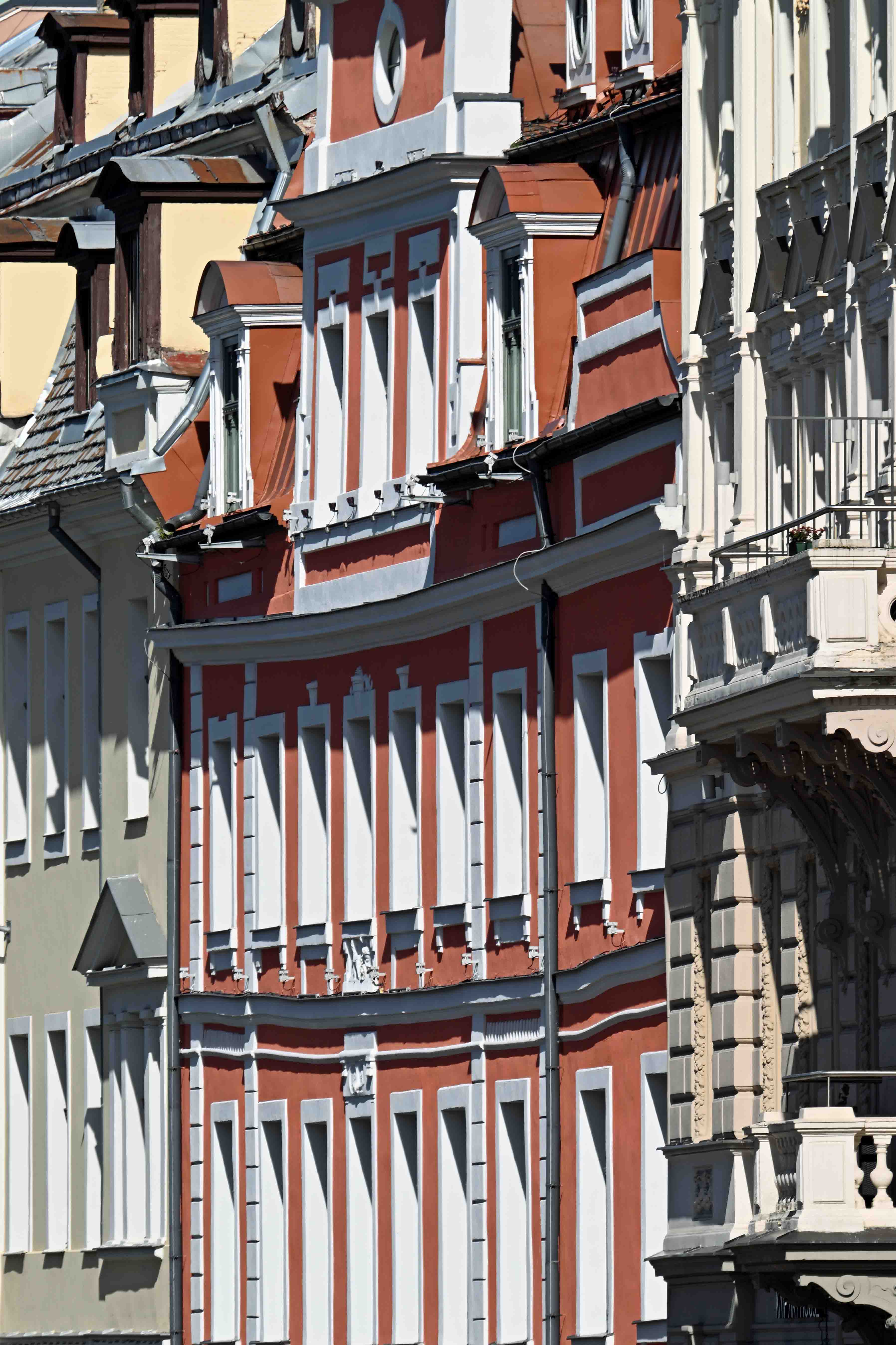
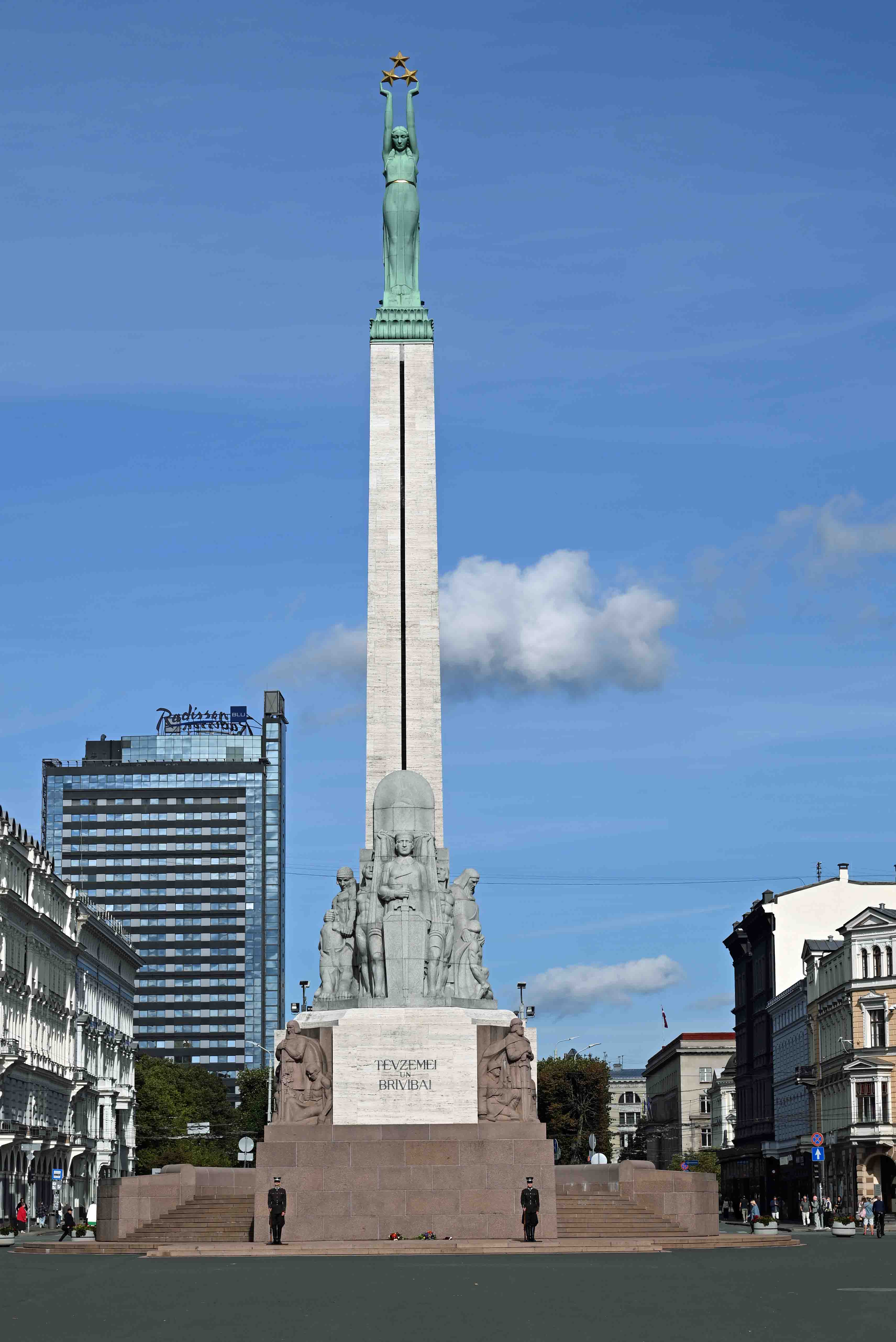
For the first time on this trip I’ve not actually been travelling anywhere. Instead I’ve had a full day in Riga. I have to say I’ve been really impressed with the city. There’s so much to see and do here. It has fantastic architecture, a huge market (both indoor and outdoor) and a really interesting transport network which includes trams, trains and trollybuses. There’s far too much to mention in a blog, so today’s is going to be picture based.
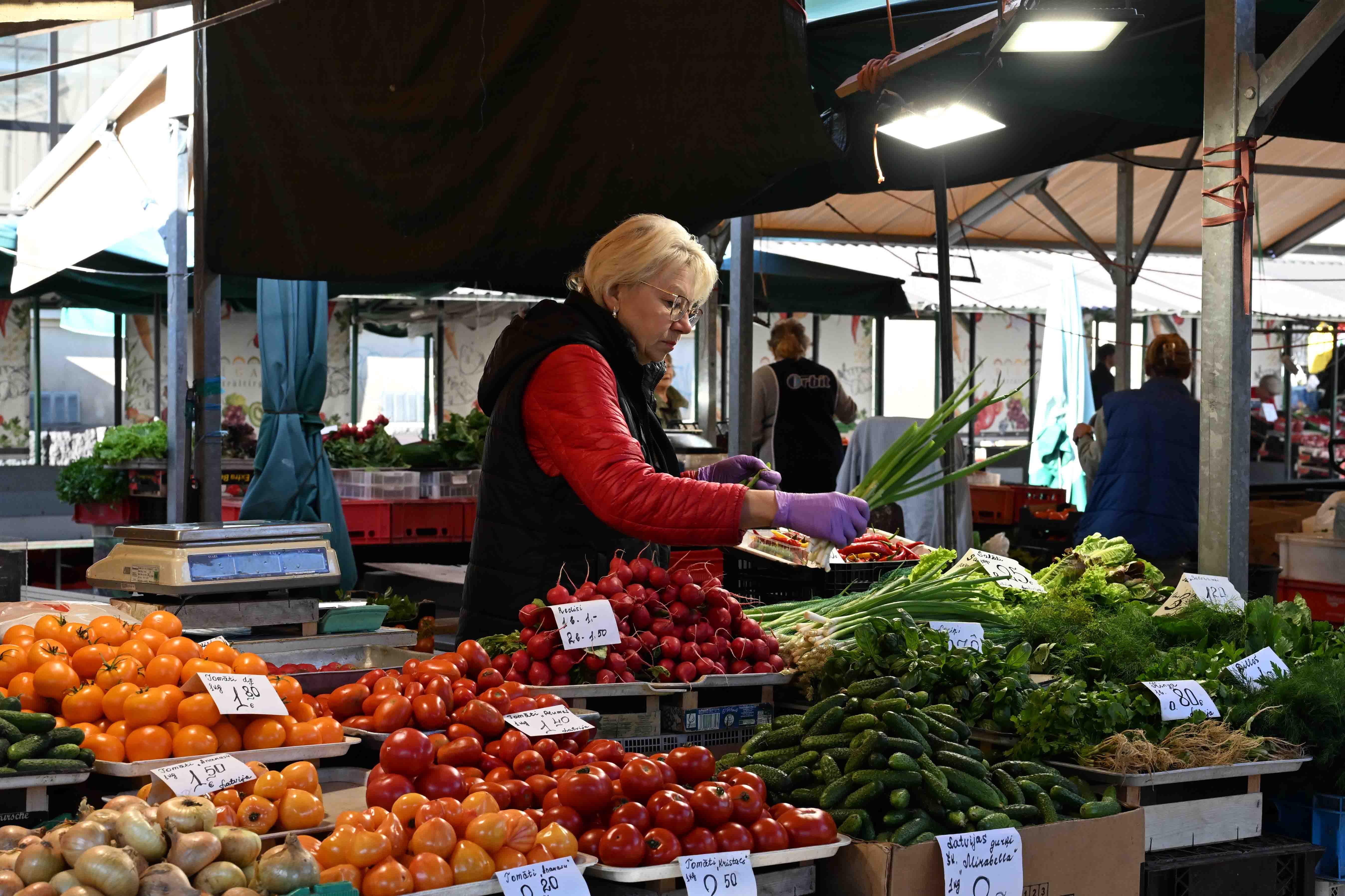
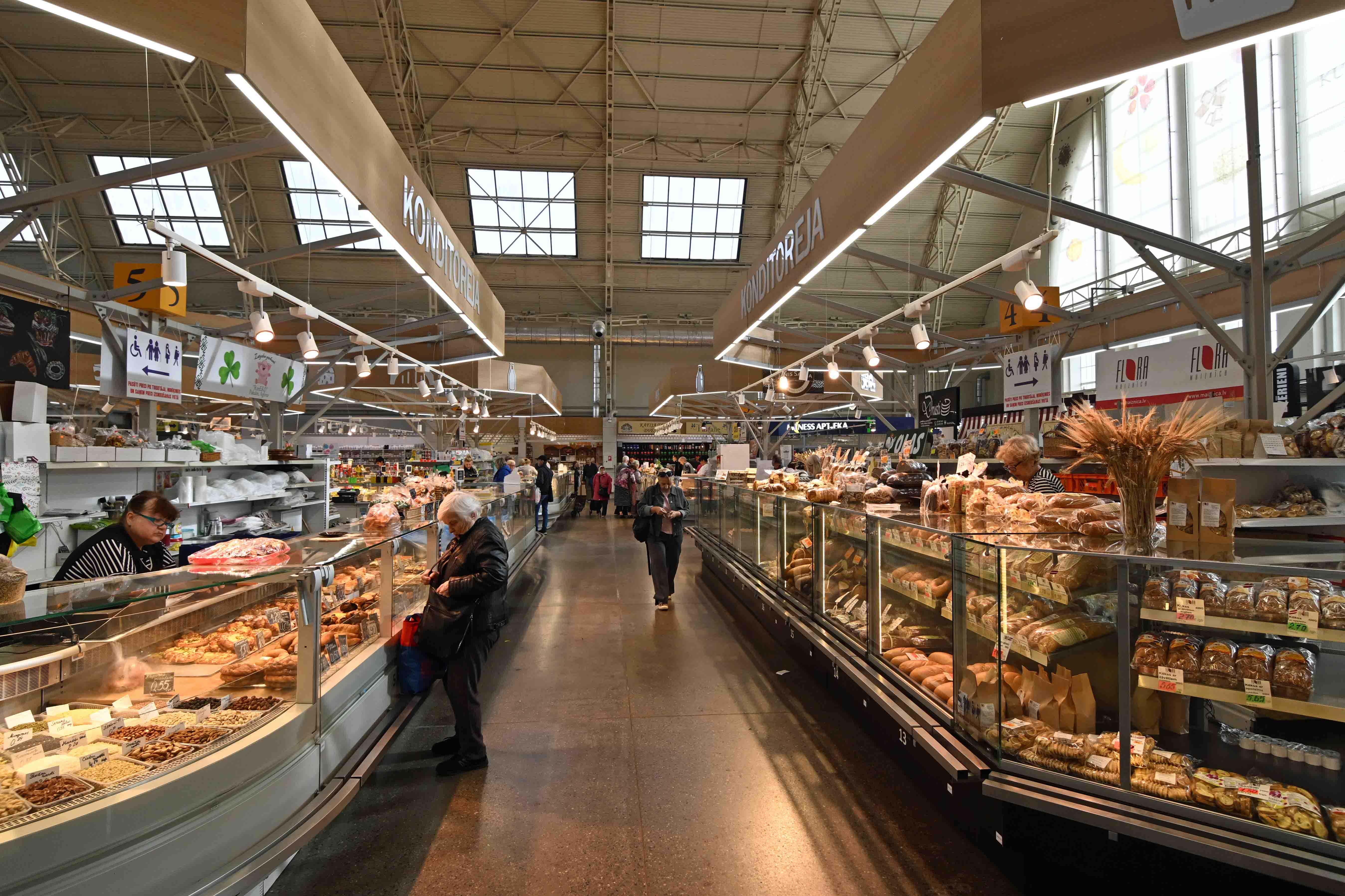
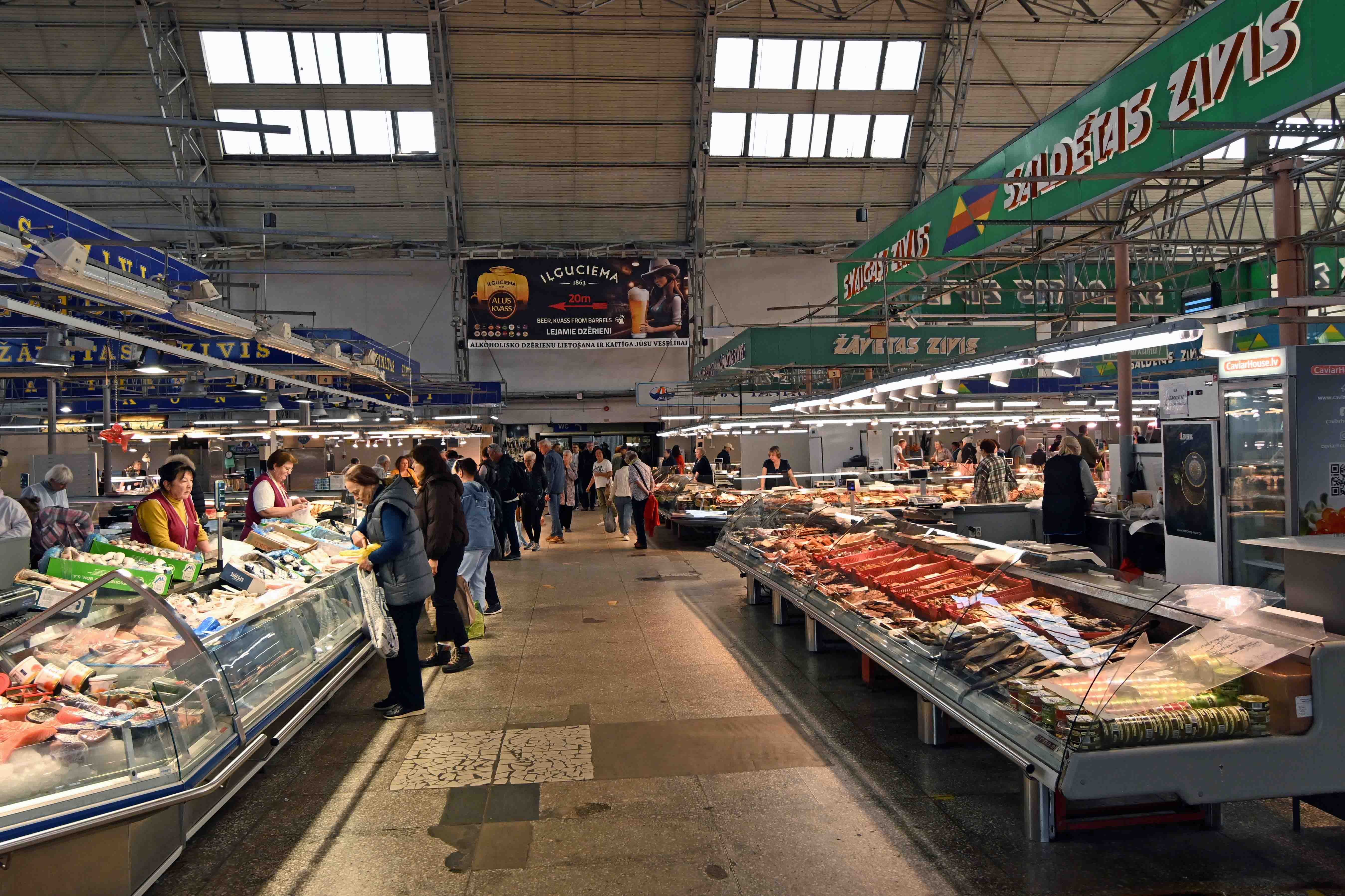
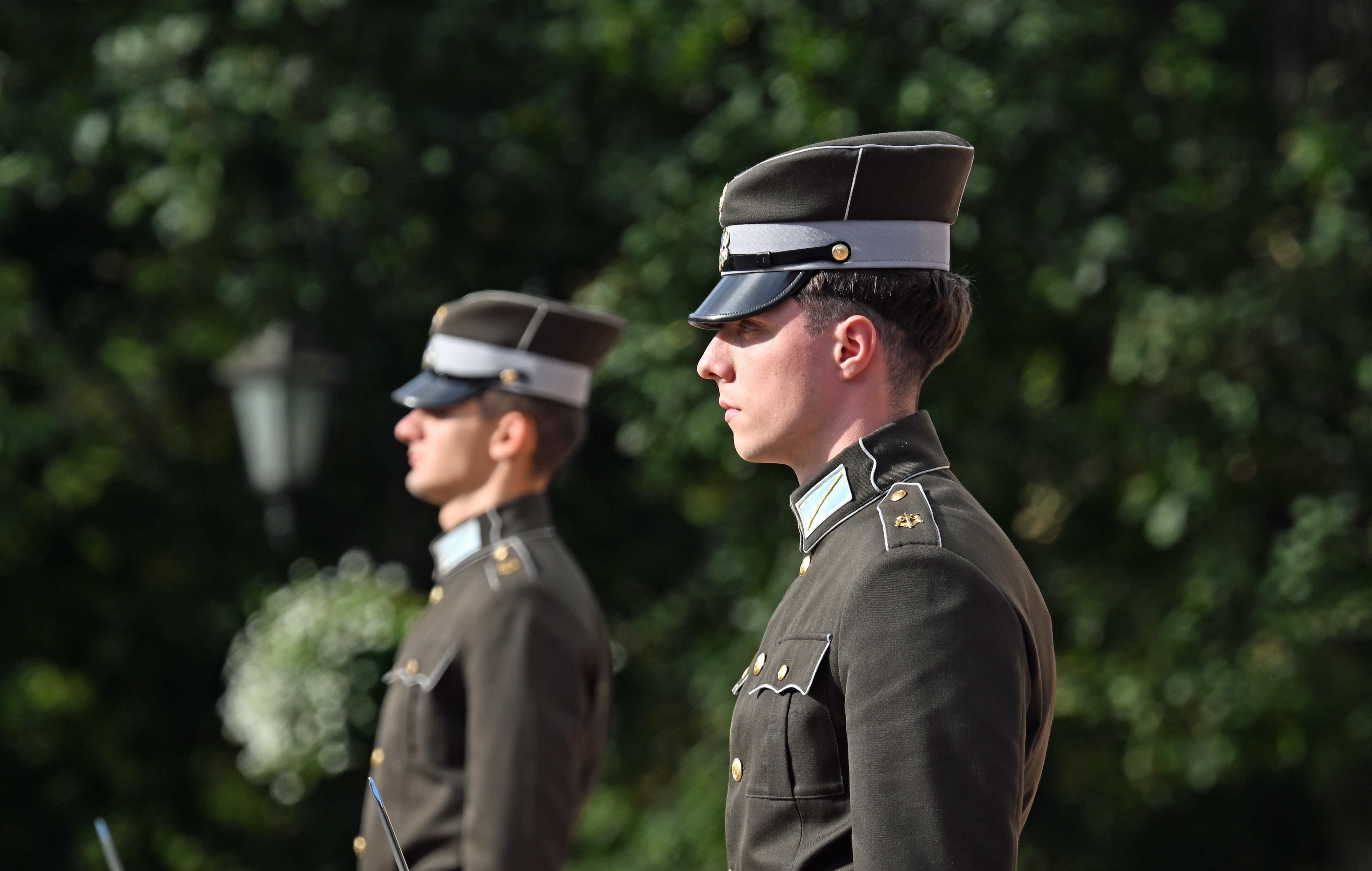
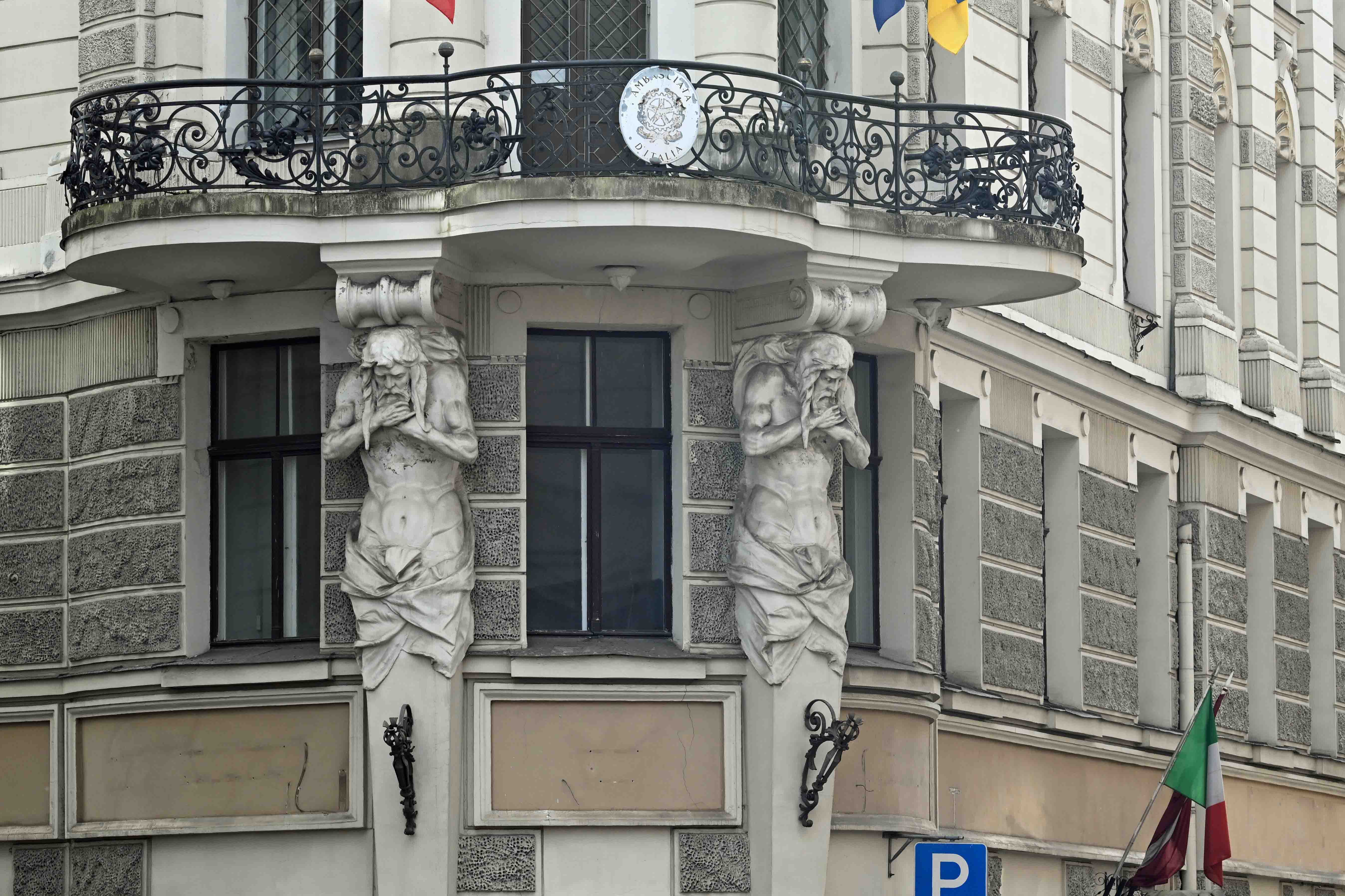
There’s a huge outdoor market in central Riga where stallholders sell fruit and veg, clothing and bric-a-brac. Inside one of the Riga Central Market halls. There’s five of these large buildings (although a couple are now empty) which were constructed in 1930 from old Zepplin sheds. Integreted transport as a train passes the coach terminal. The new standard gauge Rail Baltica station takes shape next to the existing Riga railway station.Architecture in the old town.The Freedom Monument. A 42m tall statue dedicated to Latvians who lost their lives fighting for independence between 1918 & 1920.Soldiers on duty at the Freedom monument. 6 of them rotate the duty, doing one hour on and two hours off. The old town is a Baroque delight!
I’m back on the move again tomorrow, heading to Vilnius in Lithuania where I’ll be taking another break.
I’ve a small favour to ask… If you enjoy reading this or any of the other blogs I’ve written, please click on an advert or two. You don’t have to buy anything you don’t want to of course – although if you did find something that tickled your fancy that would be fab! – but the revenue from them helps me to cover some of the cost of maintaining this site (which isn’t cheap and comes out of my own pocket). Remember, 99% of the pictures used in my blogs can be purchased as prints from my other website – https://paulbigland.zenfolio.com/
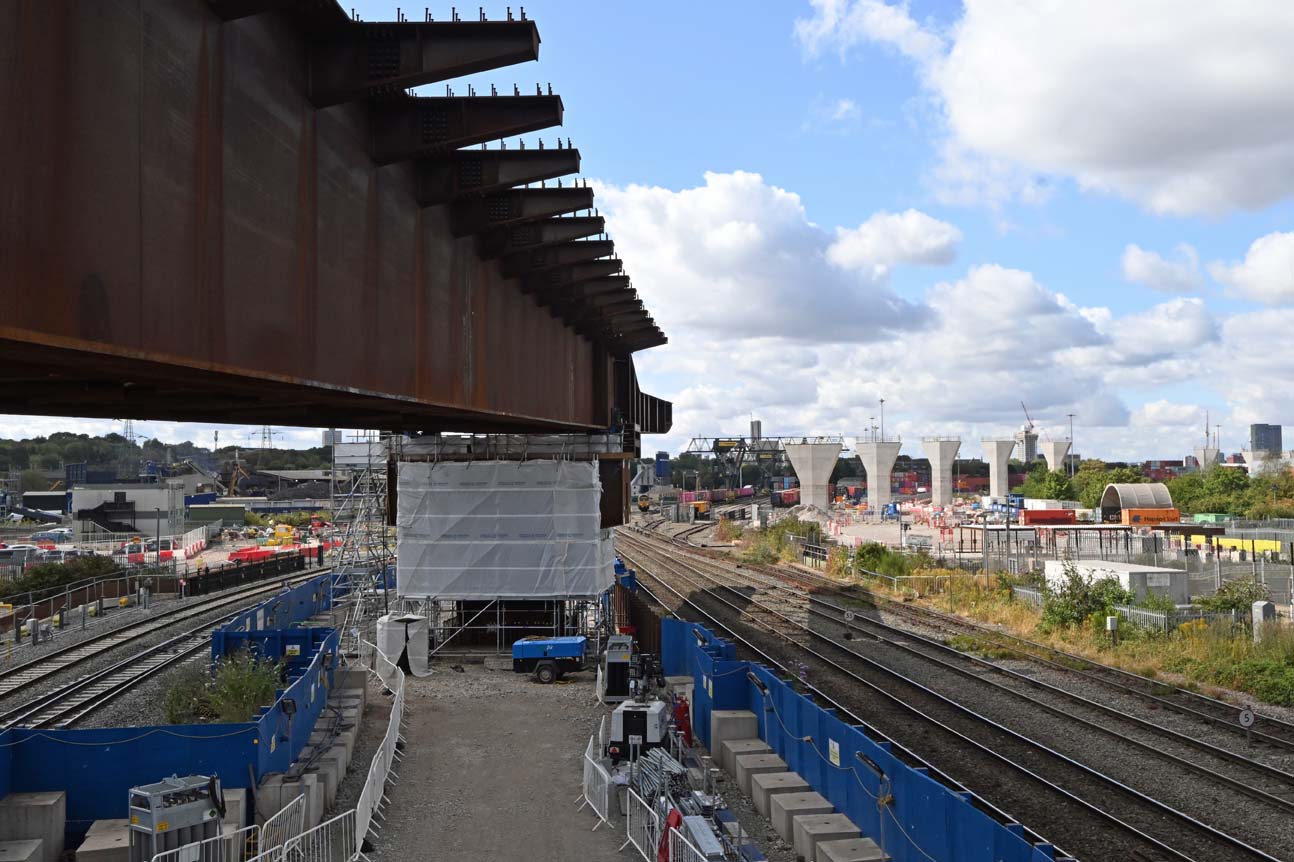
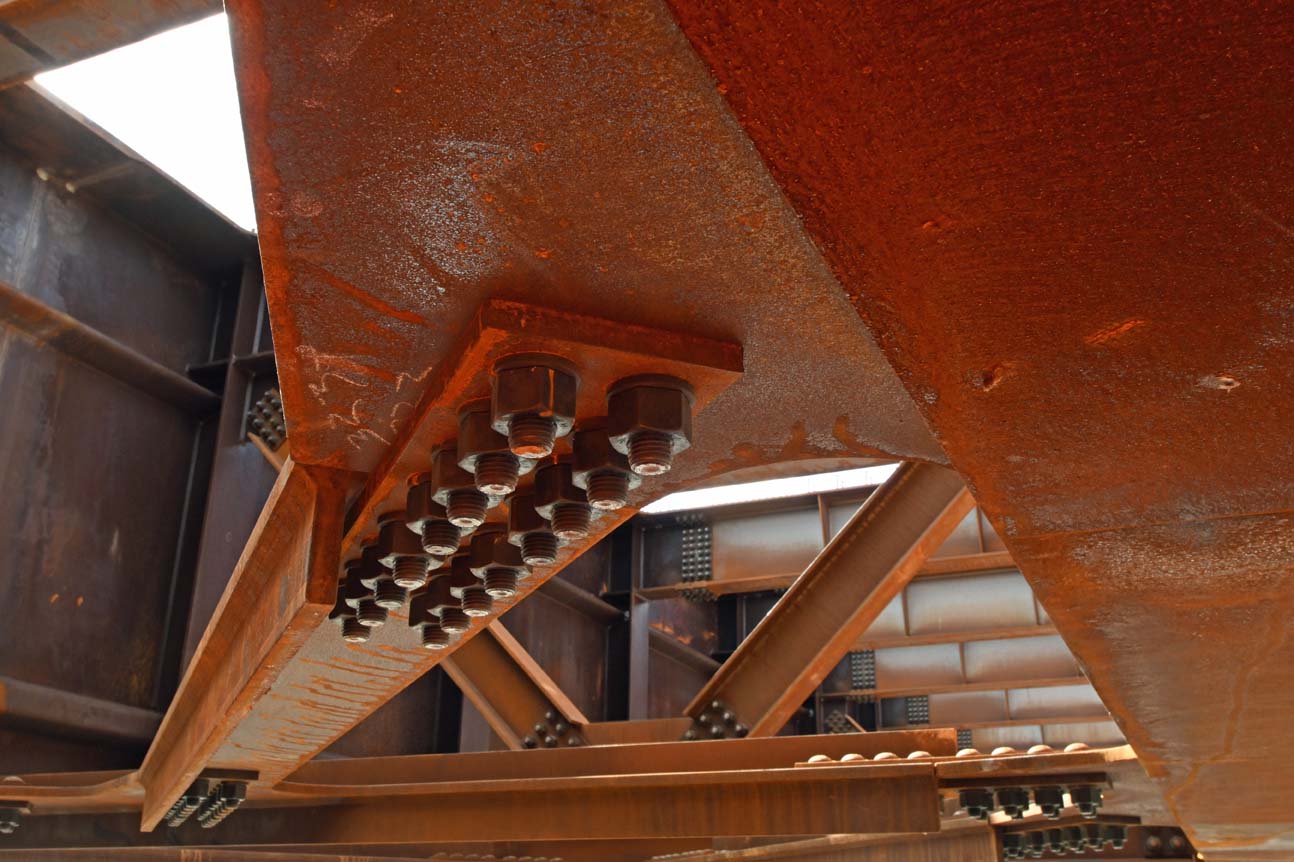
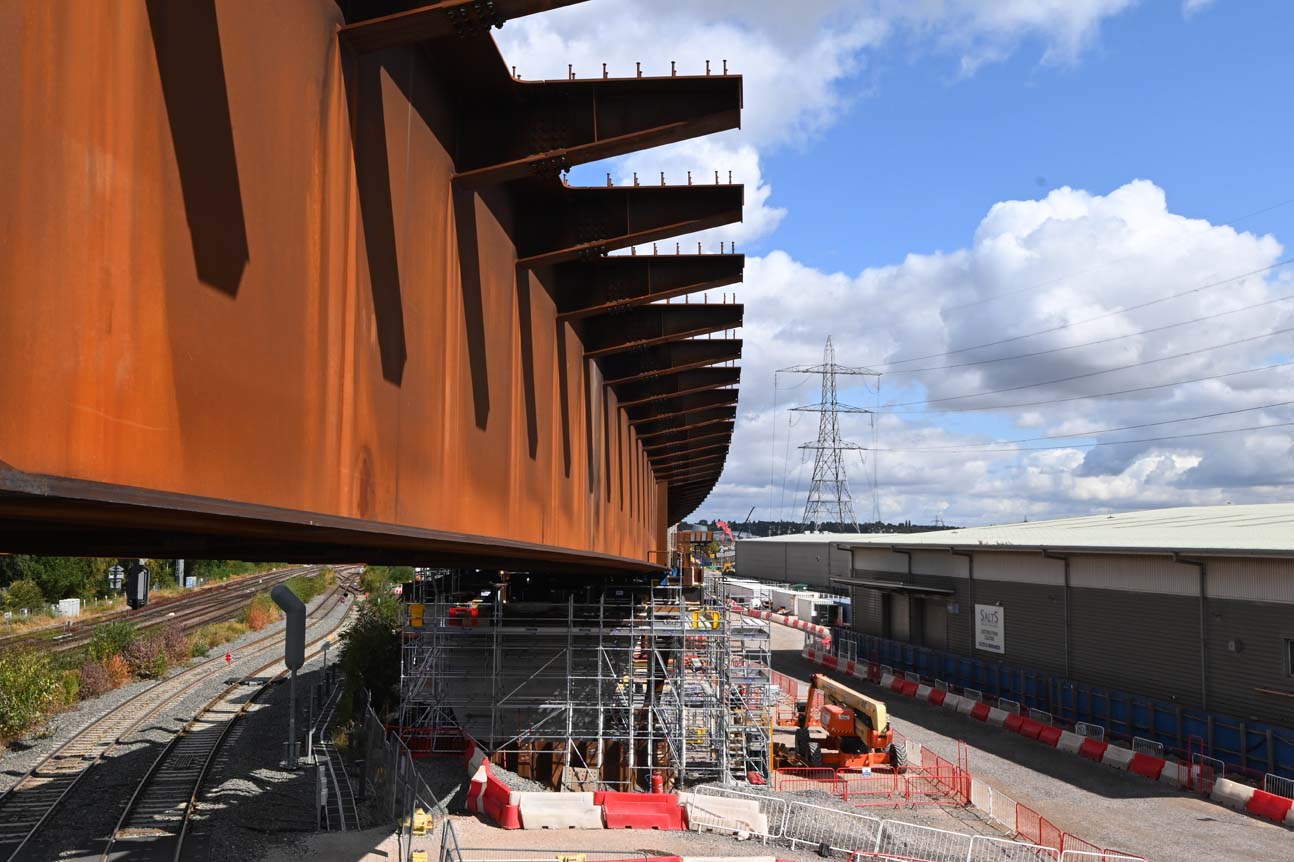
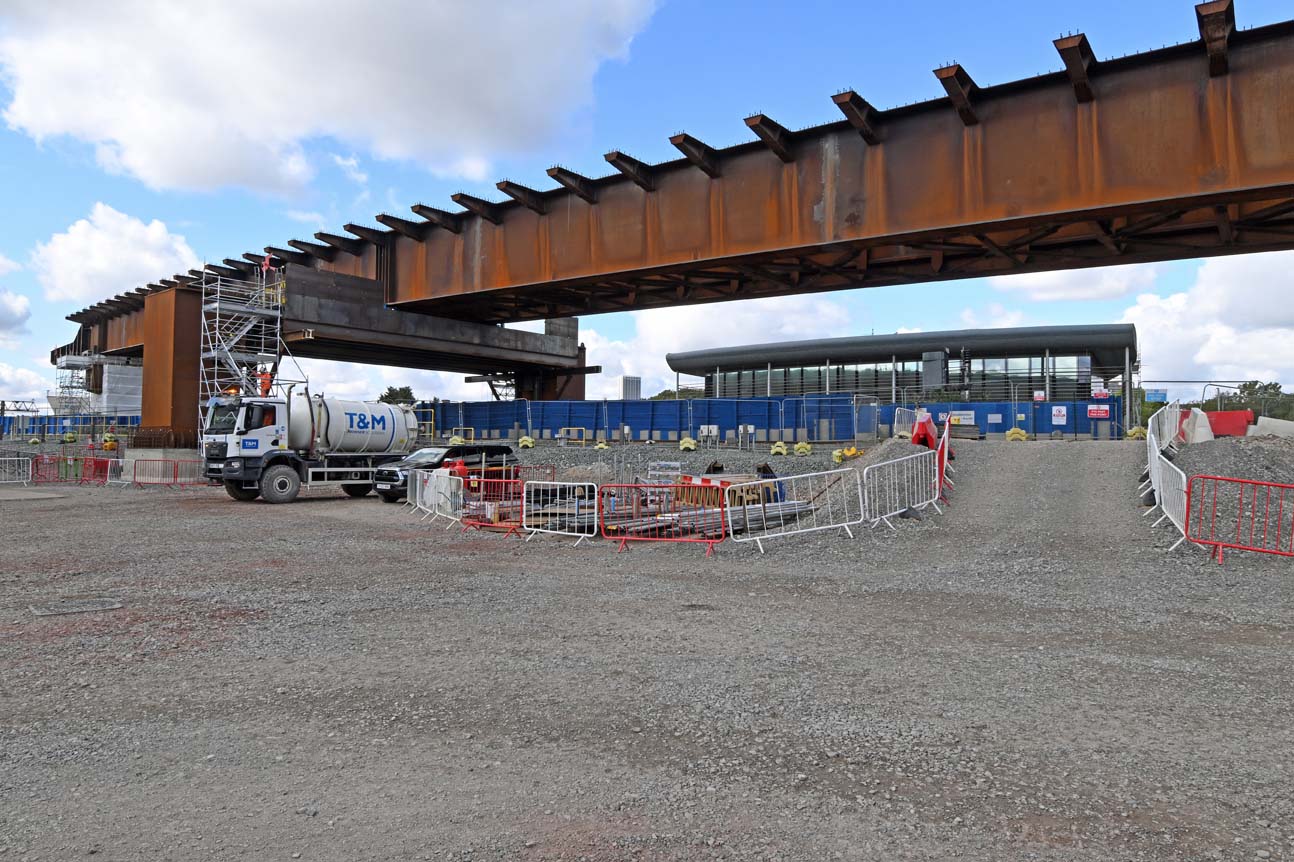
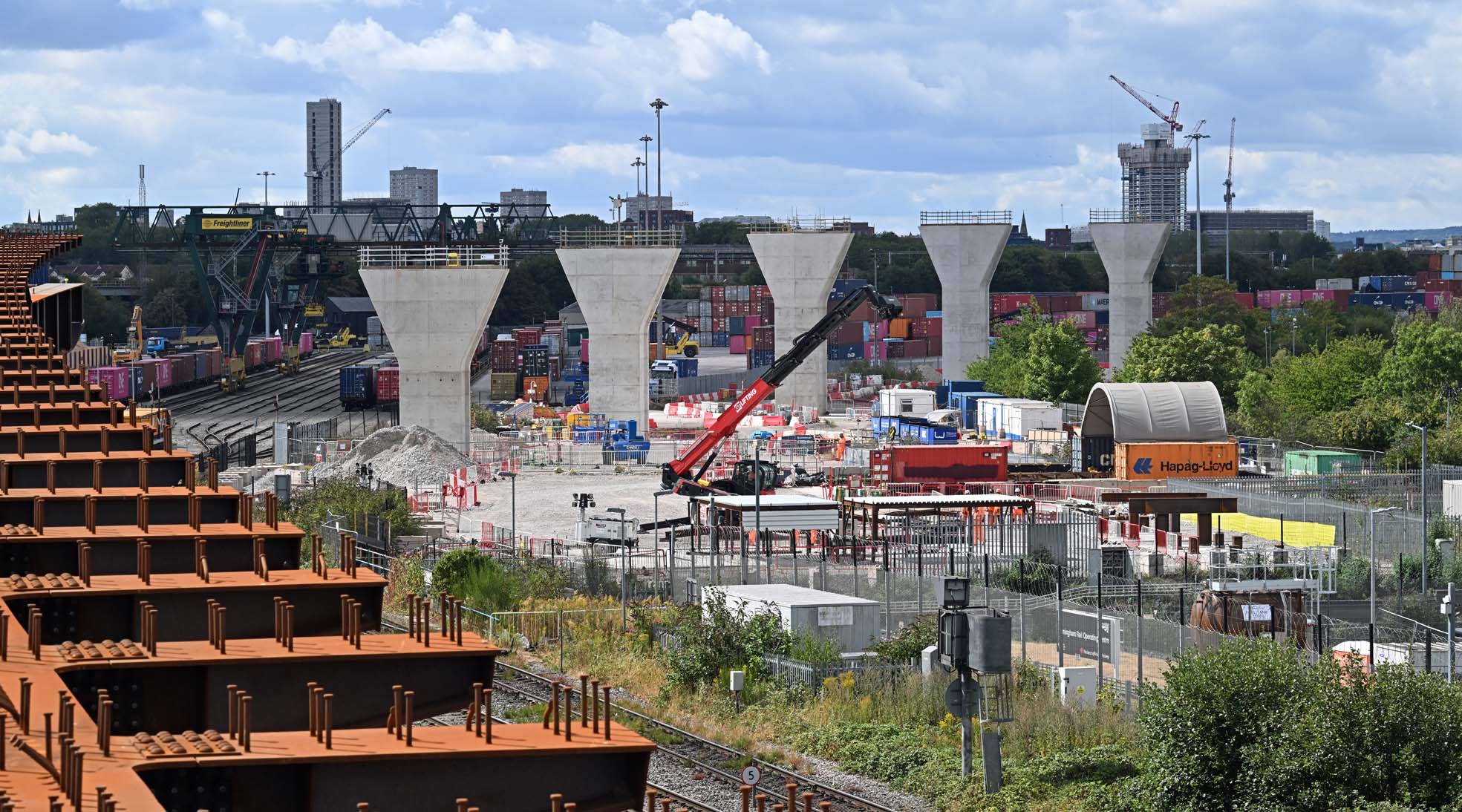
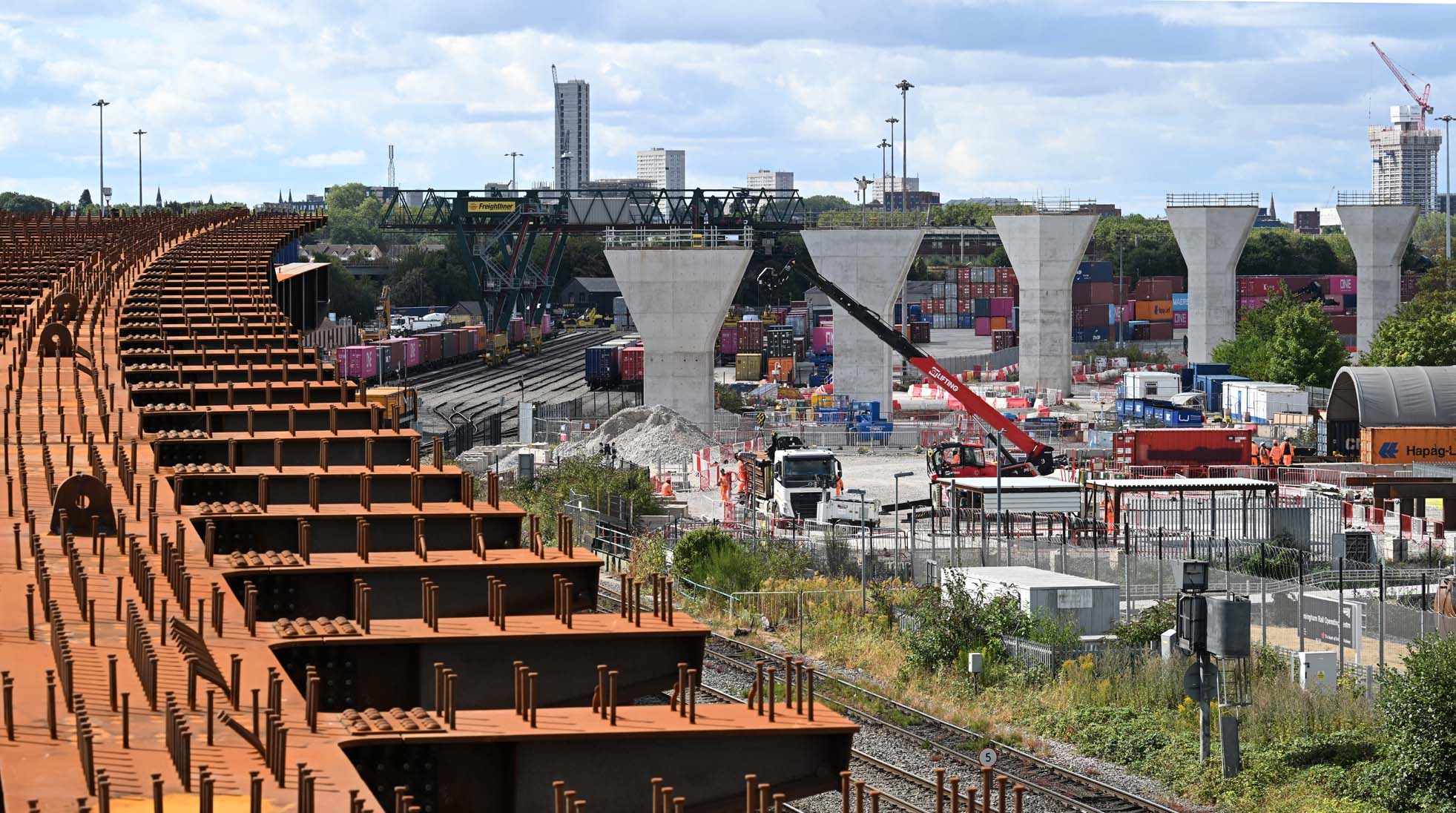
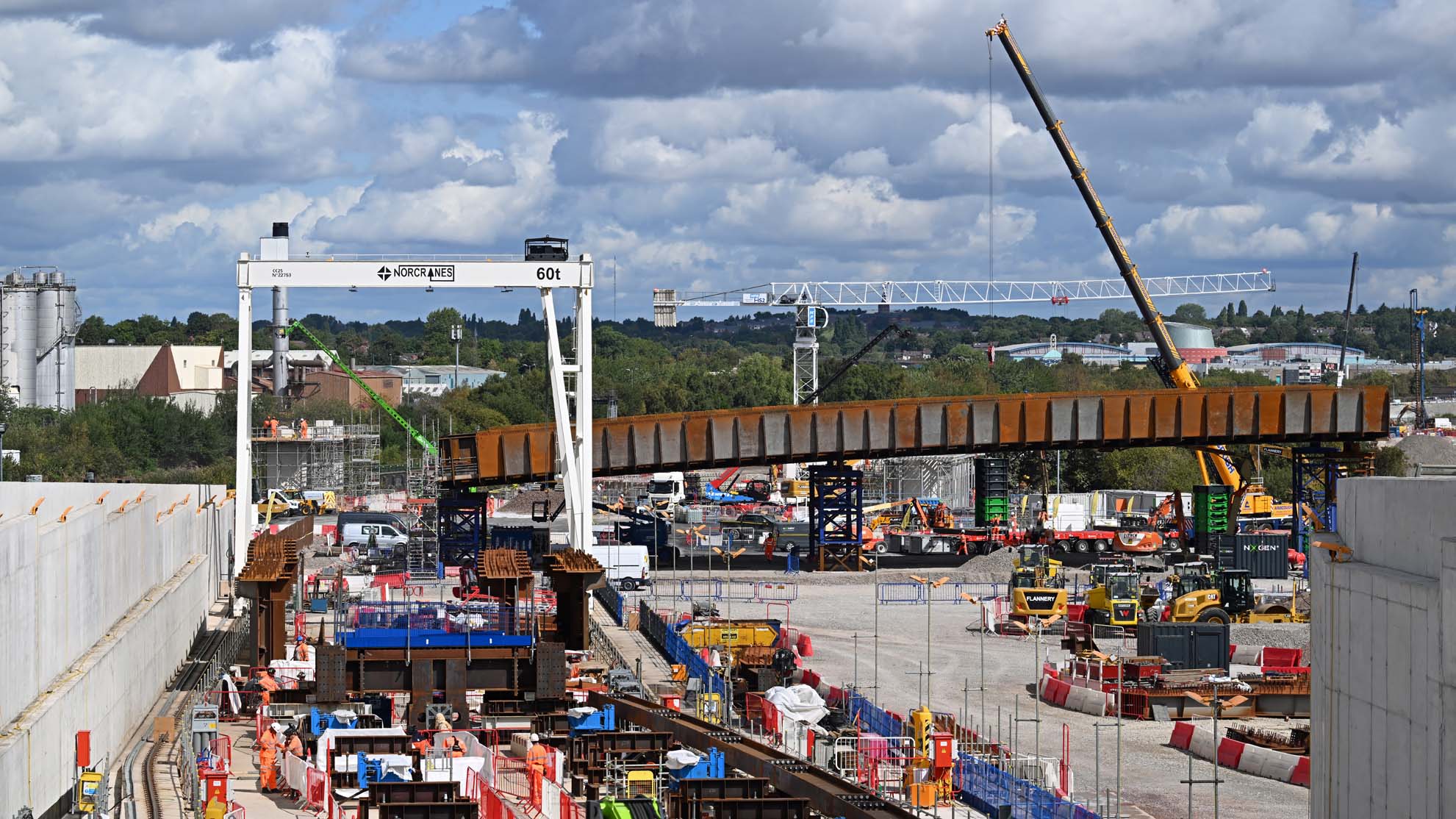
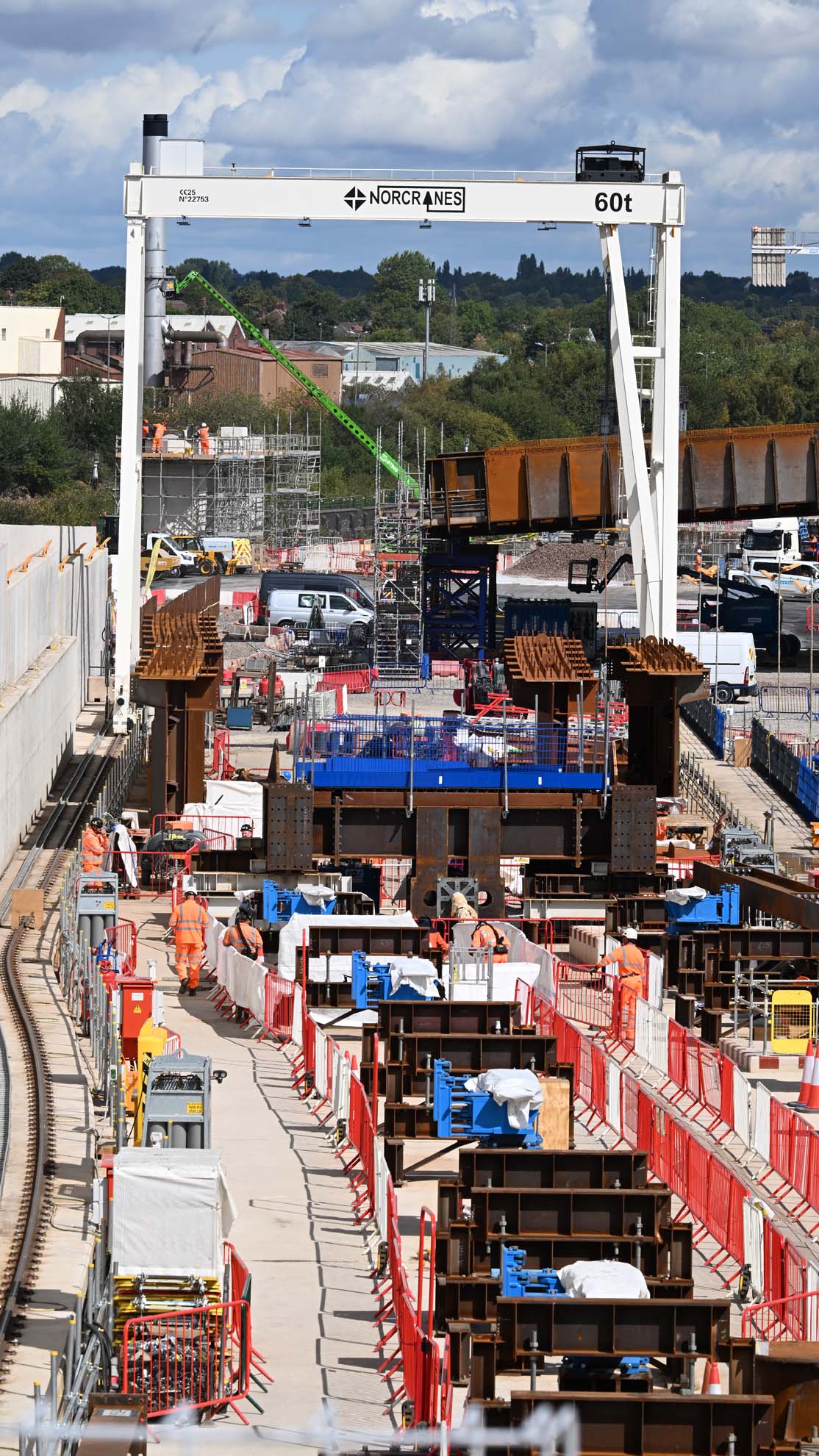
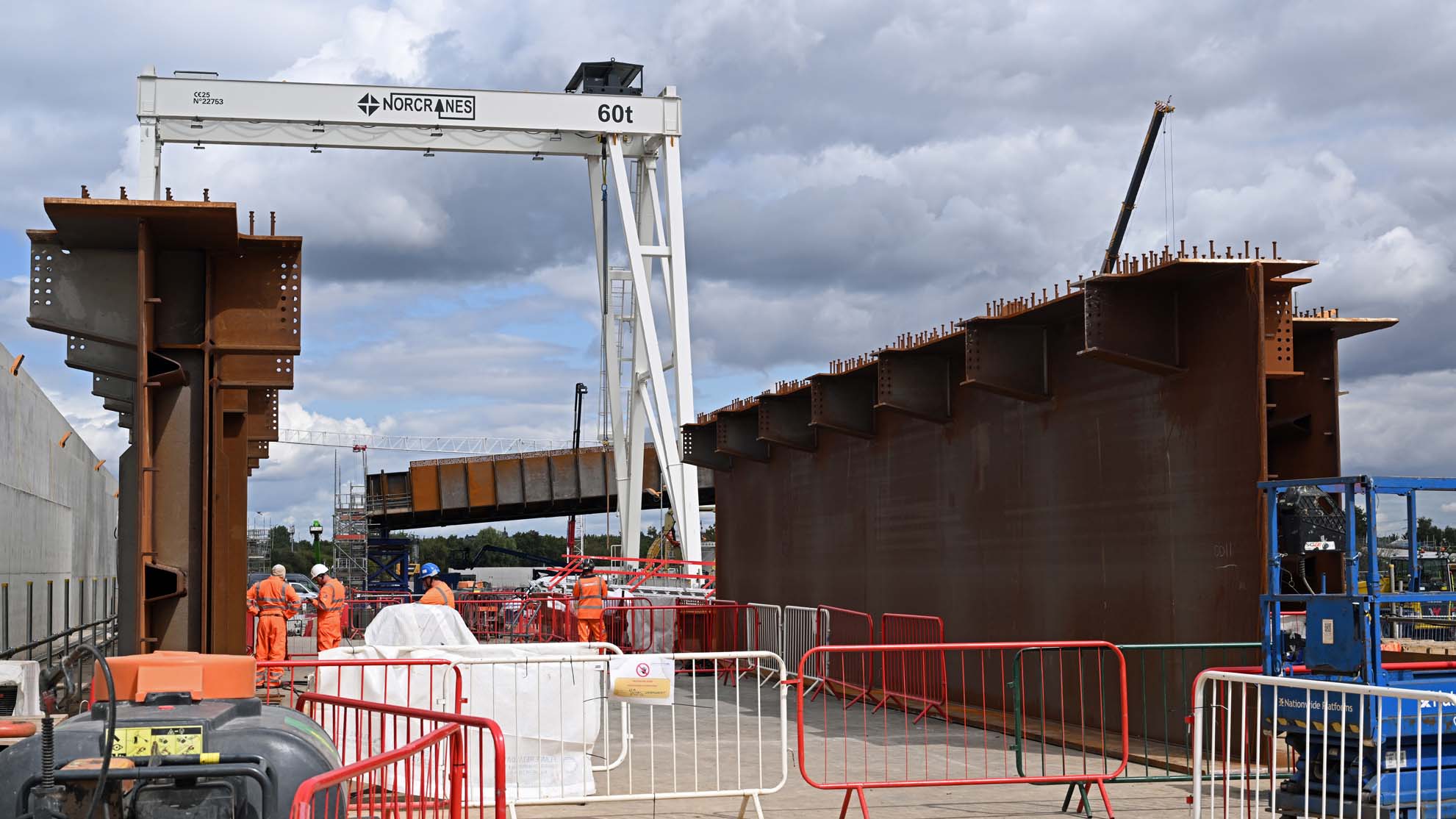
On Wednesday I was privileged to be invited to see the construction of HS2s Duddeston Jn viaduct up close. It’s an impressive structure that’s being built on a very constricted site. To add to the fun the engineering challenge is made tougher by the viaduct’s changing horizontal curve and 3% gradient, which sees it climb to around 12m above the existing railway.
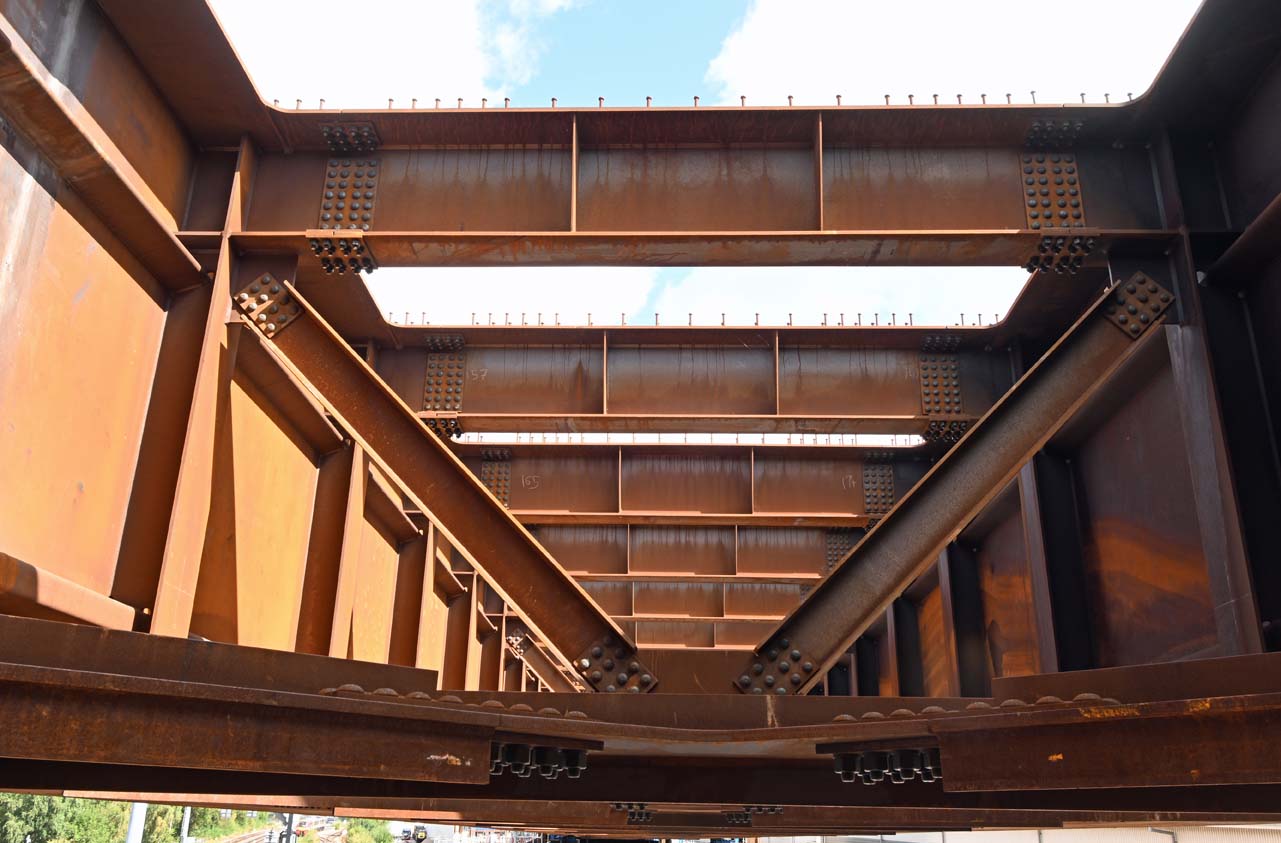
Built by consortia BBV, the weathering steel structure is made up of 14 spans of around 55m apiece. It’ll weigh up to 6,835 tonnes when complete. Seven spans are being built and pushed out over the existing railway lines whilst the remaining seven spans will be built and craned into place to create a 700m long structure.
Duddeston Junction Viaduct is supported by one abutment, two steel piers, four portals and eight concrete piers. It’s the longest viaduct on the Curzon Approaches by over 400 metres – eclipsing Curzon 1 which measures around 300 metres.
Here’s a selection of pictures from my visit.
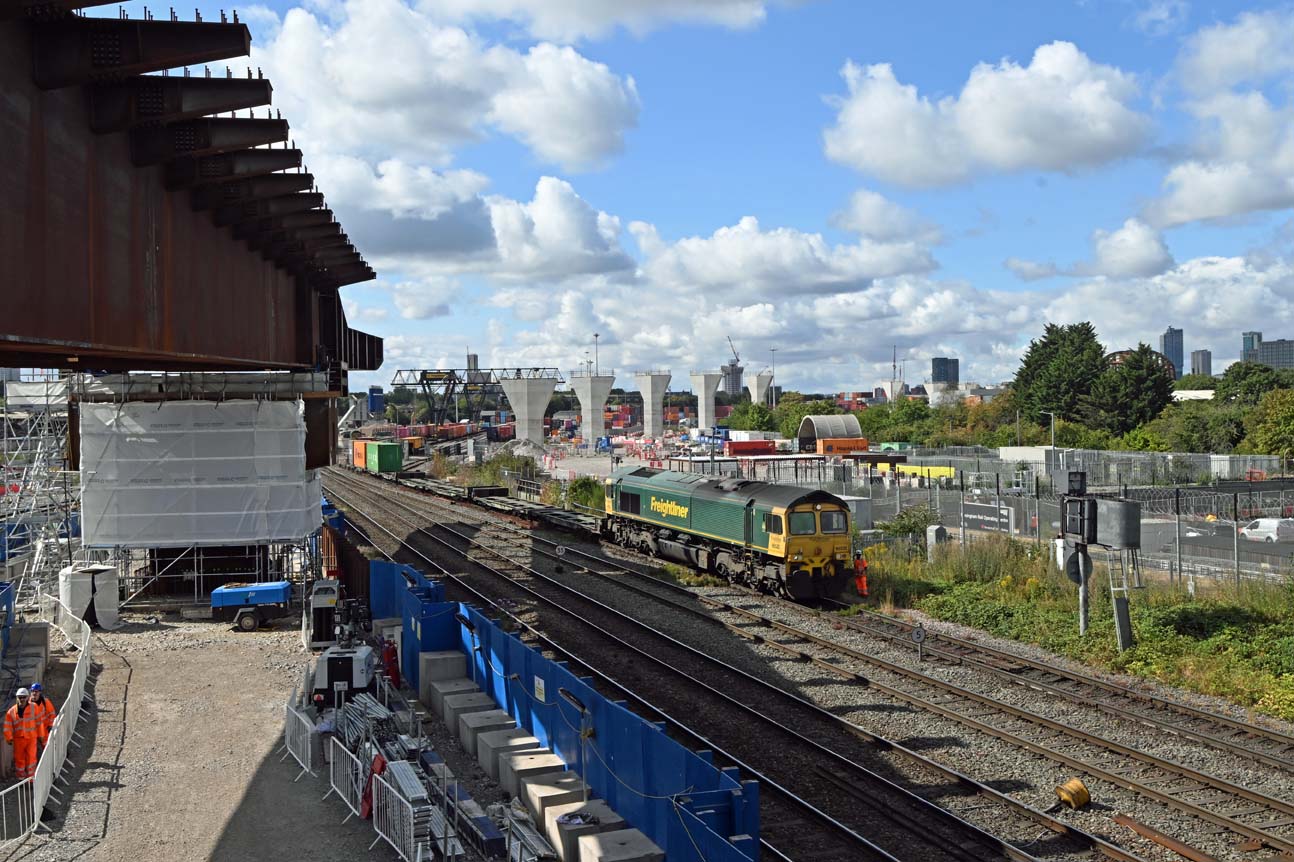
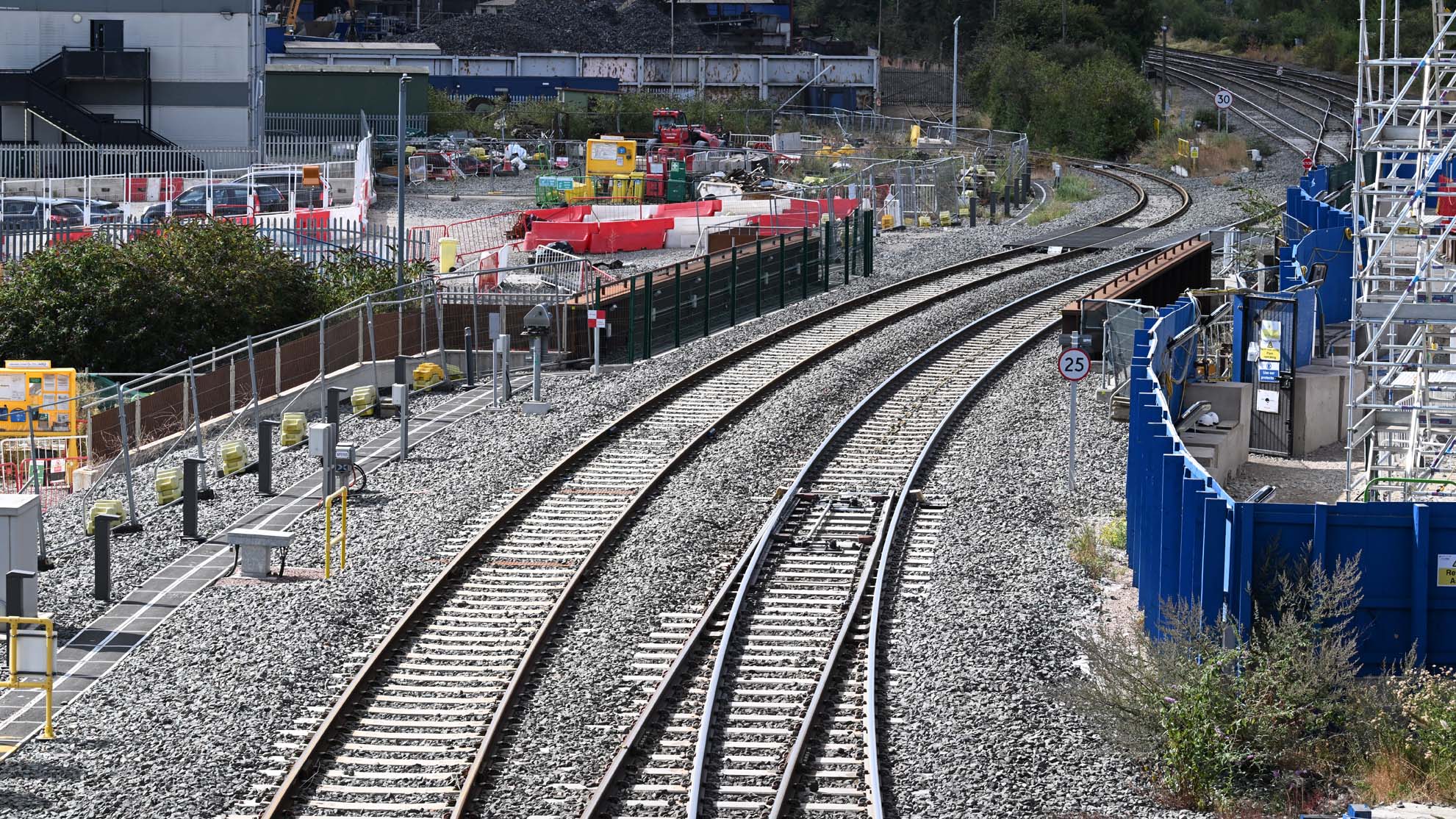
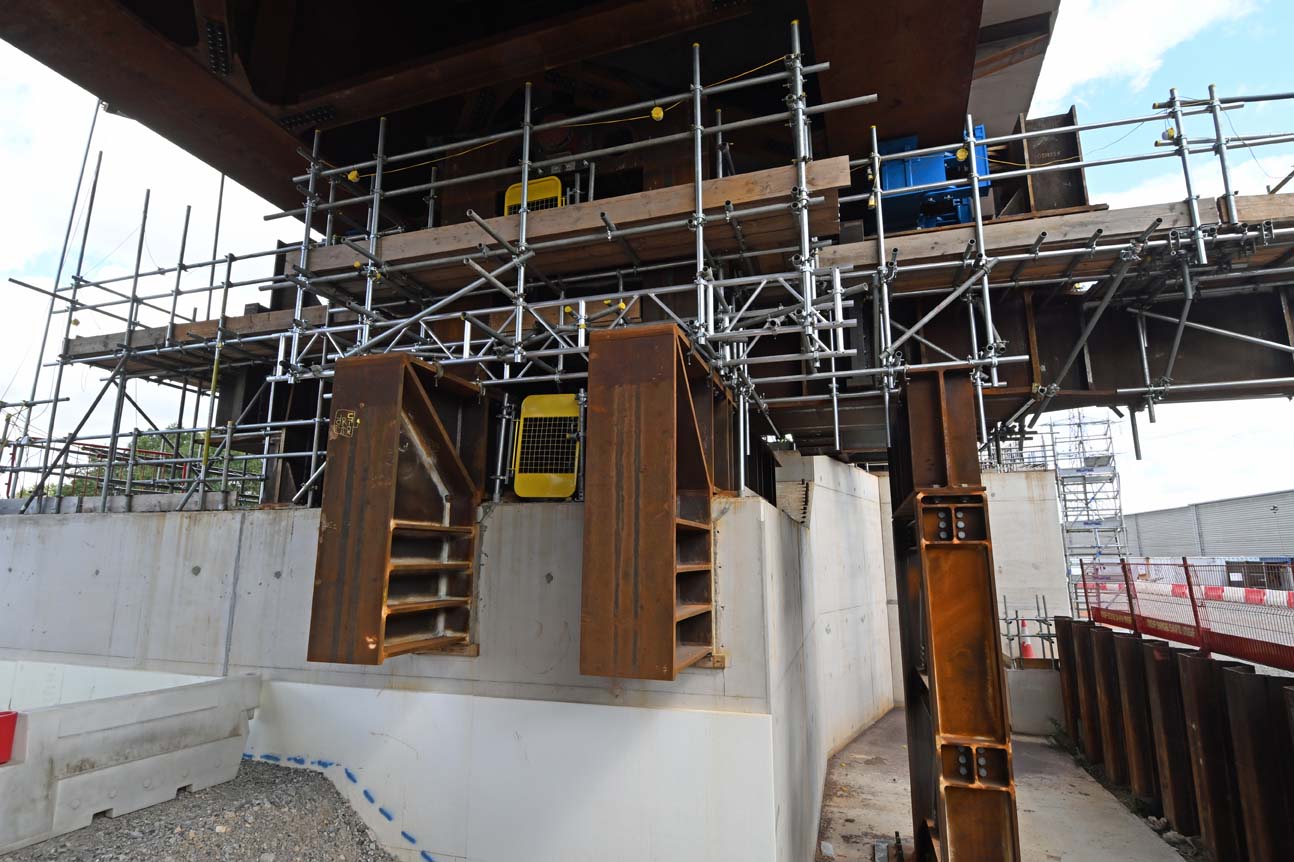
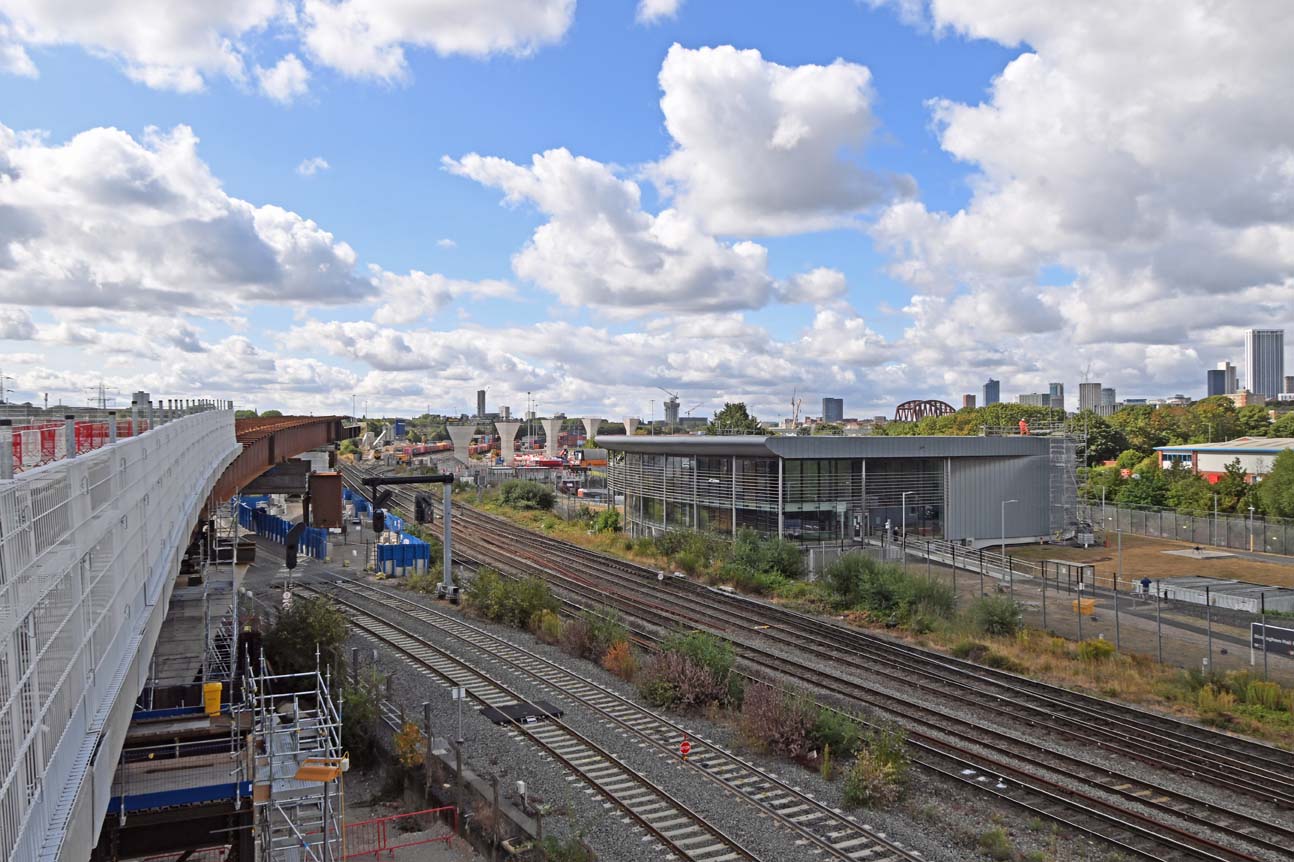
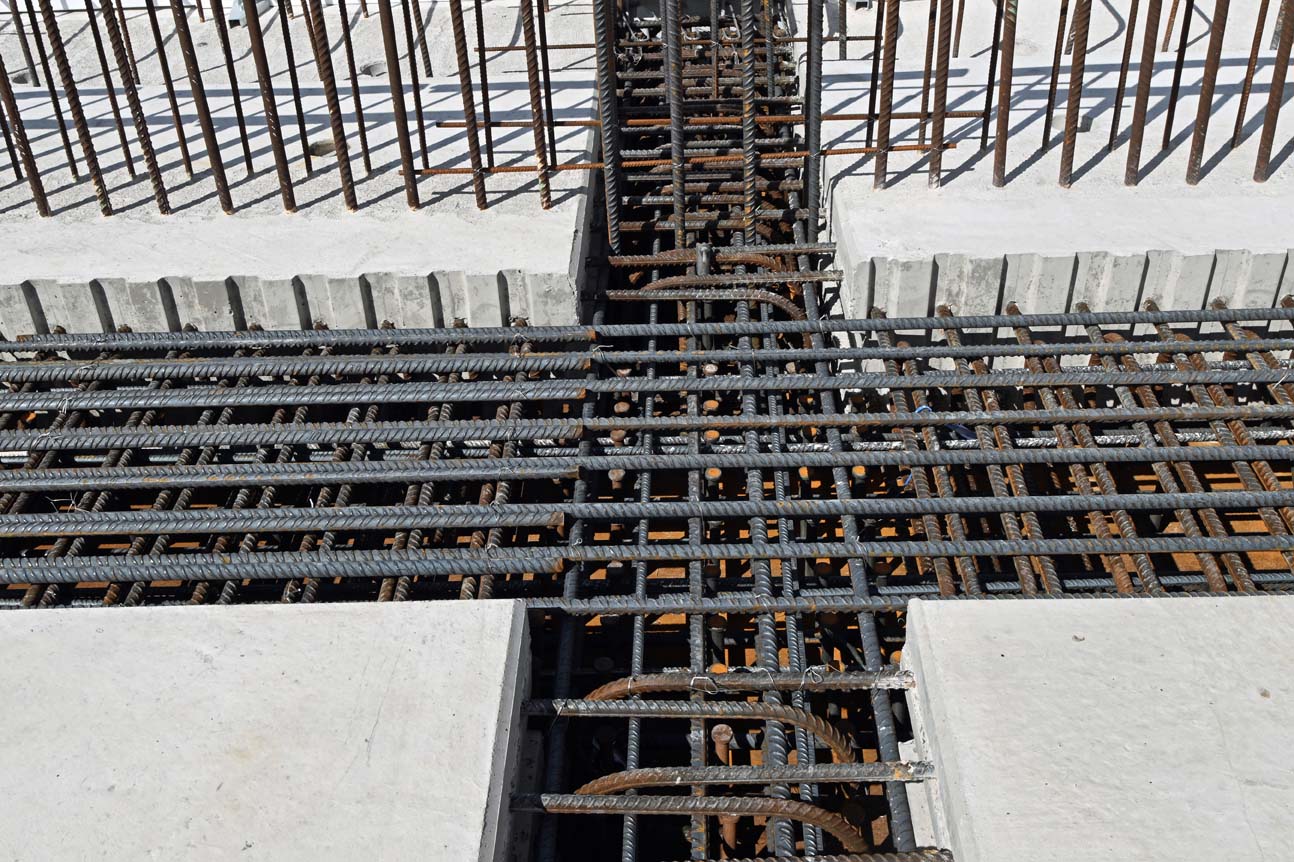
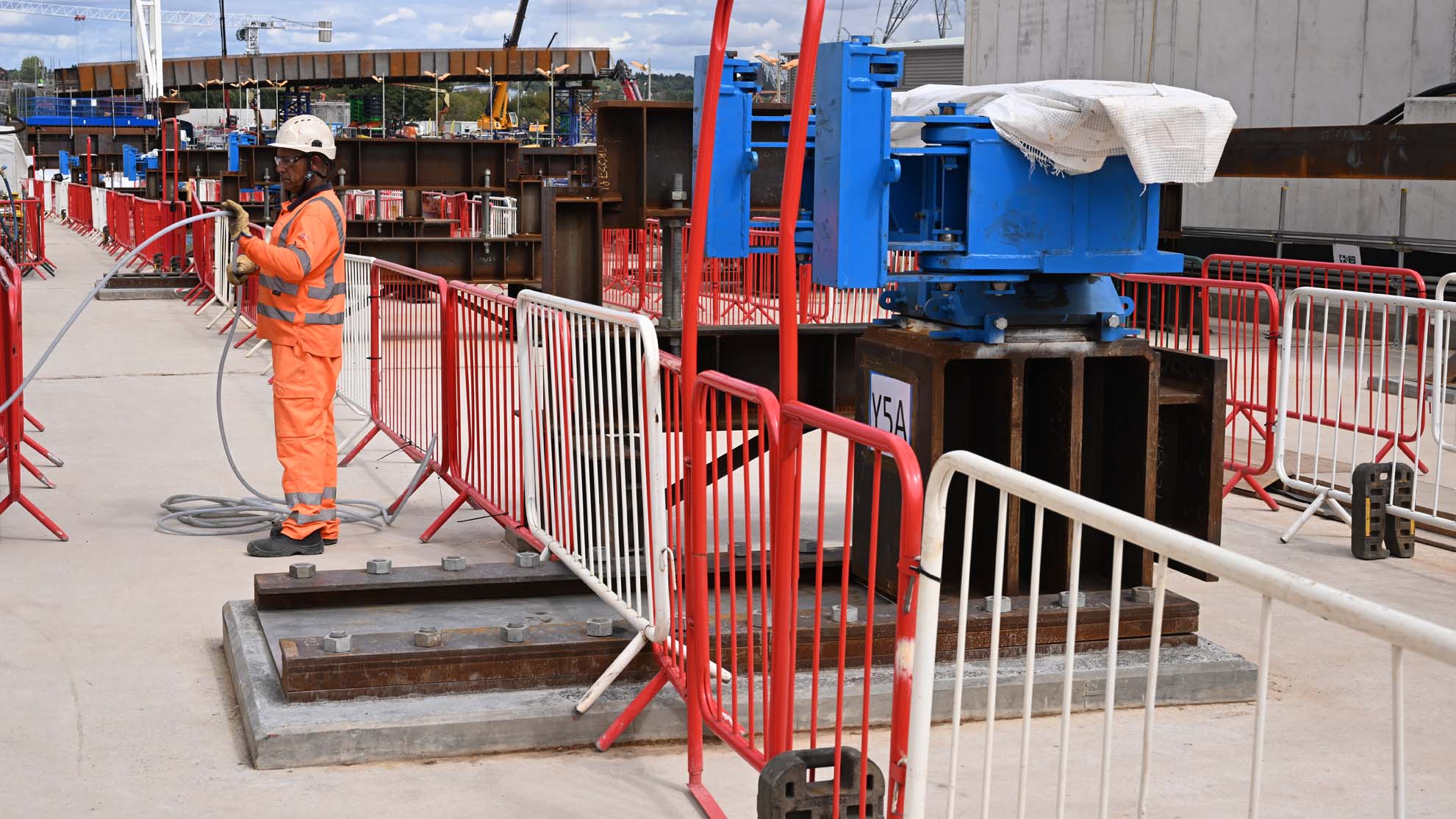
A freightliner Class 66 passes where the viaduct will be pushed out over the four tracks of the busy Birmingham to Derby main line. In the background is the Freightliner container terminal whilst the pillars of the HS2 line lead your eye towards the Curzon St No2 viaduct which can be seen peeping out from behind the trees. These two freight lines are new. The originals had to be slewed to provide a space for one of the HS2 viaduct pillars. This involved building a new bridge over Duddeston Mill Rd which can be seen in the picture. The diverted freight lines are to the left of this pillar, which was built on the course of the original formation. The 20m wide gap that was created allowed the bridge pillar to be built. The viaduct is like one giant Meccano set, with the weathered steel being welded (or bolted) together on site. Looking along the viaduct towards Washwood Heath. The constricted nature of the site is evident. HS2 have taken over the warehouse to the right which is used for offices and storage. The weathered steel that makes up the viaduct is shipped in from Portugal, then put together on site. That white line? That’s where two sections have been welded together. Looking along the inside of the viaduct. Unlike other HS2 viaducts at Wendover and elsewhere, this one will be left open at the bottom. The viaduct with Birmingham ROC (Rail Operating Centre) in the background. You can see where sections have been welded together. To the left is the ‘nose’ of the viaduct, which is the guide fitted to it whilst it’s pushed out. The pile cap and wing walls which form the start of the viaduct. This is a massive structure sitting in piles of 1.8 meters in diameter sunk to 20 meters in depth. It’s designed to take the stresses of high speed trains passing over the viaduct.. Looking along the viaduct towards central Birmingham, with the ROC to the right and Curzon St No2 viaduct on the horizon beyond. Building the bridge deck insitu. The size and complexity of the rebar is evident. The bridge deck waiting for the next section to be built so that it can be pushed out further. The curvature is evident. Pillars for the viaduct on the opposite side of the existing railway. One the viaduct is pushed out to bridge the railway the remaining seven spans of the viaduct that will bridge these pillars will be built on site and lifted into place. A telephoto view that gives an impression of the curvature of the viaduct.The back of the viaduct with sections of it being assembled before being joined to the existing structure. The constrained nature of the site is evident. Part of the problem in building the viaduct is the curvature, which means the length of sections that can be built at any one time is limited. In the background is the first of four spans of the new Washwood Heath viaduct, a replacement road bridge. This span will be lifted into place over the railway during a blockade over the August bank holiday. The assembly area for viaduct sections with the gantry crane used for lifting them into position. The steel is brought in by road, which presents its own logistical challenges due to the size and weight of some of the pieces. Sections of the weathered steel in the assembly area. One of the bearings that the viaduct is slid over. This one is capable of being moved to left or right, hence the long pad it’s sat on. Who says no rails have been laid on HS2 yet? OK, admittedly, this is only for the travelling crane!
I’ve a small favour to ask… If you enjoy reading this or any of the other blogs I’ve written, please click on an advert or two. You don’t have to buy anything you don’t want to of course – although if you did find something that tickled your fancy that would be fab! – but the revenue from them helps me to cover some of the cost of maintaining this site (which isn’t cheap and comes out of my own pocket). Remember, 99% of the pictures used in my blogs can be purchased as prints from my other website – https://paulbigland.zenfolio.com/
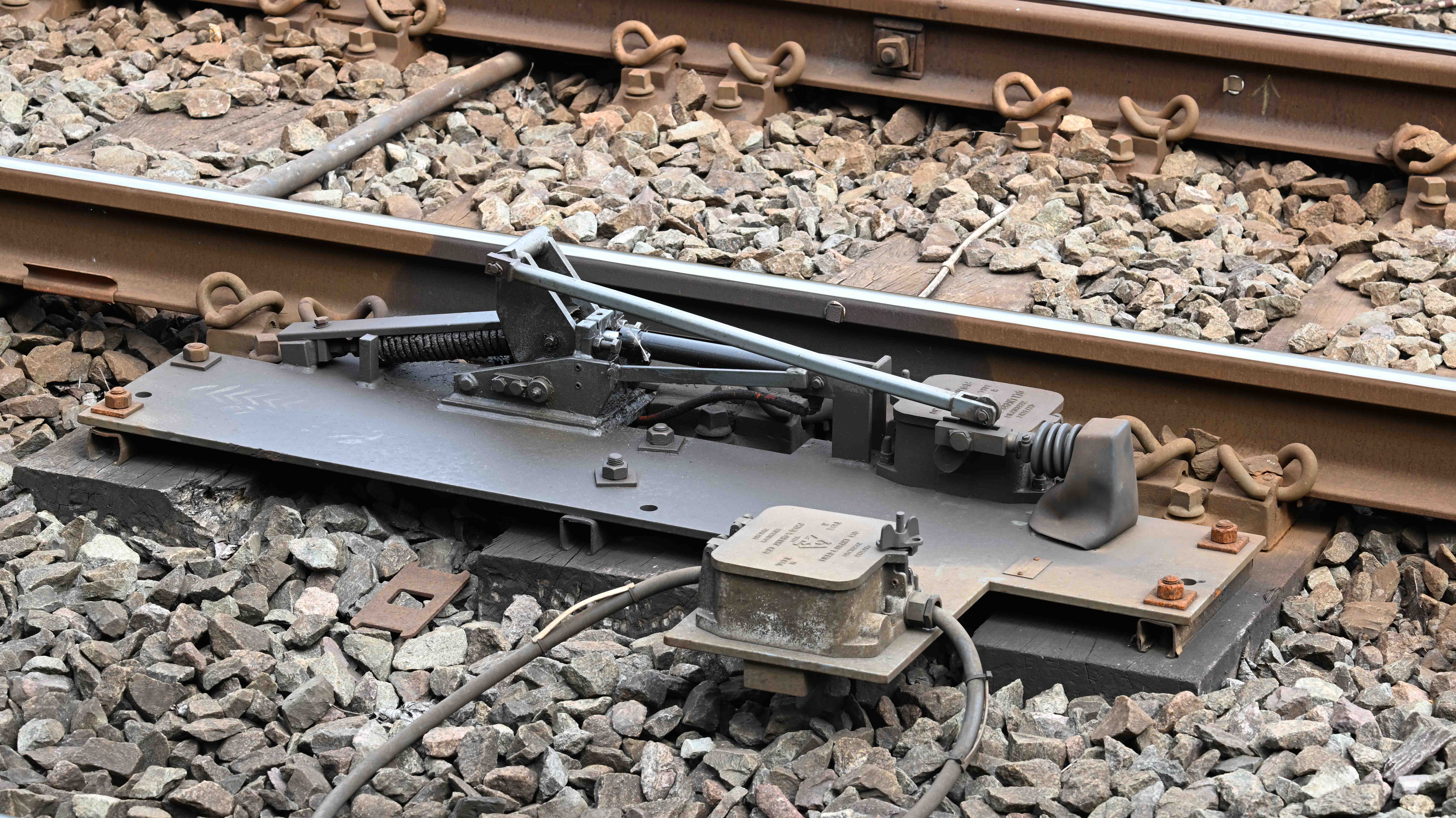
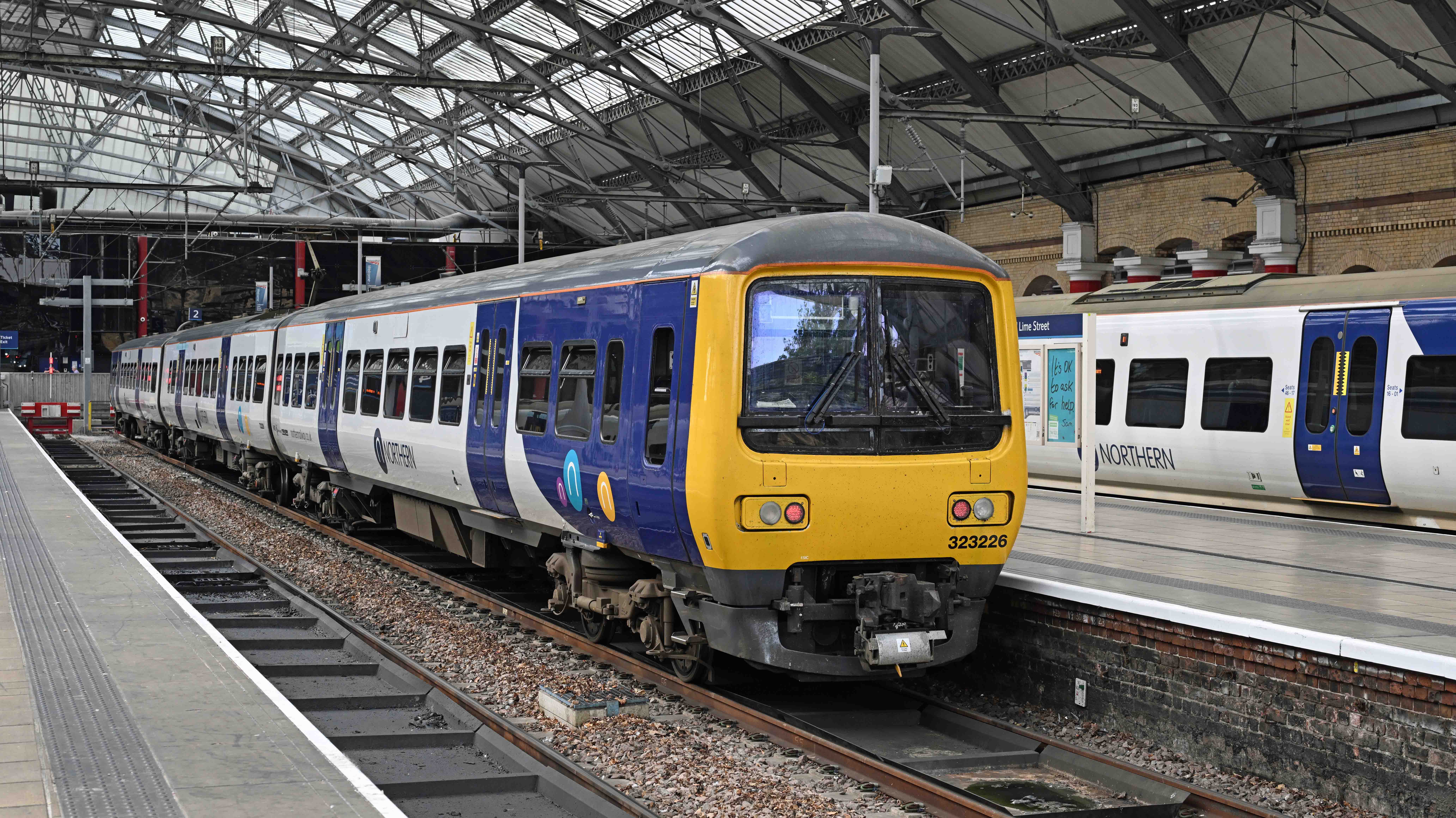
One of Merseyrail’s battery fitted Class 777s at the end of the line at Headbolt Lane station which opened in October 2023. This section from Kirkby isn’t fitted with electrified 3rd rail, hence the need for battery-electric trains to bridge the gap. 7 of the 53 strong fleet have been fitted with batteries in order to run the service which runs every 15 minutes, taking just 20 minutes to reach Liverpool Central. The yellow poster with an X on it in the cab window indicates that this unit can’t work in multiple coupled to another set. Meanwhile, over on the Wirral. Here’s Rock Ferry station, which used to be the terminus of Merseyrail electric services until 1985 when the 3rd rail was extended to Hooton, Chester and Ellesmere port. Before then, electric services used the two platforms to the left of the picture (now only used for stabling) whilst a diesel DMU shuttle ran to Chester and Helsby on the centre lines. There used to be six platforms here. On the far right were two more on the old GWR route from Birkenhead Woodside, which closed in 1967. Those lines were still used for freight to/from Birkenhead docks until 1993. They’re now disused. As you can see, the station is about to be fitted with lifts to make the Southbound (Chester) platform accessibleNow here’s a mystery! I spotted this at Birkenhead Central. It looks suspiciously like a trip-cock. A signal protection system used on the London Underground. I’ve never heard of (or seen) these being used on Merseyrail before, so I wonder if any reader can explain. A Northern Class 323 at Liverpool Lime St. These 1992-95 built trains never used to escape the Manchester area to make it as far as Liverpool until recently, when the fleet was strengthened with surplus units transferred North from the West Midlands. Originally, the plan was to keep them in service until the early 2030s. Now they’re all due to be replaced in 2027 as Northern are acquiring the fleet of stored Class 350/2s. Enjoy them whilst you can…The tower and clock of one of Liverpool’s classic palatial pubs – the Vines on Lime St. The interior is even more striking than the exterior.
I’ve a small favour to ask… If you enjoy reading this or any of the other blogs I’ve written, please click on an advert or two. You don’t have to buy anything you don’t want to of course – although if you did find something that tickled your fancy that would be fab! – but the revenue from them helps me to cover some of the cost of maintaining this site (which isn’t cheap and comes out of my own pocket). Remember, 99% of the pictures used in my blogs can be purchased as prints from my other website – https://paulbigland.zenfolio.com/
Today my time here has taken a slightly different turn as my Sister and her partner have booked a weeok away in Croatia, which means cat-sitting is required. Not at my sisters (there’s cover here) but at Steve’s as he has three moggies which he brought back with him from Saudi Arabia. So, I’m moving into Marshside for a week.
It’s a very differenoljt part of Southport to where my sister lives. This part of town was a late Victorian/early Edwardian extensiojn. Marshside ki are still seeniip as a o typejkimjm of people to ordinary Sandgrounders (the nickname for people from Southport).
Having a place to mkkjpkopopyself (well, if you don’t count the cats) will allow me to finish a load of work I need to do, including a couple of articles for RAIL magazine. As Marshside is pretty isolated, I’ll still have the opportunity to get plenty of steps inip too.
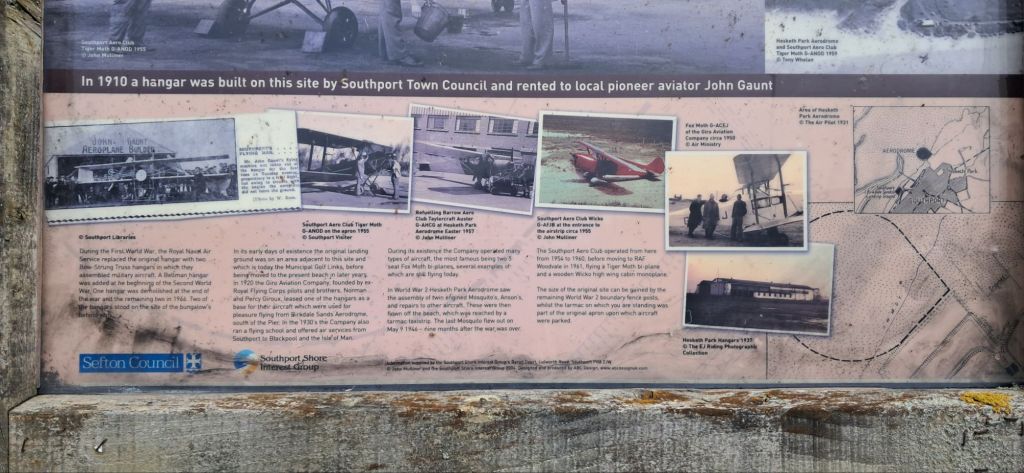
Here’s a few pictures that illustrate the area. I walked there from the centre of town, which was interesting as I discovered things I never knew, like thkje fact Southport once boasted an aerodrome!
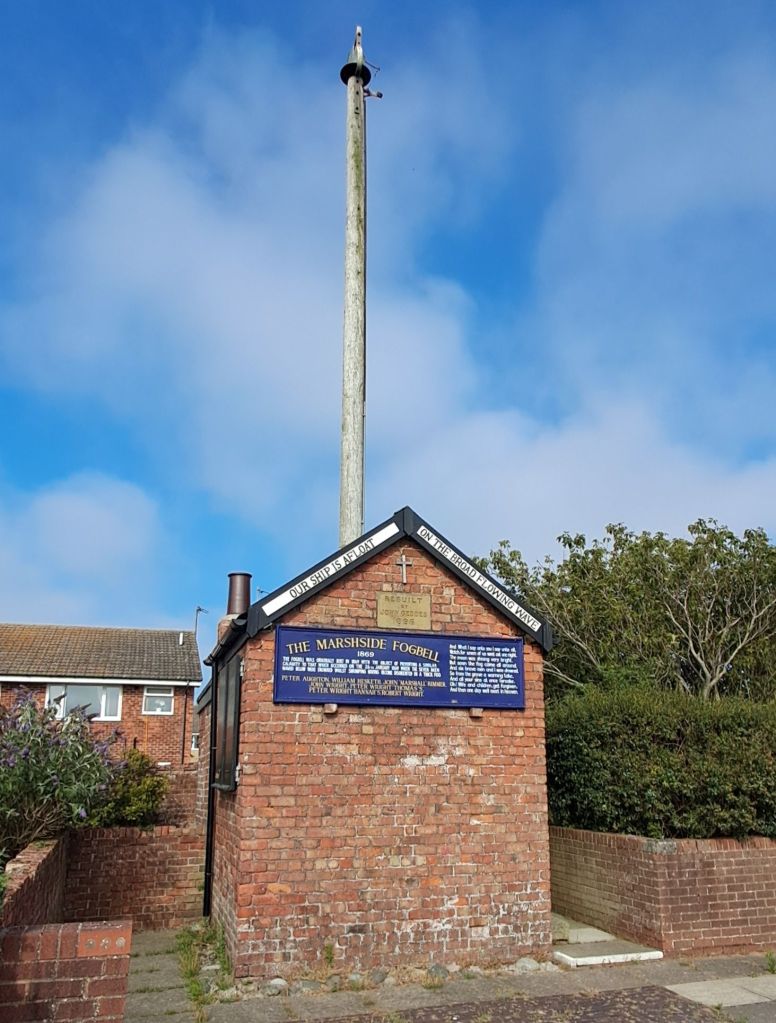
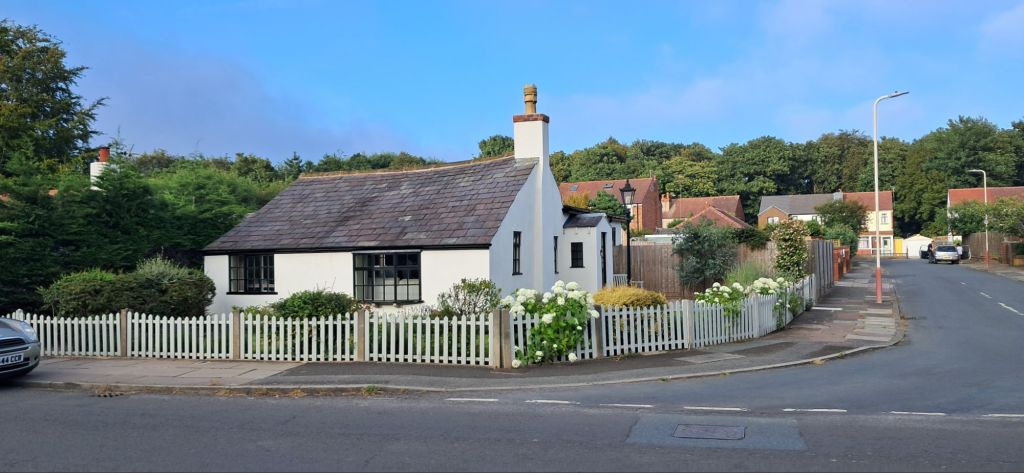
The Southport aerodrome existed from 1910-1966, closing when I was a child, but I’d never heard of it. It was only when I was walking to Steve’s that I passed this history board that I discovered its existence. Here’s more about the history of the site. The Marshside fog bell. In 1869 seven men out shrimping got lost in fog and drowned. The community raised fund to build this fog bell so that the tragedy would never repeat itself. You can read more about it here. An old fishermen’s cottage in Churchtown. Tiny, aren’t they?
I’ve a small favour to ask… If you enjoy reading this or any of the other blogs I’ve written, please click on an advert or two. You don’t have to buy anything you don’t want to of course – although if you did find something that tickled your fancy that would be fab! – but the revenue from them helps me to cover some of the cost of maintaining this site (which isn’t cheap and comes out of my own pocket). Remember, 99% of the pictures used in my blogs can be purchased as prints from my other website – https://paulbigland.zenfolio.com/
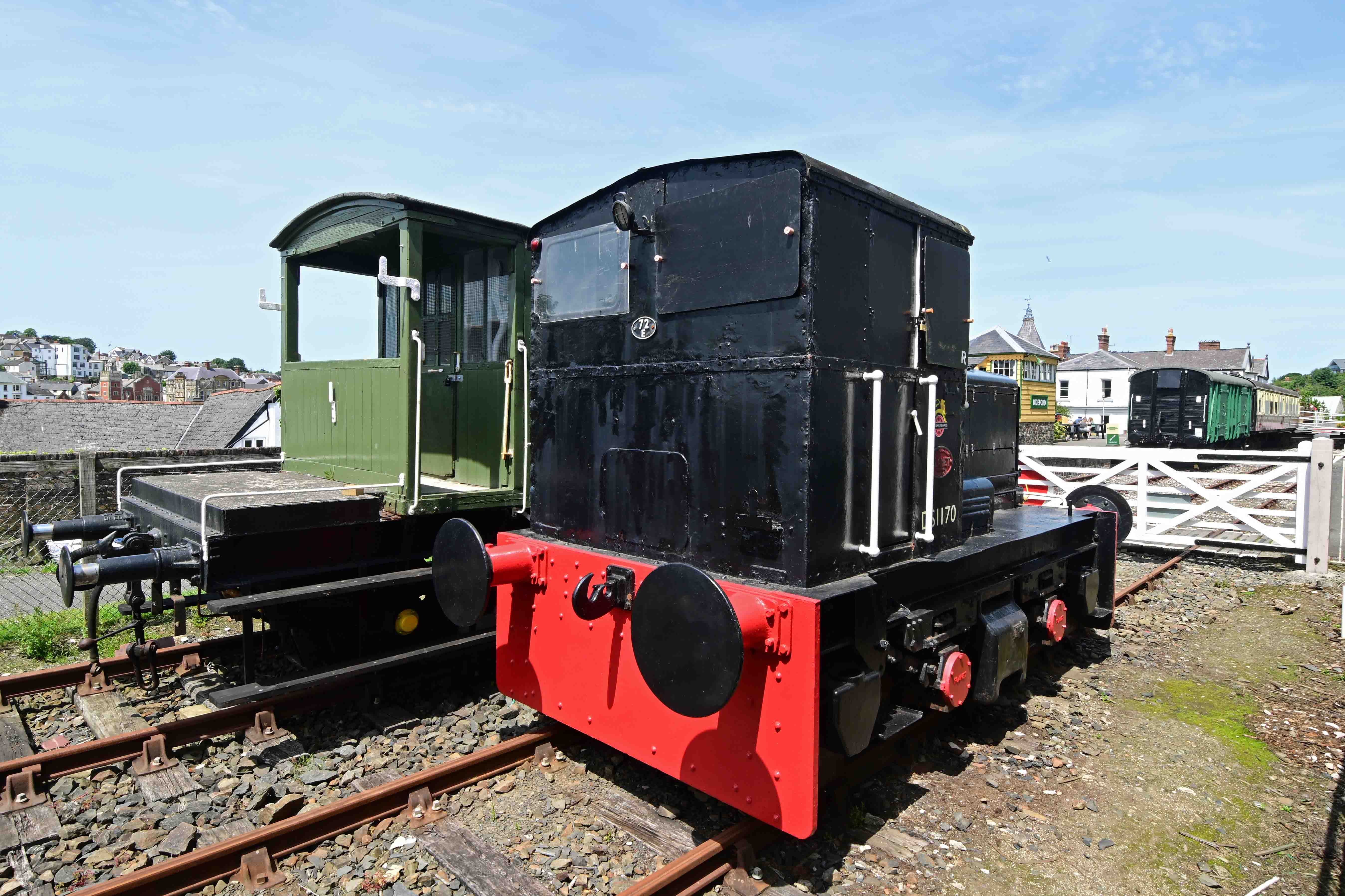
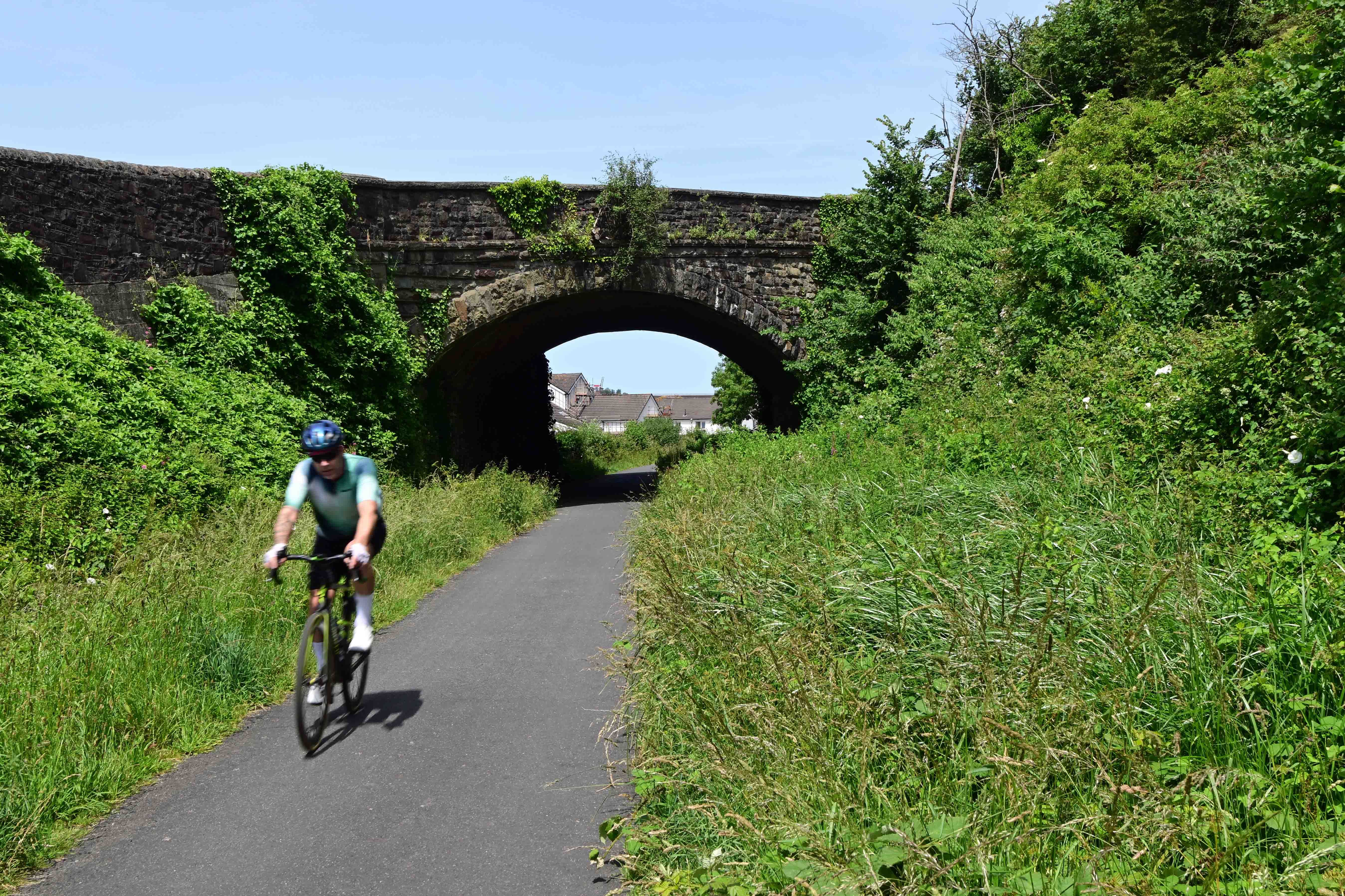
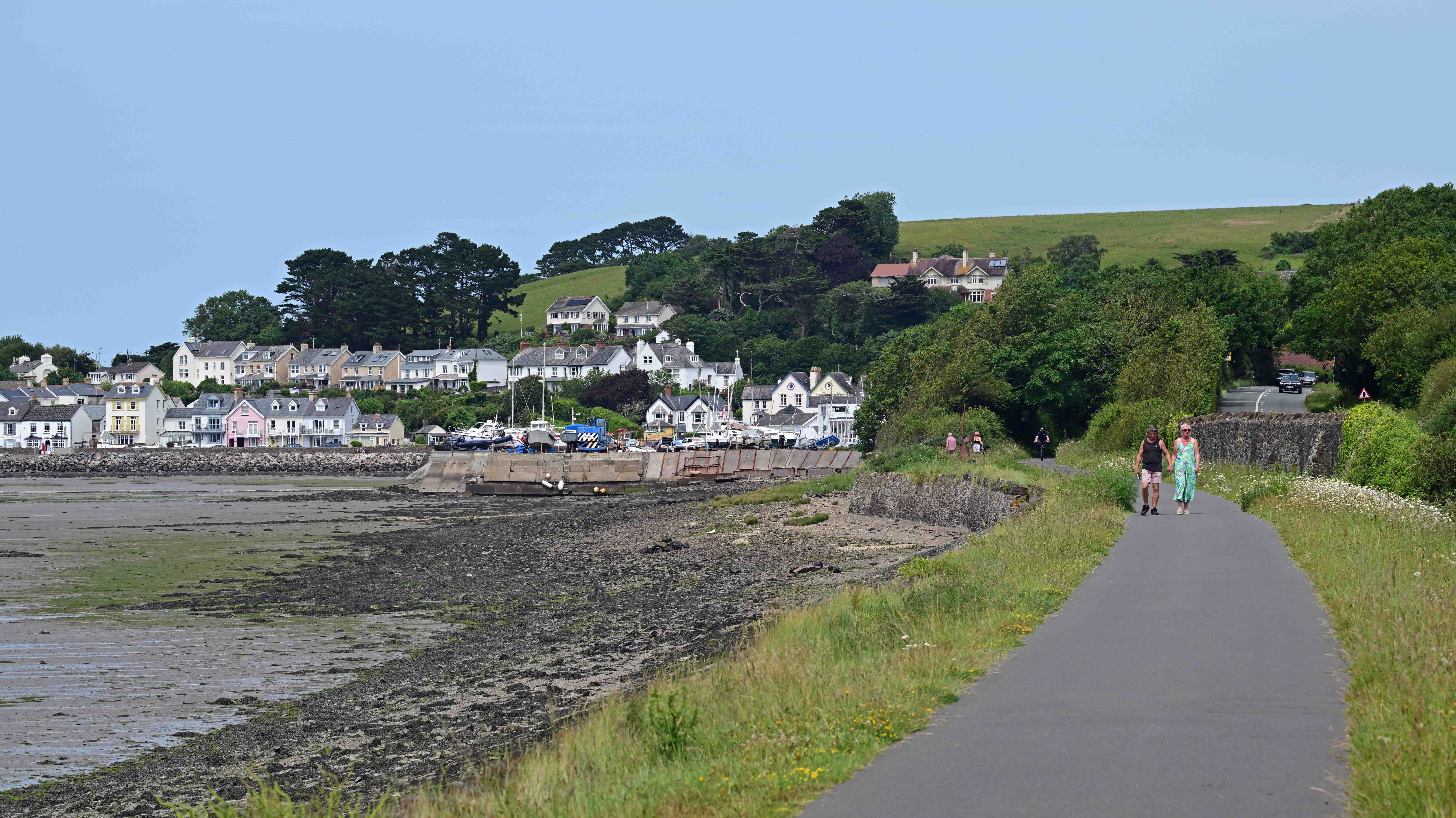
Our last day in Devon saw us breaking up into different camps. Clive had to go off to Northamptonshire for work, so the four of us only had the morning together before he left. Dawn and Ann arranged to enjoy a sunny day at home in the garden but I had something more adventurous planned. As much as we’d enjoyed walking the Tarka trail there was a gap in the route which we hadn’t closed, so I planned to go out and complete the section between Bideford and Instow. Dawn decided to accompany me as far as Bideford in order to get her walk in for the day, only to find the shops she was hoping to browse whilst she was there were all closed. Bideford isn’t exactly a hive of activity on a Sunday, to say the least!
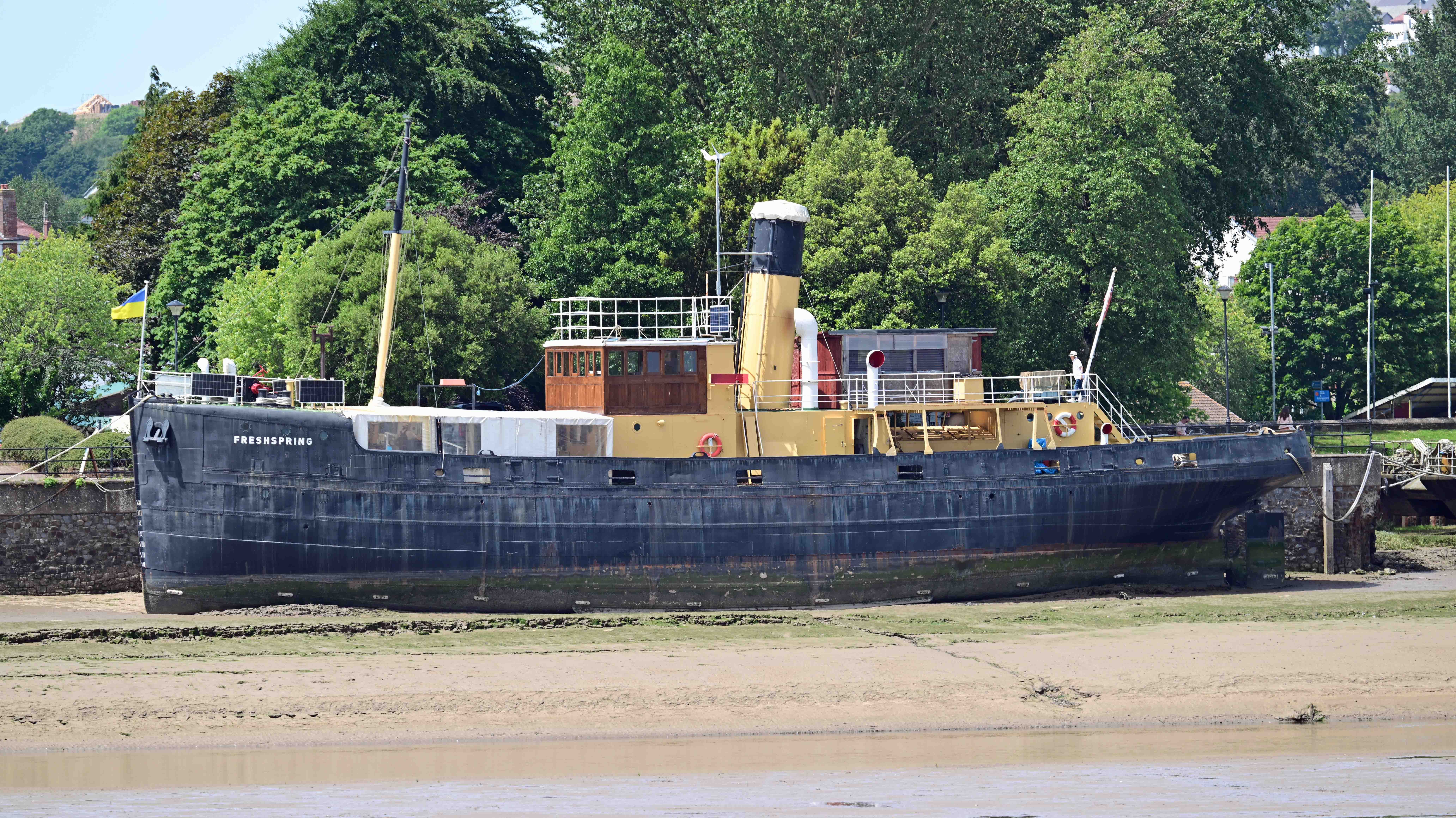
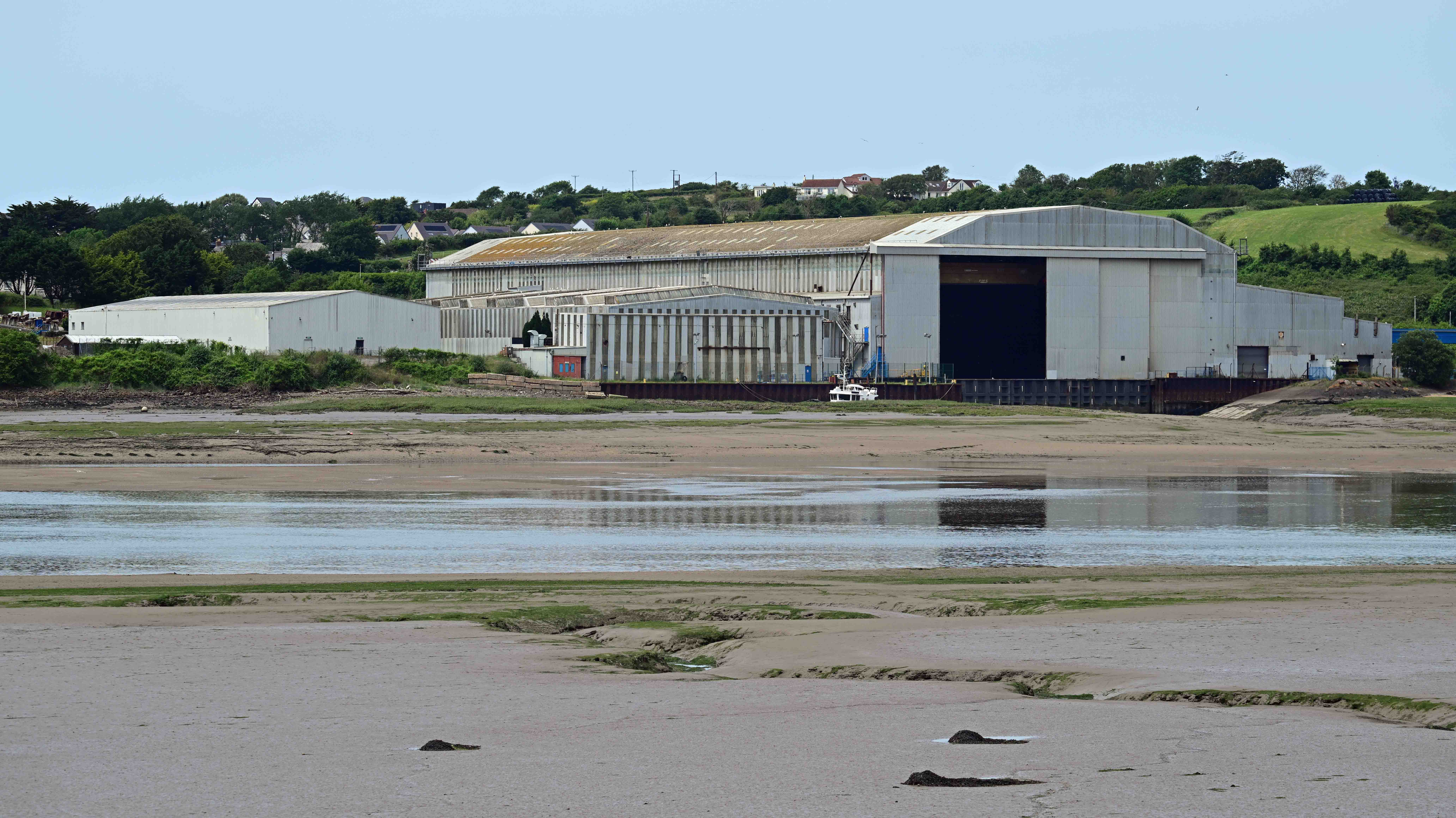
I had better luck as I managed to get shots of the old station and its museum in far better light than on my previous visit, which was a bonus. After that I pounded the tarmac on the Tarka trail all the way to Instow. It was a lovely walk as the trail follows the River Torridge all the way. Plus, the sun was in the right position for me to get shots of many of the old ships that litter the riverside as well as the shipyard at Appledore. This yard’s had a mixed history over the years but seems to have gained a new lease of life. In 2024 it was bought by a Spanish company Navantia. Now it’s building Royal Navy ships again, this time supply ships for the Royal Fleet Auxiliary (link).
Arriving hot and sweaty (but happy) at Instow I had an hour to wait for the tide to come in so that the ferry across the river to Appledore could start running, Admittedly, sitting on a pier watching the world go by whilst the sun beats down upon you is hardly a hardship!
Once across I had another 90 minute walk ahead of me through Appledore and the quaintly named Diddywell before getting home, where the girls were still chilling in the garden. Still, 27,000 steps on a hot day with a camera bag on my back was an achievement!
Here’s a few pictures from the day…
I did say the weather was better in Bideford!The Tarka trail looking North form BidefordBuilt in 1946 and preserved at Bideford, the SS Freshspring is a former RFA ship and the last of her kind. Appledore shipyard at low tide.The Tarka trail on the approach to Instow from the South.
And so ended our last day in Devon. We’d had a fantastic time exploring places neither of us had seen before and others we’d not visited for yonks, none of which would have been possible without the superb hospitality of Ann and Clive. Thank you!
I’ve a small favour to ask… If you enjoy reading this or any of the other blogs I’ve written, please click on an advert or two. You don’t have to buy anything you don’t want to of course – although if you did find something that tickled your fancy that would be fab! – but the revenue from them helps me to cover some of the cost of maintaining this site (which isn’t cheap and comes out of my own pocket). Remember, 99% of the pictures used in my blogs can be purchased as prints from my other website – https://paulbigland.zenfolio.com/
With the weather having picked up dramatically day 6 saw us off on another grand tour thanks to Clive, who spent the day driving us around Devon and into Somerset.
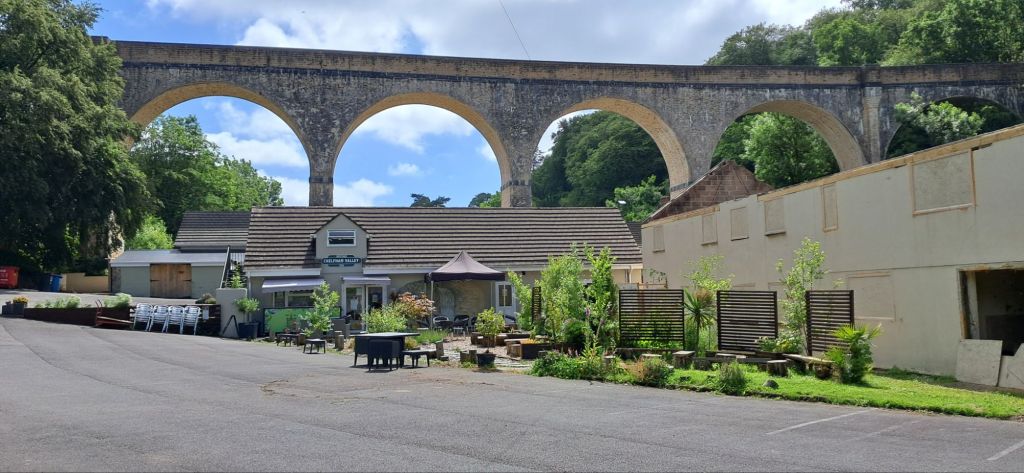
Our first port of call was Chelfham, a small village on the route of the old Lynton and Barnstaple railway. The landscape here is dominated by the impressive old viaduct.
Cafe and viaduct
Underneath it nestles an old mill and the ‘crafty cafe’ which is run by a community organisation called the growforward project. They serve great breakfasts as well as other food and drink and regularly hold music events, yoga sessions and all manner of community focussed activities.
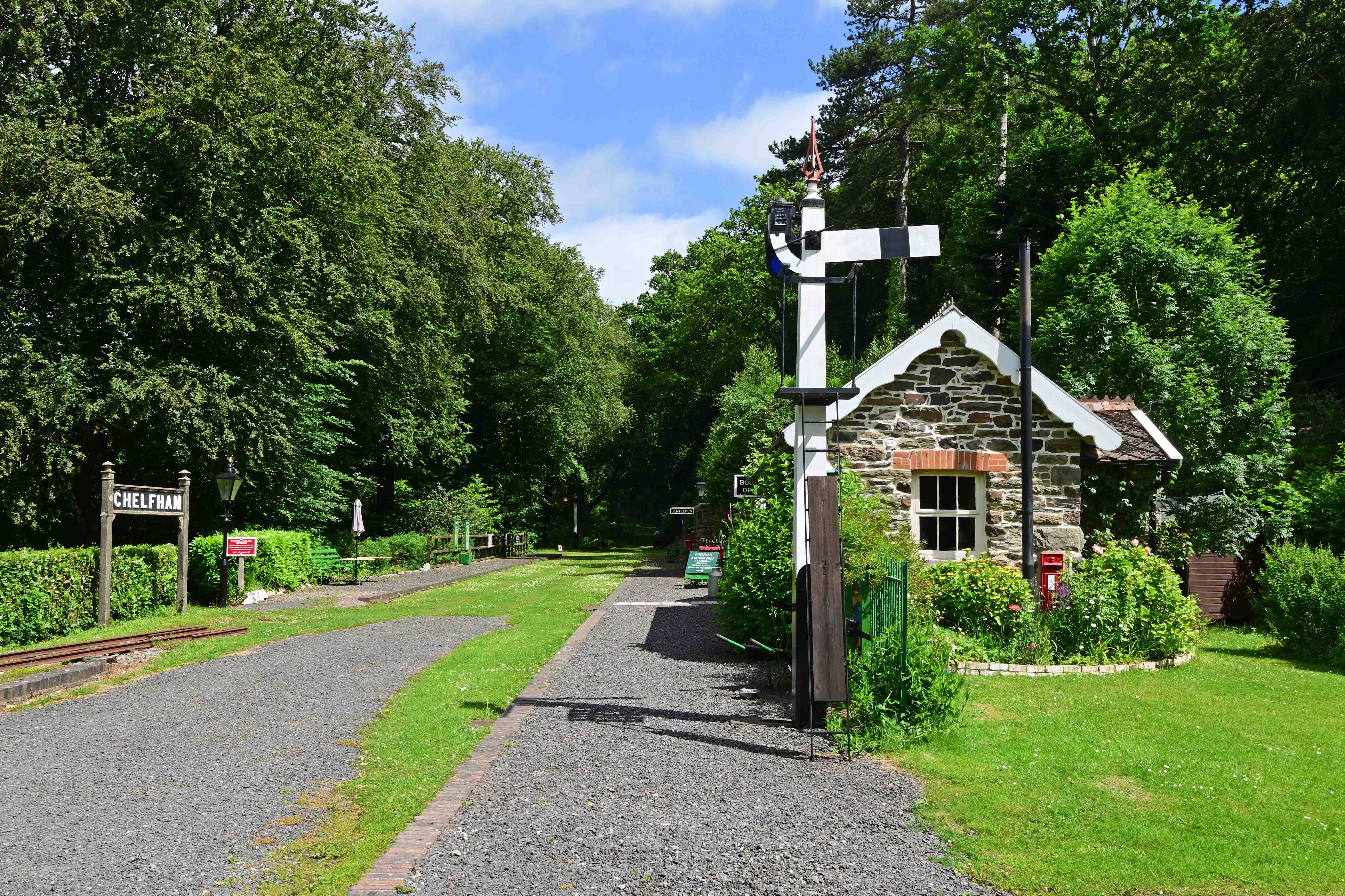
Whilst the reborn Lynton and Barnstaple railway hasn’t reached here yet the station’s been beautifully restored and is open on a regular basis.
Pretty Chelfham station.
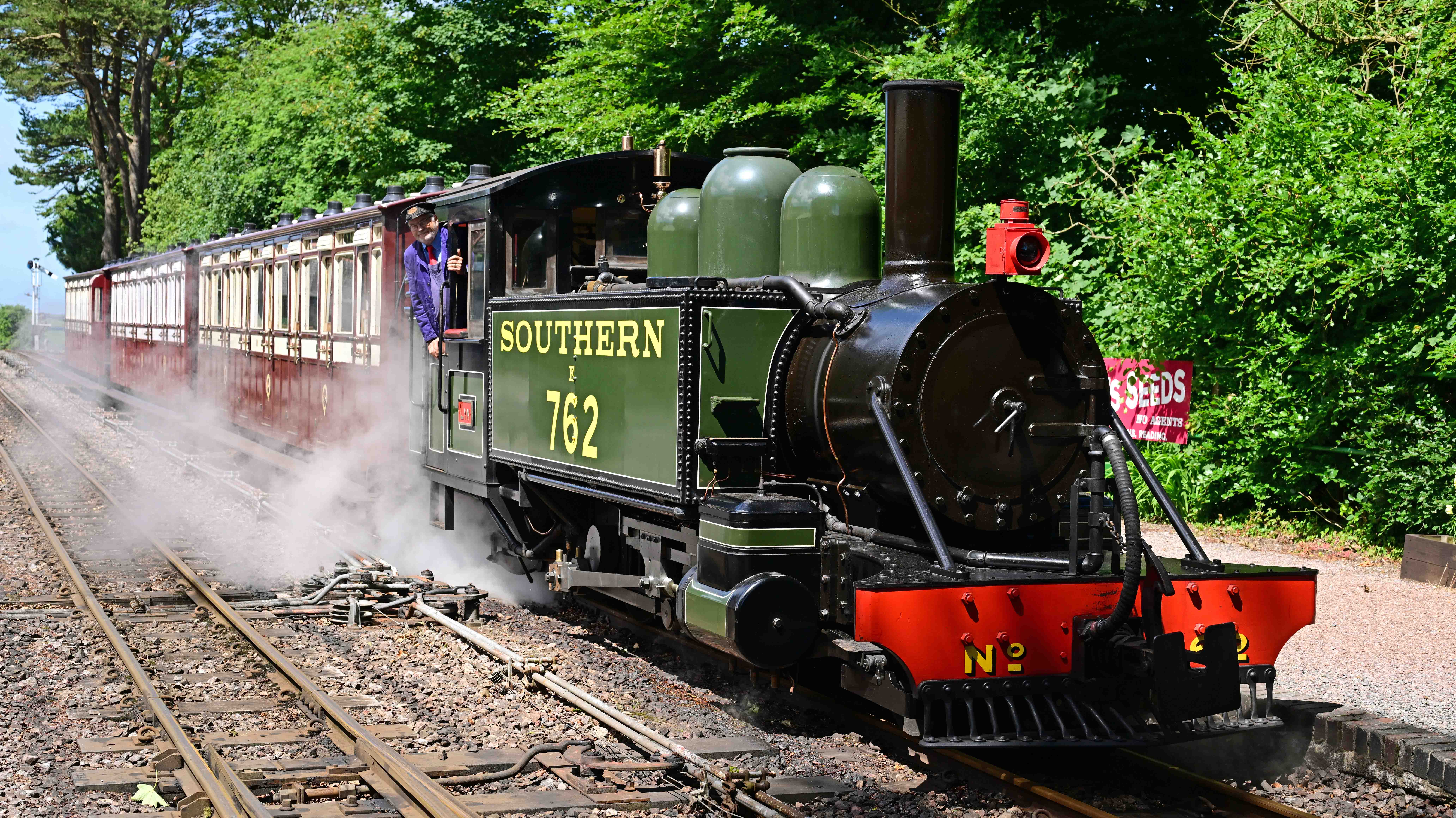
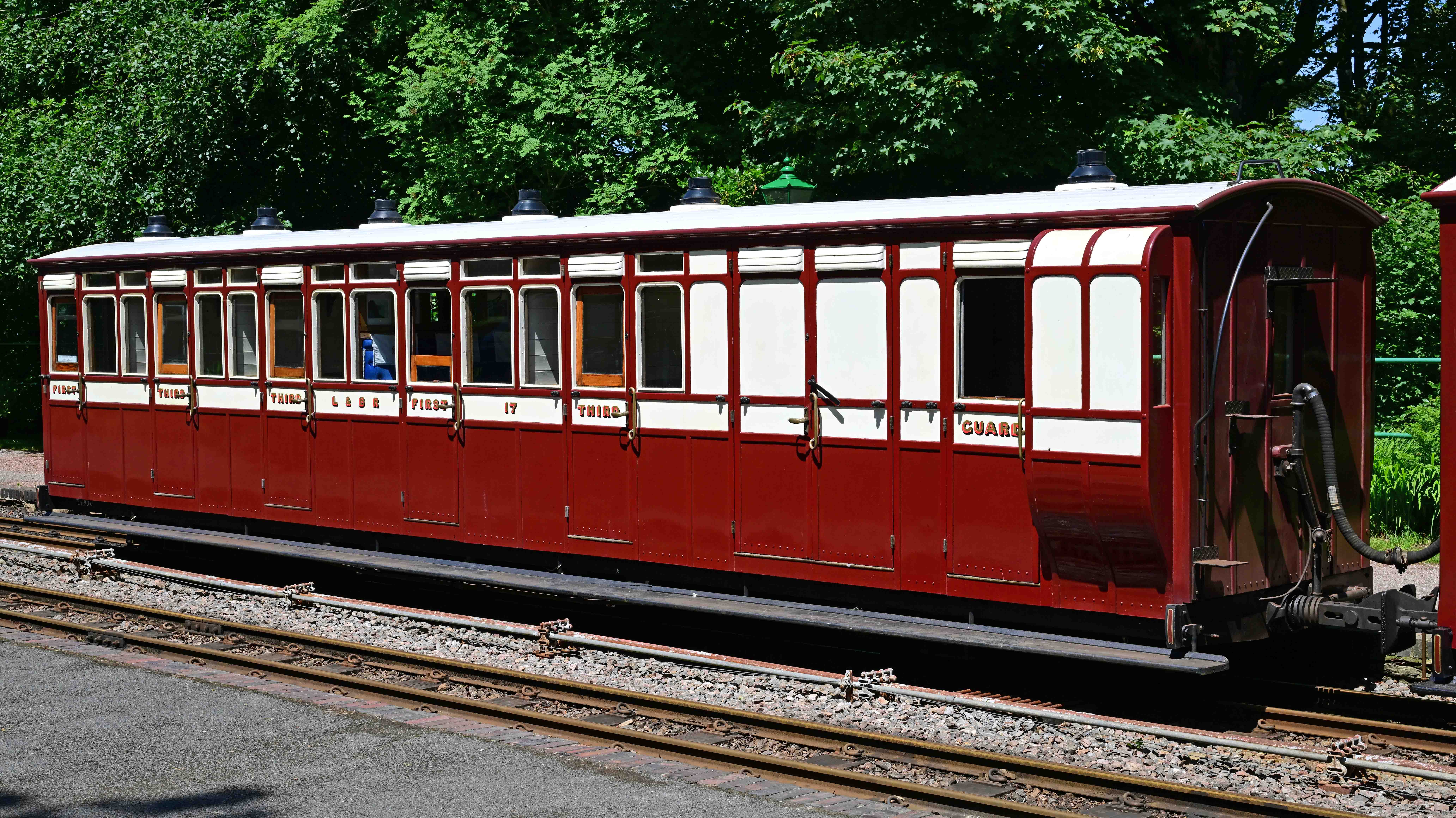
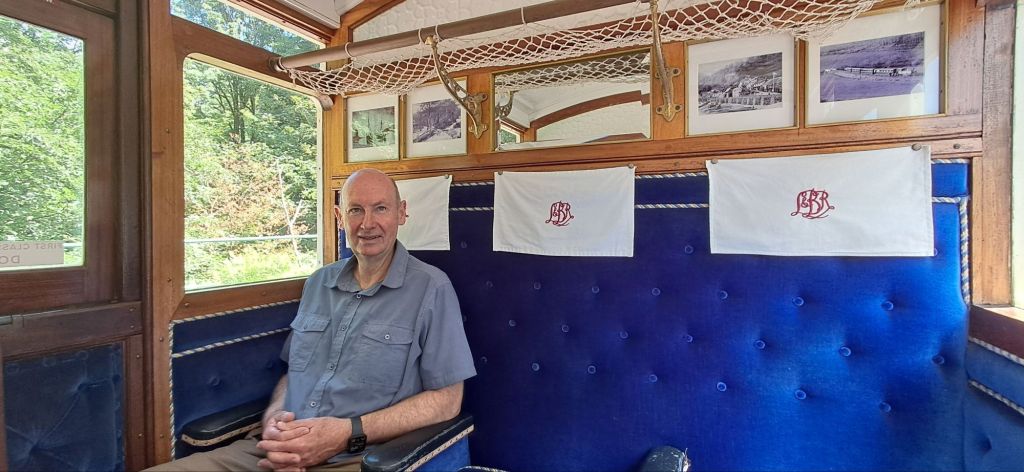
Our next stop was at the railway proper. The current base for the railway is at Woody Bay. The old station building contains a ticket office, cafe and shop with the rest of the site containing the line’s loco depot and carriage shed. It’s all beautifully kept and a real credit to the volunteers. Trains run along the former line as far as Killington Lane which is roughly a mile away. The trip offers some fantastic views of the Devon coastline – and what better way to see it than in some superbly restored railway coaches hauled by a steam locomotive which is a carbon copy of one of the line’s original engines?
No 762 is a modern recreation of one of the original engines used on the Lynton and Barnstaple before its closure in 1935.One of the beautifully restored old coaches.Clive enjoying 1st Class luxury!
I wish the L&B every success with their ambitious plans to extend the line in each direction as it really is a little gem of a railway.
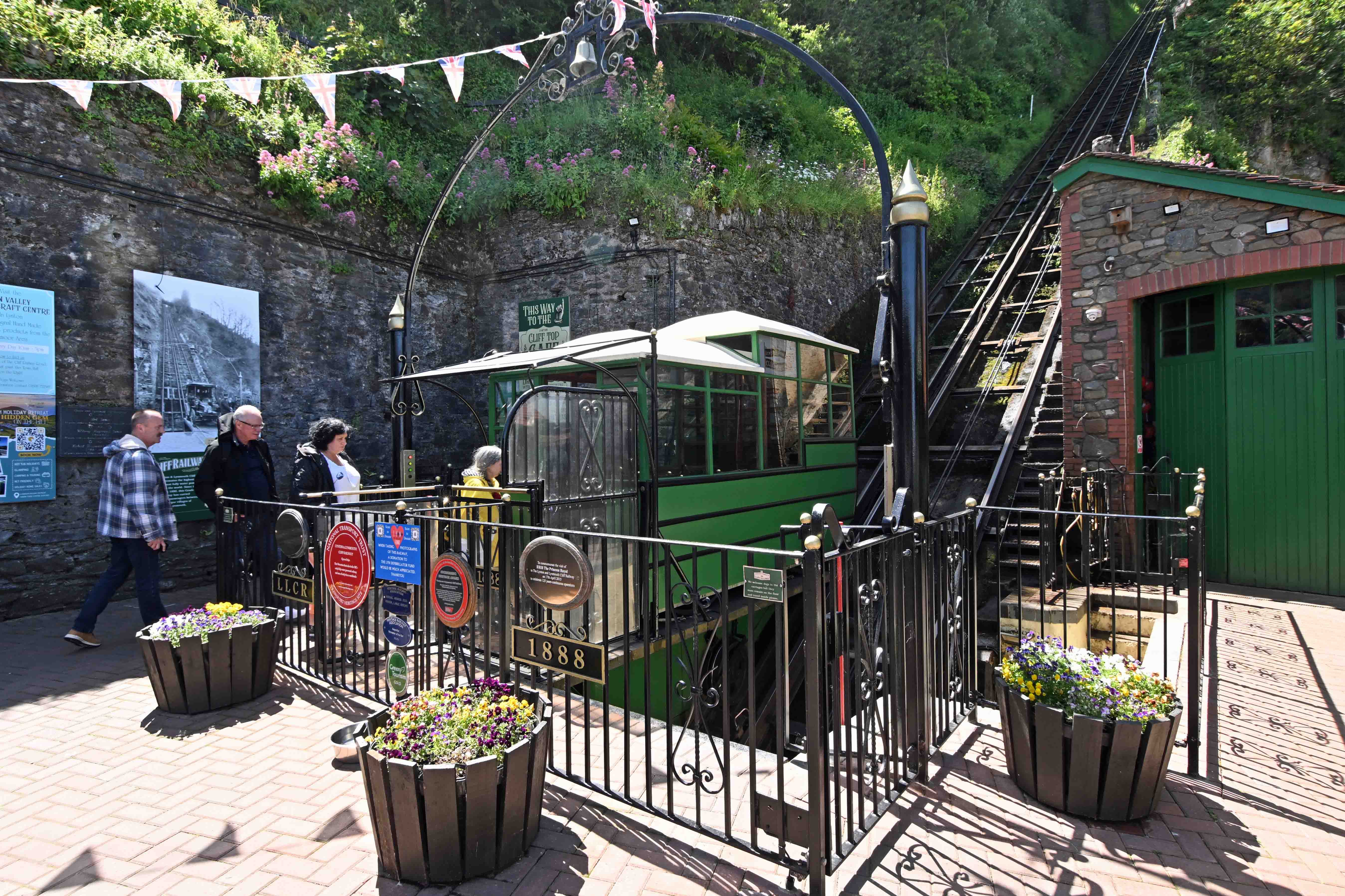
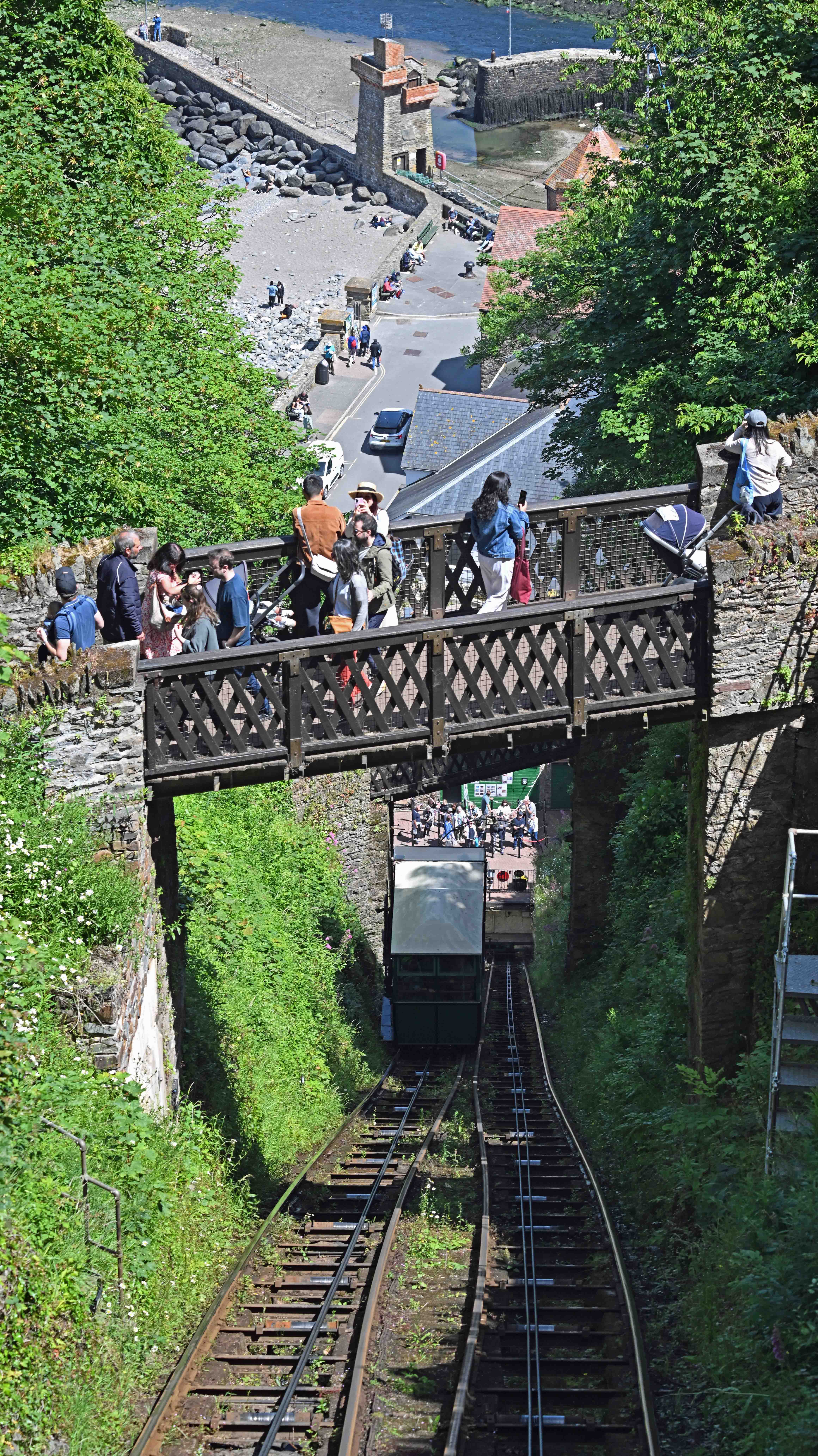
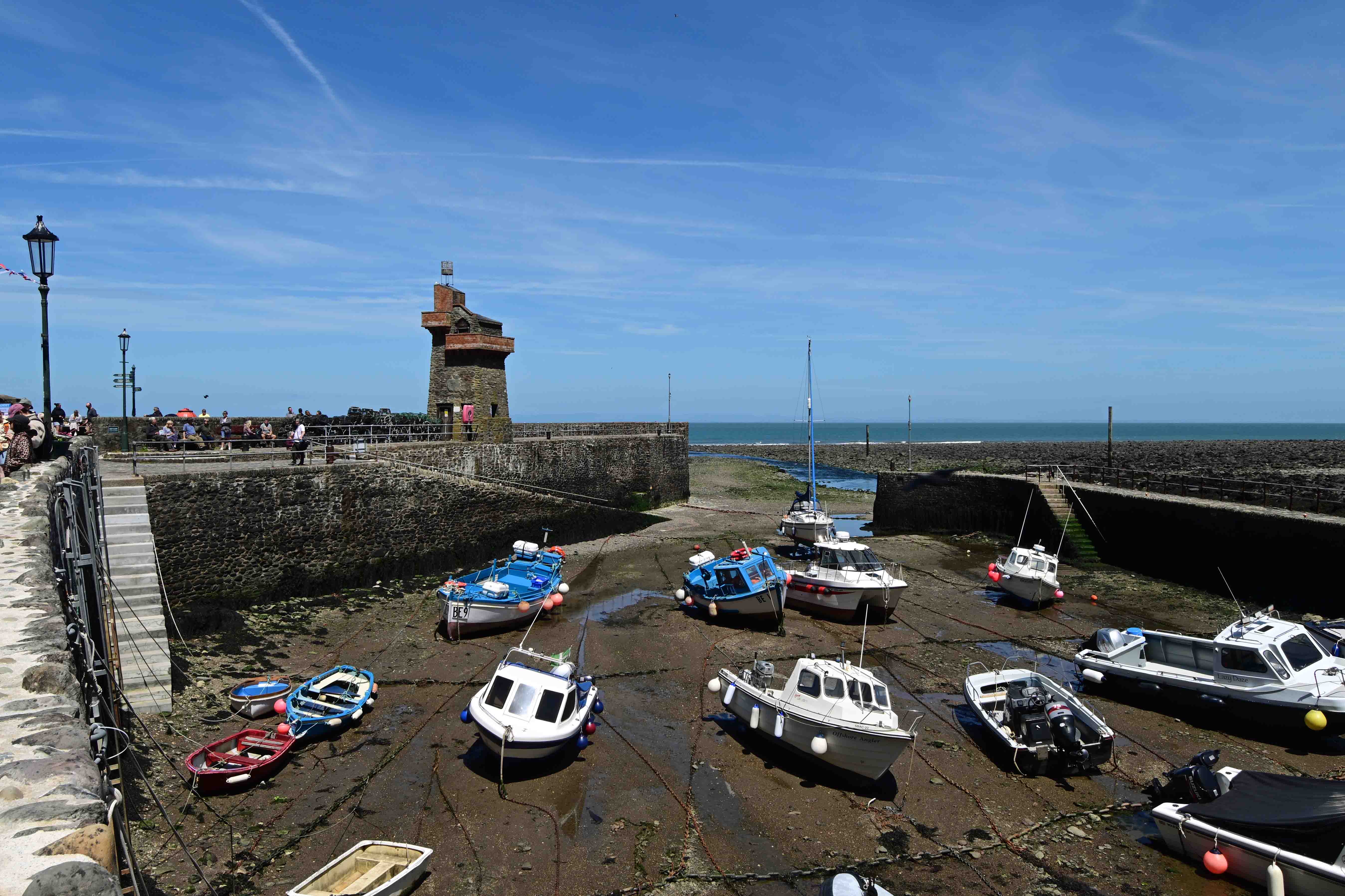
Our next port of call was the coastal town of Lynton, where we took the funicular railway down to Lynmouth. The funicular has the distinction of being the highest and steepest water worked railway in the world. Lynmouth itself is a pretty little harbour with a torrid past. In 1952 the village suffered a terrible flood which killed 34 people and left the place buried in mud. There’s little sign of the event now other than a small museum which tells the story of the tragedy.
Joining the funicular car at Lynmouth for a trip up to Lynton.When they said the funicular was steep, they weren’t kidding!Lynmouth harbour
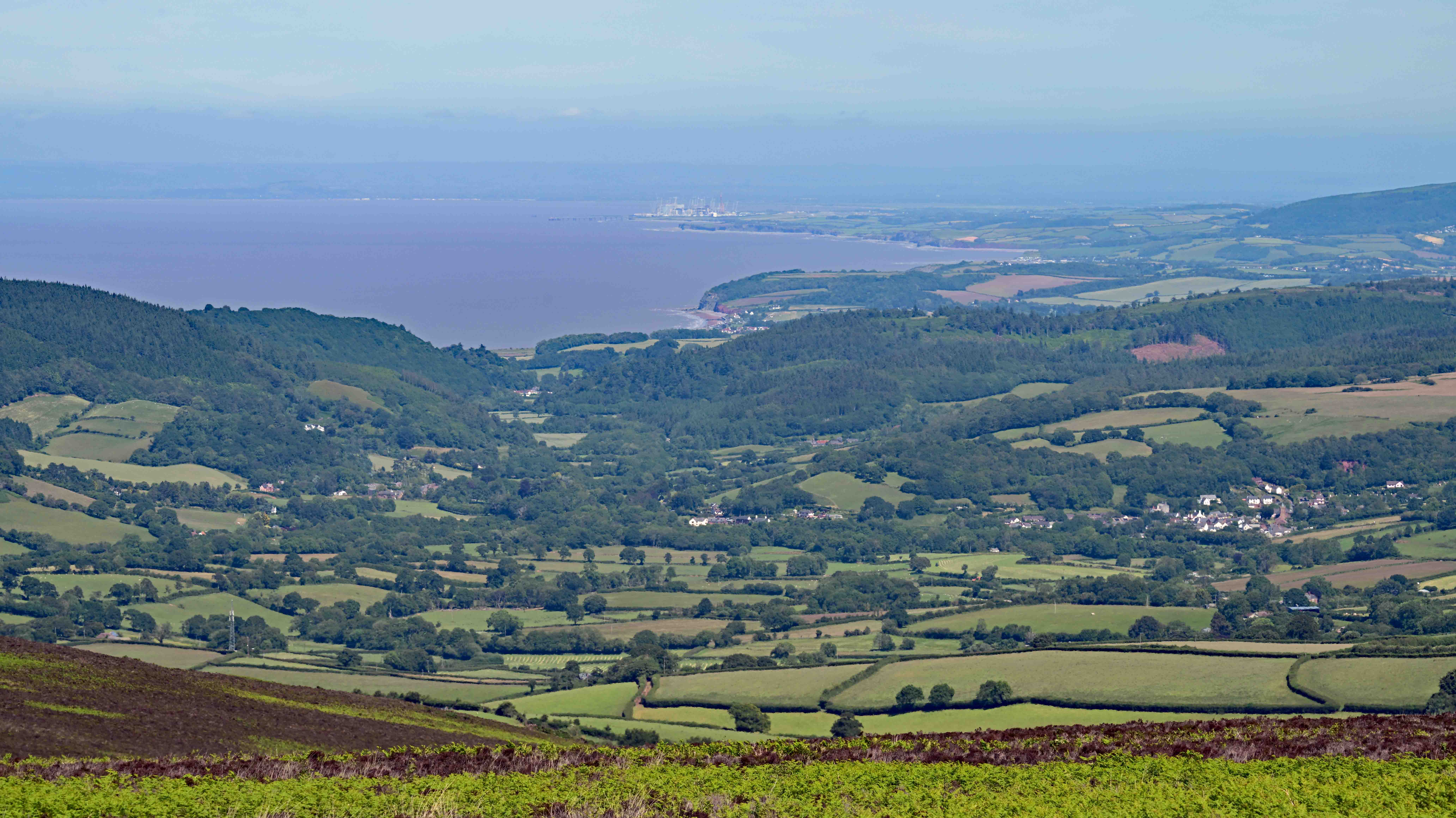
Having explored and filled ourselves with ice cream we set off again, this time to Exmoor , where we crossed the border into Somerset. There’s some fantastic views to be had from the moors. You can look across the Bristol channel to South Wales, or along the Somerset coast to spy places like Minehead and Hinkley nuclear power station.
Looking along the coast from Exmoor towards Minehead, with Hinkley nuclear power station in the distance
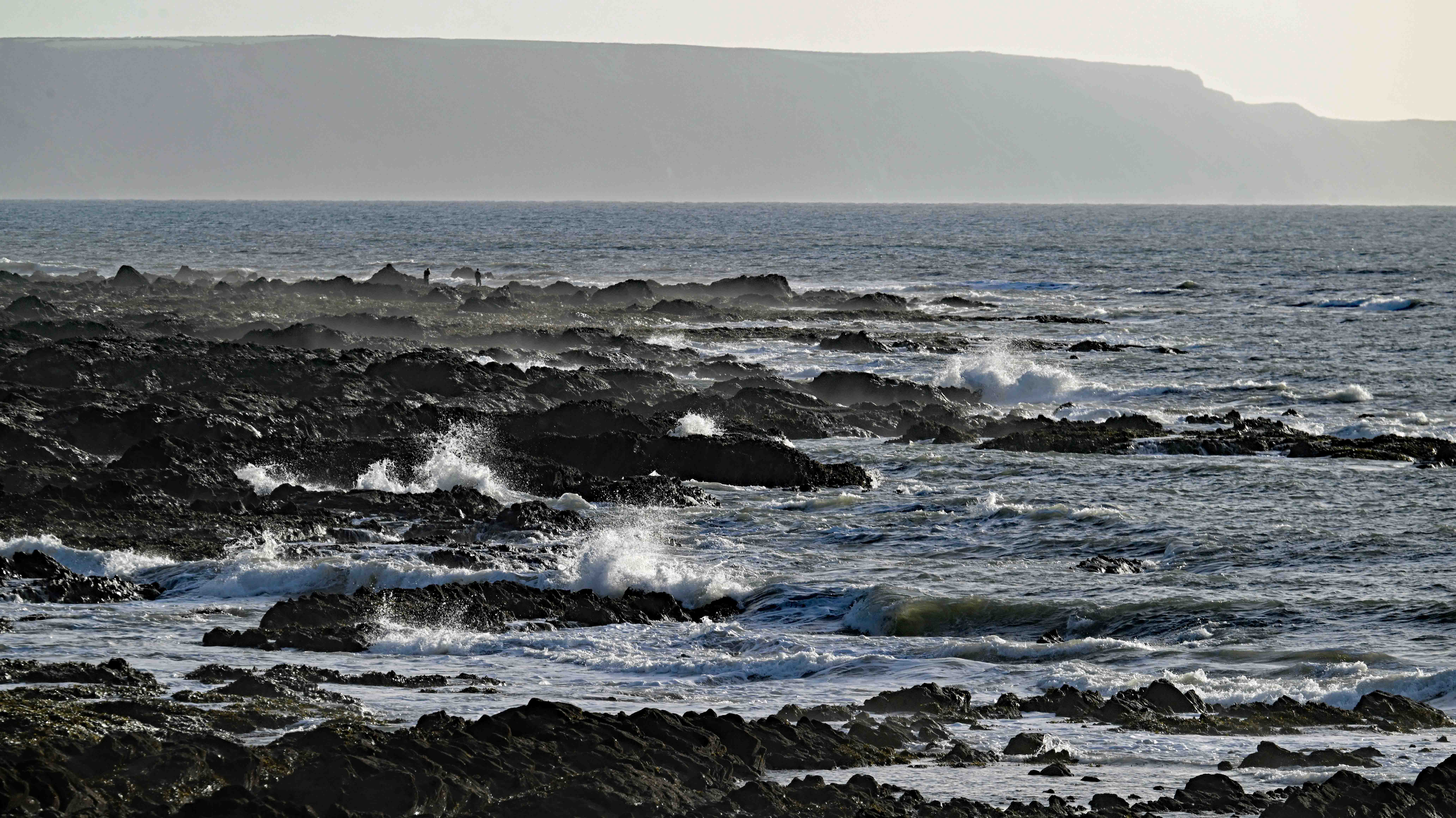
Having driven back to base the day ended with an evening out at Westward Ho! where we enjoyed a few drinks by the beach before tucking into fish and chips. Well, what else should you eat besides the sea!
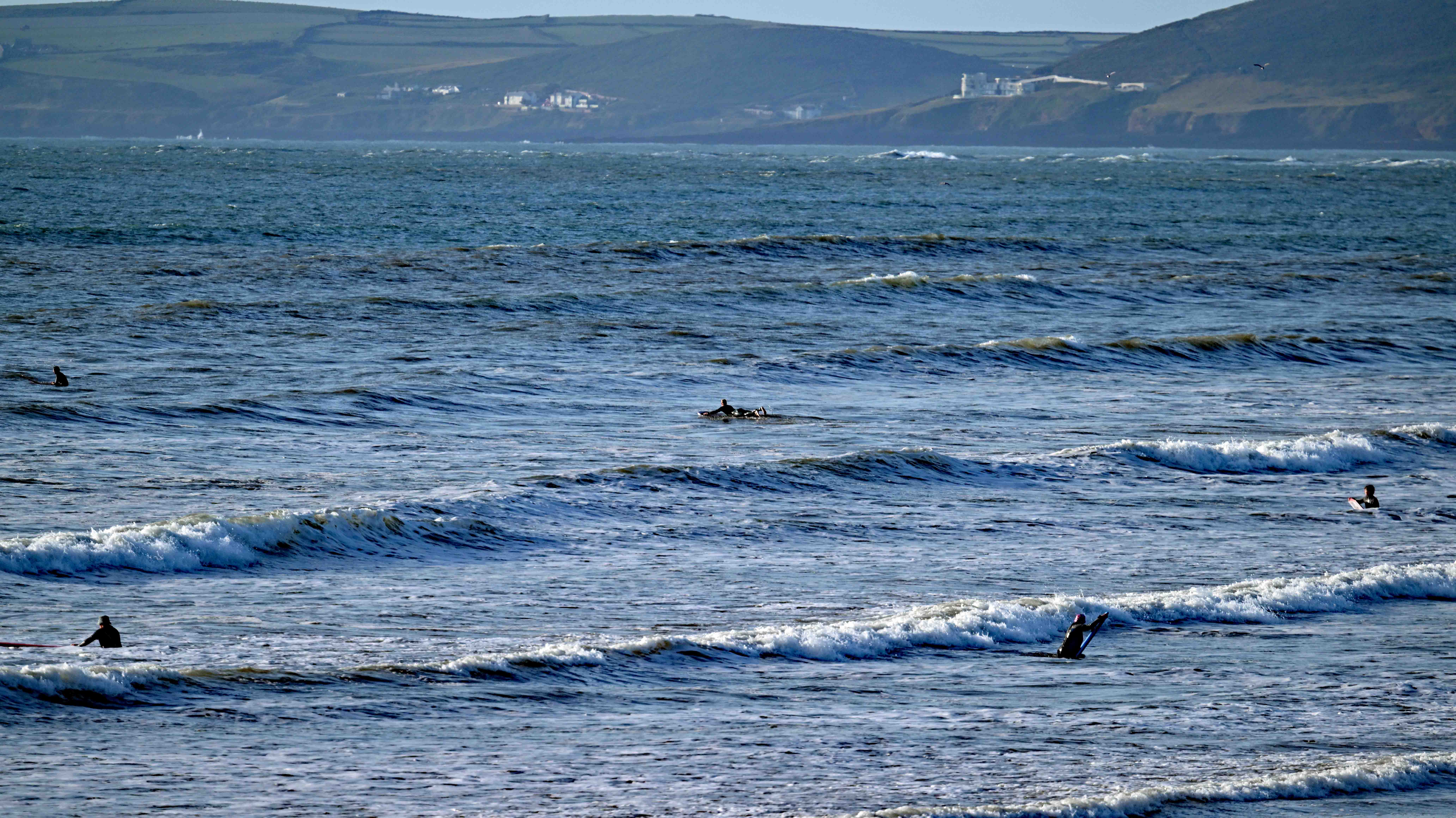
Low tide at Westward Ho! with the wind driving the sea onto the rocks.In the opposite direction, surfers hope to catch a few waves.
I’ve a small favour to ask… If you enjoy reading this or any of the other blogs I’ve written, please click on an advert or two. You don’t have to buy anything you don’t want to of course – although if you did find something that tickled your fancy that would be fab! – but the revenue from them helps me to cover some of the cost of maintaining this site (which isn’t cheap and comes out of my own pocket). Remember, 99% of the pictures used in my blogs can be purchased as prints from my other website – https://paulbigland.zenfolio.com/
The weather here in Devon picked up again on Friday. We still saw mixed skies and the occasional light shower, but sunshine was a constant visitor throughout the day and temperatures were ideal for walking – which is what we did.
Today’s plan was to walk more of the Tarka trail, this time South from Bideford to Torrington, a distance of about 6 miles. Clive had some work to do which left our trio (Dawn, Ann and I) to complete the trek and meet Clive for tea and cake at the other end.
Here’s a few pictures from the walk.
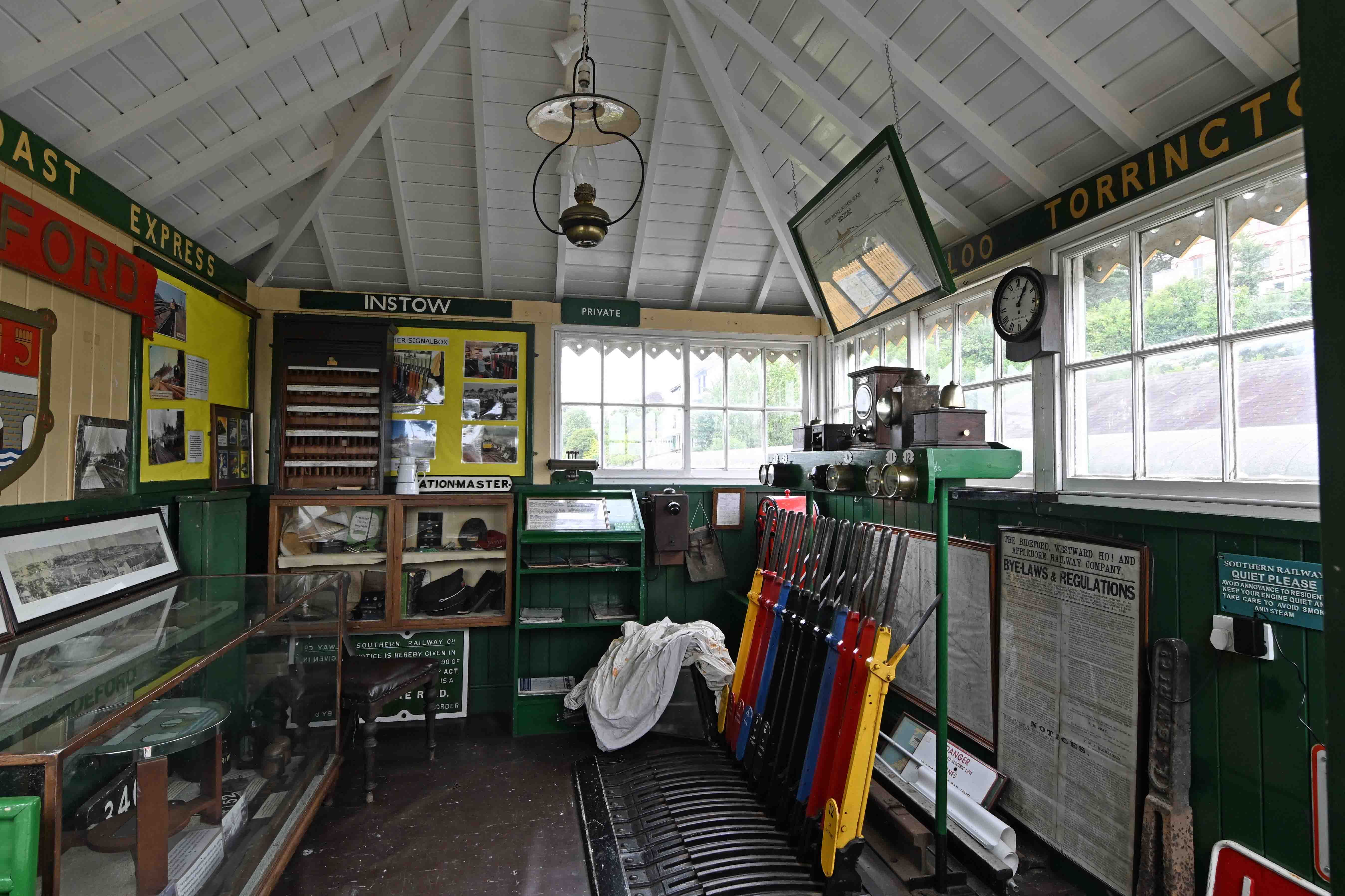
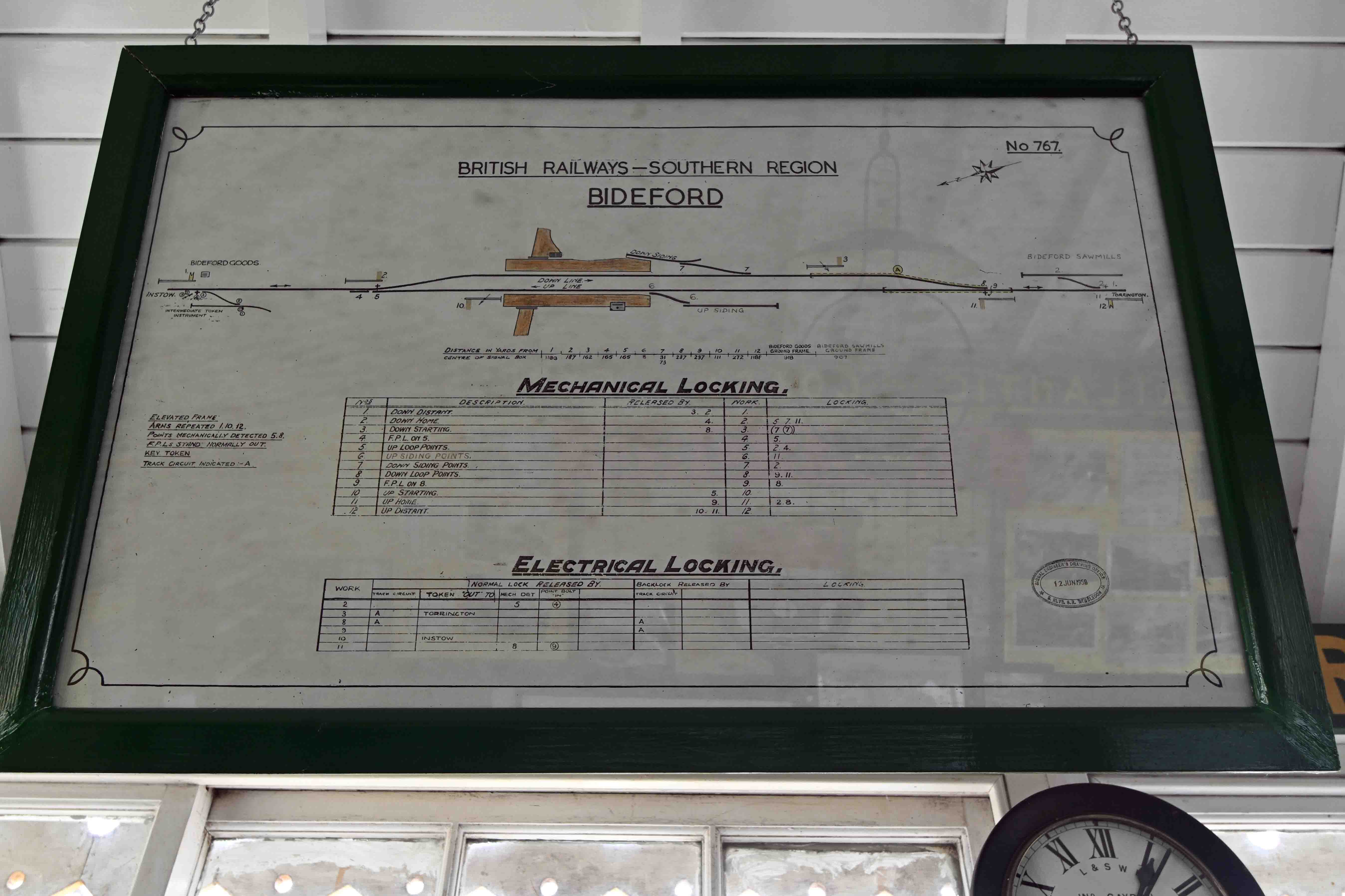
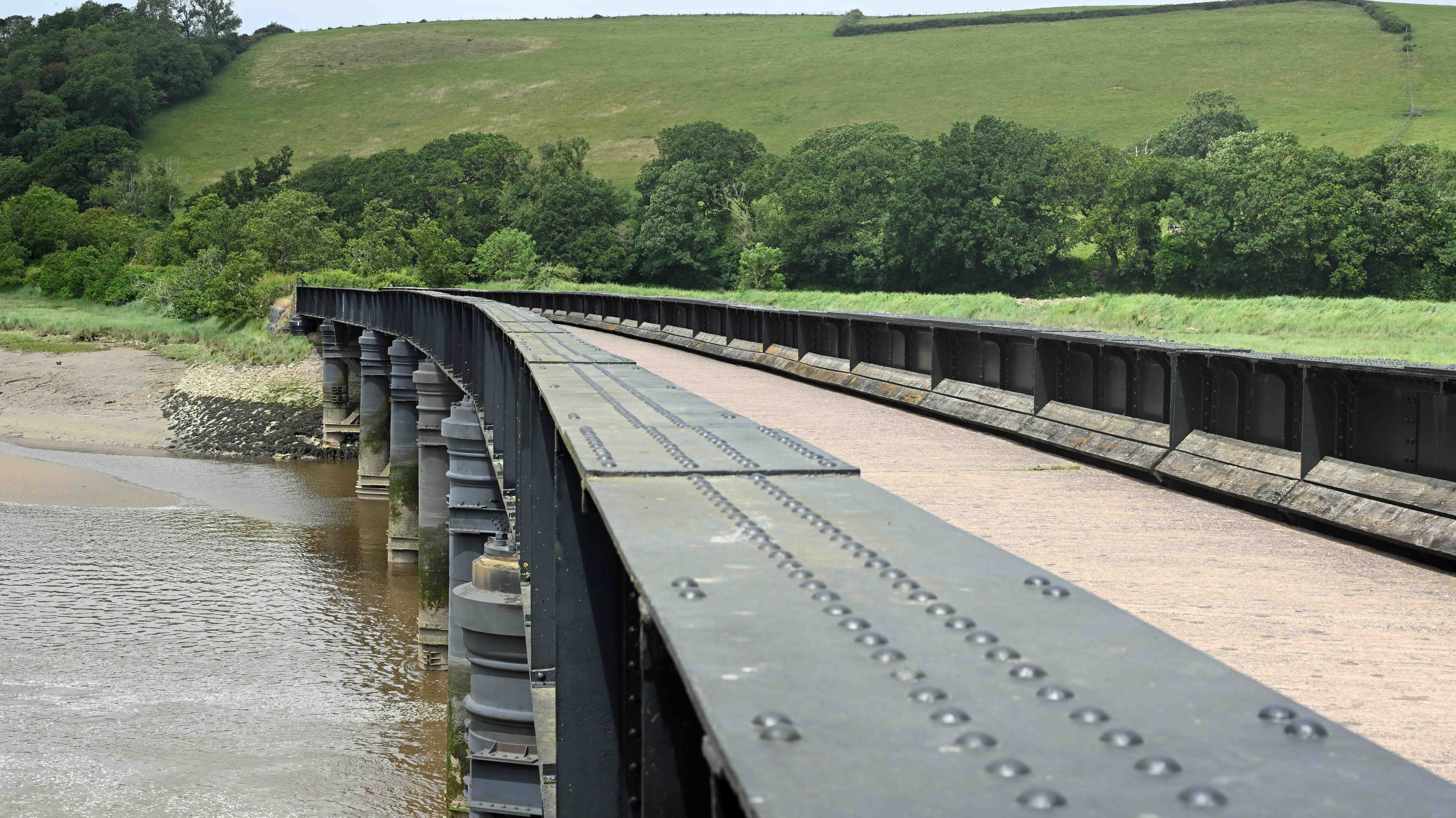
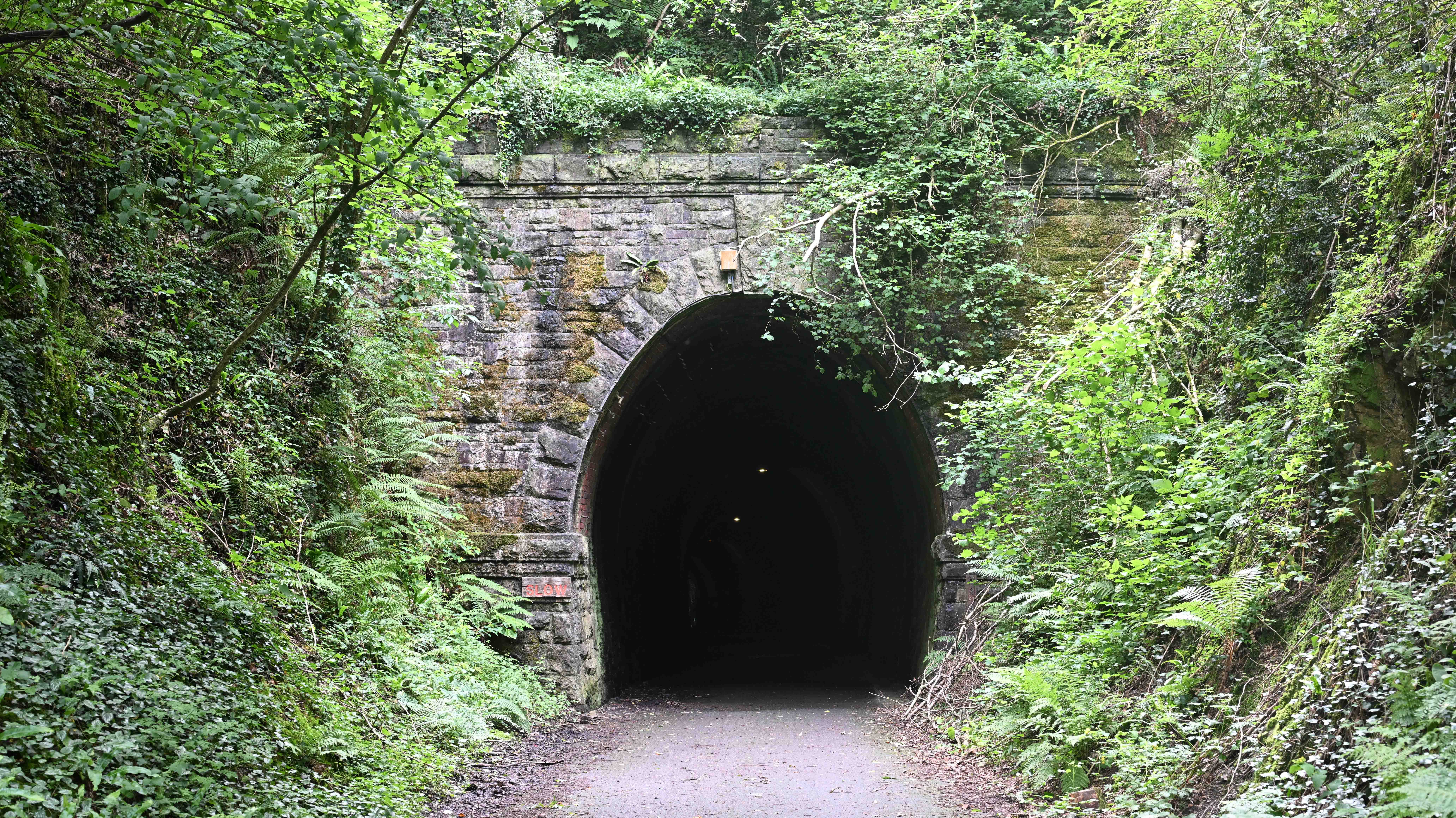
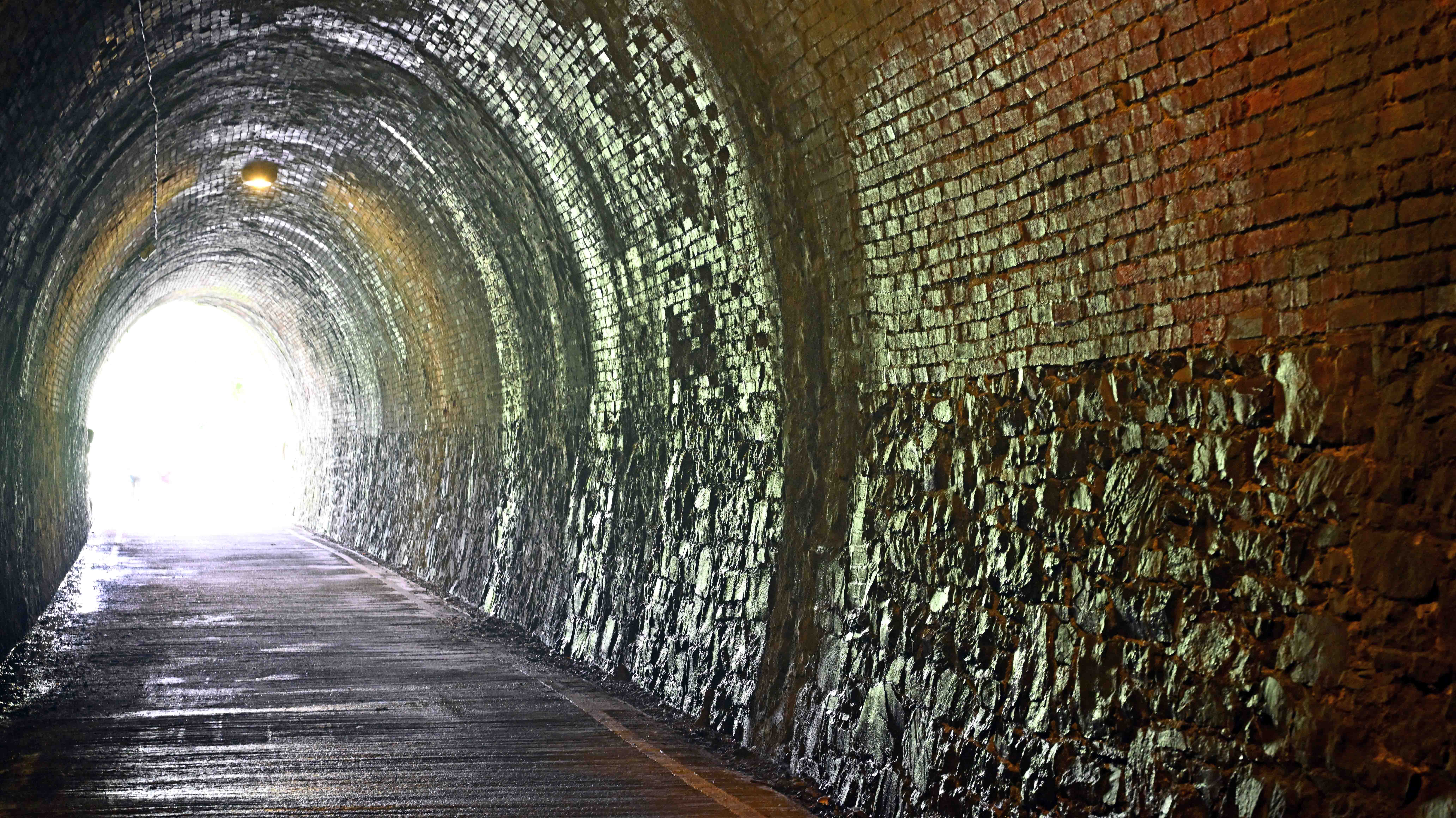
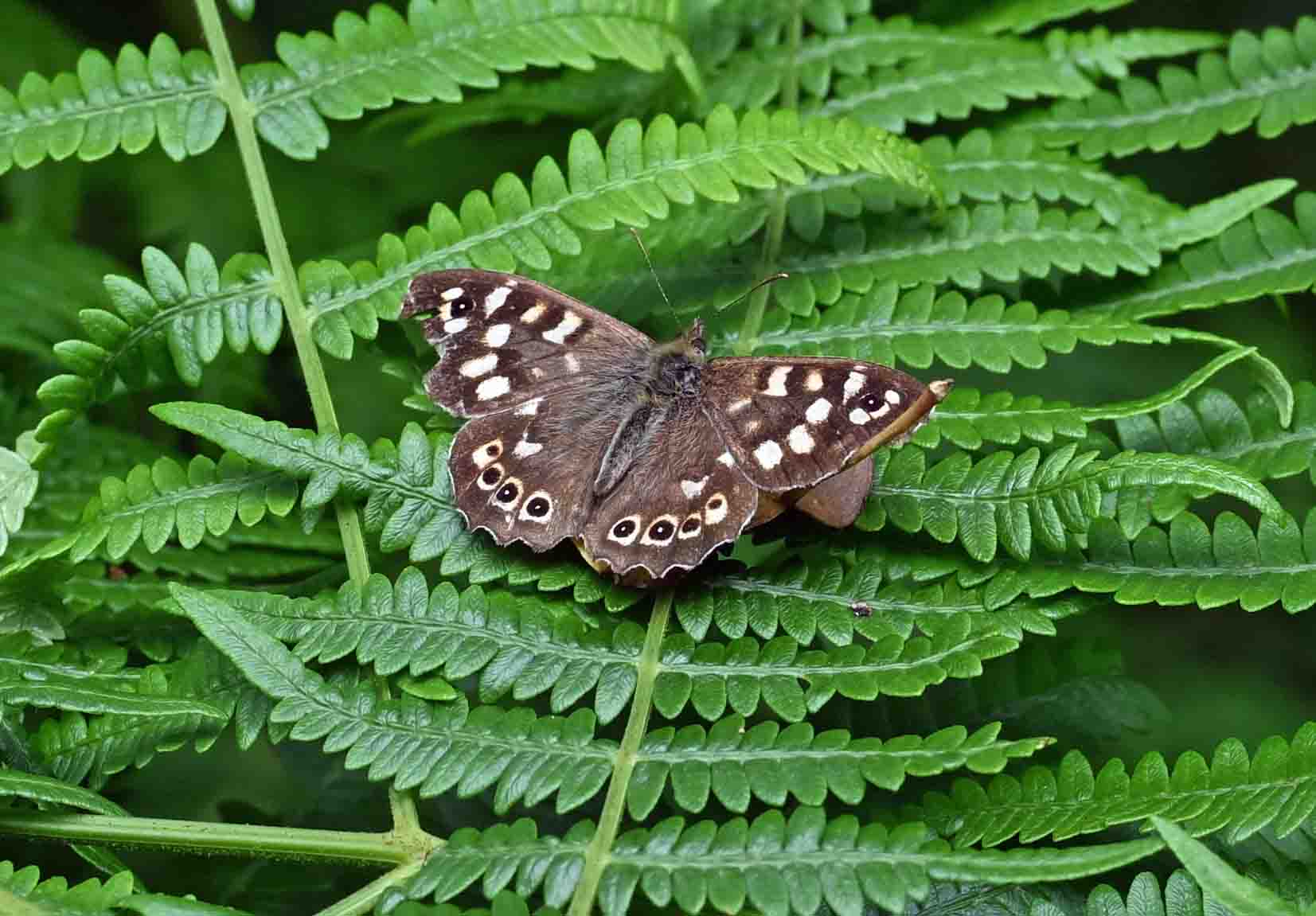
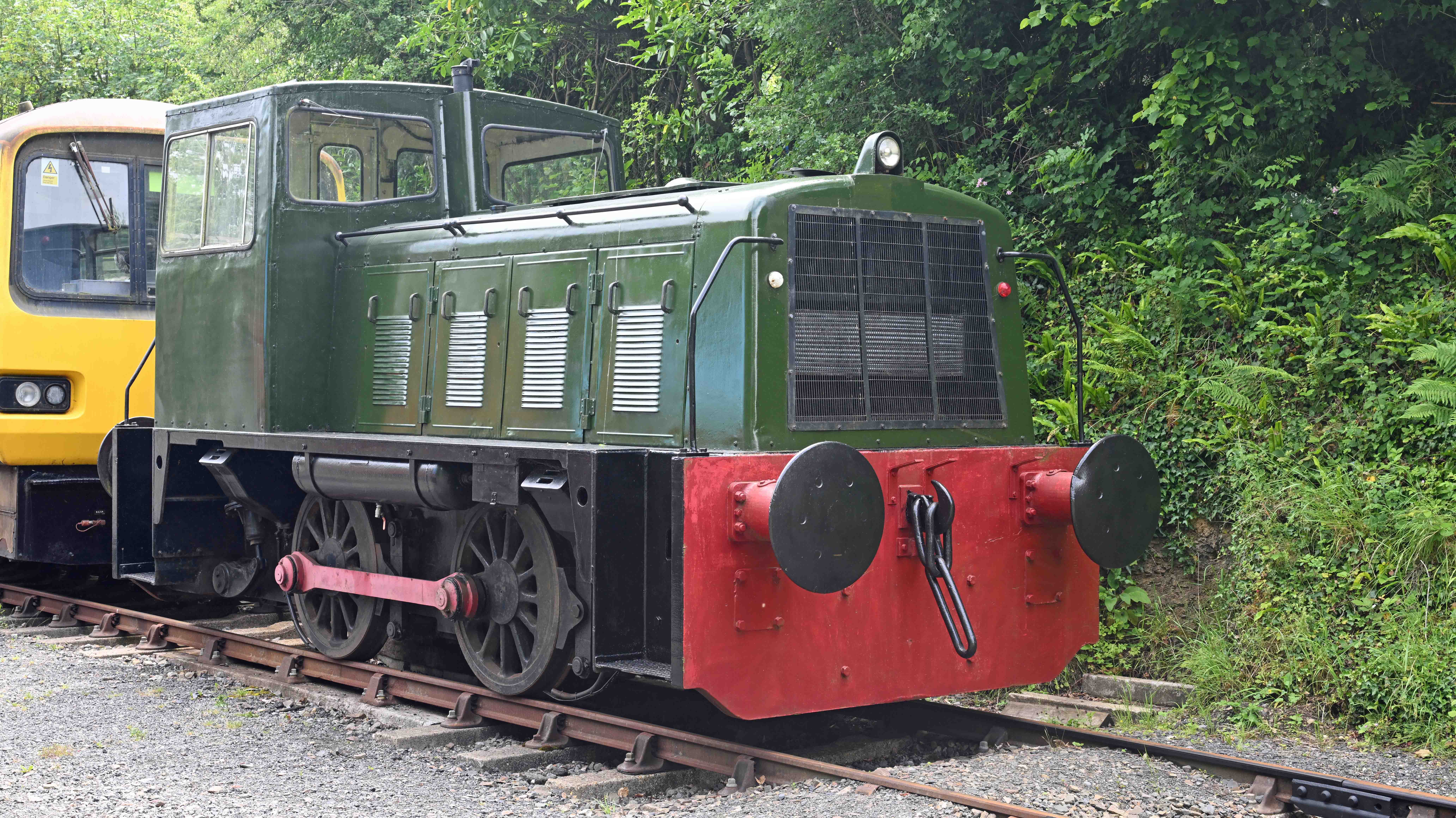
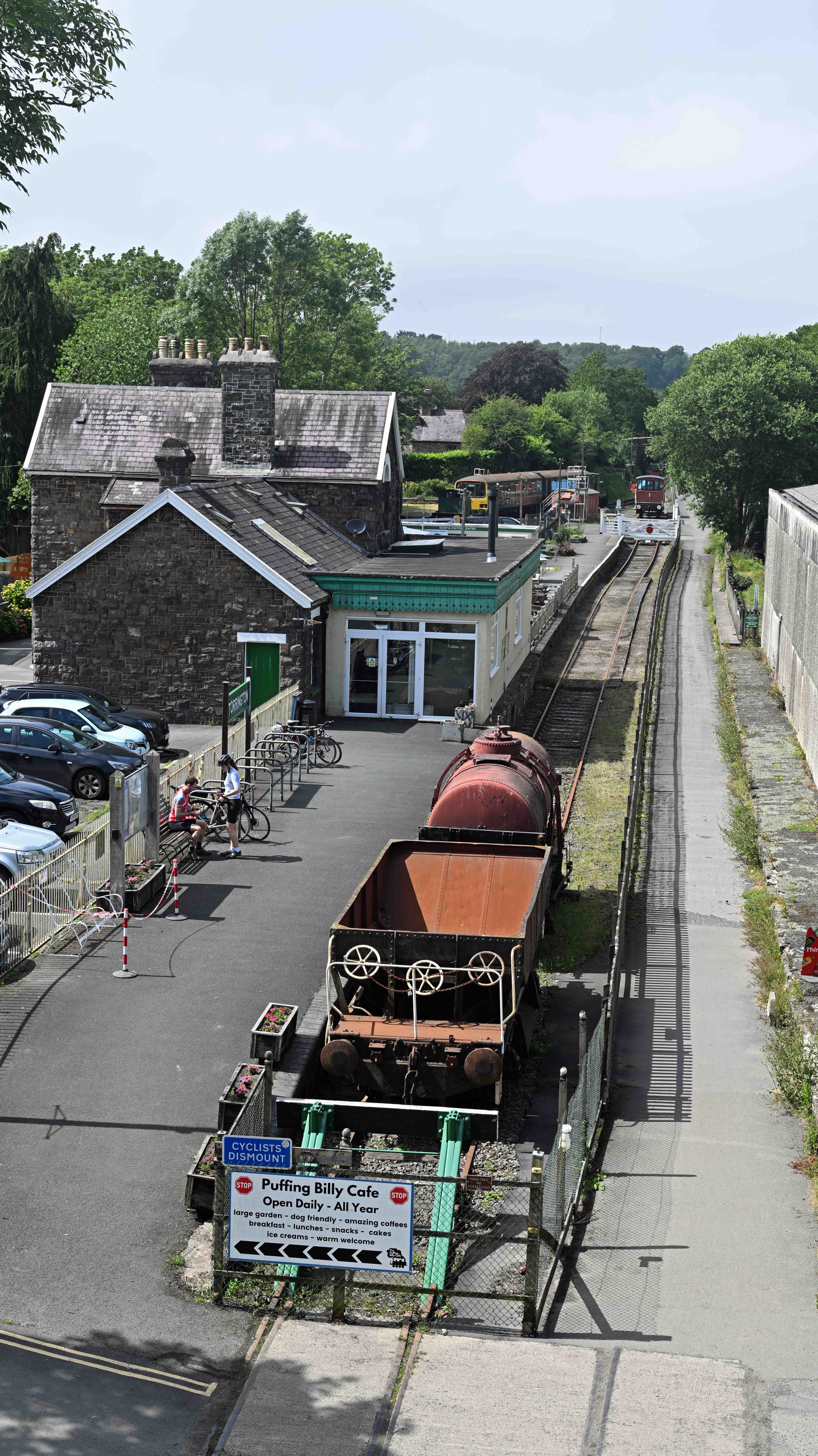
We joined the Tarka trail at Bideford station, where the old signalbox museum was open. Here’s a look inside. The signalling diagram for Bideford station, showing the old track layout. The railway bridge over the River Torridge is a great place to stop and watch the wildlife on land and sea. There’s a short tunnel on the section between Torrington and Bideford which is fun to walk through. It’s well lit, so not too spooky!Inside the tunnel, showing the mixture of construction techniques. There’s plenty of wildlife en-route, including butterflies like this. Torrington is the site of the Tarka Valley Railway. They have a couple of old industrial diesel shunters and an ex- GWR Class 143 ‘Pacer’ DMU. This is a Ruston and Hornsby 0-4-0 built in February 1969 as a 192hp diesel electric shunter. Works number 544998, it was last standard gauge locomotive built by the company. It was delivered new to the Nevils Dock and Railway Company in Llanelli where it continued to work until 1990. Torrington station contains the Puffing Billy cafe which offers a range of snacks, drinks and meals. The station was once an important freight location, sending two daily trains of milk tankers to London Waterloo station.
I’ve a small favour to ask… If you enjoy reading this or any of the other blogs I’ve written, please click on an advert or two. You don’t have to buy anything you don’t want to of course – although if you did find something that tickled your fancy that would be fab! – but the revenue from them helps me to cover some of the cost of maintaining this site (which isn’t cheap and comes out of my own pocket). Remember, 99% of the pictures used in my blogs can be purchased as prints from my other website – https://paulbigland.zenfolio.com/