It’s another short blog from me today. After yesterday’s day out I’ve been very much home and office based trying to catch up on stuff. I’ve been threatening to get back to selling surplus slides and other railway memorabilia on eBay but having let my account lapse over the past year that’s been made even more complicated by the fact I’m starting from scratch. I’m having to relist everything, which is a major PITA, but it’s allowed me to be more organised this time when it comes to record keeping. In theory I’ll benefit in the long run as I’ll find it easier to keep track of stuff. Well, that’s what I keep telling myself anyway!
I’ve managed to reload a couple of hundred surplus slides so far and hope to at least double that over the weekend before getting into all the memorabilia. All this stuff’s been sitting in cupboards for years so it’s time it went to new homes. I’ll be adding the occasional link to stuff in the future, bit for now, the picture of the day is a slide that’ll be on eBay very soon.
I took this shot in Limerick, Ireland way back in 2003 when Irish Rail was still using locomotives and coaching stock on a lot of services. This meant many locations had station pilots – engines who’s only job was to shunt empty coaches around the place. Like this one.
‘Baby GM’ 146 prepares to haul a rake of the old ‘Cravens’ coaches out of Limerick station whilst a brand new railcar sits in the opposite platform. Their introduction would lead to the demise of scenes like this.
As well as UK railways going back to 1990 I’ll be putting pictures up for sale from other countries (like Ireland) that will include Sri Lanka, Malaysia and also the last days of Indian steam trains. Watch this space…
I’ve a favour to ask… If you enjoy reading this or any of the other blogs I’ve written, please click on an advert or two. You don’t have to buy anything you don’t want to of course – although if you did find something that tickled your fancy that would be fab! – but the revenue from them helps me to cover some of the cost of maintaining this site (which isn’t cheap and comes out of my own pocket). Remember, 99% of the pictures used in my blogs can be purchased as prints from my other website – https://paulbigland.zenfolio.com/
Only a short blog from me tonight. It’s been a quiet day here at Bigland Towers with the pair of us making the most of the bank holiday to catch up on jobs around the cottage rather than try and compete with all the others who’re trying to ‘get away from it all’ which normally means prices rise as you’re all competing with each other!
Instead, we spent the day enjoying the warmer weather here in the Calder Valley. Dee was busy indulging in some DIY whilst I spent the day cleaning windows, tidying up the garden, repotting and planting lots of seeds and cuttings. Not exactly the ‘rock and roll’ lifestyle admittedly, but who cares! I find gardening really therapeutic and it makes a change from staring at computer screens.
So, without further ado, here’s the picture of the day, which is one of the series I took yesterday. I found this plaque at Wigan North Western station. It’s new (well, nearly new) as it was only installed last year. Installed by the British Transport Police History Group outside their offices on Wigan North Western station it commemorates an officer of one of the precursors of the BTP, Detective Sergeant Robert Kidd who was murdered at Wigan on the 29th September 1895 by a gang stealing from railway wagons in the nearby sidings. You can read about the events and subsequent trial here.
I’ve a favour to ask… If you enjoy reading this or any of the other blogs I’ve written, please click on an advert or two. You don’t have to buy anything you don’t want to of course – although if you did find something that tickled your fancy that would be fab! – but the revenue from them helps me to cover some of the cost of maintaining this site (which isn’t cheap and comes out of my own pocket). Remember, 99% of the pictures used in my blogs can be purchased as prints from my other website – https://paulbigland.zenfolio.com/
As it’s been announced that Southern will be retiring its BR built Class 455 units by the end of the year I thought I’d compile a picture gallery of the trains in use over the past 20-odd years, first with the late unlamented ‘Connex’ franchise and then with Southern which has run the service since August 2001 after buying Connex out of the last 2 years of its franchise (which Govia as winning bidder was originally going to operate from 2003). Originally run as Govia South Central the franchise began to repaint trains in the distinctive white and green livery in 2001 but didn’t introduce the ‘Southern’ brand and logo until 2003. It’s remained ever since even tho’ Southern were absorbed into the huge Govia Thameslink Railway (GTR) franchise in July 2015.
The 455s were built from 1982 onwards but the first units didn’t appear on the South-Central network until 1986 after Selhurst depot had been modified to cope with the new trains. Their career’s lasted 36 years but sets are already standing idle on a daily basis as not all 46 trains are needed to run the current timetable.
The Southern sets look very different to their South-Western sisters. Between 2004-06 the trains were refurbished by Alstom at Eastleigh works. As well as internal work the nose-end doors were removed and replaced with a revised front end that incorporates cab air-conditioning. A new light cluster also changed their appearance. Unlike the SWR refurbishment the passenger doors weren’t altered, which leaves the Southern sets with the old cramped arrangement.
Here’s a look back over their lives. Please note. All the pictures are my copyright…
Here’s Wandsworth Common station on the 26th June 2001 with units 5809 and 5830 standing in the platform in the days when the trains regularly worked to Leatherhead.5812 is seen entering Purley station with a service to Smitham on the 16th July 2001. On the same day as the last picture Connex liveried 5818 waits at South Croydon with a service bound for London Bridge. 5815 seen at Streatham Common on the 16th July 2001 with a Caterham service. Only 16 out of the fleet of 46 ever received Connex yellow livery. Unit 5823 in full NSE livery minus branding stands at Sydenham on the 15th June 1997. Connex had taken over the franchise in October 1996 but were slow in branding their trains. The destination blinds indicate this is a service to Charing Cross, another place the 455s aren’t seen at anymore. Here’s 5833 and 5825 both on Victoria – East Croydon services passing just outside Wandsworth Common station on the 26th June 2001. Both units are in original condition.
The Southern years.
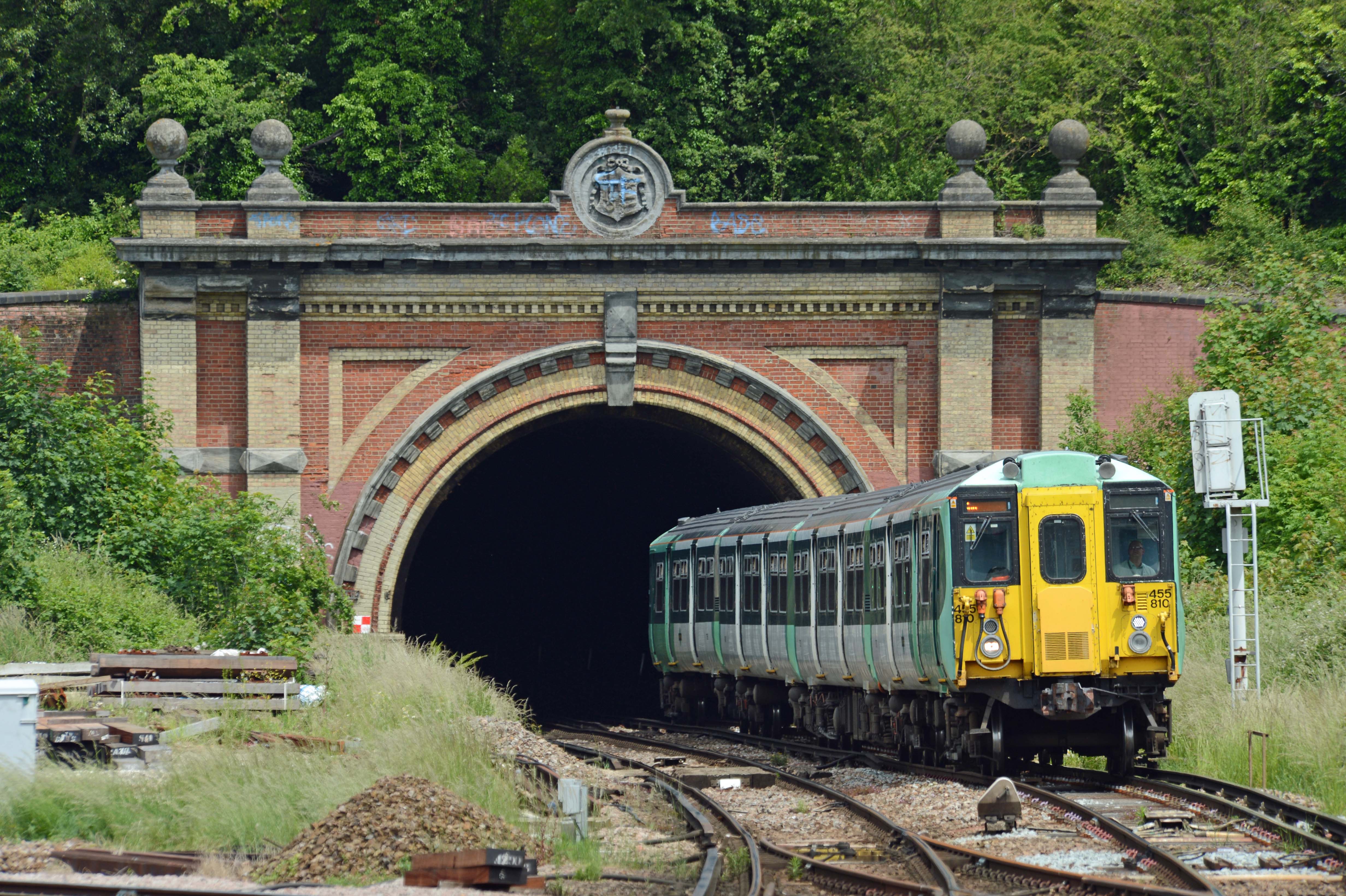
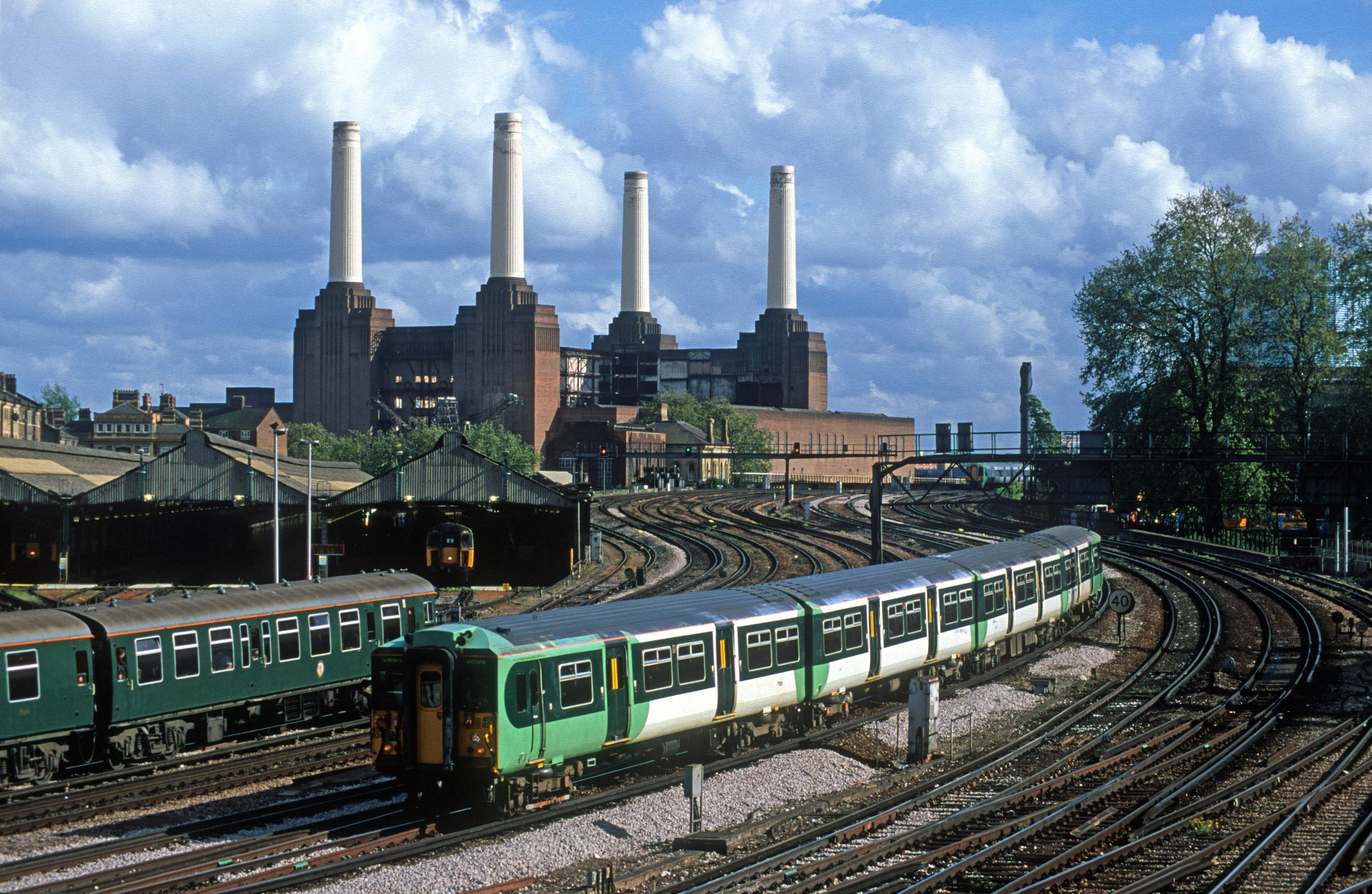
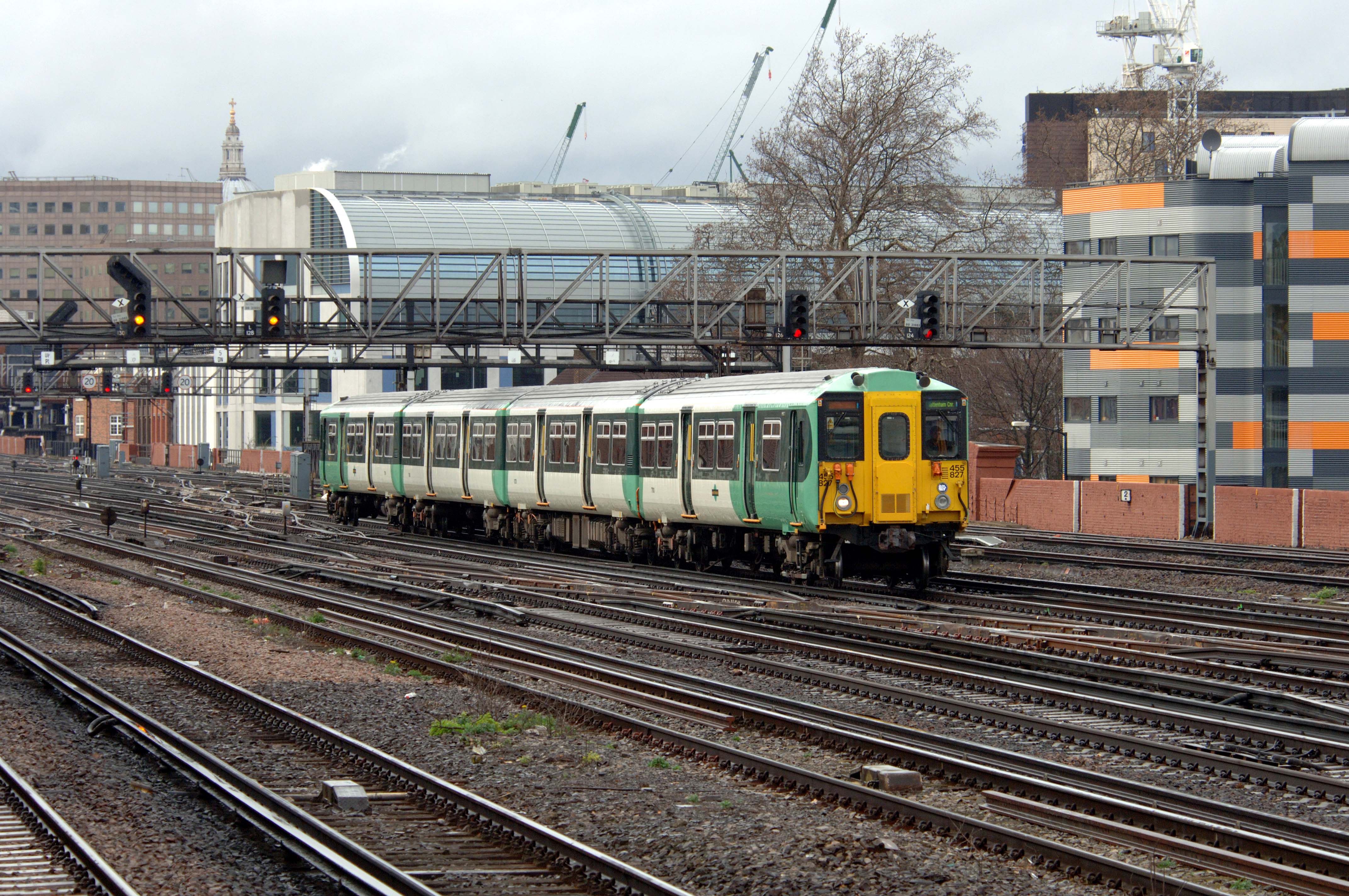
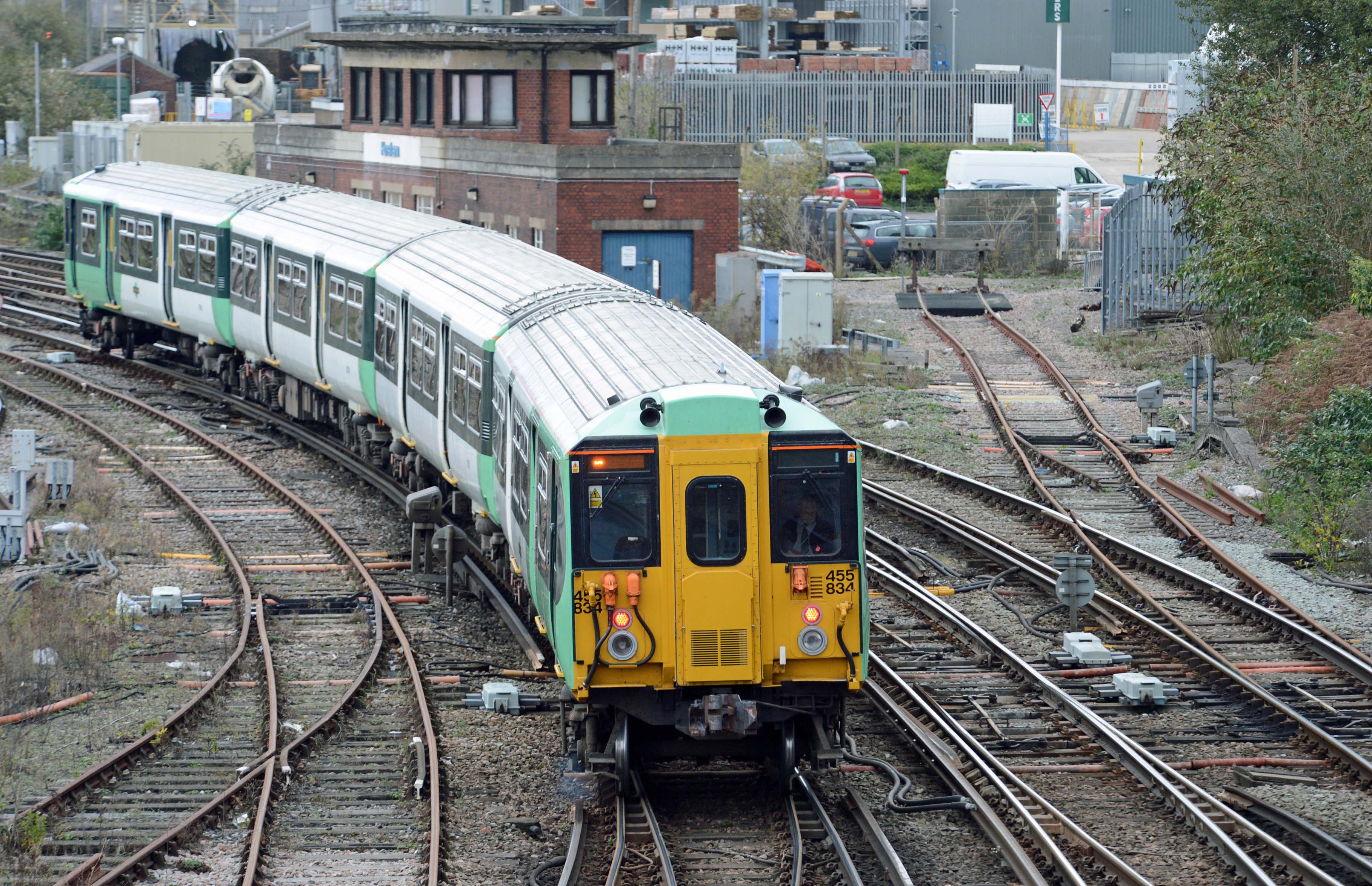
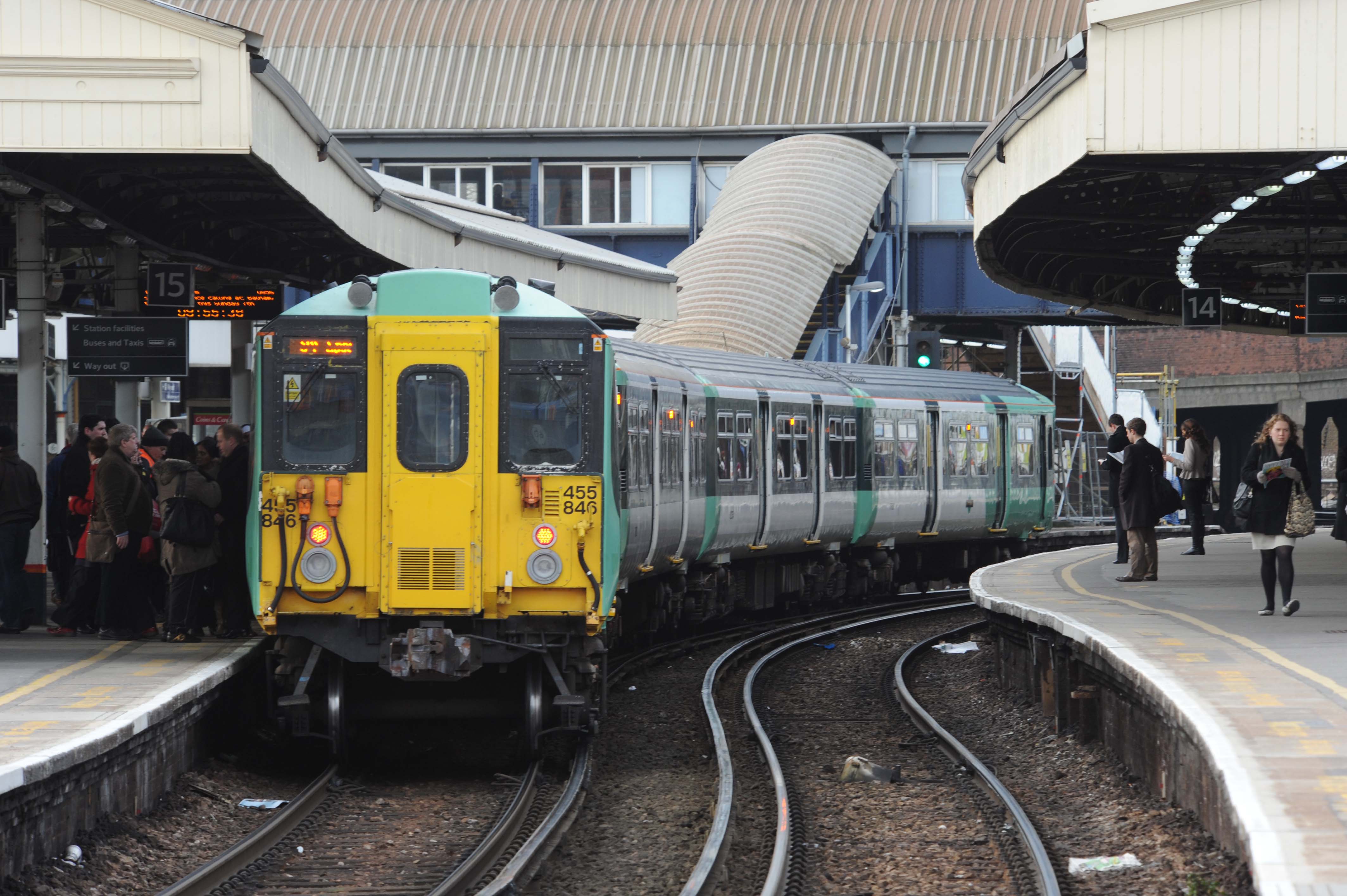
On the 2nd April 2014 class leader 455801 pulls out of Victoria with an unknown service. The modified front end with the air-conditioning unit in place of the gangway doors is evident, as are the revised headlight clusters. A sight that’s changed out of all recognition since this shot was taken on the 12th November 2010. Here’s 455803 at the old London Bridge station. On the 1st September 2008. 455804 gets a wash and brush-up at the carriage wash plant at Selhurst depot – although the plant is far closer to Norwood Jn station (in the background) than it is the depot. 455810 emerges from the highly decorative tunnel at Tulse Hill on the 14th June 2012.The classic view of the approaches to Victoria – although the background has changed enormously since this view of 455824 arriving at the terminus was taken on the 30th April 2003. 455827 traverses the viaducts on the approach to London Bridge on the 8th March 2008. Another part of London where the skyline backdrop’s changed dramatically. On the 1st December 2008 units 455828 and 455836 pass outside Clapham Junction station. 455830 calls at West Norwood station in South London on the 1st September 2008. In the background the Crystal Palace TV transmitter dominates the skyline. 455831 is framed by one of the old Southern Railway concrete signal gantries at it arrives at Honor Oak Park on the 19th July 2010.455834 leaves Horsham and returns to London on the 11th November 2015.455839 stands at West Croydon station on the 20th April 2010.The first unit to appear in the new livery was 455841 which is seen working the 14.53 to Victoria at Dorking on the 22nd October 2001. 455843 speeds through Penge West on the fast lines on the 1st September 2008.The last of the Southern units. 455846 sits on the reverse curves at Clapham Junction station on the 3rd March 2010.
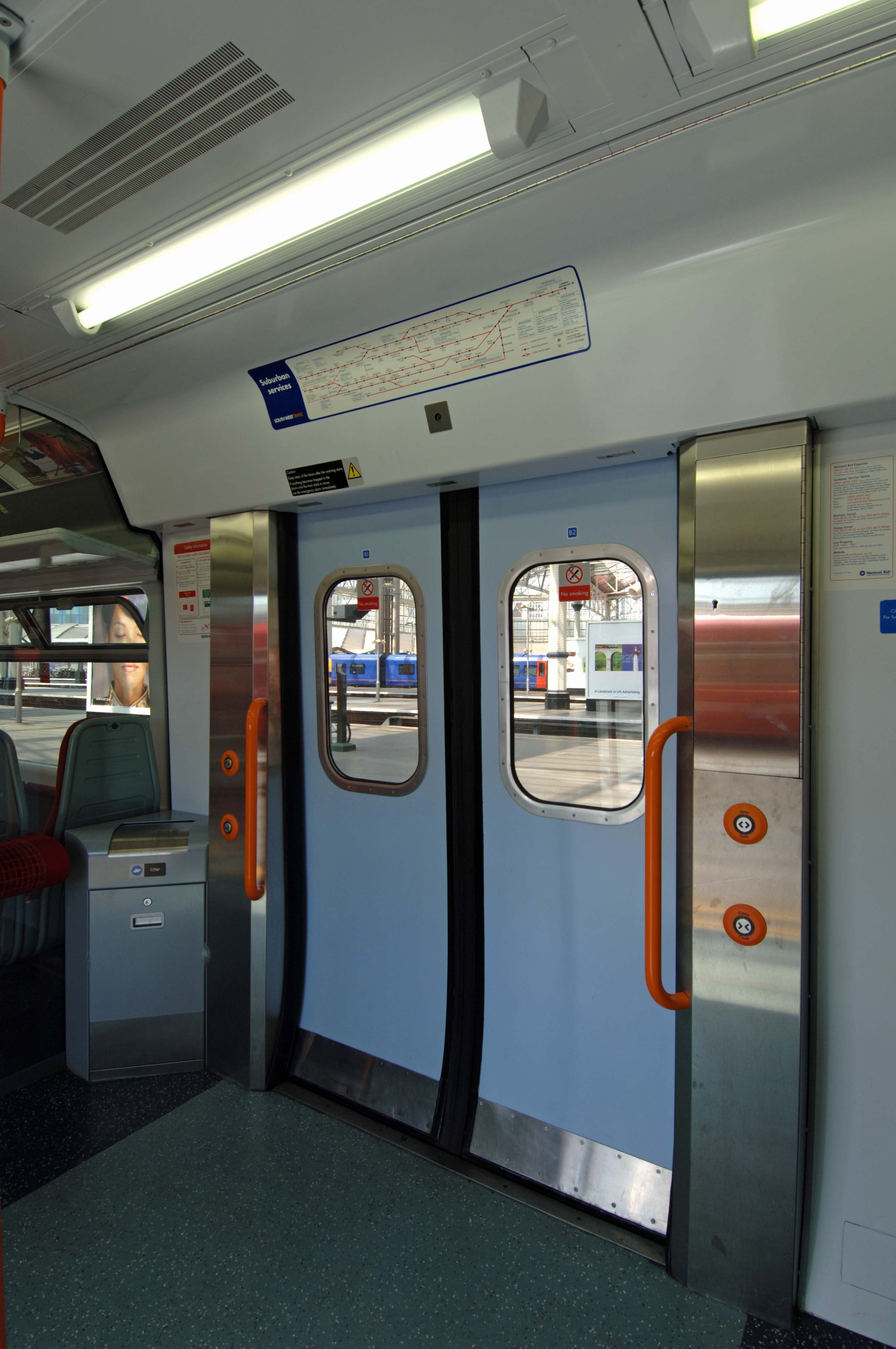
Here’s a comparison between the unmodified doors on the Southern sets compared to the rebuilt (and this wider) doors on the SWR 455s.
Note the poles on the opposite side to the open door that show the limit the doors open to. This can be seen with the open doors and how far they protrude into the available opening. Here’s the SWR rebuild.No poles and rebuilt runners without the protruding stops which mean the doors fit further into the unit body, allowing for a wider door. A far batter arrangement.
If you want to view (or buy) more pictures of the Southern 455s you can find them in these galleries.
It’s worth mentioning that the ‘Part-time Spotter’ WordPress blog is currently posting the daily allocations and diagrams of the Southern 455 fleet, so if you want to track and trace any particular members or travel on them before they disappear, give them a follow at this link.
I’ve a favour to ask… If you enjoy reading this blog, please click on an advert or two. You don’t have to buy anything you don’t want to of course – although if you did find something that tickled your fancy that would be fab! – but the revenue from them helps me to cover some of the cost of maintaining this site (which isn’t cheap and comes out of my own pocket). Remember, 99% of the pictures used in my blogs can be purchased as prints from my other website – https://paulbigland.zenfolio.com/
It’s a short blog from me today as the vast majority of my time’s been spent glued to a computer screen, sifting through and editing all the pictures that I’ve taken over the past few days as various clients are chasing me for them. In this line of work you get very little notice of jobs and when they’re done – everyone wants the results yesterday!
That said, after a few days running around I wasn’t too averse to a day or two sat at home. Admittedly, I’d been spoiled with the catering arrangements with being away and the novelty of eating other people’s well prepared food and the one luxury I enjoy when away – a full English breakfast! The odd thing is I never miss such things when I’m travelling abroad, it’s purely a parochial delight to be savored this side of the Channel. Anyways, tomorrow’s another busy day so let’s cut straight to the picture of the day which was taken on my recent trip to explore Crossrail – sorry – the Elizabeth line…
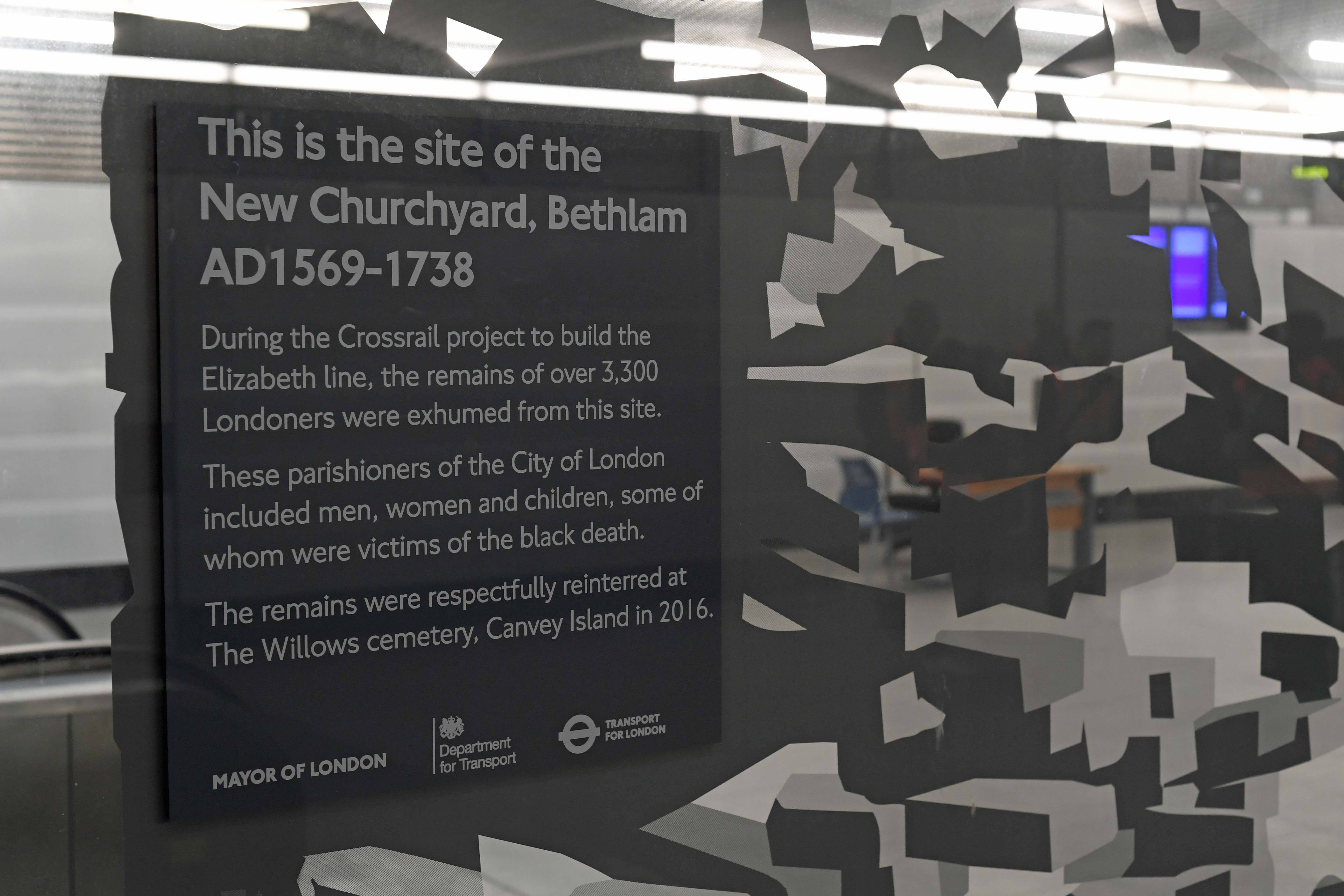
We were given the opportunity to explore the new station at Liverpool St which has a rather interesting history. Like most of modern London it’s built on the site of something else. In this case it’s Bedlam and I mean that literally as this glass panel on one of the levels explains.
I’ve a favour to ask… If you enjoy reading this blog, please click on an advert or two. You don’t have to buy anything you don’t want to of course – although if you did find something that tickled your fancy that would be fab! – but the revenue from them helps me to cover some of the cost of maintaining this site (which isn’t cheap and comes out of my own pocket). Remember, 99% of the pictures used in my blogs can be purchased as prints from my other website – https://paulbigland.zenfolio.com/
Here’s another in the series of picture blogs looking at the gradual demise of the old British Railways built train fleets. In this case it’s my favourite of the bunch, the Class 365 fleet which was retired (too early in my opinion) in 2021.
The 4 car, 100mph capable Class fleet were the last vehicles to be built at York works. 41 units were constructed at the Holgate Road factory between 1994-95. Part of the ‘Networker’ design (which produced the Class 165 and 465 diesel and electric fleets), these trains were produced for longer distance services. The first 16 originally went to work Network Southeast services out of Victoria before Connex took over what became the South-Eastern franchise. They stayed South of the river until 2004 when they moved to join their sisters working for West Anglia Great Northern (WAGN) out of Kings Cross. Units 365517-541 went straight to East Coast services, operating regional services from Kings Cross to Peterborough, Cambridge and Kings Lynn.
For many years they were the backbone of WAGN and later First Capital Connect express services. They were comfortable trains from a passenger perspective, despite the lack of air-conditioning (they had forced-air ventilation through hopper windows). They had 2+2 seating and tables plus bigger windows, which made them far superior to the earlier Class 317s they shared duties with.
The Class stayed on East Coast services until they were gradually retired from service from 2017 inwards, having been displaced by newer Class 387s. Many units went into store but a stock shortage in Scotland in 2018 (due to defects with the new Hitachi built Class 385 EMUs) saw 10 of the trains leased to Scotrail from April 2018 where they remained in service until March 2019, working services from Glasgow Queen St to Edinburgh Waverley. The final units were retired from Great Northern service on the 15th May 2021. Little fuss was made because of the Covid pandemic which was a shame as they’d served the railways well. After a period in storage most have gone for scrap which is an even greater shame. They were less than 30 years old and could have provided a useful fleet on newly electrified lines such as East West rail if only the Government hadn’t decided not to electrify the line and cut back other wiring plans. An earlier proposal to shift them to GWR services came to nothing as new Class 387s were ordered instead. Still, I’m fortunate to have lived on their route in North London and spent many years travelling on them and photographing them in service. Here’s a look back at their lives and times.
Please note, all pictures are my copyright.
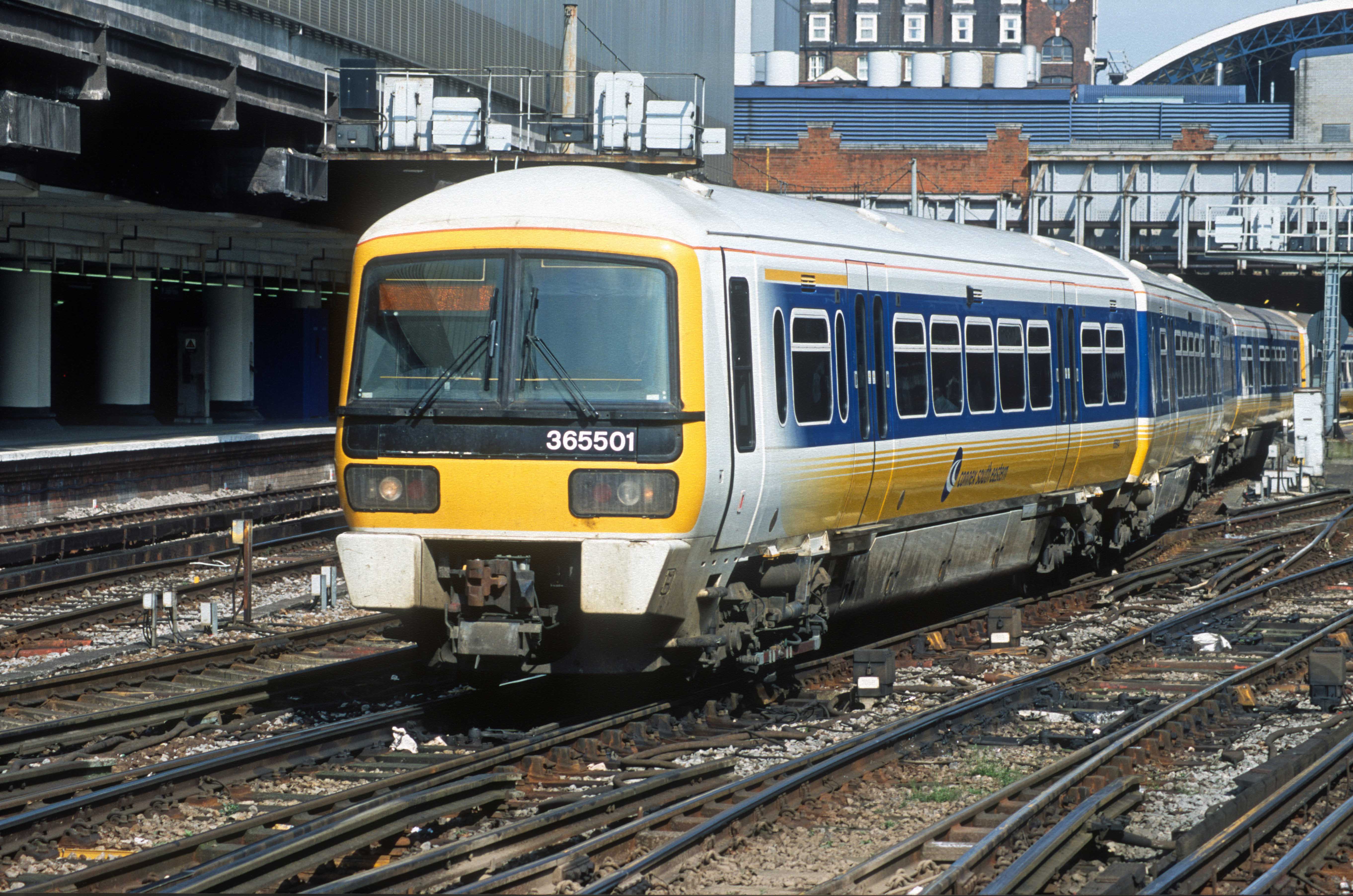
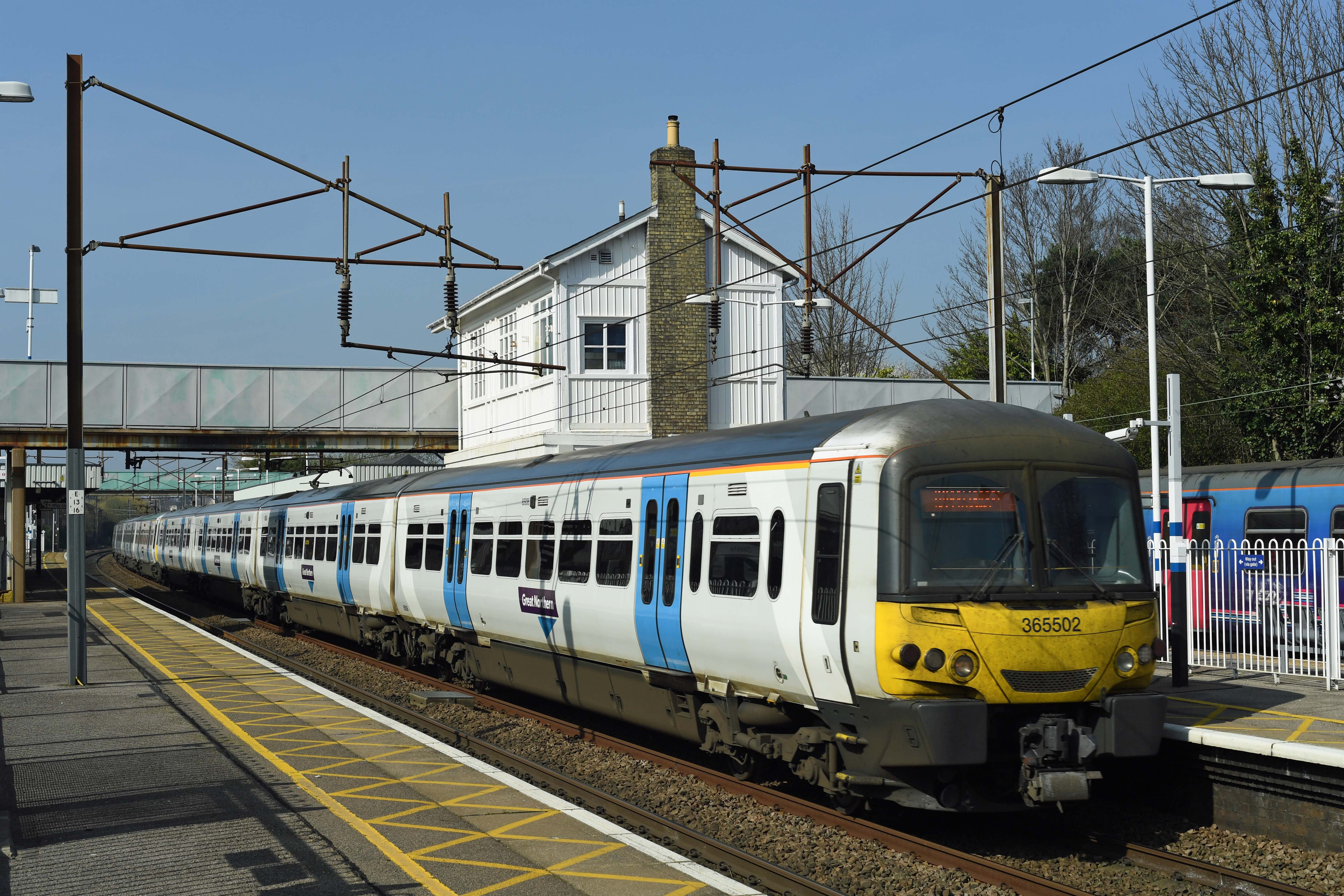
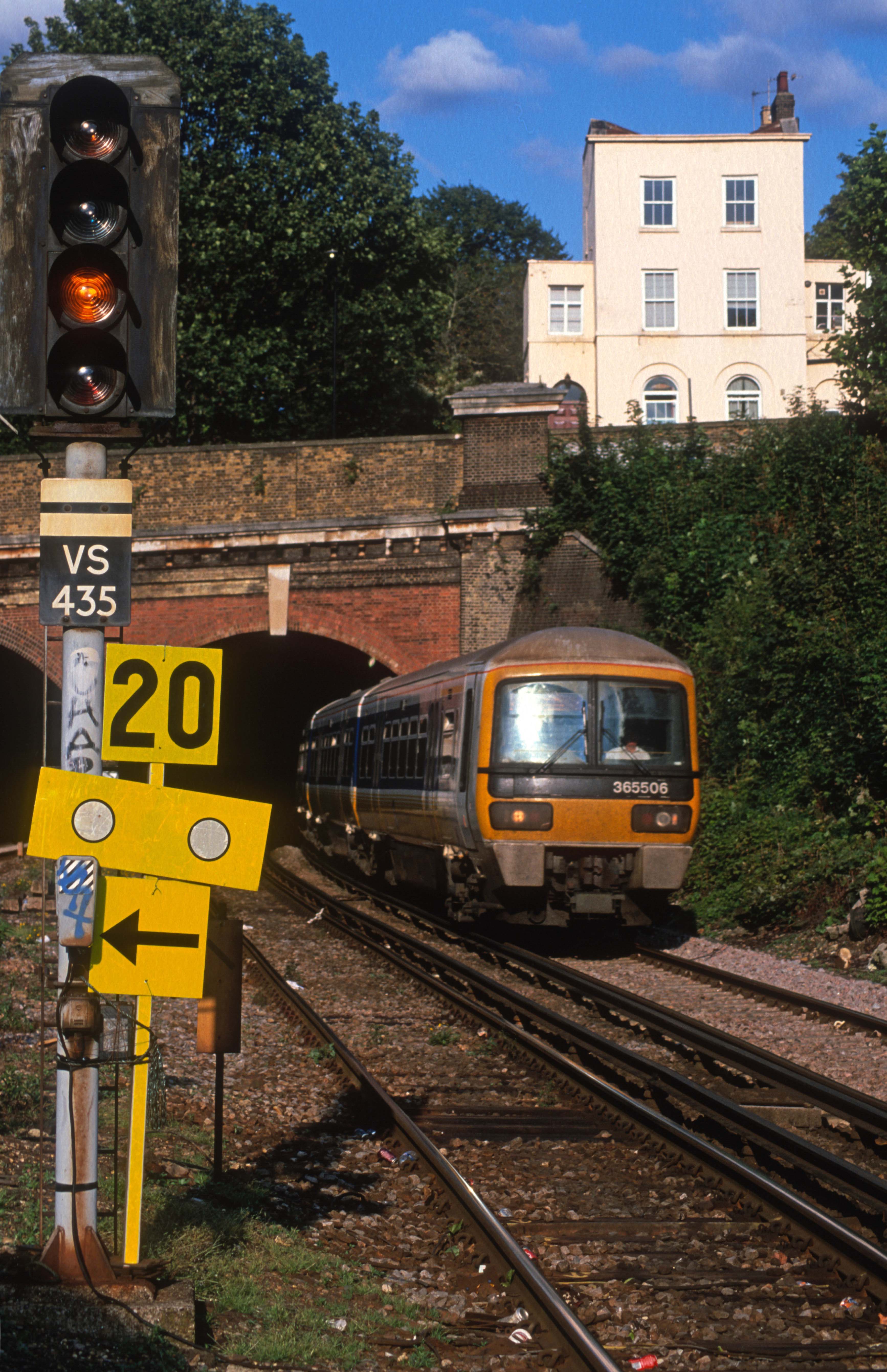
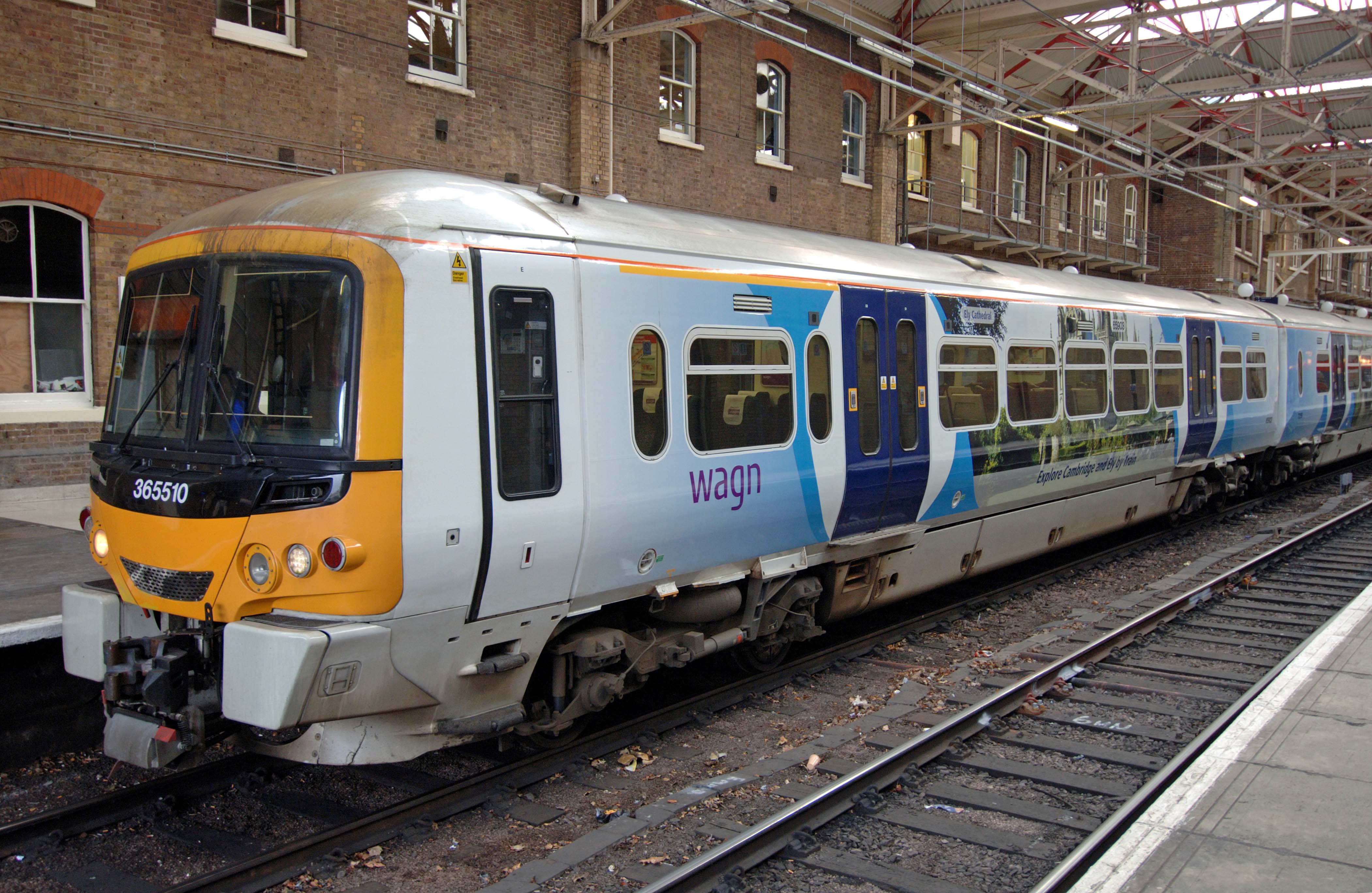
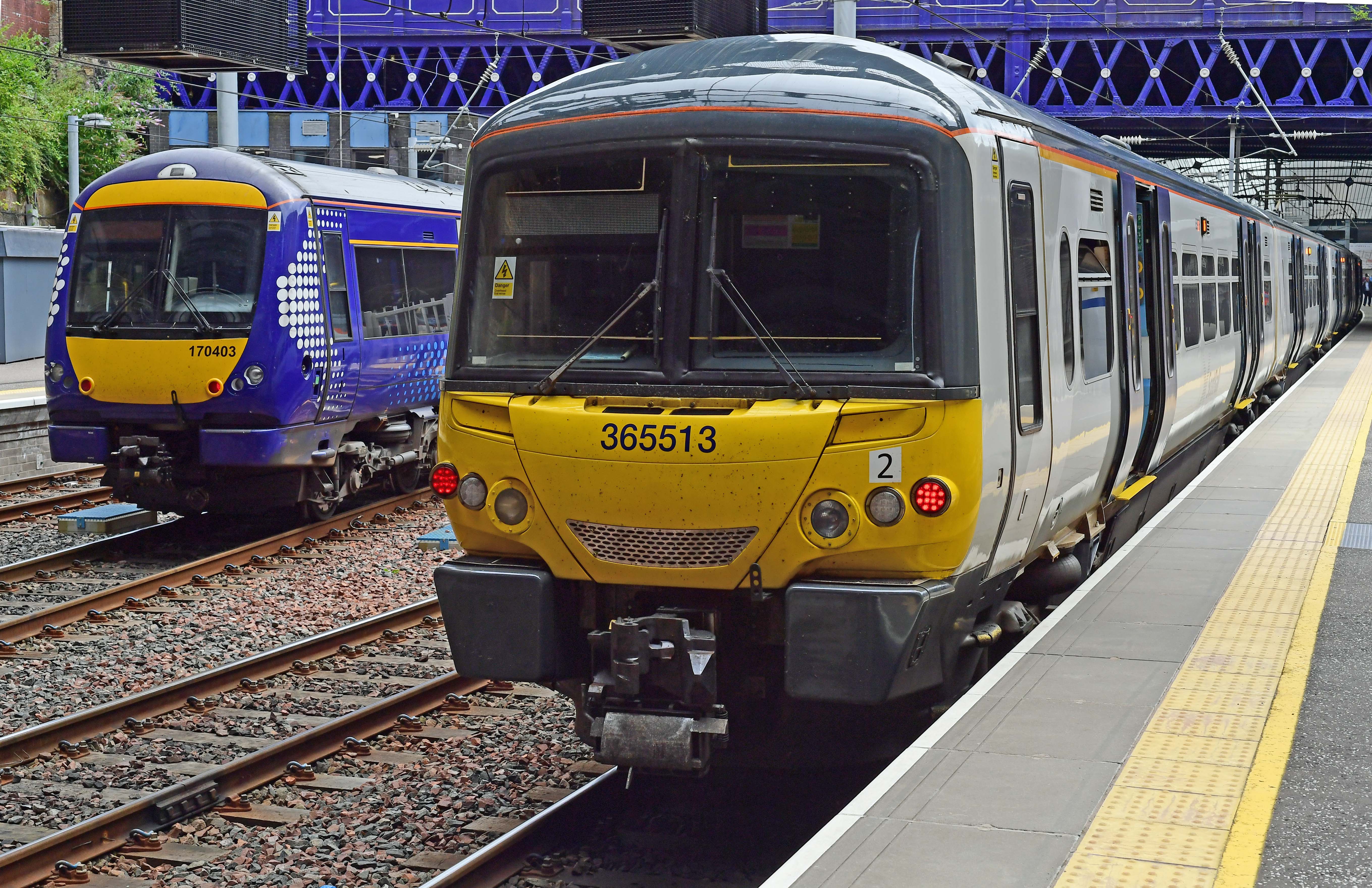
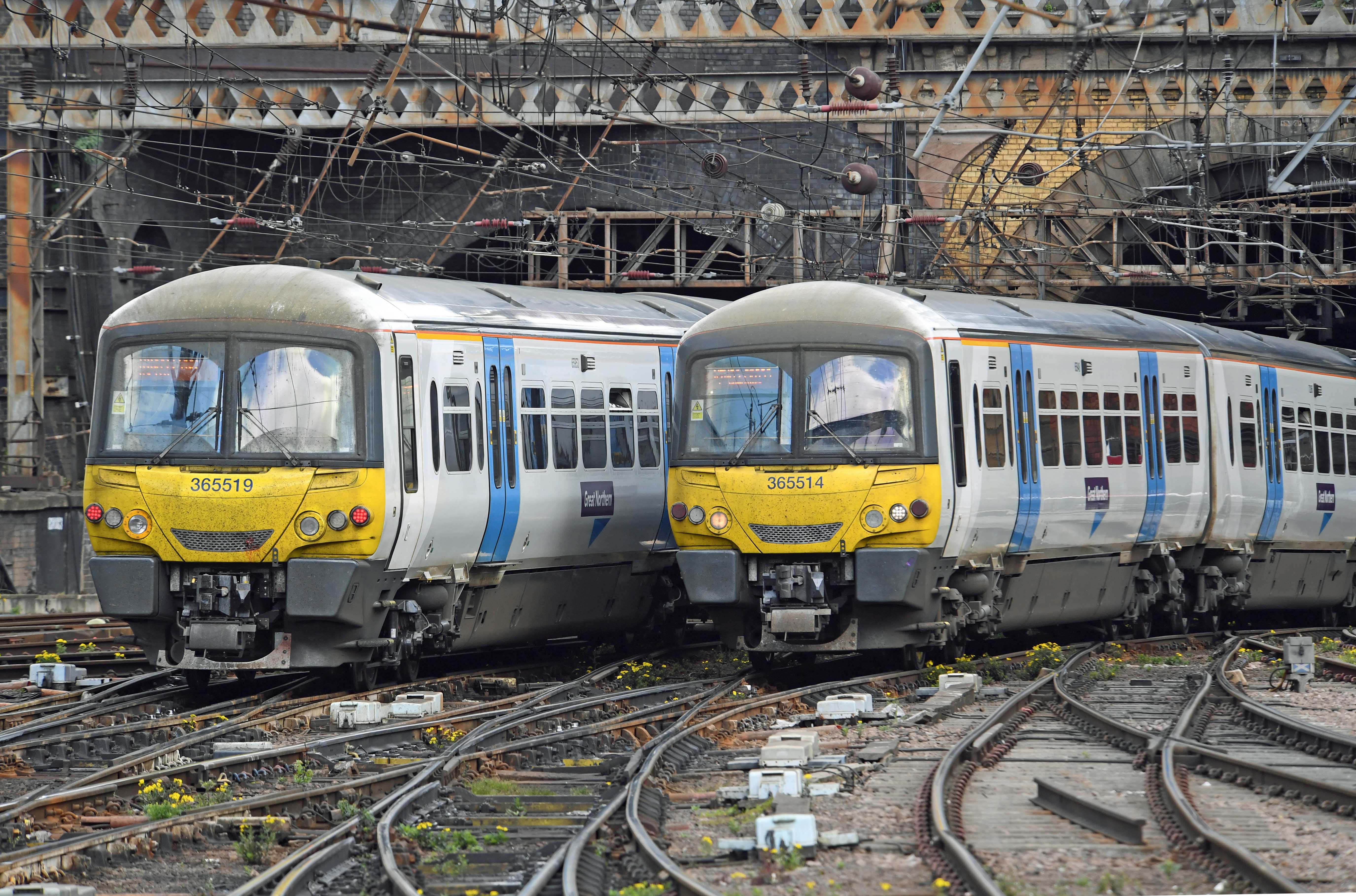
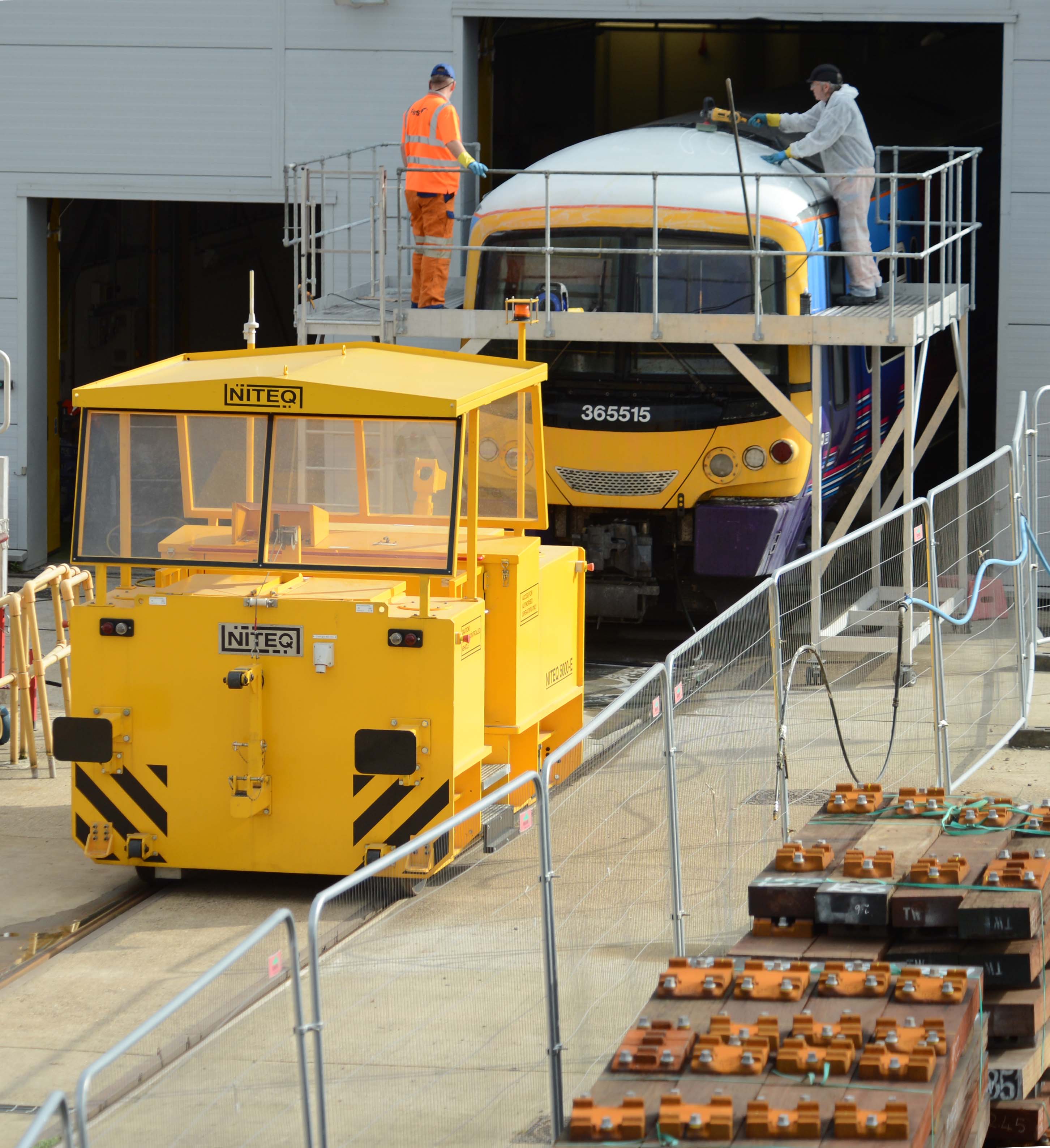
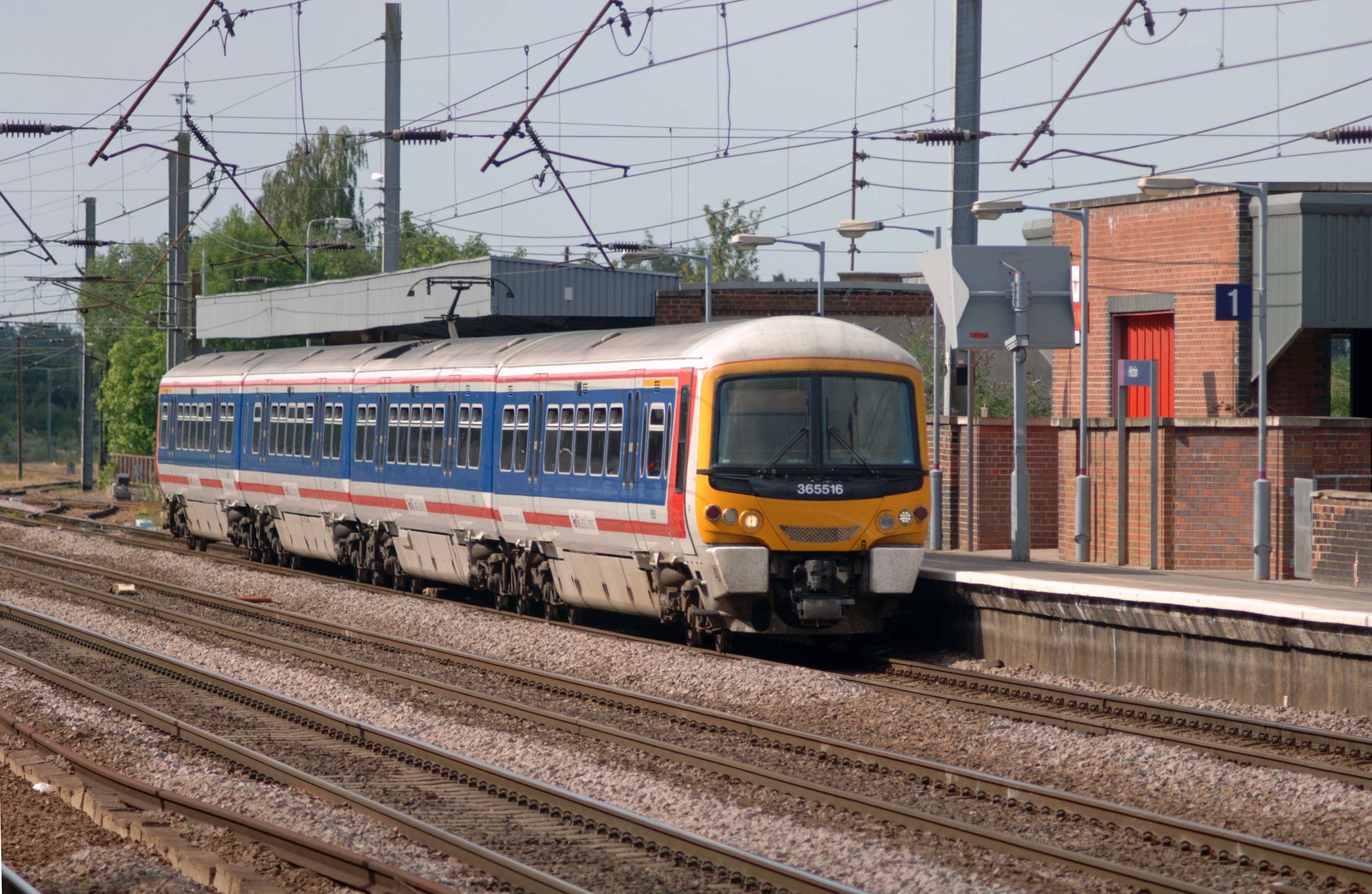
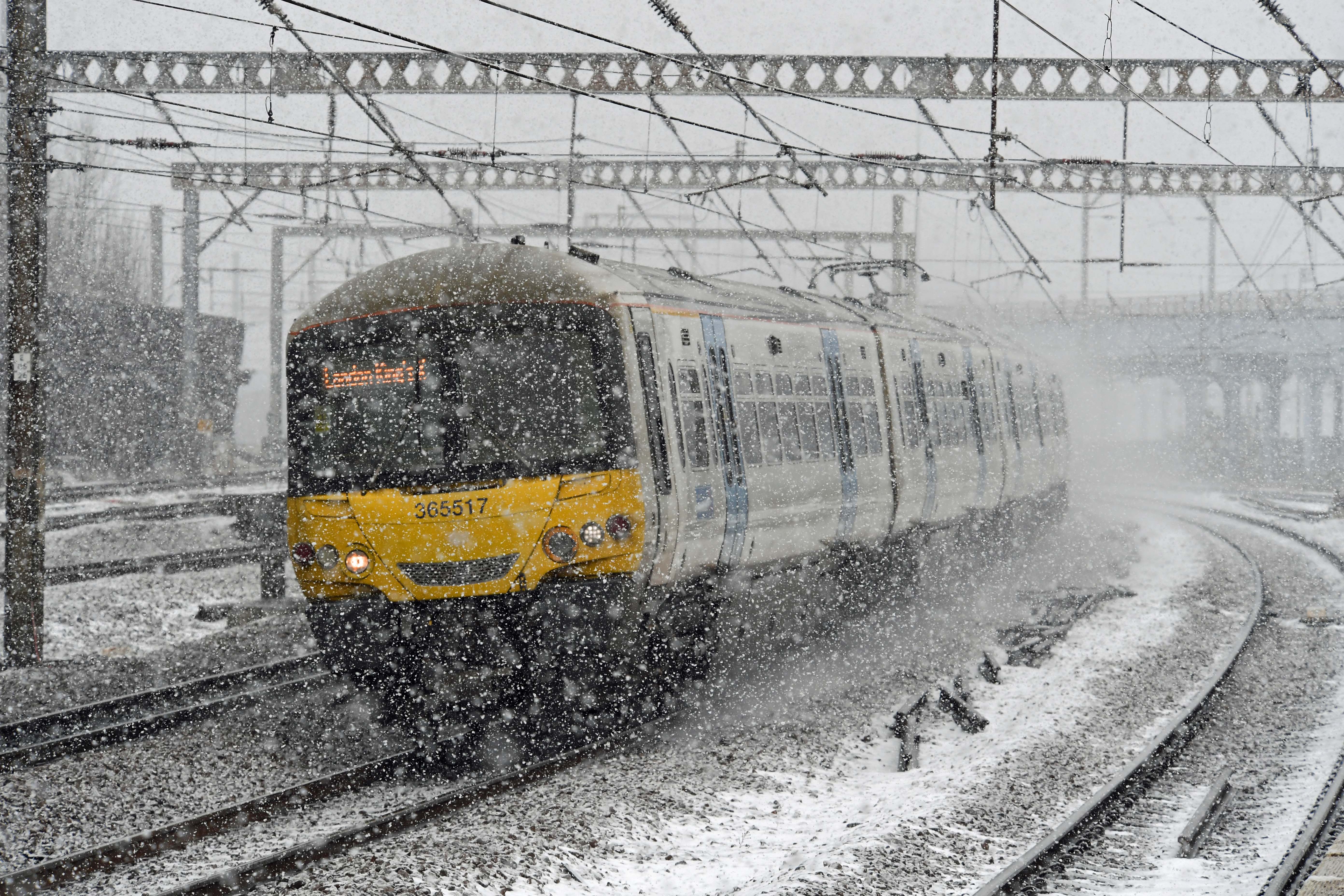
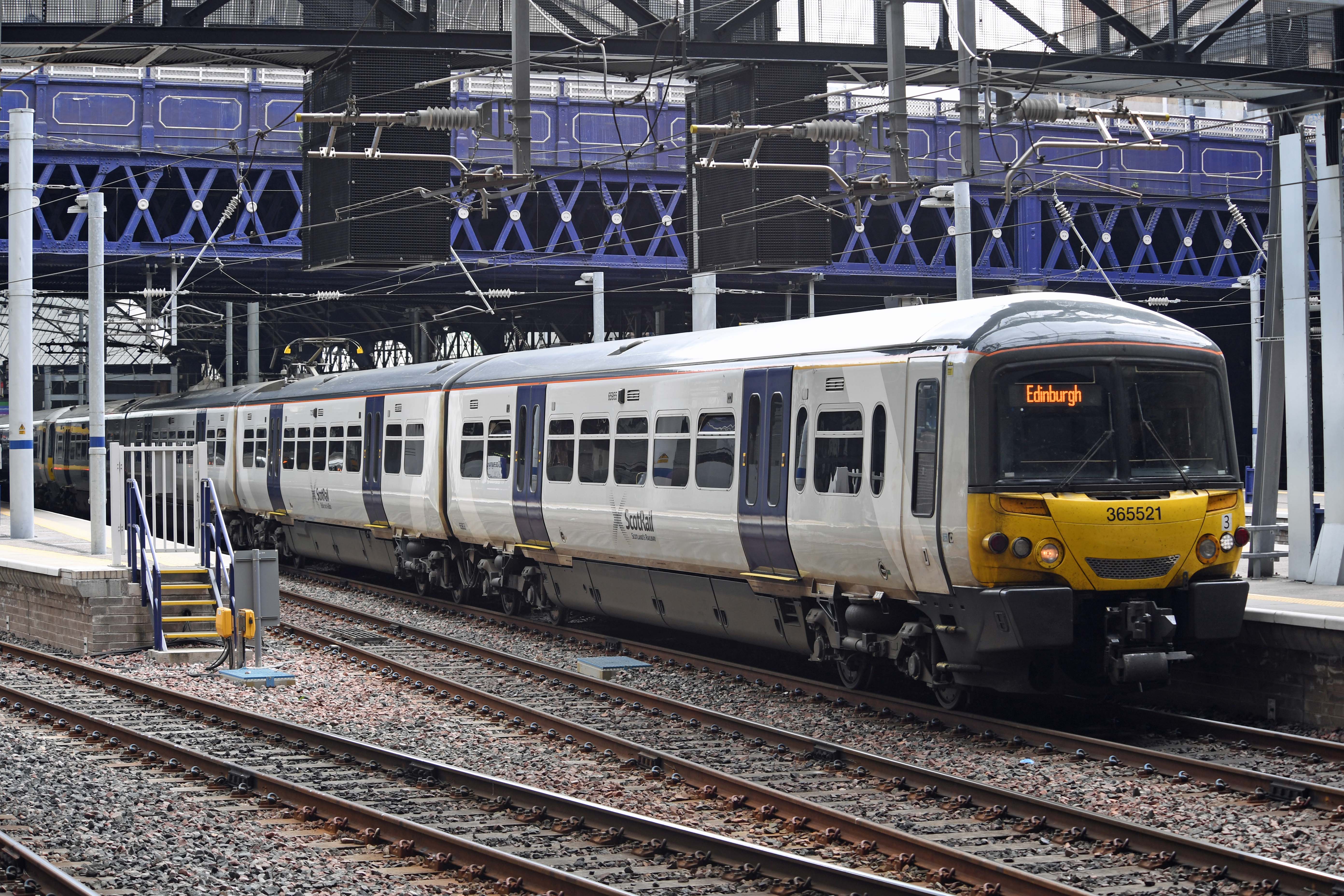
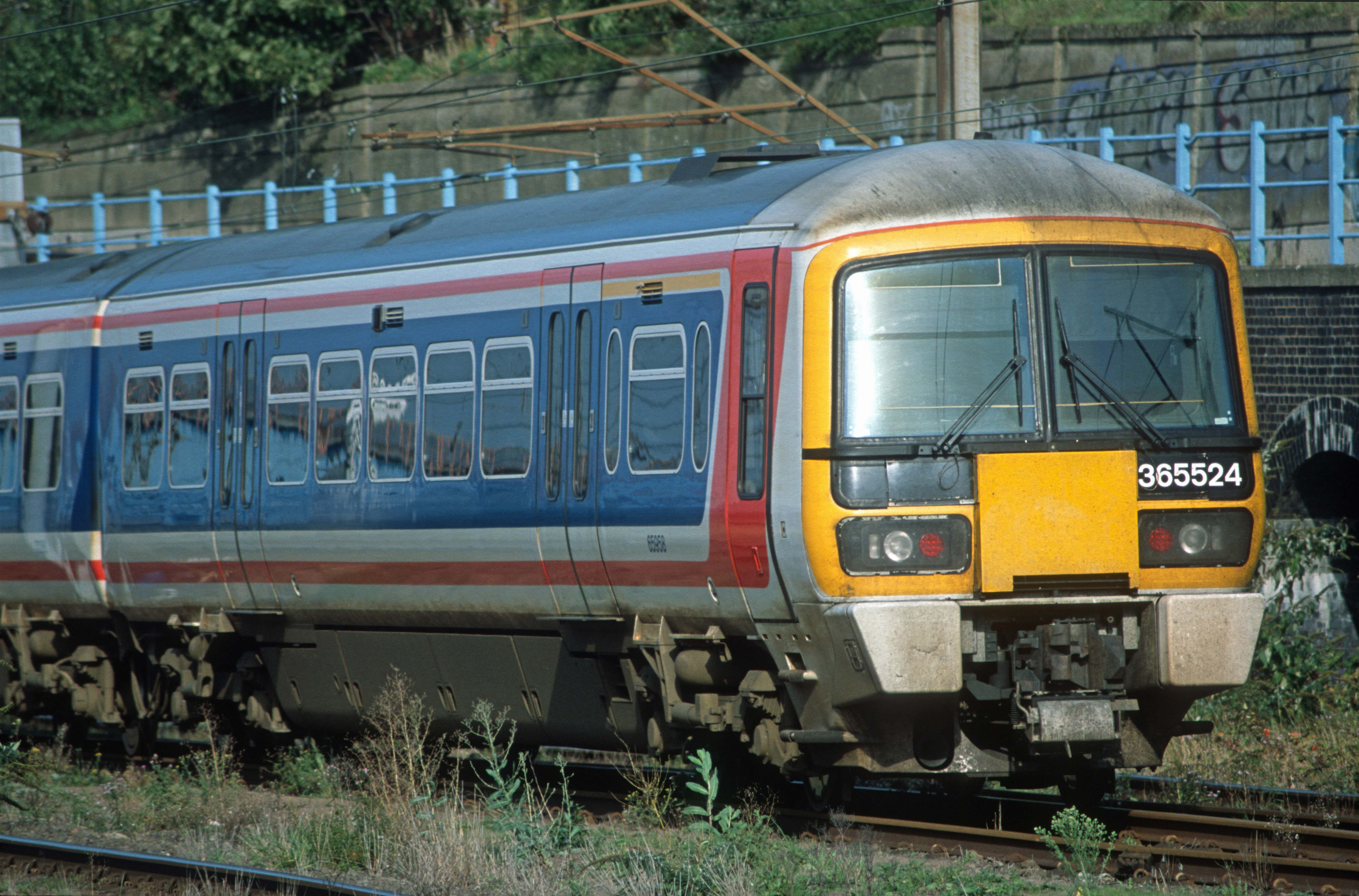
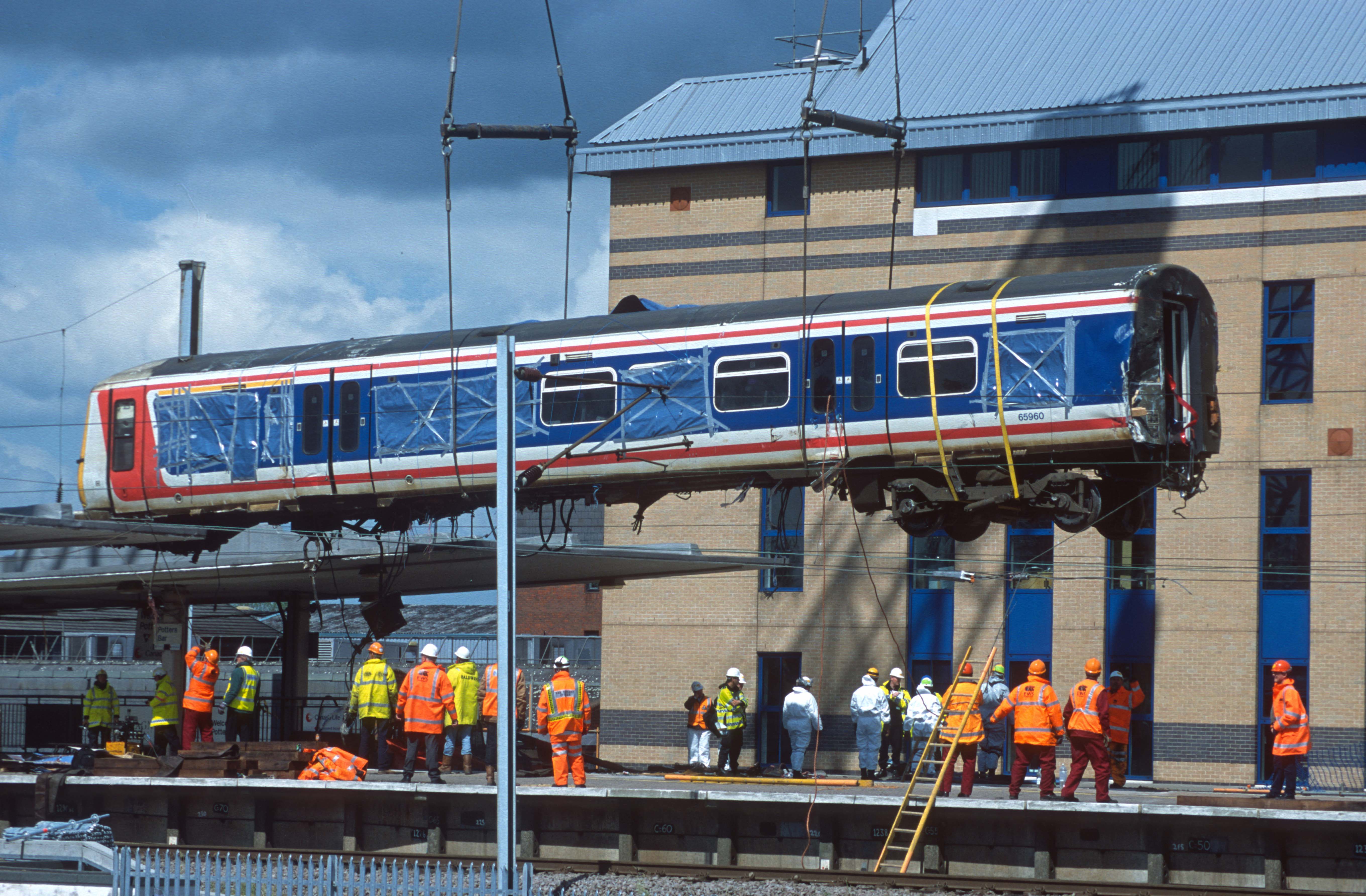
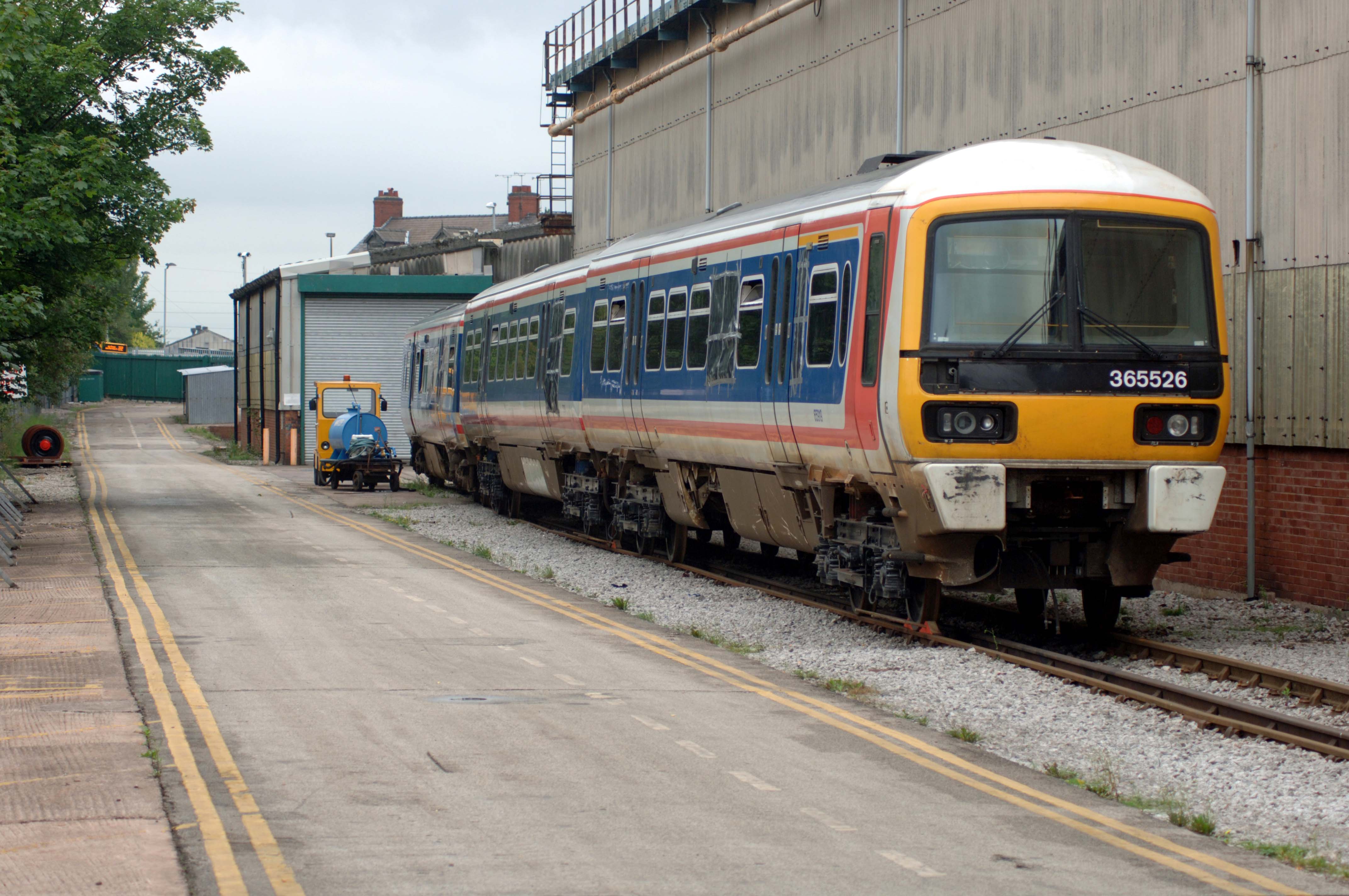
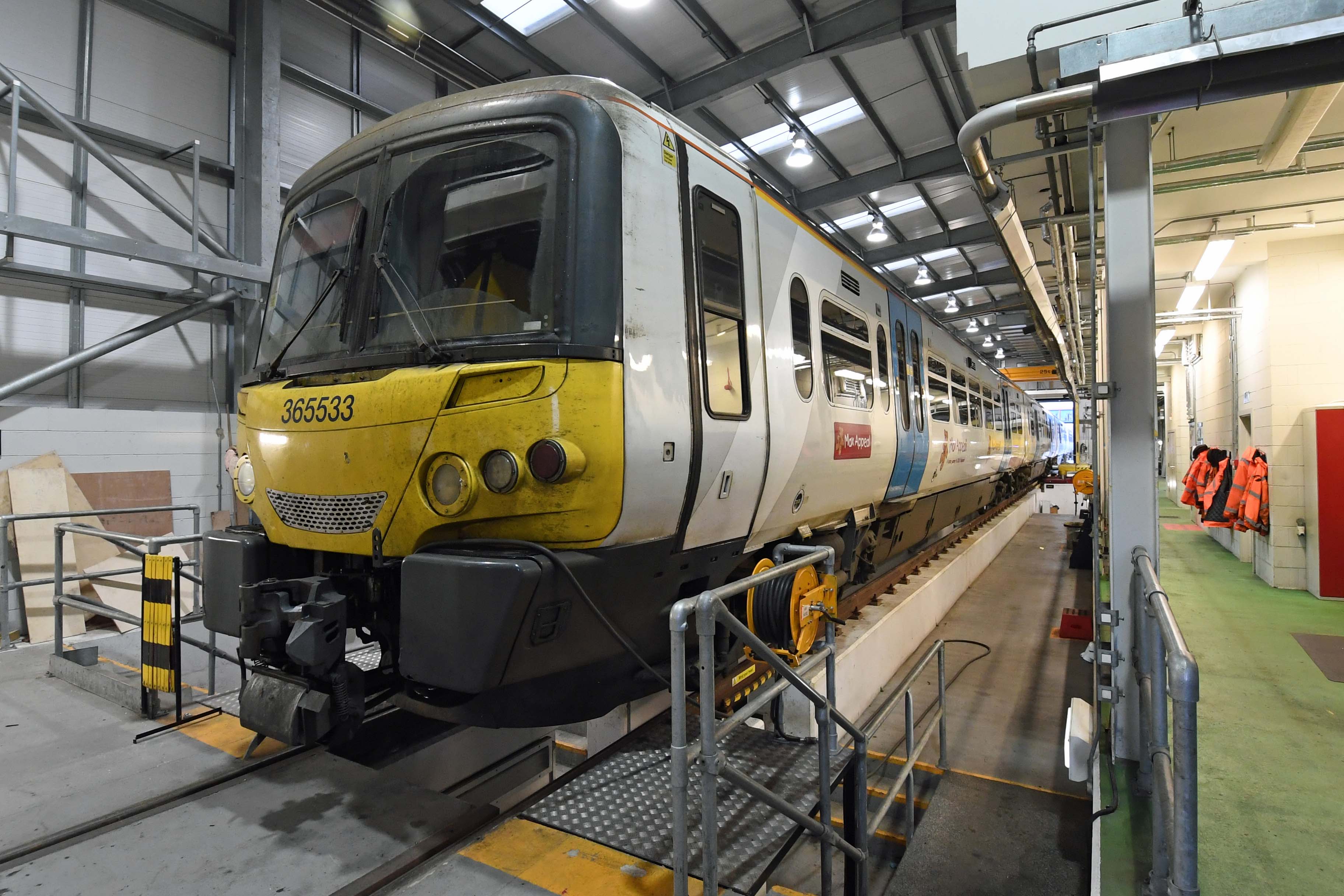
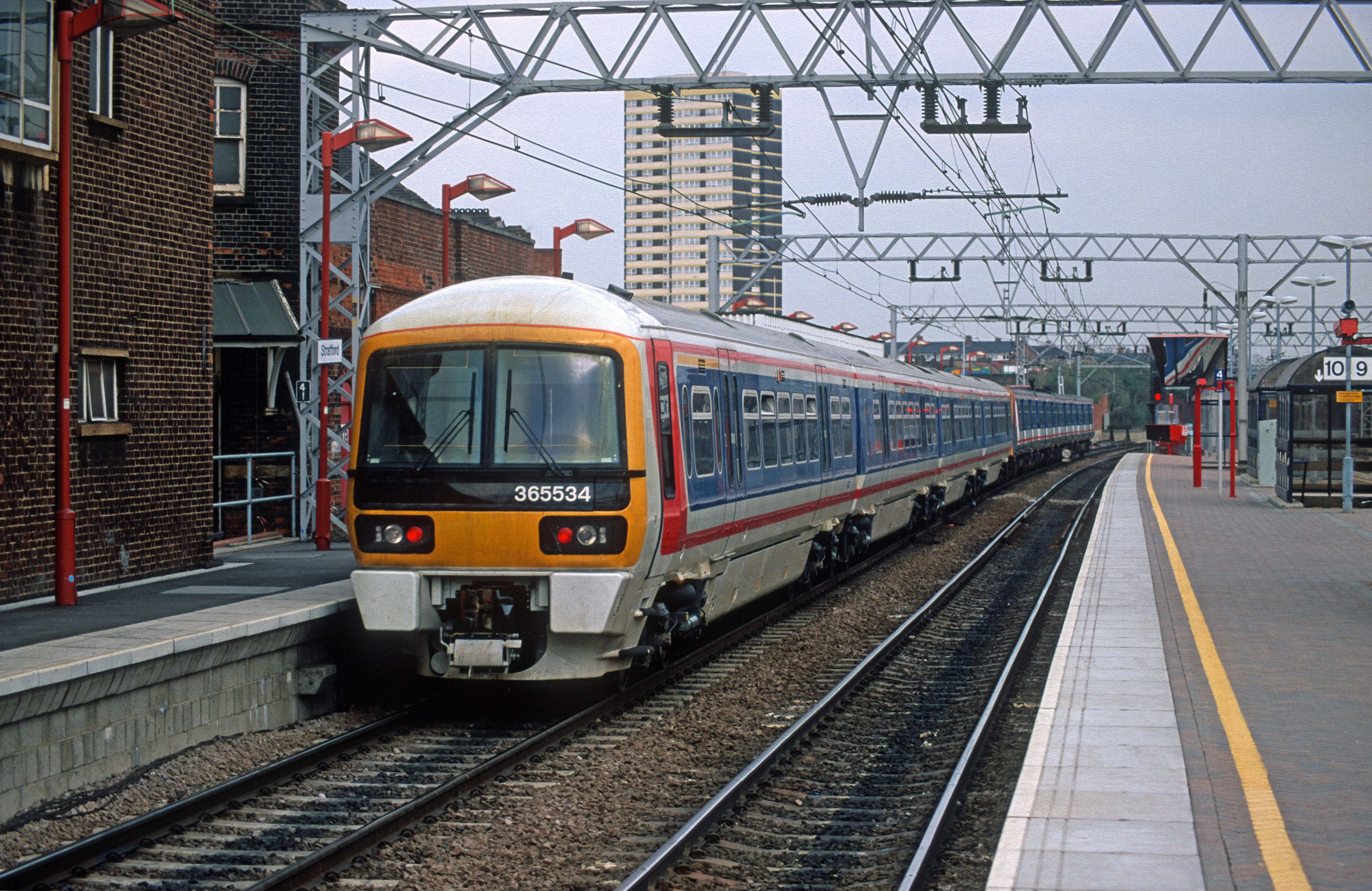
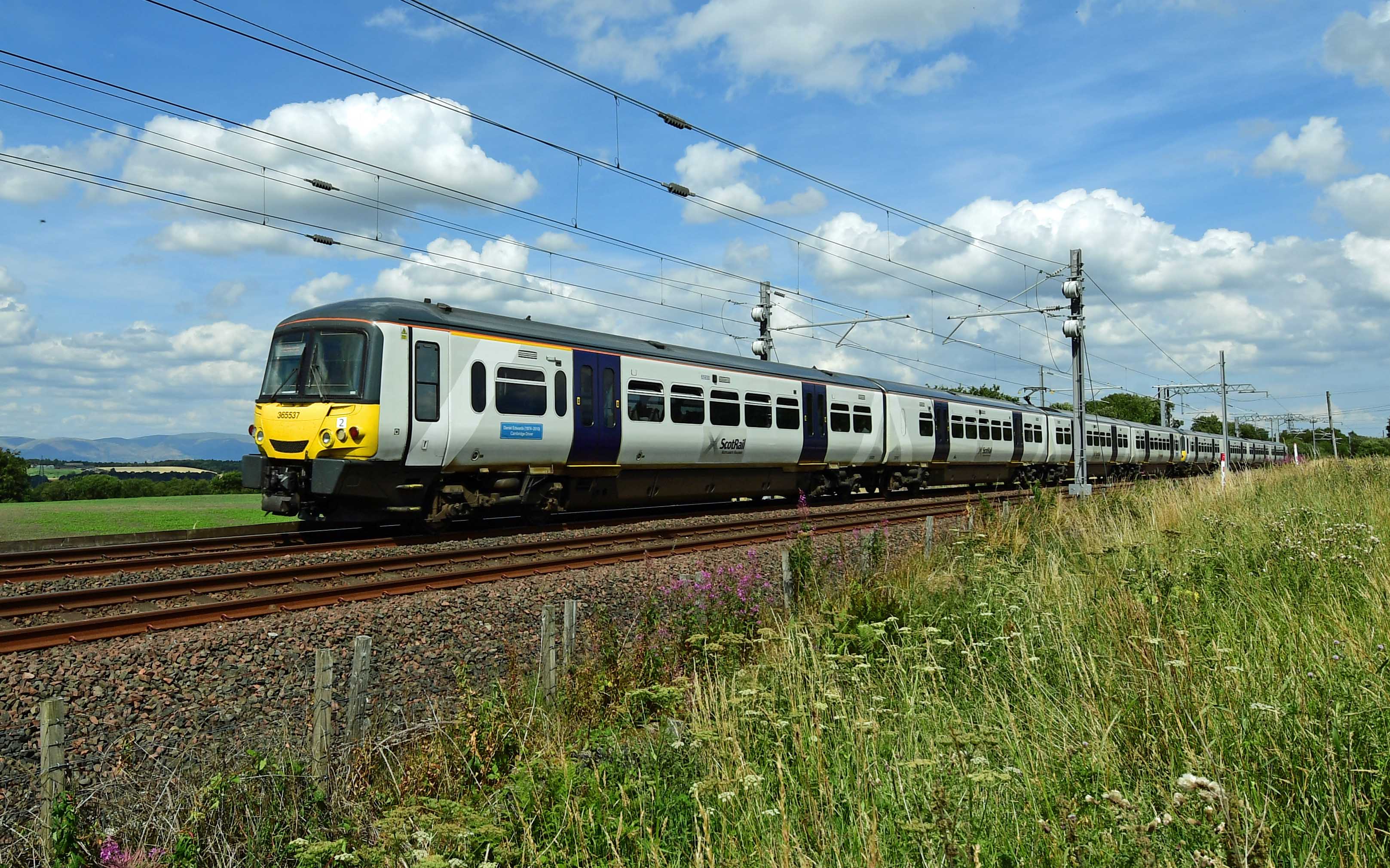
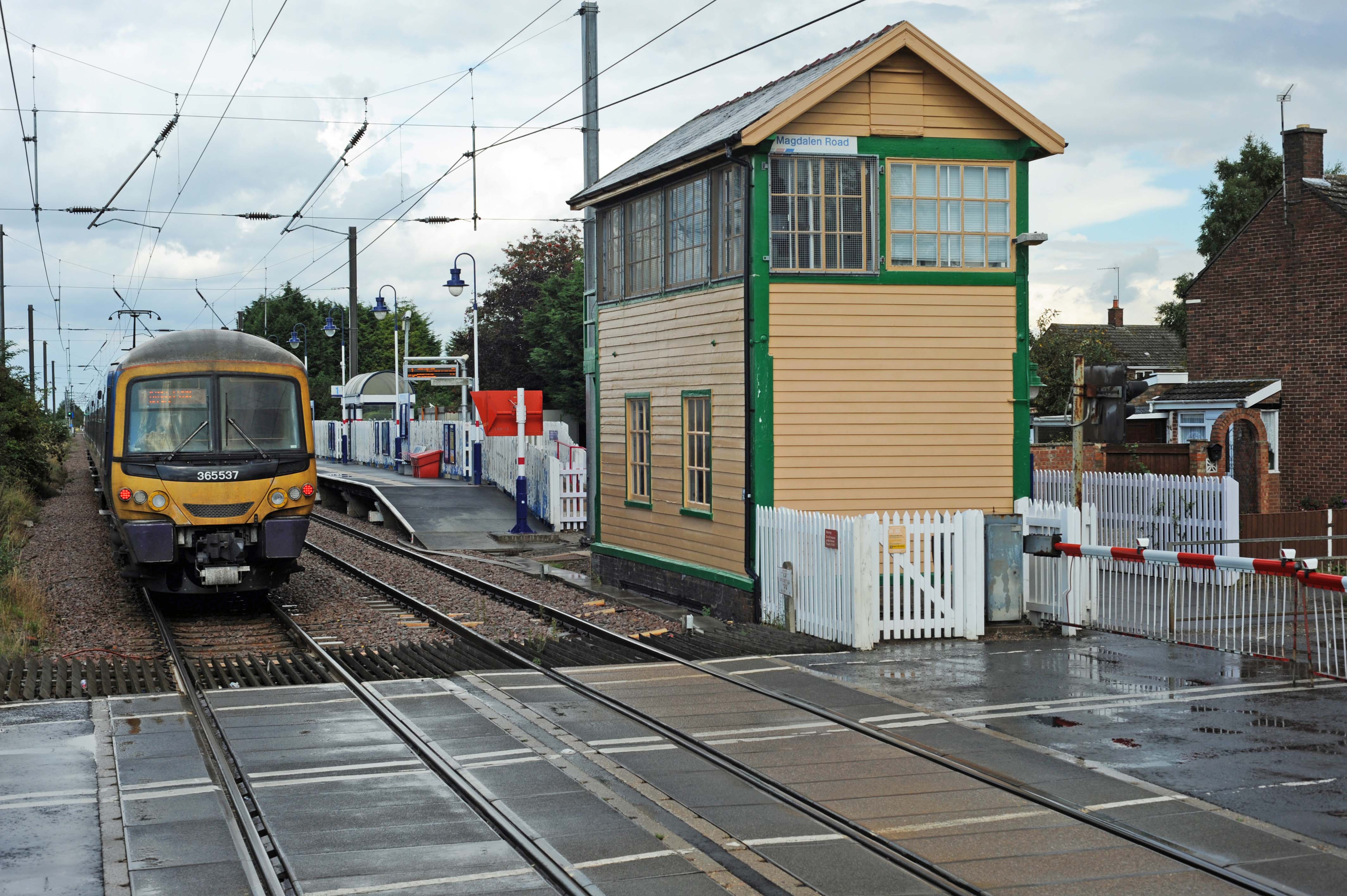
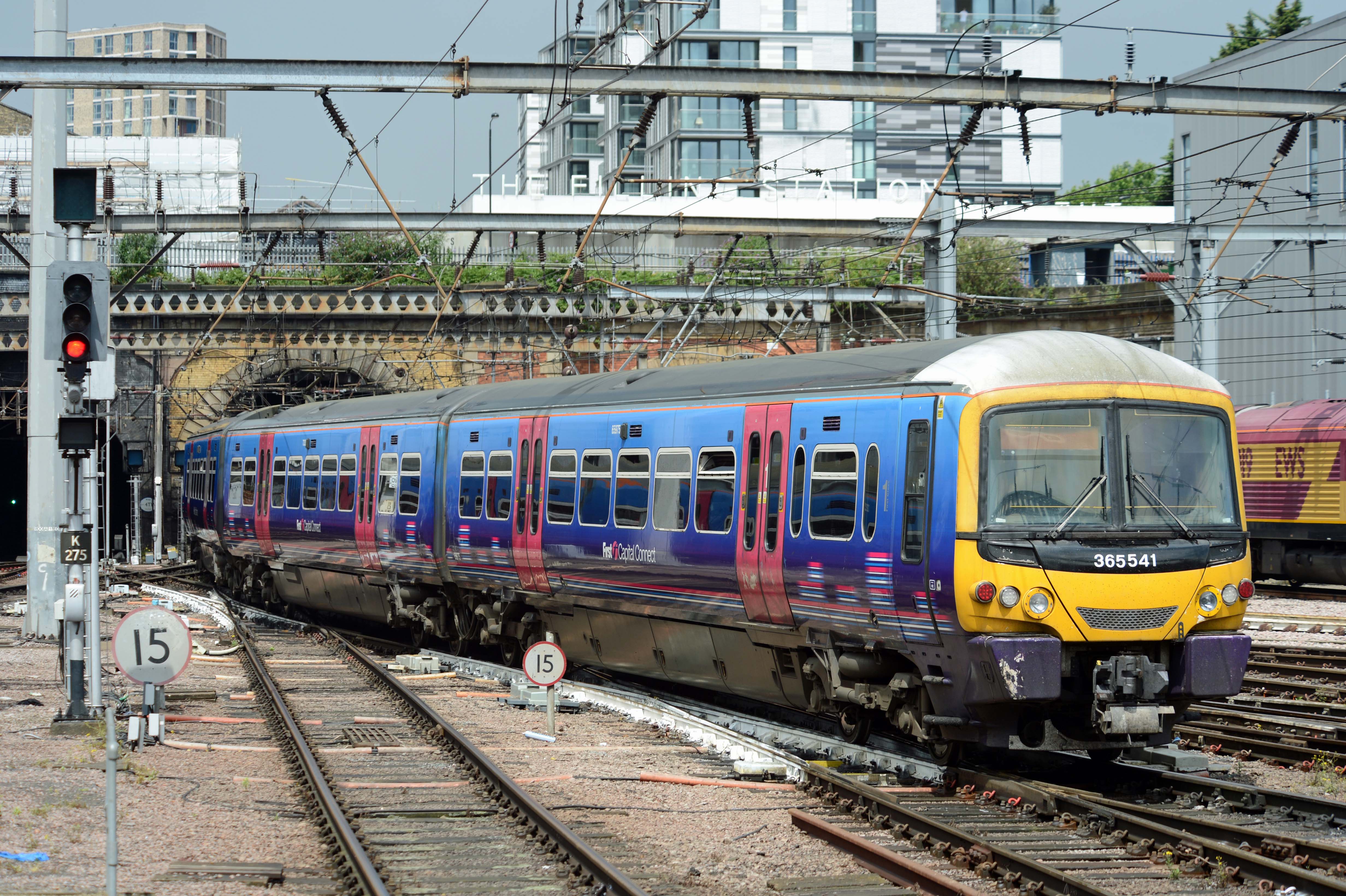
On the 24th March 2002 class leader 365501 is pictured at London’s Victoria station in Connex livery.Sporting the later Thameslink livery and carrying Great Northern branding 365502 is seen speeding towards Kings Cross through Oakleigh Park on the 27th March 2017.365506 passes Denmark Hill on the 23rd November 2002 when the network was still suffering from the panicked rash of 20mph speed restrictions imposed after the terrible Hatfield 2000 rail crash caused by rail defects. To add to the problems a sister Class 365 had been involved in the Potters Bar crash only a few months before this picture. WAGN operated 365510 wears a special advertising wrap extolling the tourist virtues of Cambridge and Ely at Kings Cross on the 22nd December 2005. Towards the end of their careers 10 of the units were sent to Scotland for a year. Here’s 365513 at Glasgow Queen Street on the 30th July 2018.The classic view of the old complex Kings Cross station throat with 365519 and 365514 passing, seen on the 14th April 2017.Here’s a view of the new wheel lathe building at Hornsey on the 7th October 2013 when the building was being used to give 365515 a freshly painted white cab roof. I always thought The First Capital Connect dynamic blue livery and white cab roofs really suited these trains. Seen at Hitchin on the 24th July 2006, 365516 still carries NSE livery but with the addition of First Capital Connect branding on the vehicle sides. Rain, shine (or snow) the 365s maintained services on the East coast. On the 28th February 2018 365517 speeds through Harringay en-route to Kings Cross.365521 was one of 10 sets sent to Scotland in 2018-19. It’s seen here at Glasgow Queen St with a service for Edinburgh on the 17th July 2018.Set 365524 was chosen as the Guinea-pig to test a cab air-conditioning system, hence the odd box on the nose. It’s seen here at Harringay on the 30th October 2001. The tests led to the front end of the units being redesigned which left them with a smiley face, leading to their nickname ‘happy trains’. A not so happy train. Here’s vehicle 65960 from set 365526 being lifted clear of the tracks days after the tragic Potters Bar crash which killed seven people. This was the leading car which had come to rest sideways across the tracks and jammed under the platform canopies you can see to the left. The date is the 14th May 2002. The remaining vehicles from Potters Bar crash victim 365526 seen at Crewe works on the 10th September 2005. They never saw service again. Two ended up being used by the RAF for target practice at RAF Spadeadam in Cumbia whilst the other was stripped for spares before being scrapped. On the 13th December 2016 set 365533 sits inside the new Siemens depot at Hornsey which was built on the site of the former Coronation sidings North of the original depot site.The 365s rarely strayed from their established routes but on the 17th March 1997 365534 and 315803 are seen passing Stratford in East London whilst on their way from Hornsey depot to Ilford depot for attention. On the 25th July 2018 a pair of 365s with 365537 trailing pass Bonnymuir in Scotland whilst working from Glasgow Queen St to Edinburgh Waverley.Seven years earlier on the 27th August 2011 365537 was on more familiar territory. It’s seen here passing the old wooden signalbox at Watlington station on the line from Ely to Kings Lynn. The box carries the station’s former name – Magdalen Rd.Wearing the attractive First Capital Connect livery the last of the class, 365541 pulls out of Kings Cross on the 28th June 2014.The interior of one of the driving cars of 365505 shows why the units were such a pleasant environment for passengers. Spacious and comfortable with a far better ambience than the earlier Class 317s. Seen on the 3rd May 2013.
Most of these trains have already gone for scrap at Newport in South Wales, but at the time of writing several of the sets are languishing at Doncaster Belmont yard, although these are due to follow this month. Here’s the timetable for the first move on the 8th March. There’s speculation that set 365525 may be retained for departmental use but I’ve not seen any official confirmation.
Three vehicles are being preserved. The East Kent railway is taking two driving cars and a trailer from sets 524 and 540 which will be used as a restaurant, an exhibition area and a major events venue.
I’ve a favour to ask… If you enjoy reading this blog, please click on an advert or two. You don’t have to buy anything you don’t want to of course – although if you did find something that tickled your fancy that would be fab! – but the revenue from them helps me to cover some of the cost of maintaining this site (which isn’t cheap and comes out of my own pocket). Remember, 99% of the pictures used in my blogs can be purchased as prints from my other website – https://paulbigland.zenfolio.com/
Thank you!
Next up (when I’ve got time) I’ll be having a look at the Southern Class 455 fleet (in both Connex and Southern guises) as this fleet is expected to be withdrawn by the end of 2022.
At the time of writing, just 8 units of the 61 old BR built Class 315 4-car EMUs constructed at York between 1980-81 remain in service. Operated by Transport for London (TfL), they’re used during the Monday-Friday peaks on one of the routes they were originally built for – Liverpool St to Shenfield. After a career of over 40 years their task of moving people in and out of the capital is finally drawing to a close. The 315s were the last of several fleets (313, 314, 507 and 508 were the others) totalling 755 vehicles based on the 1970s ‘PEP’ test trains. BR then moved on to vehicles based on the Mk3 coach bodyshell, starting with the Class 317 EMUs.
Over their career they’ve worked for several different operators. BR first, then at the advent of privatisation the fleet was taken over by Eversholt Rail and leased to West Anglia Great Northern (WAGN) who had 18 units (315844 – 861) based at Hornsey in North London and First Great Eastern who had 43 units (315801-843) based at Ilford in East London. Both franchises used the units exclusively on services from Liverpool St.
Franchises changes in 2004 saw the entire fleet come together again at Ilford depot under the banner of National Express East Anglia which originally named the franchise ‘ONE’. The 315s began to emerge in their distinctive livery which lasted until 2008 when the ‘ONE’ name was dropped. NXEA lasted until February 2012 when operations (and the 315s) were taken over by Abellio Greater Anglia (AGA). Committed to total fleet replacement, this was the writing on the wall for the 315s.
The next change for the fleet was in May 2015 when TfL Rail took over operations of AGA’s metro operations on the Liverpool St – Shenfield line prior to this being incorporated into Crossrail. They also took over the services to Cheshunt, Enfield Town, Chingford and the Romford – Upminster branch. This meant all the 315s moved to TfL control with the first 17 units being allocated to London Overground and the rest to TfL rail. Another repaint into London Overground livery followed.
The last London Overground 315 ran on October 21st 2020 as the fleet was displaced by new Class 710 ‘Aventra’ trains built by Bombardier. Their sisters, the longer 345s continued the job on the Liverpool St-Shenfield services, leaving just the aforementioned 8 Class 315s in service at the present time.
Here’s a look at the 315s over their time in traffic. With a fleet of 61 I’m not going to illustrate every one but give you a snapshot of their lives and times instead.
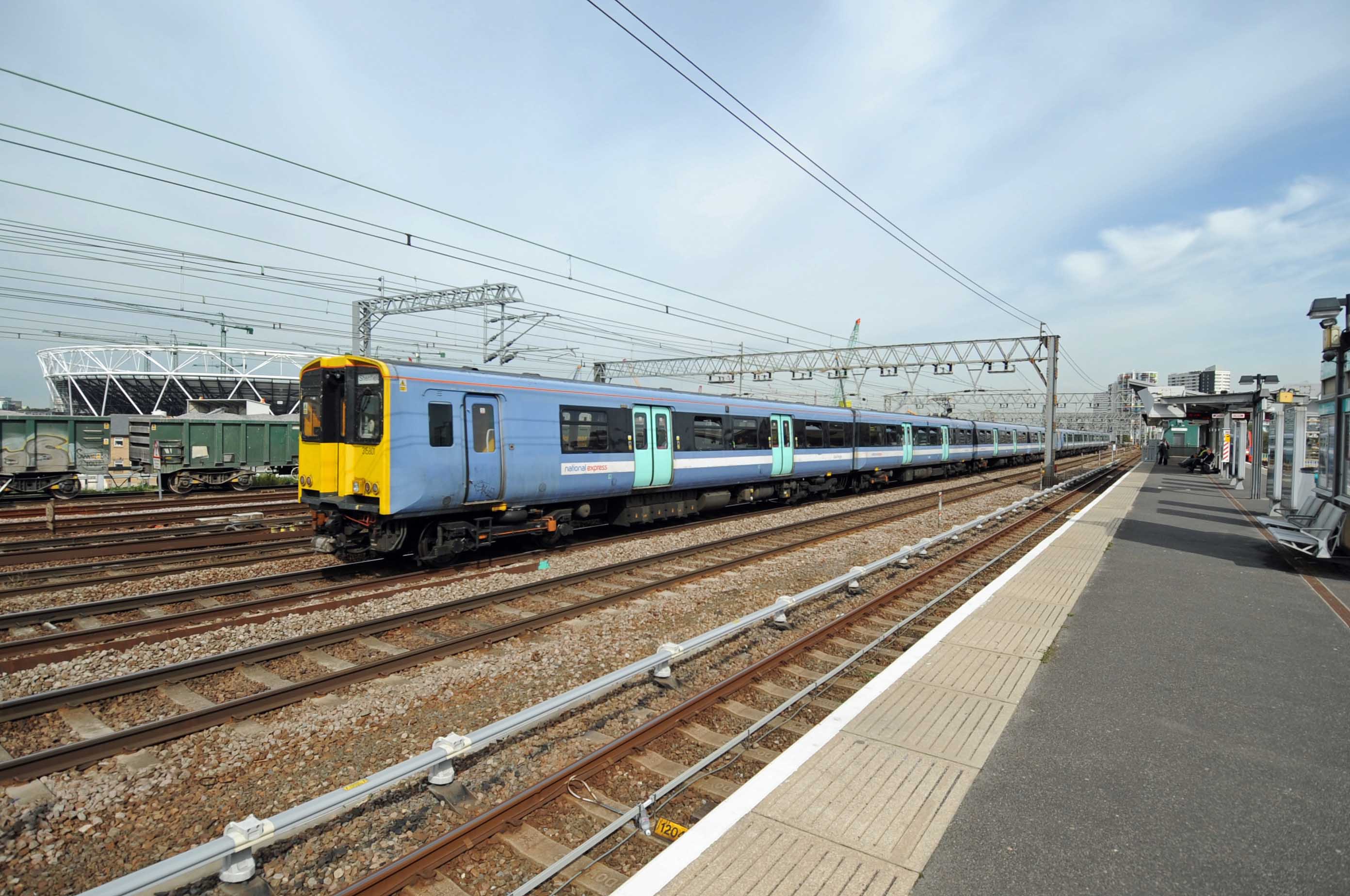
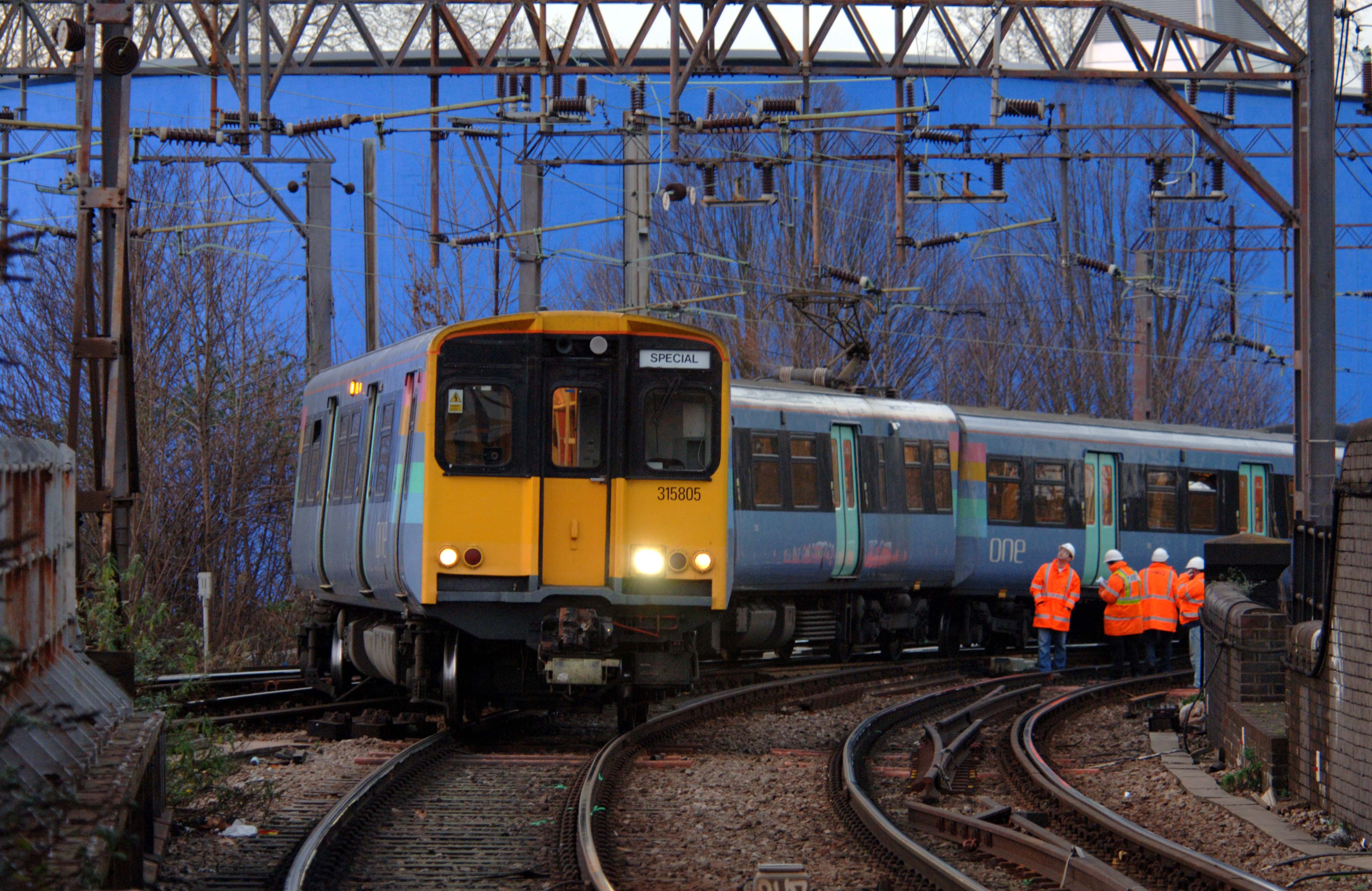
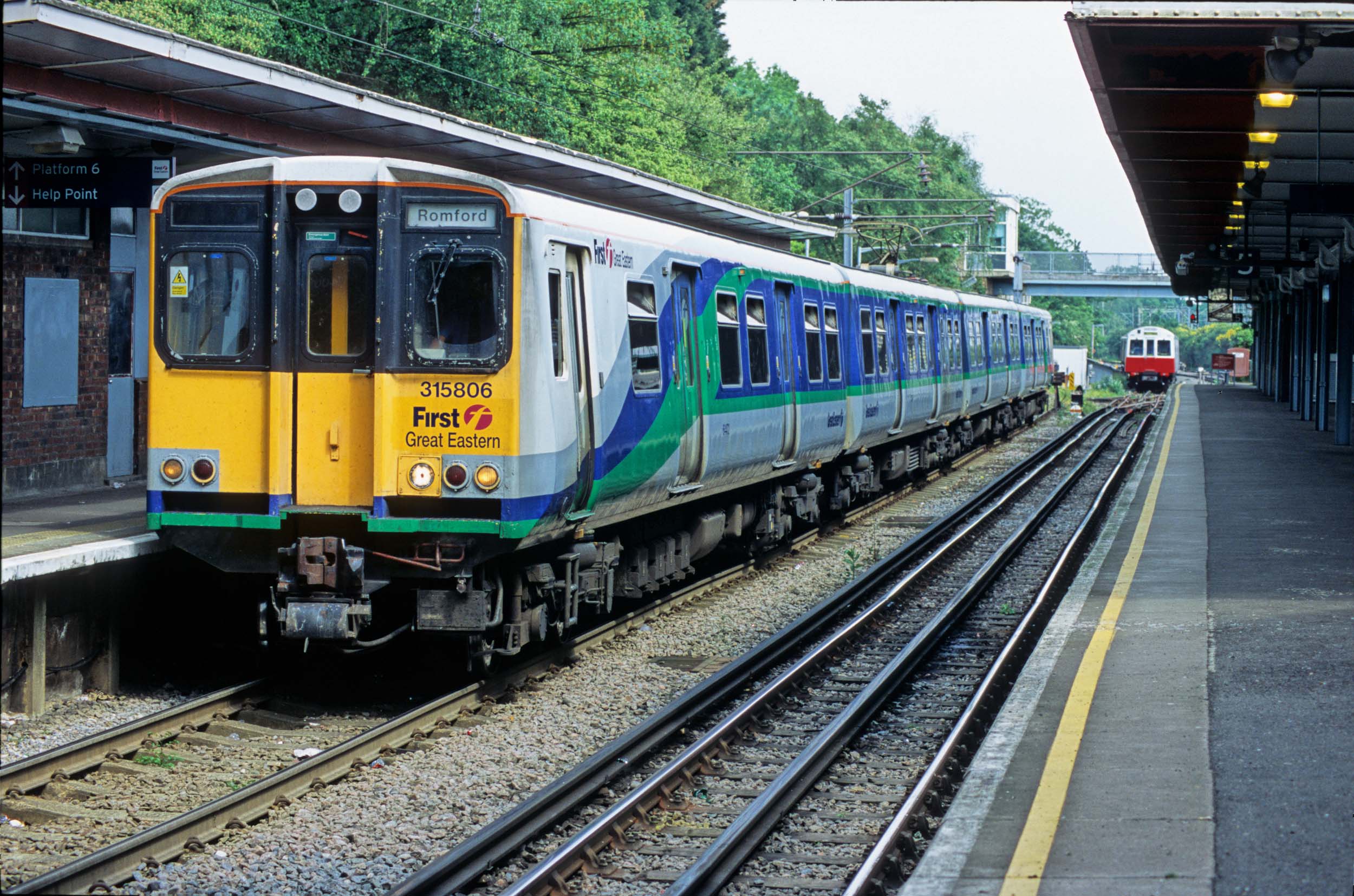
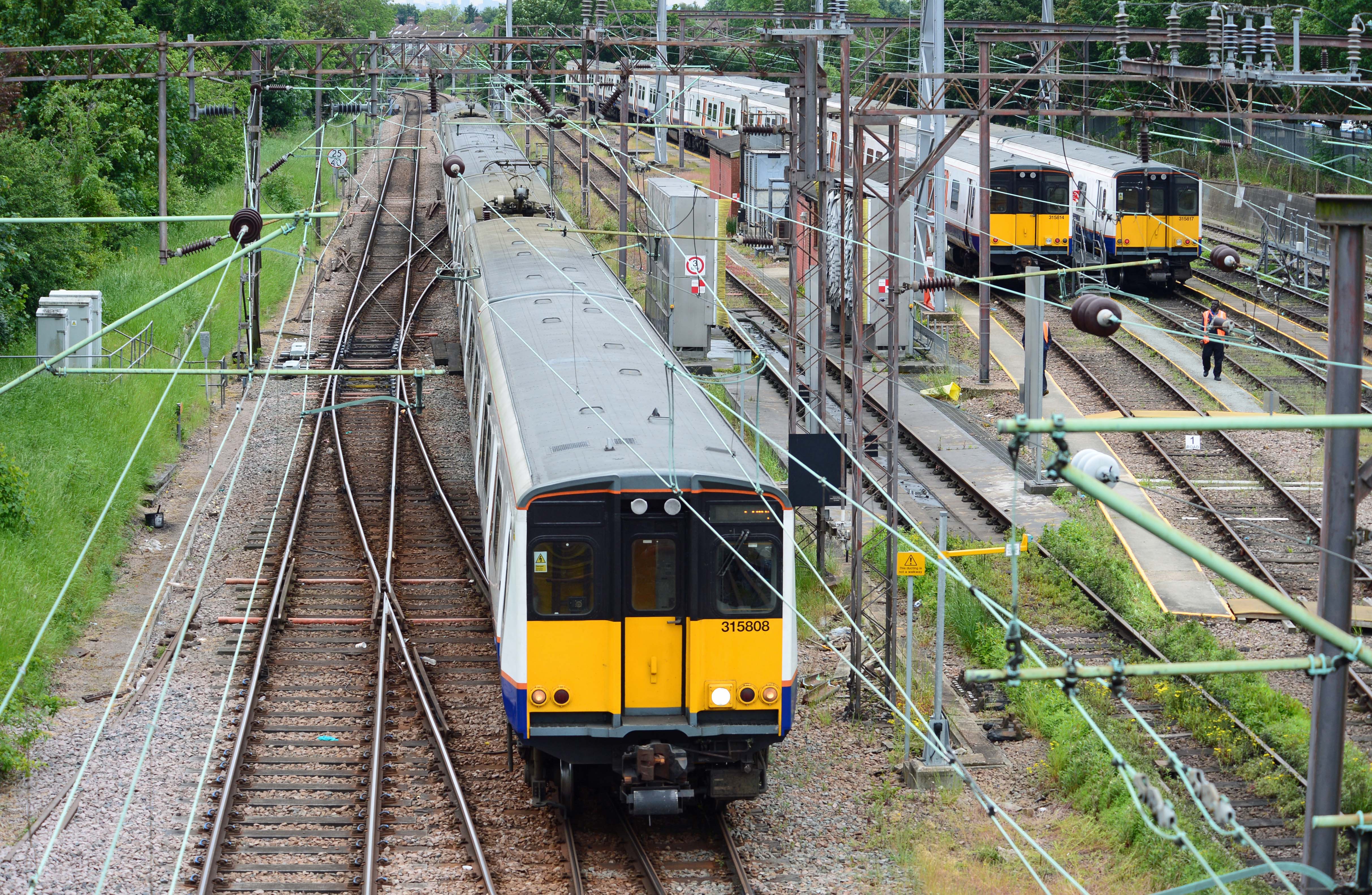
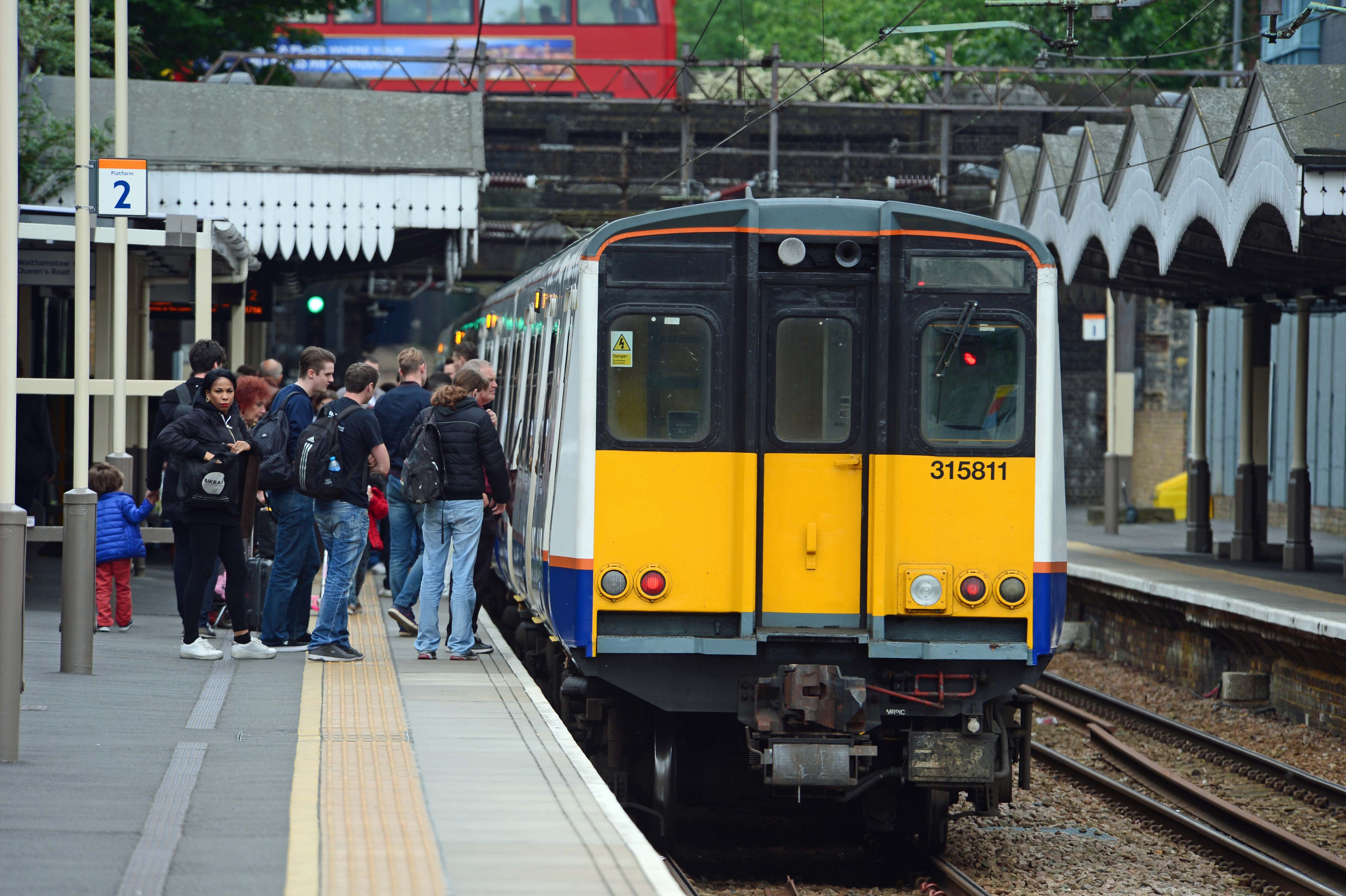
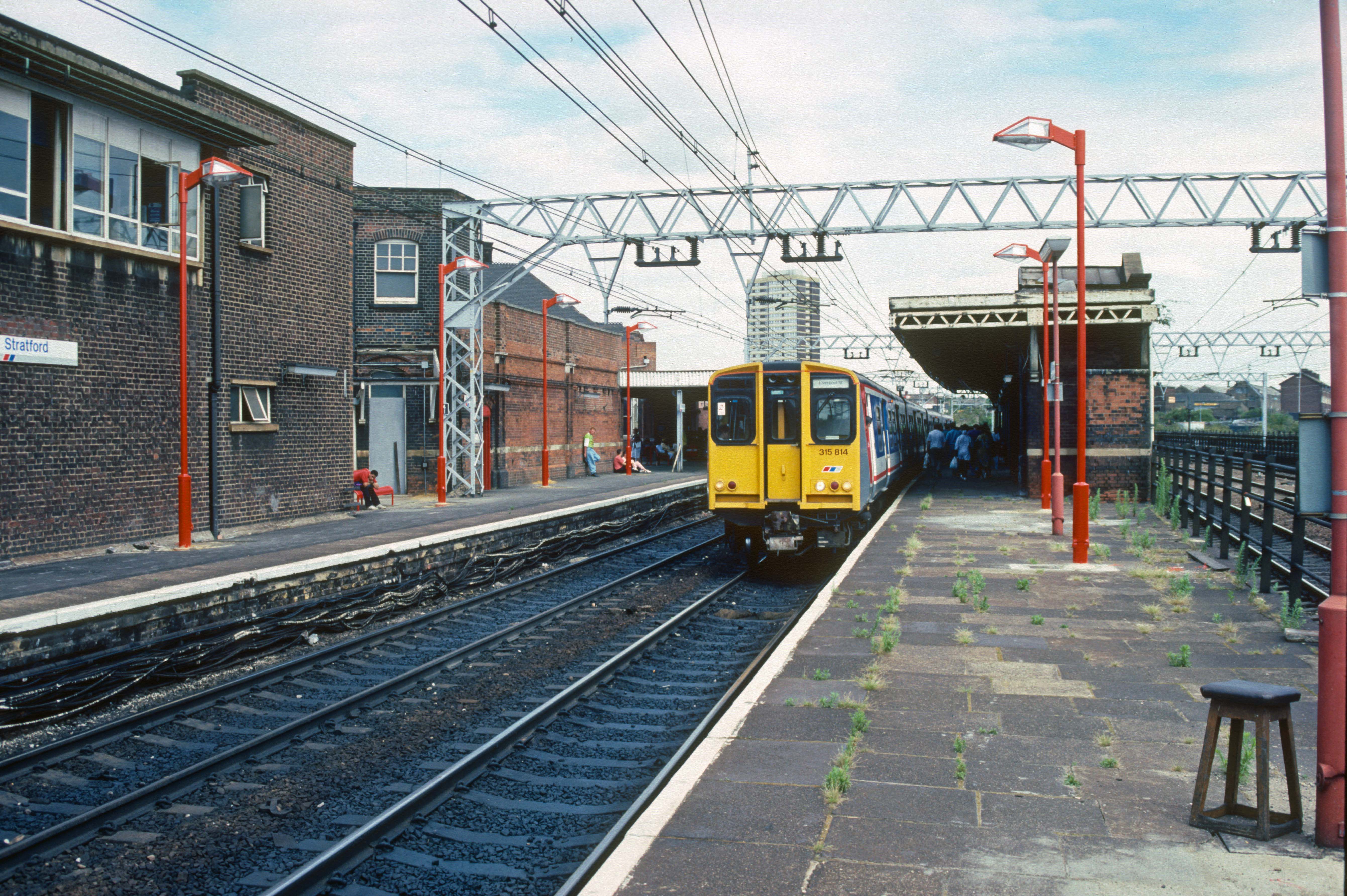
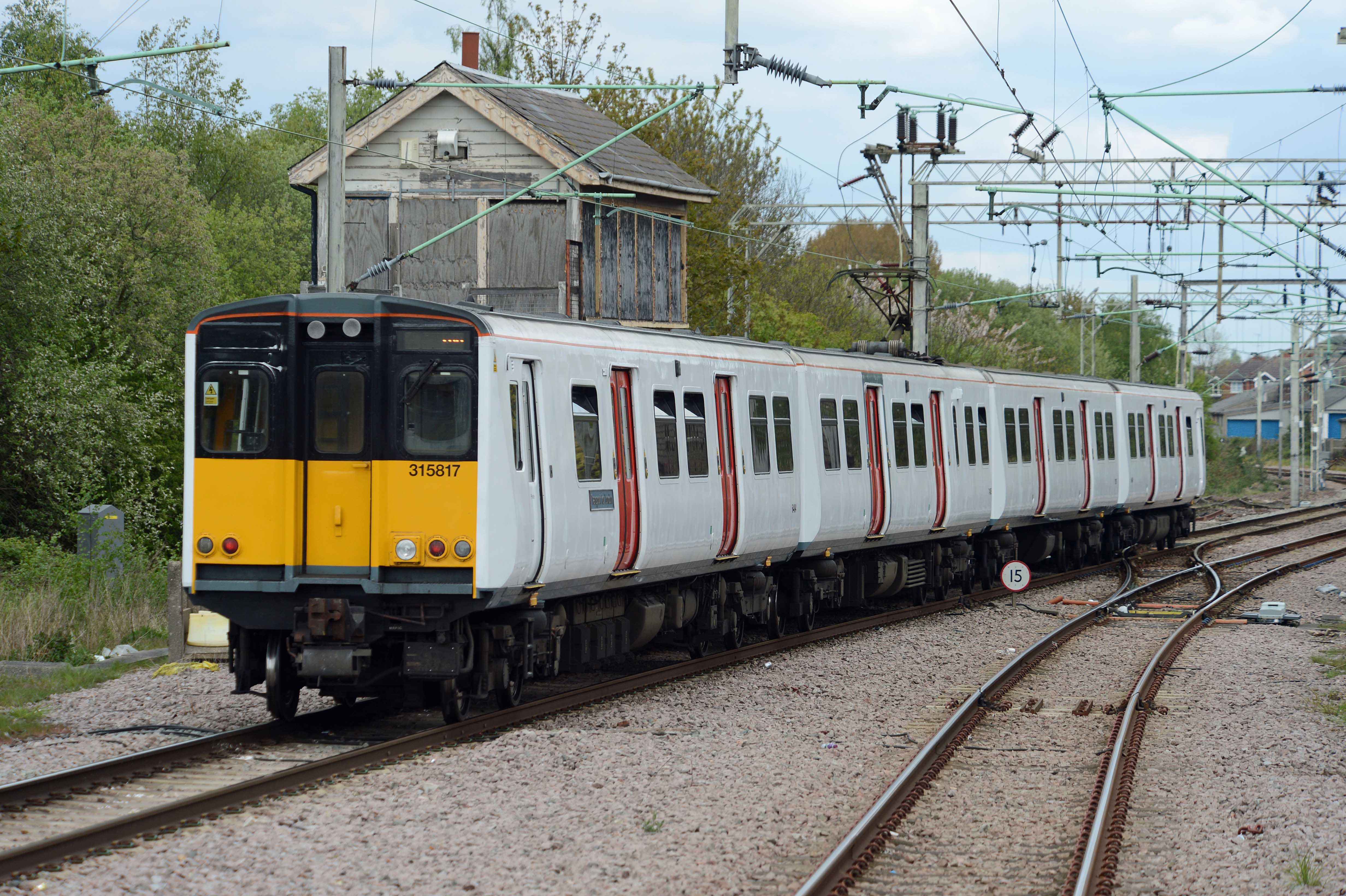
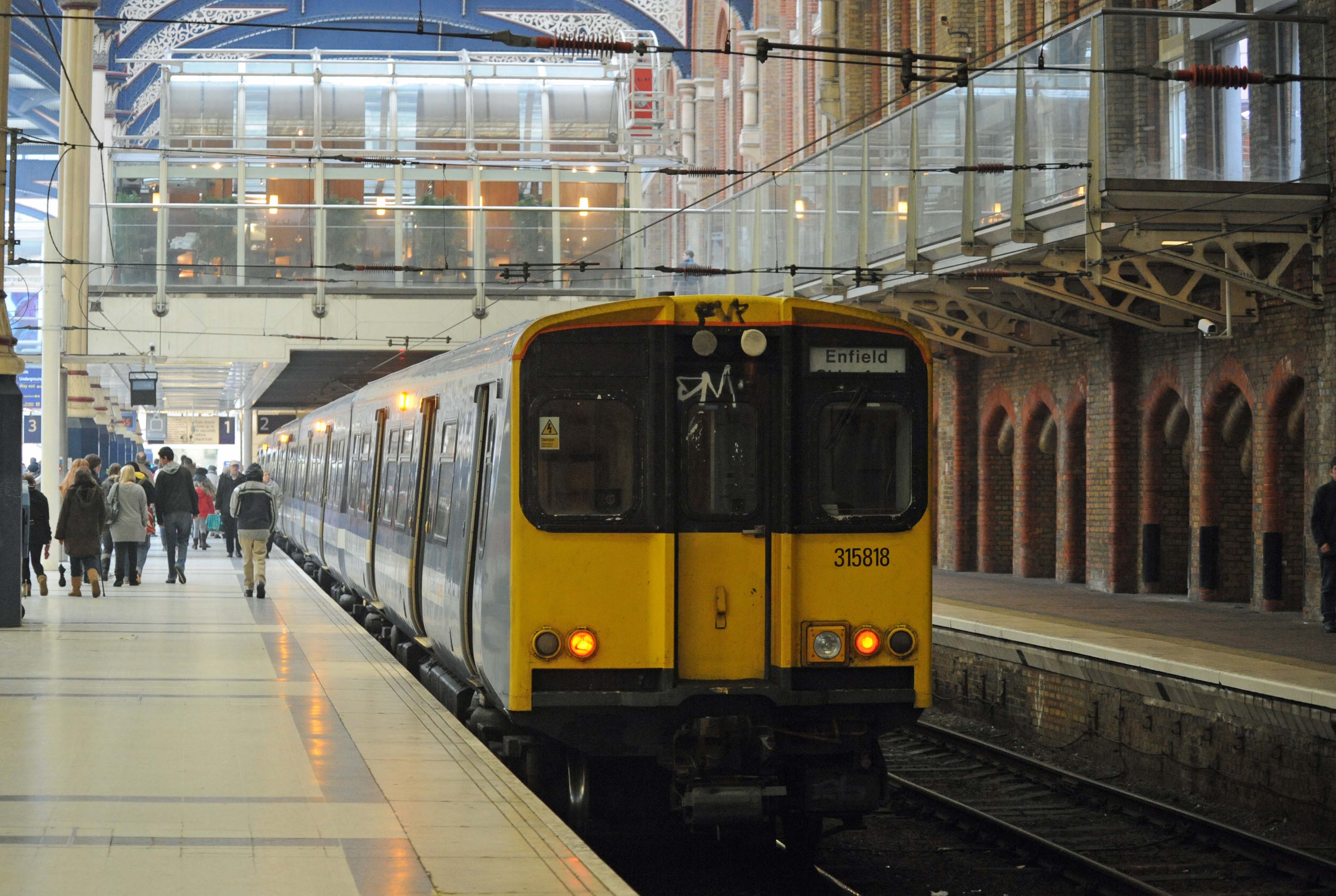
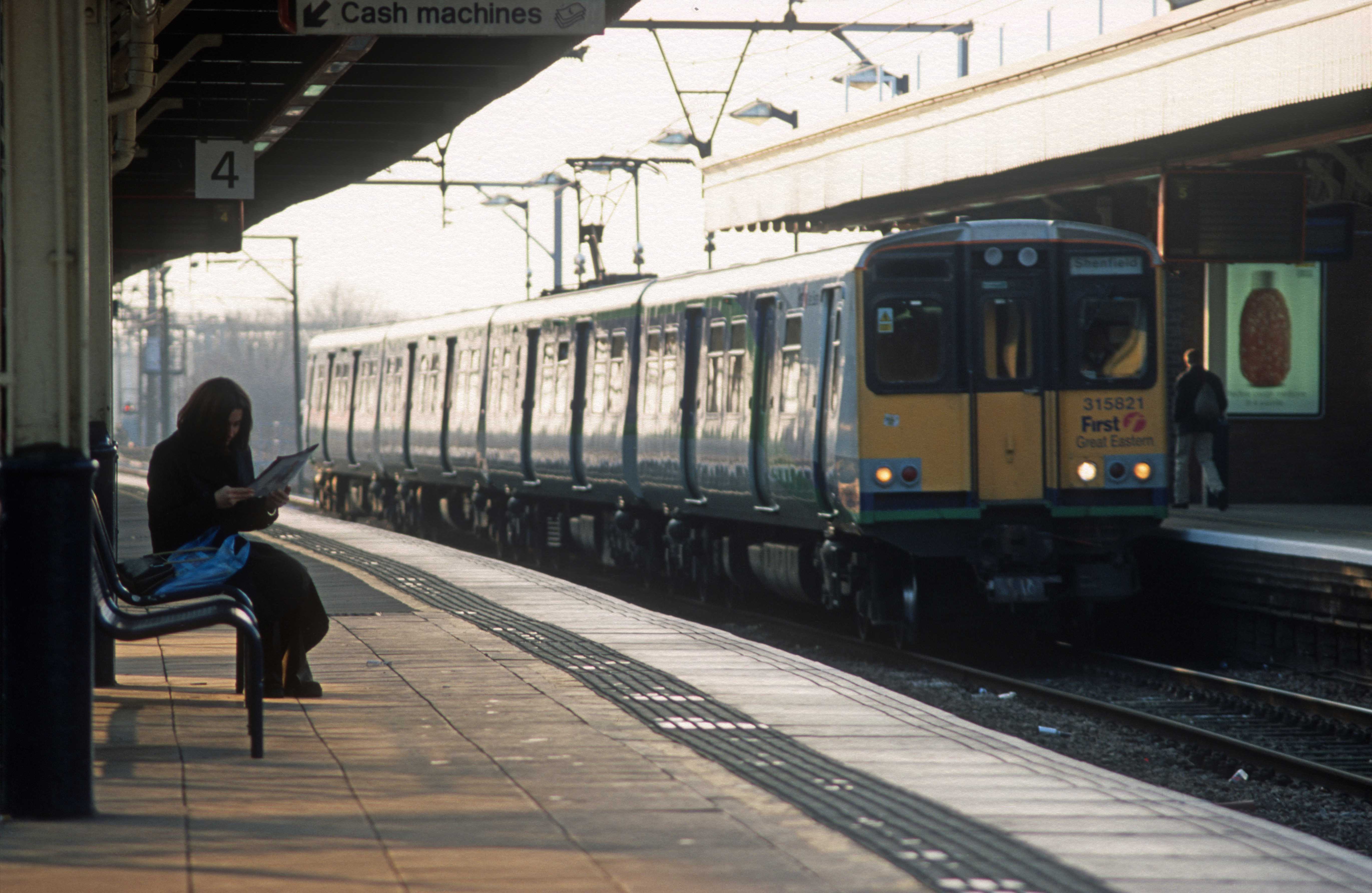
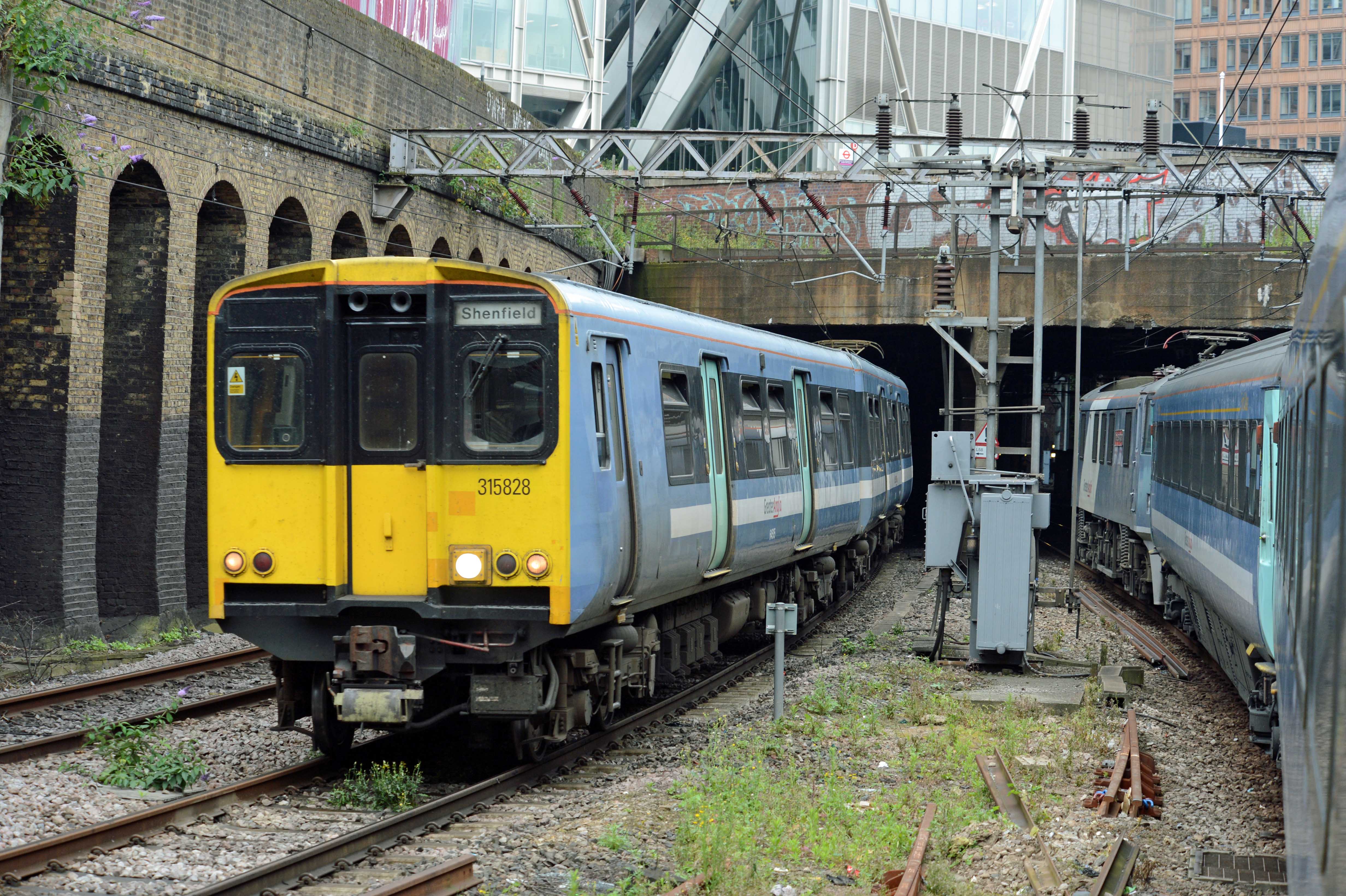
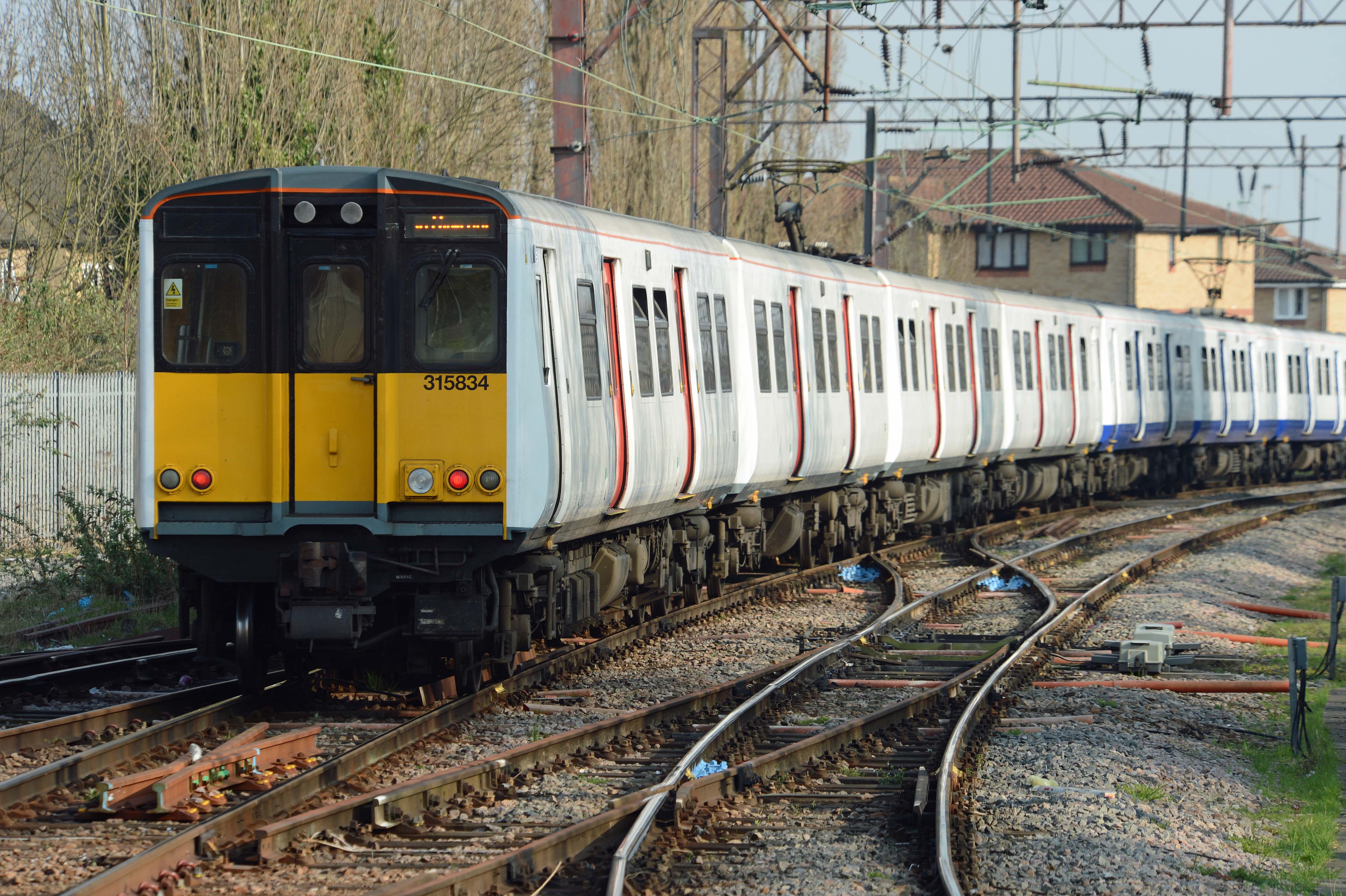
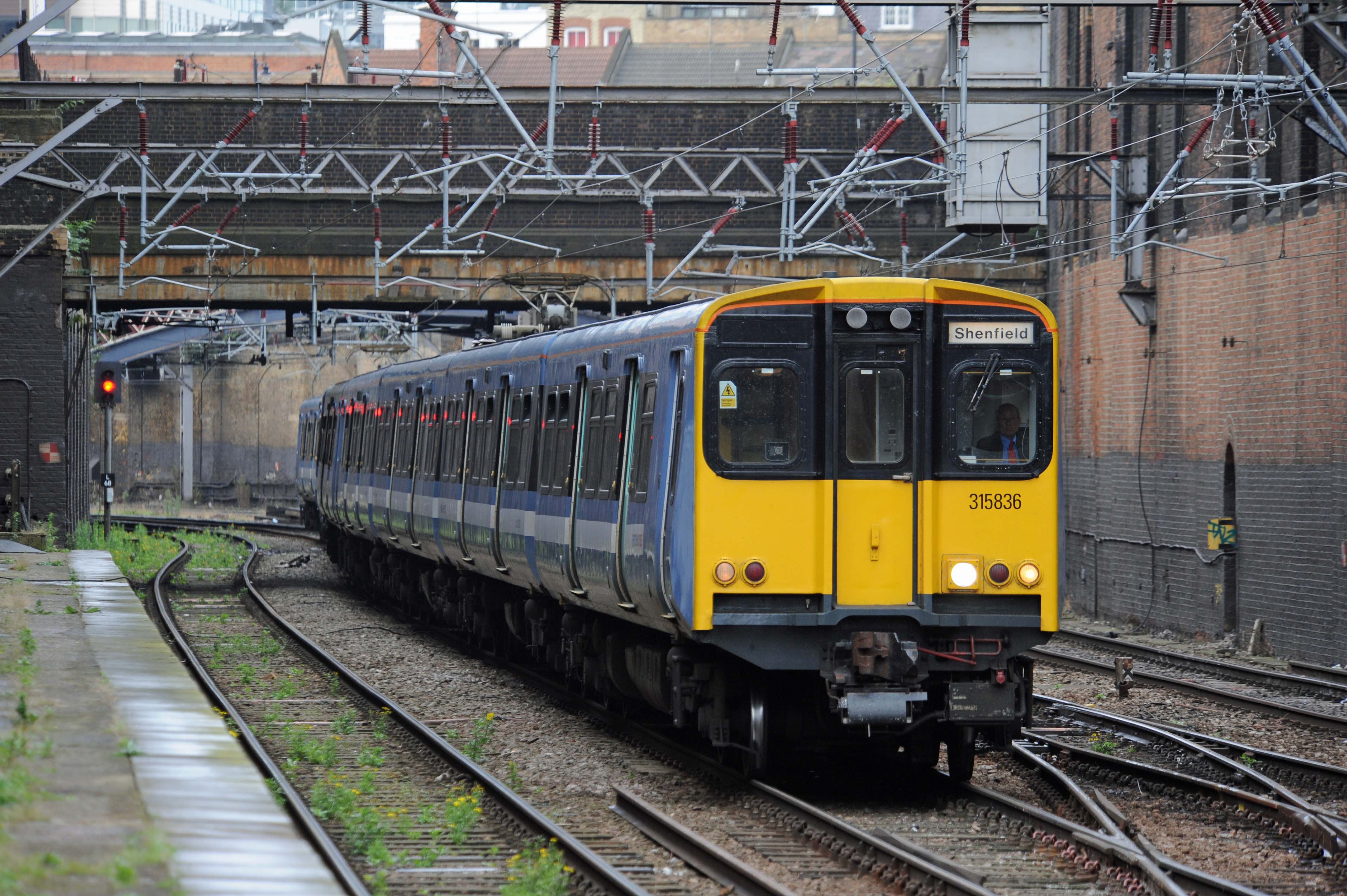
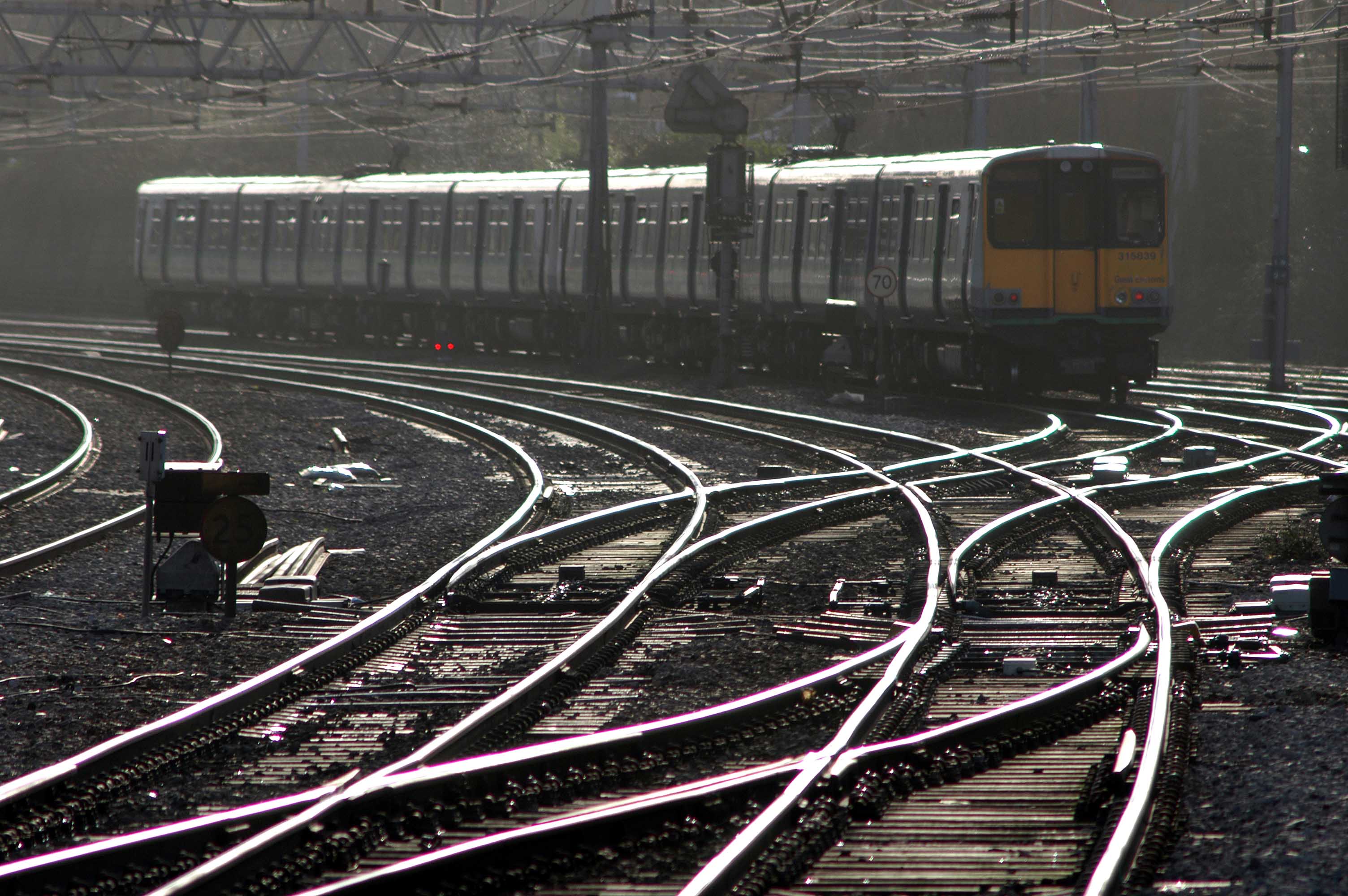
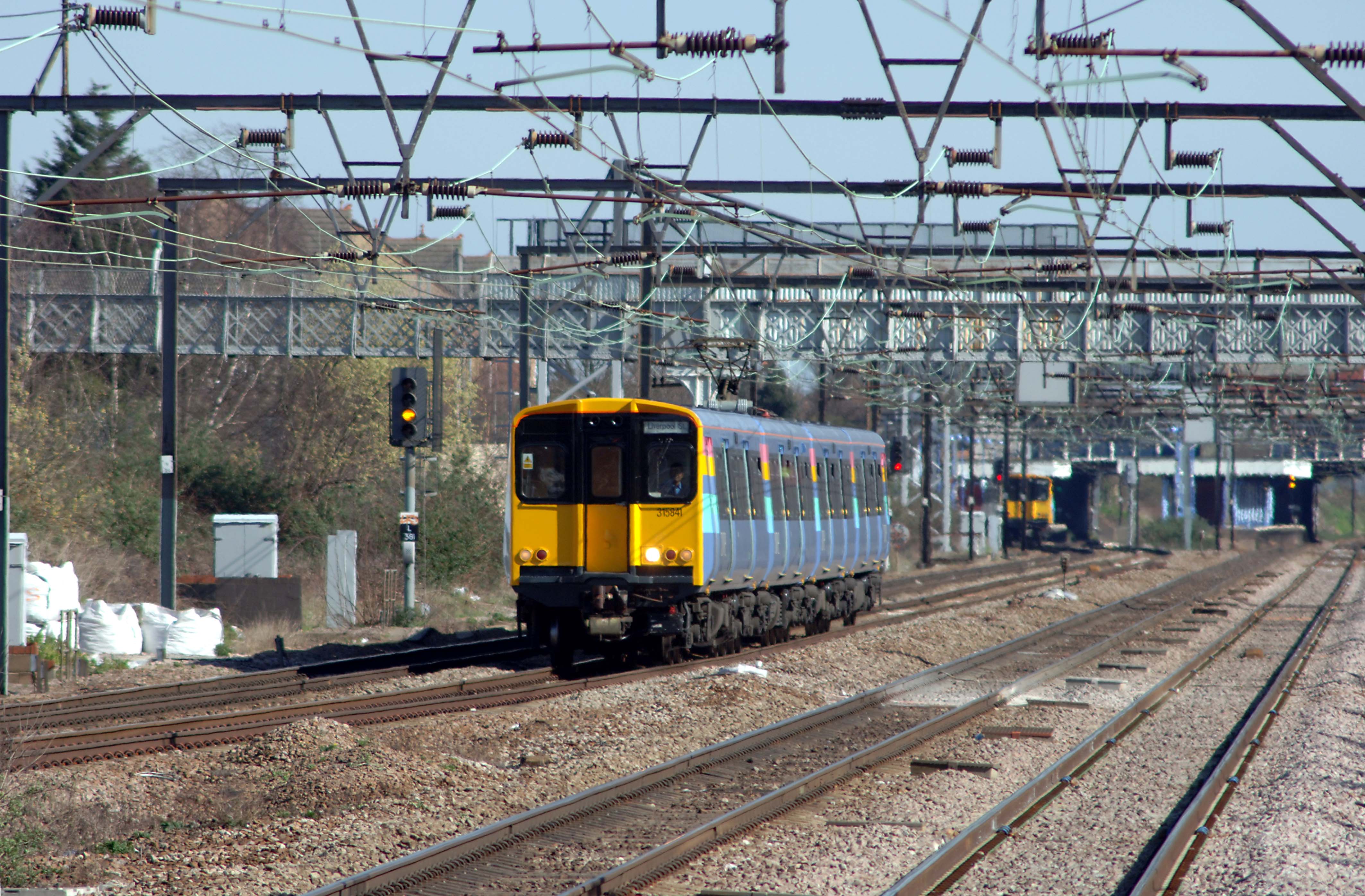
On the 21st September 2009 the first of the class 315801 in NXEA livery passes the DLR station at Pudding Mill Lane whilst in the background one of the 2012 Olympic stadiums takes shape. This scene’s unrecognisable now and the picture impossible to replicate as the DLR station’s disappeared to make way for Crossrail and the skyline’s much changed due to the Olympics. Accidents happen! On the 6th January 2008 315805 came to grief on the approaches to Hackney Downs station where a set of points appear to have moved underneath the leading vehicle, leaving it trying to arrive into two platforms at the same time! It’s the 17th May 2002 and 315806 in First Great Eastern livery is sat at the end of the branch line from Romford at Upminster whilst working the shuttle service between the two locations. Forward to the 3rd June 2016 when Overground liveried 315808 arrives at Chingford, passing sisters 315814 and 817 stabled in the carriage sidings until the peak.On the same day as the above, Overground liveried 315811 calls at a busy Walthamstow Central station, which is an interchange with (and terminus of) the Victoria Line tube.Here’s another scene that’s vanished forever. Stratford station on the 29th July 1990 with NSE liveried 315814 disgorges passengers at the old platform 9 before heading for Liverpool St. Nothing in this picture (apart from the tower block in the background) survives today. Only four Class 315s ever carried names. Here’s 315817 sporting the nameplate ‘Transport for London’ on the rear vehicle passes the redundant signalbox at Hertford East on the 1st May 2015 It’s the 18th February 2010 and 315818 sits in Platform 2 at Liverpool St with a service to Enfield. FGE liveried 315821 calls at Romford with the 14.38 to Shenfield on the 18th January 2001. On the 1st August 2012 NXEA liveried 315828 is seen leaving Liverpool St from an express heading in the opposite direction – not a shot you can take anymore now the MK3s with their droplight windows have vanished from the route.On the 9th April 2015 a pair of 315s with 834 at the rear pull out of Enfield Town heading for Liverpool St. The transition in liveries is evident, with the leading set in Overground colours whilst 834 has yet yet to be repainted.Not a view you normally get to see (I was there with permission from Network Rail). Here’s 315836 seen leading a service out of Liverpool St on the 9th September 2008. At the opposite end of the route to the last picture, here’s FGE liveried 315839 pulling out of Shenfield on its way back to Liverpool St on the 13th January 2005. It’s the 13th March 2007 and ‘ONE’ liveried 315841 is seen approaching Brentwood with a Shenfield – Liverpool St Service.
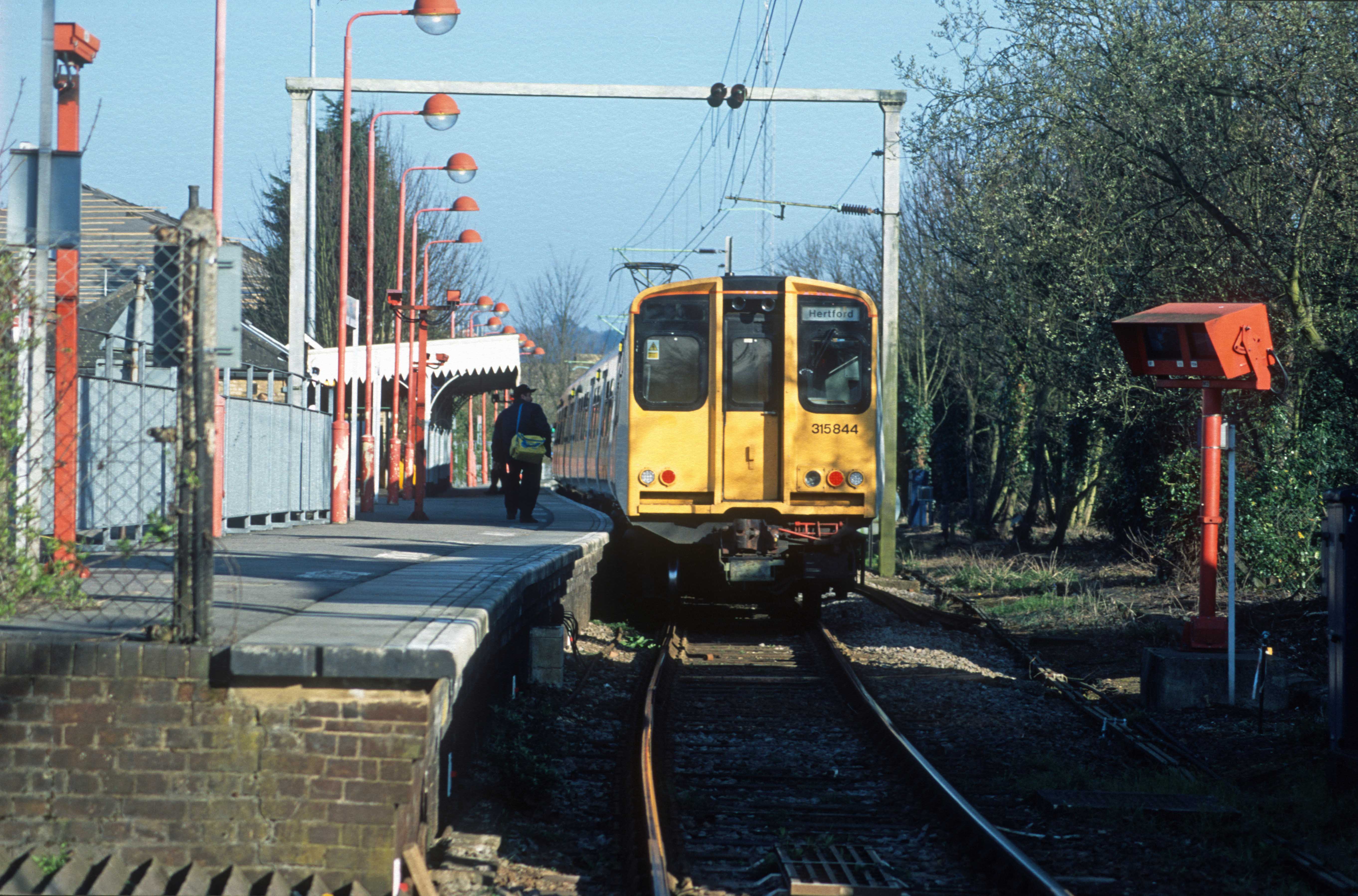
On the 28th March 2002 315844 calls at the single platform station at Ware, Hertfordshire on its way to the end of the line at Hertford East.
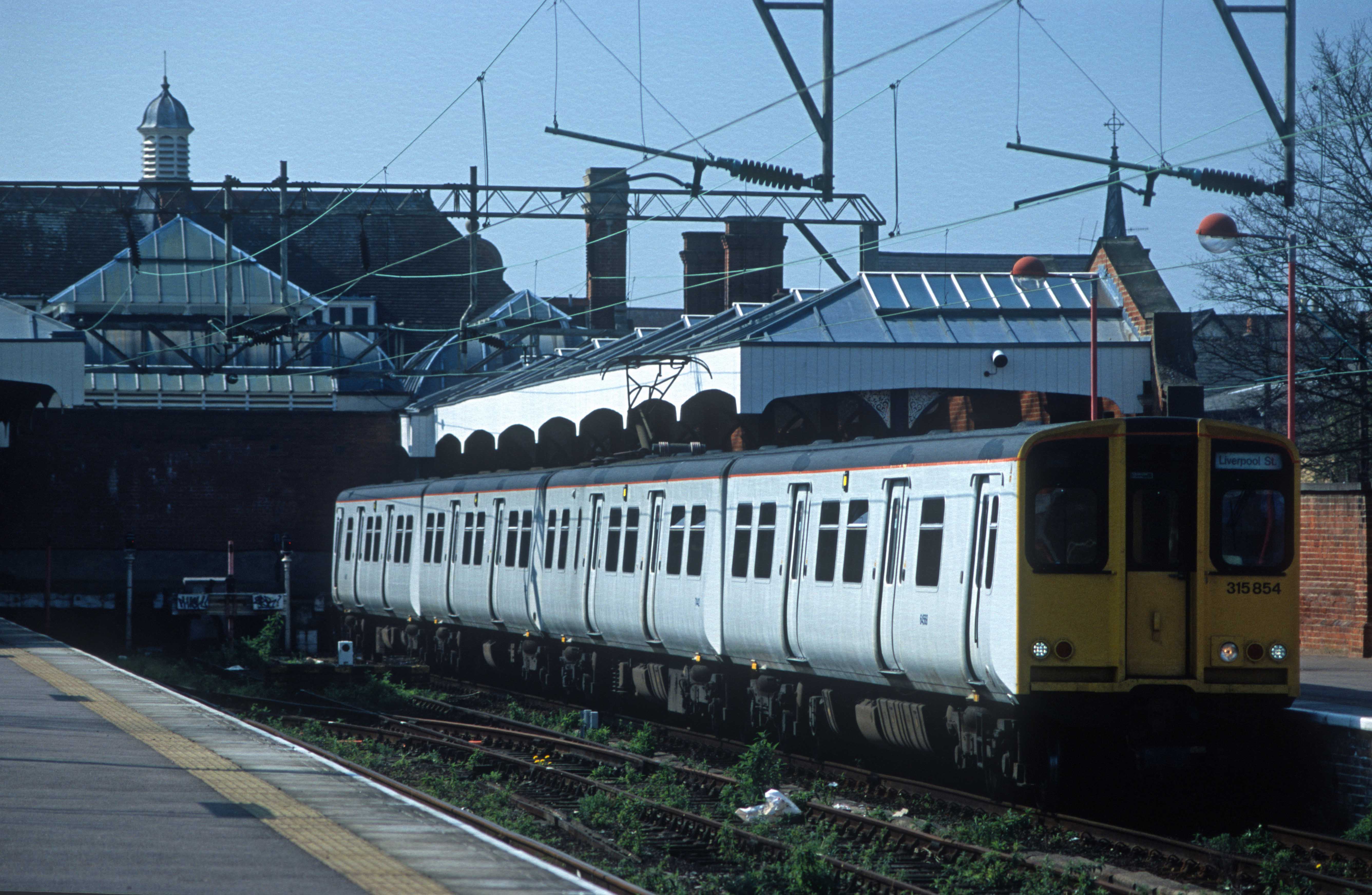
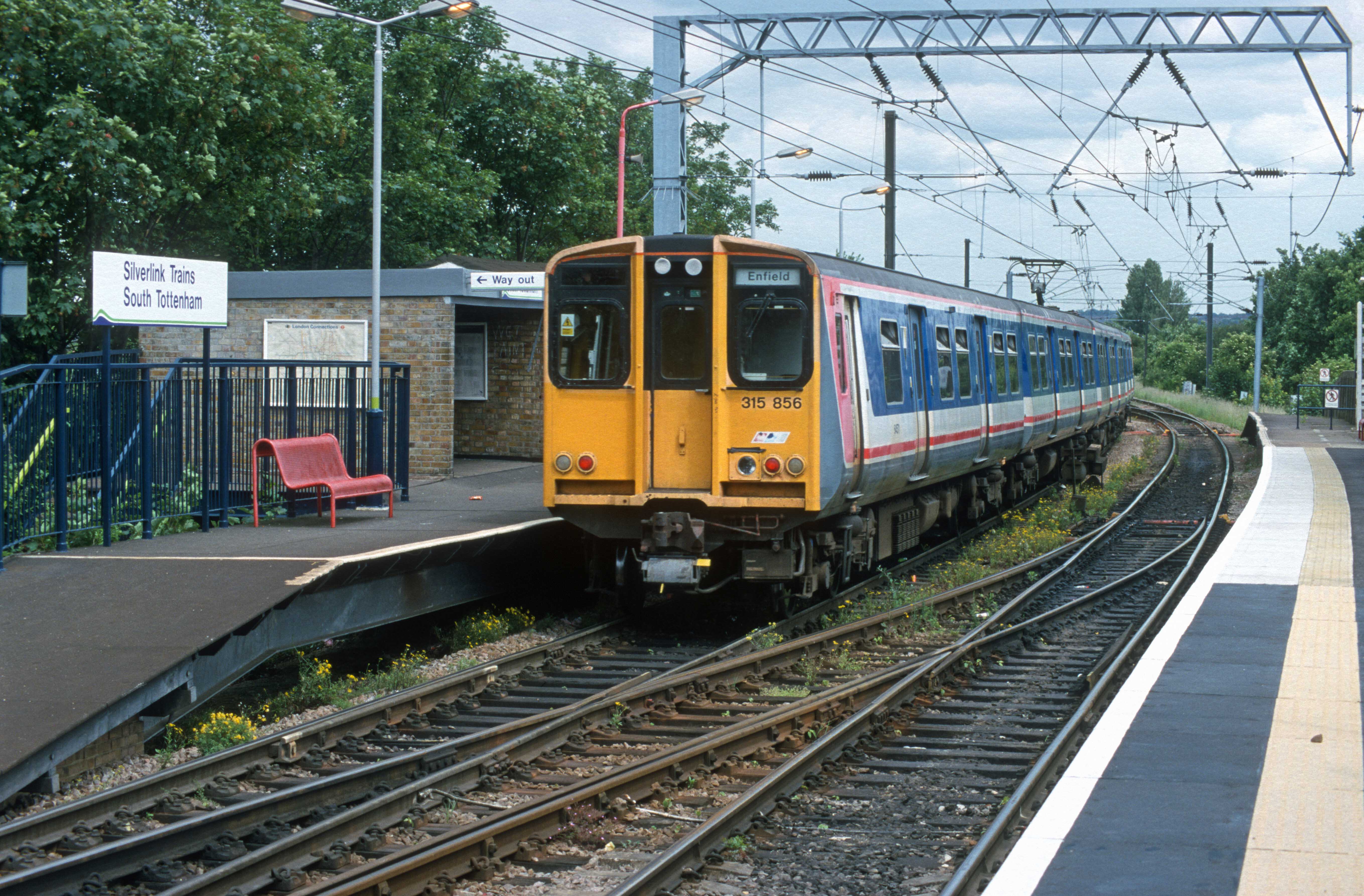
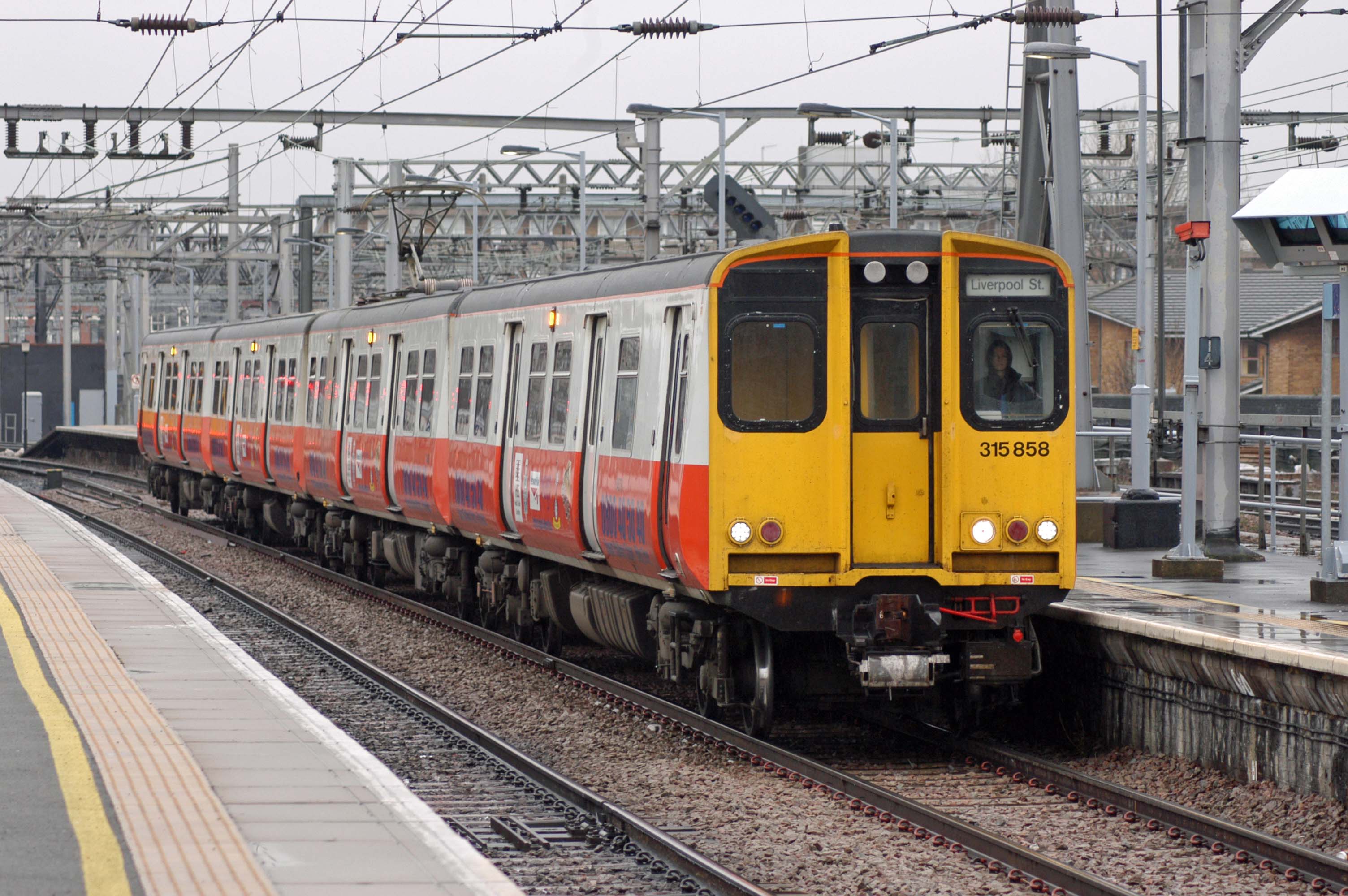
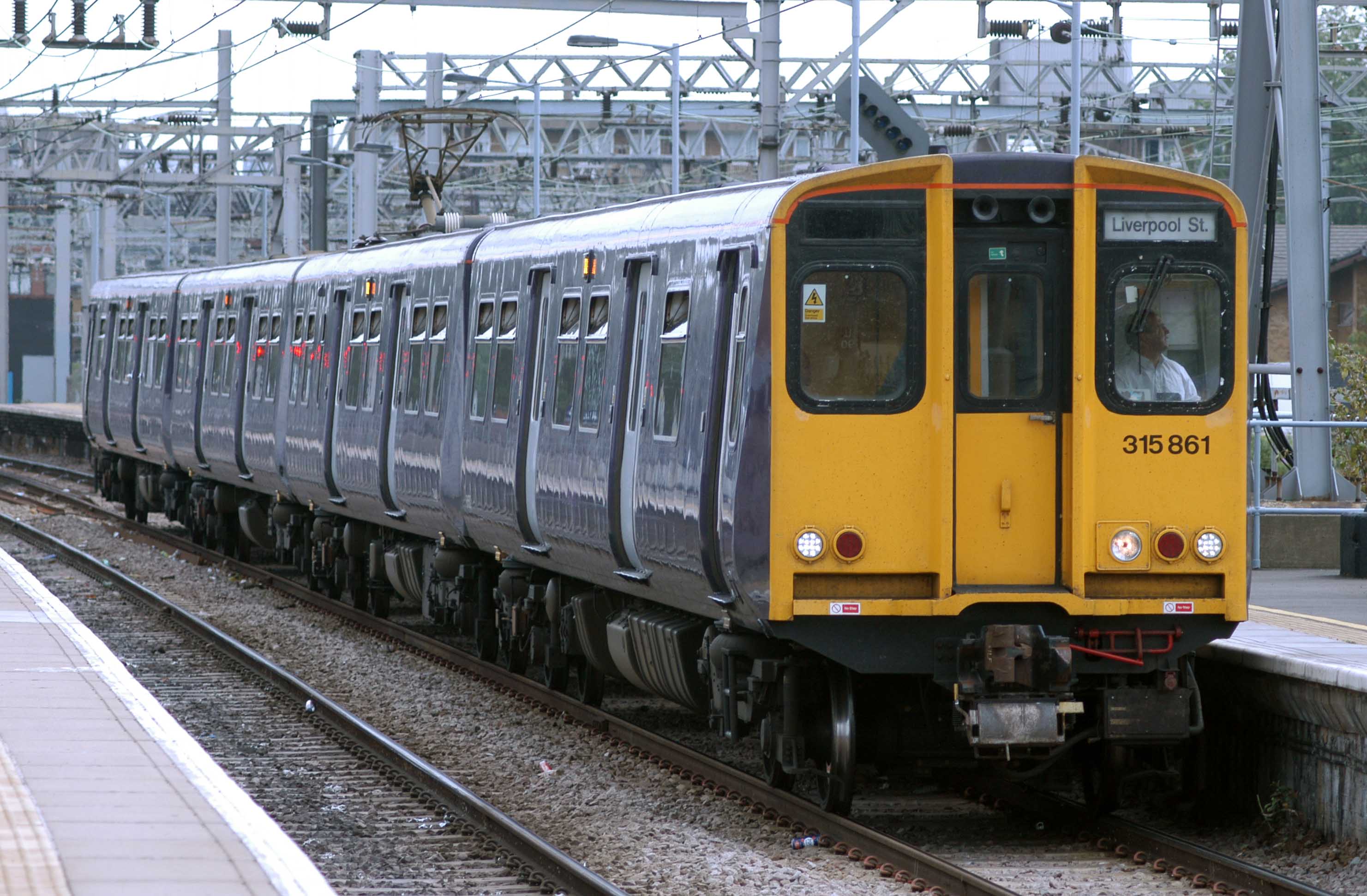
On the same day at the end of the line, 315854 waits to return to London as the 12.:23 to Liverpool St. The unit’s in pure white livery, even the doors are the same colour which was hardly an aid to the partially sighted! Not that this was in the days before the station was resignalled and rationalised, hence the fact the centre road run-round loop still exits. On the 11th June 2000 a WAGN service from Enfield is off the beaten track due to engineering work. NSE liveried 315856 is seen at South Tottenham taking the long way round to get to Liverpool St. Over the years some 315s appeared in a variety of special vinyl liveries/branding. Here’s 315858 at Bethnal Green on the 2nd March 2005 sporting a Network Rail anti trespass message.Here’s Bethnal Green on the 27th July 2004 as the last of the class (315861) sporting the former WAGN livery calls at the station en-route to Liverpool St.
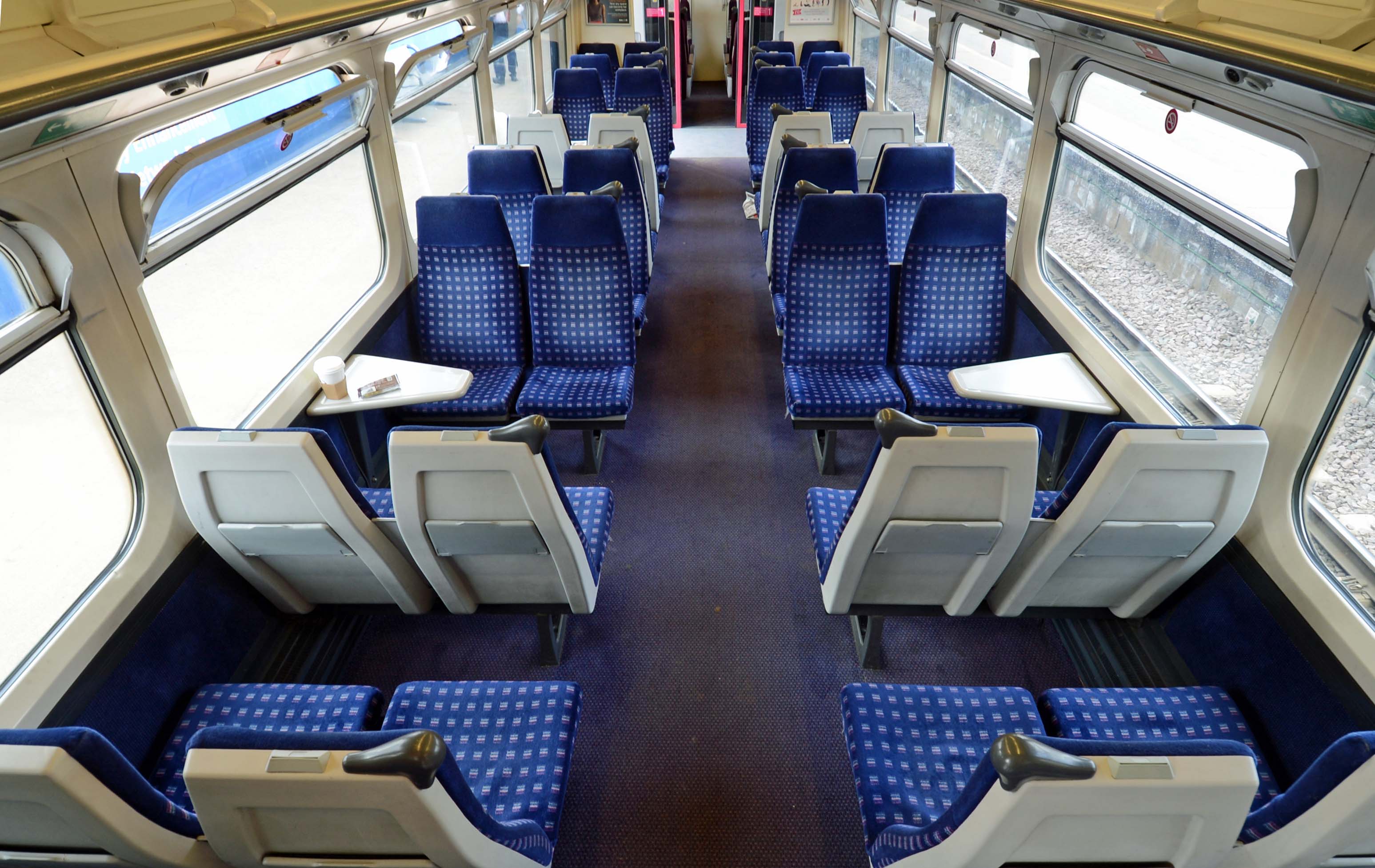
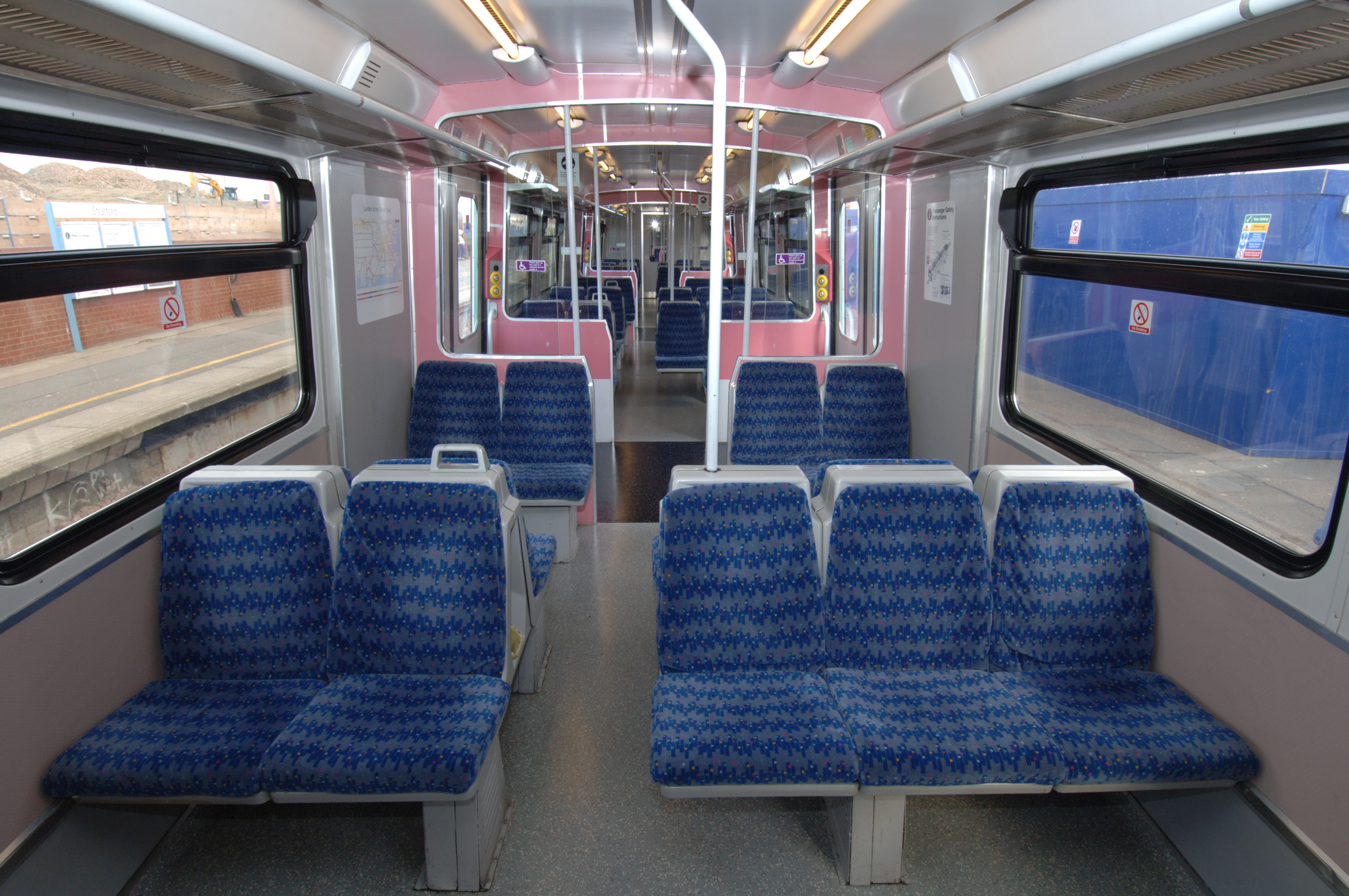
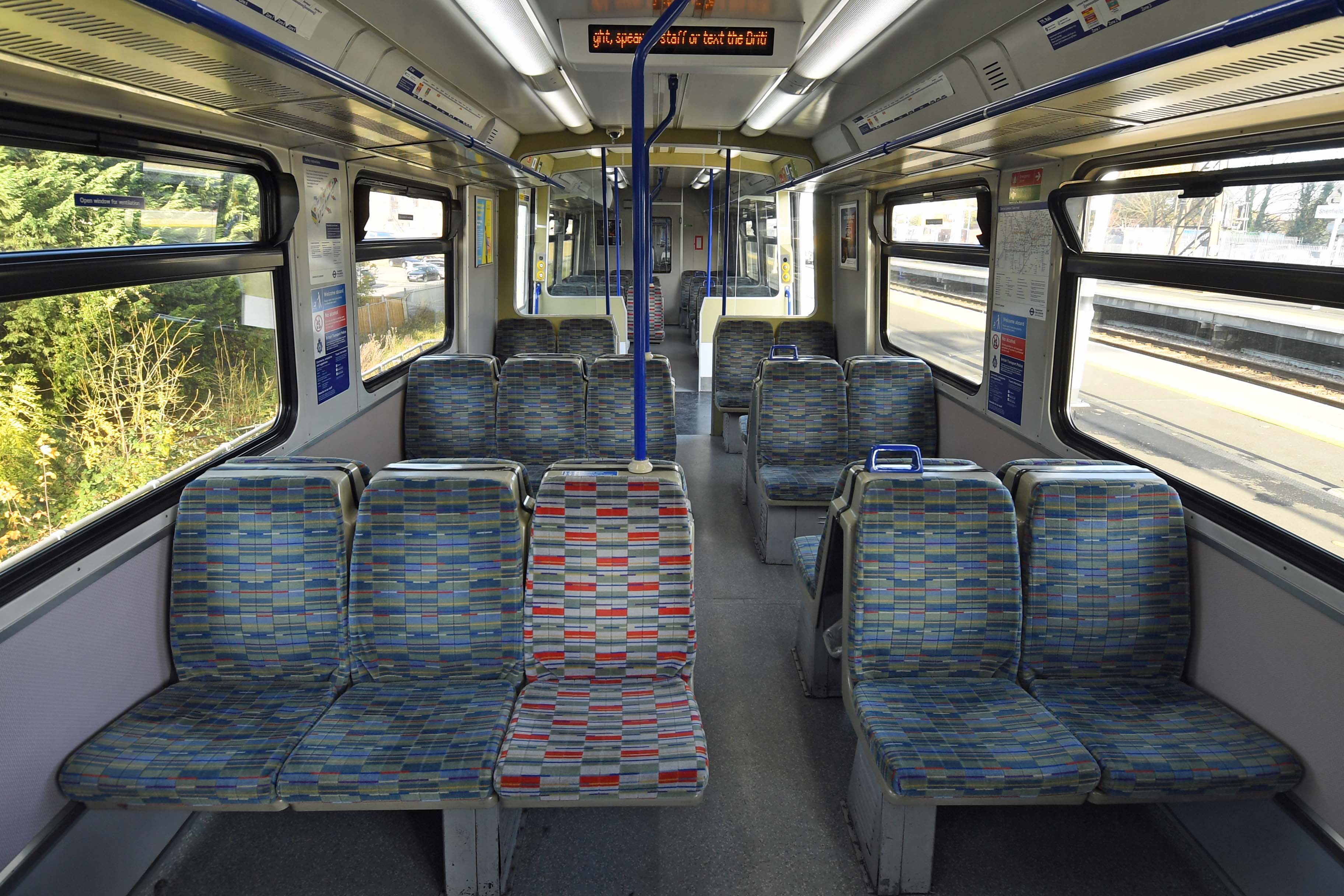
The interiors of the 315s changed little over the years although the units were refurbished a number of times they retained their low-backed seating. Here’s the refurbished interior of 315857 on the 19th March 2008.A decade later on the 14th November 2018 this is how the interior of 315843 looked.
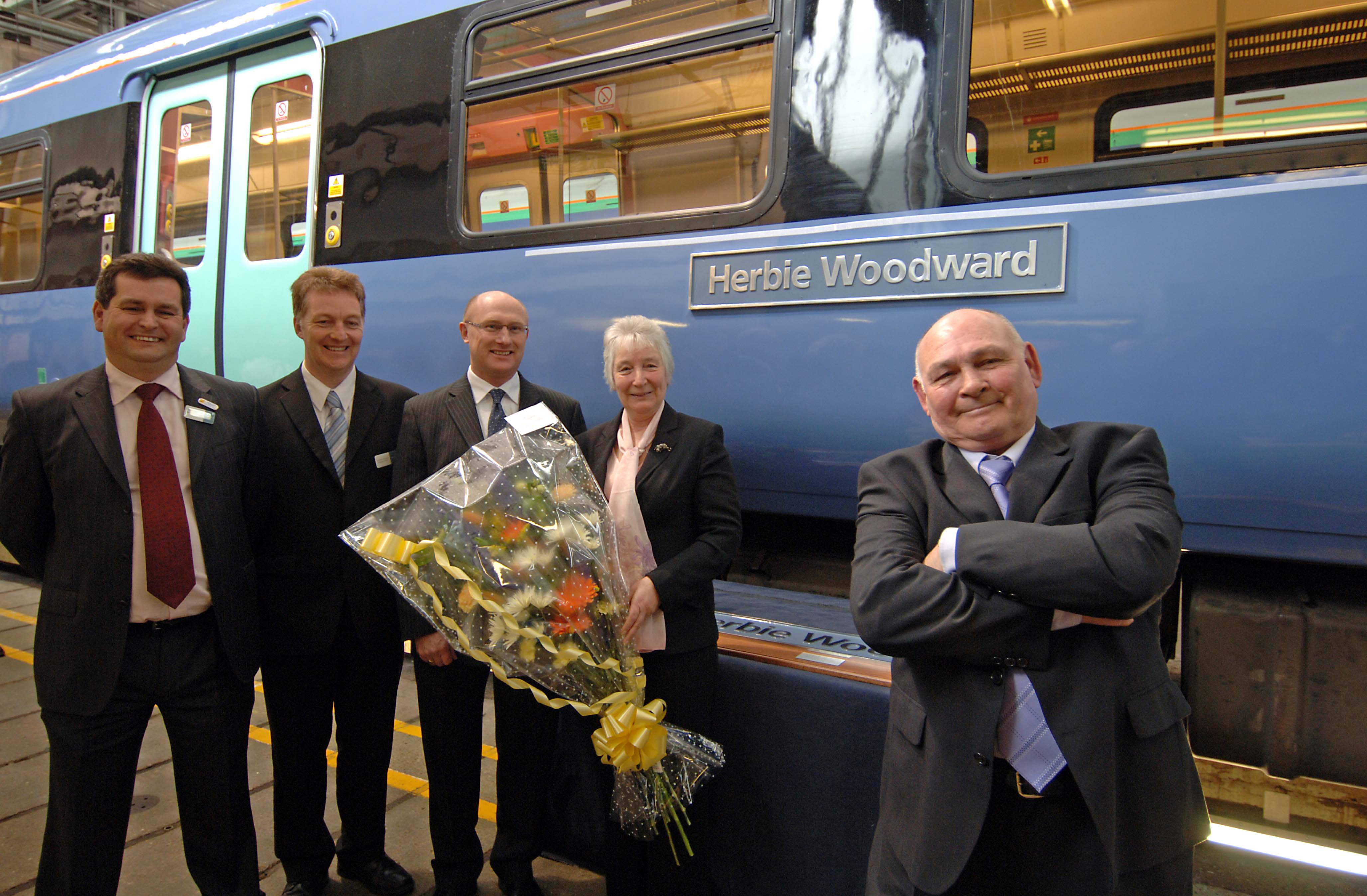
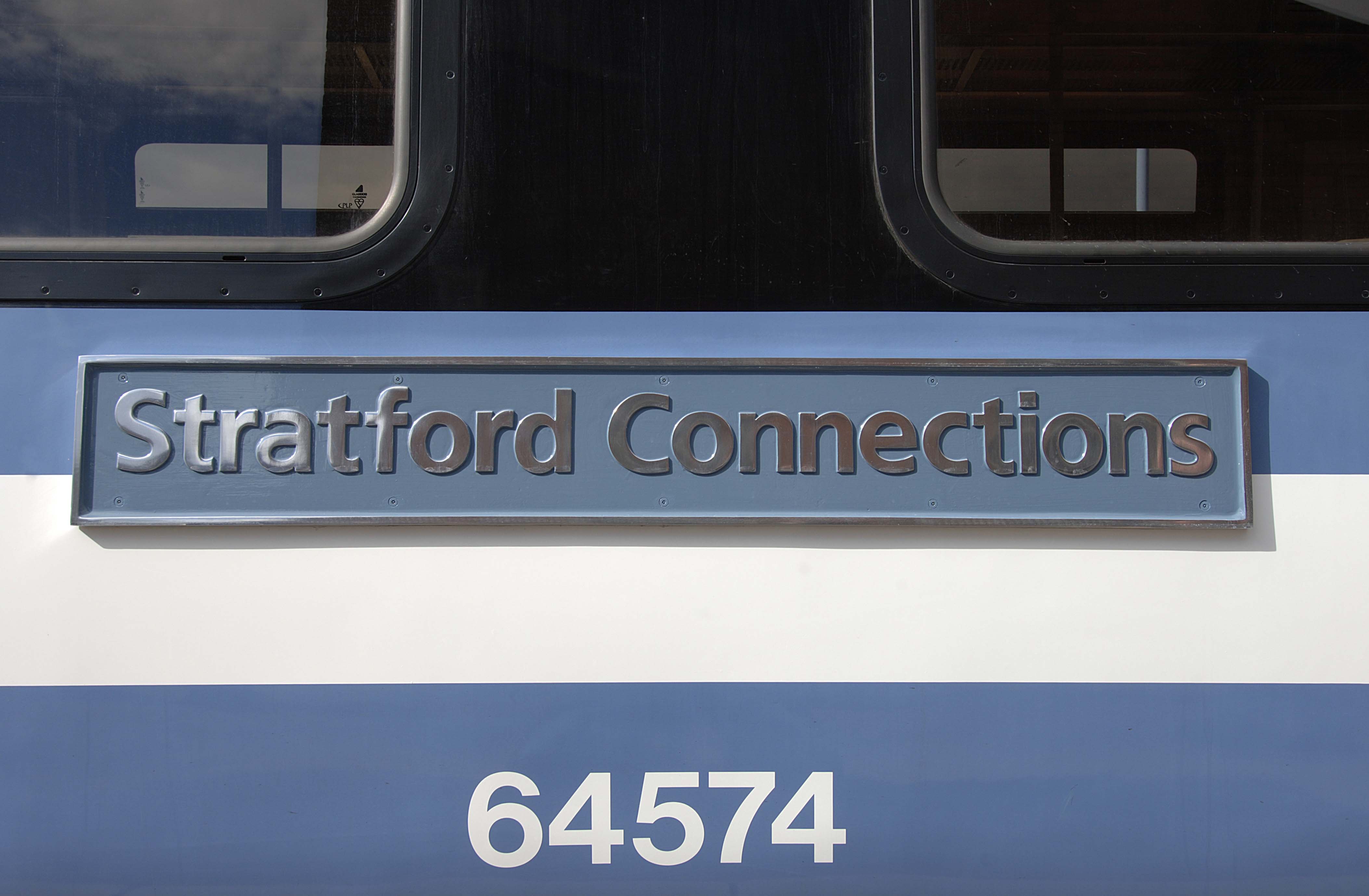
Four of the class carried names. Unit 817 was ‘Transport for London’. 829 was ‘London Borough of Havering Celebrating 40 years’. 845 was named ‘Herbie Woodward’ and 857 became ‘Stratford Connections’.
315845 was named after Ilford fitter Herbie Woodward on the13th March 2007. Here’s the unit – and the man himself!The nameplate on 315857 seen on the 18th March 2008.
You can brows (or buy) many more photographs of the 315s in these galleries.
I’ve a favour to ask… If you enjoy reading this blog, please click on an advert or two. You don’t have to buy anything you don’t want to of course (although if you did find something that tickled your fancy that would be fab!), but the revenue from them helps to cover some of the cost of maintaining this site – and right now (because of Covid), us freelances appreciate all the help that we can get to aid us in bouncing back from lockdowns. Remember, 99% of the pictures used in my blogs can be purchased as prints from my other website – https://paulbigland.zenfolio.com/
*update* – the final pictures were added on the 2nd February. You can now find all 43 units plus internal shots of the SWT refurbishment.
The first part of this trilogy is featuring the 43 Class 455/7s which were built by BREL at York between 1984-85. Whilst they weren’t the first series to be built, they’re one of the fleets that’s already being withdrawn as several sets have already been taken out of service. They’re unique amongst the class in that they were built as 3-car sets but made up to 4-car by the addition of redundant but nearly new trailer cars from Class 508 EMUs which were transferred to Merseyside as 3-cars sets.
This makes the 455/7s easy to recognise as the Class 508 vehicles are a completely different design and construction with a very different roof profile. The front end of these units differs from their earlier siblings as they were built without the redundant headcode boxes which was a feature of the first sets (just as they were on the 1981 built 25kv Class 317s). The 7’s also featured a revised light cluster with the air-horns being moved to a different position.
All 43 trains were allocated to the SW Divison of BR where they’ve remained ever since. Latterly working for South-west trains and finally South-Western Railway who ordered new units to replace them back in 2017. That replacements been delayed for several years but the inevitable has started to happen.
I’m fortunate in that I’ve been photographing these trains for over 30 years and have a record of each member of the class. I’ll add them all to this blog eventually when time permits but for now these are the edited highlights. I’ll put a header on the blog each time I add new pictures. You can find all my Class 455 pictures in three galleries on my Zenfolio website. 1. The BR gallery. 2. South-West Trains. 3. Southwestern Railway.
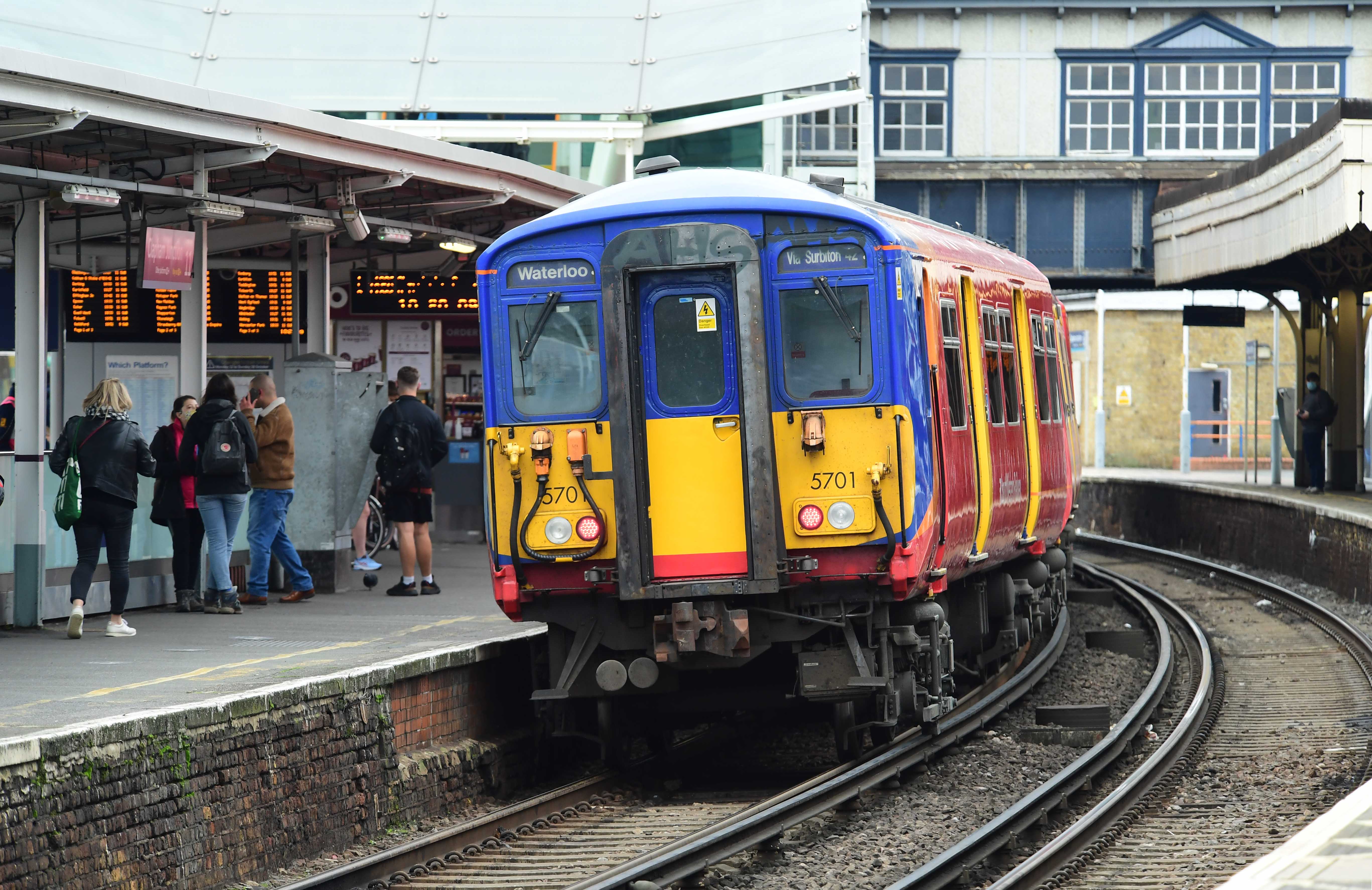
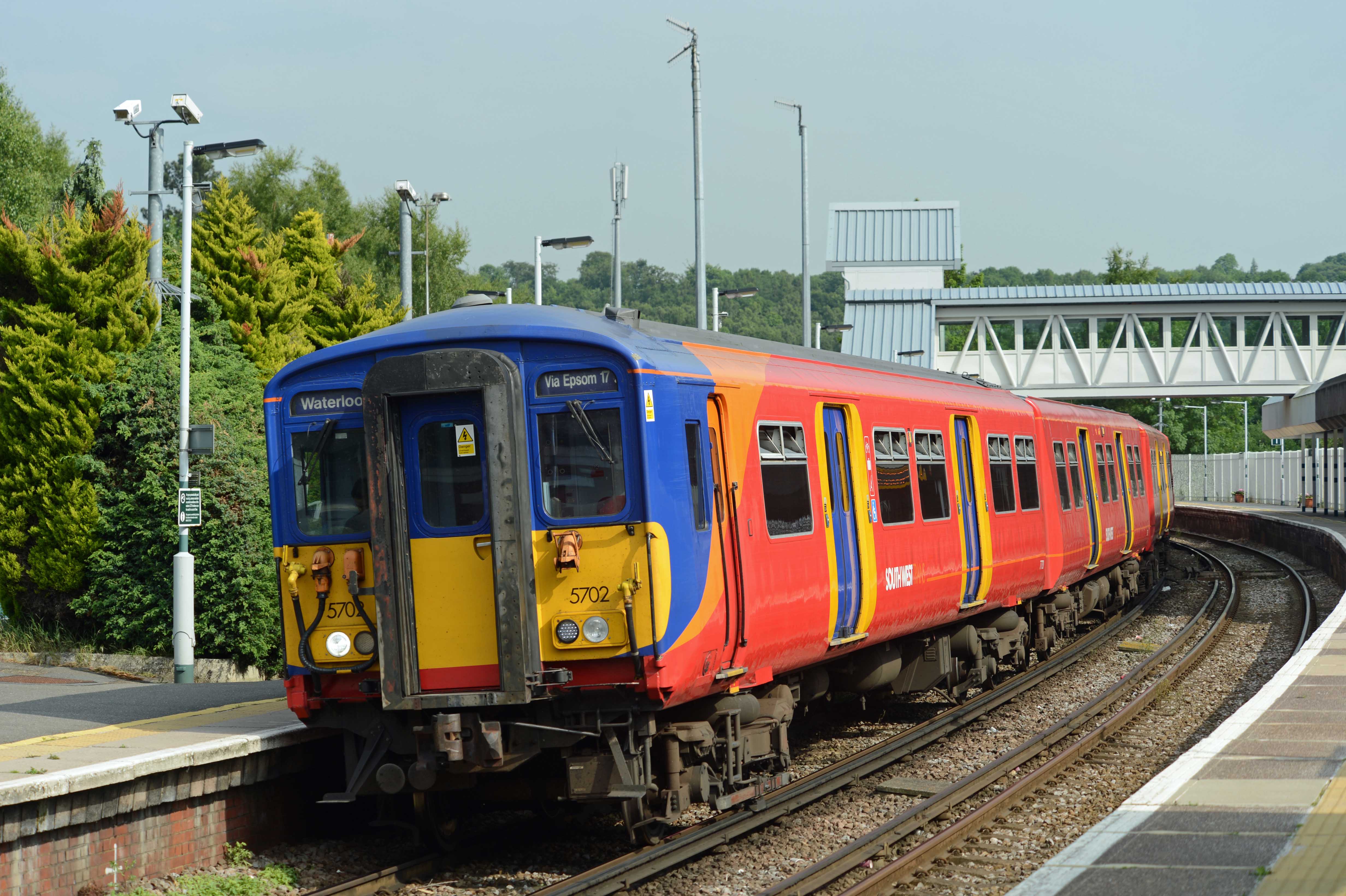
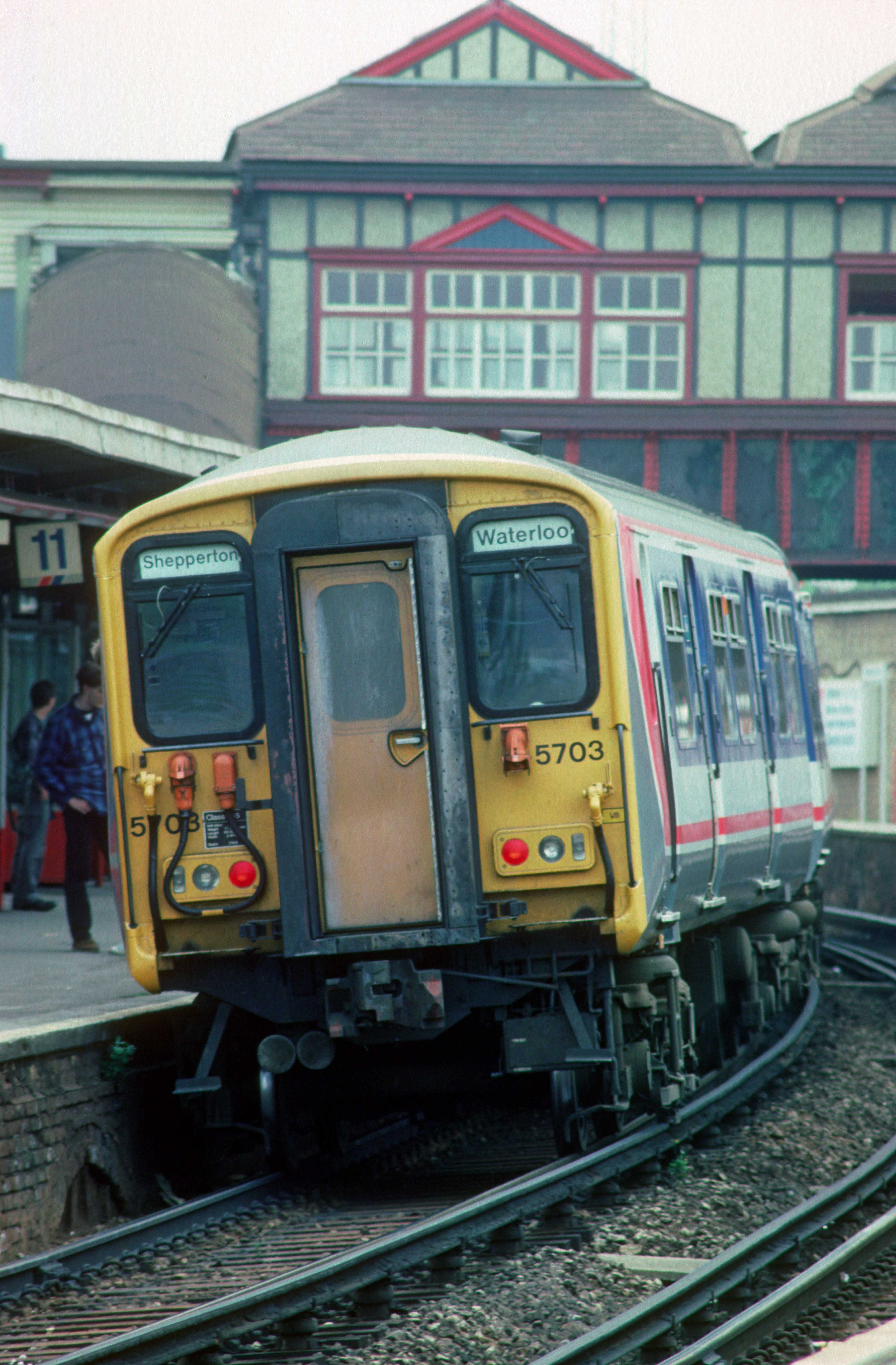
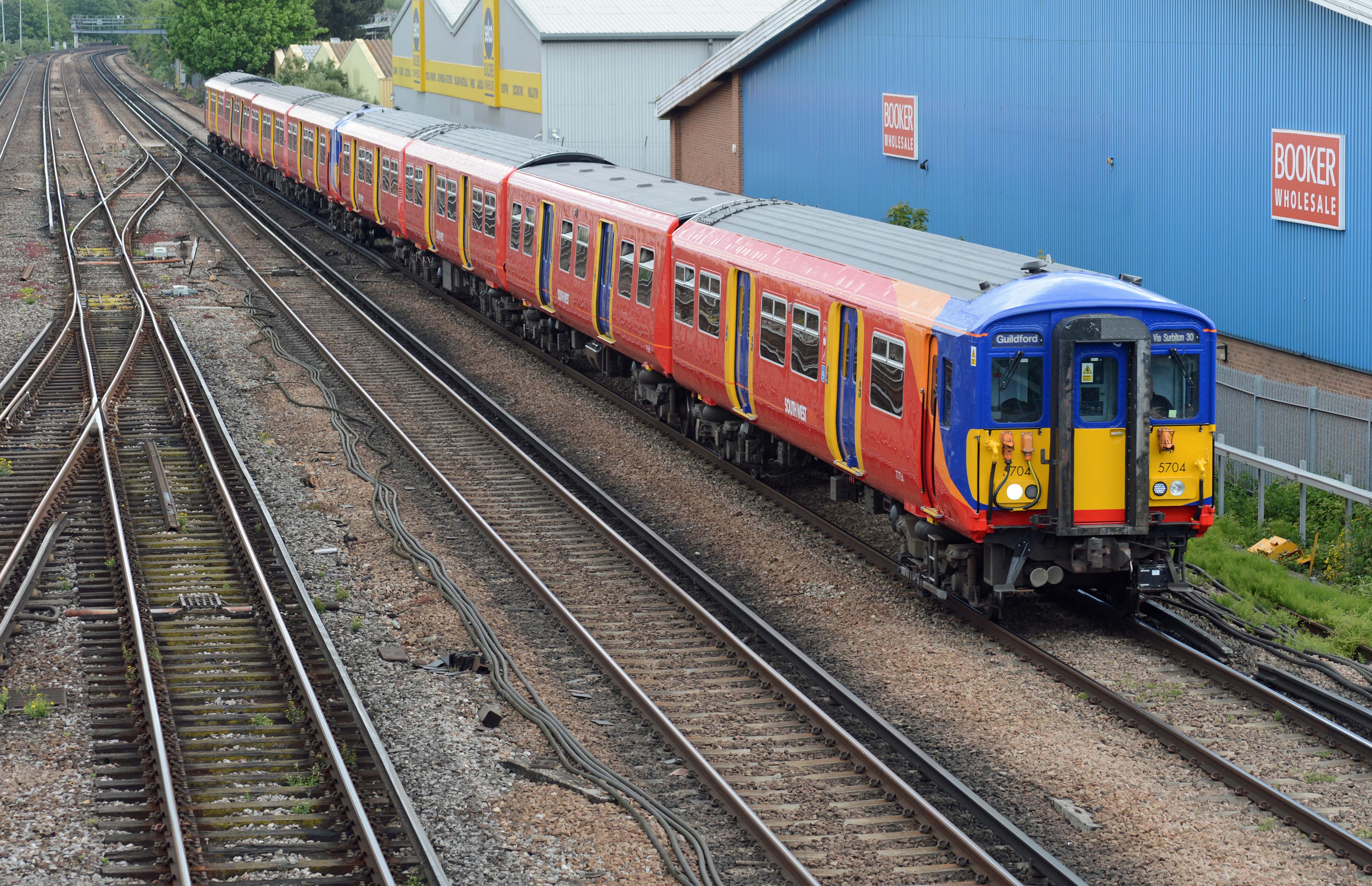
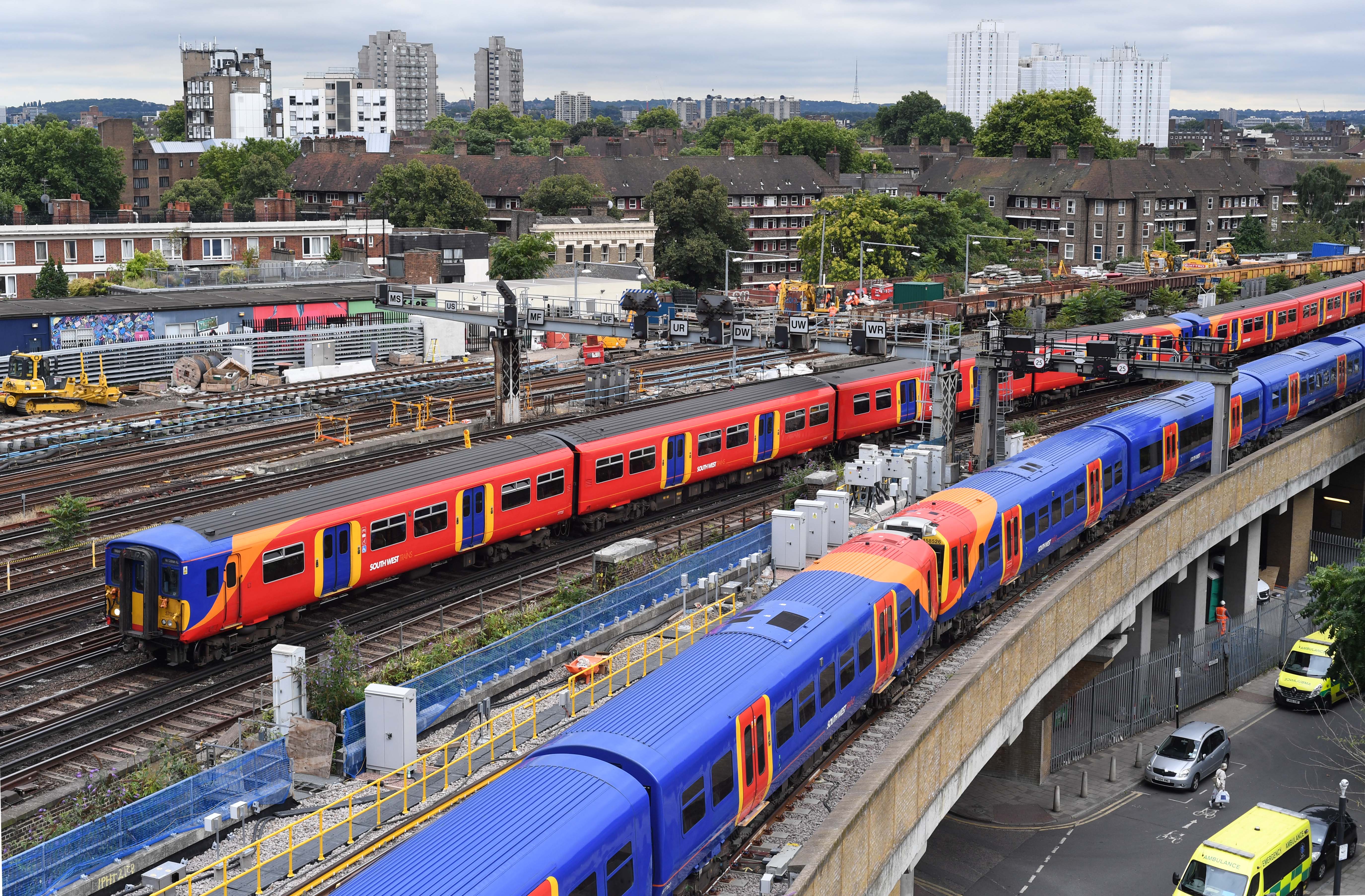
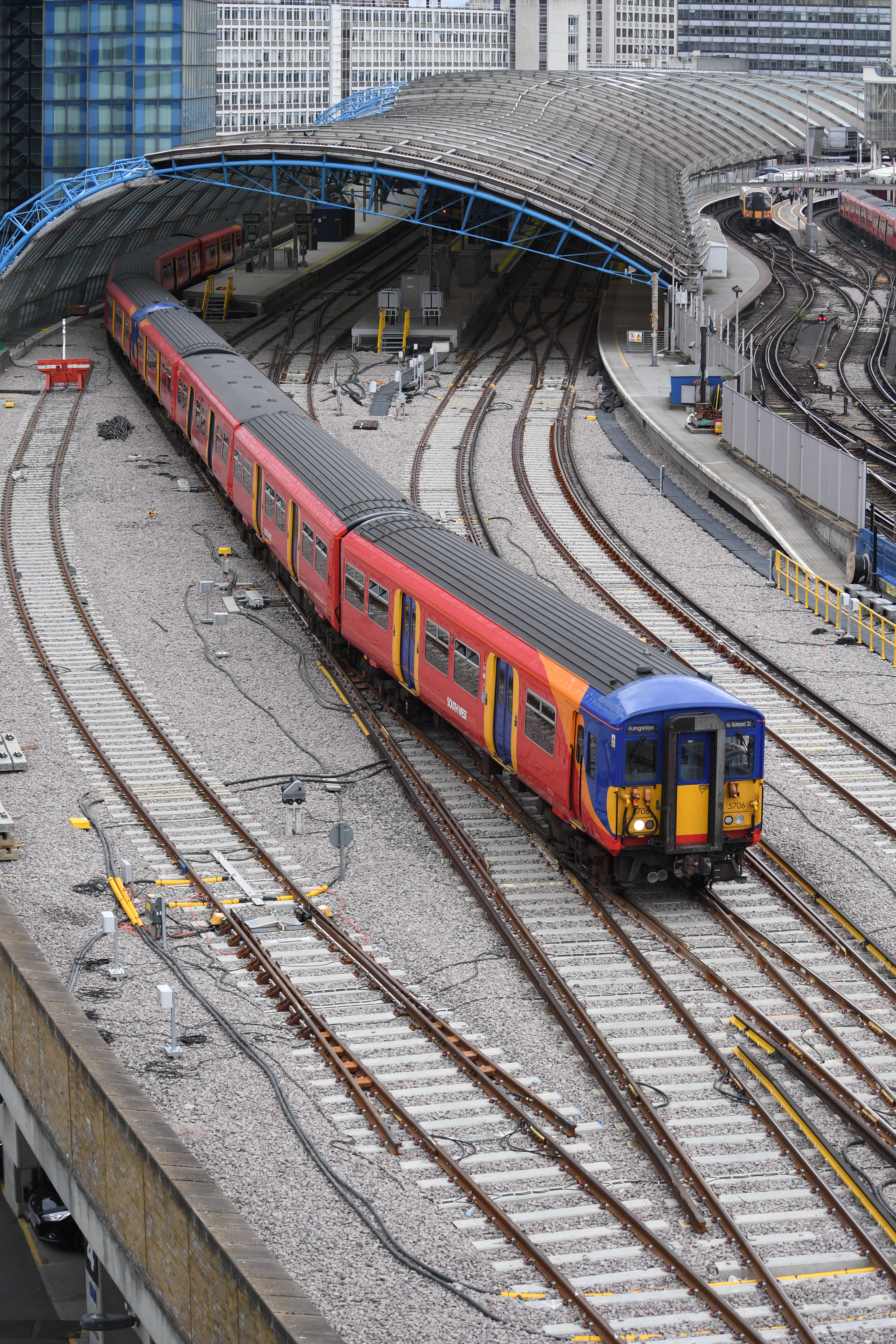
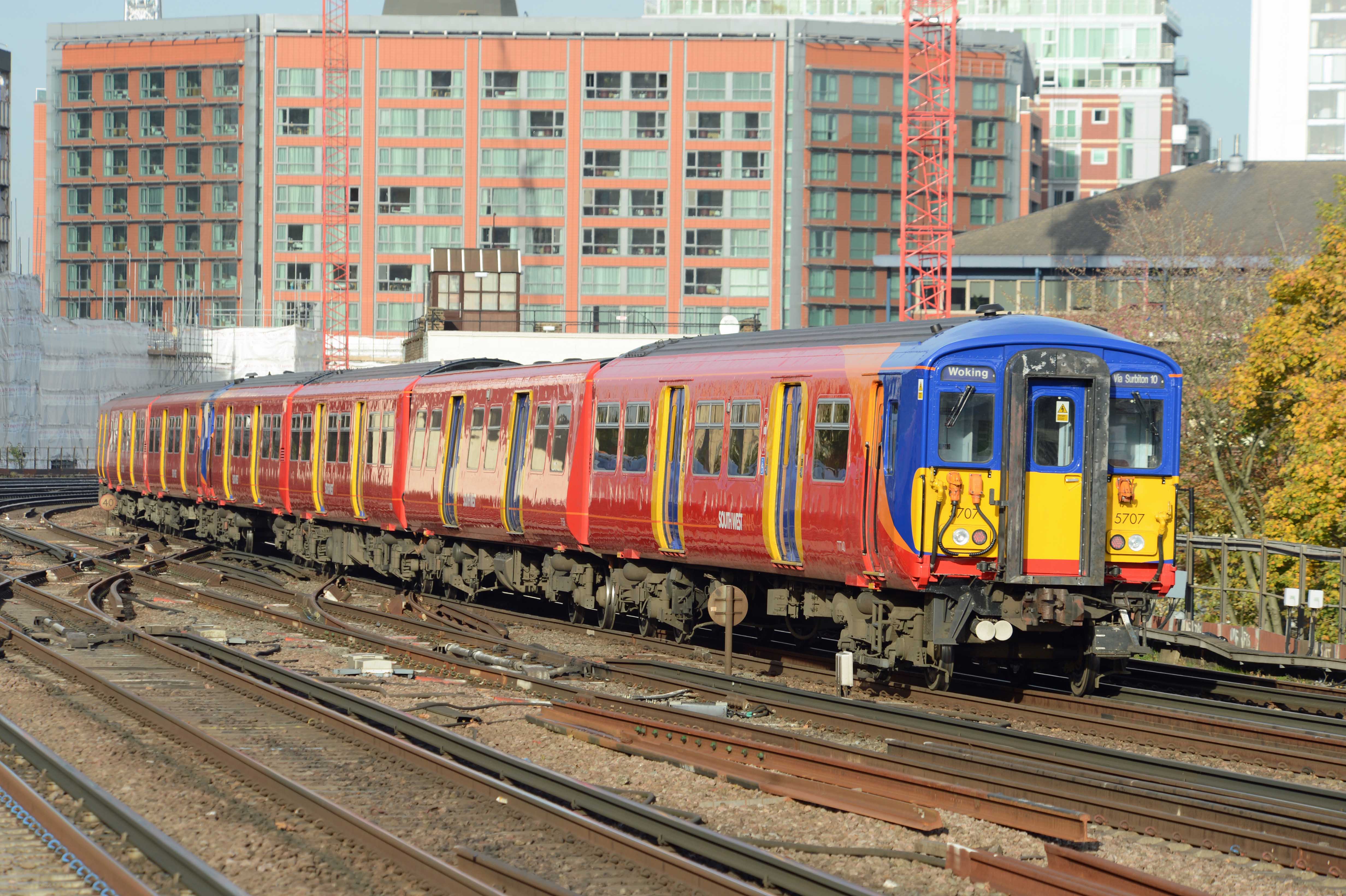
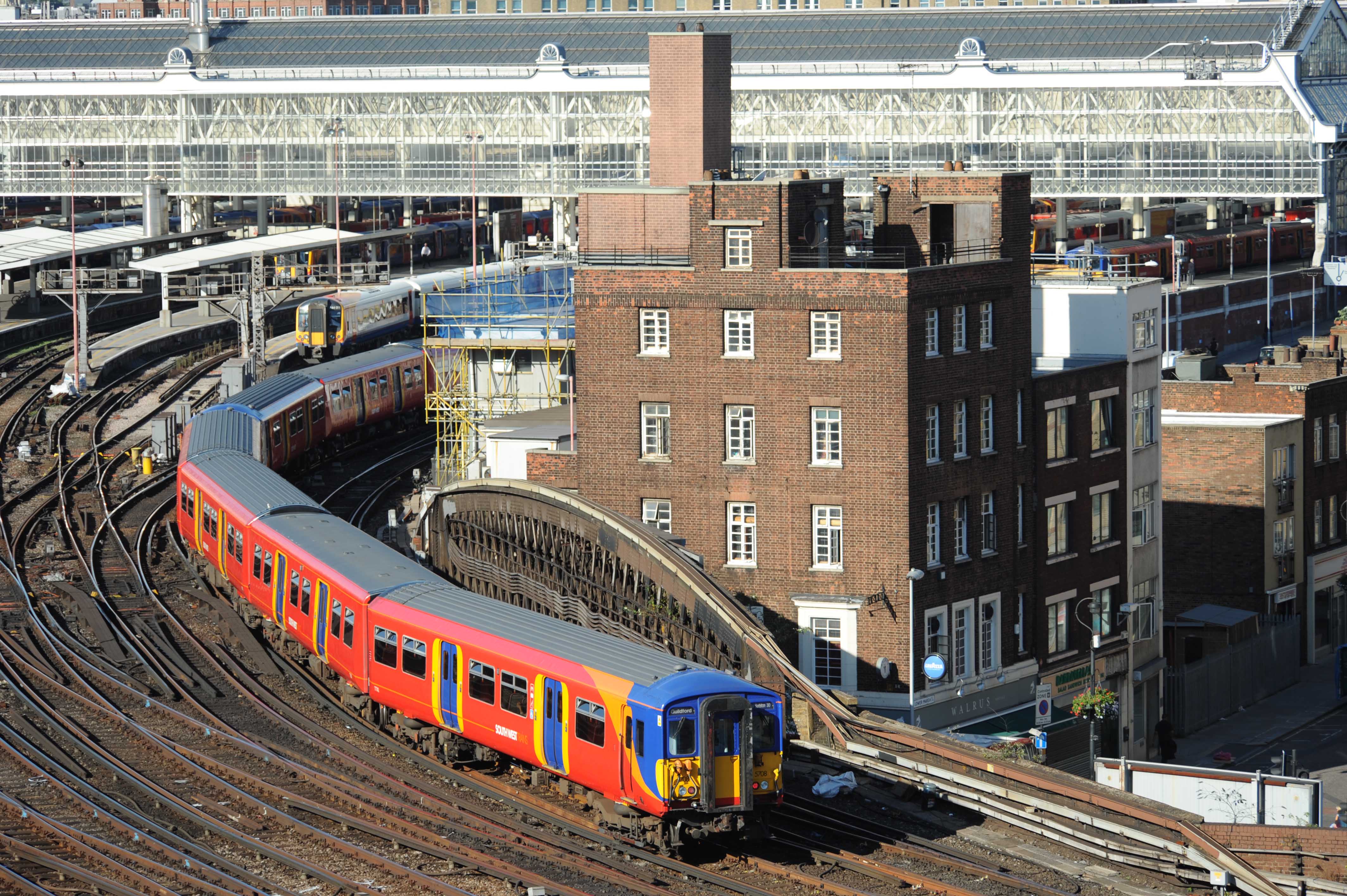
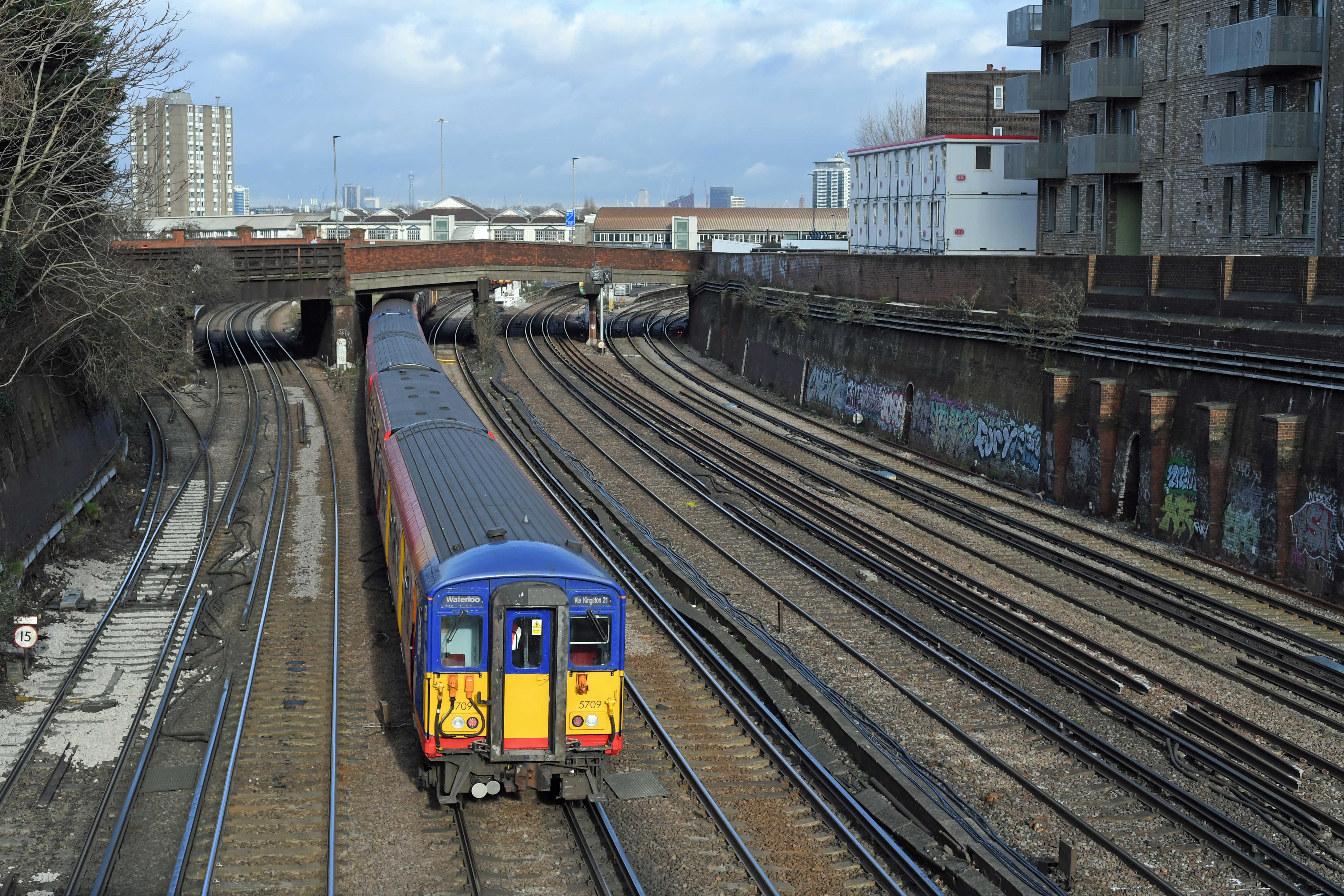
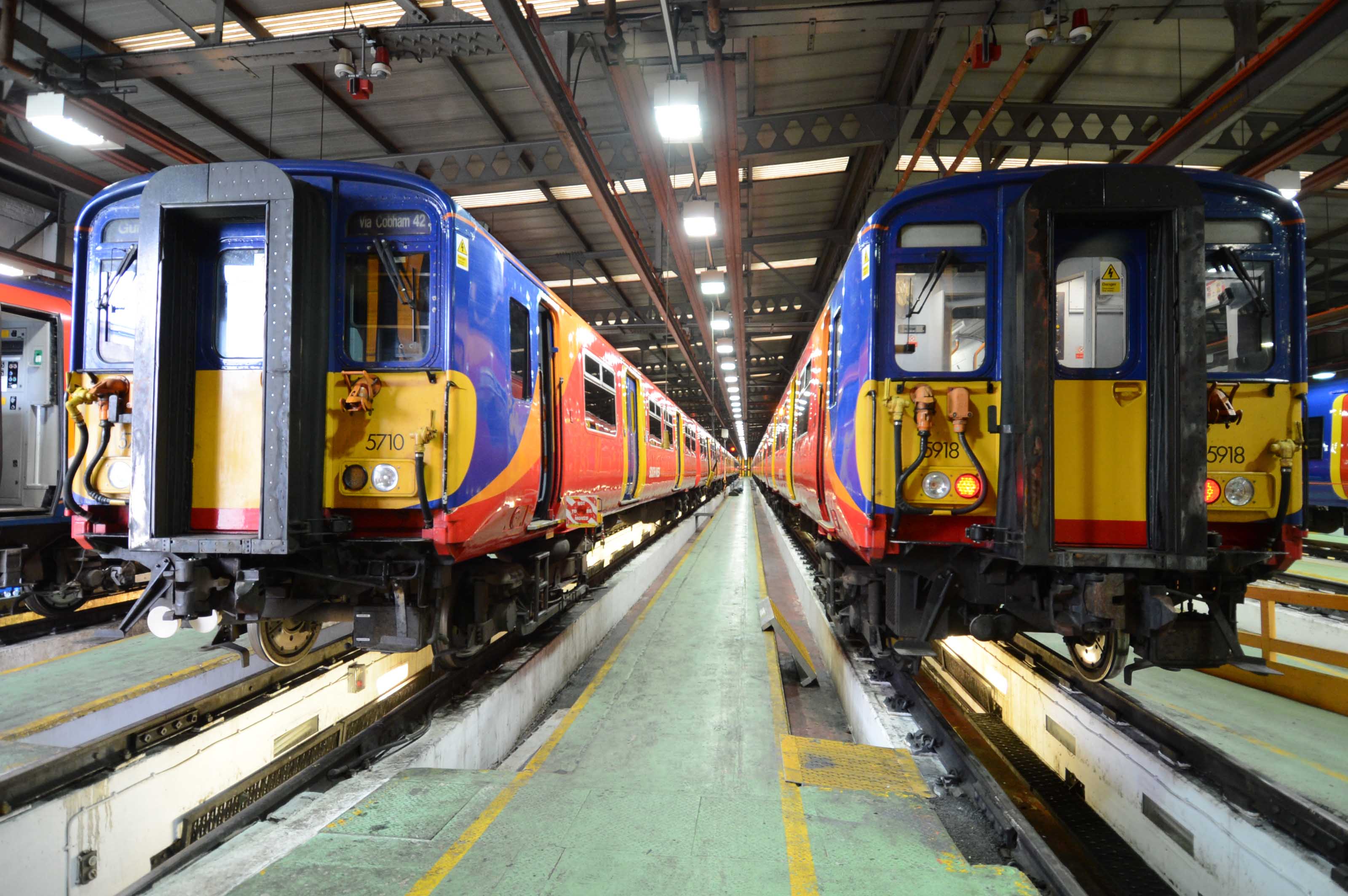
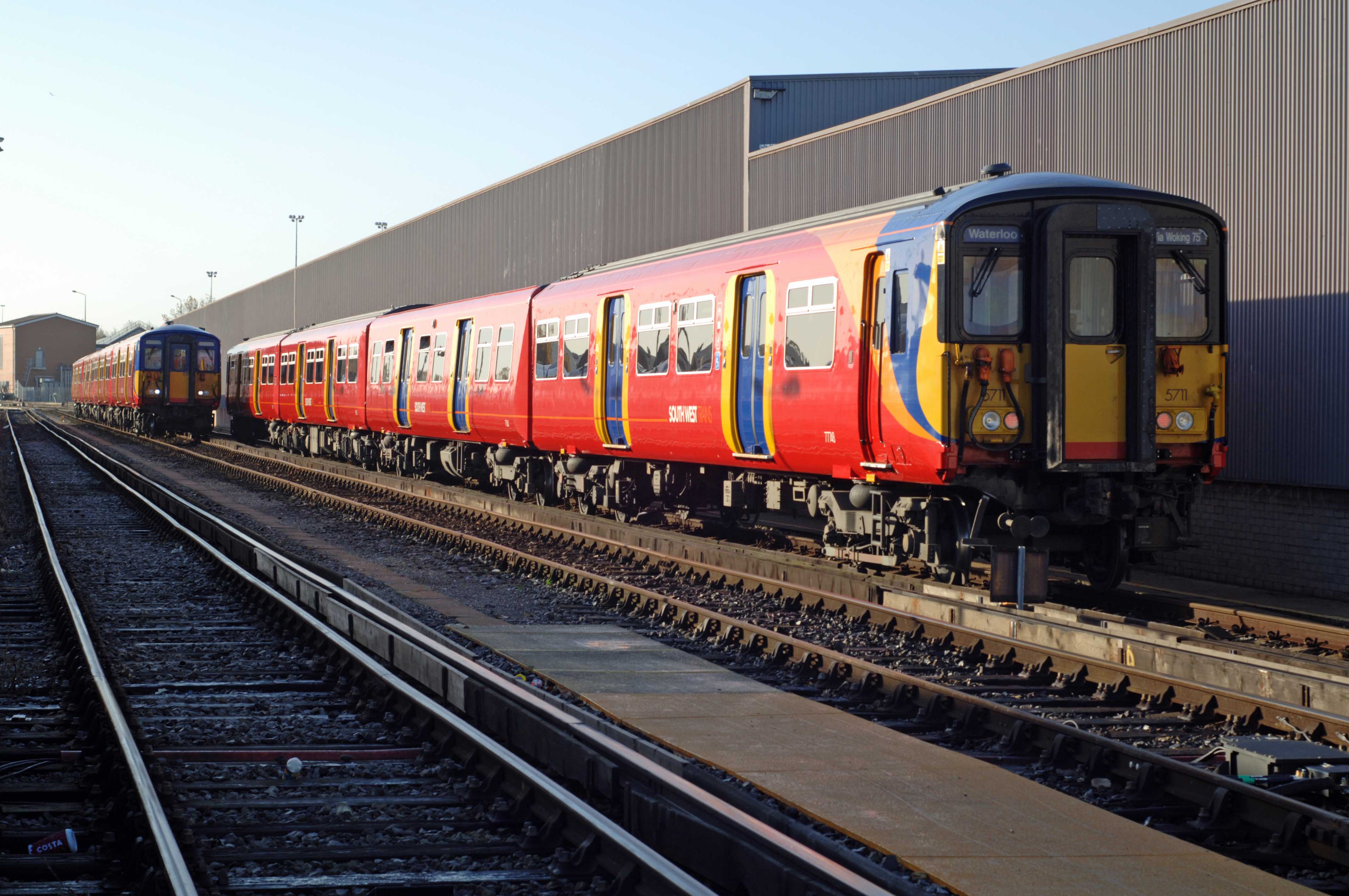
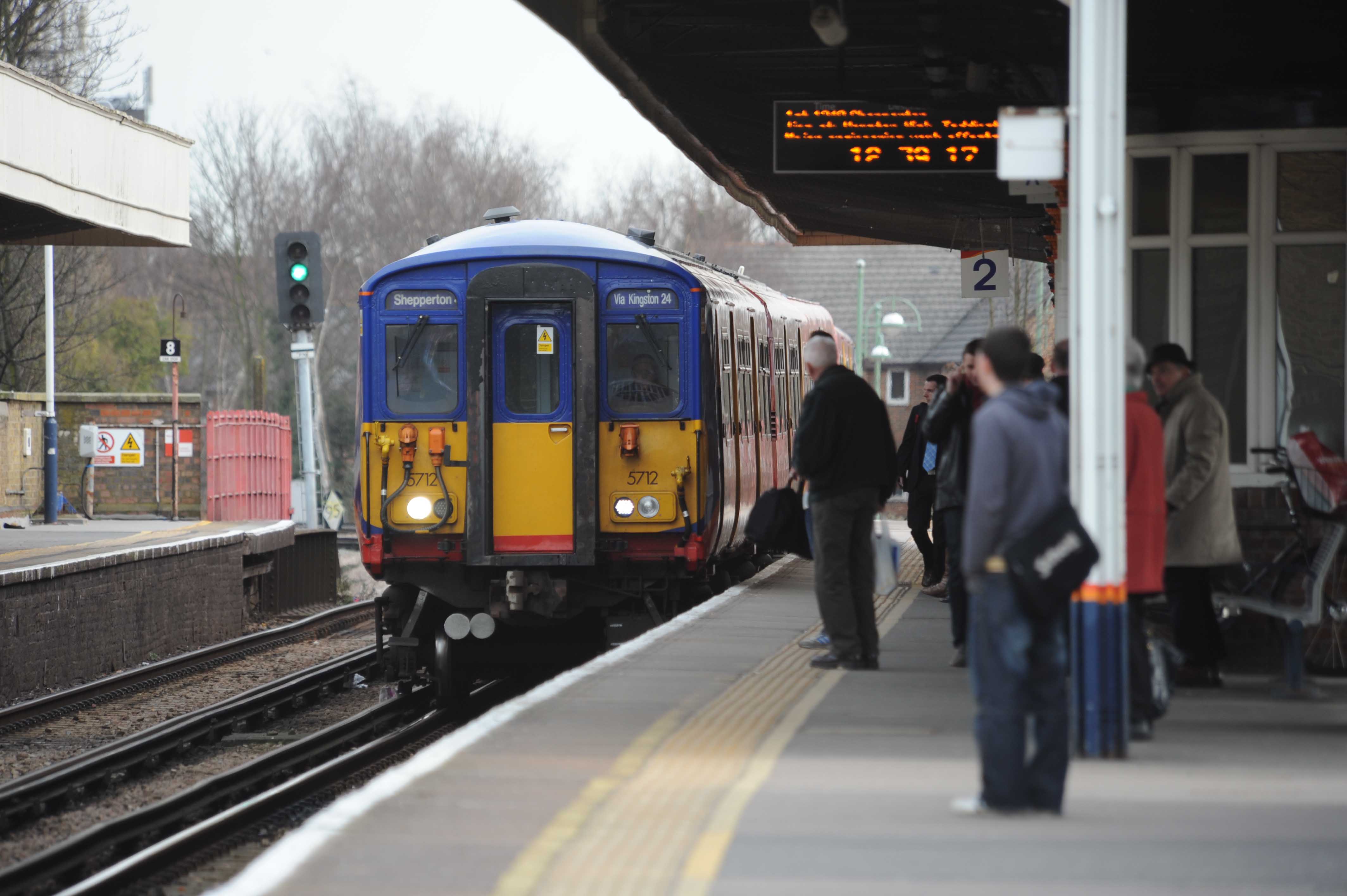
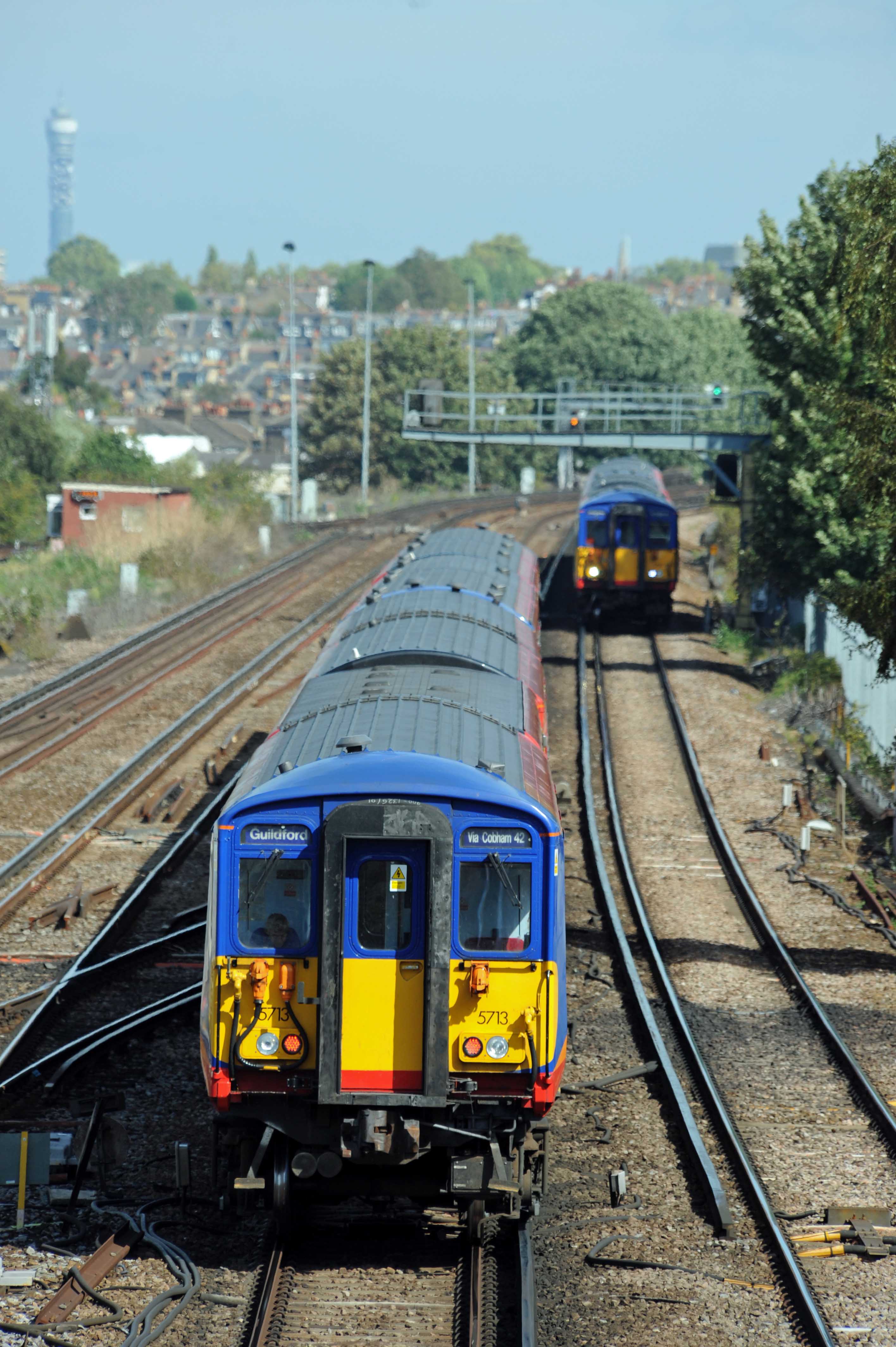
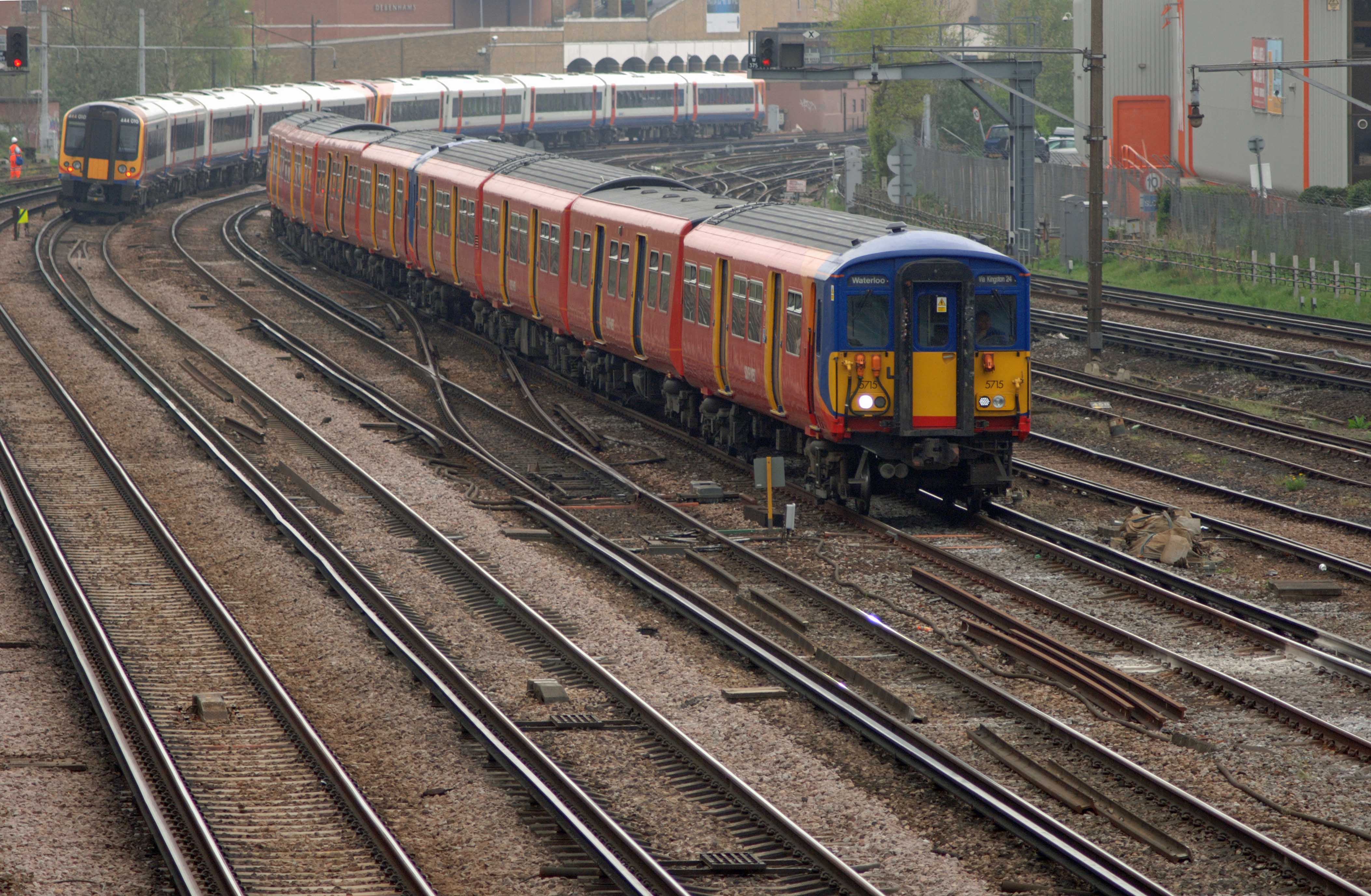
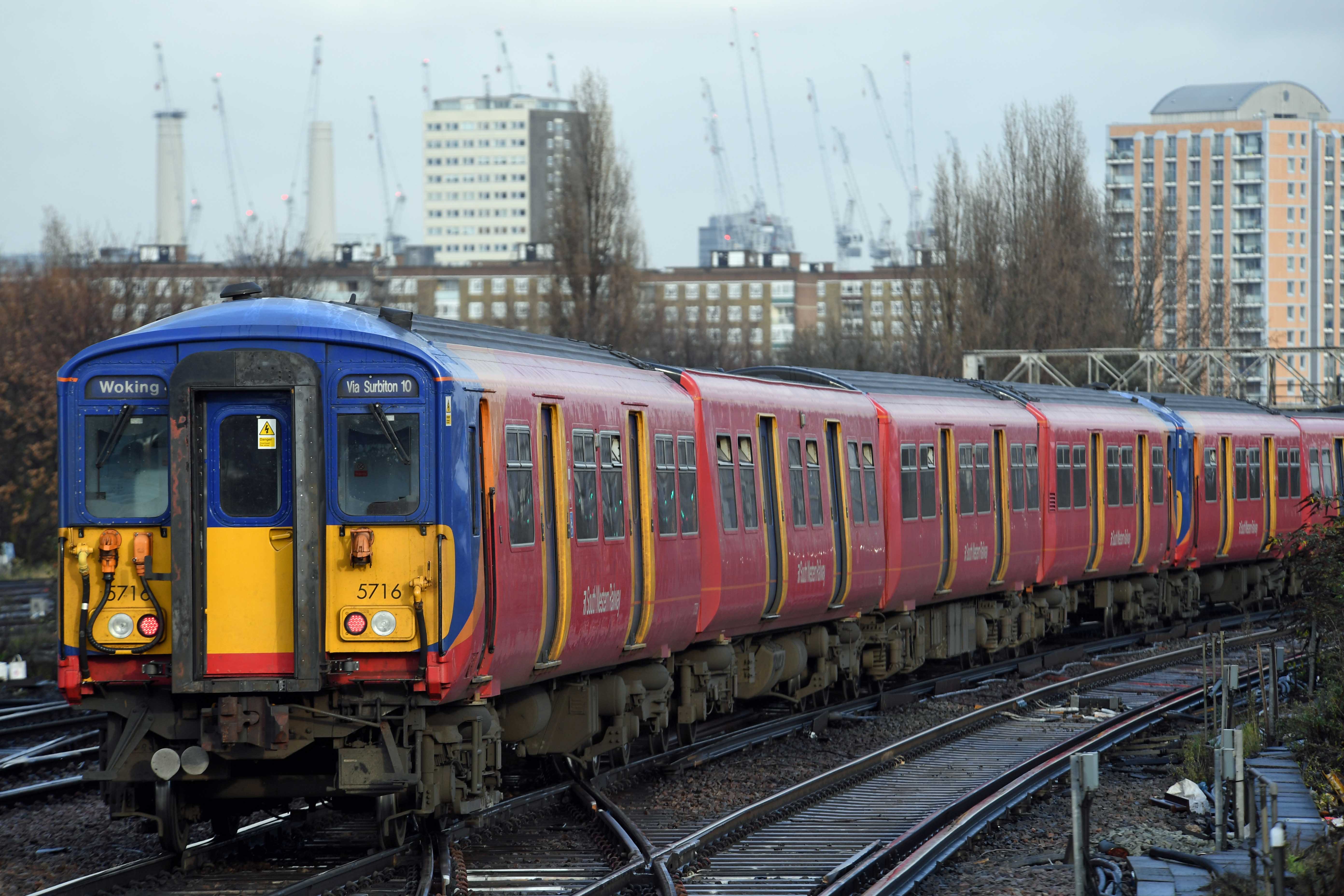
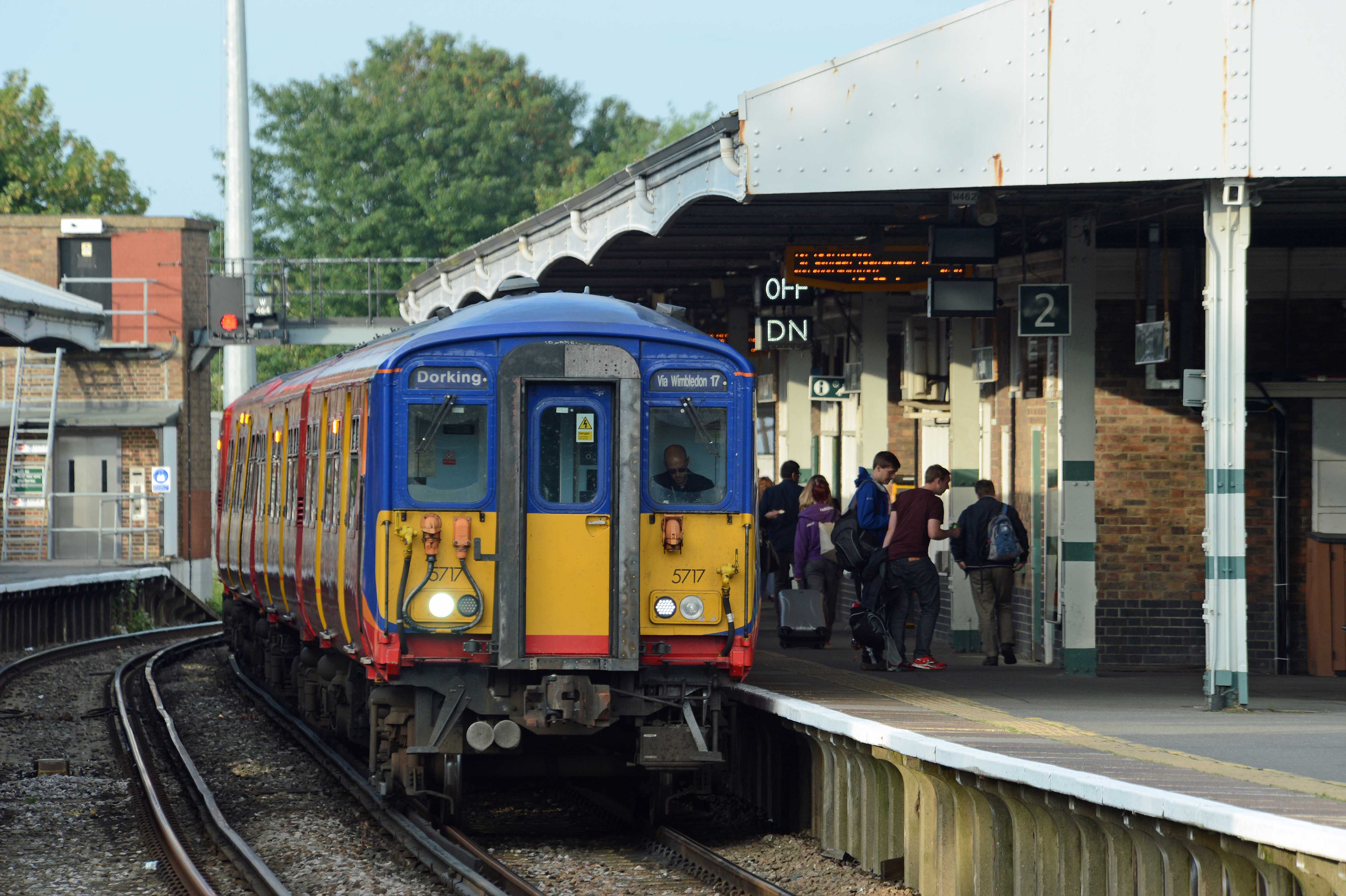
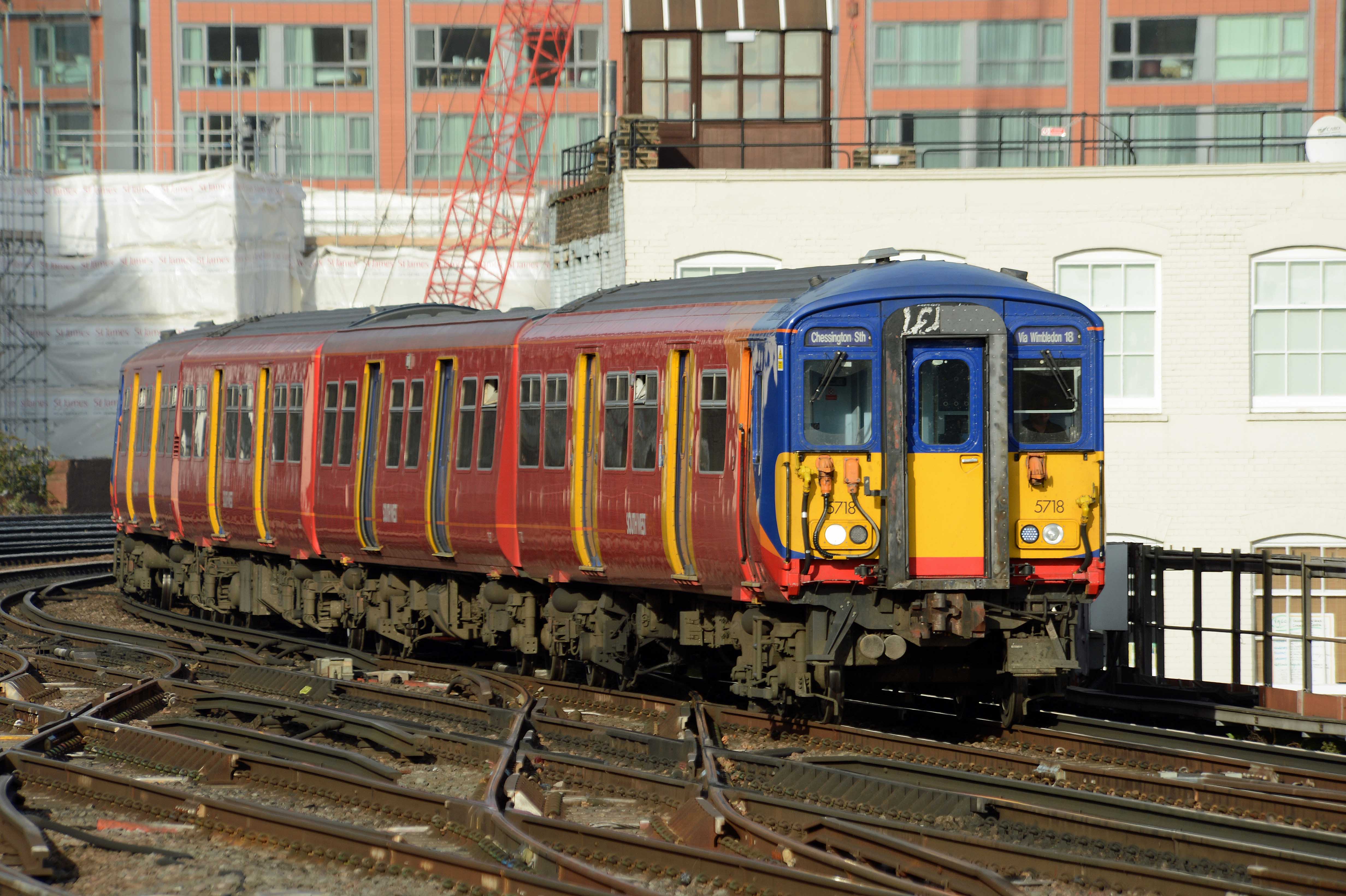
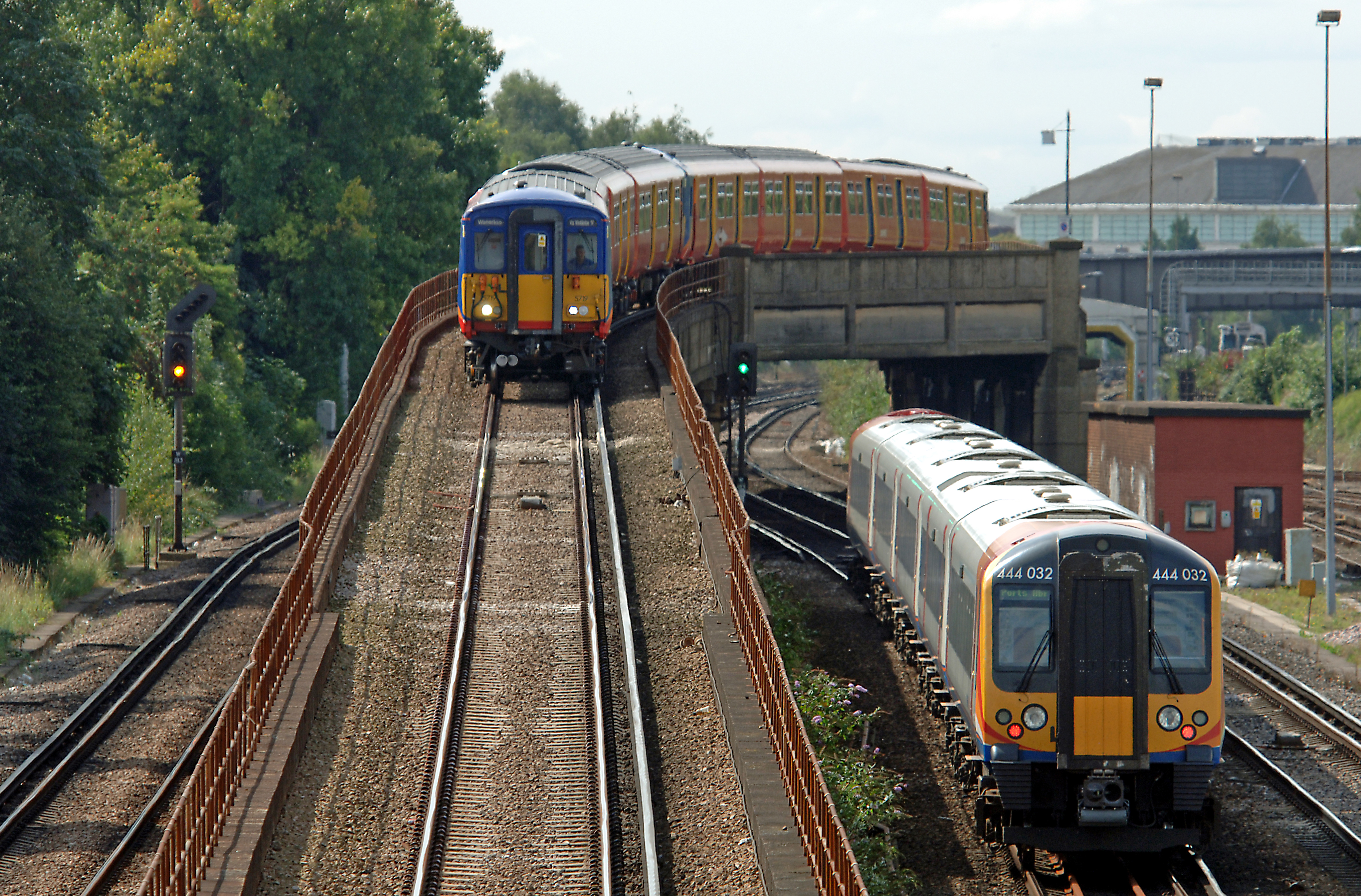
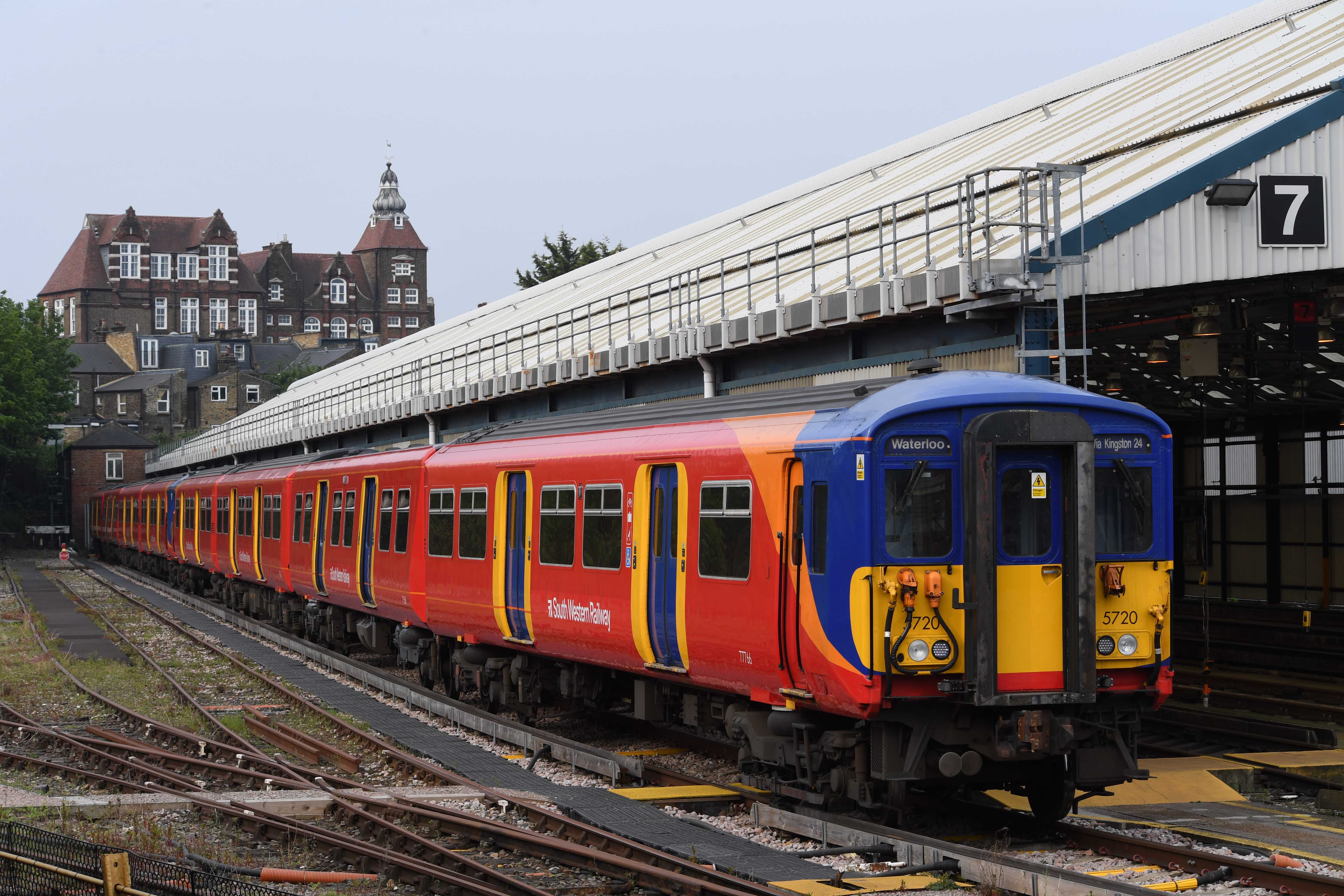
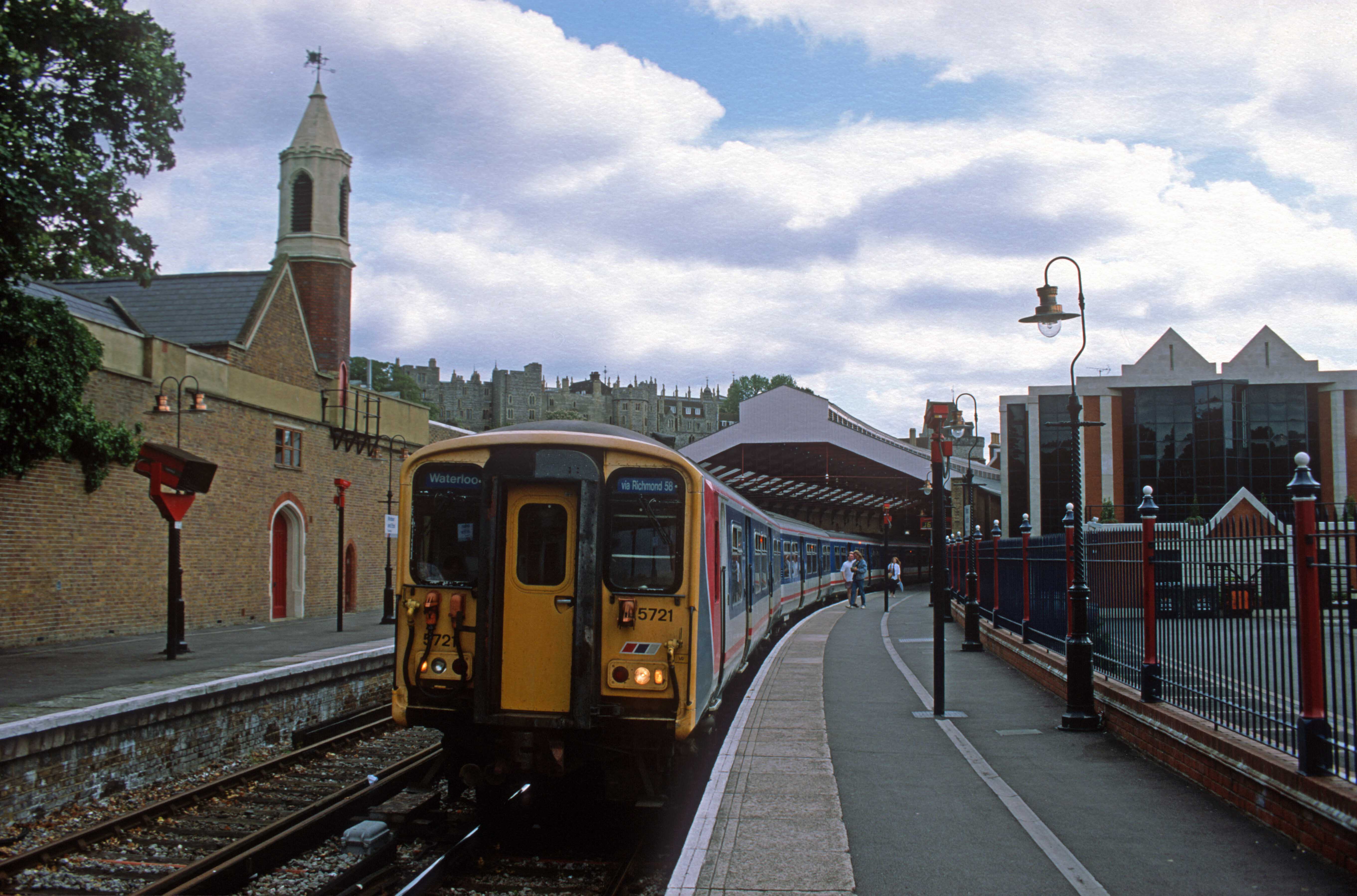
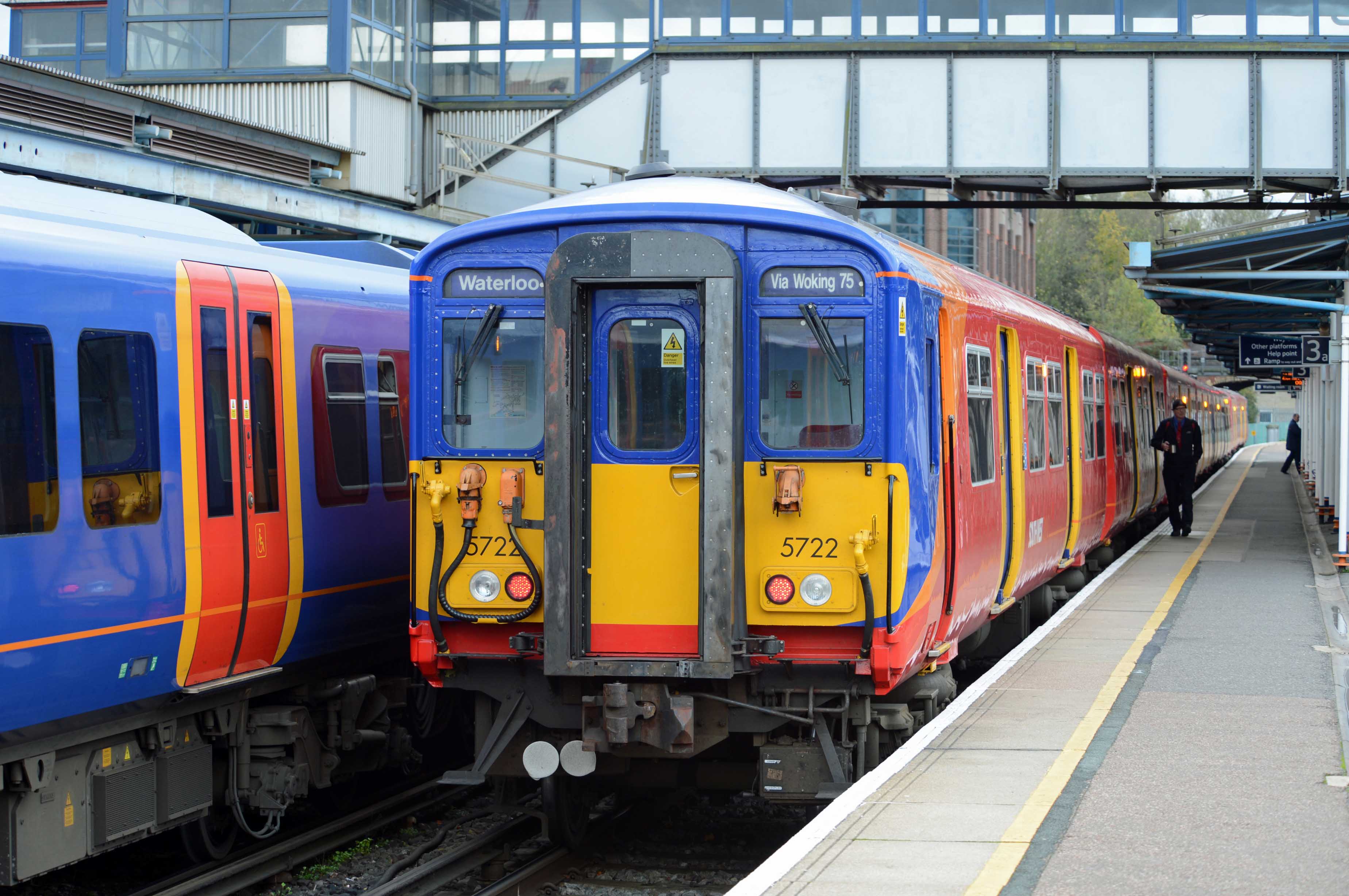
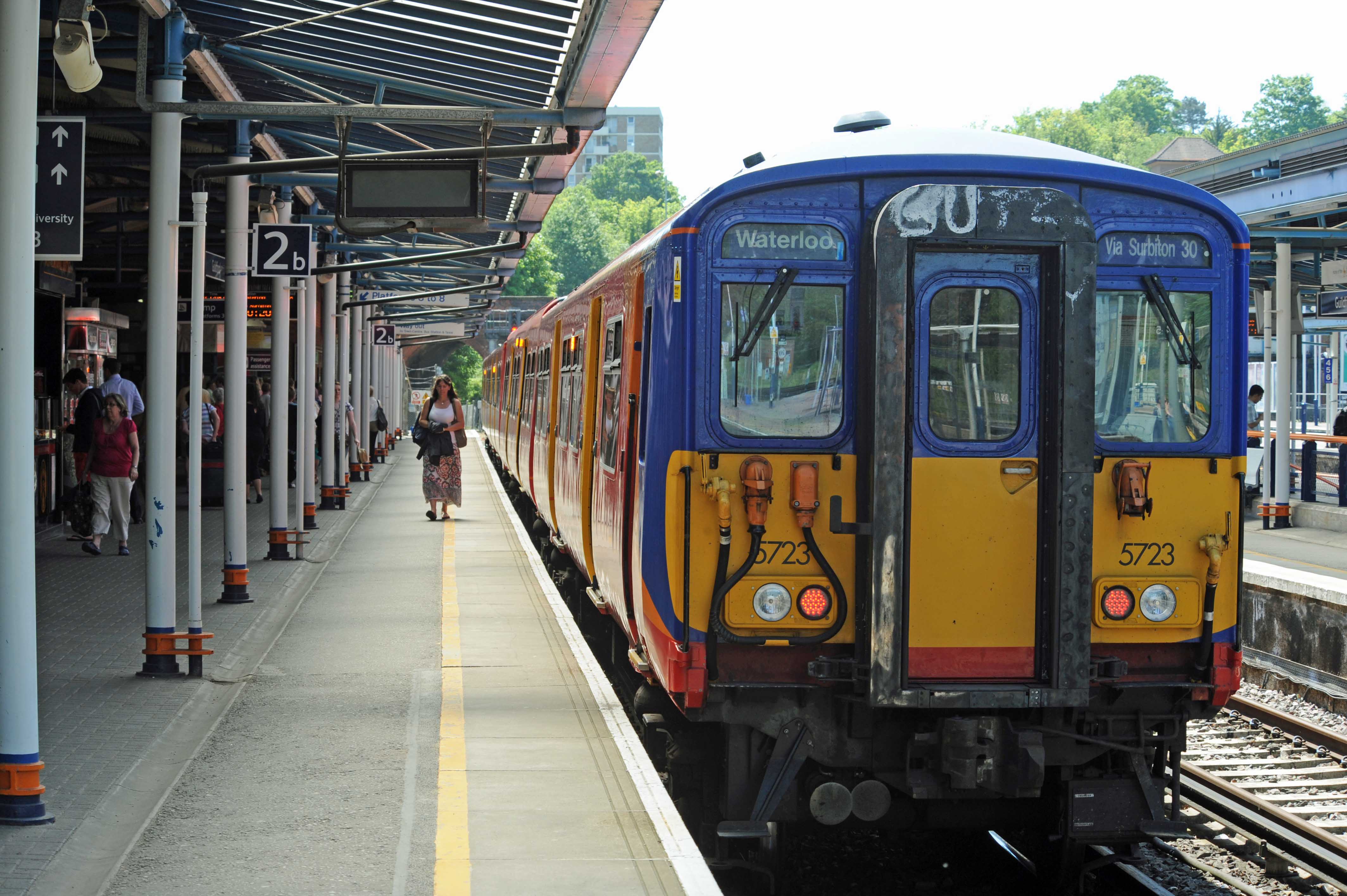
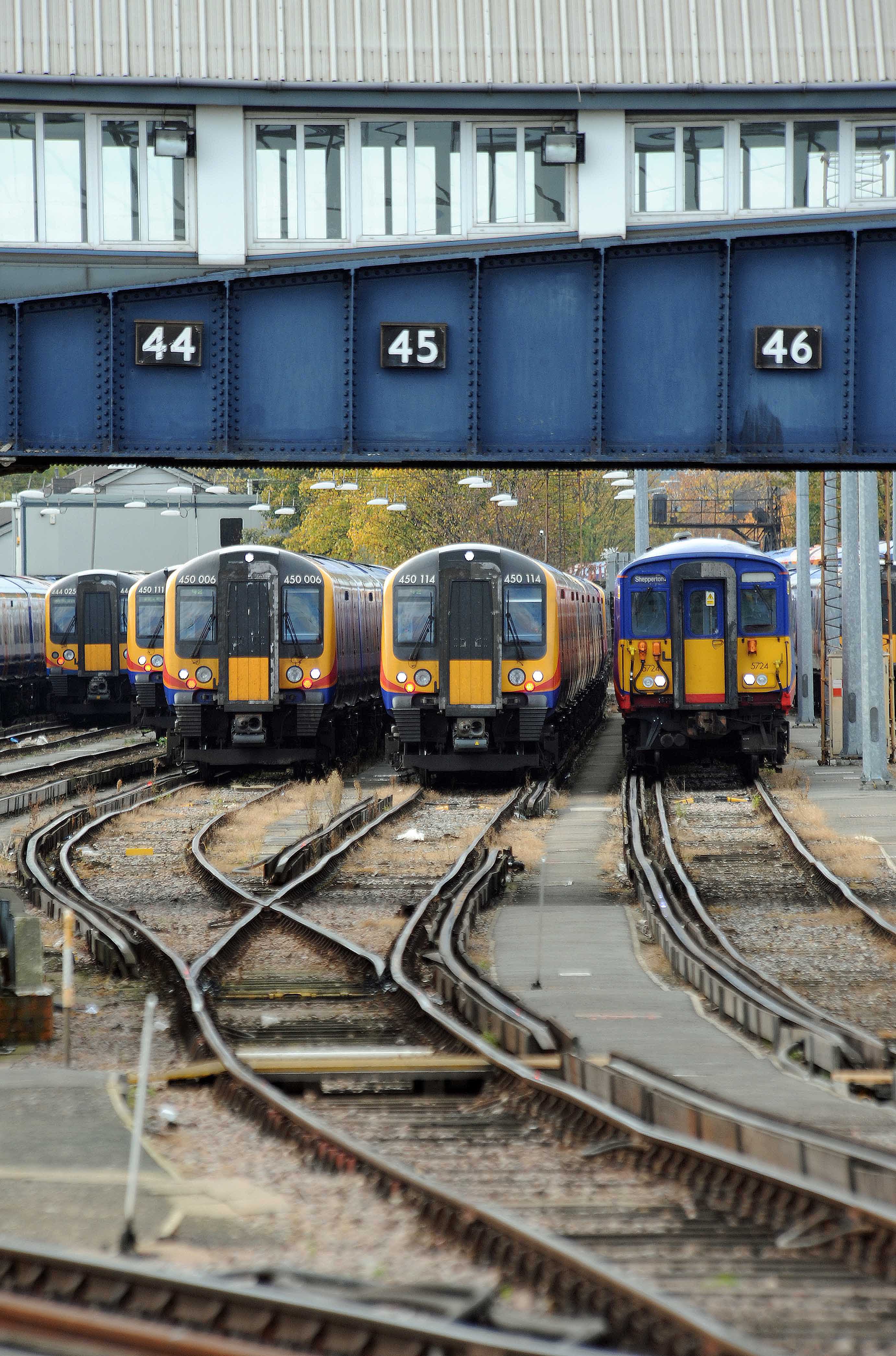
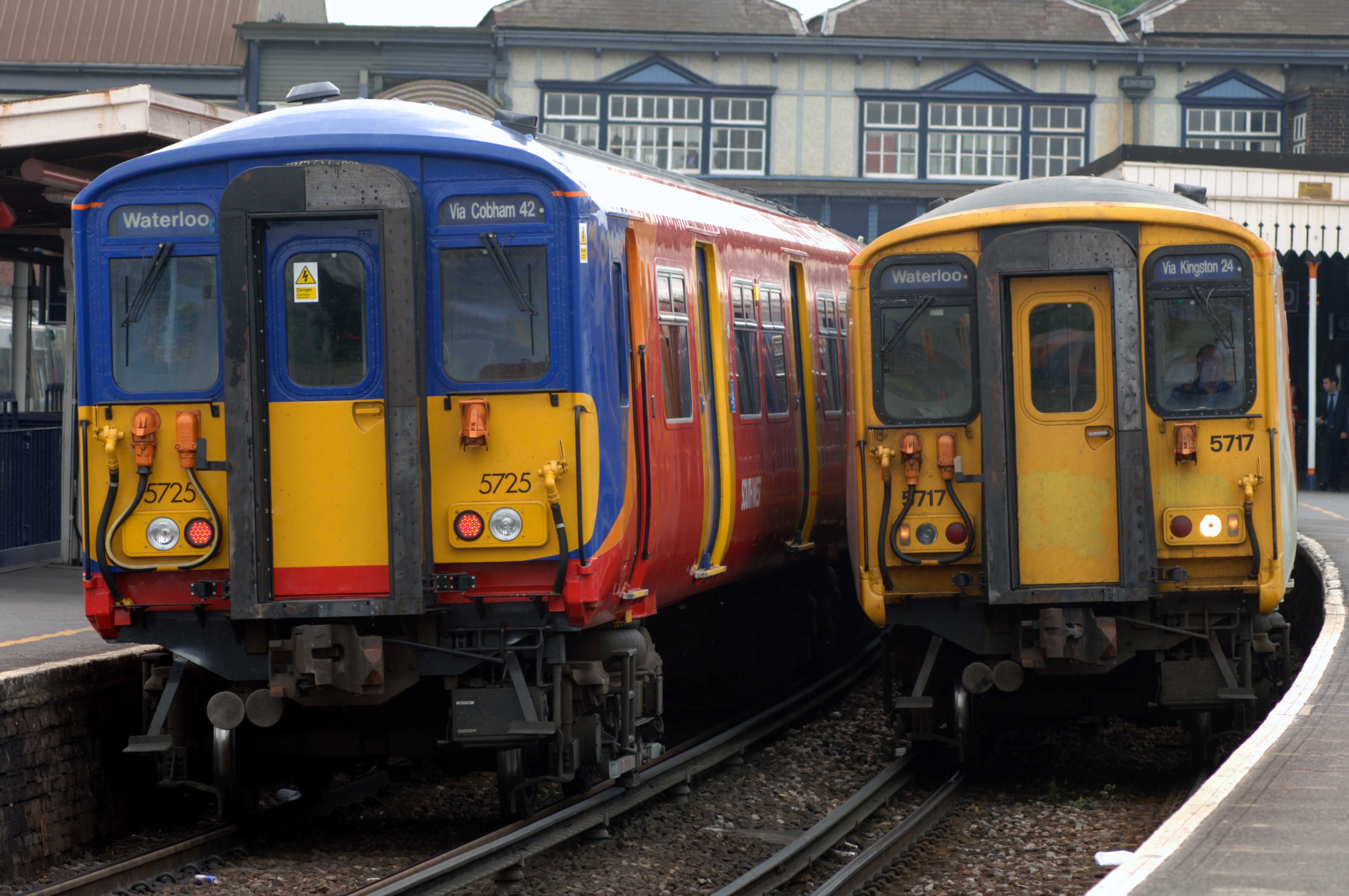
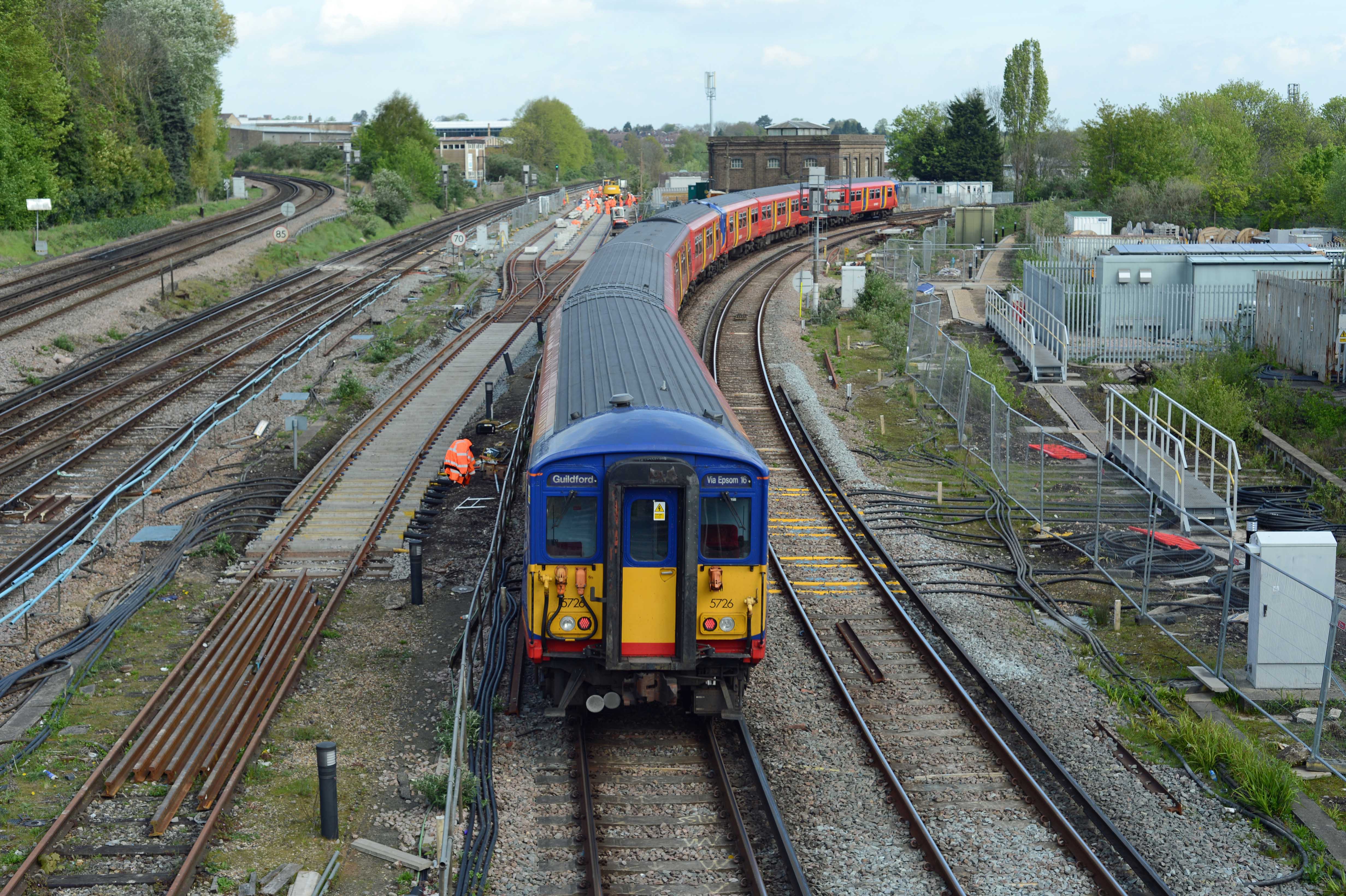
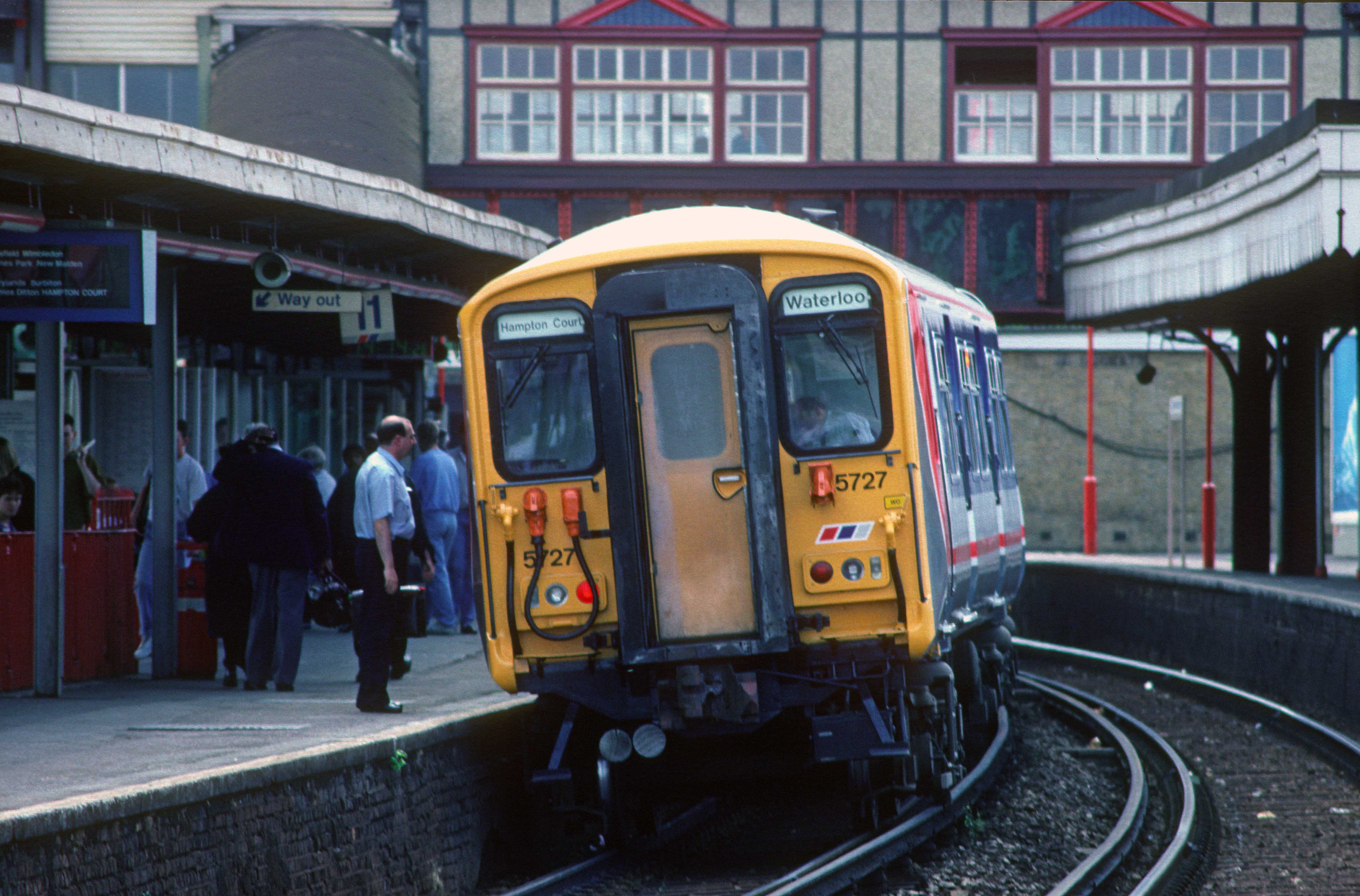
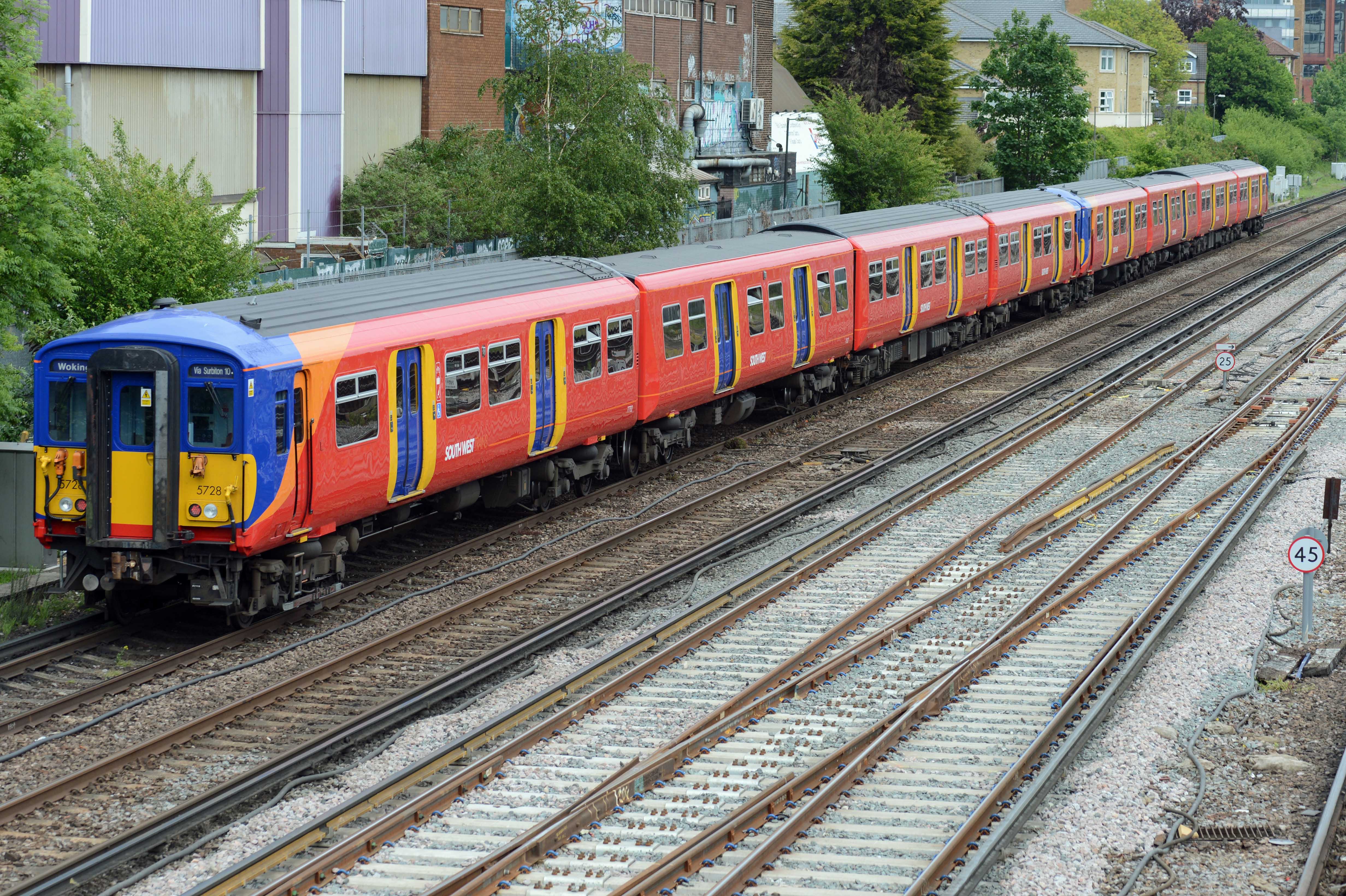
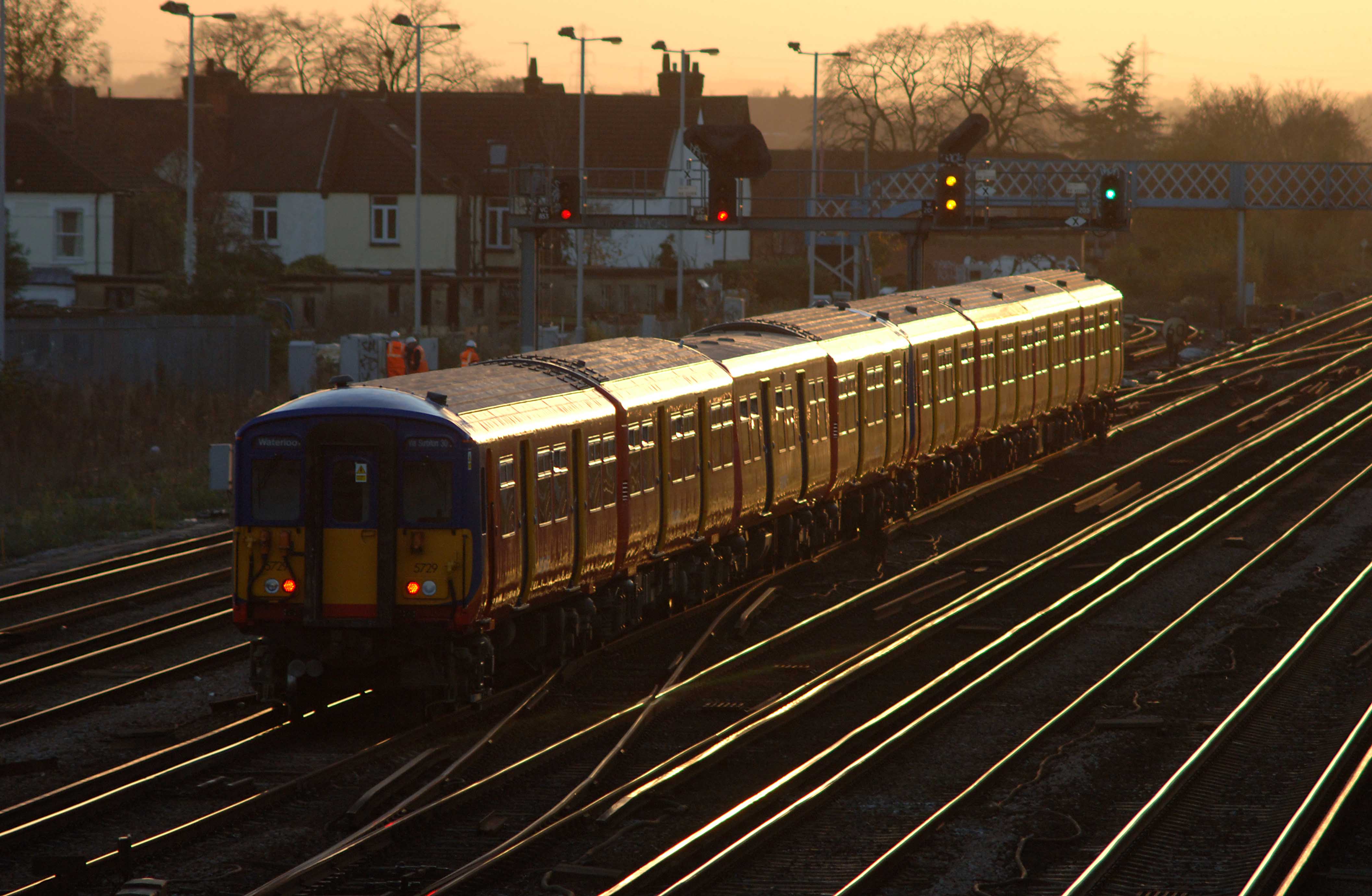
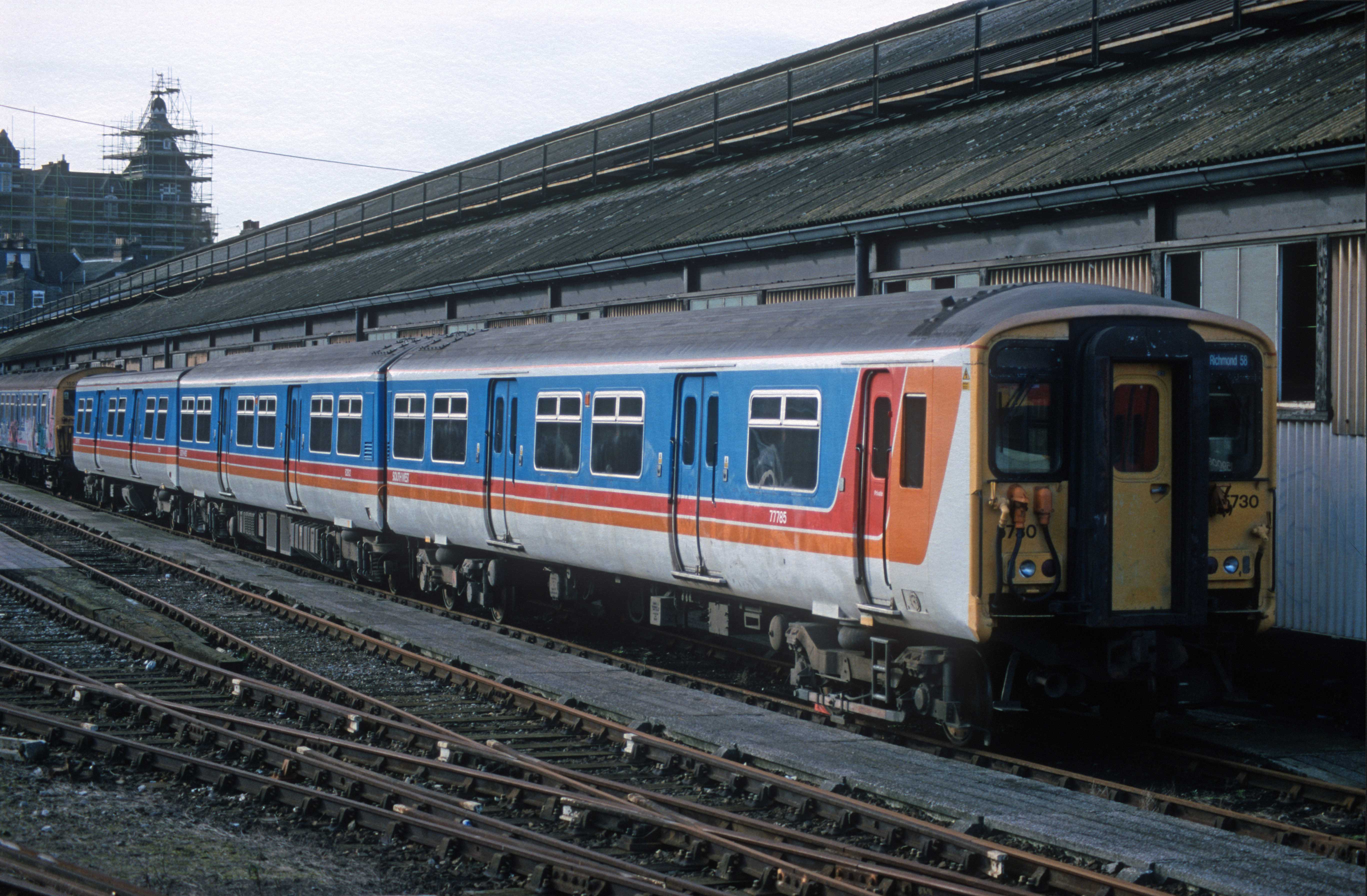
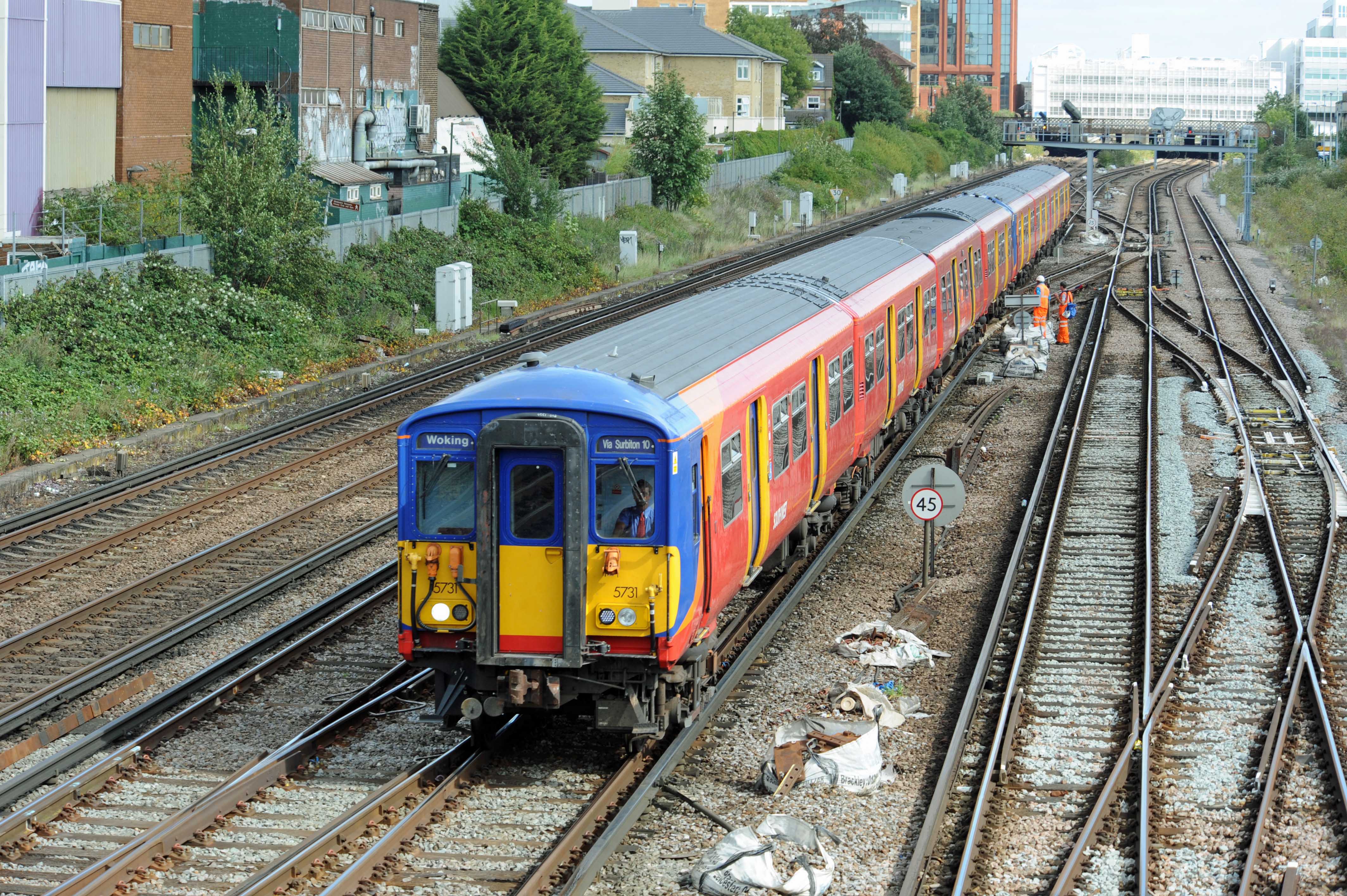
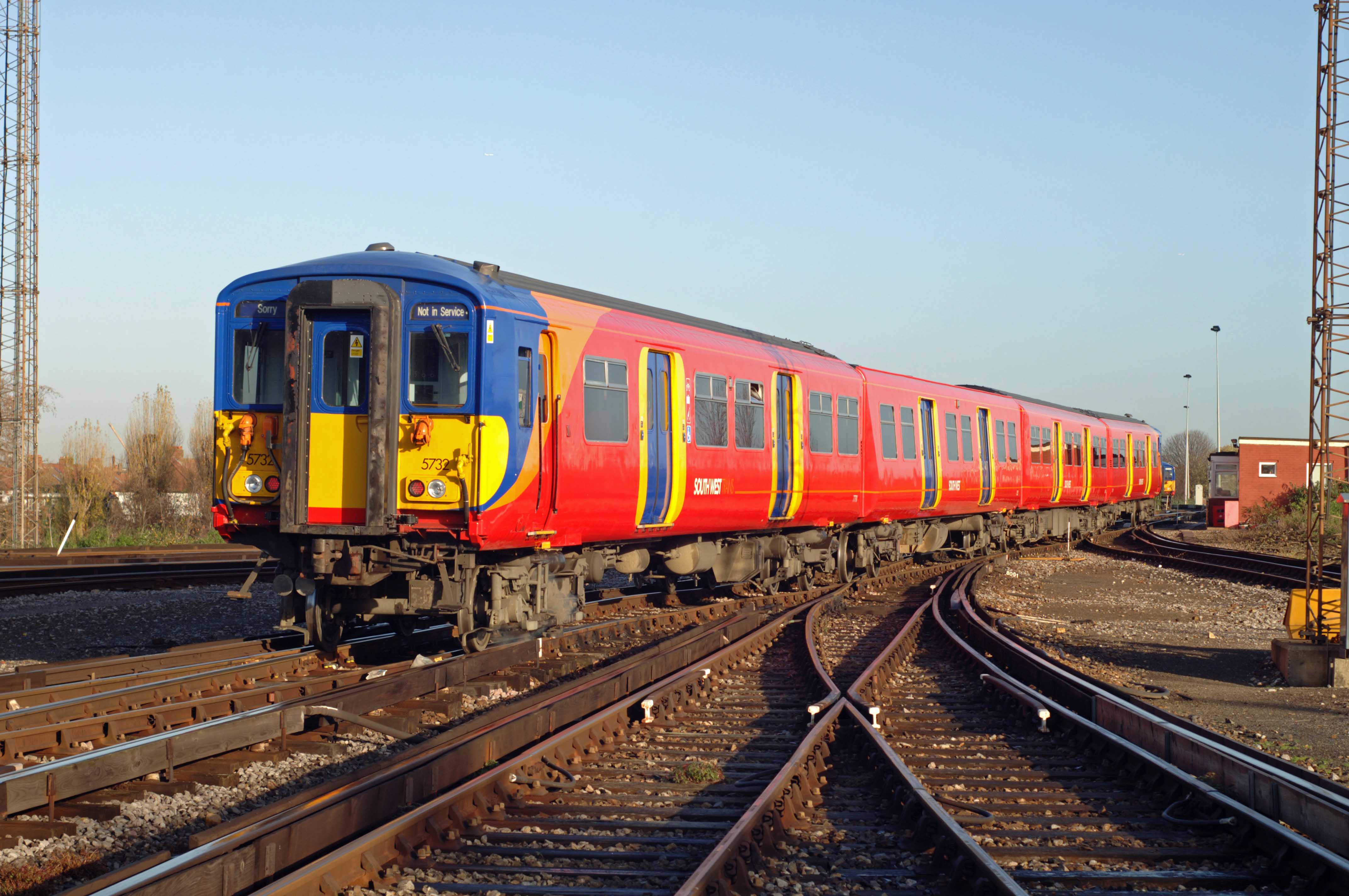
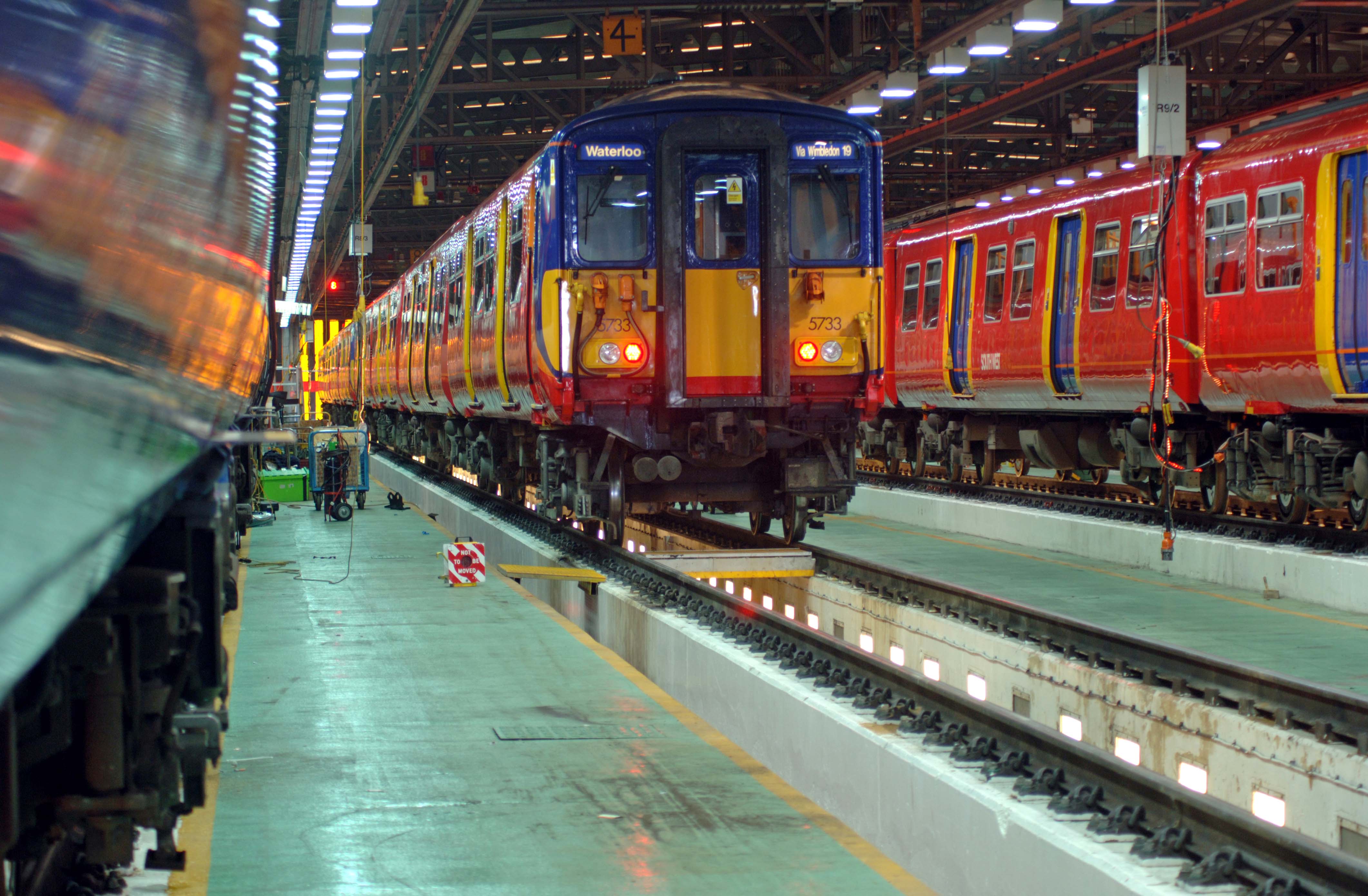
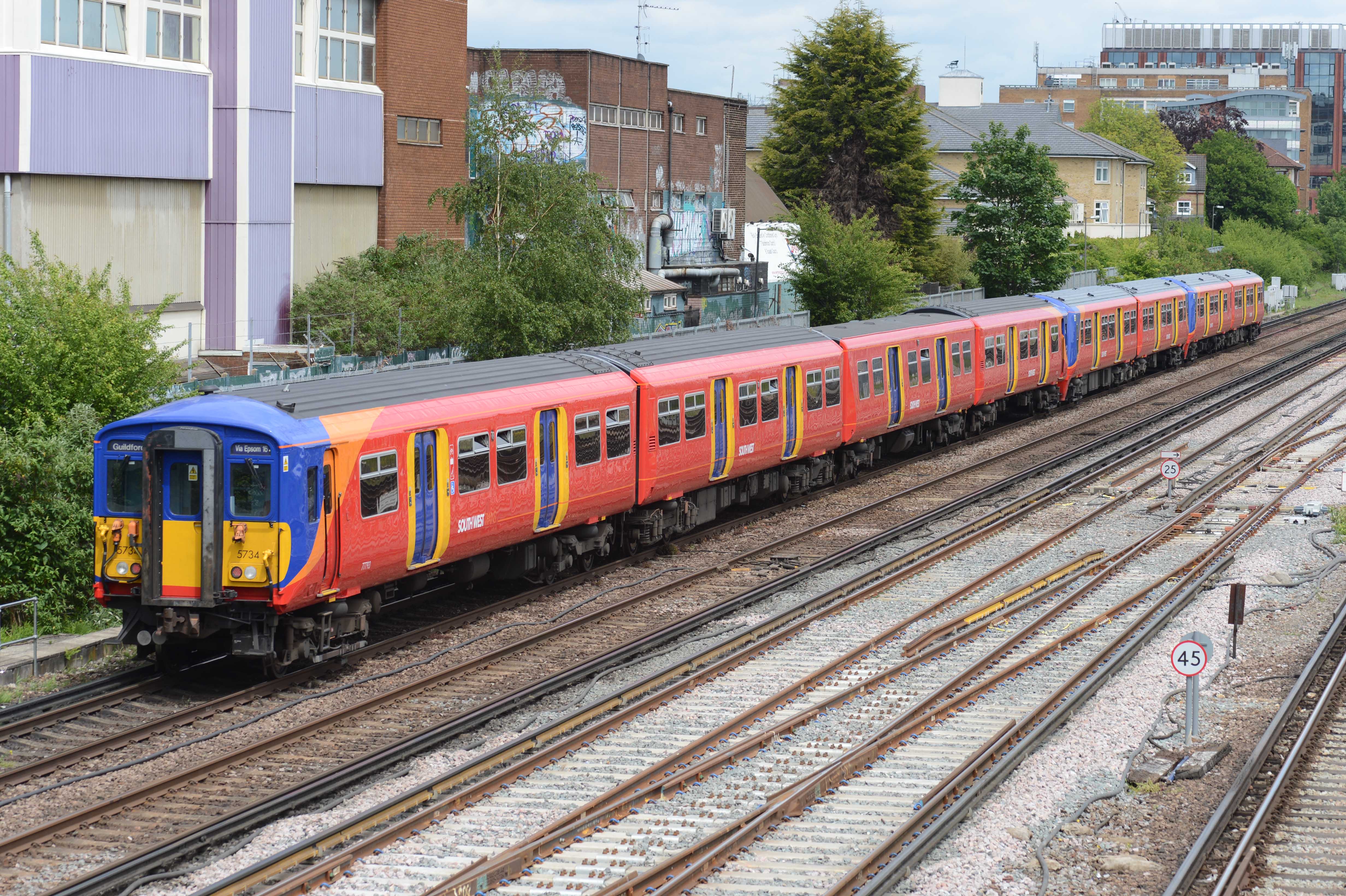
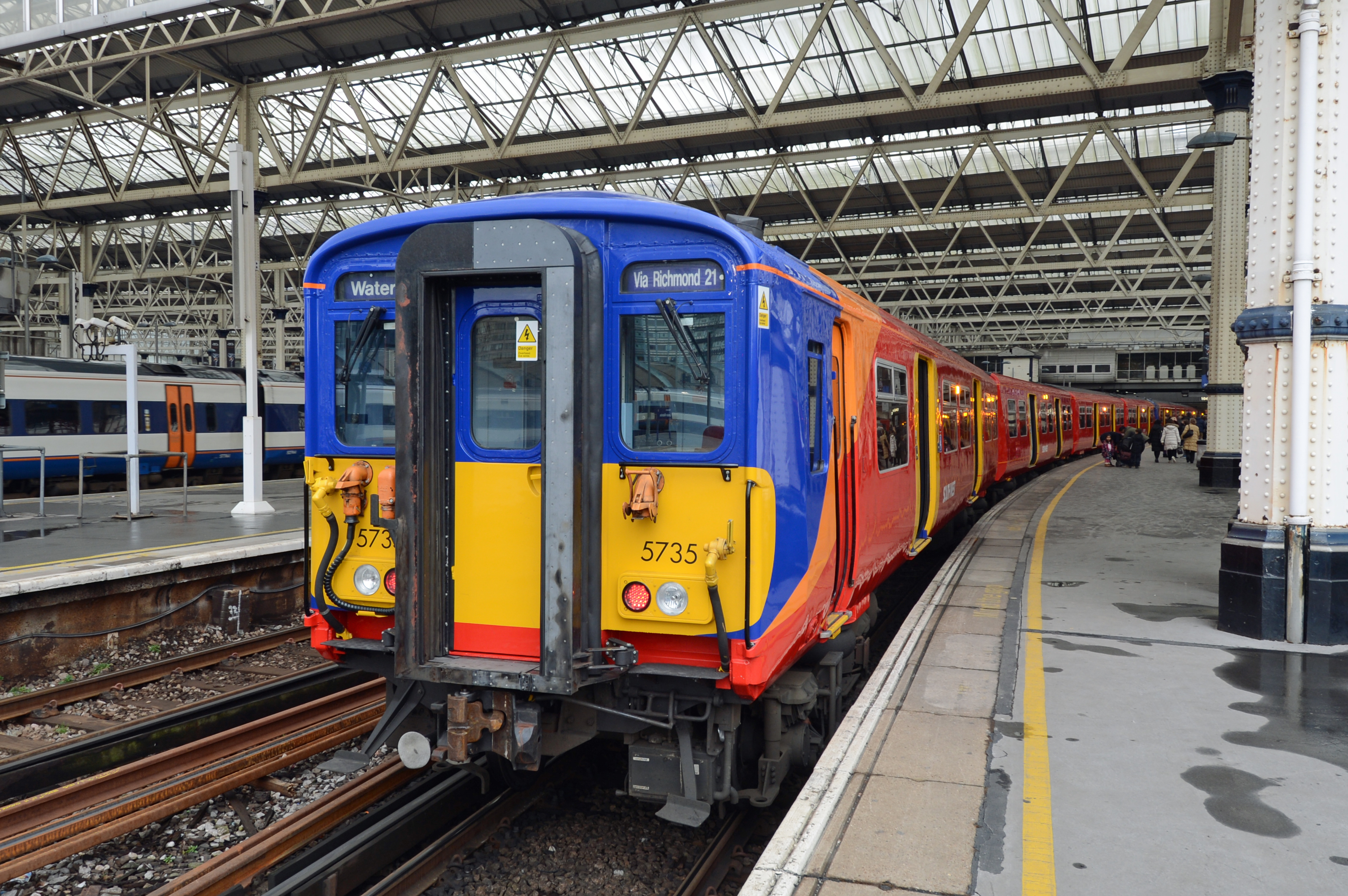
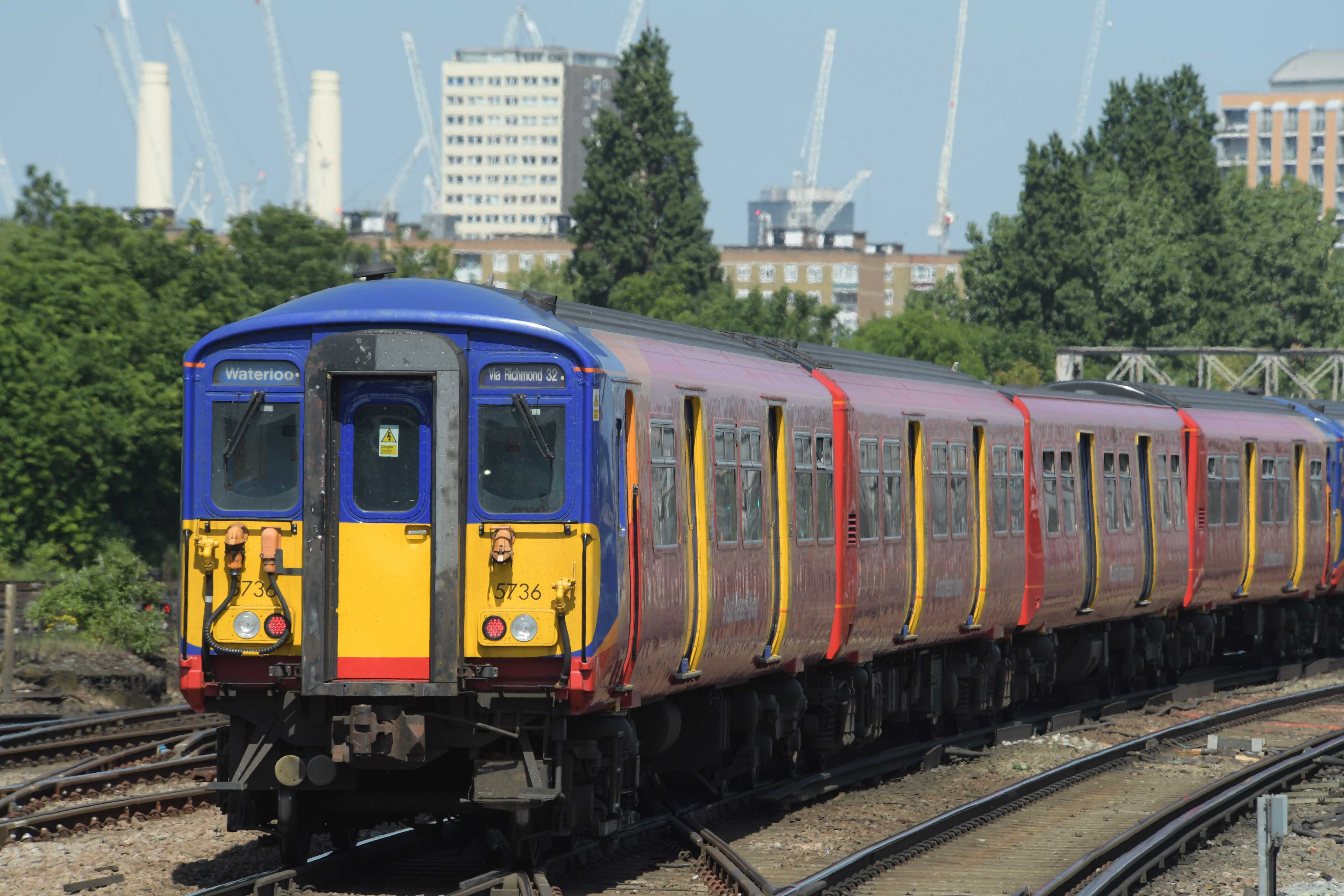
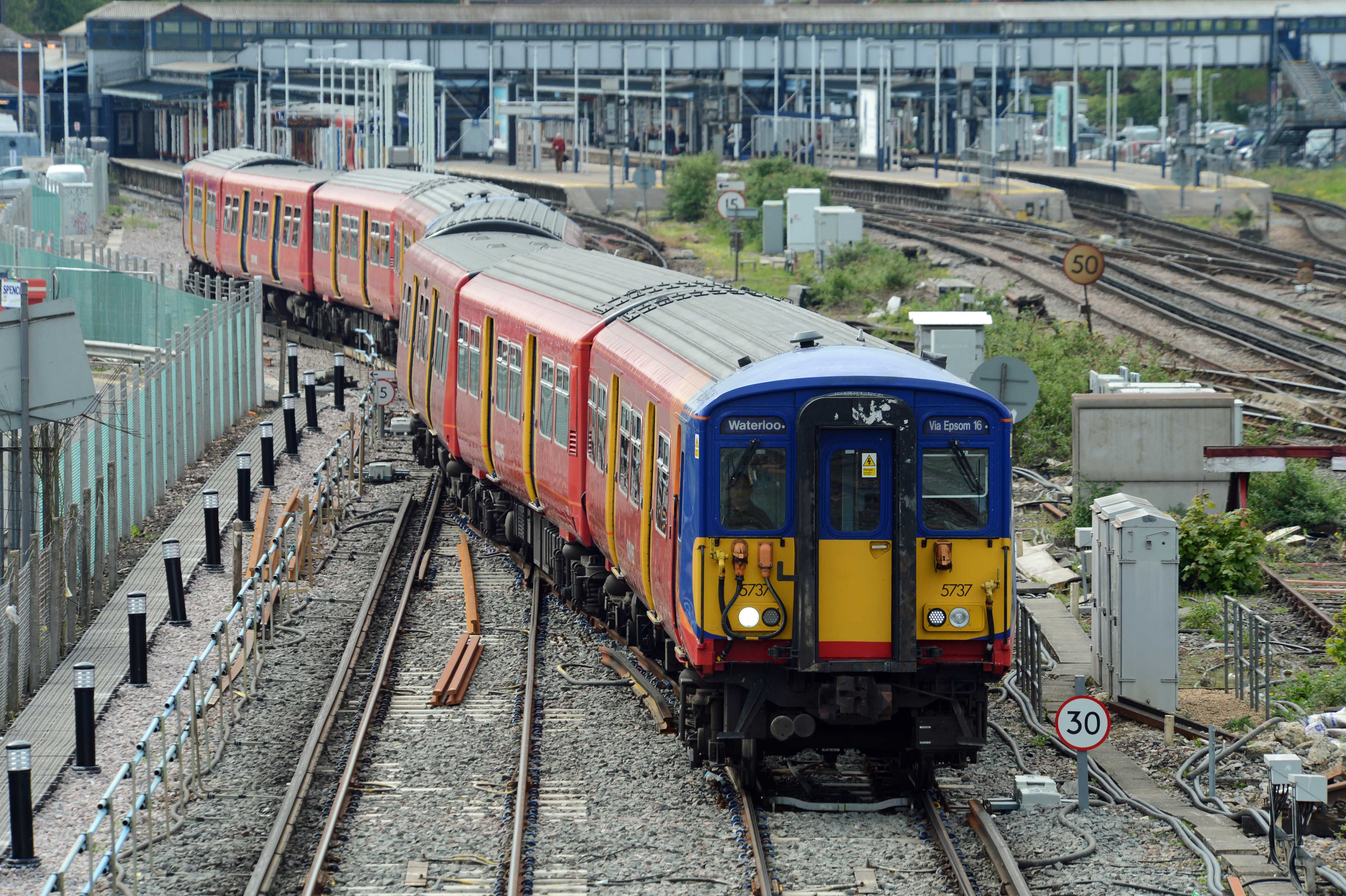
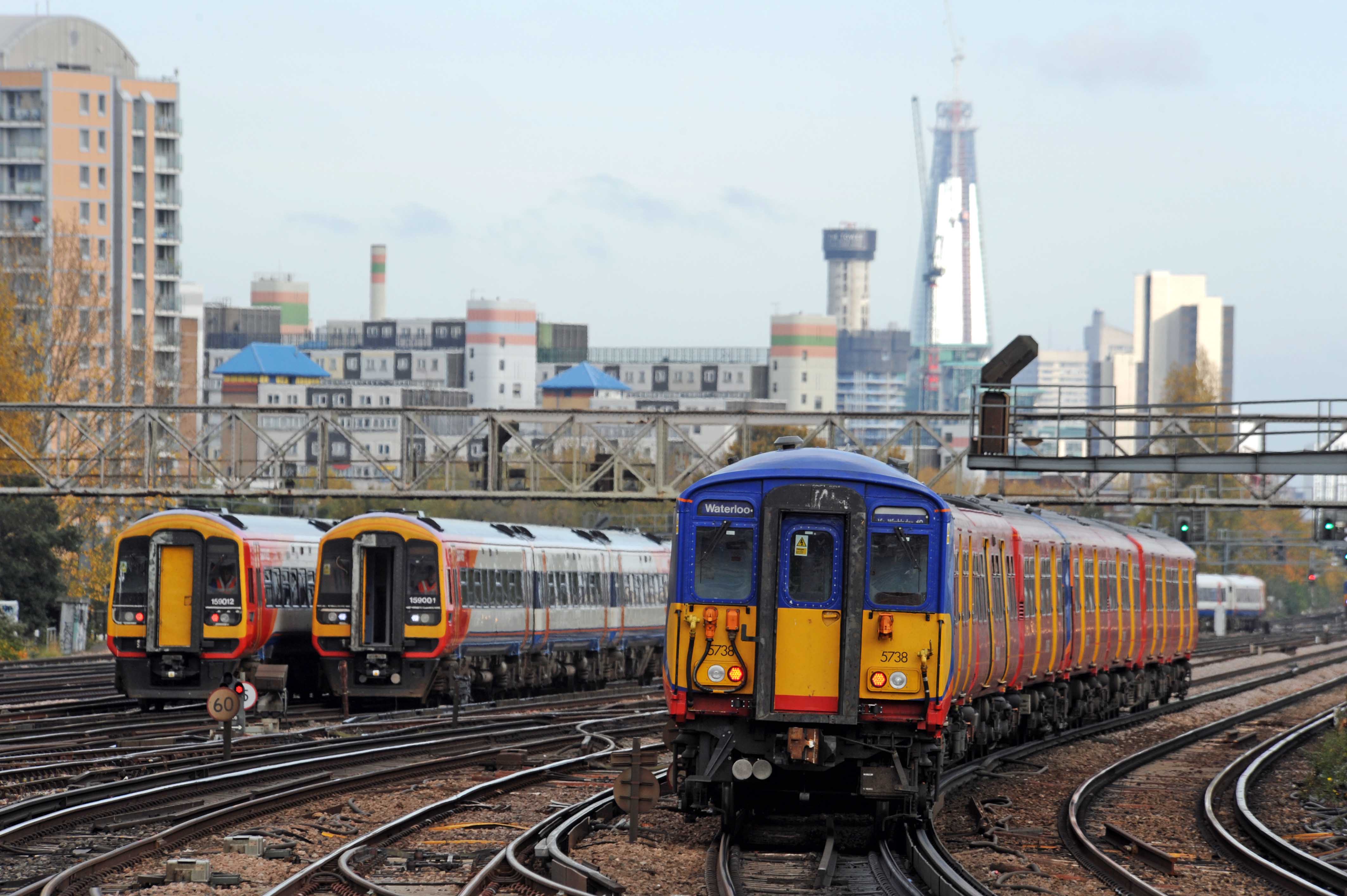
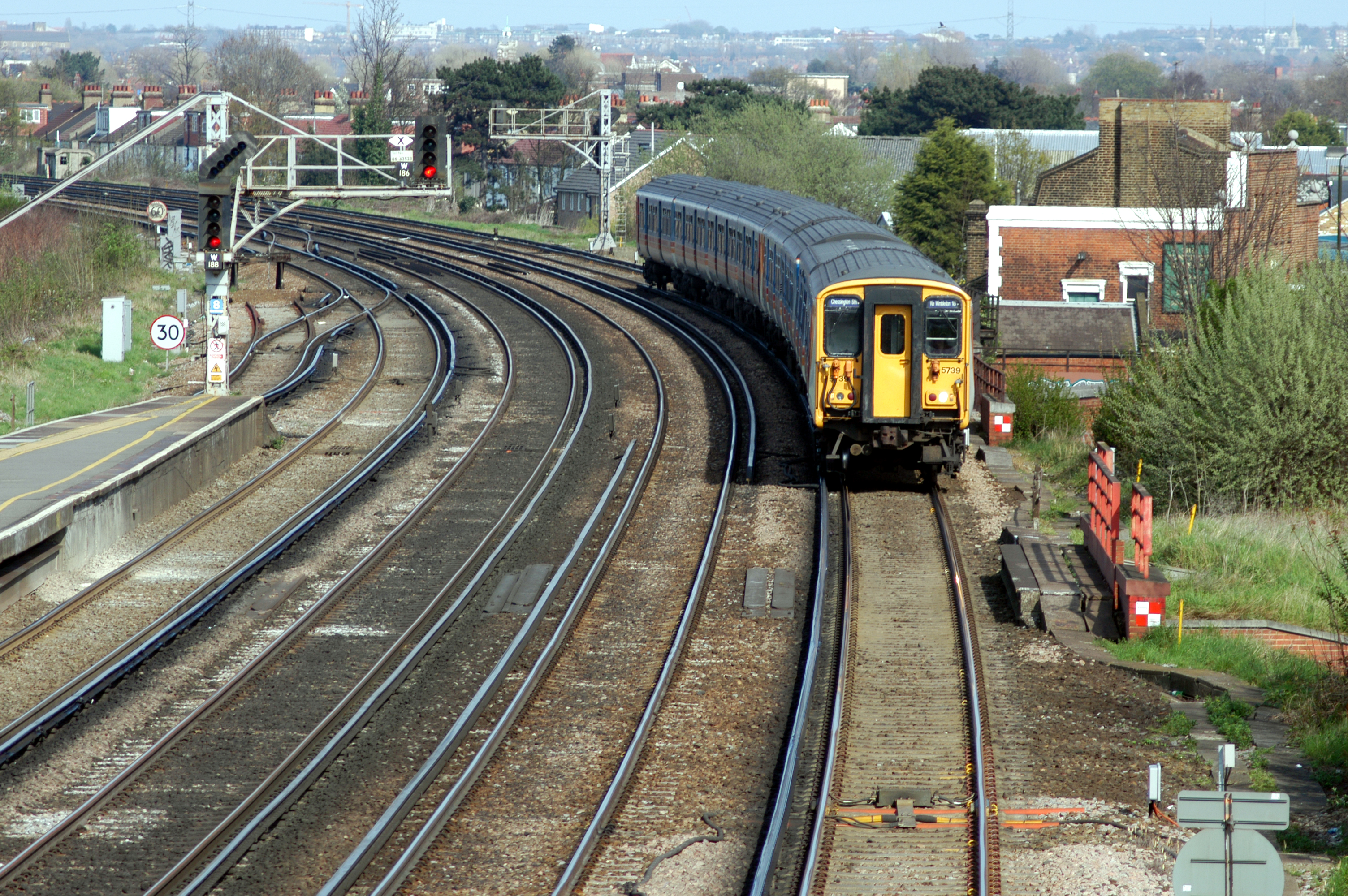
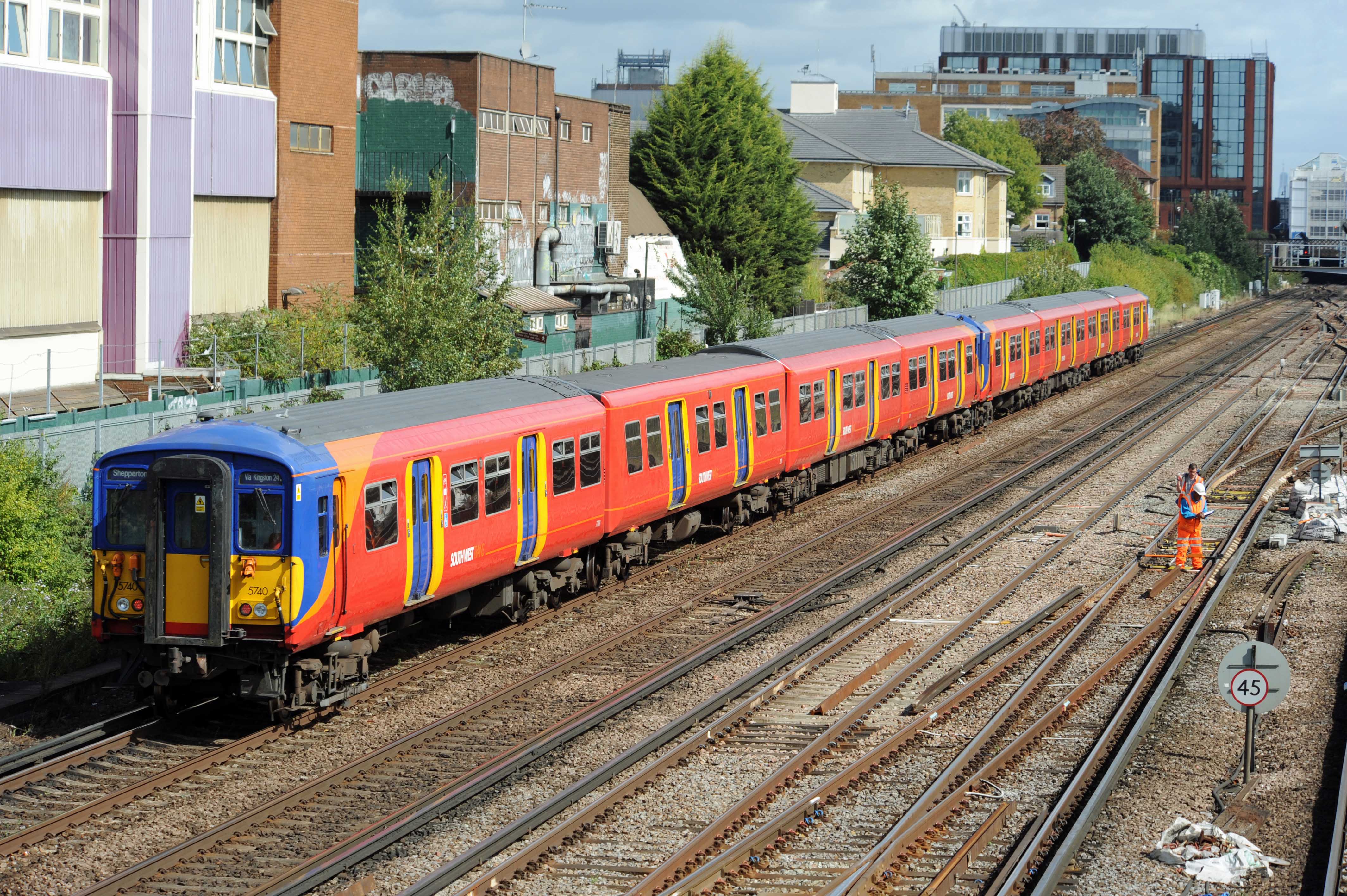
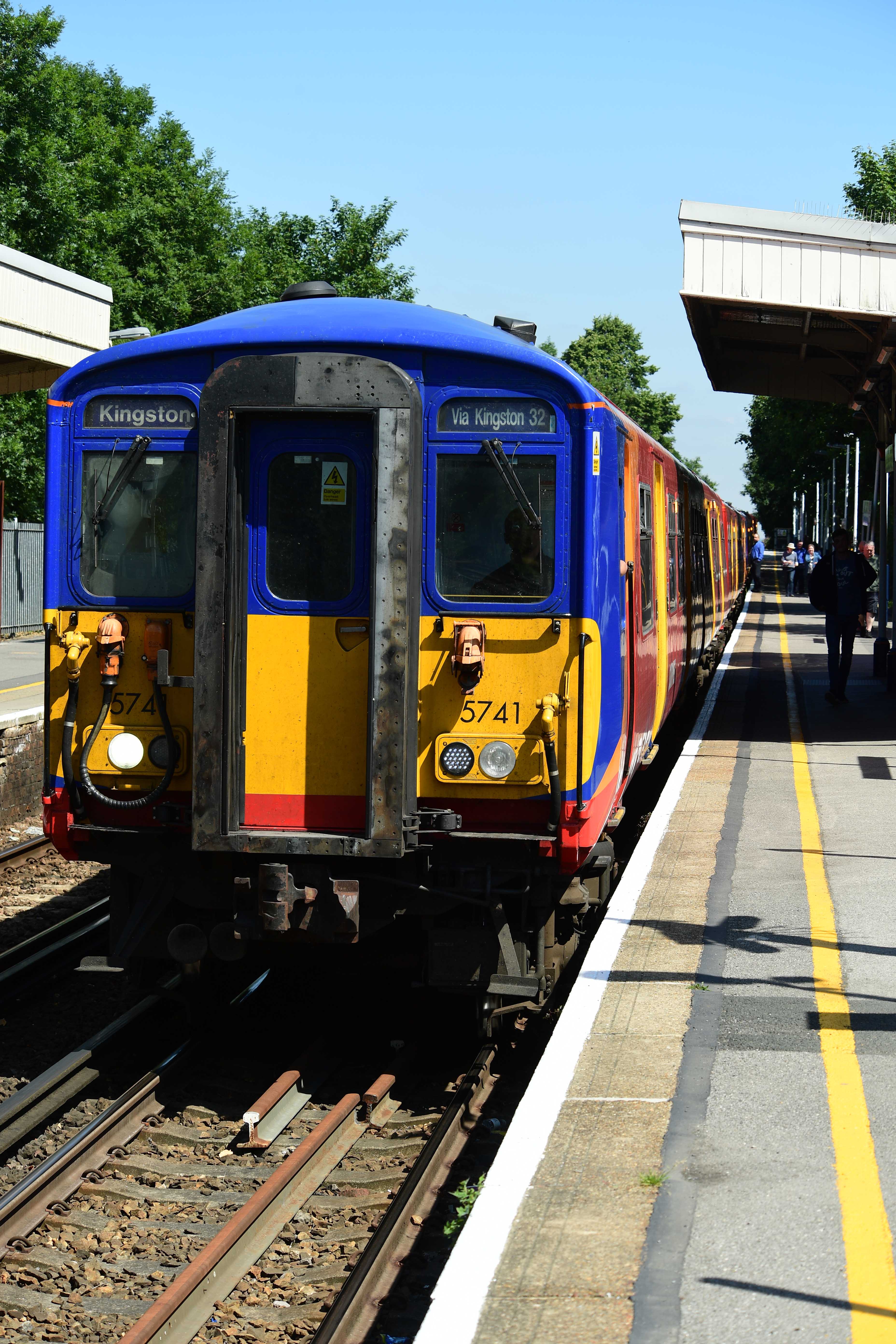
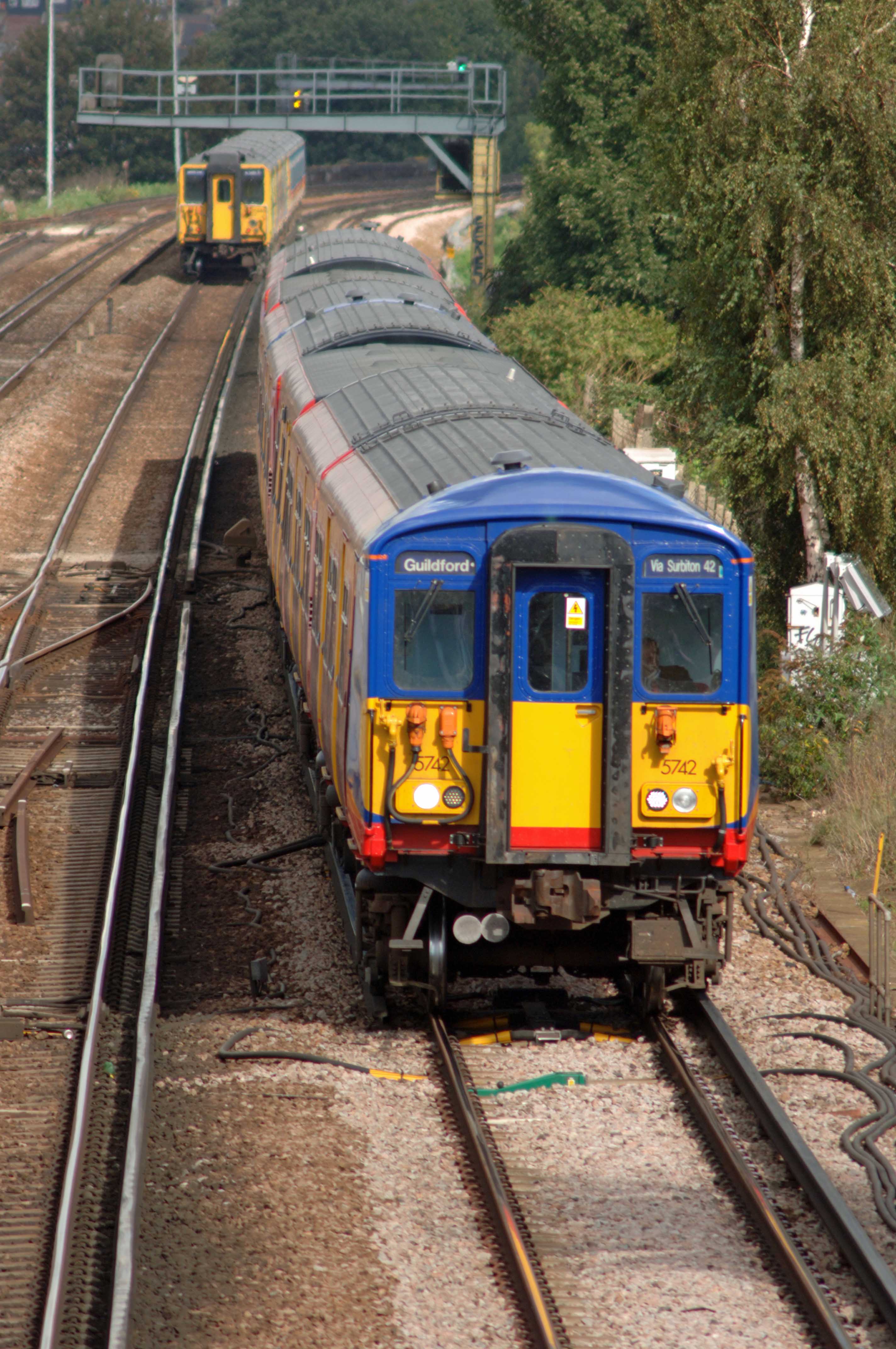
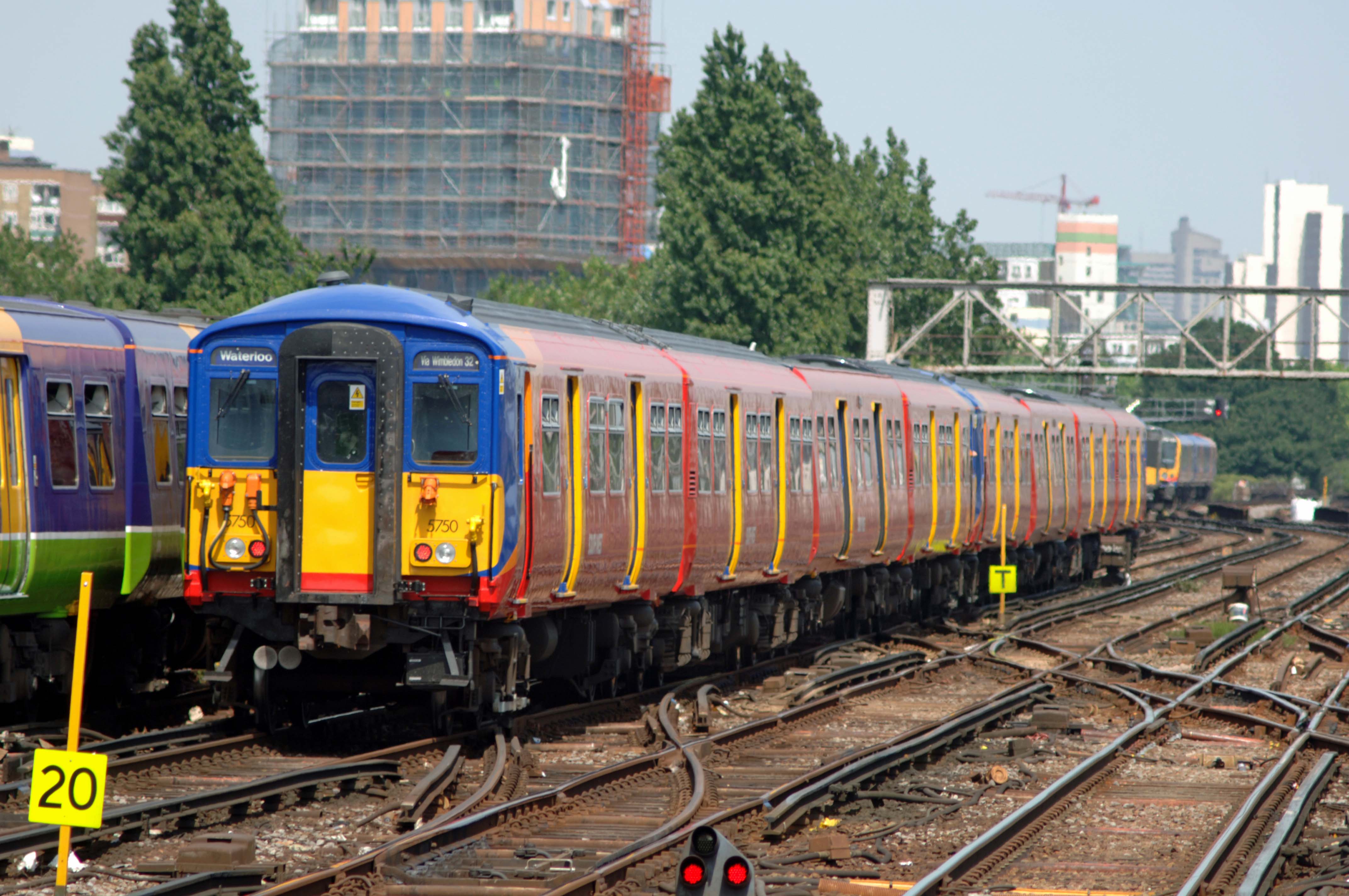
On the 17th October 2020 the leader of the Class calls at Clapham Junction with a service to Guildford via Surbiton. 5702 arrives at Dorking after working a service via Epsom on the 19th June 2013.Back in BR days now on the 6th June 1990 when NSE liveried 5703 was working services to Shepperton, seen here at Clapham Junction.Here’s 5704 in the company of a classmate passing Wimbledon depot on the 20th May 2015 whilst working a Waterloo to Guildford service. In August 2017 the Waterloo blockade to extend platforms 1-4 to 10 car lengths was happening. On the 8th of that month 5705 is seen leading a service into the terminus.On the same day as the previous picture 5706 is seen leaving the former Eurostar terminus at Waterloo with a service to Kingston upon Thames. It’s the 11th November 2013 and in glorious autumn sunlight 5707 approaches Vauxhall from Waterloo with a service to Woking. On the 8th September 2009 a pair of 455/7s with 5708 bringing up the rear arrive at London Waterloo. On the 27th January this year 5709 approaches Clapham Junction with an inbound service to Waterloo. Inside Wimbledon depot on the 22nd October 2013 where 5710 keeps company with 5918.Several years earlier on the 29th November 2006 5711 sits outside Wimbledon Park depot adjacent to the main line.Here’s Kingston on Thames on the 3rd March 2010 as 5712 arrives on a Waterloo to Shepperton service. Back at Wimbledon Park on the 8th September 2009 as 5713 passes with a service for Guildford via Cobham.It’s the 7th December 2021 and there’s steam in the air as an excursion approaches Clapham Junction whilst 5714 brings up the rear of a service heading for Waterloo.A different view of Wimbledon on the 17th April 2007 as 5715 leads a sister unit on a ‘Kingston rounder’.Back at Clapham Junction on the 21st December 2019 where 5716 is seen bringing up the rear of a Woking to Waterloo service.This time we’re at Epsom on the 29th June 2014 as 5717 calls at the station with a service from Waterloo to Dorking.Vauxhall again on the 13th November 2013 where 5718 is approaching the station from Waterloo with a service for Chessington South. Another, rather different view of Wimbledon as 5719 crosses the flyover next to the depot and passes 444032 heading for Portsmough.Between duties, 5720 sits alongside the shed at Clapham Junction on the 1st May 2019.Having been repainted into Network SouthEast livery in the early 1990s 5721 waits at Windsor and Eton Riverside with a service to Waterloo on the 19th June 1994.Guildford has been associated with the class all their working lives. Here’s 5722 sat at Platform 3 whilst working a Waterloo via Woking service on the 15th November 2015.Also seen at Guildford, this time on the 26th May 2012, is 5723 after arriving from Waterloo via Surbiton. Back at Clapham Junction on the 2nd November 2011 when 5724 was stabled in the yard in the company of a quartet of Siemens-built Class 450sLivery transition time as 5725 in the new SWT suburban red liver passes classmate 5717 which was still in the old Stagecoach white and blue with orange and red stripes. The date is the 9th May 2006. The changing scene at Guildford. 5726 departs on a service to Waterloo via Epsom on the 23rd April 2014, passing the relaying of stabling sidings which are being extended to take 10 car trains. Back in BR days 5727 sporting Network South-East livery callas at Clapham Junction with a Shepperton branch service.The footbridges West of Wimbledon station and the open vista provide a great location for open shots of South-Western suburban services. Here’s 5728 with a sister unit bringing up the rear of a Woking – Waterloo service on the 20th May 2015. Another shot from the Wimbledon footbridges but this time taken several years earlier on the 29th November 2006. 5729 and a 455/9 units head off into the autumn sunset…In this shot taken outside the shed at Clapham Junction 5730 is missing one of its driving trailers (77786) for reasons unknown. The unit’s sporting the earlier Stagecoach livery. The date is the 26th January 2001.Back at Wimbledon on the 5th of September 2011 when the switches and crossings underneath the train were still awaiting renewal (see later pictures for afterwards). Here’s 5731 in multiple with a 455/9 set whilst working a service to Woking. Framed by the lighting towers at Wimbledon Park depot unit 5732 is being shunted into the stabling sidings on the bright autumn day. The 29th November 2006 in fact.On the same day in November 5733 sits inside Wimbledon Park awaiting attention. Back at the Wimbledon footbridges on the 20th May 2015 and the track renewal has taken place. Meanwhile 5734 and a pair of class 456s with 456004 leading work a Waterloo – bound service from Guildford.Journey’s end. 5735 unloads its passengers at Waterloo on the 20th February 2015. With a skyline full of cranes as the Battersea Power station redevelopment is on full swing, 5736 brings up the rear of a Waterloo bound service at Clapham Junction. This vista has changed out of all recognition in the past decade as London’s skyline has become defined by new high-rise and landmark buildings. The date is the 19th May 2018.A brace of 455/7s with 5737 pull out of platform 1 (The Cobham bay) at Guildford on their return to London via Epsom on the 23rd April 2014. Another of those photographs that show how much London’s skyline has changed in a decade. Compare this view from the 2nd November 2011 when 5738 was heading for Waterloo past a brace of SWT Class 159 with this shot (link) taken in 2021. On the 3rd April 2005, 5739 sporting Stagecoach livery approaches Raynes Park with a service for Chessington South.It’s back at my old favourite, the footbridges West of Wimbledon station! Here’s 5740 bringing up the rear of a Shepperton branch service bound for Waterloo on the 5th September 2011. It’s the 5th July 2017 and 5741 calls at Strawberry Hill, the home of the Southern Electric Traction Group and the last remaining 4-VEP. 3417. Wimbledon once more for our penultimate 455/7. 5742 passes the depot with a Guildford via Surbiton service on the 4th October 2006.And finally! Renumbered out of sequence as 5750 this is really 5743. It was given the new number in may 1991 to celebrate Wimbledon depot obtaining BS5750 quality services accreditation. It’s seem here on the 3rd July 2006.
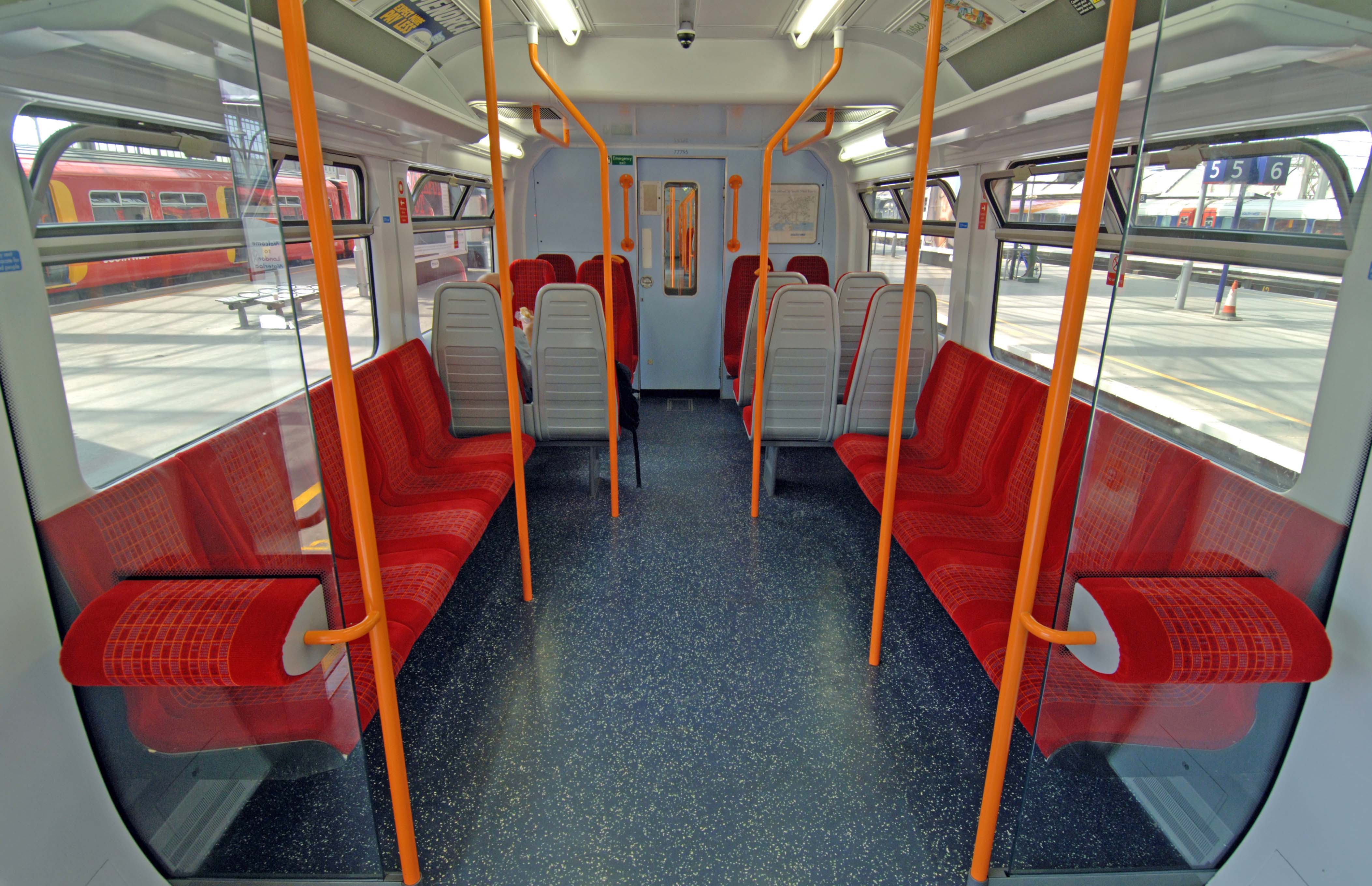
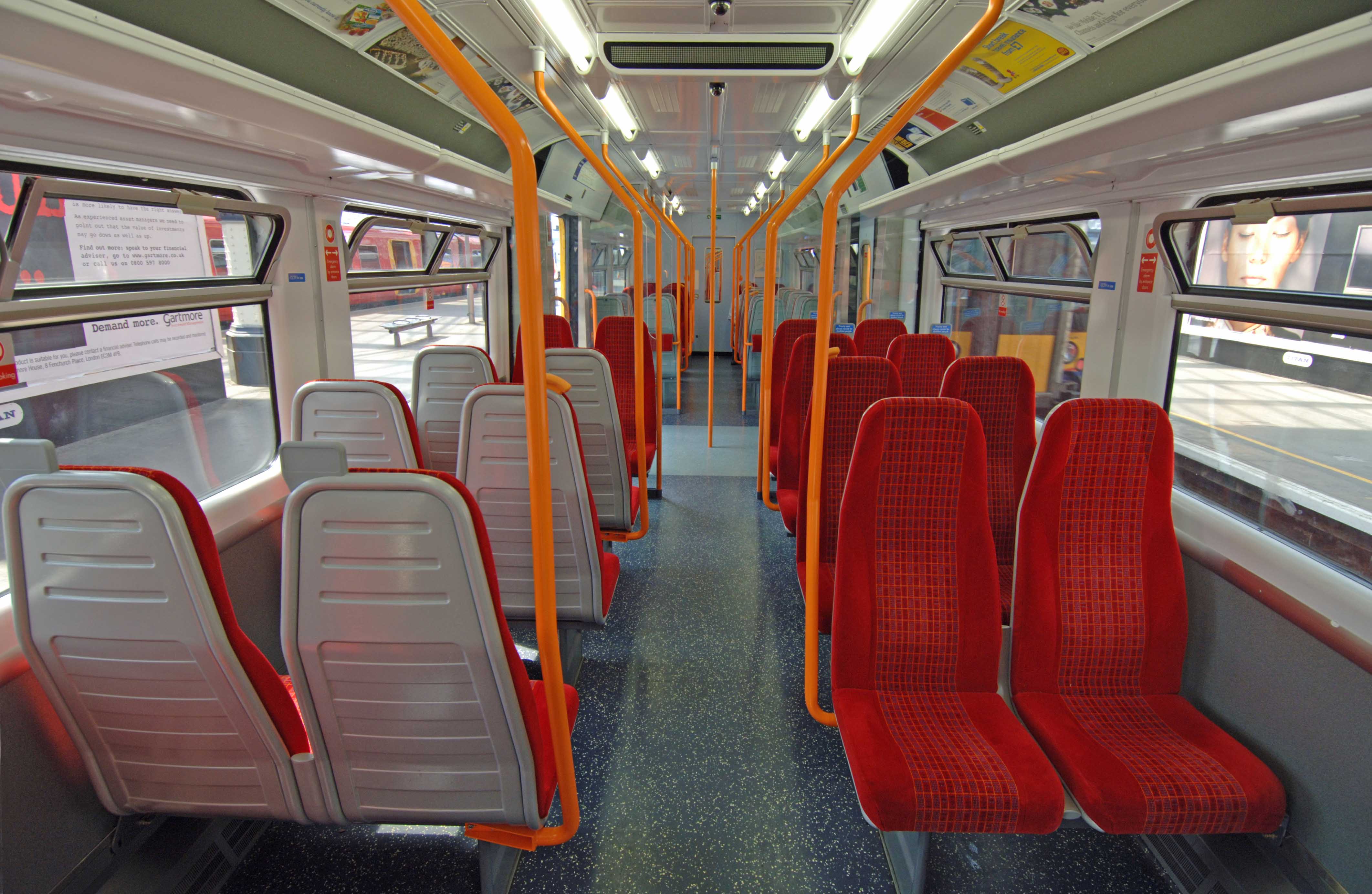
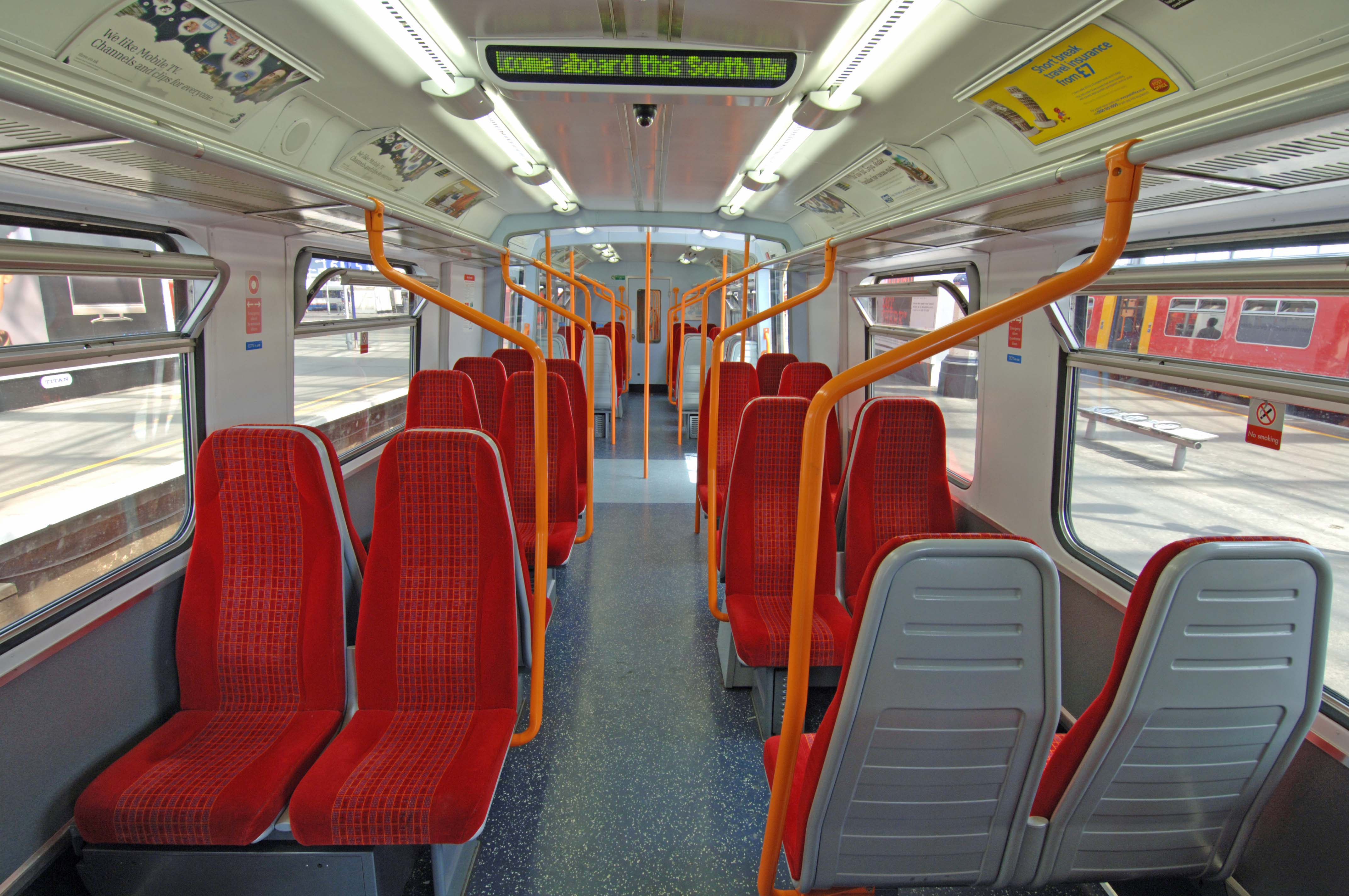
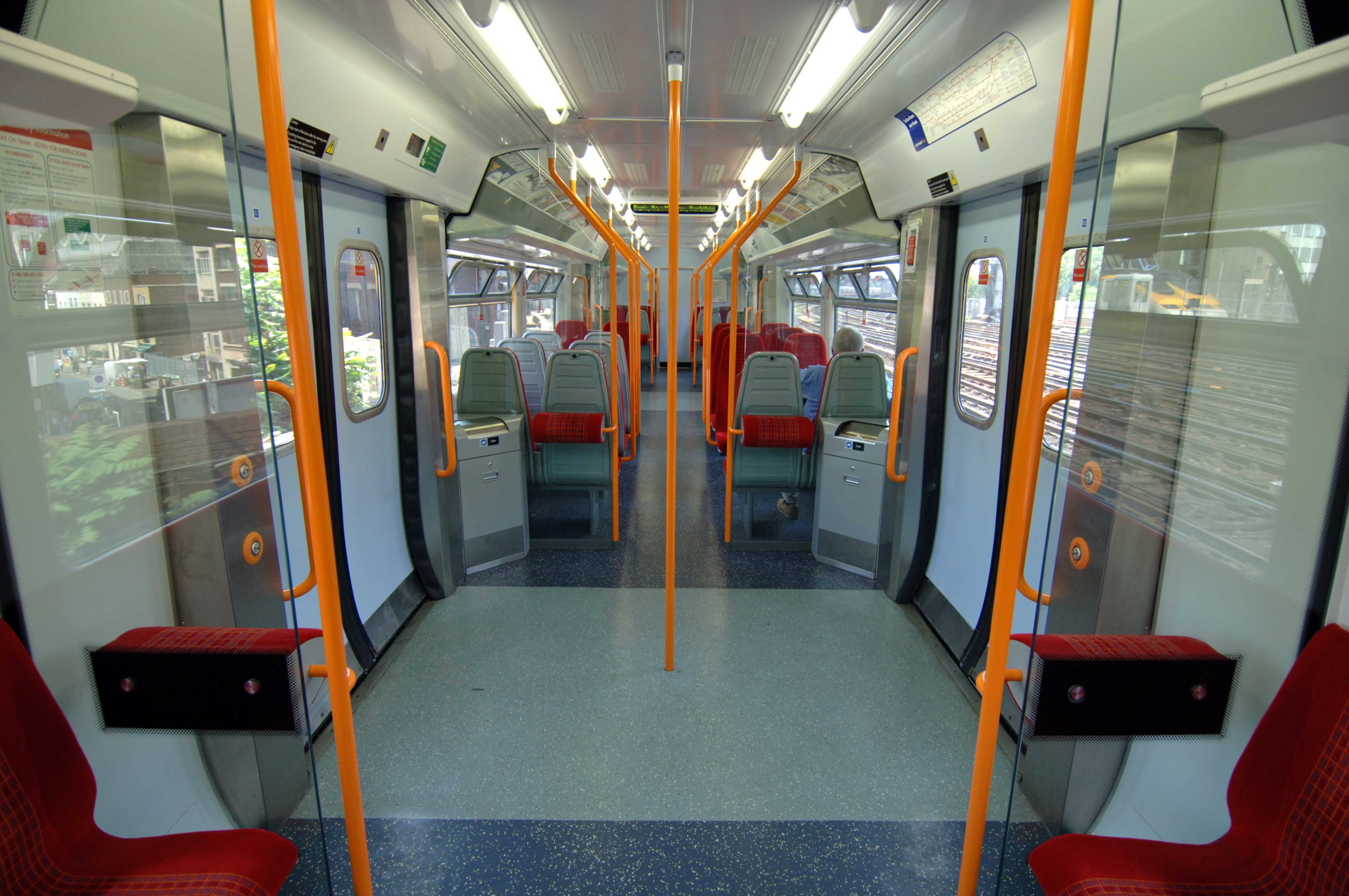
For those who may have never travelled on the 455/7s, here’s a few internal shots showing how they looked after SWT has refurnished the units between 2004-2008. The pictures show the interior of 5735, taken in July 2006.
Vehicle 77795, one of the driving trailers.A great improvement over the BR design (and Southern units which don’t have the modification) was that the sliding doors were altered so they opened wider. The interior of trailer 71563. The roof line and vestibule area immediately give this away as one of the former Class 508 vehicles, in this case 62817.Driving trailer 77796.
I hope you’ve enjoyed this look back at the 455/7s. The rest of the series will follow, but I can’t promise I’ll be posting individual pictures of all 74 Class 455/8s!
I’ve a small favour to ask… If you enjoy reading this or any of the other blogs I’ve written, please click on an advert or two. You don’t have to buy anything you don’t want to of course – although if you did find something that tickled your fancy that would be fab! – but the revenue from them helps me to cover some of the cost of maintaining this site (which isn’t cheap and comes out of my own pocket). Remember, 99% of the pictures used in my blogs can be purchased as prints from my other website – https://paulbigland.zenfolio.com/
There’s not much of a blog from me today. It’s not been a vintage day and the weather here in the Calder Valley’s been miserable. We’ve been buried in dank and dismal fog all day with visibility down to just a few hundred metres. I did my best to keep occupied with a spot of gardening and stretched my legs by going shopping for tonight’s home-cooked meal (Parsi prawns, which I haven’t cooked for ages) but otherwise much of my day has been spent building up an archive of fresh slide scans which will give me something to do during down time at Christmas. My plan to have all all the old slides scanned by the end of the year proved optimistic. I’ve still several thousand left to do, but there’s light at the end of the tunnel. Barring some unknown cataclysm such as the end of the Earth I will have the project finished in 2022 – just don’t ask me *when* in 2022! I’ve finished all the shots from my Bali trip in 1994 and 1995 and moved on to a series of UK travel shots from the summer of 1995. Here’s one of them supplying the picture of the day…
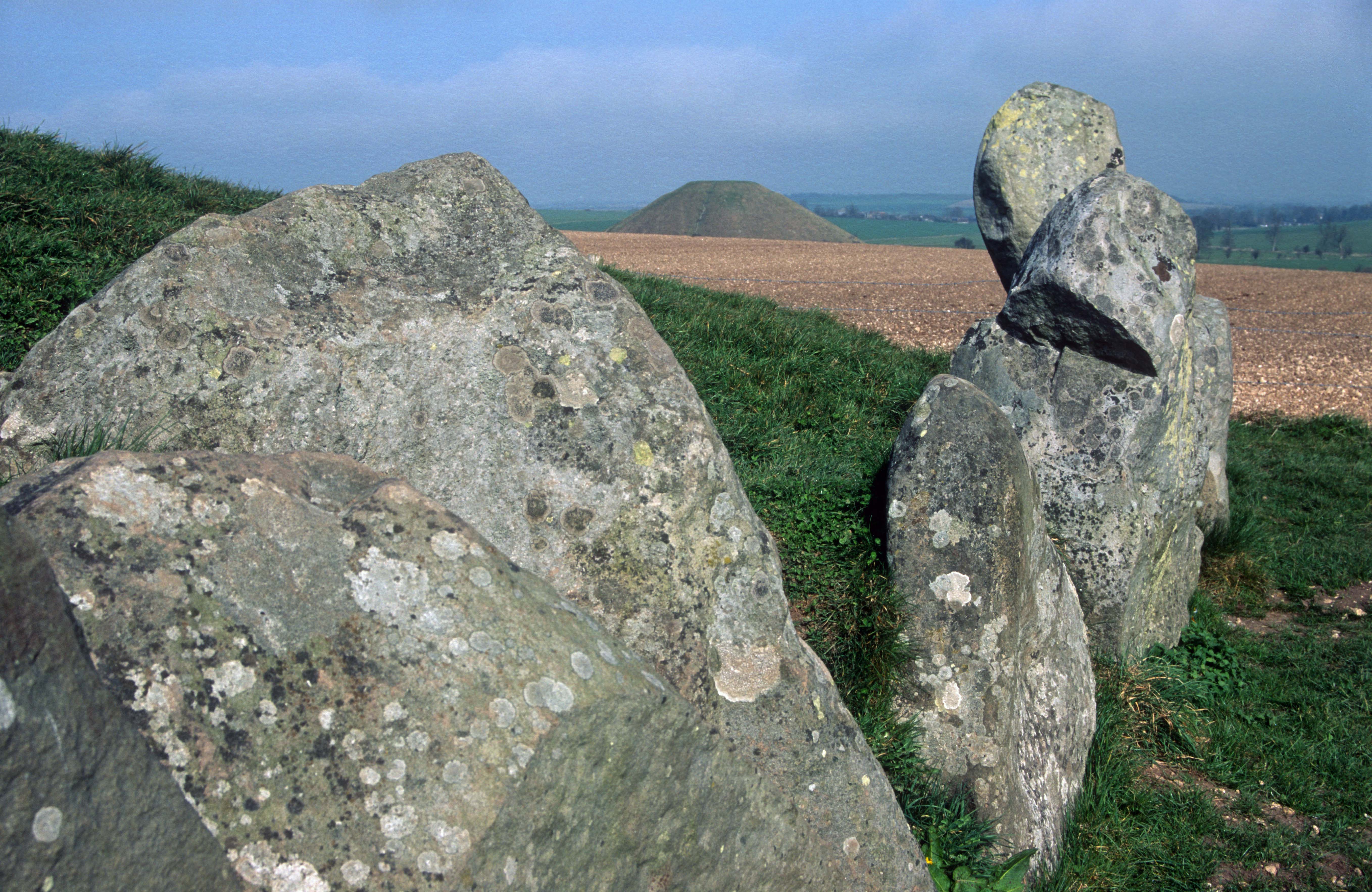
Easter 1995 saw Lynn and I join a couple of our North London neighbours who were walking the whole of the Ridgeway. We joined them for the last leg to the amazing village of Avebury in Wiltshire. This tiny village is built in the middle of a prehistoric stone circle which is surrounded by a massive ditch, but it’s not the only prehistoric site in the area, just a few miles down the road is Silbury Hill and West Kennet Long Barrow. This is where today’s picture was taken, on the 1st April 1995…
Silbury Hill framed by some of the stones that form the outside of West Kennet Long Barrow.
I’ve a favour to ask… If you enjoy reading this blog, please click on an advert or two. You don’t have to buy anything you don’t want to of course (although if you did find something that tickled your fancy that would be fab!), but the revenue from them helps to cover some of the cost of maintaining this site – and right now (because of Covid), us freelances appreciate all the help that we can get to aid us in bouncing back from lockdowns. Remember, 99% of the pictures used in my blogs can be purchased as prints from my other website – https://paulbigland.zenfolio.com/Thank you
The pair of us are having a local but active day here at Bigland Towers. Dawn’s been busy baking, experimenting with some cake and cookie recipies whilst I’ve been occupied in the office. I had a phone call on Friday afternoon that’s completely changed my plans for next week as it involves some commissions and COP26 so trips to Scotland beckon. Meanwhile, I’ve some articles to pen before I do, which means the week ahead’s going to be hectic.
As if that wasn’t enough, I’ve been trying to keep up the momentum on scanning old slides, which leads to today’s little picture story.
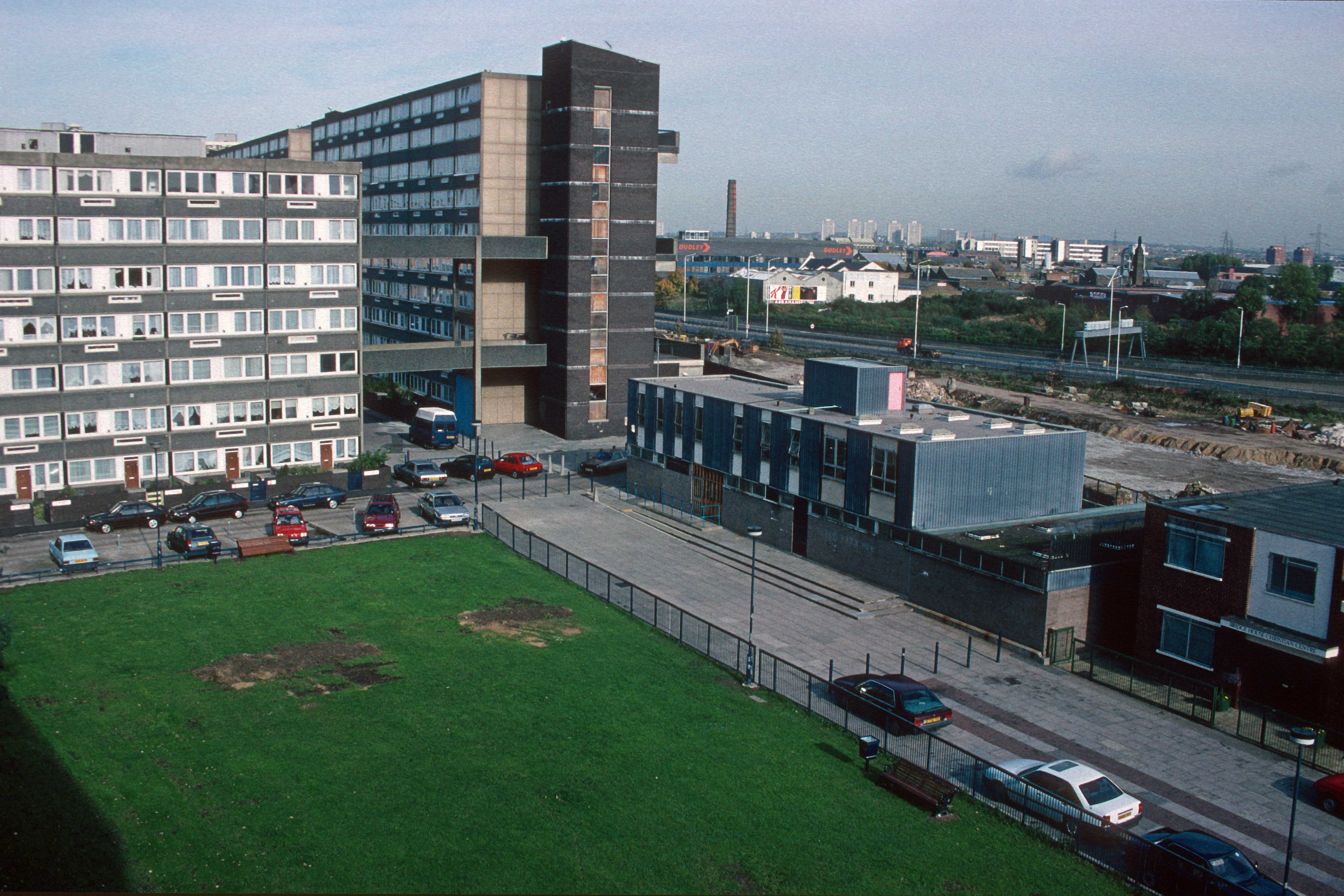
The latest batch of slides were taken in 1994 when I was working as a Housing Officer in Bow, East London. Having left my previous housing job in nearby Poplar (where I lived) to spend a year travelling solo in SE Asia I applied for a job with Bow neighbourhood, was accepted and offered a position as Housing Officer on the Lefevre Estate. The name sounded far better than the reality. The Estate consisted of a series of brutalist 1970s deck access maisonettes linked together by walkways. Our office, located on the estate, wasn’t much better. Even so, I really enjoyed working there. When I accepted the job I’d been told that the estate was due to be transferred to a new Government quango called a Housing Action Trust (HAT), one of only 5 in the country. This would manage the complete redevelopment of the estate and 2 others adjacent. I had the option of staying with the council and being transferred to another housing job on another estate or being TUPE’d across to the HAT when it was established. Being adventurous and liking what the embryonic HAT Management team told me about what to expect and the opportunities to broaden my skills that would be on offer, I decided to sign up.
This meant that I stayed on the HAT estates for the rest of my housing career. A decision I never regretted although I’d no idea at that time what my future career looked like. I could write a book about those times, but that’s not the purpose of this blog. Instead, I’m going to talk about something else – one of the railways of that part of the East End and the changing face of London.
Our office on Lefevre Walk backed onto what had been a scrapyard, but before that it had been a railway. The North London Railway. It had been a Southerly branch from what’s still the North London Line (now the Overground) running through Old Ford, Poplar and Bow down to the London docks. I moved to East London in 1986 so never knew this line when it was open as it had closed a couple of years before. In those last days it had been a freight only line although I could still see the remains of some of the old stations like Bow Rd which had all closed in 1944 due to enemy action.
Sadly, I never researched the route by getting any books on the NLR. Nowadays it’s so easy just to look stuff up on the internet, but not in 1994. So, whilst I knew that the old scrapyard outside my office window (known as Yallop’s Yard) had been an old railway goods yard I never knew at the time there’d been an old railway station on part of the site. In some ways that’s not too surprising. The area looked completely different as in the 1970s an urban motorway (the A102M) had cut a swathe through the old factories and homes in the Lea Valley. Here’s some of the pictures I took in 1994, then I’ll link to something that shows you how it used to look even earlier. To say you wouldn’t recognise it now is an understatement. I don’t recognise the 1950s photos. Today, if you visited the area, you wouldn’t recognise it from my 1994 pictures either!
The Lefevre walk estate in April 1994 with my old office in the centre. The old railway yard is behind with the A102M beyond. After that is the canal with the London Borough of Newham beyond. When the estate was built no-one even tried to give the blocks pretty names, they just had letters. So some people lived in H Block. Nice! Sadly, time has dimmed the memory, so I can’t remember which blocks you can see here. Everything you see is gone now – apart from the urban motorway! The area to the right beyond looks very different now – that’s because it became the 2012 Olympic park. Who would have thought back then…Looking South from the corner of the block you can see in the previous picture. My old office is in the bottom right and the route of the North London Railway and Old Ford goods yard can be seen to the left. The Tower blocks beyond are in Poplar and were built on old NLR railway land. The edifice in the middle is the old Bryant and May match works which was then being converted into apartments. Just behind it is the Great Eastern Main Line with Stratford to your left. The match factory has an important part in social history due to the match girls strike. The goods yard and the route of the NLR are now buried under new homes. The road you see going off into the horizon to the right of the match works is Fairfield Rd. It used to take me 15 minutes to walk to work along it. Happy days!
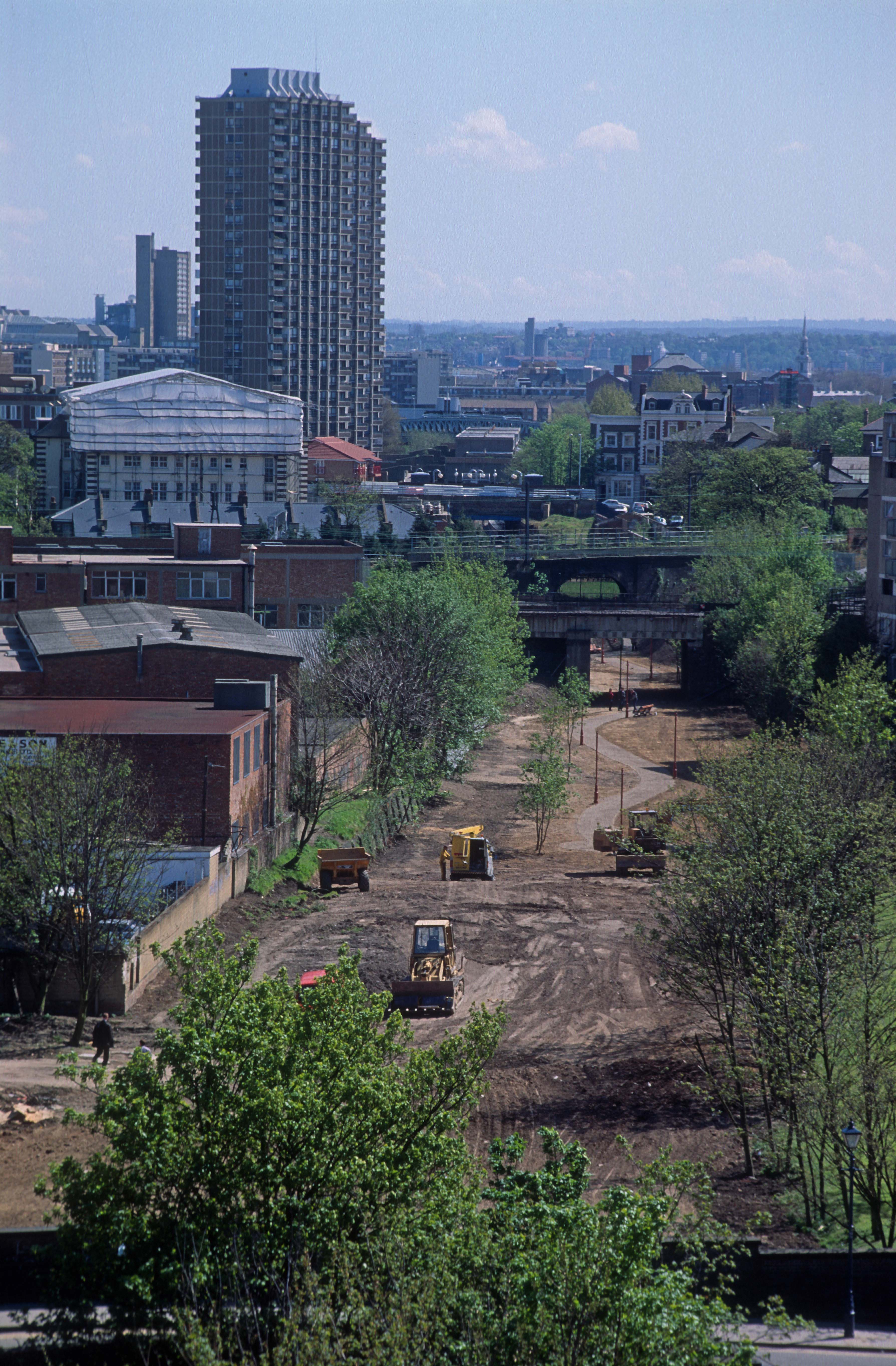
Here’s a zoom shot showing the course of the North London Railway heading South. The first bridge is where the Great Eastern main line crosses. The second is the link from the GEML at Bow junction to the former London Tilbury and Southend line to Fenchurch St at Gas Factory Junction. The NLR route had been converted into a linear park several years previously (at considerable expense) but was now being taken for housing as London’s population – which had been shrinking since World War 2 was suddenly expanding again. See the red roofed building below the tower blocks? If you look to the right you can just make out the platforms of Bow Rd DLR station.
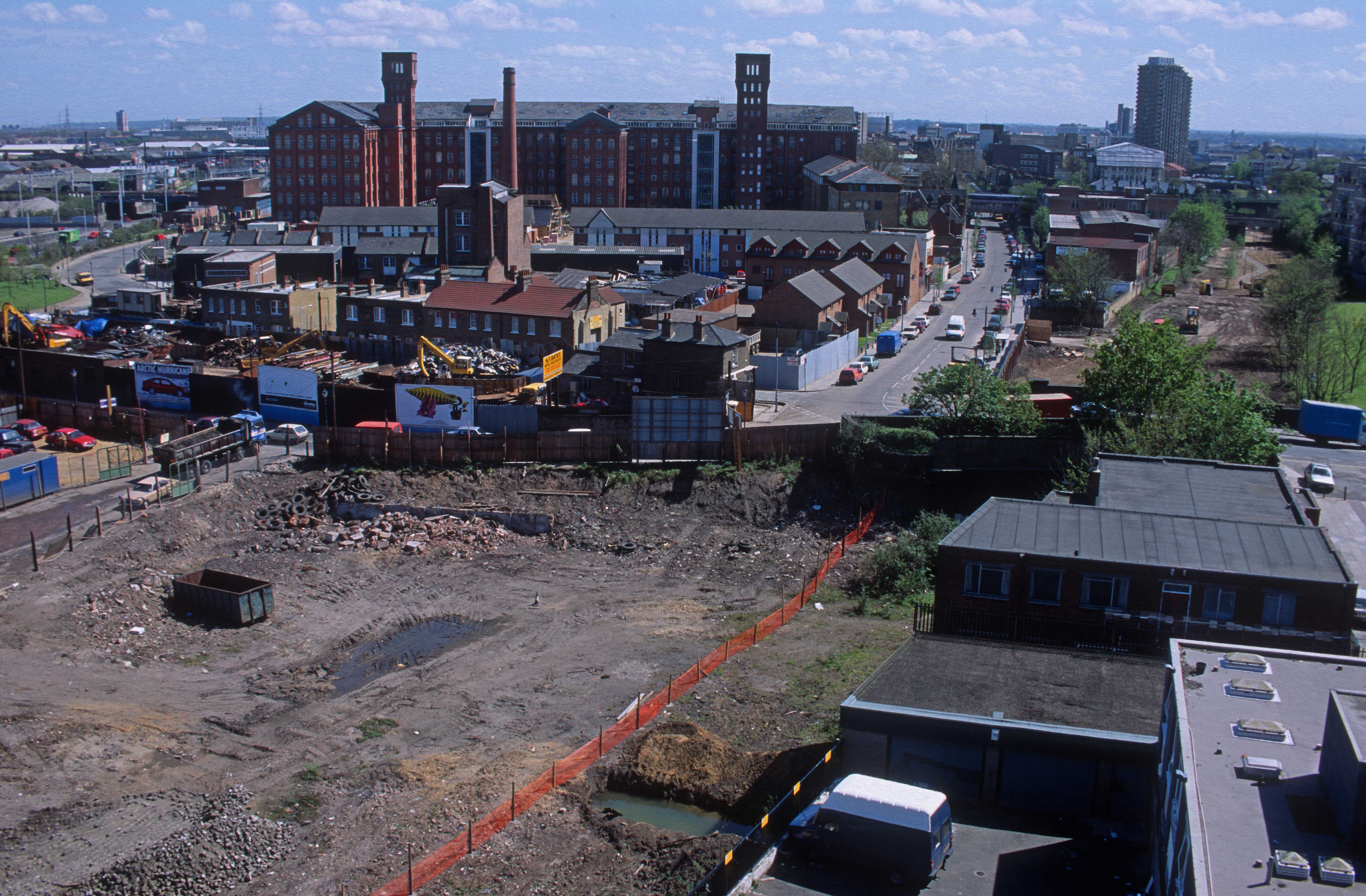
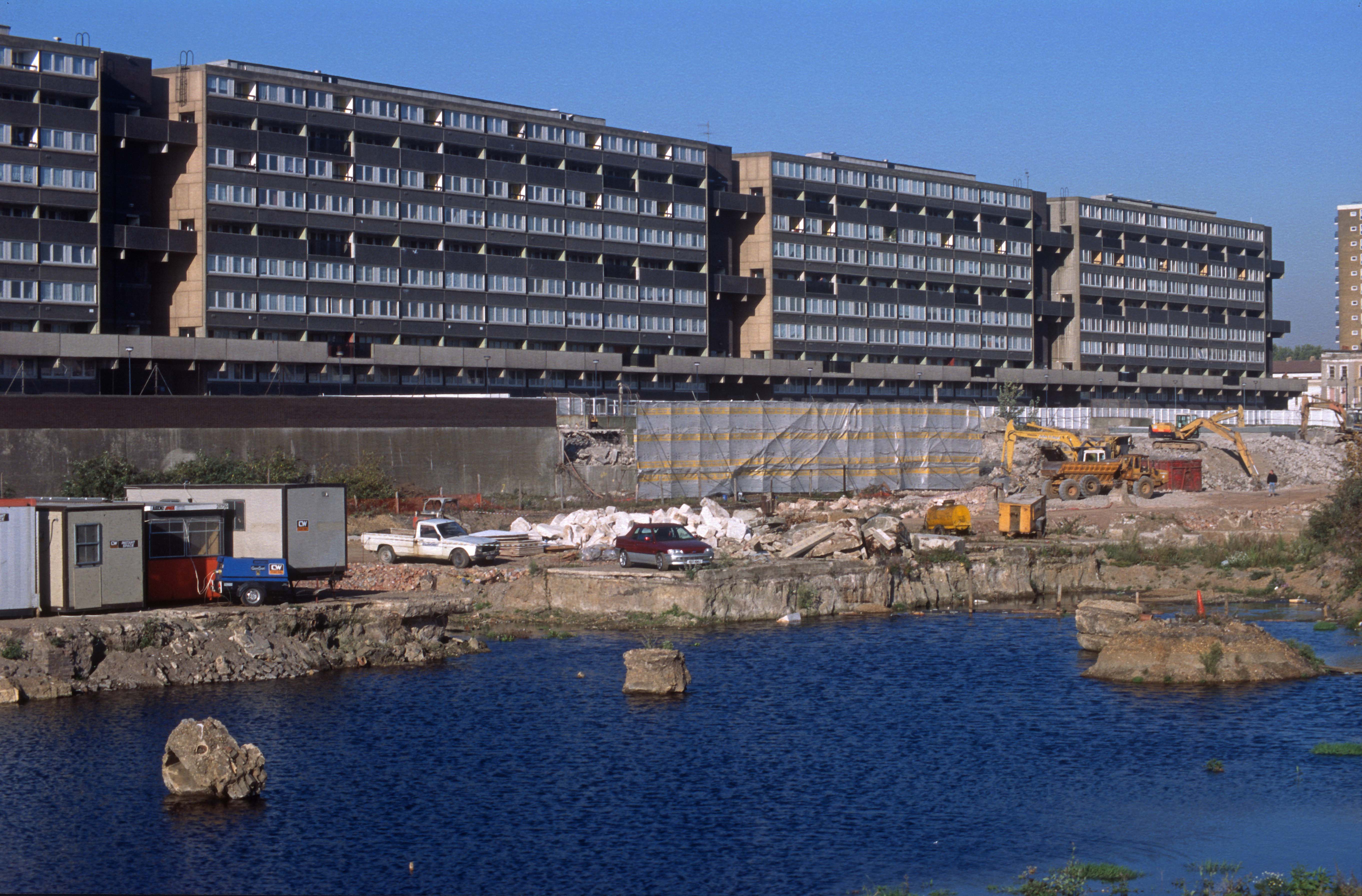
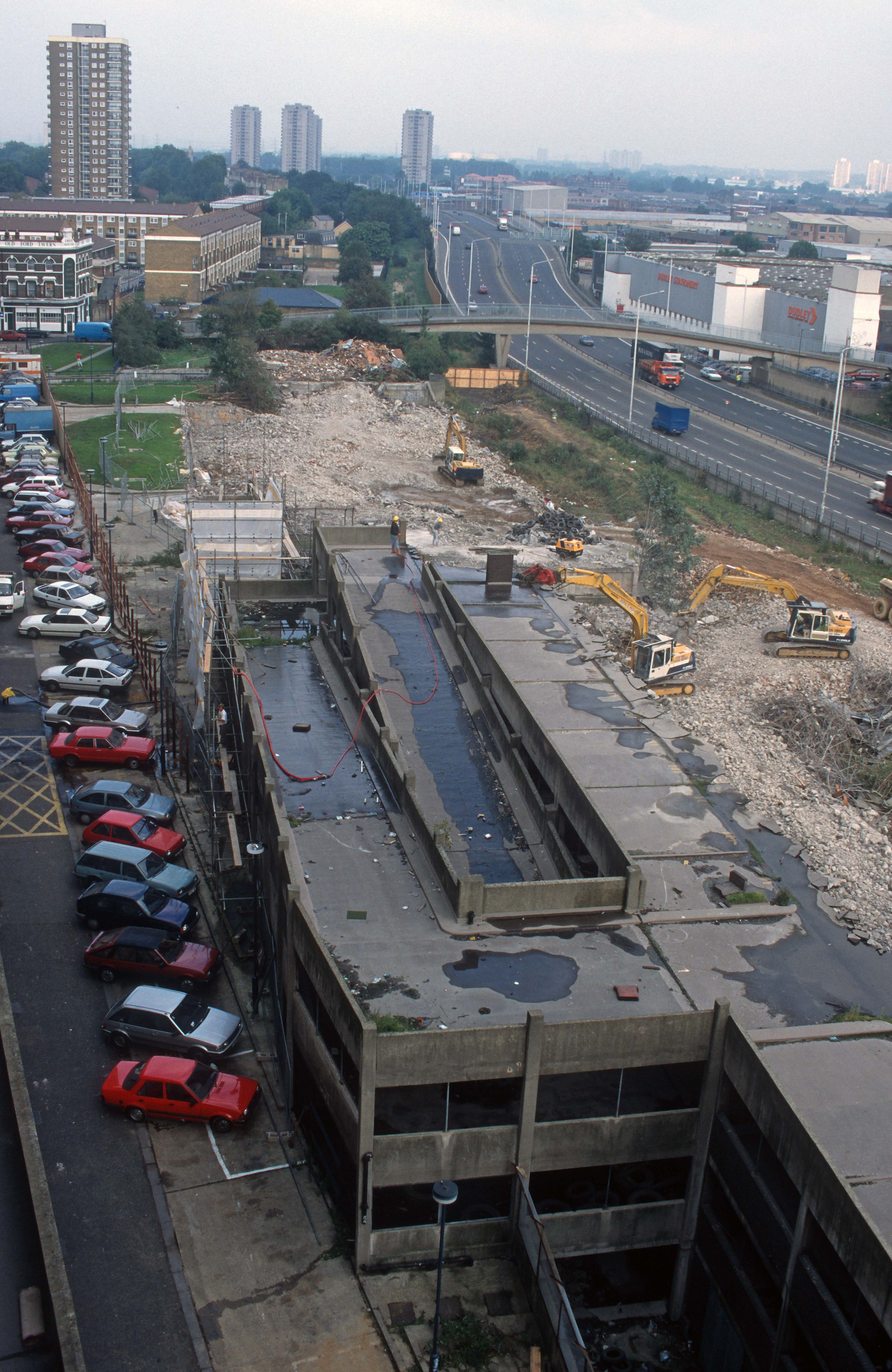
Here’s a view of the Old Ford Goods yard and station site taken in October 1994 when the contaminated soil had been removed – hence the lakes! The former railway station was situated on the extreme right of the picture with the lines running along the base of the concrete wall. Behind is the wall of maisonettes that made up part of the Lefevre Walk estate. This next shot was taken in September 1994 from the top floor of one of the blocks you see above. A footbridge has replaced the original old Ford Road. The hoarding underneath it is the site of Old Ford Station. The remains of the North London Line trackbed can be seen as the green strip along the edge of the A102M.
Nowadays, with the advent of the internet, it’s easy to research images of what they area used to look like. The excellent ‘Disused stations’ website has the history of the railway and also some old pictures of the station and area. Even I was surprised by how the place used to look! Here’s a link to a look at a long-vanished part of London’s East End.
I’ve a favour to ask… If you enjoy reading this blog, please click on an advert or two. You don’t have to buy anything you don’t want to of course (although if you did find something that tickled your fancy that would be fab!), but the revenue from them helps to cover some of the cost of maintaining this site – and right now (because of Covid), us freelances appreciate all the help that we can get to aid us in bouncing back from lockdowns. Remember, 99% of the pictures used in my blogs can be purchased as prints from my other website – https://paulbigland.zenfolio.com/
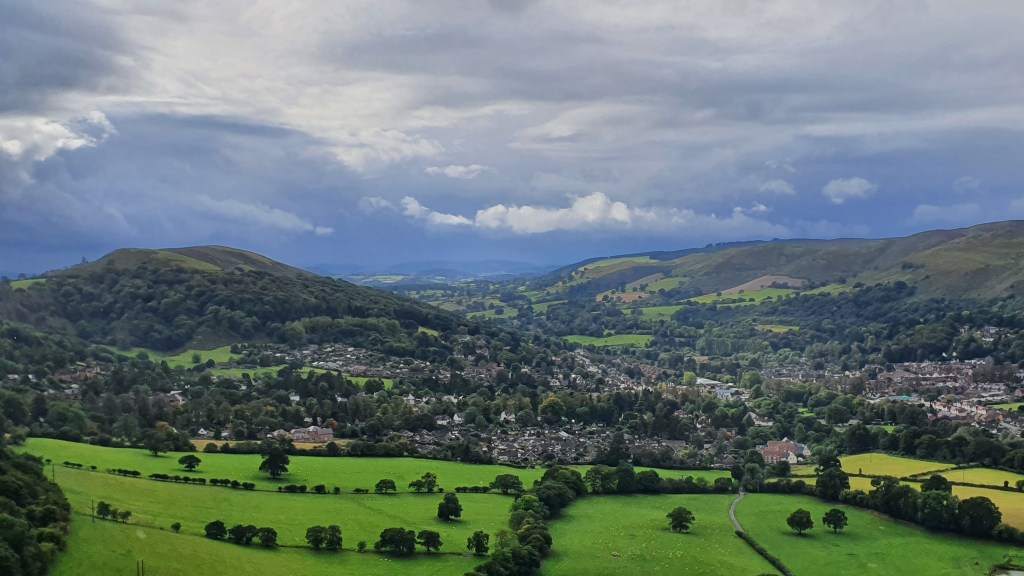
There’s not been much relaxing today. We were up early as we had a full day planned in order to beat the weather as the forecast wasn’t great. We really wanted to get some walking in so as soon as we were ready we drove over to Church Stretton, a place I’ve not visited since 2003 and that Dawn’s never visited. Our mission was to climb Caer Caradoc, a 459m tall hill (and old hill fort) to the East of the town. Despite the weather it was a glorious walk, the views from the top are superb. Plus, you get to see what weather front you’re likely to be facing, which in our case was heavy rain! So after enjoying the views and getting a selection of pictures we high-tailed it out of there! Here’s why…
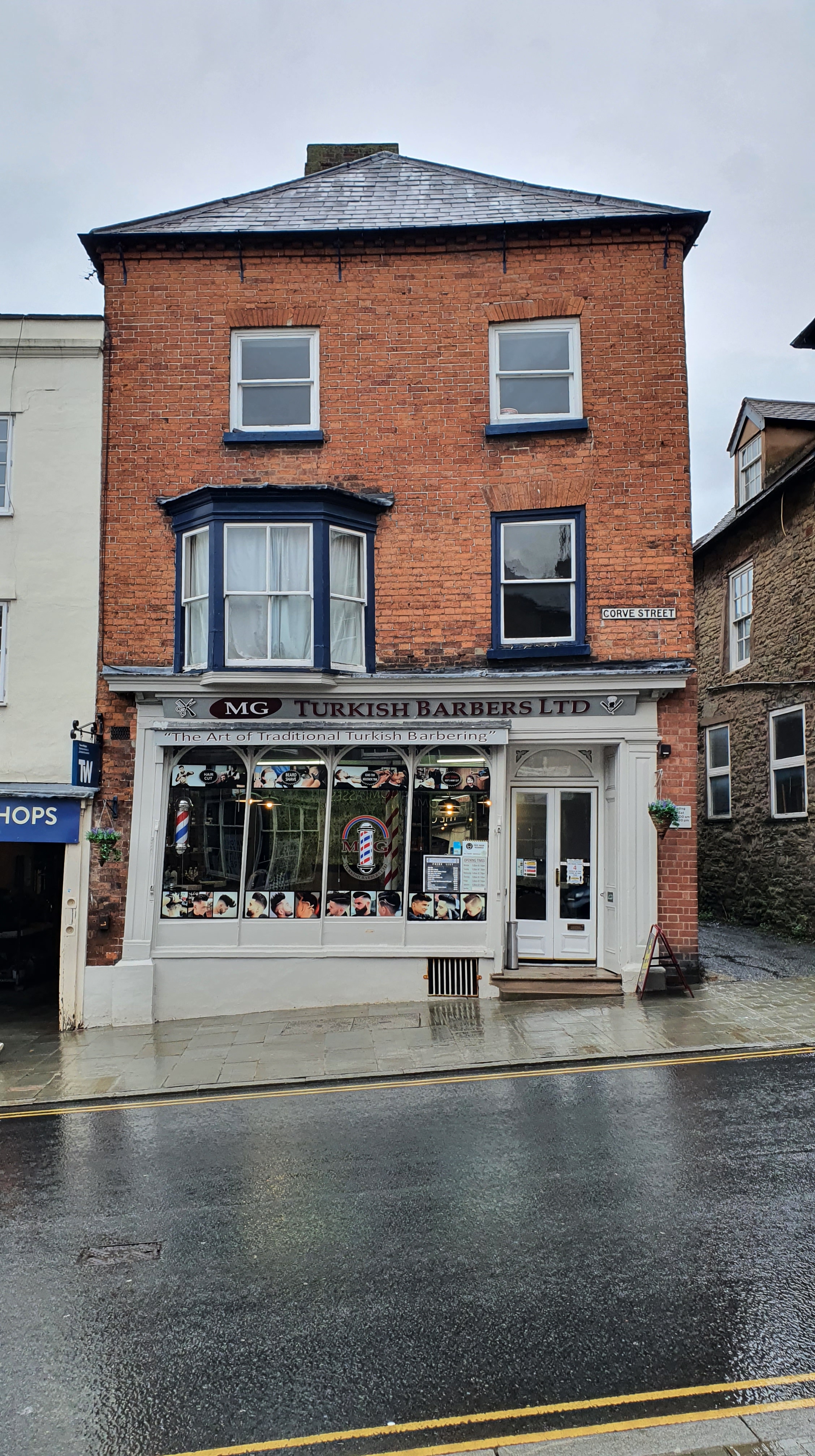
Back at base we sheltered in the car before driving South to Ludlow in torrential rain. Mercifully, the downpour eased after we arrived leaving us free to explore the town which is an architectural gem. It also has more drunken buildings than I think I’ve seen in any English city.









 Paul Bigland