• About

Paul Bigland

~ Blogging on transport, travel & whatever takes my fancy.

Paul Bigland

Category Archives: History

Southern railway nostalgia

05 Tuesday Mar 2019

Posted by Paul Bigland in History, Nostalgia, Railways

≈ Leave a comment

Tags

History, Nostalgia, Railways

I’ve spent the day working from home despite the weather picking up today. Problem was, I’d too many other things to do other than head out with the camera – plus I’d arranged to be at home whilst a parcel arrived for Dawn.

Thus the day was spent editing pictures, uploading more to a client’s website as well as finishing scanning the last of the latest batch of slides to see the light of day after decades in storage. One was a picture of this little oddity, taken at Brockenhurst in 1996.

06202. Swing bridge across the tracks. Brockenhurst. xx.9.96.crop

This is a swing bridge which gave level access from one of the two island platforms to the road as the only other way was over the footbridge. It was installed when the island platforms were built in 1888. The bridge allowed parcels trollies, newspaper and mail to move to/from the station in the days when railways were general carriers. It also allowed passengers in wheelchairs to exit the station. It was refurbished after this picture was taken, when lighter handrails were fitted. Nowadays it’s totally redundant as the station footbridge has been renewed and the new one includes lifts. It was an unusual feature in its day and I can think of few stations that would have had one, the only other one I’ve heard of was Eastleigh, also on the old Southern Railway network.

The picture pile gets smaller…

12 Wednesday Dec 2018

Posted by Paul Bigland in History, Photography, Railways, Uncategorized

≈ Leave a comment

Tags

History, Photography, Railways

After all my travels last week the first part of this week’s been spent at home trying to catch up on paperwork, picture editing and scanning more old slides in an effort to reduce the mountain I have to climb. If you’re interested in last week’s German rail pictures, you can find the full selection here and the travel shots here.

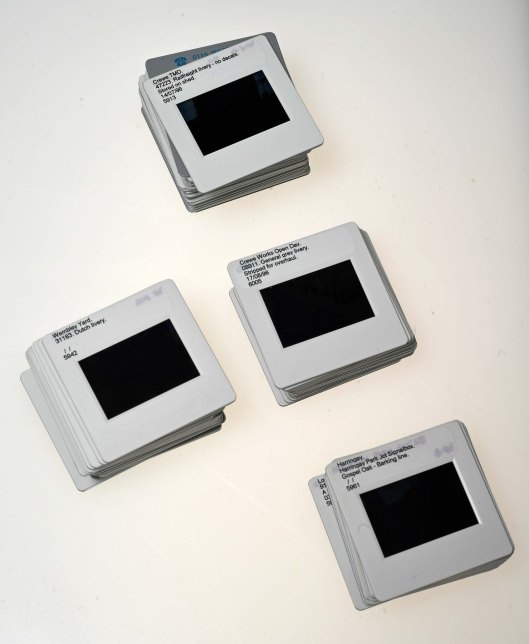
Meanwhile, I’ve made another dent (albeit a small one) in the railway slides. I’m currently scanning a couple of albums from 1996-97. Most of them have never been seen since I took them. A selected few had made it onto my Zenfolio website but now I’m being methodical and scanning complete albums. The beauty of this is that it creates a lot of space! The slide albums contain many duplicated shots because that’s what you did in film days – just in case an important picture was damaged or was out with a client and you needed a copy. I reckon I’m binning at least 30% of the slides I have because they’re redundant now once one’s been scanned. Here’s some of tonight’s batch.

DSC_5512crop

It’s a reflection on how technology’s changed over the past 22 years. The irony is that I remember working out that each of these cost me about 24p apiece when I added together the price of the film, developing and mounting – plus postage! In theory, I’m throwing away a lot of money!

Here’s a taster of what’s been scanned today.

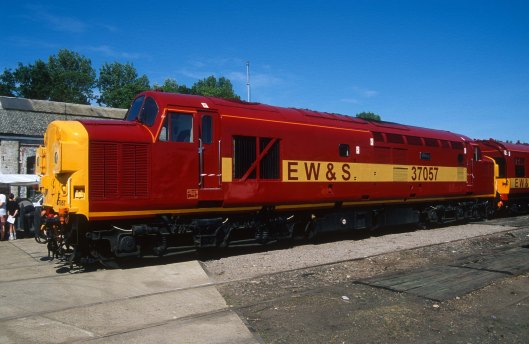
05815. 37057. Ipswich WRD open day. 15.6.1996crop.jpg

Here’s 37057 at the Ipswich Wagon repair depot open day on the 15th June 1996. EW&S had taken over the BR trainload freight companies (Mainline, Loudhaul and Translink) earlier in the year and this was the first public outing of the new livery. 37057, 60019 and the inspection saloon 999504 had been repainted and were on display. So much has changed since those early days of privatisation!

I’ll try and get some more done soon. Right now I’ve got other tasks in hand, including finalising our trip to New Zealand in December-January, plus, I’ve just found out I’ll be working in Birmingham on Thursday.

Down memory lane (1995).

18 Sunday Nov 2018

Posted by Paul Bigland in Down memory lane, History, Photography, Railways

≈ Leave a comment

Tags

Down memory lane, History, Photography, Railways

My wife had a night out in Leeds with friends last night, leaving me to my own devices, which gave me chance to start scanning some of the thousands of old rail and travel slides I have sitting around in albums. Most of them have never made it onto my website, so no-one’s seen them since I took them. Even I’ve forgotten what’s in them!

The album I’ve started working my way through now consists of old railway images starting in summer 1995 and going through to summer 1996. I wasn’t as prolific a photographer in those days. I was living in London, working as a Housing Officer and Lynn (my first wife) and I were saving up to buy a flat in Crouch End before going off travelling for 18 months. Most of my pictures were taken around London at weekends when I could nip out for a day, or on days off when I could get further afield

Now, 23 years on, it’s fascinating to look back on the pictures and see how much has changed on the railways.  These were the early days of rail privatisation. Railtrack had taken over from British Rail, the ownership of passenger rolling stock had been transferred to the three ROSCOs (rolling stock leasing companies) but most services were still run by shadow franchises as it would take until 1997 for everything to be privatised. No-one really knew how things would pan out in the end.

Here’s just a few pictures from the series I’m scanning. You can find the full series  starting with this picture.

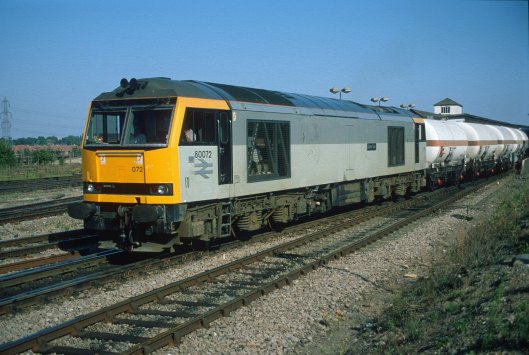
05323. 60072. Didcot. 21.8.1995 crop

Most Class 60s like this one were only 2-3 years old back in 1995 but they’d already developed a reputation for unreliability. Here’s 60072 ‘Cairn Toul’ passing through Didcot with a train of BOC tankers on the 21st August 1995. Now Didcot’s a mass of overhead wires as the line’s been electrified and most of the Class 60s have been in store for years, including this example.

05336. 91016. Kings Cross. 14.9.95crop

Then (as now) most East Coast Intercity services were in the hands of the Class 91s, which has been introduced between 1988-91. Ironically, one (91019 as was) has just been repainted in the livery you see here as the 91s are to be replaced by Hitachi built ‘Azuma’ trains from next year. Here’s 91016 at Kings Cross on the 14th September 1995.

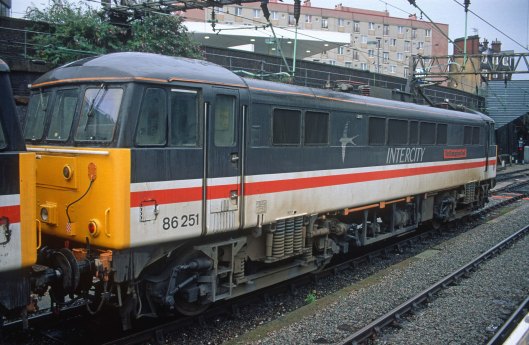
05340. 86251. Euston. 16.9.95crop

A day later, just down the road at Euston, loco-hauled still ruled West Coast services which were in the hands of the 86s, 87s and Class 90s. Here’s 86251 ‘The Birmingham Post’ stabled in the loco holding sidings.

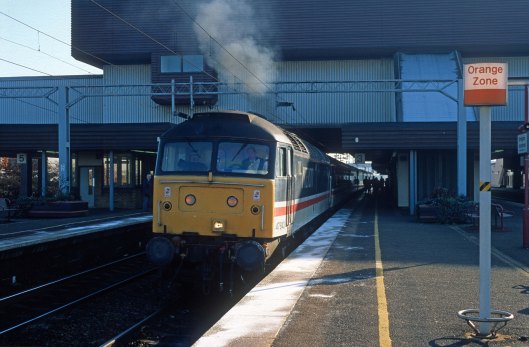
05373. 47843. 11.25 Birmingham International - Manchester Piccadilly. 18.11.95crop

Cross-country service were still in the hands of unreliable Class 47s hauling rakes of Mark 2 coaches. Here’s 47843 at Birmingham International with the 11.25 to Manchester Piccadilly on the 18th November 1995.

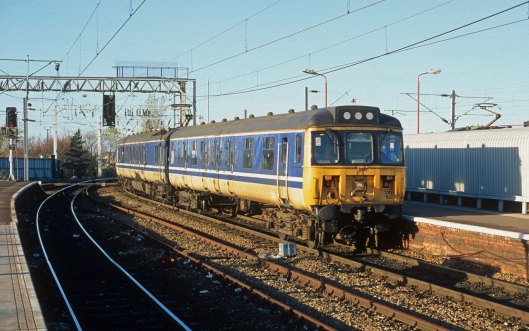
05391. 310102. Wolverhampton. 18.11.95CROP

Also on the 18th November, 310102 arrives at Wolverhampton on a local service from Stafford. These 75mph slam door units were originally built for regional services out of Euston in 1965-67. 102 (originally 310055) was one of 11 renumbered as they were transferred to the ‘Provincial sector’ to operate service around Birmingham. 

Sowerby Bridge remembers.

11 Sunday Nov 2018

Posted by Paul Bigland in History, Railways, Sowerby Bridge, World War 1

≈ 1 Comment

Tags

History, Railways, Sowerby Bridge, World War 1

This morning around 150 people braved wet weather (unlike a certain American President) to see the unveiling of a memorial at Sowerby Bridge station to the 42 local men who had worked for the Lancashire and Yorkshire Railway and who never returned from the First World War. I’ll blog about this in detail later.

DG312753crop

I’d like to thank Jim Milner from the Friends of Sowerby Bridge station for allowing me to use excerpts of his speech here. They give some valuable historical background on some of the men who are remembered on this memorial.

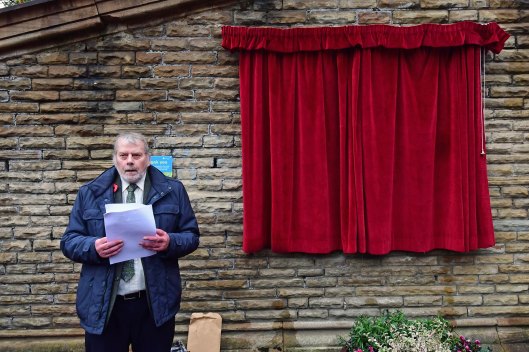
DG312738crop

Jim Milner delivering his speech, parts of which are reproduced below.

“With regard to the Lancashire and Yorkshire Railway, over 10,000 of their employees served and almost 1,500 died in service. This Memorial records the names of the 42 former employees of that Company who lost their lives, and who had been based at Sowerby Bridge, Greetland, Ripponden and Luddenden Foot.

Of those called up or enlisting, 9 of the men joined the Duke of Wellington’s West Riding Regiment, 5 the Prince of Wales’s Own West Yorkshire Regiment, 3 each the Lancashire Fusiliers, the King’s Royal Rifle Corps and the Northumberland Fusiliers, and 2 each the Royal Field Artillery, the Durham Light infantry, the Royal Engineers and the Royal Marine Light Infantry.

For those who embarked for France in the late summer and autumn of 1914, optimism was high. Many were told, and believed, that it would all be over by Christmas. But of course, that did not happen. The war would continue for another four years.
Sadly, for four of the men, it was all over by Christmas of that year. Thomas Barron, Arthur Goulden, Charles Pimblett and Samuel Rowe were early casualties of the War. Charles Pimblett had disembarked only 10 days earlier when he was killed in the Battle of Mons in Belgium on 24th August, 1914. He was the first Sowerby Bridge railwayman to lose his life.

During the course of the war, 36 of the men lost their lives in Northern France and Belgium. Most were involved in trench warfare. For much of the time there would have been little activity but, on occasions, they would have faced artillery bombardment, machine-gun fire, snipers and gas attacks. According to reports, two of the men were “accidentally killed”. Today we call it “friendly fire”. Eleven of the men, together with thousands of others, have no known grave.

Clarence Stott had briefly worked as a clerk at Ripponden Station. He served with the Royal Scots Fusiliers and died from wounds on 18th June 1915, following a bayonet charge by the enemy. At the time of his death Clarence was just 17 years old. He is the youngest of the men recorded here.

Walter Heaton had worked as a goods guard at Luddenden Foot. He served as a gunner with the Royal Field Artillery and sustained severe wounds from which he later died on 17th August, 1916. Walter was posthumously awarded the Military Medal for acts of gallantry and devotion to duty under fire.

Willie Hoyle enlisted with the Duke of Wellington’s West Riding Regiment but had transferred to the Sherwood Foresters when he died from gas poisoning in
a Casualty Clearing Station in France on 9th November 1918. This was just two days before the war ended.

Four of the men were further afield when they lost their lives.

George Page had worked as a labourer at Sowerby Bridge Engine Shed. He enlisted with the Hampshire Regiment and was killed in Salonika in December 1915. John Thompson had also worked at the Engine Shed, as a washer-out. He served with the Royal Marine Light Infantry and was killed in the trenches in Gallipoli in June 1915.

Harry Haigh had worked as an engine cleaner, and he also enlisted with the Royal Marine Light Infantry. He lied about his age in order to be accepted. Harry served on the battleship HMS Malaya and was killed in an explosion while supplying munitions to his gun during the Battle of Jutland, off the coast Denmark, on 31st May, 1916. He was killed just days after his eighteenth birthday. Harry Haigh was buried at sea.

Thomas Barron, a former ballastman, joined the Royal Navy as a stoker. He was lost while serving on the HMS Good Hope off the coast of Chile on 1st November 1914. The ship was attacked and sunk by the German battle cruisers Scharnhorst and Gneisenau with the loss of all hands – Thomas Barron was just one of a total of 919 officers and enlisted men lost that day.

All 42 of these men had many things in common. They had all been employed locally by the Lancashire and Yorkshire Railway. They all served King and Country at a time of war. Had they survived they would all have had stories to tell children and grandchildren. They were all brave men. They all made the ultimate sacrifice”

Digging up graveyards for Hs2. It’s not as if it hasn’t been done before…

30 Tuesday Oct 2018

Posted by Paul Bigland in History, Hs2, London, Railways, StopHs2, Travel

≈ 4 Comments

Tags

History, Hs2, London, Railways, The dead, Travel

There’s always synthetic outrage and hypocrisy surrounding Hs2, none so more than around the issue of old graveyards being built on and the dead being exhumed and reburied.

Anyone would this this is somehow unique. In fact it’s very common. Many stations were built on old graveyards – including Euston itself. Between 1887 and 1892 the station was extended Westwards. This meant diverting Cardington St over the burial ground of St James’s, which had closed to 40 years earlier. Each corpse was provided with a new coffin and reinterred at St Pancras cemetery, Finchley, at the expense of the London and North Western Railway. This was done sympathetically due to the furore over an earlier graveyard clearance at nearby St Pancras in 1866 which rather puts today’s building into perspective.

During the first half of 1866 several thousand houses in Agar Town and Somers Town were demolished to make way for St Pancras. some 10,000 people were evicted (without compensation) and crowded into adjoining slum areas, making conditions even worse. Meanwhile, a corner of the graveyard of the old St Pancras Church was cleared. Like most old graveyards, it was packed with bodies to a considerable depth. Working conditions were appalling and the disinterred remains were treated with scant respect. Bones were left lying around and open coffins could be seen on the worksite. A furore arose in the newspapers and influence from high quarters led to more care being taken. The problem was twofold. The sheer amount of bodies buried in poor conditions and the fact the graveyard was making way for a cut and cover tunnel for the link between the Midland and the Metropolitan railway.

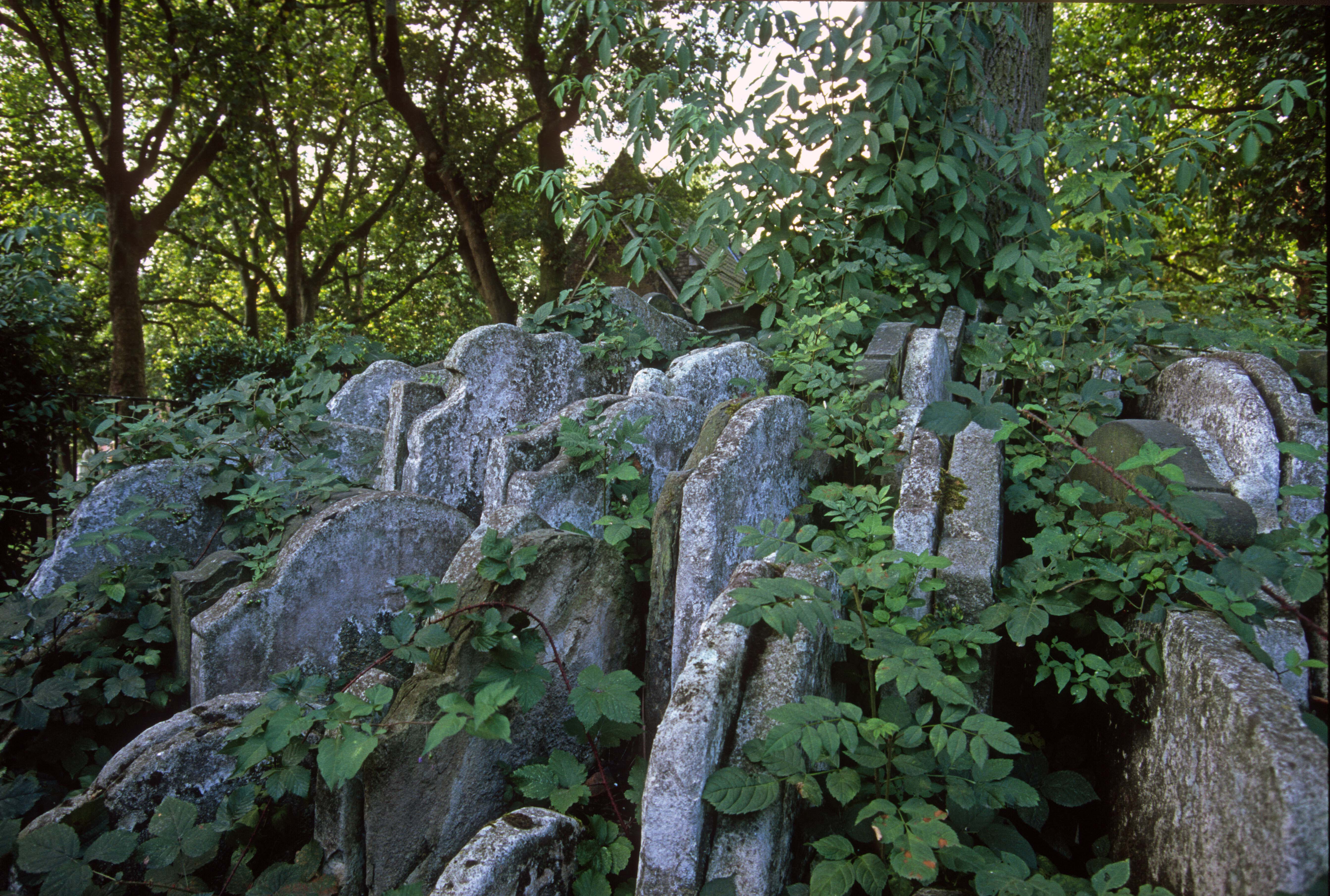
Nowadays, this has let to one of the more unusual local tourist attractions; the Hardy tree. The work of removing gravestones was delegated to one Thomas Hardy (yes, *that* one) and he arranged them in a rather interesting art installation. Here’s how it looked a few years ago.

T14164. Gravestones stacked around a tree. St Pancras churchyard. London. England

You can read more about it here.

When Broad St station was built in 1864-66 similar problems occurred. Excavations revealed layers of human remains several feet thick. This was thought to be either a plaque pit or the burial ground of the old Bethlehem hospital.

The same problem was encountered when nearby Aldgate station was built in 1875. This was described by Daniel Defoe in his book “A Journal of the Plague Year” As an aside, did you know several London parks are old plague pits – including Green Park?

When the viaducts on the approach to Charing Cross station were being constructed in 1863 well over 7,000 corpses were removed from the College Burial Ground of St Mary, Lambeth and reburied at Brookwood, on of the seven great satellite cemeteries established by an Act of Parliament between 1832-41 because London’s dead were buried in small urban churchyards, which were so overcrowded and so close to where people lived, worked and worshipped that they were causing disease and ground water contamination.

It’s not just something that happened in London either!

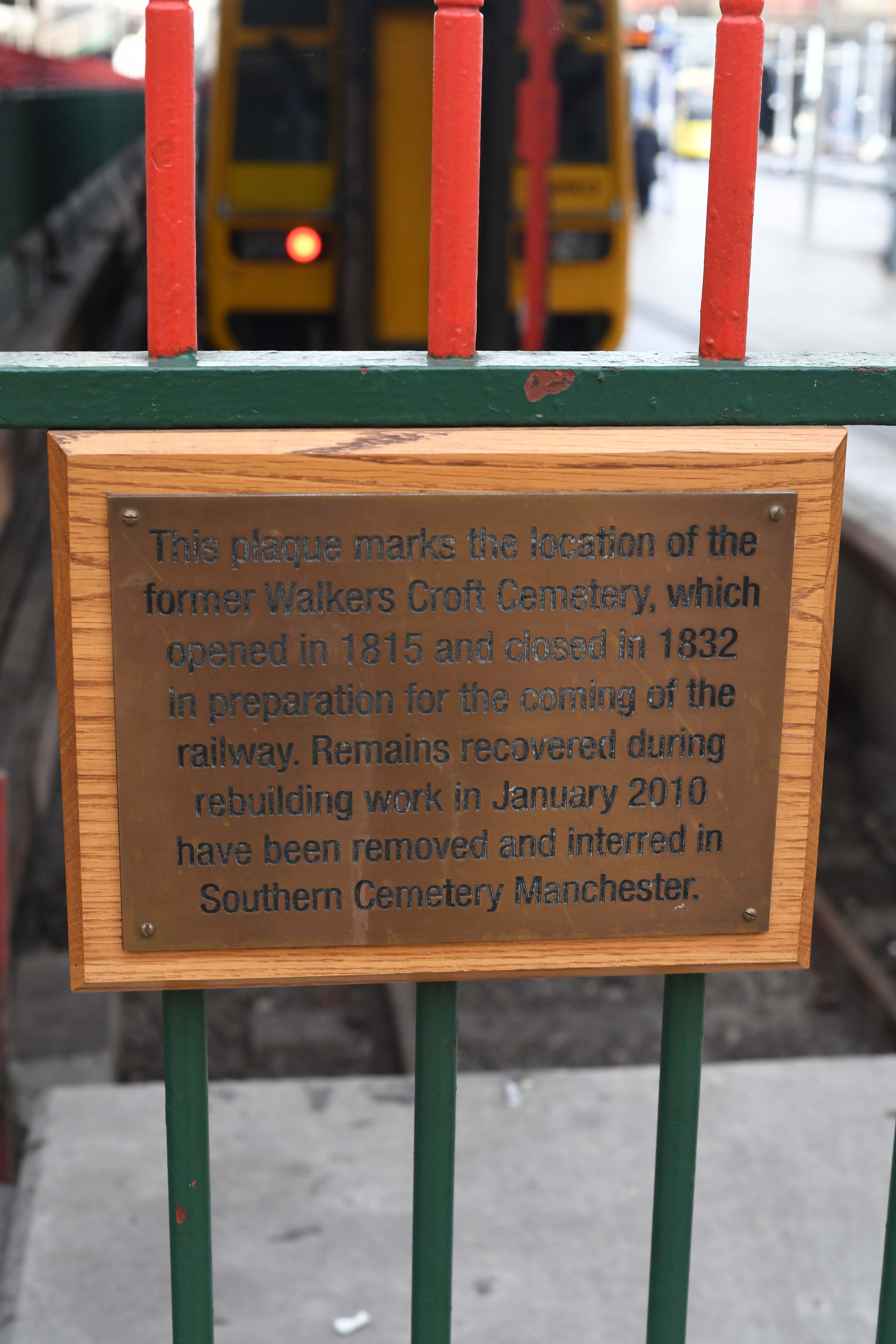
Manchester Victoria occupies Walker’s Croft which was once a 19th century church and graveyard linked to a nearby Victorian workhouse. As recently as 2013 remains were found when the station was being rebuilt. They were removed and reburied. A plaque at the station records this.

DG261981. Remembering the graveyard. Manchester Victoria. 11.12.16

Of course, nowadays, exhumations and reburials are conducted with far more care and attention than our Victorian forebears did, which rather puts the fake fuss into perspective, also, building Hs2 has archaeologists and historians genuinely excited as 1000s of them will be working on the course of the railway for the next two years. You can learn more here.

If you want to learn more about London’s plaque pits, visit this link.

UPDATE.

Since I wrote this blog, John Bradley (@flypie) has been in touch via Twitter with this interesting link to an 1828 road widening scheme in Liverpool that led to the exhumation and reburying of several thousand bodies.

5th October 2020.

HS2 Ltd has now announced that the bodies from the Euston cemetery are to be reinterred at Brookwood cemetery near Woking.

UPDATE:

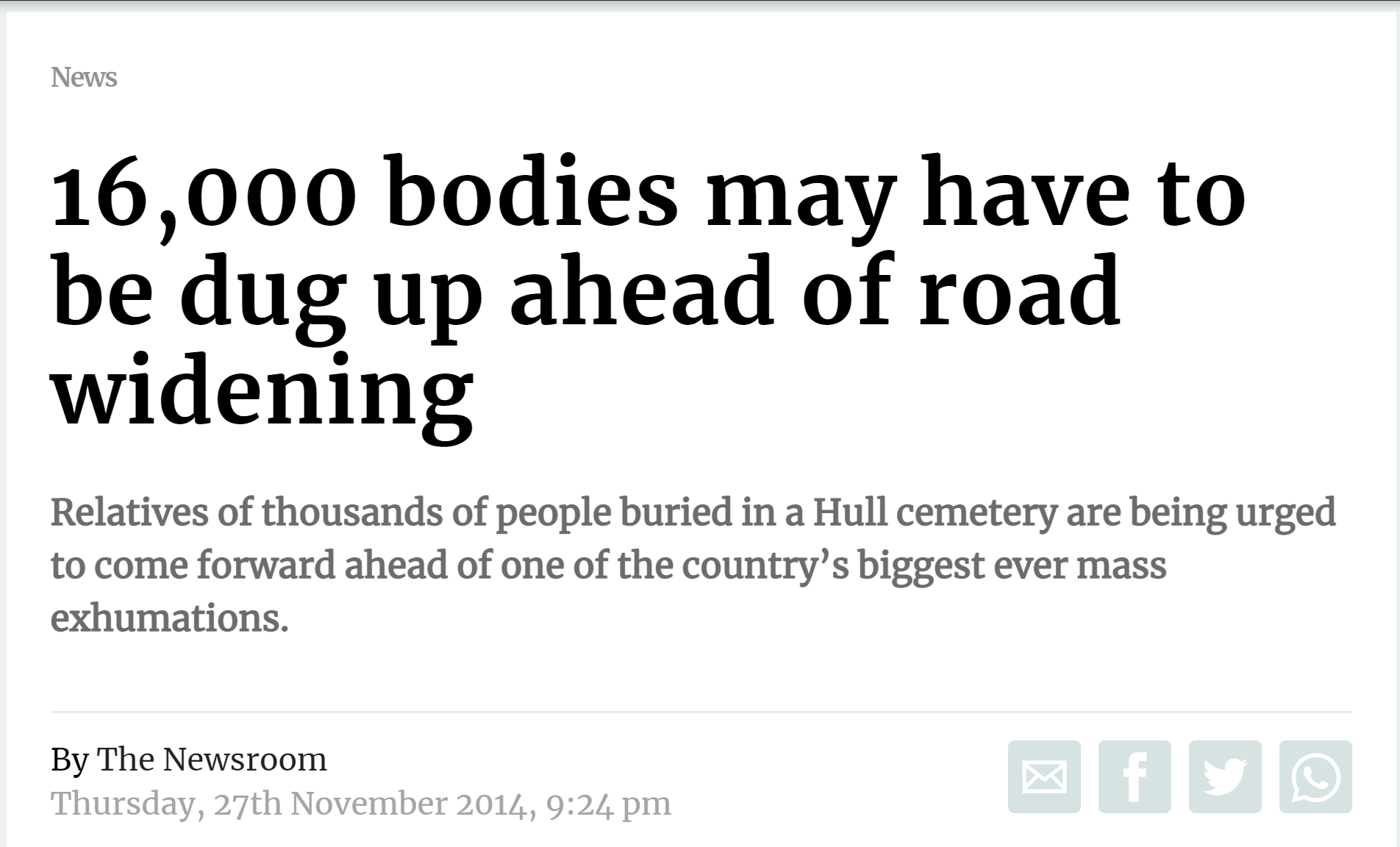
Here’s a story that slipped in below the radar but that helps put HS2 in perspective. In 2014 a road scheme in Hull meant that an old graveyard had to be dug up, affecting up to 16,000 bodies. The Yorkshire Post billed it as “one of the country’s biggest ever mass exhumations”. But, as it wasn’t HS2 there was no outcry!


Rolling blog: out and about…

27 Thursday Sep 2018

Posted by Paul Bigland in History, Merseyside, Railways, Rolling blogs, Travel

≈ 4 Comments

Tags

Merseyside, Railways History, Rolling blogs, Travel

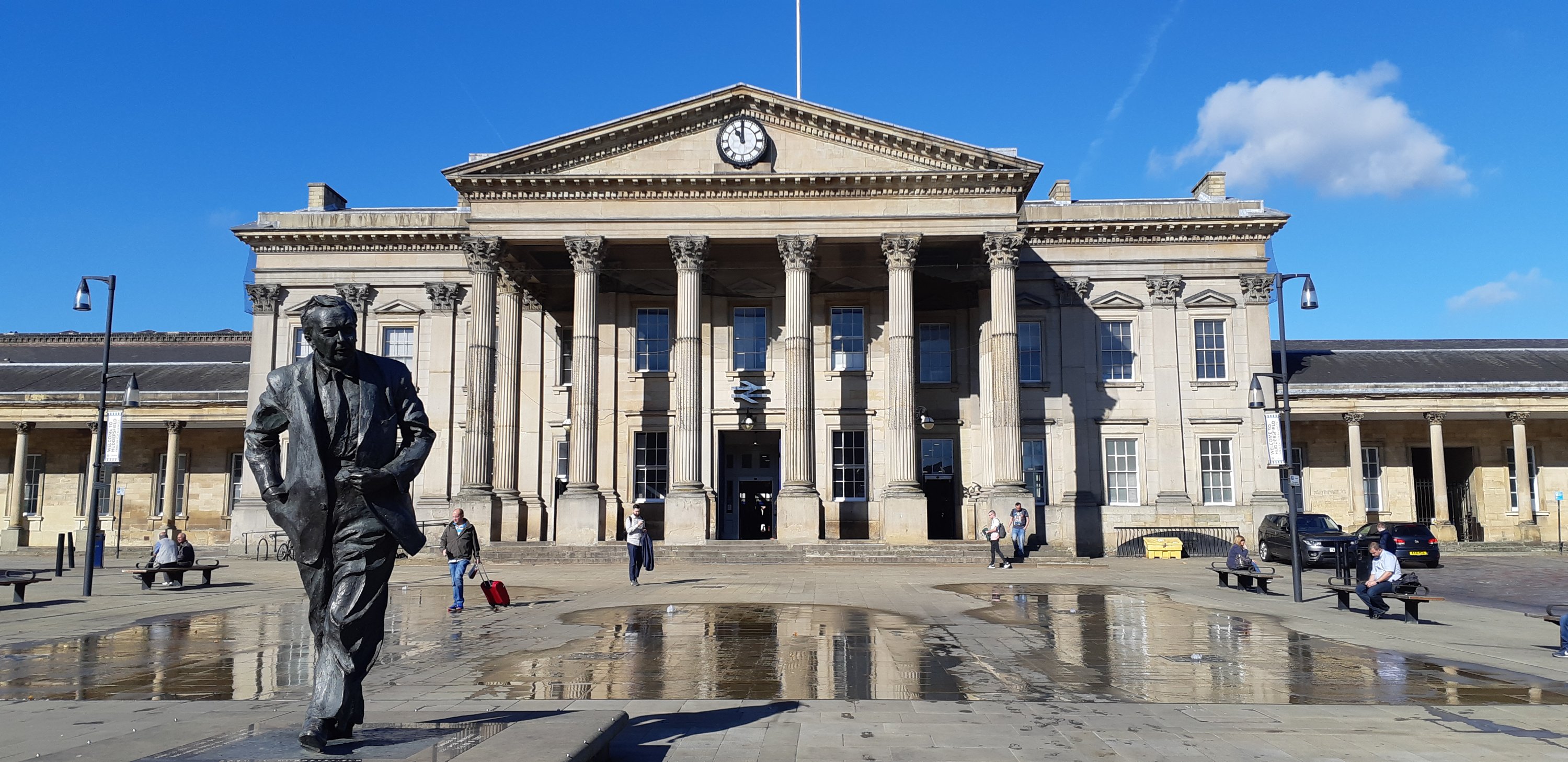
After several days staring at a computer screen I’ve escaped the office for the day and headed out with the camera. Dawn gave me a lift into Huddersfield, so first stop was to catch up with the guys and gals at ACoRP towers to learn about preparations for next week’s Community Rail Awards in Glasgow. It’s a lovely day here, as this picture shows.
Now I’m on the move, heading West with Manchester Victoria first stop…

12:58.

I’m now back in the city of my birth: Liverpool. It’s a beautifully sunny day here too. I’ve had a mooch around the redeveloping Lime St station where I noticed this lash-up, an East Midlands Trains 156/158 combination working to Norwich!
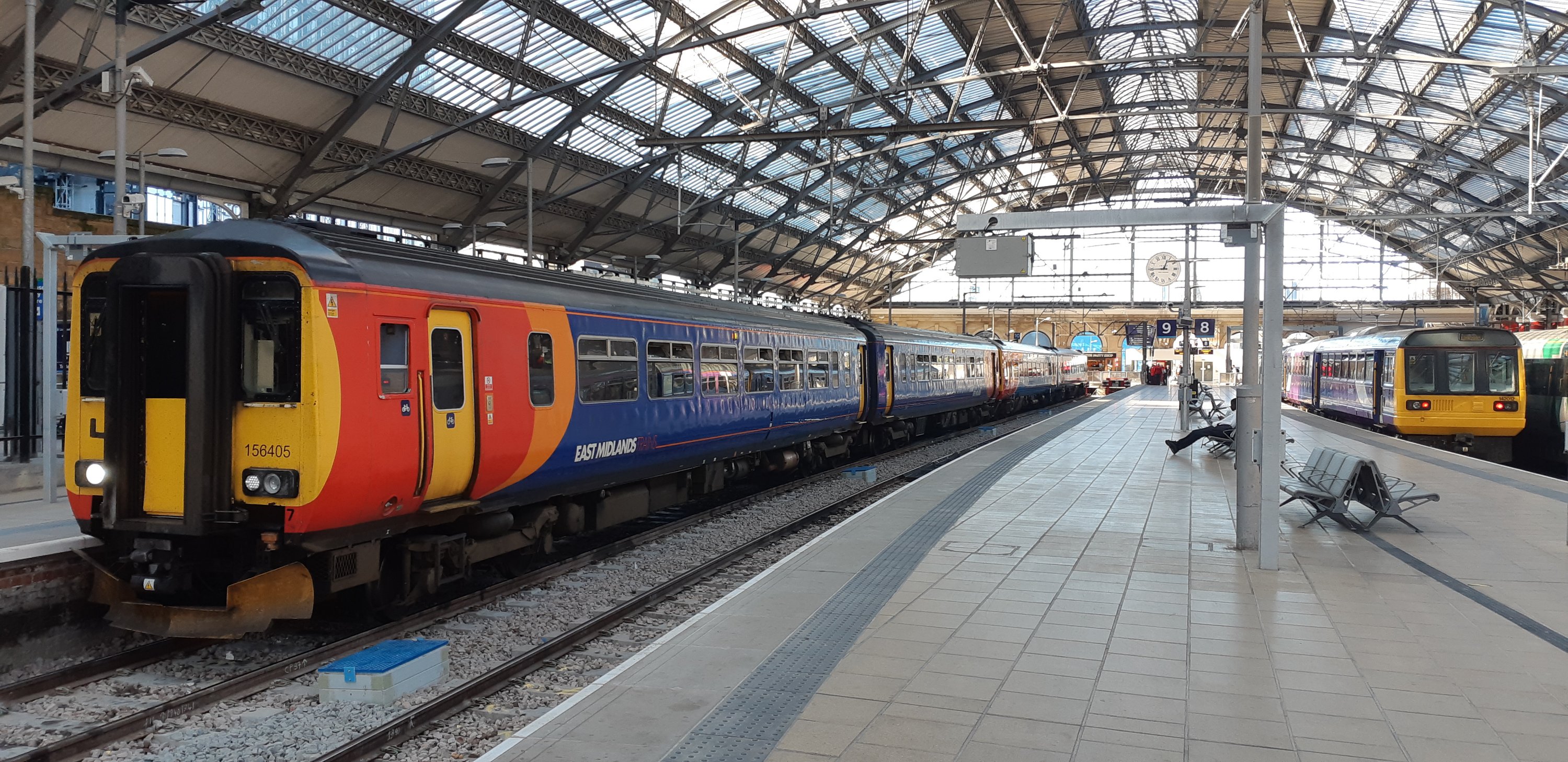
If you’re foolish enough this would take 5 hours 21 minutes. The 156 is limited to 75mph, it has forced air ventilation (thus noisy open windows) and there’s no trolley service, so bring food parcels and ear-defenders! For the same price you can go via London (albeit changing 3 times) and arrive 5 minutes later!

I wish EMTs cross country option offered more than this nowadays but this is it.

14:03

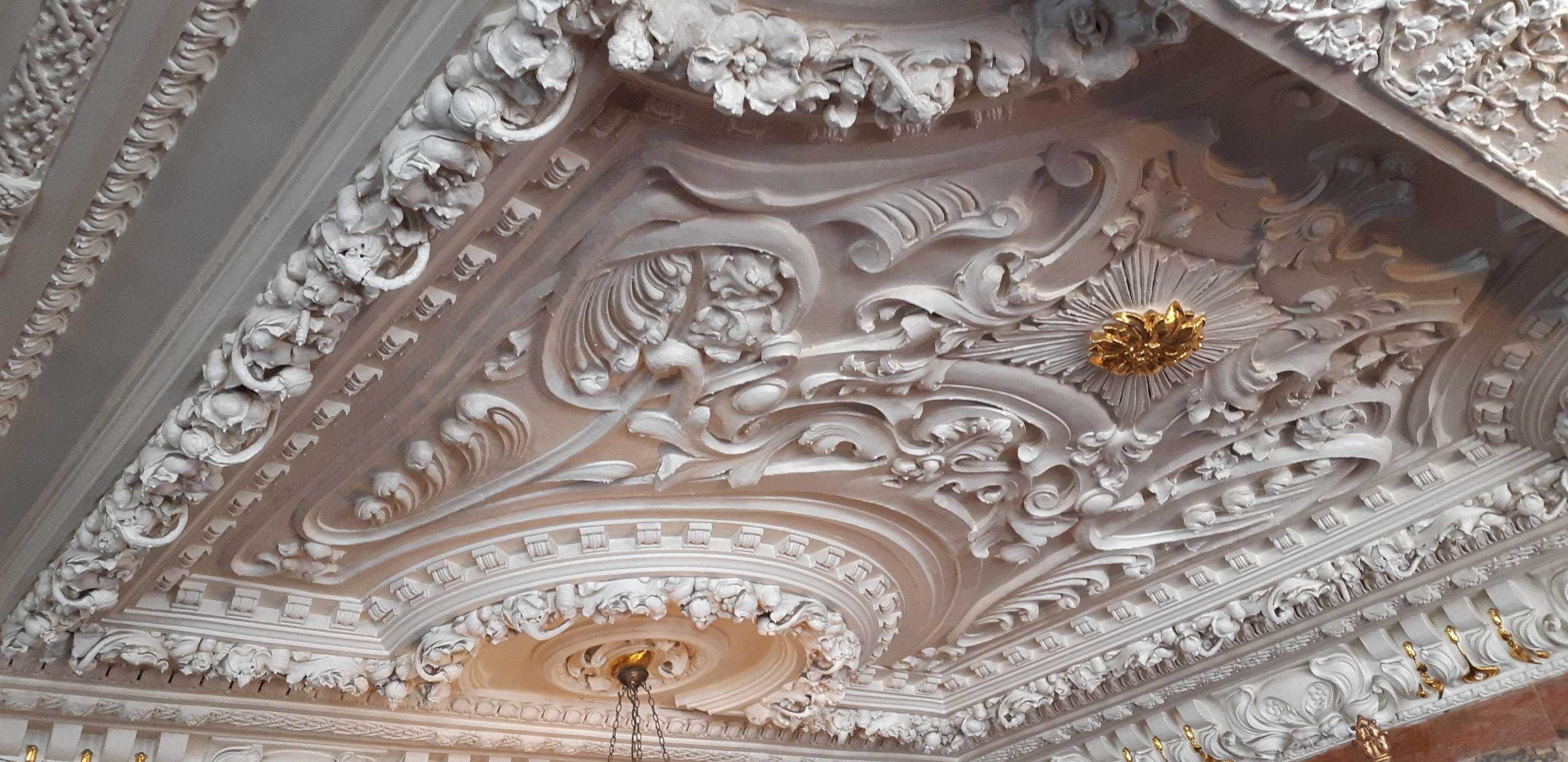
Much as I love Liverpool, I’m very much on the move today so I didn’t have time to sample any of the cities fabulous pubs. Some of them are real works of art – like the Crown, right next to Lime St station. This is the pubs ornate ceiling.
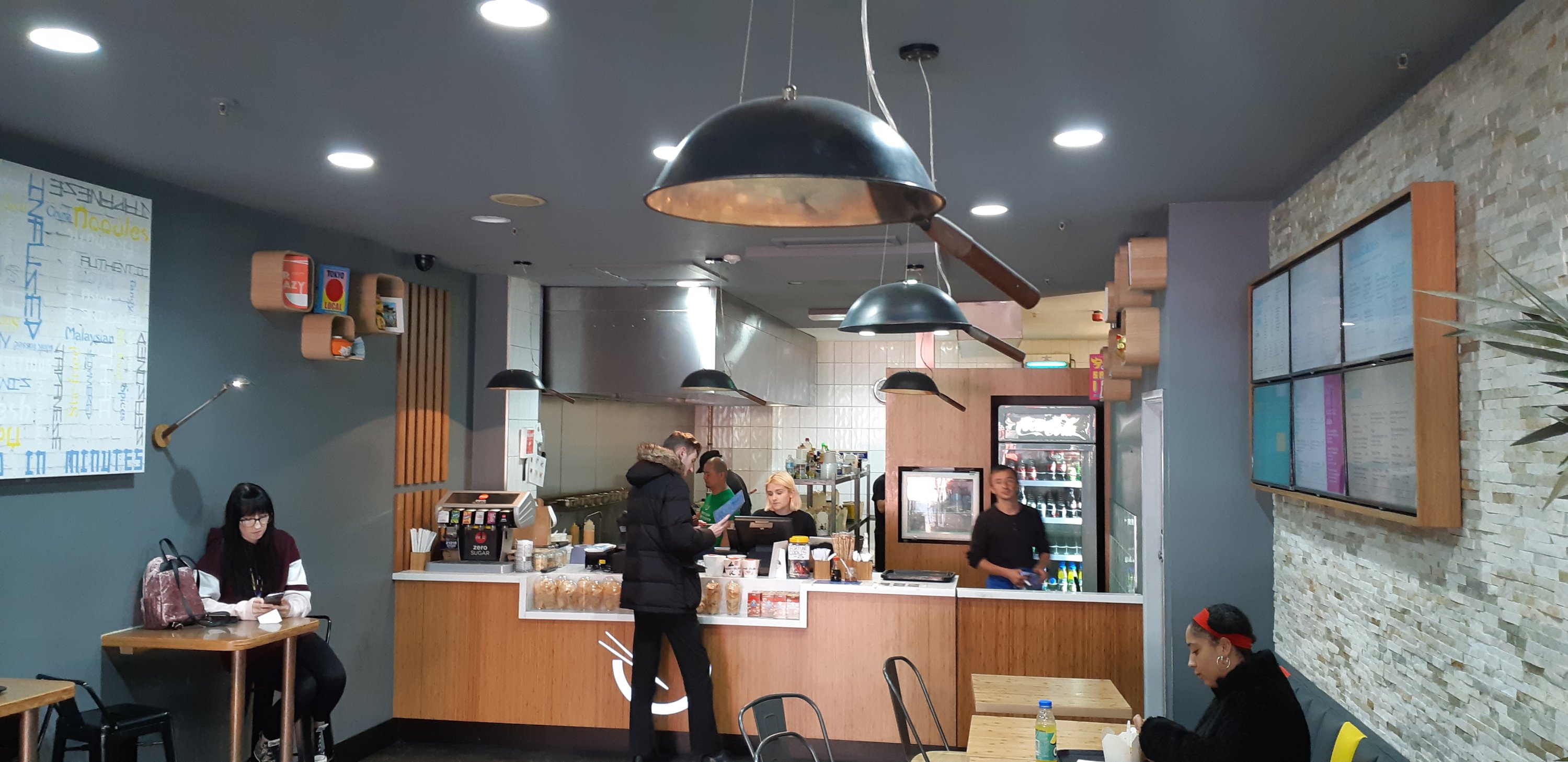
What I did have time for was a spot of lunch at one of the city centre noodle bars. This one, called ‘Wok and Go’ is just outside Central station. You can get an excellent, freshly cooked Asian meal for a fiver. I rather like the wok lampshades too…
15:46.

I moved on via Merseyrail to Kirkby, one of those very odd hangovers from a different era – the 1970s. This former main line has between Liverpool and Wigan been singled in either direction and the line severed. It’s essentially two separate lines now, the electrified Merseyrail service ends, passengers detrain and walk along the platform, under a bridge, past two pairs of buffer stops and board a Northern Rail service to travel onwards. There’s only two places like this in the UK and they’re both on Merseyrail. The other’s nearby, at Ormskirk.
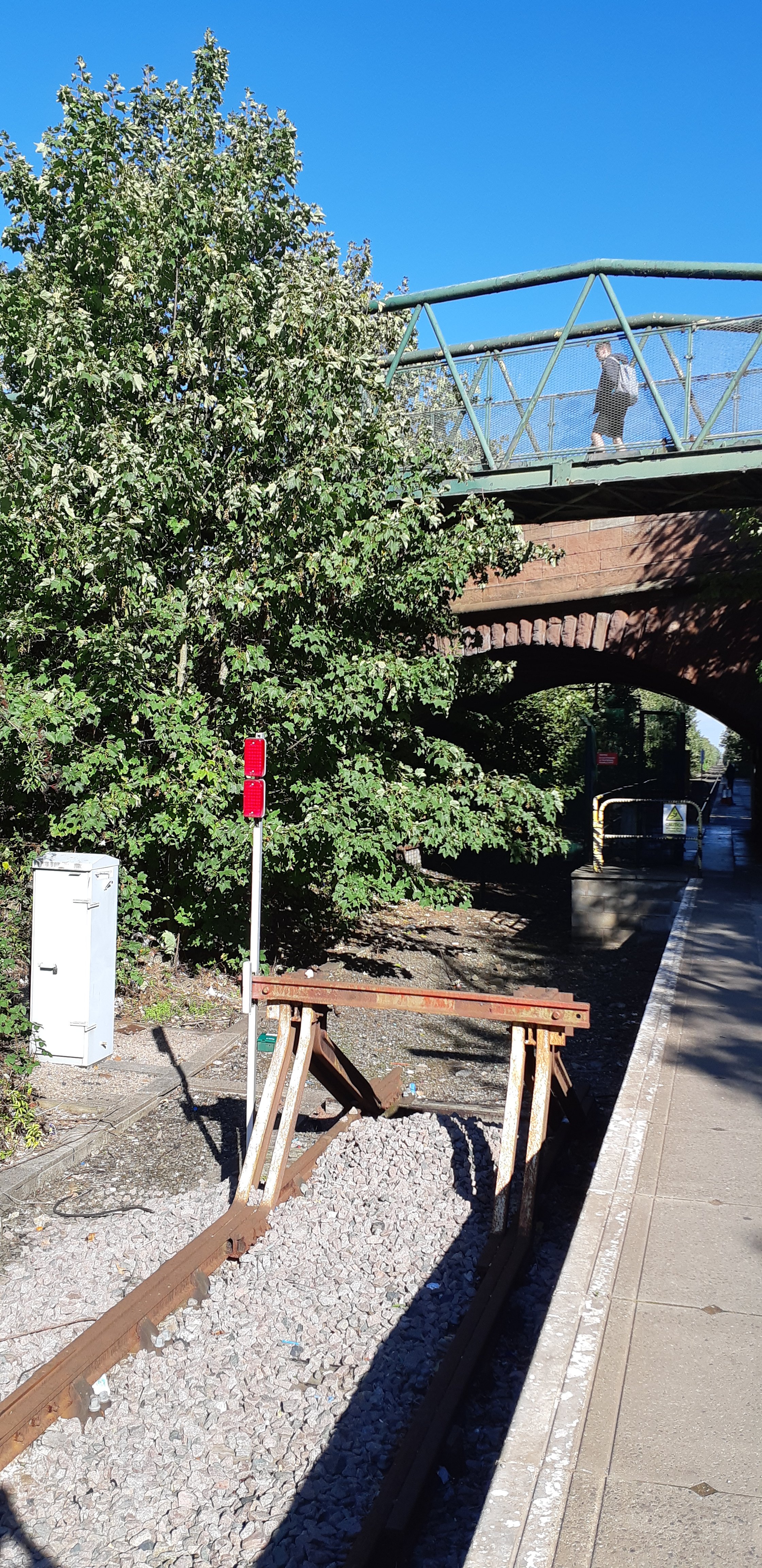
My Northern steed was one of a pair of Pacers. Two are provided but the rear one’s locked out of use as the platforms at the next station, Rainford, are too short for a 4-car. It’s Rainford I was heading for as it has one of the few mechanical signalboxes left in the Northwest as it’s where the single line begins/ends. Rainford was once a junction and the excellent real ale pub on the road above is still named ‘The Junction’. Here’s the view from the station footbridge today.
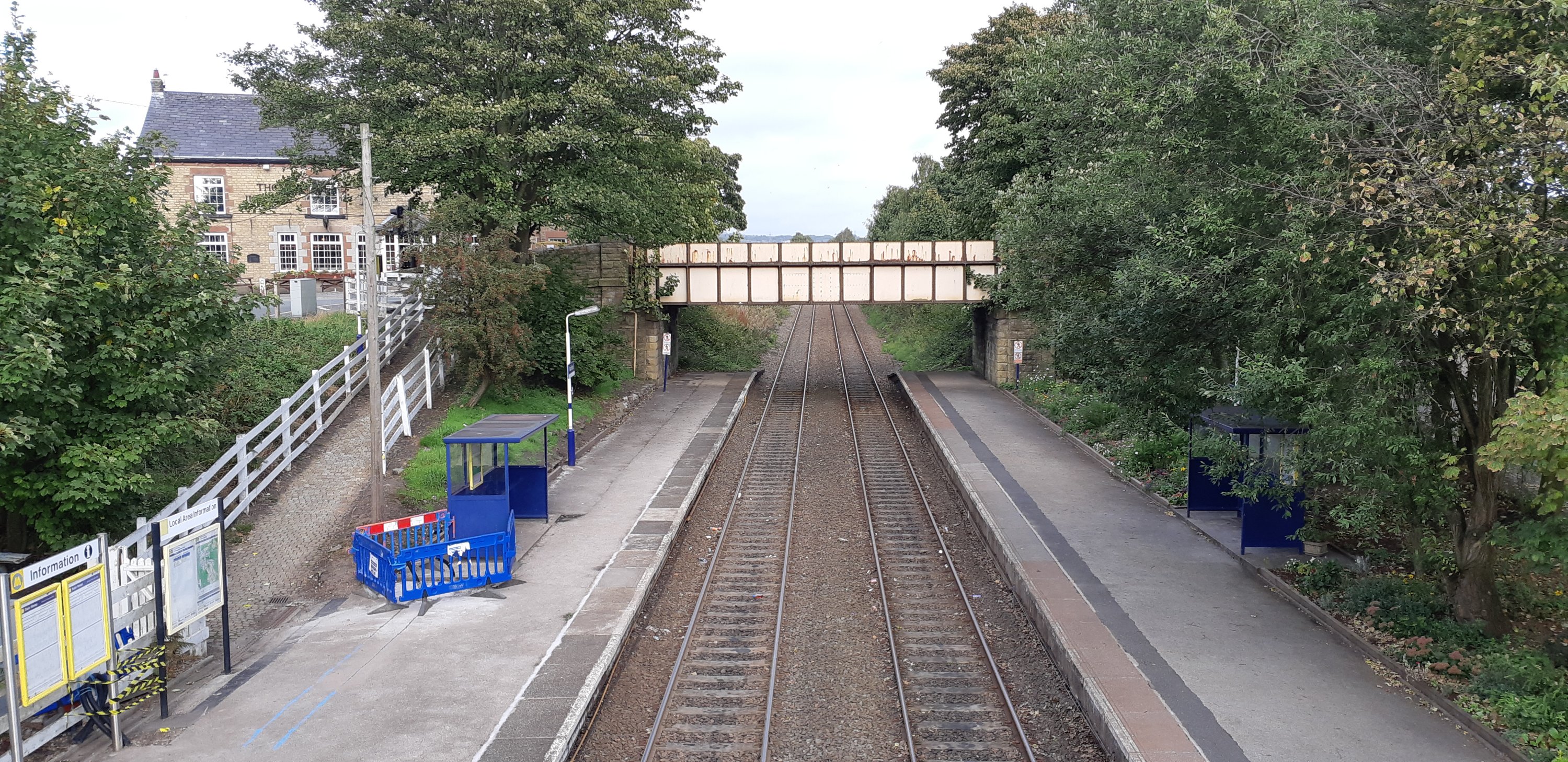
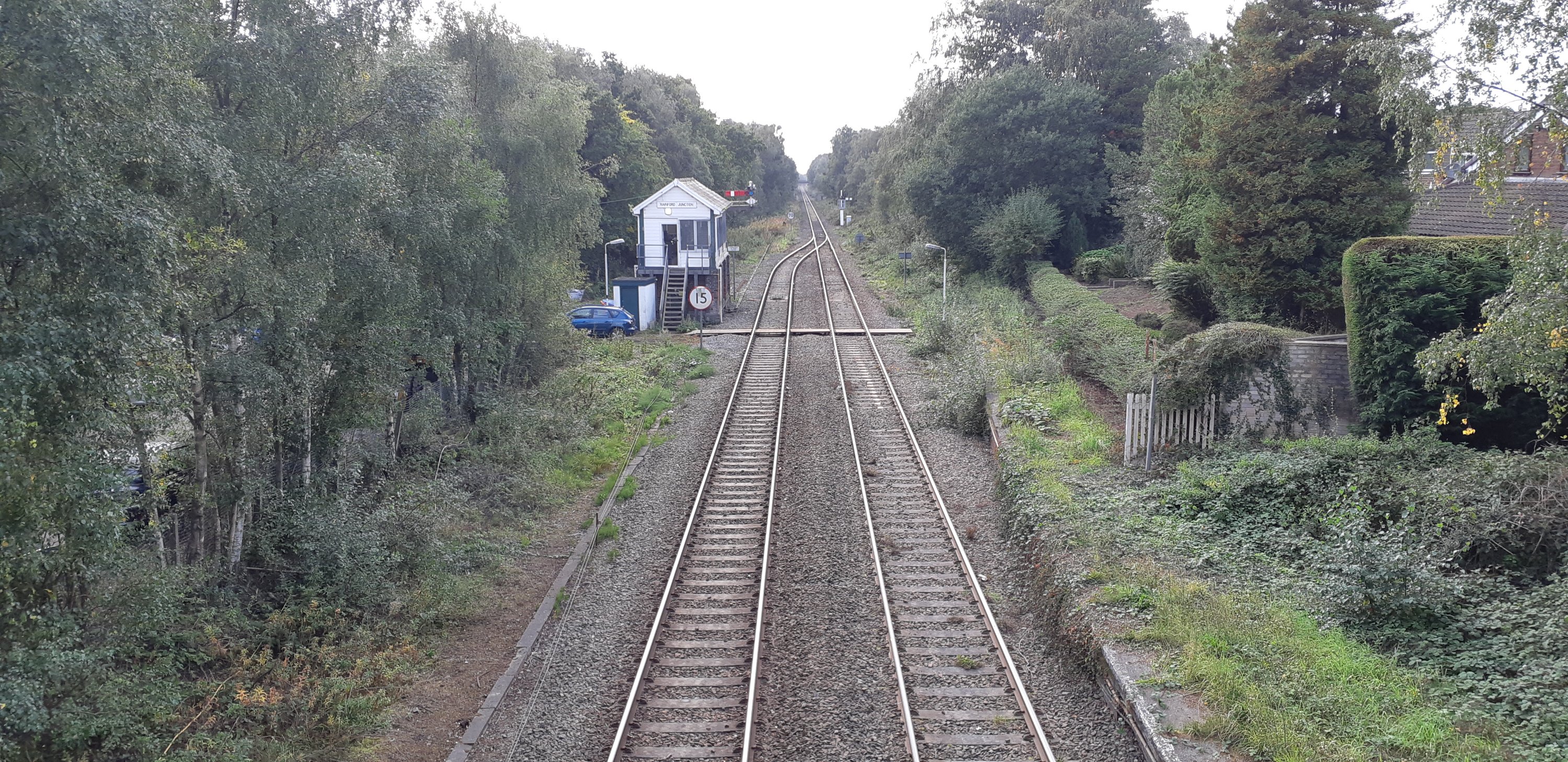
In this shot you can see the signalbox which used to stand in the middle of the junction, with lines curving away to the left and right just before the box. You can still see the curve on the edge of the right hand platform whilst the left hand side is completely overgrown by trees. It now a footpath. If you want to learn more about the history of the station and see a collection of old photographs, visit this website.
Here’s an old (undated) picture displayed in the pub.
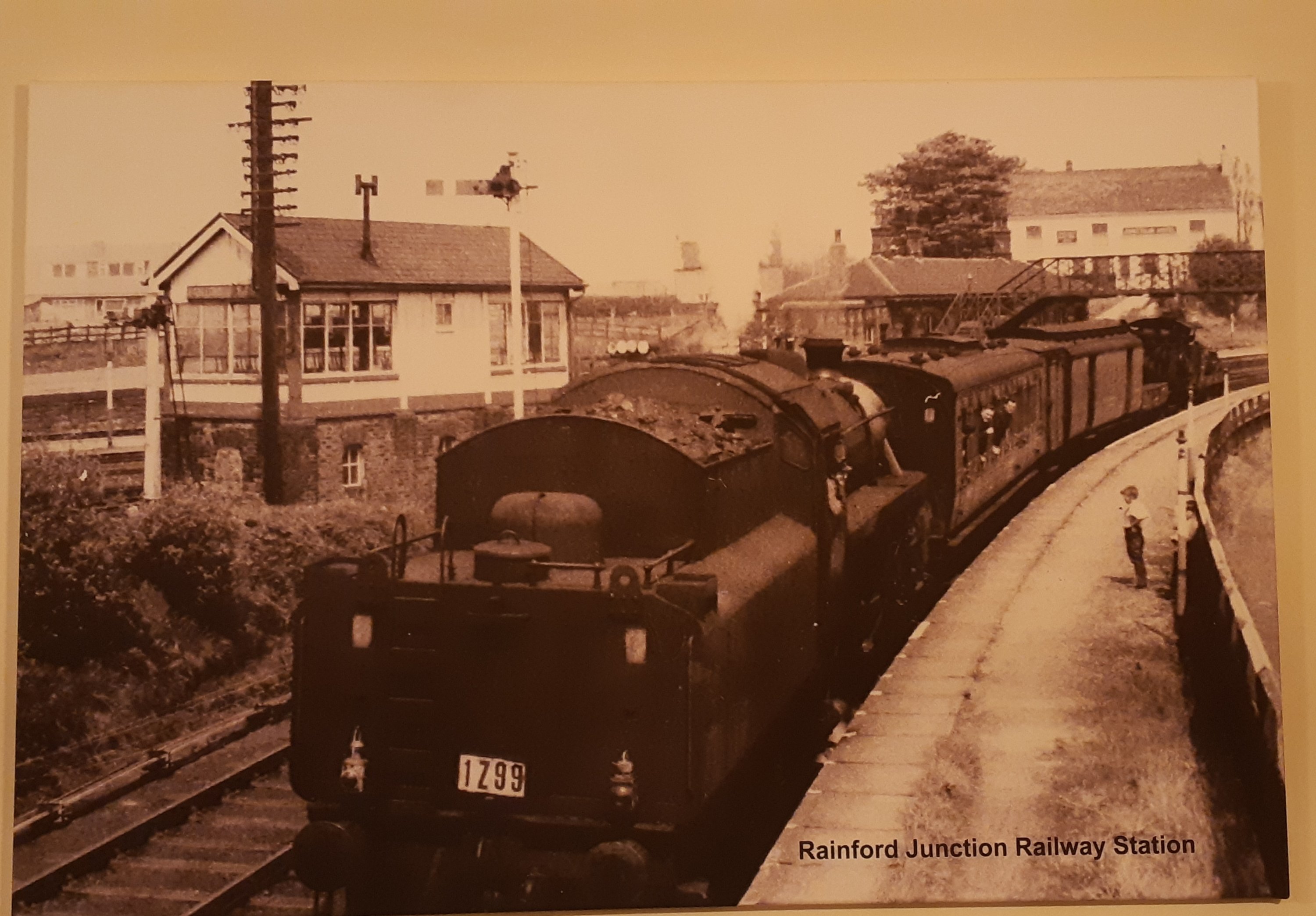
It shows the Pub, signalbox and footbridge I was stood on!

Rainford’s only one of a couple of dozen locations left in the UK where the signaller physically hands over the single line token to the train driver, then collects it from them on the return.  Here he is in action yesterday.
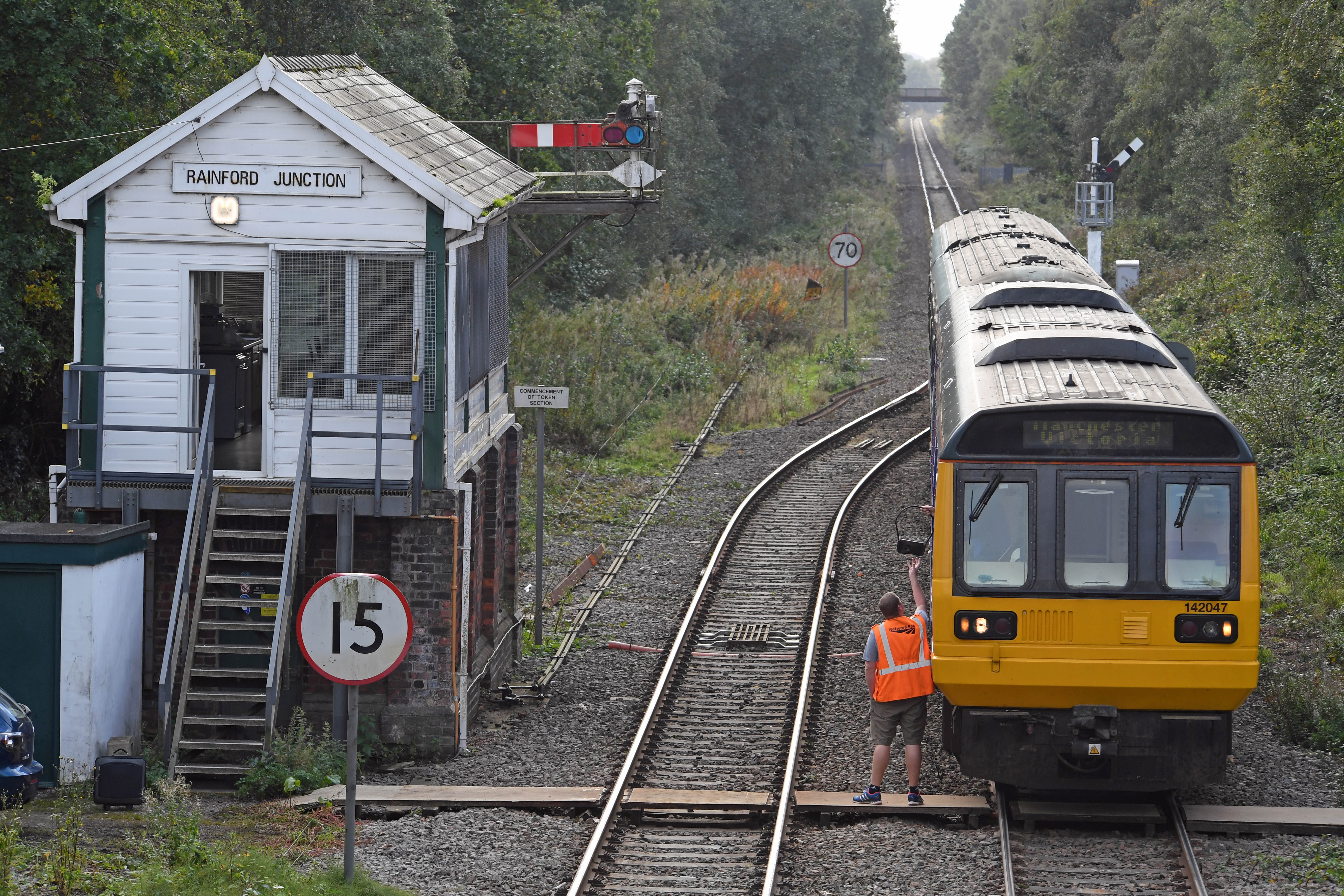
DG309944crop

17:07.

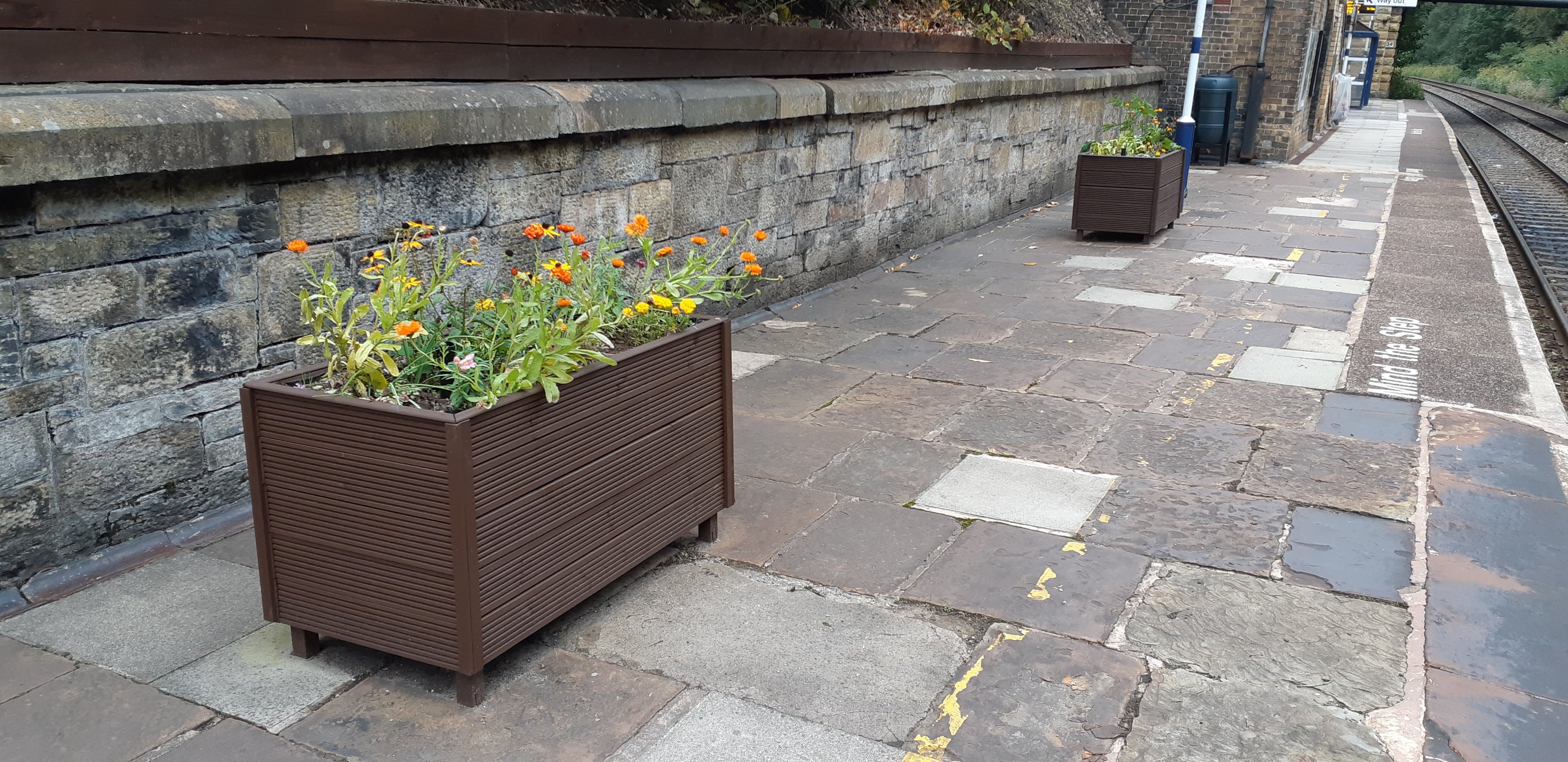
I’ve stopped off again, this time at a station I’ve never visited: Orrell. The station’s been built in a deep cutting, so access isn’t the easiest. That said, the station friends group (whom I don’t know) are doing some sterling work on difficult terrain. They’ve established planters on the platforms, brought in water butts, edging and added steps to some of the steep banks to make then accessible for planting.
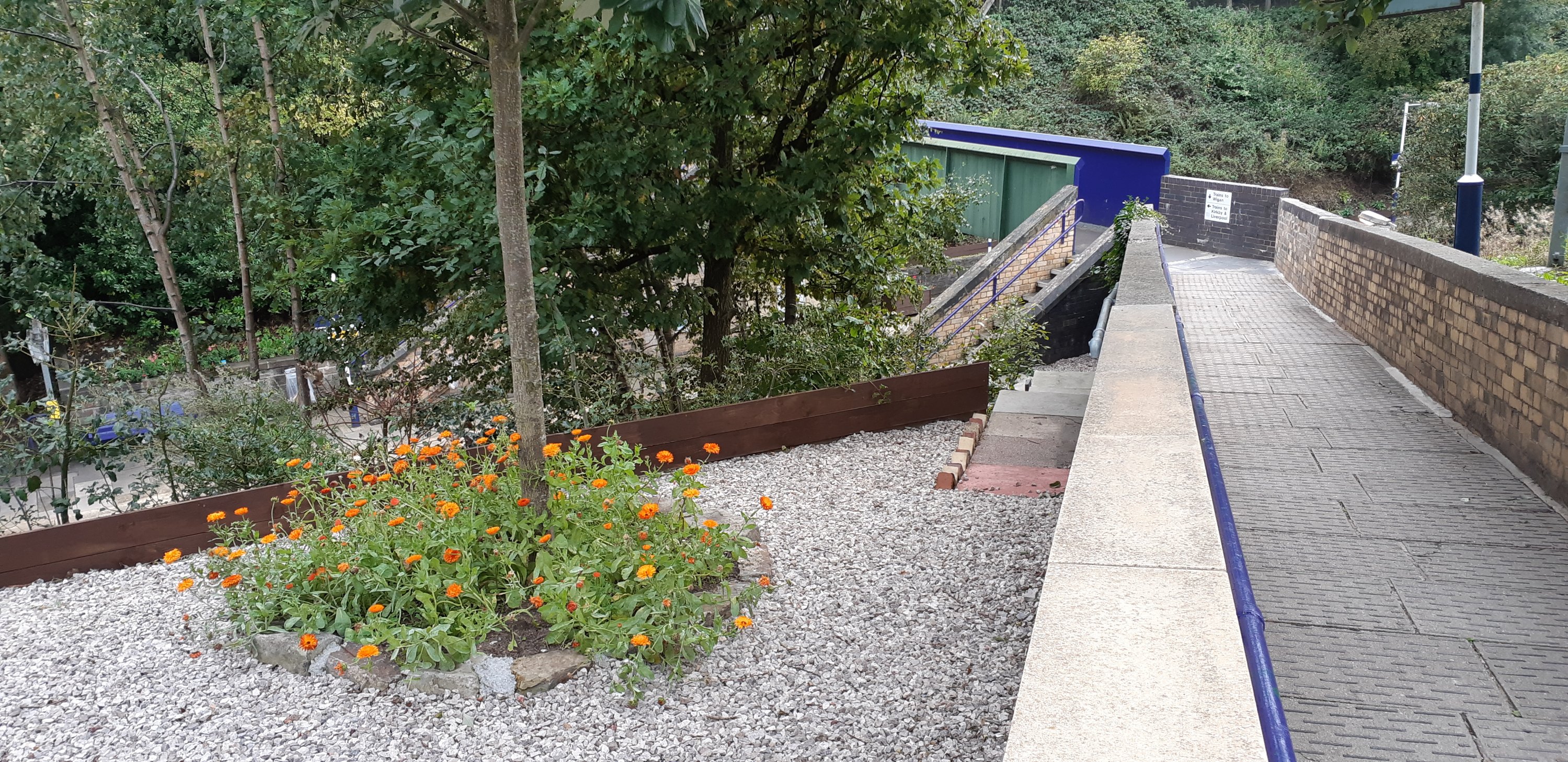
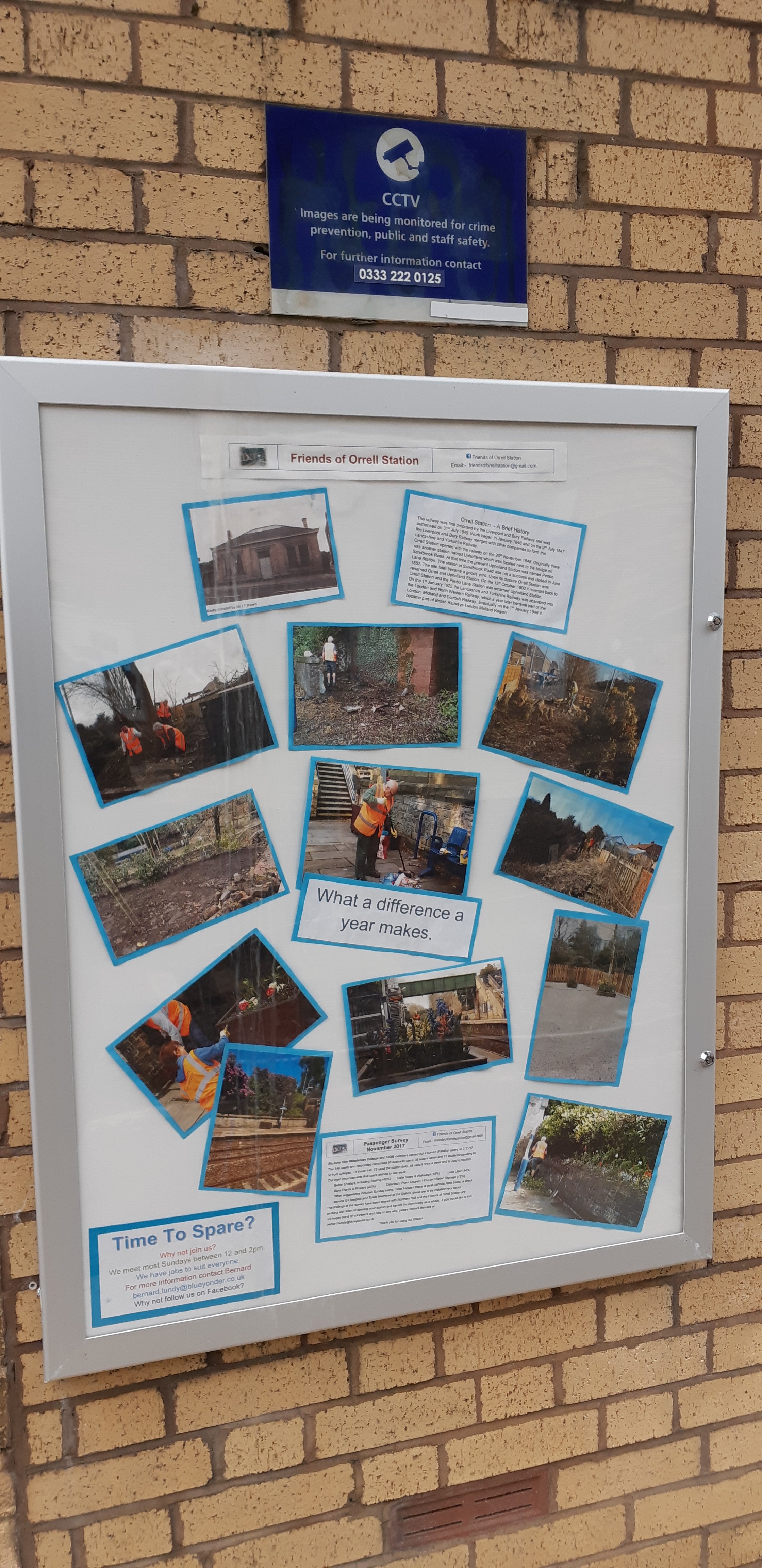
I had a quick wander around the town but it’s not one of those places that has a natural centre, just scattered shops and a couple of closed-down pubs. It has the feeling of a town that’s lost it’s original reason for existance, so it’s a dormitory town for elsewhere.

My next stop was quite depressing: Wigan. I know Wigan of old, since the early 1970s when I first started travelling solo as a teenager. It’s always been a bit of a depressing place. It’s no wonder George Orwell used it in some of his writing. The problem is, it hasn’t got much better. The old industries that grew the town are long gone and I’m really not sure what sustains the place anymore. In the 1990s 2000s I used to change trains here on my way to see my family in Southport. Occasionally we’d stop for a drink if we missed a connection, but there was always an undertow of menace in some of the pubs. That and the bluster of people who knew they were going nowhere. It’s worse now. I had a quick wander in between trains. The big old pub to the right of Wallgate station’s now a shop. It’s one of the few as all I saw in my stroll uphill was bars, barbers, vape shops, bookies, drunks and beggars. None of the normal economic life of a healthy town. Still, now that we’ve ‘taken back control’ thanks to Brexit, I’m sure things will improve…

Moving on I caught a train back to Manchester where I changed for a service back across the Pennines. This time of day the trains are very busy, but that’s no surprise – I’m on another old friend, a 2-car Class 150 that used to operate Gospel Oak to Barking on my local line in North London. It ended up working for Great Western around Exeter and now it’s pitched up here. Northerners complain about poor train services but if you compared loading and fares on this route with (say) a train out of London Waterloo to Basingstoke at the same time of day you can see why that has 12 cars and this doesn’t!
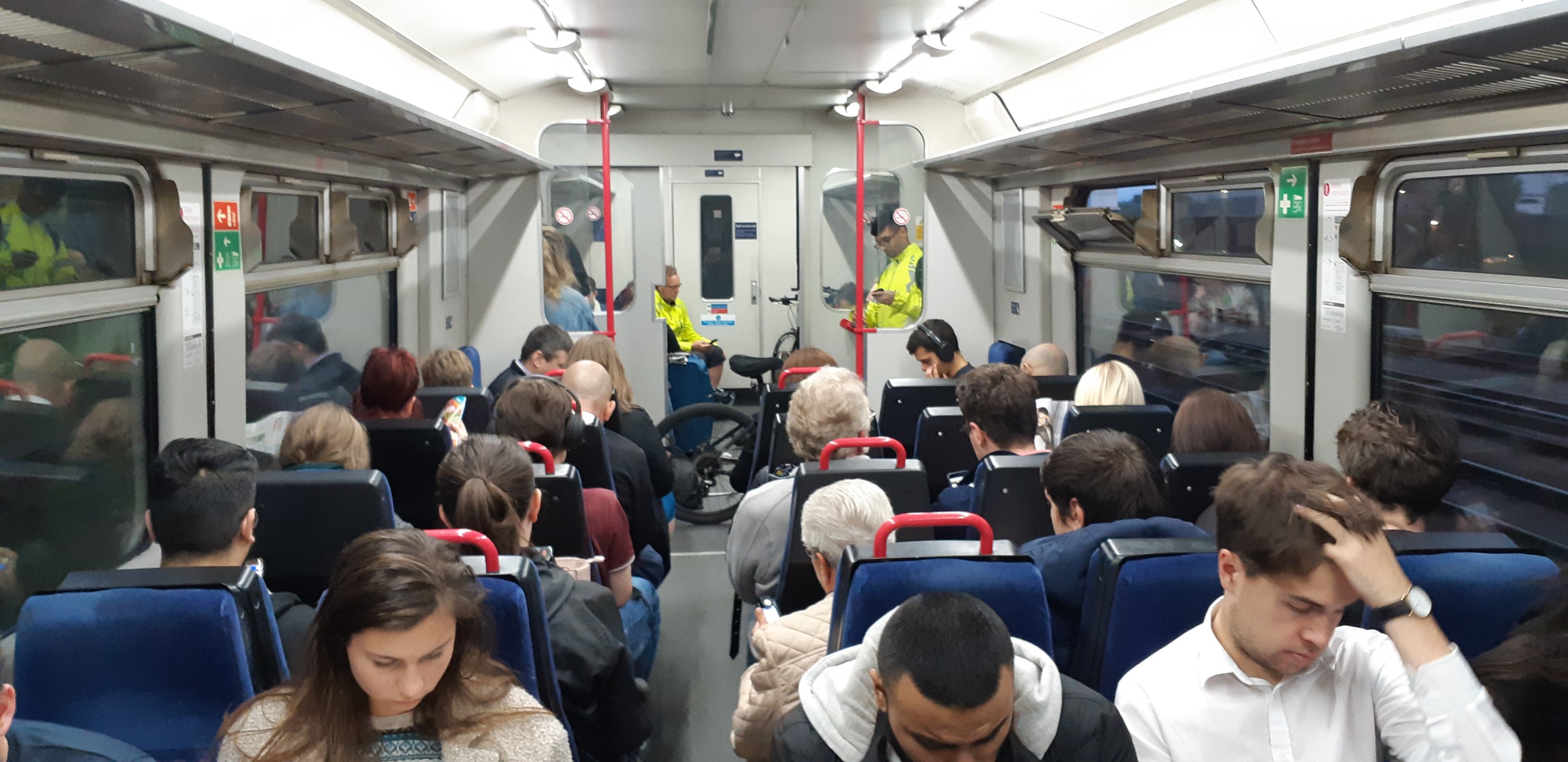
l’ll probably get some flak for that observation, but as someone who’s lived in both areas I know the reality.

My final port of call was Hebden Bridge, where I changed trains once more. At night the place oozes history and atmosphere, all you need is a steam engine to pass through!
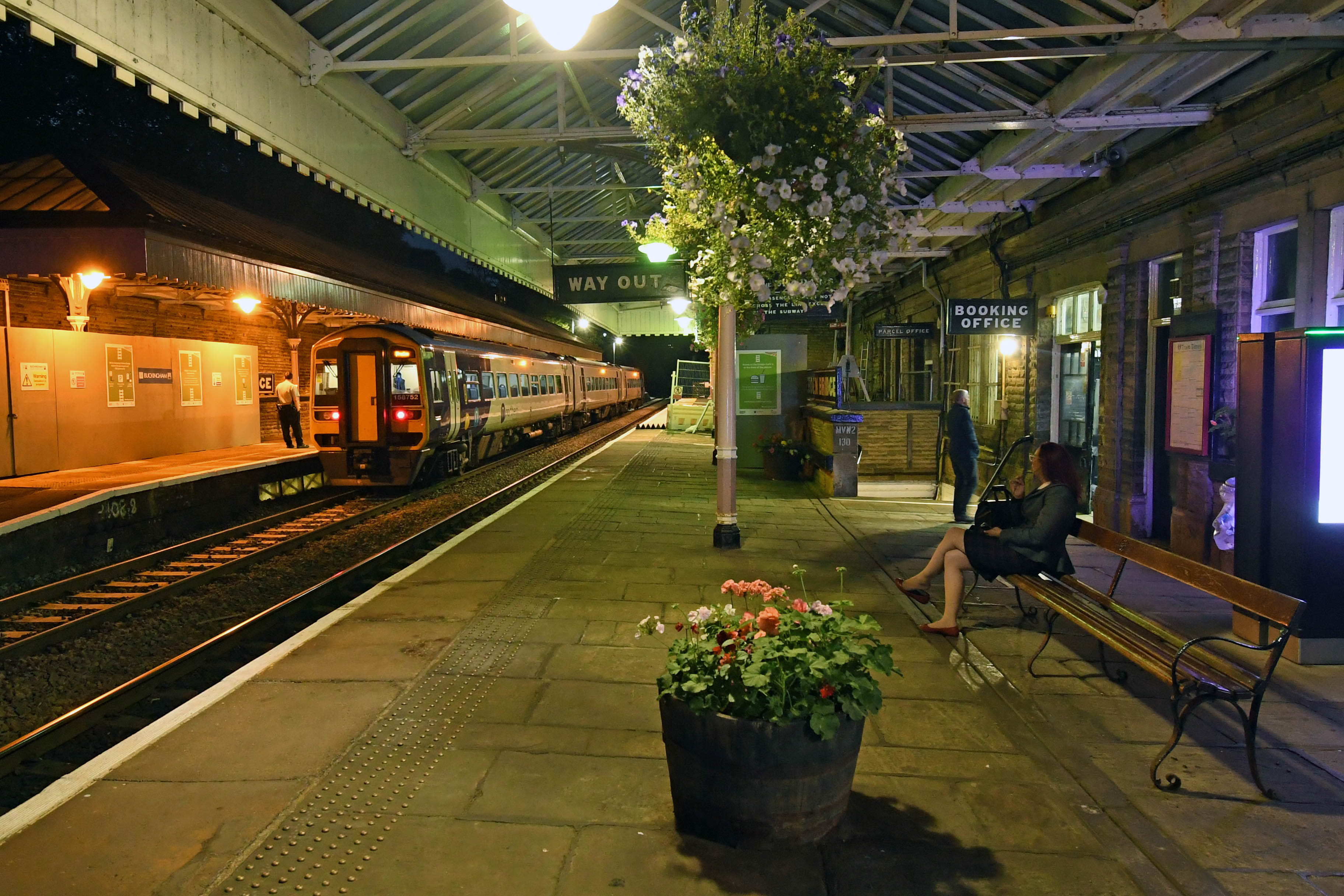
DG310012crop

UPDATE 30.9.18
As you can see from the comment to this blog, my observations on Wigan have upset some, so I thought I’d compare Wigan (pop 103,000) and where I live now Halifax (pop 90,472) on Crime statistics UK. Each postcode is taken from the town centres. The comparisons make interesting reading.
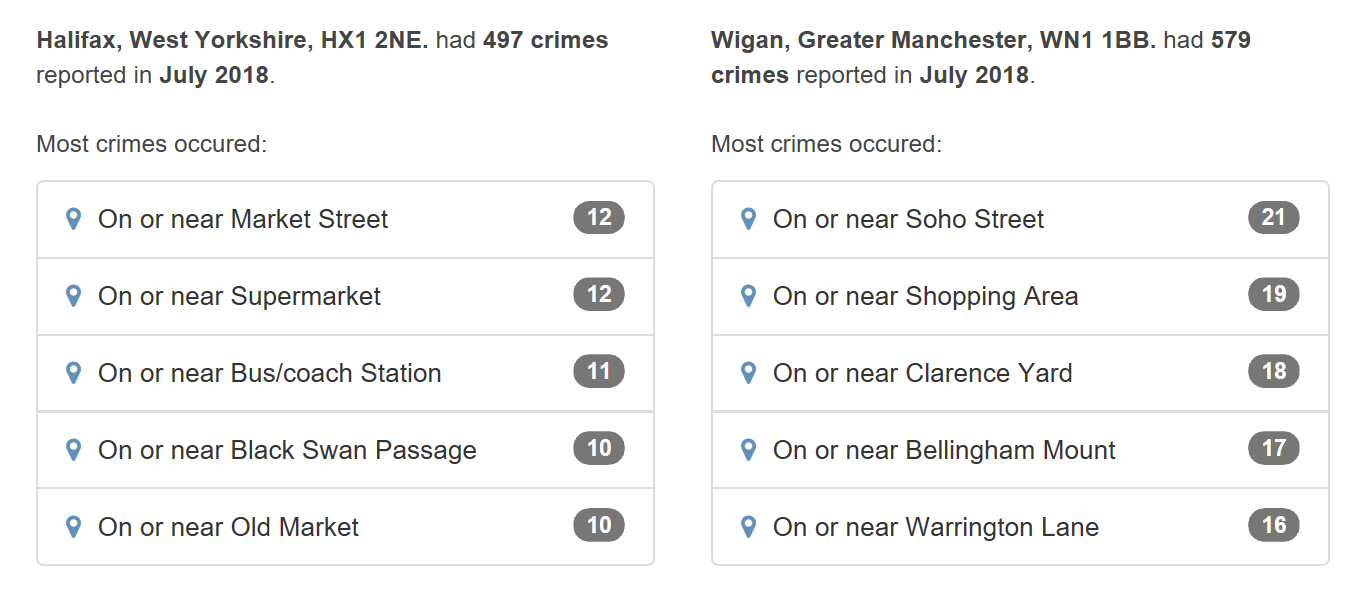
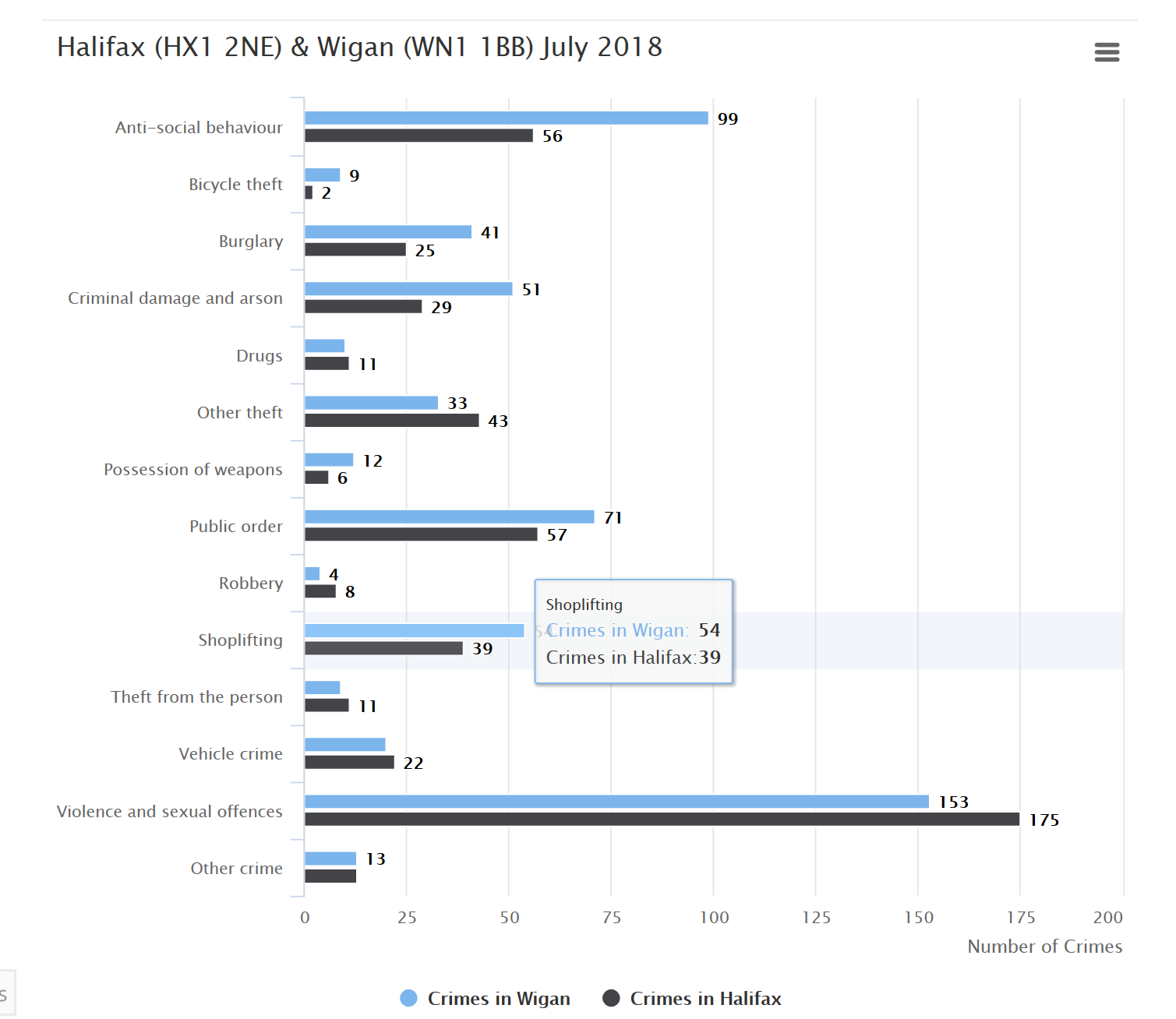
crime 2

crime

Now here’s where I used to live, Crouch End in North London!
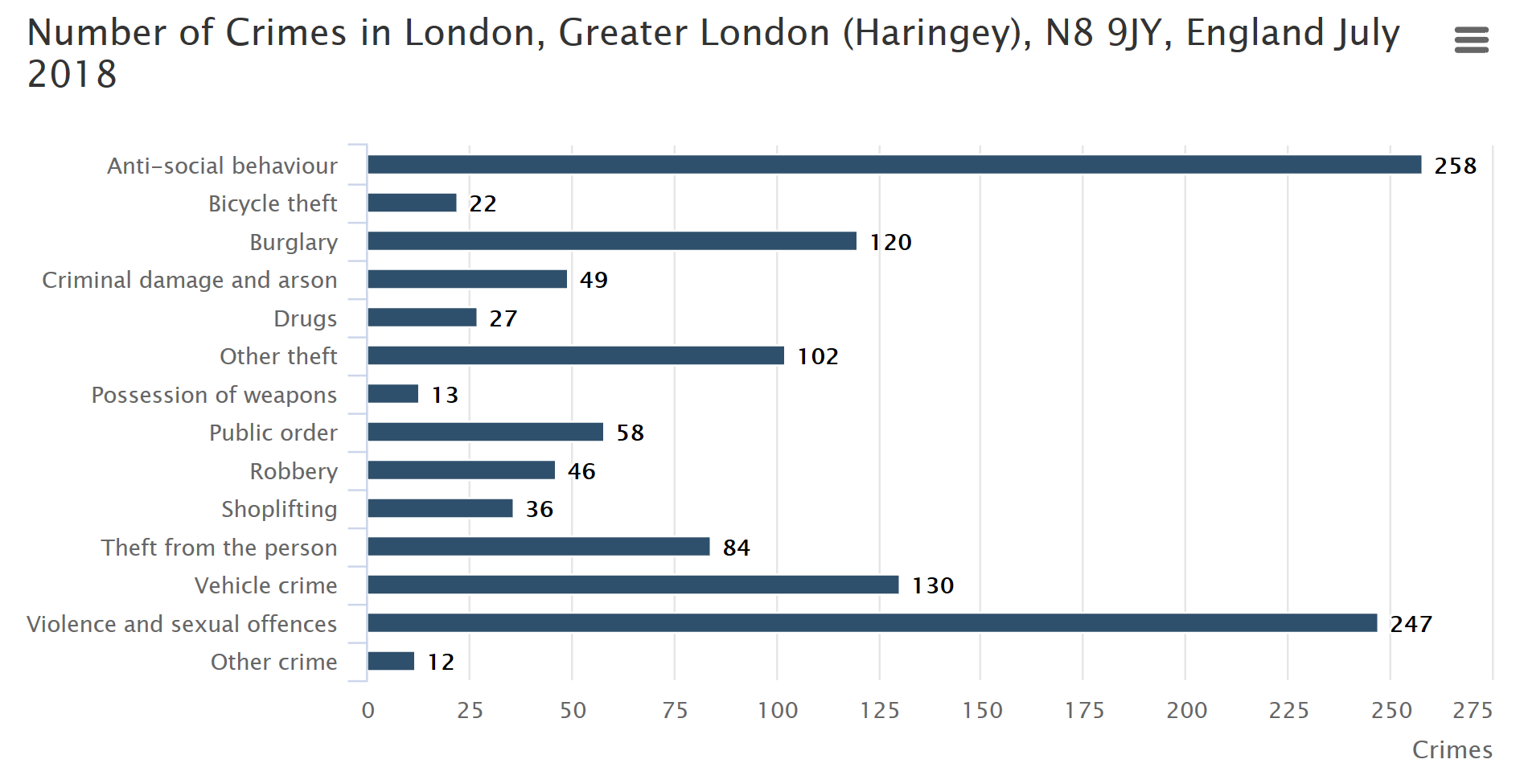
n8

An unhappy return…

21 Friday Sep 2018

Posted by Paul Bigland in Brexit, Germany, History, Politics

≈ 4 Comments

Tags

Brexit, Germany, Politics

After a brilliant week in Berlin it’s time to call it a day and head home. Normally, this is something I’d look forward to. The good bit is that I’m coming home to be with my wife. The bad bit is that I’m returning to a country that’s completely taken leave of its senses.

I’ve been busy working at Innotrans, so I’ve not been keeping up with the news – until now, when I’ve seen what’s happening with the Brexit shambles.

The utter stupidity of most of the UK’s politicians (and sadly, a fair chunk of voters) is depressing beyond words. Our arrogance is about to be our undoing as it’s looking increasingly likely we’re heading for a no deal Brexit. If that happens, the UK’s going to get a very hard lesson in humility. Part of me thinks that lesson is long overdue. Let’s face it, we’re a country that has far too high an opinion of itself and its place in the world because of our history. What many haven’t learned is history is just that – the past – and it’s where we’re stuck. We seem incapable of moving on and learning what our place is in a fast changing world – hence our mad pretence that we will prosper after Brexit.

We’ve relied on that arrogance to cushion us from what’s happening in the wider world, the one that many on our island nation know little about. We ignore the fact that what is today won’t always be. Here’s a little factoid I picked up at Innotrans – ironically, it was from an information leaflet published by the UK’s Rail Industry Association (RIA).

By 2050, Indonesia is expected to be the worlds 5th largest economy. That’s the position we held before the Brexit referendum. So where will we be in 2050? The only way is down…

What makes me angry is the lies and denial of reality. The Brexit vote was a fiddle. It was won by cheating and lying on an industrial scale but few seem to care. Our democracy has become so stale it’s been easily undermined by a few people with the money and will to do it. We’ve been bought and no-one’s really bothered – least of all the Brexit fans who screamed long and loud about how we needed to leave the EU because it was “undemocratic”. What a joke that’s turned out to be, but the joke’s on us.

Our Prime Minister has made a fool of herself in talks with EU leaders through misplaced arrogance and trying to push a deal that the EU said was impossible 2 years ago. The British still don’t understand who they’re negotiating with and pretend this is a negotiation between equals (It’s not) and that threatening to shoot ourselves in the head by leaving without a deal is somehow a credible threat that will make the EU cave in on its fundamental principles (it won’t). After all, why should they? Why would anyone rewrite the rules of the club for someone who’s leaving? Especially when those rules are enshrined in international treaties?

It’s stupidity beyond words. Here I am coming back from an international trade show that I’ve been able to attend and work at because of our membership of the EU. What hoops will I have to jump through next time, in 2020? And all for what? “Take back control” was a sick joke and it looks like we’re about to find out just how big a lie it was – too late.

Arrogance and a misplaced sense of superiority have been our undoing before (see my earlier blog about the fall of Singapore). Now we’ve added complacency about the state of our democracy to that list. Our institutions have proved to be unfit for purpose and toothless in the modern world – just look at the Electoral Commission for evidence of that. But what are we doing about it? Nothing. Most people don’t even care. That’s a sure sign of a country in decline.

We’re wrecking our economy, our international standing in the world and our relationship with our European neighbours and all for what? A bunch of lies.

We have 6 months left to stop the greatest act of self-harm any country has inflicted on itself in peacetime. Will we come to our senses?

Update: 12:09.

I’ve landed back in little Britain…

From what I can see of the UK media we’re heading for disaster. The rhetoric I’m seeing about ‘traitors’ is deeply disturbing. As a country we seem completely out of touch with reality. May’s Chequers deal was never going to be accepted by the EU, so why all the outrage? It’s painfully bloody obvious that we can’t impose our will on the EU, so why’s this a surprise? We ask for the impossible.

Down memory lane. No 5. Semaphore signals

10 Thursday May 2018

Posted by Paul Bigland in History, Railways, Signalling

≈ Leave a comment

I’ve been busy scanning old slides today, trying to make a dent in the 1000s that I have sitting in albums which have never seen the light of day since I took them. They never made it onto my old website due to time constraints. Now, I look back at them and remember the old Joni Mitchell song ‘Big yellow taxi’ and the lyrics that “you don’t know what you’ve got till it’s gone”…

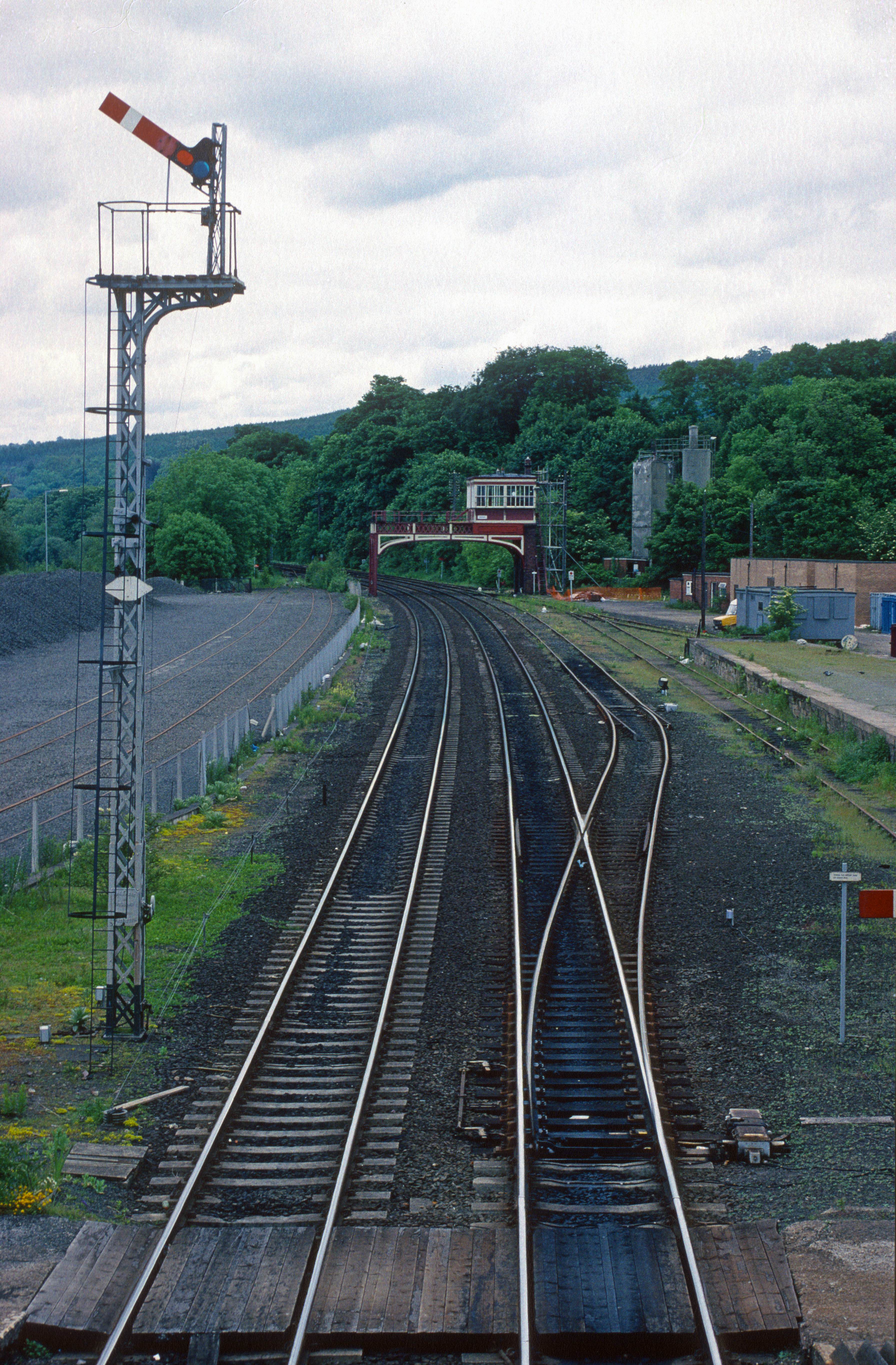
The selection of slides that I’ve been scanning date from June 1995. I reckon they’re from when I took a break from London and headed back to base myself with my family in Southport in order to travel the North-West. The picture that really caught my eye was taken in Hexham. It wasn’t about trains but semaphore signals – and this one in particular. Now, I’ve always enjoyed the beauty and variety of railway semaphores, and as an old railway volunteer I’ve climbed a few in my time. But I’m not sure I’d have fancied spending much time up this example.

04828. Lattice post bracket signal. Heading for Newcastle. Hexham. 14.6.1995

This particular signal’s long-gone – although I couldn’t tell you the date it disappeared. What strikes me about it is the height. The photograph’s taken from the station footbridge which is the reason the signal was so tall – it needed to be seen by trains approaching it. I don’t know the exact height, but it must be a good 25 ft tall. In a concession to late 20th century safety standards, there’s a (partial) cage around the ladder but little to protect you on the platform at the top.

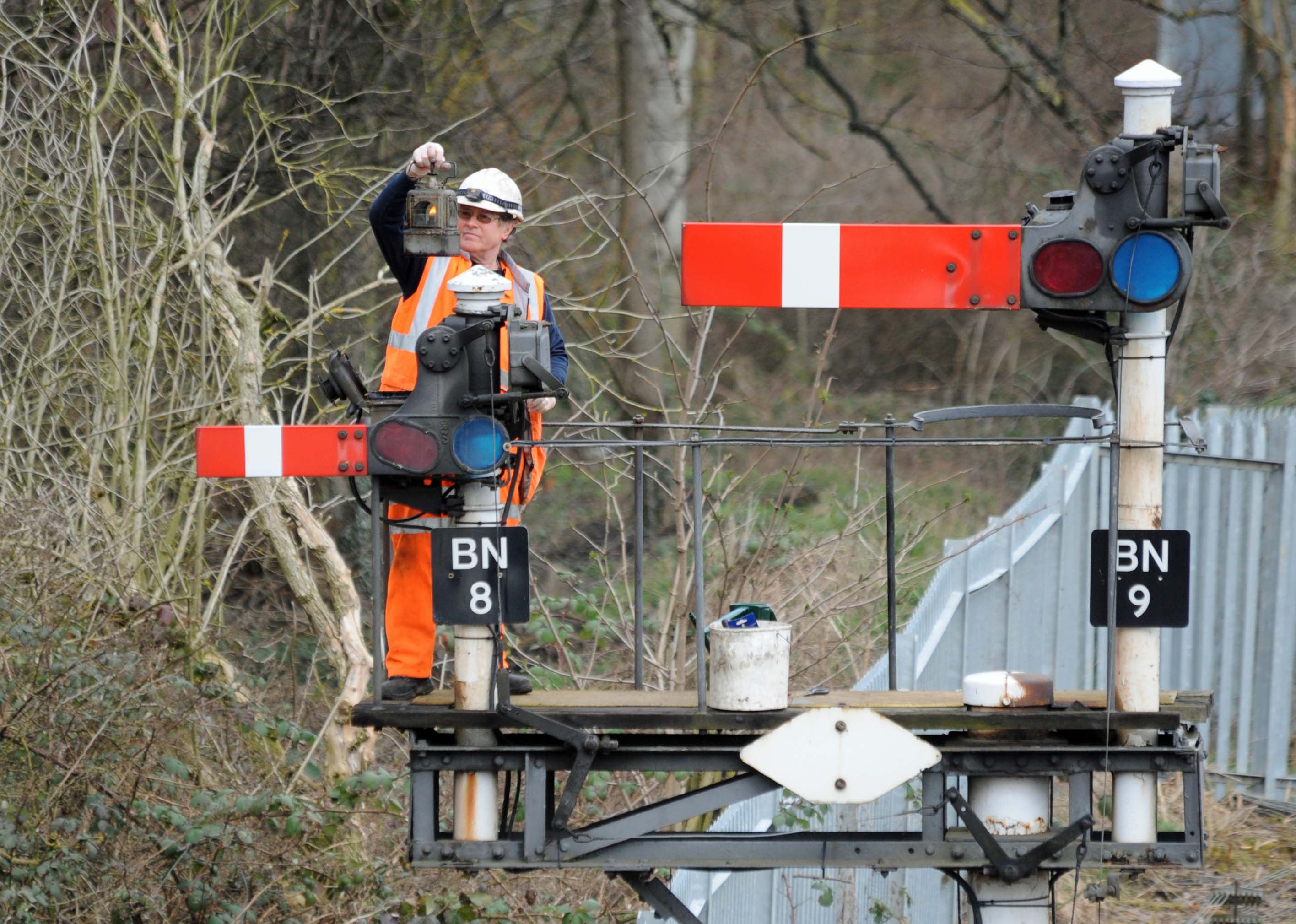
Cast your minds back 60 years or less when the oil lamp that illuminated this signal would be needed to be changed every day – come rain or shine. A lamp man or signalman would climb this ladder twice a day. I’m sure it gave great views, but can you imagine standing up there in winter (on slippery wooden slats, in rudimentary PPE, with no harness) when it’s either chucking it down or blowing a gale and the post is swaying like a drunk on the way back from the pub? No wonder so many railwaymen were injured in the course of their careers. Here’s an example from Banbury, taken in 2010. These semaphores are gone too, they were replaced in 2016.

DG47448. Checking the lamps. Banbury. 26.3.10.crop

The irony for me was that the very day I was scanning the Hexham picture the modern railway was talking about the ‘digital railway’ which has the chance to do away with this signal’s replacement & get rid of ‘lights on sticks’ completely.

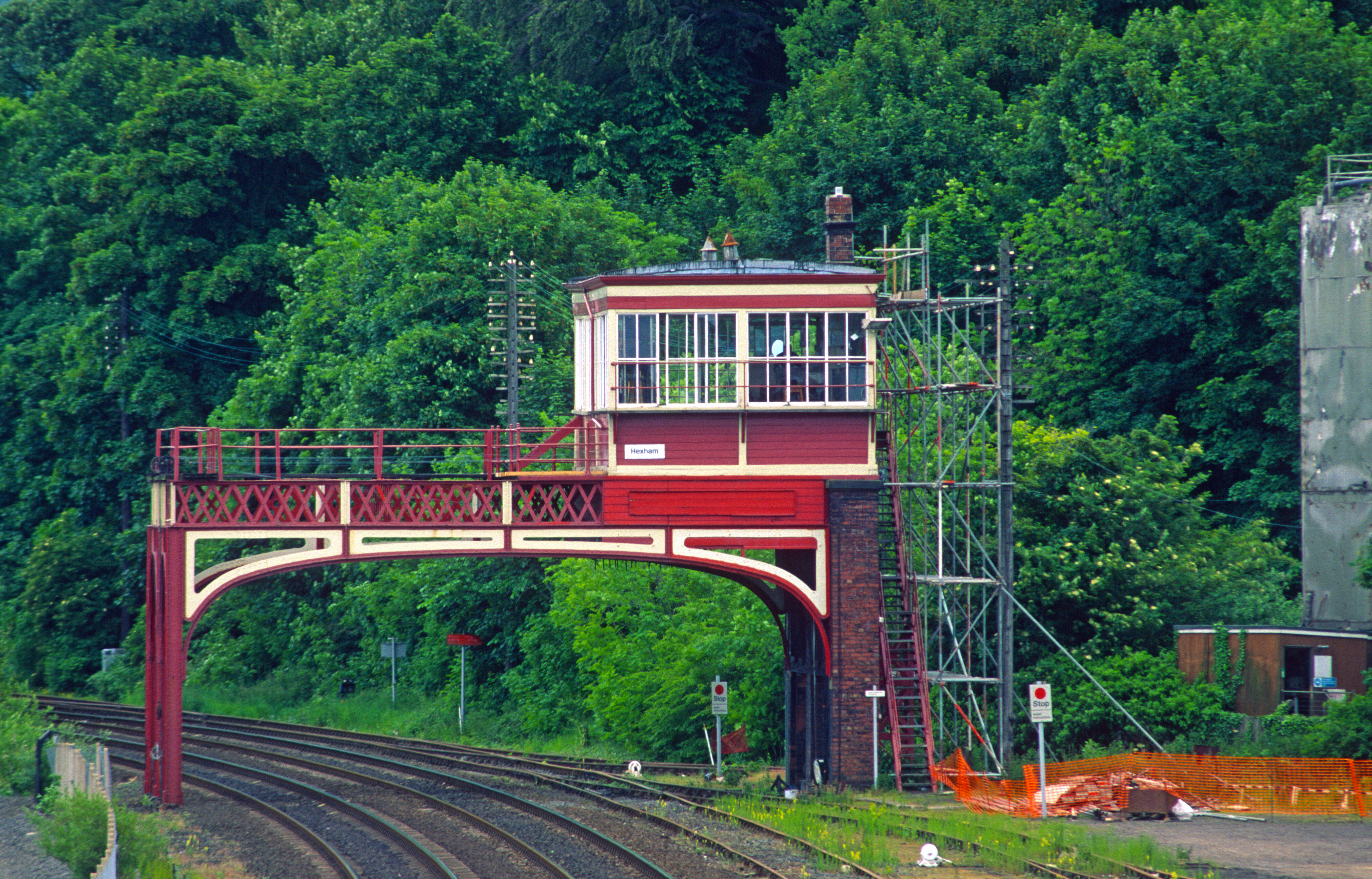
Meanwhile, for nostalgia buffs, here’s a close-up of the old signalbox that you can see in the background. Unlike the semaphore it’s grade 2 listed. It was built by the North Eastern Railway around 1896. It will live on beyond its useful life, but many of its brethren are living on borrowed time…

04824. NER signalbox. Hexham. 14.6.1995

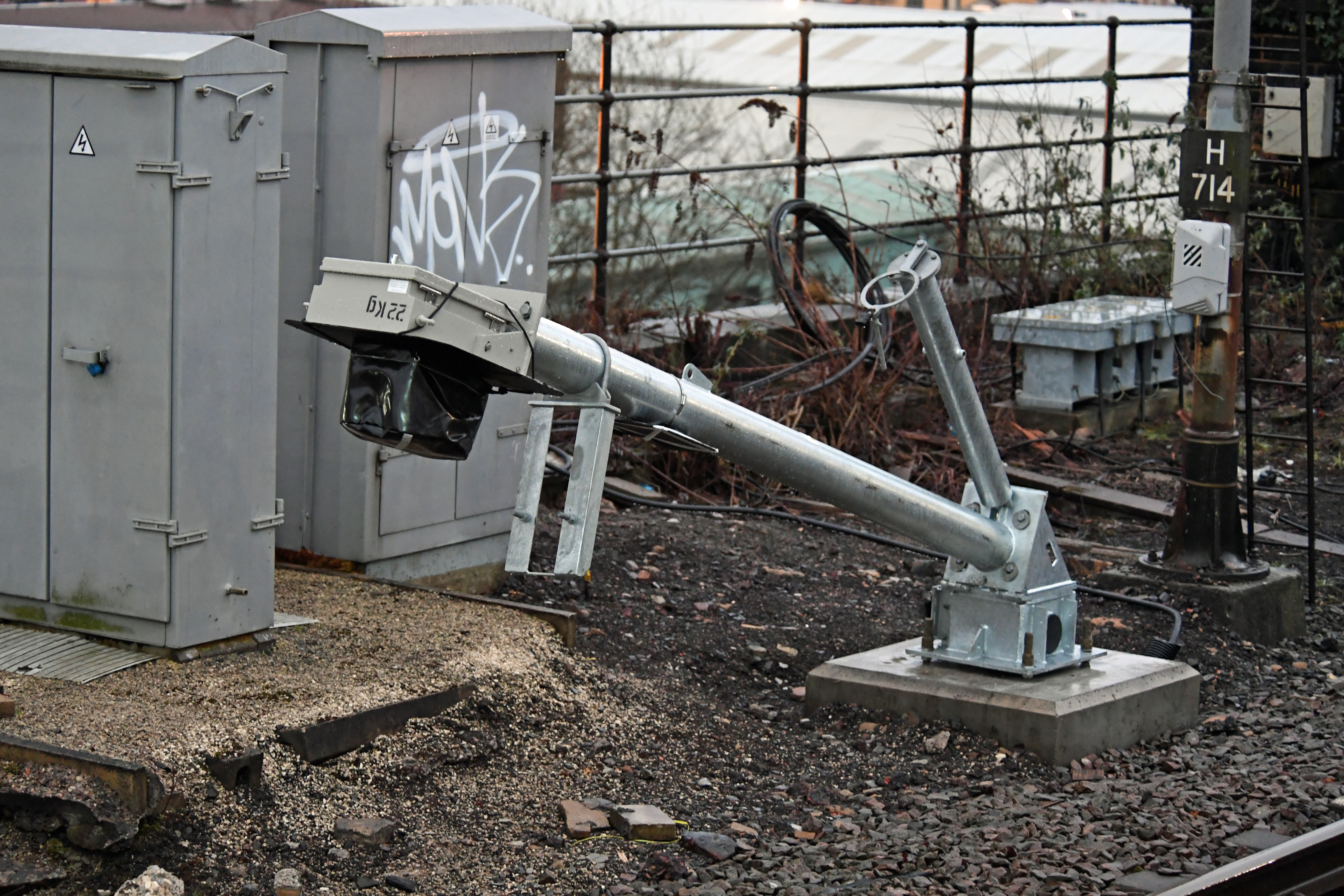
Now, contrast that signal with one of its modern replacements. There’s no paraffin lamps, there’s no ladders. You don’t climb to the signalhead, the signalhead comes to you!

DG289559. New signalling. Halifax. 19.2.18

This example is at Halifax, where the line through the Calder valley was resignalled in October 2018, abolishing three signalboxes.

I’ve a small favour to ask…
If you enjoy reading this or any of the other blogs I’ve written, please click on an advert or two. You don’t have to buy anything you don’t want to of course – although if you did find something that tickled your fancy that would be fab! – but the revenue from them helps me to cover some of the cost of maintaining this site (which isn’t cheap and comes out of my own pocket). Remember, 99% of the pictures used in my blogs can be purchased as prints from my other website –  https://paulbigland.zenfolio.com/

Or – you can now buy me a coffee! https://ko-fi.com/paulbigland68312

Spring in the Pennines

20 Friday Apr 2018

Posted by Paul Bigland in History, Travel, West Yorkshire

≈ Leave a comment

Tags

History, Travel, West Yorkshire

A rare event in the Pennines, we’ve had two days of brilliant weather in a row. Yesterday was glorious as it was the hottest of the year so far with hours of uninterrupted sunshine which prompted me to eschew work on our new bathroom to make the most of the good weather and go for a stroll. Here’s a few pictures from my wanderings around Sowerby Bridge.


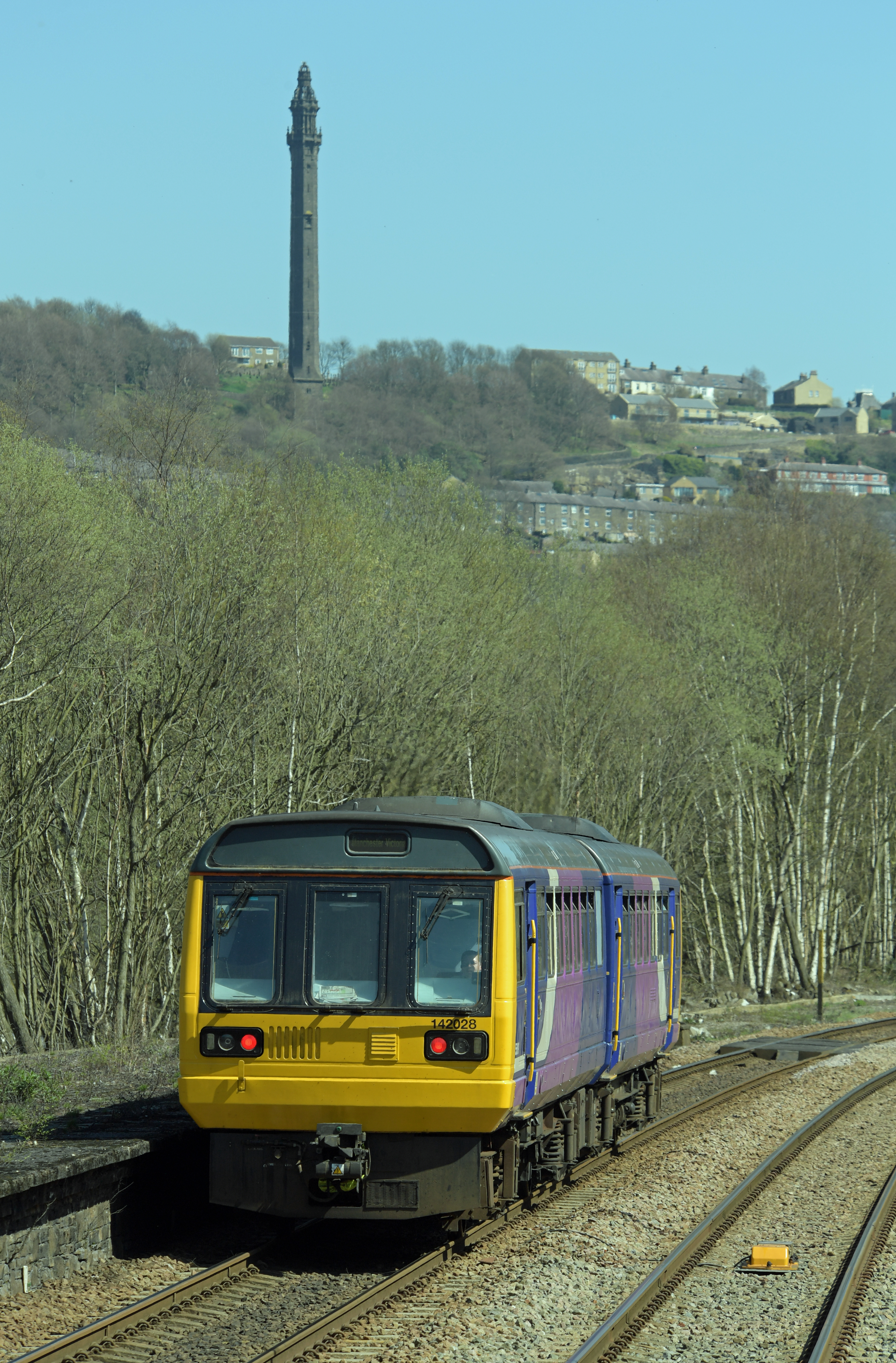
DG294630

With the Wainhouse Tower dominating the skyline above, Northern Pacer 142028 pulls away from Sowerby Bridge station en-route to Leeds. These railbuses are living on borrowed time as they’ll all disappear from Northern metals in the next two years. 


DG294640

Magnolia flowering in the churchyard in Sowerby Bridge


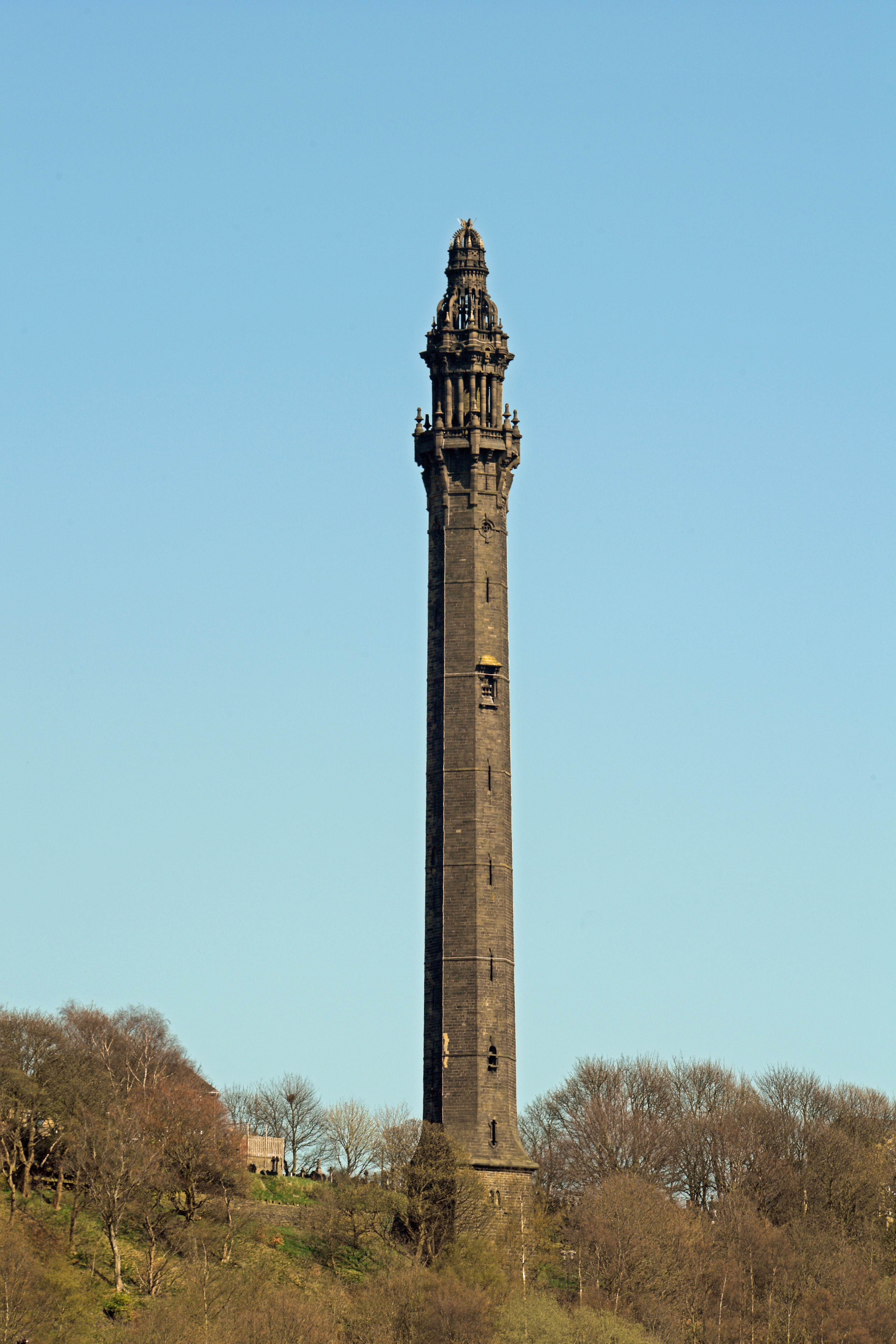
DG294641

The 253 ft tall Wainhouse Tower dominates the local skyline. Built as a chimney for a local dye works in 1875 but never used, it’s a classic Victorian folly and reputedly the tallest in the world. When the chimney’s open to the public you can climb up to the top via the 369 step spiral staircase. 


If you want to visit the Wainhouse Tower and climb up to the top, check out the Visit  Calderdale website for details.


Down memory lane. No 1- a day out to Bescot in 1994.

14 Saturday Apr 2018

Posted by Paul Bigland in History, Memory Lane, Railways

≈ Leave a comment

Tags

History, Memory Lane, Railways

I’ve been scanning a new batch of old slides which has taken me on a real trip down memory lane, to the 2nd of June 1994 to be precise, and a day out from London to Bescot marshalling yard in the West Midlands nearly 24 years ago. The pictures I took of what seemed quite ordinary, everyday scenes during the last years before rail privatisation are now rather special as they show just how much has changed on Britain’s railways since then. I’d been visiting Bescot since the late 1970’s. It was always a good place to observe rail operations as it was a busy marshalling yard with a loco depot that had a station right next door! This meant the place was popular with railway enthusiasts and there’d normally be a gaggle of people on the station footbridge.  Here’s a look at what was happening that day…


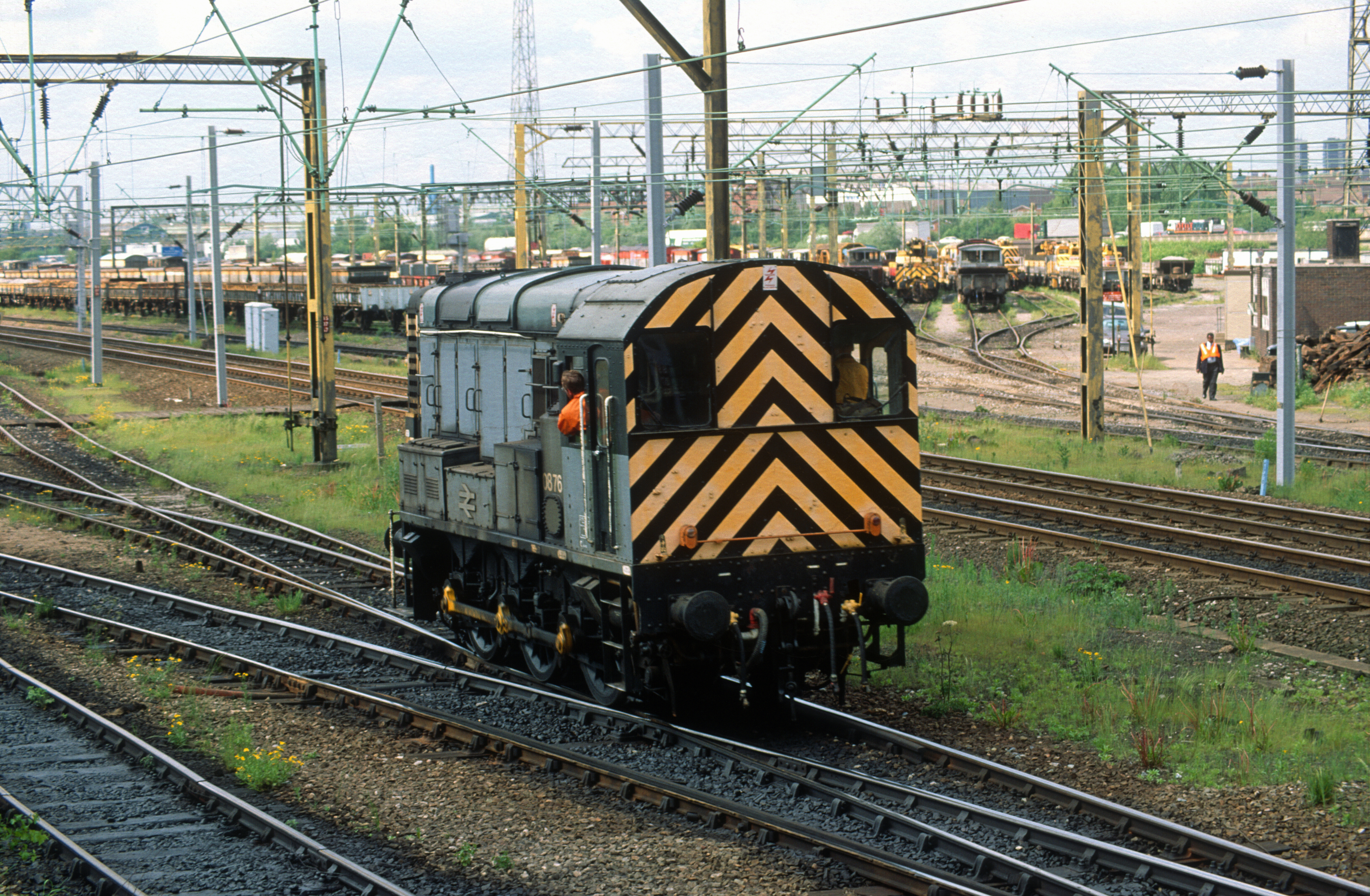
03851. 08765. Shunting the Down Yard. Bescot. 2.6.94

Class 08765 shunting the Down Yard at Bescot. These ubiquitous engines used to be seen up and down the network and still survive in service today – although in vastly reduced numbers.  


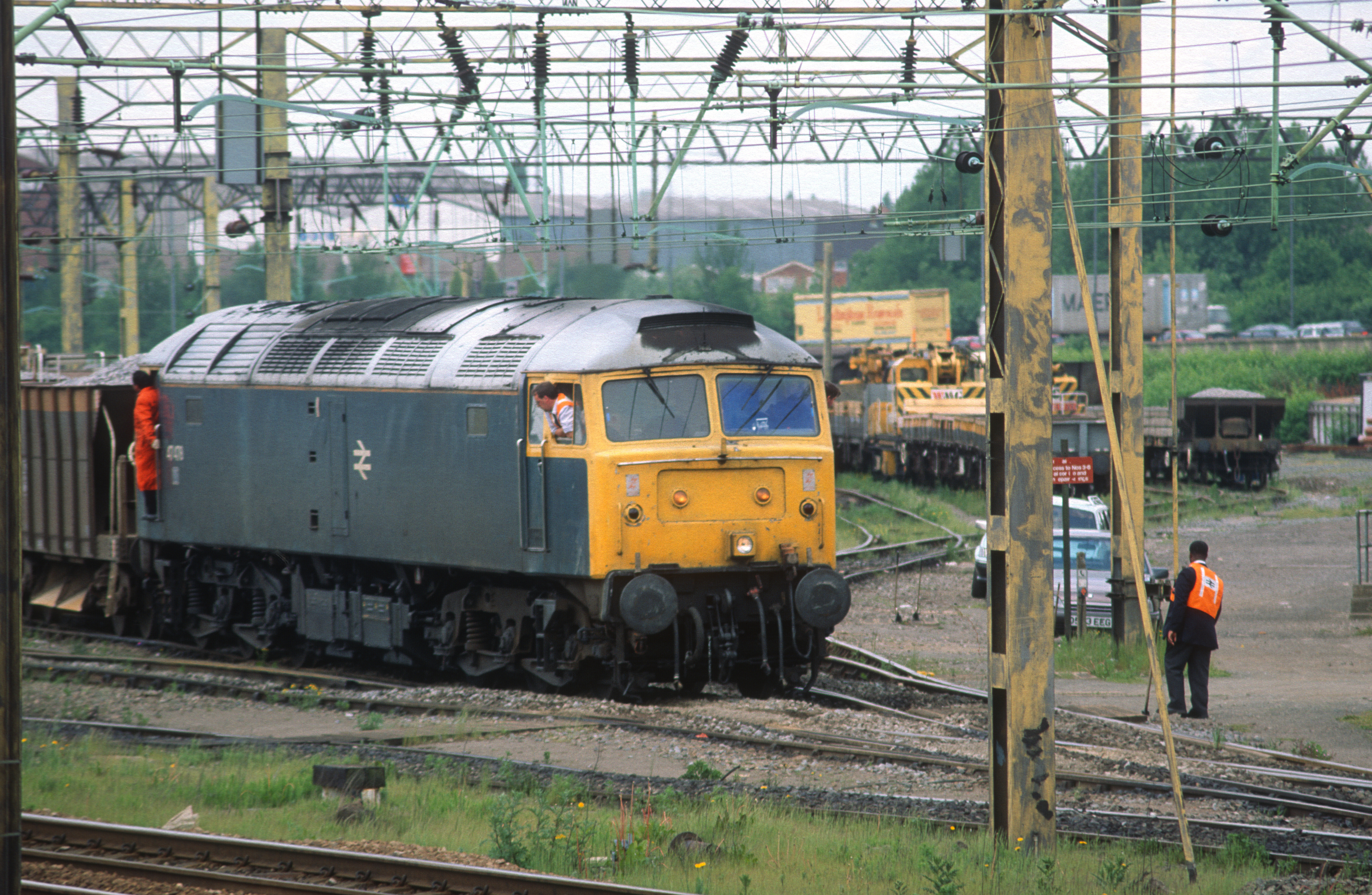
03852. 47478. Shunting the Up sidings. Bescot. 2.6.94

Class 47 no 47478 shunts a Seacow ballast wagon in the Up yard which is full of Civil Engineers wagons which lie idle until the weekend. This particular locomotive survived in service for a few more years working hauling engineers trains after being relegated from mainline work. A former Intercity loco based at Crewe, it was cut up by EMR at Kingsbury in 2006


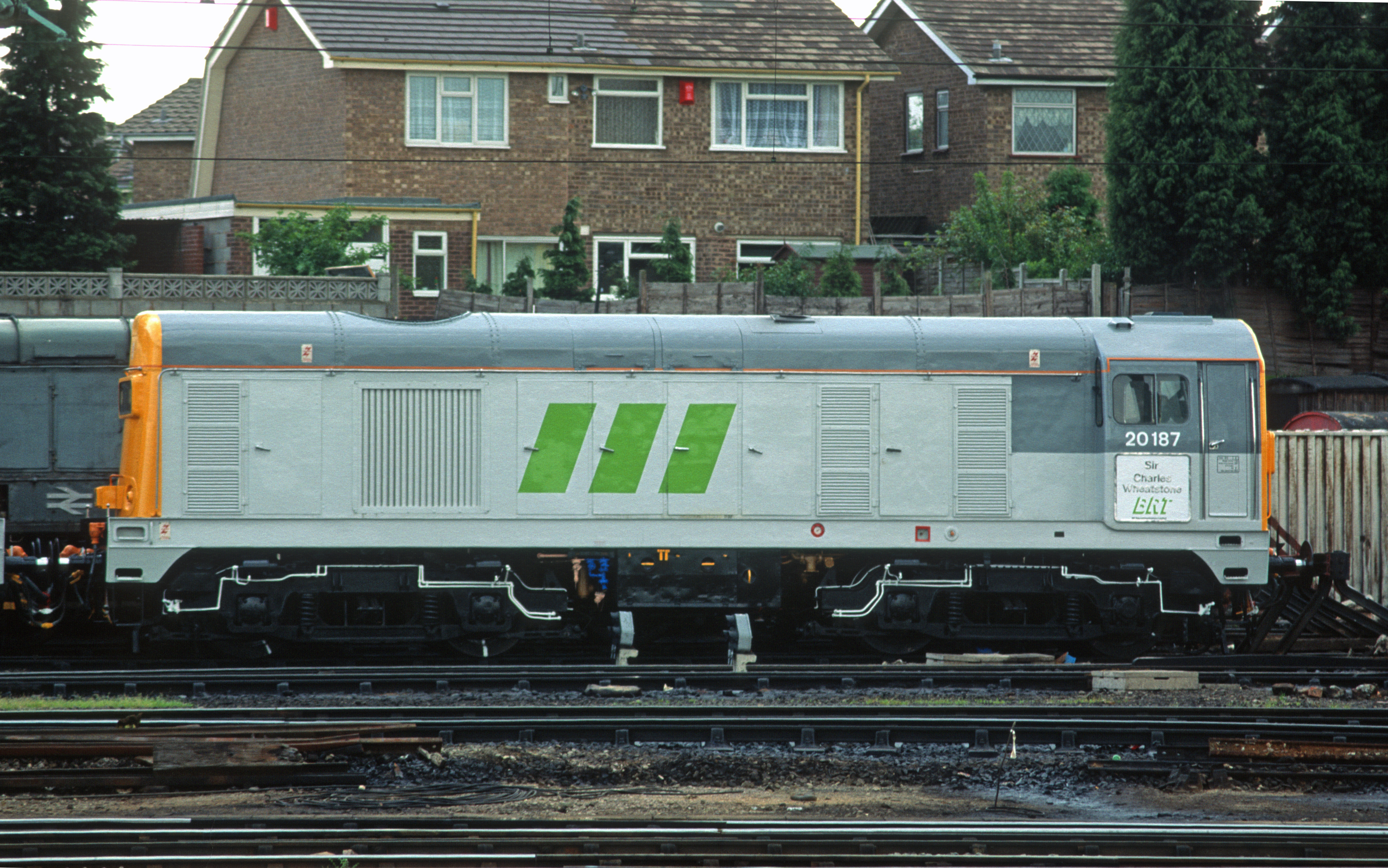
03855. 20187. On shed. Bescot. 2.6.94

Class 20 No 20187 had recently been repainted in British Rail Telecoms livery. It was one of only 4 class 20s that ever carried these colours. The locomotive still survives today as part of the DRS fleet. 


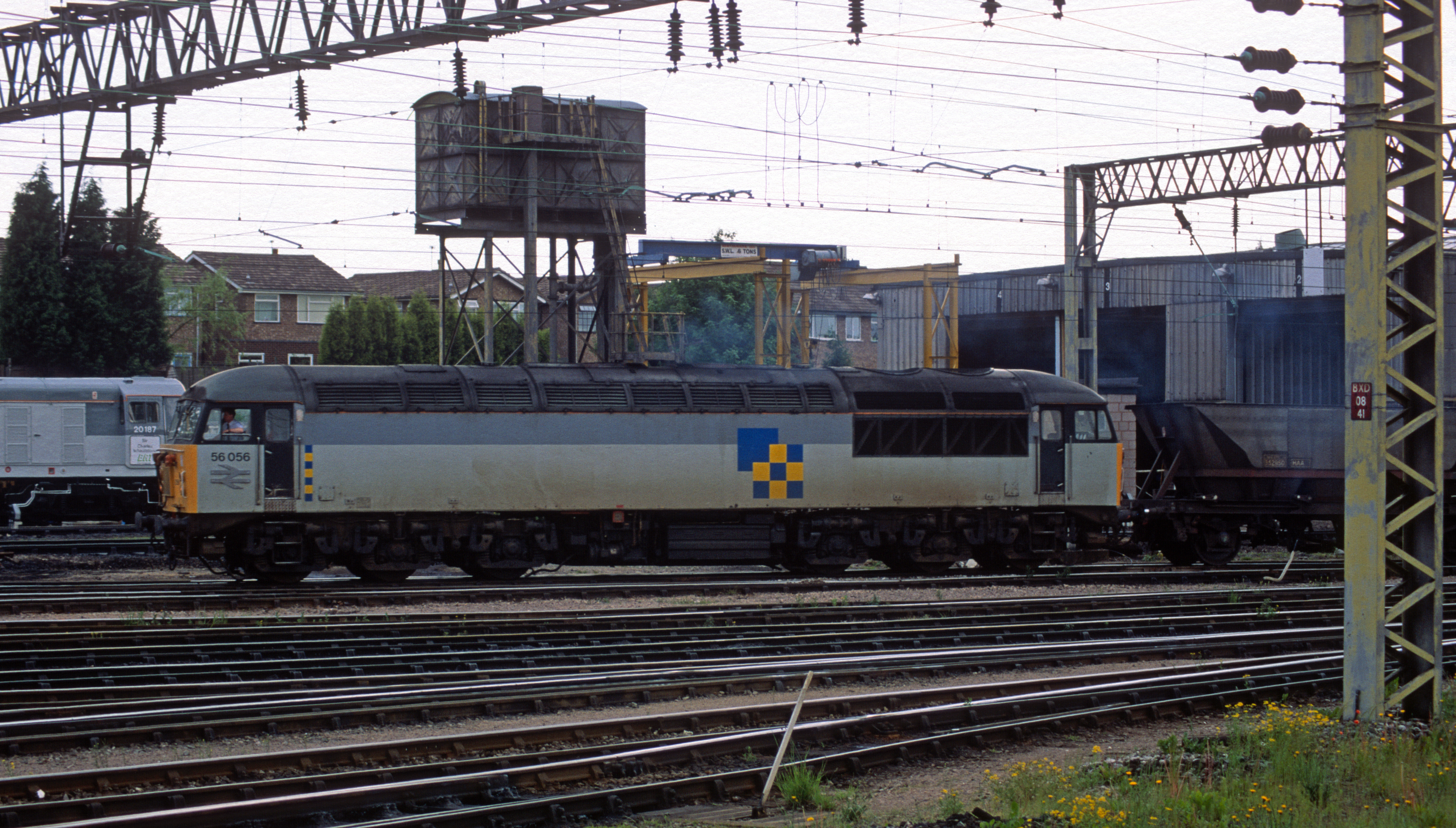
03856. 56056. Bescot. 2.6.94

56056 arrives from the North with a train of MGR coal hoppers. I always liked the two-tone grey Trainload livery with its sector decals. The only problem was, the locos never stayed in their sector, hence a Trainload Construction logo’d loco on a coal train!


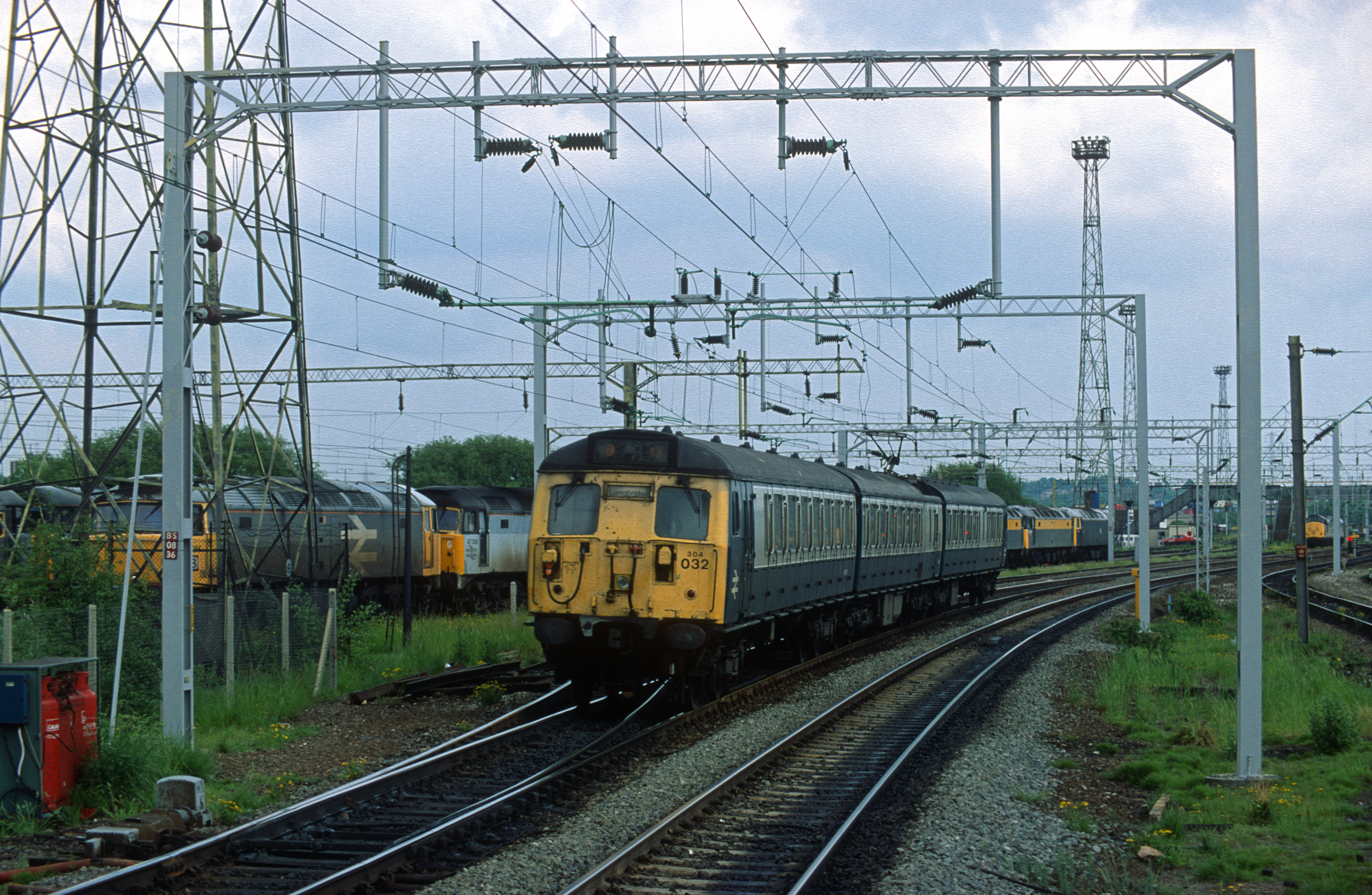
03857. 304032. Bescot. 2.6.94

Class 304 EMU No 304032 pulls away from Bescot station on its way to Birmingham. Introduced in 1960 these units only had another couple of years left in service. The last survivors went in 1996. I’ve fond memories of travelling in these trains as they were used on Liverpool-Crewe services which I used regularly back in the 1970s. 


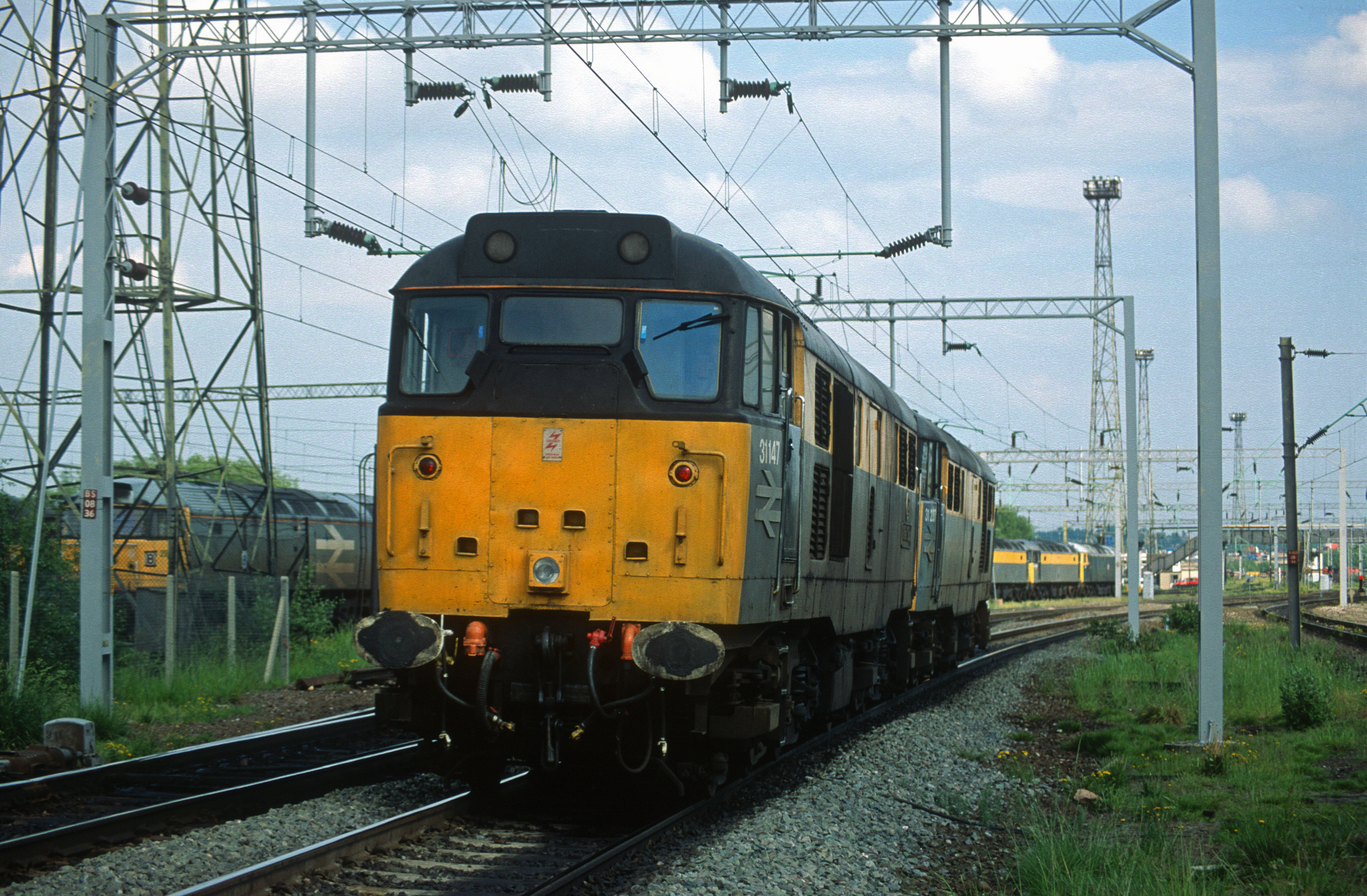
03858. 31147. 31237. Bescot. 2.6.94

A pair of Class 31s (31147 and 31237) in the ‘Dutch’ livery of the Engineers sector pass the station en-route to the stabling sidings. In the background is a long line of their cousins. These locos would be sat in the stabling siding all week until it came to the weekend when they’d be started up to work engineers trains on various possessions around the area. It was a terrible use of resources and the failure rate of these engines was high. They also created a hell of a cloud of clag when they were started up! 


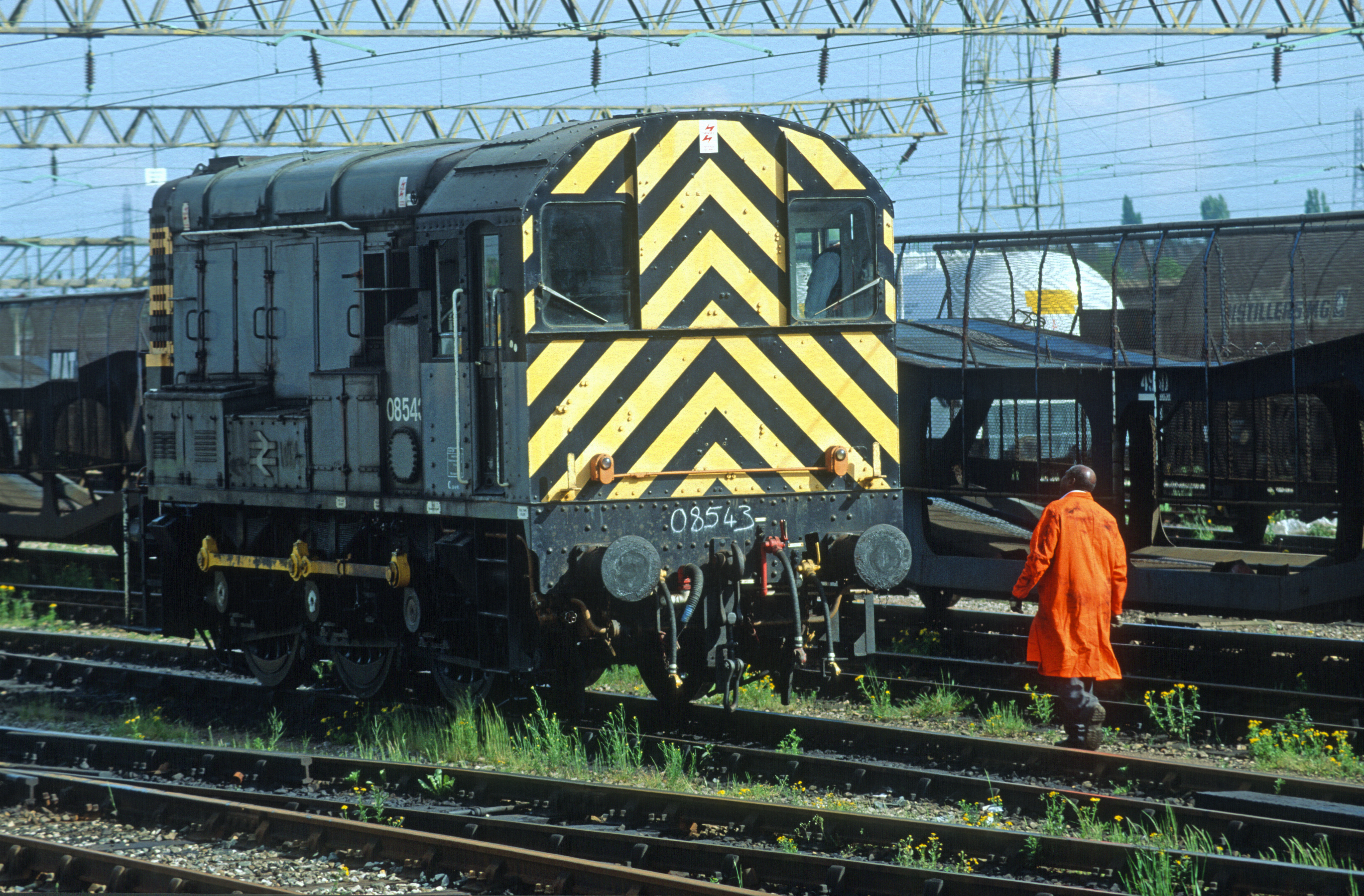
03859. 08543. Shunting the Down yard. Bescot. 2.6.94

08543 shunting the Down Sorting sidings. Note the chap walking next to the loco. He was one of the yard shunting staff. PPE was pretty rudimentary in those days! He had the luxury of a long orange coat, most staff wore small tabards. 


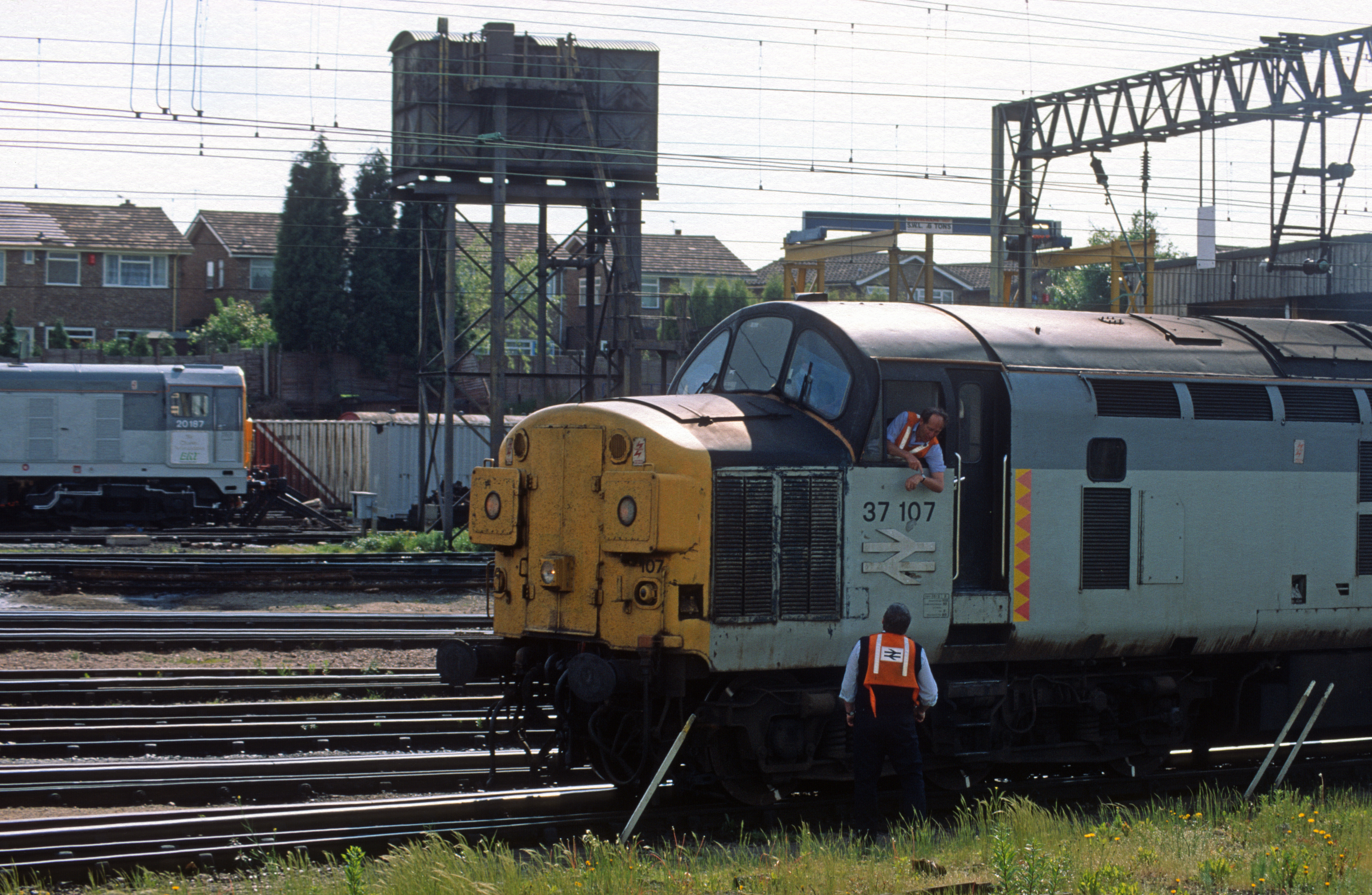
03860. 37107. Stopping for a chat. Bescot. 2.6.94

The driver of 37107 gets his instructions from one of the yard staff. They’re both wearing the high-vis tabards I mentioned in the last picture. They were tied on by the thin strips you can see hanging down at the back of the chap on the ground. Most staff didn’t bother, which meant thy were pretty useless as they flapped around a lot. 


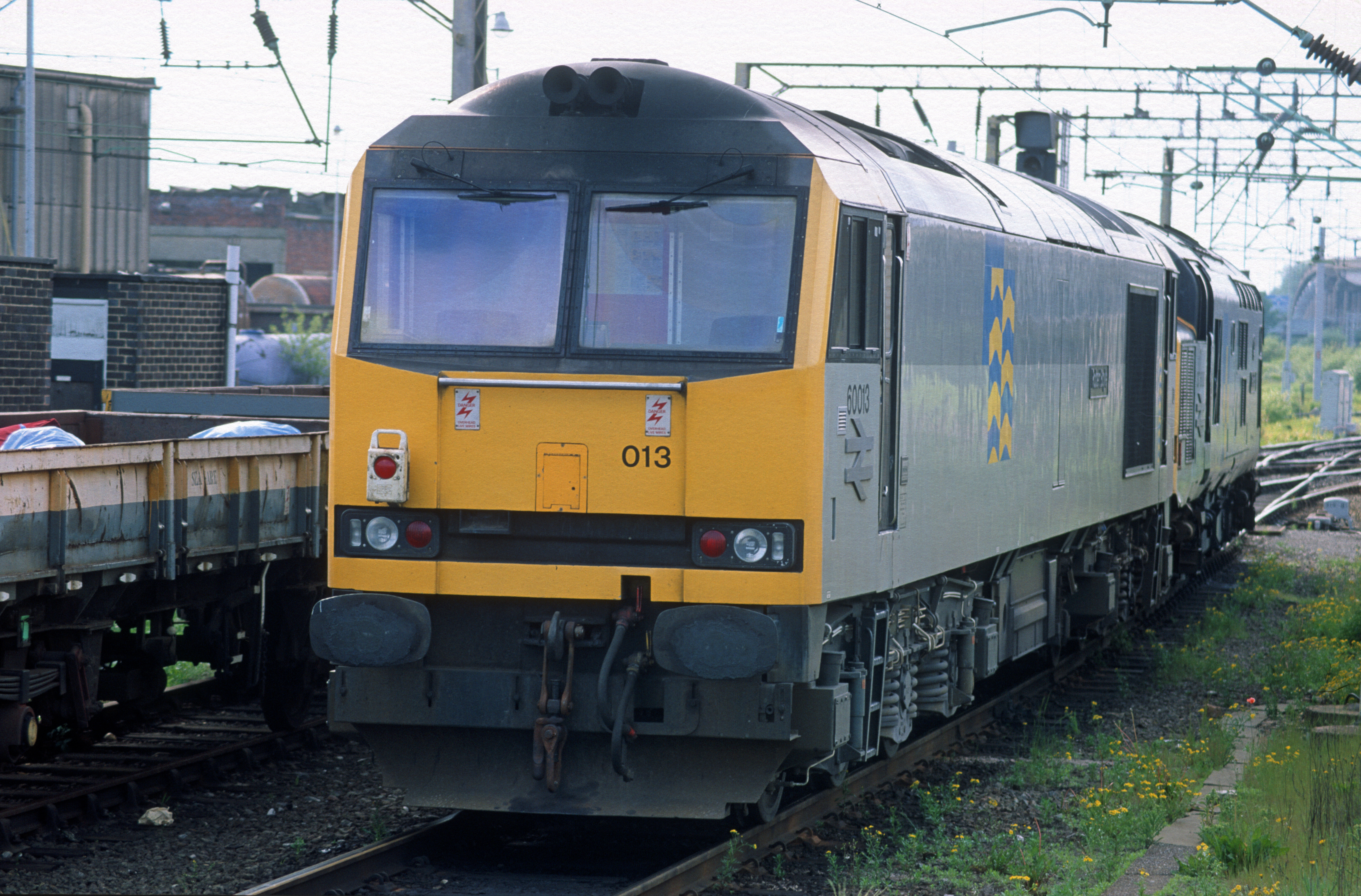
03867. 60013. Bescot. 2.6.94

A Class 60 in Trainload Petroleum livery arrives light with a Class 37 before heading off to the depot fuelling point. The last of these locos had only been delivered the year before but they’d already established a reputation for unreliability. The were the last diesel locomotives to be built for BR. 


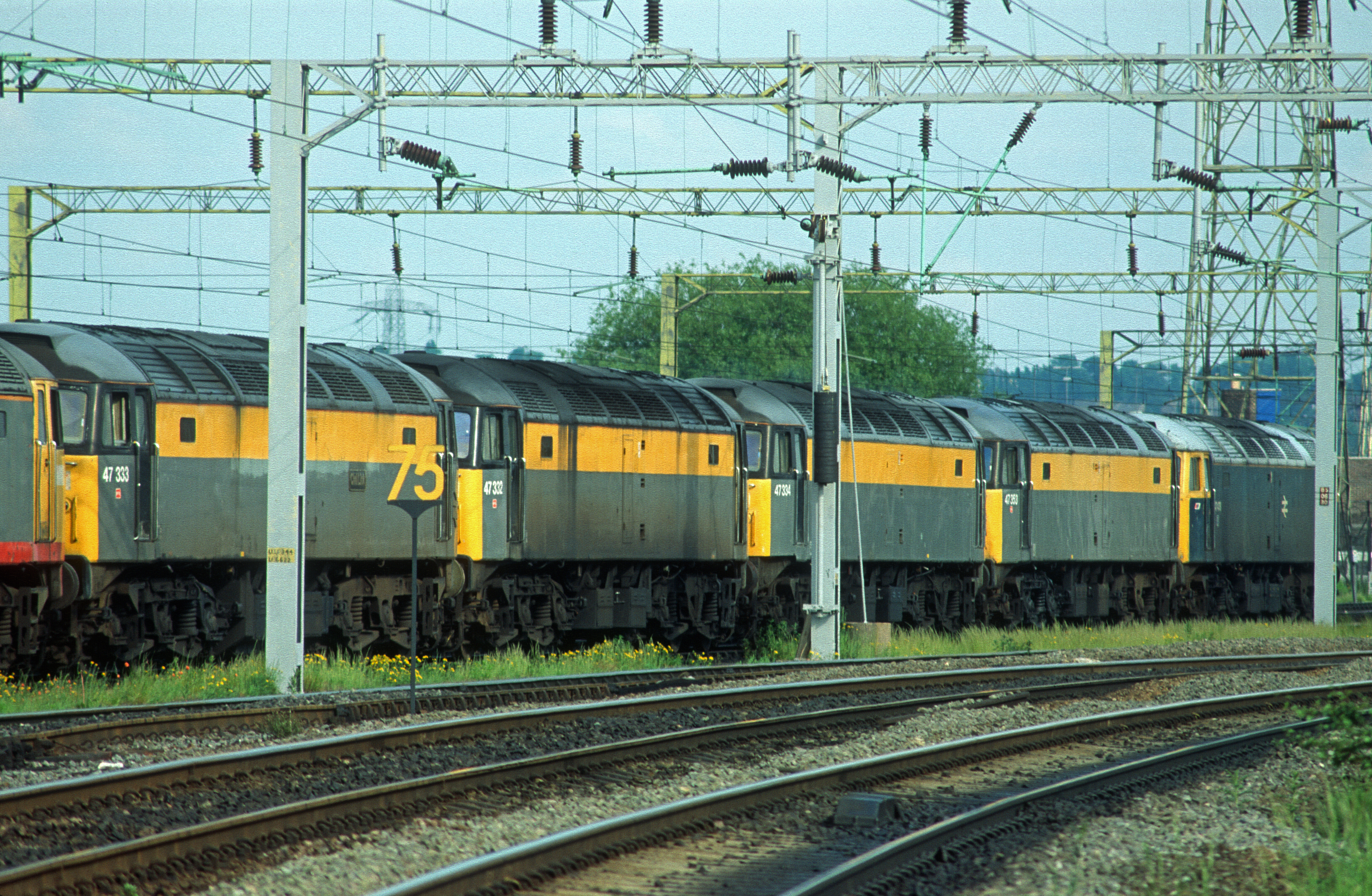
03868. 47333. 47332. 47334. 47353. 47478. Bescot. 2.6.94

A long line of Class 47s stabled in the former Up reception sidings. These sidings had been severed at the North end to create a fan of four to stable Engineers loco in during the week. Here you can see 47333. 47332. 47334. 47353 and 47478 which had been working shunting the yard earlier in the day. 


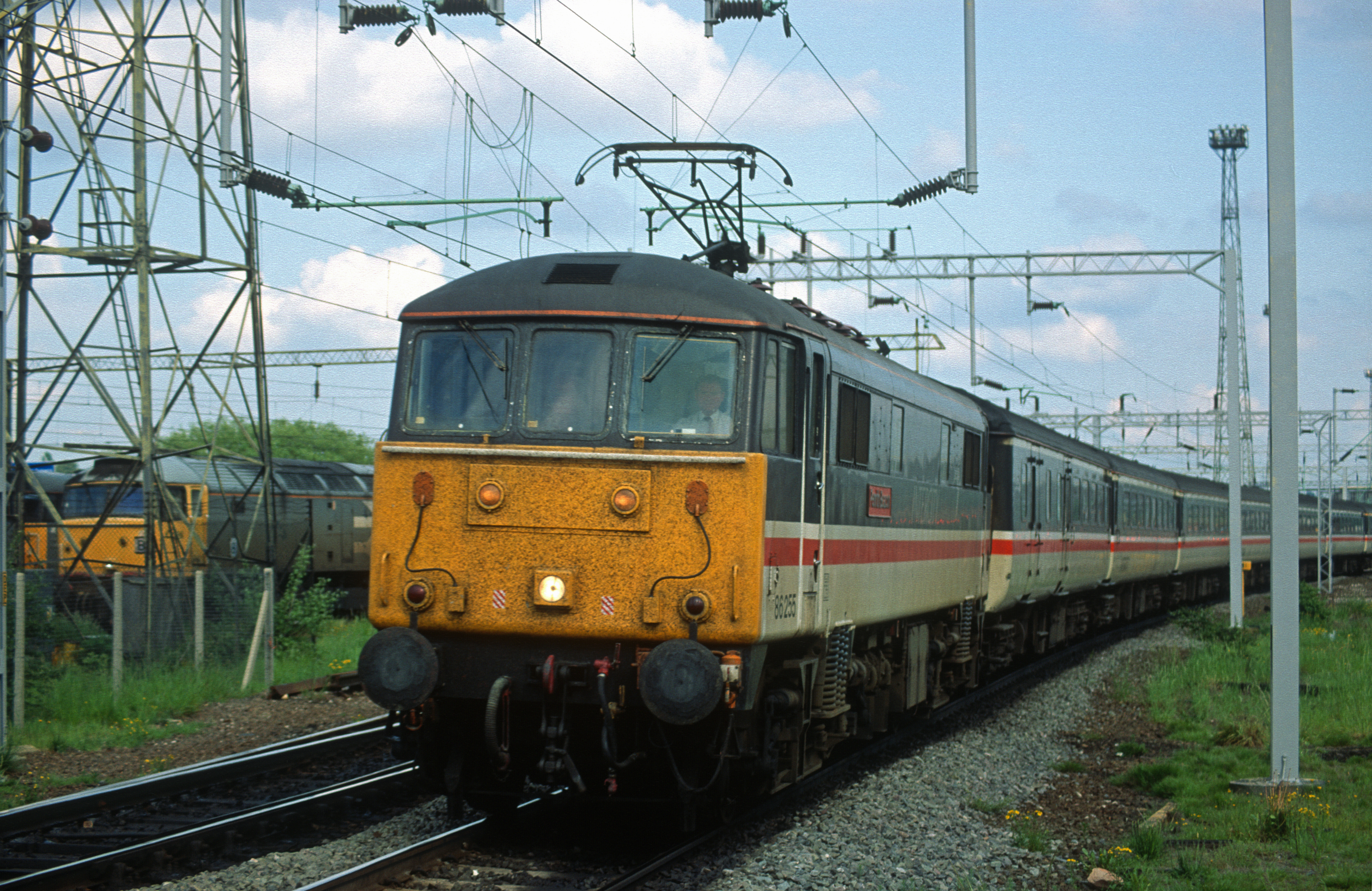
03873. 86255. Bescot. 2.6.94

86255 speeds past the station with an Intercity service for the North. The line through Bescot was a useful diversionary route for Intercity, but I can’t remember if it had regular weekend services or if this was a diversion due to problems elsewhere. 


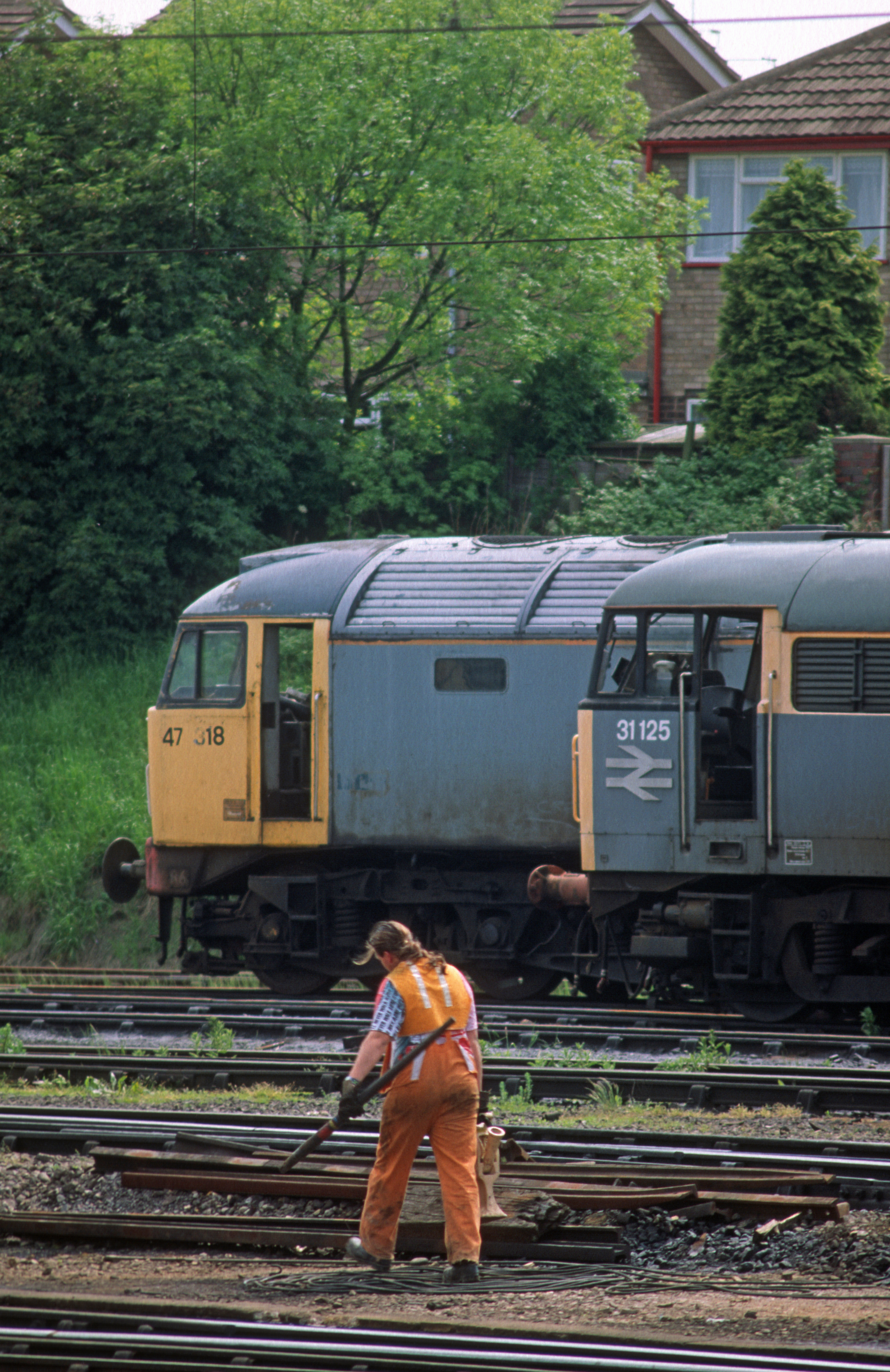
3842. 47318. 31125. Bescot TMD. 2.6.94

A worker carries a jack into the yard, presumably to fix a track defect somewhere. In the background are a couple of Engineers locos stabled in the shed yard. Bescot shed was responsible for the maintenance of Engineers locos, but the depot had a poor reputation for the quality of the locos it looked after and turned out. 


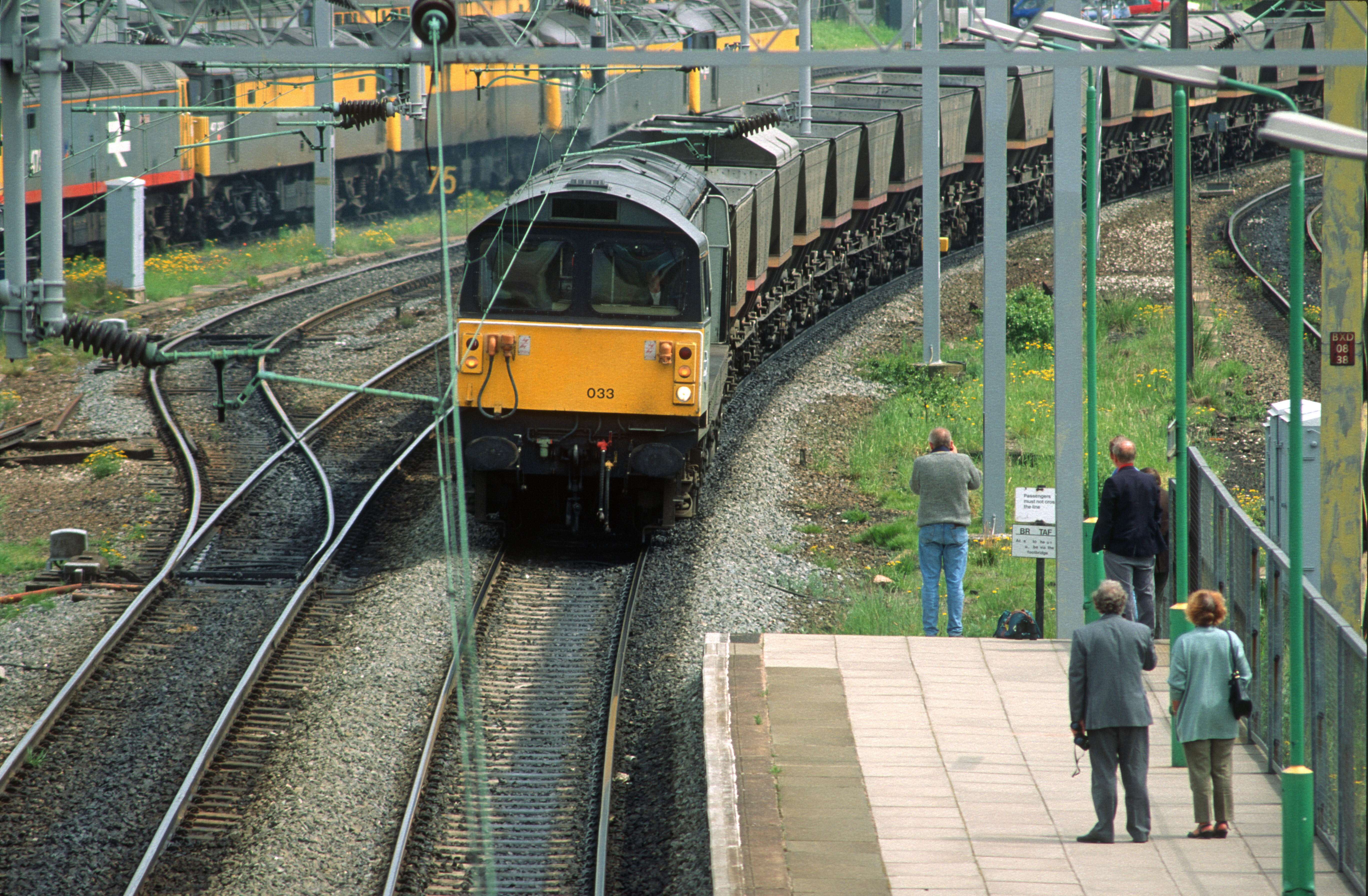
3838. 58033. Bescot. 2.6.94

A Class 58 approaches the station with a mixed rake of empty MGR coal hoppers (some with hoods, others not) watched by a gaggle of railway enthusiasts (including a couple, not a sight you’d see that often). 

As I scan more old slides I’ll be taking other trips down memory lane so my intention’s to turn this into a series. Watch out for another one soon….


← Older posts
Newer posts →

Recent Posts

  • Rolling (ish)blog. Every cloud has a silver lining…
  • Rolling blog. The light fantastic?…
  • Take a walk on the wild side…
  • 13th February picture of the day…
  • Derby builds new trains for the Elizabeth line.

Recent Comments

ramakrishnanaidu400's avatarramakrishnanaidu400 on Derby builds new trains for th…
Paul Bigland's avatarPaul Bigland on Normal service will be resumed…
Jack Robertson.'s avatarJack Robertson. on Normal service will be resumed…
Paul Bigland's avatarPaul Bigland on Normal service will be resumed…
Jack Robertson.'s avatarJack Robertson. on Normal service will be resumed…

Archives

  • February 2026
  • January 2026
  • December 2025
  • November 2025
  • October 2025
  • September 2025
  • August 2025
  • July 2025
  • June 2025
  • May 2025
  • April 2025
  • March 2025
  • February 2025
  • January 2025
  • December 2024
  • November 2024
  • October 2024
  • September 2024
  • August 2024
  • July 2024
  • June 2024
  • May 2024
  • April 2024
  • March 2024
  • February 2024
  • January 2024
  • December 2023
  • November 2023
  • October 2023
  • September 2023
  • August 2023
  • July 2023
  • June 2023
  • May 2023
  • April 2023
  • March 2023
  • February 2023
  • January 2023
  • December 2022
  • November 2022
  • October 2022
  • September 2022
  • August 2022
  • July 2022
  • June 2022
  • May 2022
  • April 2022
  • March 2022
  • February 2022
  • January 2022
  • December 2021
  • November 2021
  • October 2021
  • September 2021
  • August 2021
  • July 2021
  • June 2021
  • May 2021
  • April 2021
  • March 2021
  • February 2021
  • January 2021
  • December 2020
  • November 2020
  • October 2020
  • September 2020
  • August 2020
  • July 2020
  • June 2020
  • May 2020
  • April 2020
  • March 2020
  • February 2020
  • January 2020
  • December 2019
  • November 2019
  • October 2019
  • September 2019
  • August 2019
  • July 2019
  • June 2019
  • May 2019
  • April 2019
  • March 2019
  • February 2019
  • January 2019
  • December 2018
  • November 2018
  • October 2018
  • September 2018
  • August 2018
  • July 2018
  • June 2018
  • May 2018
  • April 2018
  • March 2018
  • February 2018
  • January 2018
  • December 2017
  • October 2017
  • September 2017
  • August 2017
  • July 2017
  • June 2017
  • April 2017
  • March 2017
  • February 2017
  • January 2017
  • December 2016
  • November 2016
  • October 2016
  • September 2016
  • July 2016
  • June 2016
  • May 2016
  • April 2016
  • March 2016
  • February 2016
  • January 2016
  • December 2015
  • November 2015
  • October 2015
  • September 2015
  • August 2015
  • July 2015
  • June 2015
  • May 2015
  • April 2015
  • March 2015
  • February 2015
  • January 2015
  • June 2013

Categories

  • 'Green' madness
  • 'Think Tanks'
  • 144e
  • 2005 London bombing
  • 2017 General election
  • 3 peaks by rail
  • 3 Peaks by ral
  • 51M
  • 7/7
  • Abandoned railways
  • Abu Dhabi
  • ACoRP
  • Adam Smith Institute
  • Adrian Quine
  • Advertising
  • Air Travel
  • Aircraft
  • Airports
  • Airshows
  • Allan Cook
  • Alstom
  • Amsterdam
  • Andrea Leadsom MP
  • Andrew Gilligan
  • Andrew Haylen
  • Andy Burnham MP
  • Anti Hs2 mob
  • AONBs
  • Arambol
  • Architecture
  • Art
  • Australia
  • Avanti West Coast
  • Bali
  • Bangkok
  • Bank holidays
  • Barrow Hill
  • beer
  • Belgium
  • Bereavement
  • Berlin
  • Bigotry
  • Birmingham
  • Blists Hill
  • Blue passports
  • Boris Johnson MP
  • Bradford
  • Brazil
  • Brexit
  • Brighouse
  • Brighton
  • British Railways
  • British Railways (BR)
  • Buckinghamshire
  • Buses
  • Byline media
  • Calder Valley
  • Calderdale
  • Cambridge
  • Cambridgeshire
  • Canals
  • Cardiff
  • Carillion
  • Carolyne Culver
  • Censorship
  • Charities
  • Cheryl Gillan MP
  • Cheshire
  • Chester
  • China
  • Chris Packham
  • Claire Perry MP
  • Class 08
  • Class 155
  • Class 180
  • Class 313
  • Class 314s
  • Class 317
  • Class 319
  • Class 320
  • Class 321
  • Class 323
  • Class 345
  • Class 365
  • Class 455
  • Class 456
  • Class 507
  • Class 508
  • Class 60s
  • Class 91
  • Climate Change
  • Communications
  • Community
  • Community rail
  • Community Rail Network
  • COP26
  • Corbynwatch
  • Coronavirus
  • Coventry
  • Covid 19
  • CP5
  • Crap journalism
  • Crazy anti Hs2 campaigner of the week
  • Crazy kippers
  • Crewe Hub
  • Crossrail
  • Cuba
  • Cumbria
  • Customs
  • Cyberattacks
  • Cycle India
  • Cycling
  • Dame Bernadette Kelly
  • Dawn
  • Democracy
  • Denmark
  • Derbyshire
  • Desiro City
  • Dewsbury
  • Diary
  • Dispatches
  • Doha
  • Donald Trump
  • Doomed
  • Dorset
  • Down memory lane
  • Duxford
  • East Lancashire Railway
  • East Midlands Railway franchise
  • East Midlands Trains
  • East-West rail
  • Easter fairy stories
  • ECML
  • Economic illiteracy
  • Economics
  • election2015
  • Elon Musk
  • Engineering
  • Environment
  • Essex
  • Eurostar
  • Euston
  • Extinction Rebellion
  • Fake News
  • Festivals
  • Film and TV
  • Flag shaggers
  • Flooding
  • Flora and Fauna
  • Food
  • Food and drink
  • Foot in mouth
  • Gardening
  • GBRf
  • GCRE
  • General election
  • General election 2019
  • General election 2024
  • Georgetown
  • Germany
  • Glasgow
  • Glossop
  • GNGE
  • GNRP
  • Goa
  • Goole
  • Grand Central trains
  • Grant Shapps MP
  • Great Western Railway
  • Greater Anglia franchise
  • Greater Manchester
  • Greece
  • Green issues
  • Green madness
  • Green Party
  • Grok
  • Gt Missenden
  • GTR
  • Guido Fawkes
  • GWML
  • GWR franchise
  • Gwyll Jones
  • Halifax
  • Hampshire
  • Harvil Rd Hs2 protest
  • Harz railway
  • Heathrow 3rd runway
  • High Speed 1
  • High Speed UK
  • History
  • Hitachi
  • Hong Kong
  • House of Lords
  • HS North
  • Hs1
  • Hs2
  • Hs2 Bow Group
  • Hs2 petitions
  • Hs2 Phase 2B
  • Hs2 to Crewe
  • Hs2aa
  • HS2Rebellion
  • HSUK
  • Huddersfield
  • Humberside
  • Humour
  • Hurricane Ophelia
  • Huw Merriman MP
  • Hypocrisy
  • I love my job
  • Imperial College London
  • Imperial War Museum
  • India
  • Indonesia
  • Infrarail
  • Innotrans
  • Internet
  • Iolo Williams
  • Ireland
  • Islamophobia
  • Istanbul
  • Jacob Rees Mogg
  • jakarta
  • Jeremy Corbyn
  • Jeremy Corbyn MP
  • Jo Johnson MP
  • Joanne Crompton
  • Joe Rukin
  • John McDonnell MP
  • John Poyntz
  • Johnathan Bartley
  • Journalism
  • Kanchanaburi
  • Kemi Badenoch
  • Kent
  • Kuala Lumpur
  • Labour election
  • Lancashire
  • Laos
  • Law and order
  • Lazy journalism
  • Leicestershire
  • Levelling up
  • Liam Halligan
  • libel
  • Lilian Greenwood MP
  • Lincolnshire
  • Liverpool
  • LNER
  • Local elections
  • Local elections 2018
  • Lockdown
  • London
  • London Underground
  • Lord Berkeley
  • LRT
  • M62 motorway
  • Major Projects Authority
  • Malaysia
  • Manchester
  • Manchester Airport
  • Manchester Victoria
  • MAPA
  • Mark Keir
  • Marketing
  • Martin Tett
  • Mediawatch
  • Melton Mowbray
  • Memory Lane
  • Merseyrail
  • Merseyside
  • Michael Dugher MP
  • Michael Fabricant MP
  • Mid Cheshire against Hs2
  • Miscellany
  • Modern Railways
  • Monorails
  • Music
  • Musings
  • Mytholmroyd
  • Natalie Bennett
  • National Rail Awards
  • National Trust
  • Nepal
  • Network Rail
  • Never a dull life
  • New Economics Foundation
  • New trains
  • New Year
  • New York
  • New Zealand
  • Newcastle
  • NHS
  • Nigel Farage
  • Norfolk
  • Norland scarecrow festival
  • North Yorkshire
  • Northern Powerhouse
  • Northern Rail
  • Northumberland
  • Norway
  • Nostalgia
  • Nottingham
  • Obituaries
  • Old Oak Common
  • ORR
  • Ossett
  • Our cat, Jet
  • Oxfordshire
  • Pacers
  • Paris terror attack
  • Parliament
  • Pasenger Growth
  • Patrick McLouglin MP
  • Penny Gaines
  • Peter Jones
  • Peterborough
  • Photography
  • Photojournalism
  • Picture of the day
  • Poetry
  • Politics
  • Porterbrook
  • Portugal
  • PR nightmares
  • Preston
  • Protest
  • Public Accounts Ctte
  • Pubs
  • rail ale
  • Rail electrification
  • Rail fares
  • Rail Investment
  • Rail Live 2021
  • Rail Live 2022
  • Rail Live 2024
  • RAIL magazine
  • Rail Moderinsation
  • Rail PR
  • Railfreight
  • Railstaff awards
  • Railtex
  • Railway Benefit Fund (RBF)
  • Railway preservation
  • Railways
  • Rant
  • Religion
  • Reservoir blogs
  • RFEM
  • Richard Wellings
  • Ride India
  • Rishi Sunak
  • Road accidents
  • Rolling blogs
  • ROSCOs
  • Royal Mail
  • Royal Wedding 2018
  • RSPB
  • Rugby Observer
  • Rushbearing
  • SAIP
  • Sarah Green
  • Scores on the doors
  • Scotland
  • Scotrail
  • Sheffield
  • Ships
  • Shrewsbury
  • Shropshire
  • Siemens
  • Signalling
  • Silly season
  • Simon Heffer
  • Simon Jenkins
  • Singapore
  • Sleeper trains
  • Snail mail
  • Social media
  • South West Trains
  • Southport
  • Sowerby Bridge
  • Spectator magazine
  • Sri Lanka
  • St Pancras station
  • Stafford
  • Stamford
  • Station buffets
  • StopHs2
  • Surabaya
  • Surrey
  • Swansea
  • Talgo
  • Teresa May
  • Terrorism
  • Tesla
  • Thailand
  • Thameslink
  • The 'Beast from the East'
  • The BBC
  • The Big 6
  • The Cludders
  • The Daily Express
  • The Economy
  • The end of the line
  • The fog
  • The Grauniad
  • The Great Central railway
  • The Green Party
  • The Guardian
  • The Independent
  • The Labour Party
  • The Moorcock Inn
  • The Piece Hall
  • The PWI
  • The Railway Children
  • The Rodelblitz
  • The USA
  • The Woodland Trust
  • Tilford
  • Tony Allen
  • Torquay
  • Tourism
  • TPE
  • Traffic congestion
  • Trams
  • Trans-Pennine electrification
  • Trans-Pennine Route Upgrade
  • Transport
  • Transport Committee
  • Transport for Wales (TfW)
  • Travel
  • TRU
  • Turkey
  • Twilight years
  • Twitter
  • Twitter (and how not to use it)
  • UK
  • UK steel industry
  • UKIP
  • Uncategorized
  • Uxbridge
  • Vandalism
  • Victoria Prentis MP
  • Virgin Trains
  • Virgin West Coast
  • Vivarail
  • Wales
  • Walking
  • Warwickshire
  • WCML
  • Weather
  • West Yorkshire
  • Wigan
  • Wildlife Trusts
  • Wiltshire
  • Worcester
  • Work
  • World car-free day
  • World War 1
  • World War Two
  • Yorkshire
  • YorkshireStopHs2

Meta

  • Create account
  • Log in
  • Entries feed
  • Comments feed
  • WordPress.com

Blog at WordPress.com.

Privacy & Cookies: This site uses cookies. By continuing to use this website, you agree to their use.
To find out more, including how to control cookies, see here: Cookie Policy
  • Subscribe Subscribed
    • Paul Bigland
    • Join 472 other subscribers
    • Already have a WordPress.com account? Log in now.
    • Paul Bigland
    • Subscribe Subscribed
    • Sign up
    • Log in
    • Report this content
    • View site in Reader
    • Manage subscriptions
    • Collapse this bar
 

Loading Comments...