Another Sunday and another day where part of it’s spent getting into position for the next day. When arranging their events people sometimes forget that – whilst the media is notoriously ‘Londoncentric’ not everyone actually lives in the capital anymore! I have to be in Chippenham at 09:00 tomorrow morning. Whilst that’s doable from London, it’s impossible from West Yorkshire.
So, much of today’s been spent at home. We’ve finally had a respite from the rain. Today (whilst it’s still been chilly) there’s been clear skies and sunshine. Ideal conditions for the pair of us enjoying a long canalside walk after a leisurely start to the day.
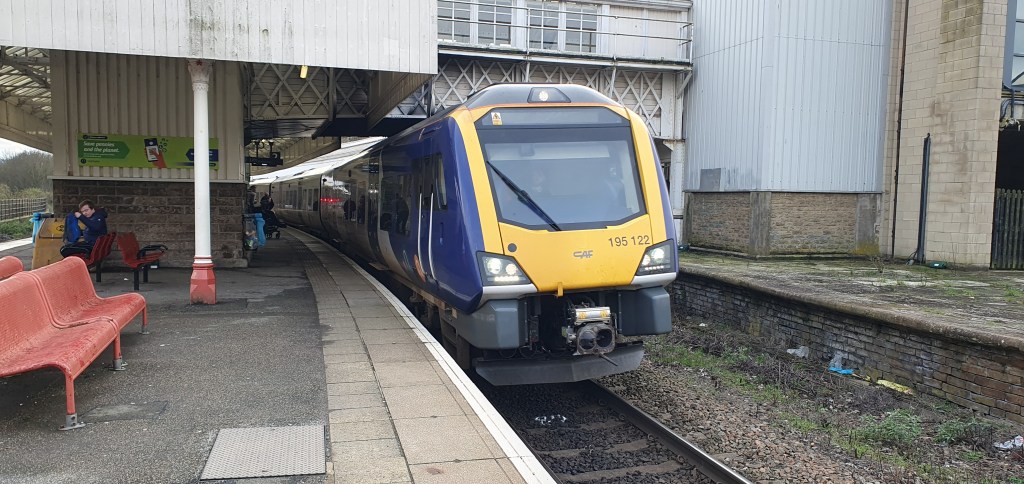
Now – fortified by a large slab of Dee’s home-made lemon meringue pie – I’m on the move again, this time aboard a Northern service to Leeds where I’ll catch an LNER train to Kings Cross. Having spent the past few weeks travelling the West Coast route I’ll be back on the East Coast for a change. Let’s see how the trip goes…
I don’t often travel at a weekend except for pleasure. Unlike my normal trips today’s Northern fellow travellers are mostly people having a day out sightseeing or visiting family and friends. Not that the train’s quiet – far from it. Sunday’s a busy day on the railways nowadays. It make you wonder why we still have a separate and very distinct Sunday timetable.
18:10.
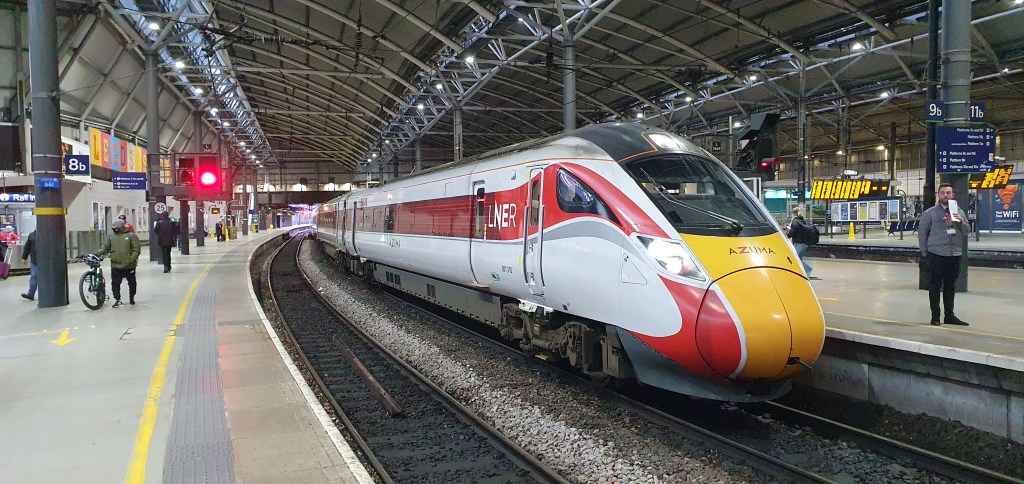
London bound! There was a frustrating moment when I arrived at Leeds as I saw the next London train on the adjacent platform. It was worked by Mk4 loco-hauled set but there was no way I was going to make the connection. Instead, I watched as the train powered out of the station, pushed by ‘Battle of Britain memorial flight’. The next Southbound service was worked by an LNER ‘Azuma’ and I was concerned that it might be packed. As it is – it’s not too bad.
My chariot awaits…
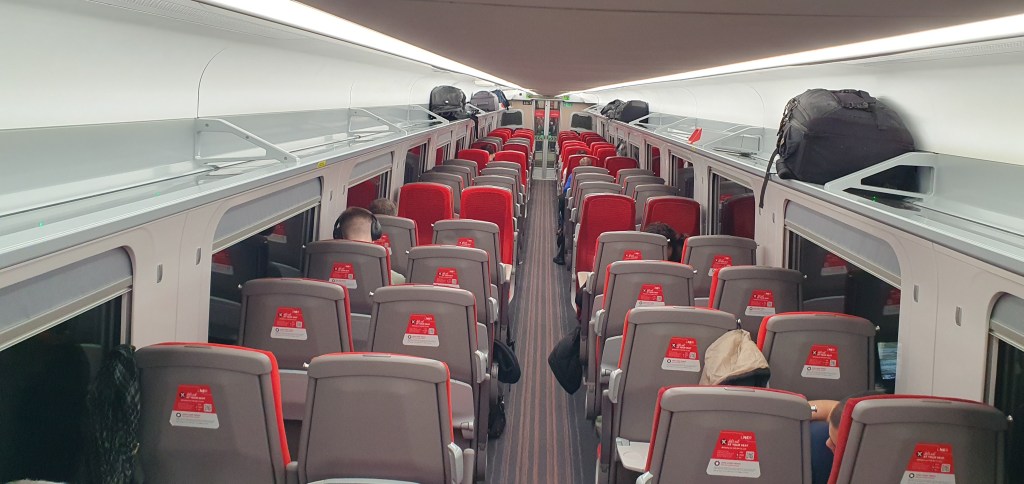
I managed to find a vacant seat in coach C and set up the mobile office. We’ve just left Wakefield where as many passengers left as joined. Next stop is Doncaster, which should be interesting. Sadly, we’ve lost the light now although I’m grateful that’s taking longer as each day passes. I’ve had enough of winter’s long nights.
18:30.
To my surprise we’ve still lots of empty seats available after Doncaster. Coach C’s filled up but there were nowhere near as many passengers waiting as I’d thought there might be. We have two more stops to make before London, at Newark Northgate snd Peterborough.
19:20.
We’re now accelerating away from Peterborough, our last stop before Kings Cross. This brings back loads of memories for me as – back in the late 1980s, early 1990s – this was one of my regular journeys. I still lived in London then and would often come up to Peterborough on a Friday night after work to spend the weekend with Nancy, an old friend from Southport. How things have changed since then! Peterborough was the edge of the London commuter belt and obviously still is. During the week I often see people wearing Transport for London uniforms joining trains here as they commute into the capital. Key workers who’ve been priced out of the city. What surprised me today wasn’t the number of people joining the train – it was the number disembarking – and their ages. They were overwhelmingly young. What’s the new demographic I’m no longer aware of?
00:15.
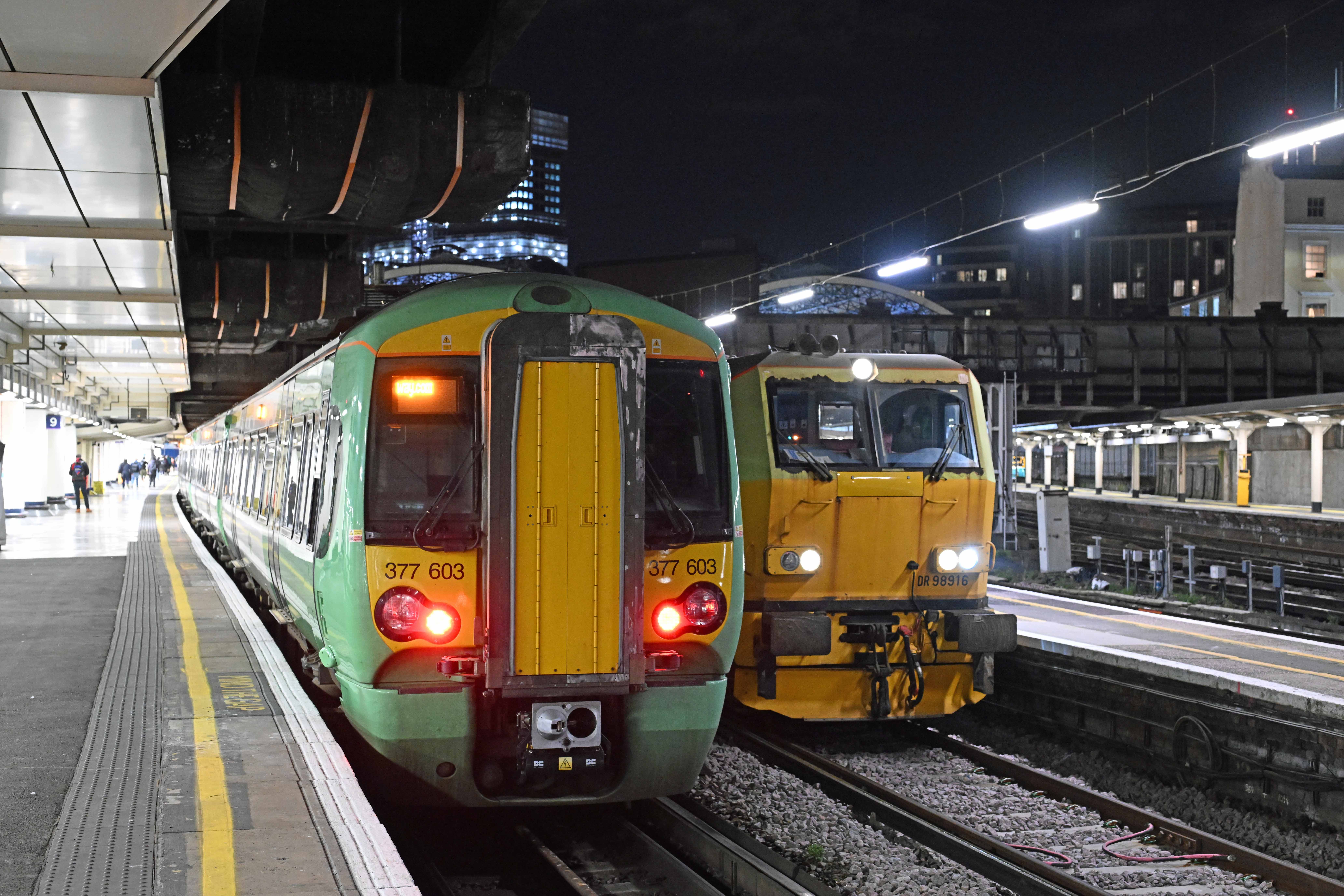
Really? Is that the time? Bugger. Here endeth today’s blog. I’ve got to be up at silly o’clock in the morning to make my way to Chippenham. I’ve no idea where the time – or years, went as the pair of us have been immersed in watching old British Transport Commission films from the 50s-60s. I’ll leave you with one last picture from my trip over to Clapham from Kings Cross. Spot the interloper at Victoria…
Expect another rolling blog tomorrow as the day unfolds…
I’ve a small favour to ask… If you enjoy reading this or any of the other blogs I’ve written, please click on an advert or two. You don’t have to buy anything you don’t want to of course – although if you did find something that tickled your fancy that would be fab! – but the revenue from them helps me to cover some of the cost of maintaining this site (which isn’t cheap and comes out of my own pocket). Remember, 99% of the pictures used in my blogs can be purchased as prints from my other website – https://paulbigland.zenfolio.com/
The December 10th timetable change was due to see the last of the BR built Class 319s leave passenger service*. 86 of these 4-car, 100 mph dual voltage units were built in two batches between 1987-88 and 1990. The original stomping ground was the new ‘Thameslink’ service from Bedford, through central London on the reopened Farringdon – Blackfriars route and out to Brighton.
Since being displaced by Siemens built Class 700s in the early 2010s they’ve had a varied career working for Northern and London Midland as well as some units being converted to bi-mode diesel-electric (Class 769) or even hydrogen. Right now, the final handful left in service are operating Northern services between Liverpool-Wigan-Blackpool, Wigan-Manchester or even Manchester Airport-Bolton-Blackpool.
So, here’s the start of a blog looking back at their lives and times…
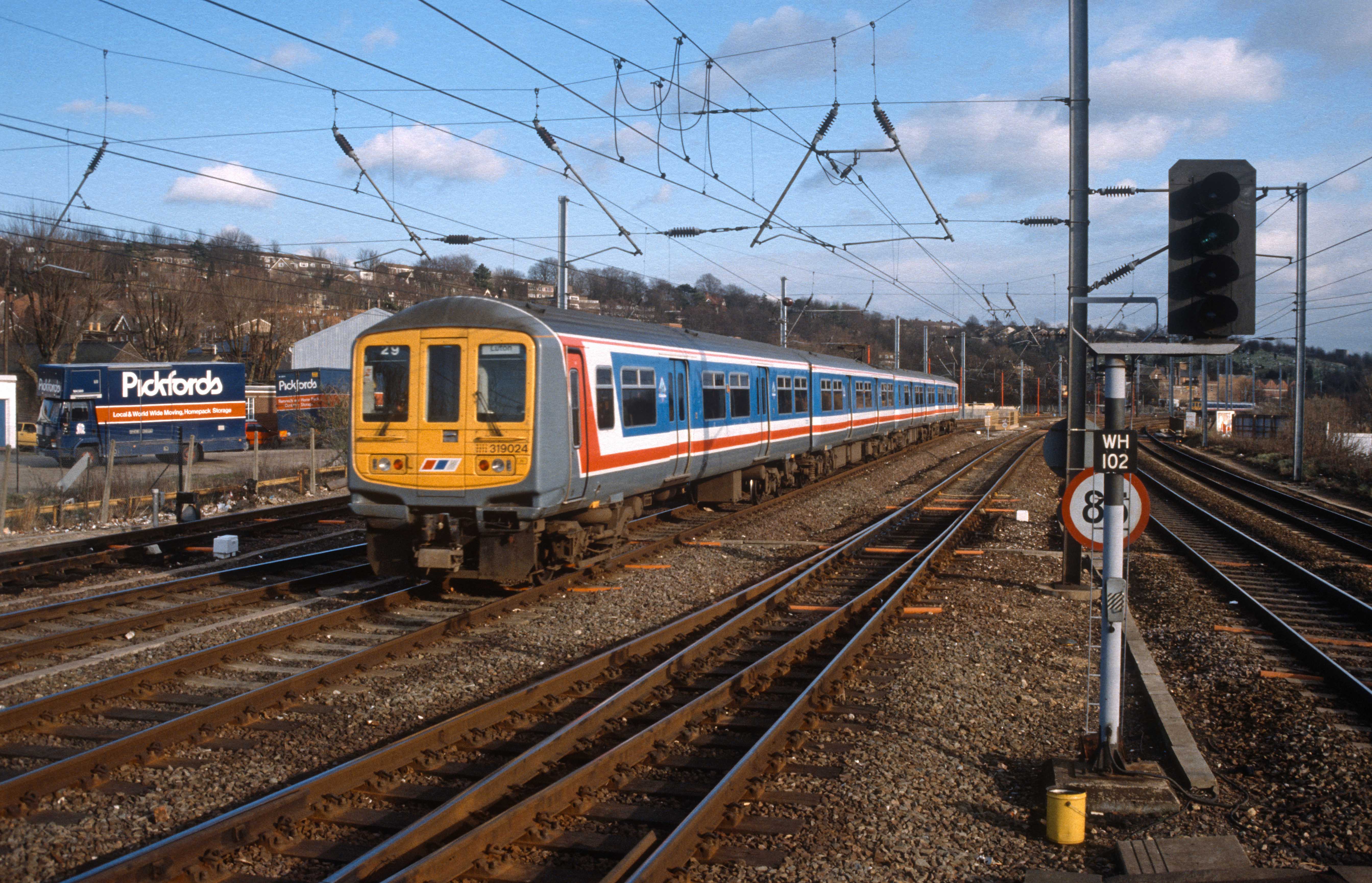
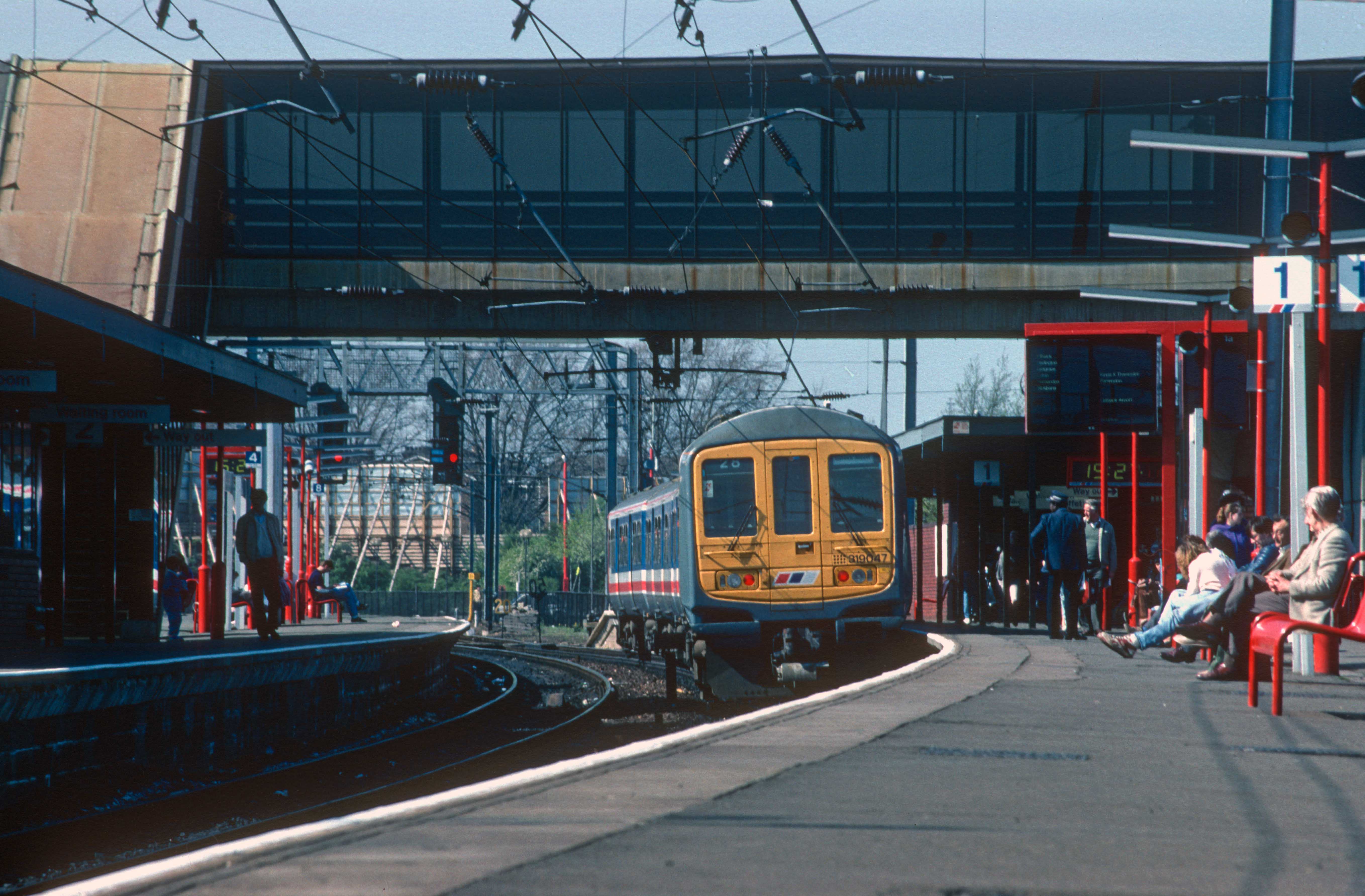
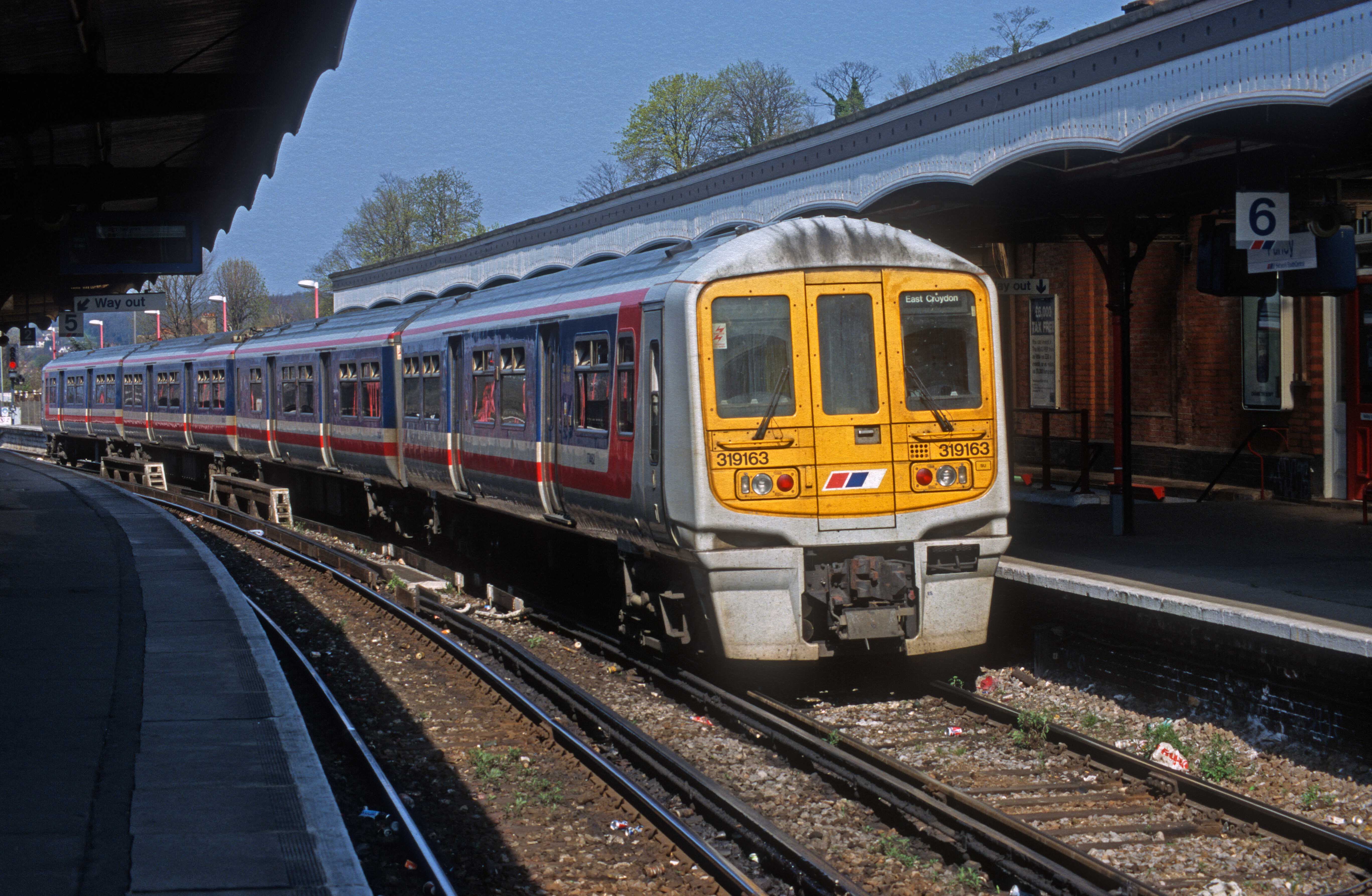
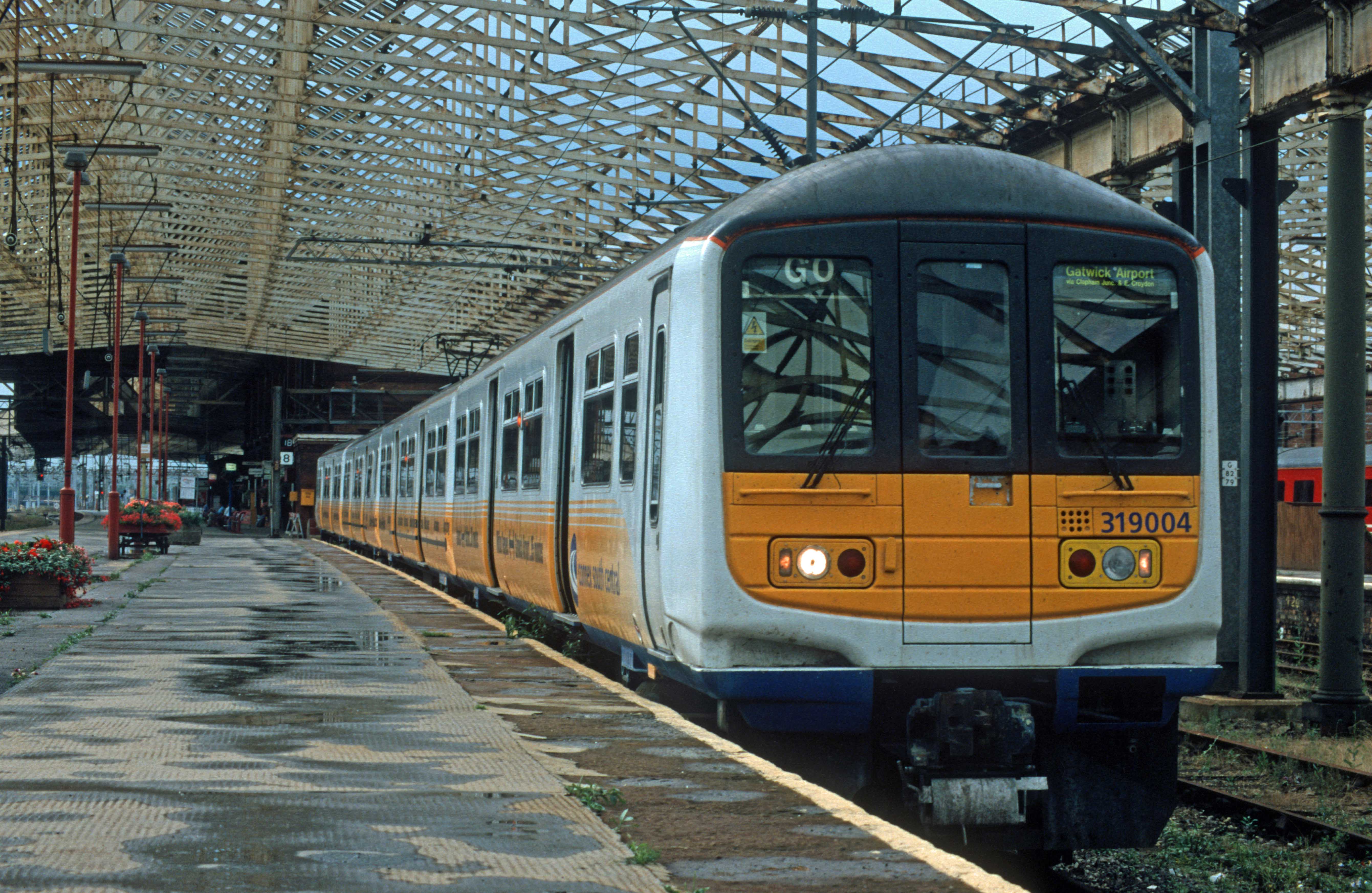
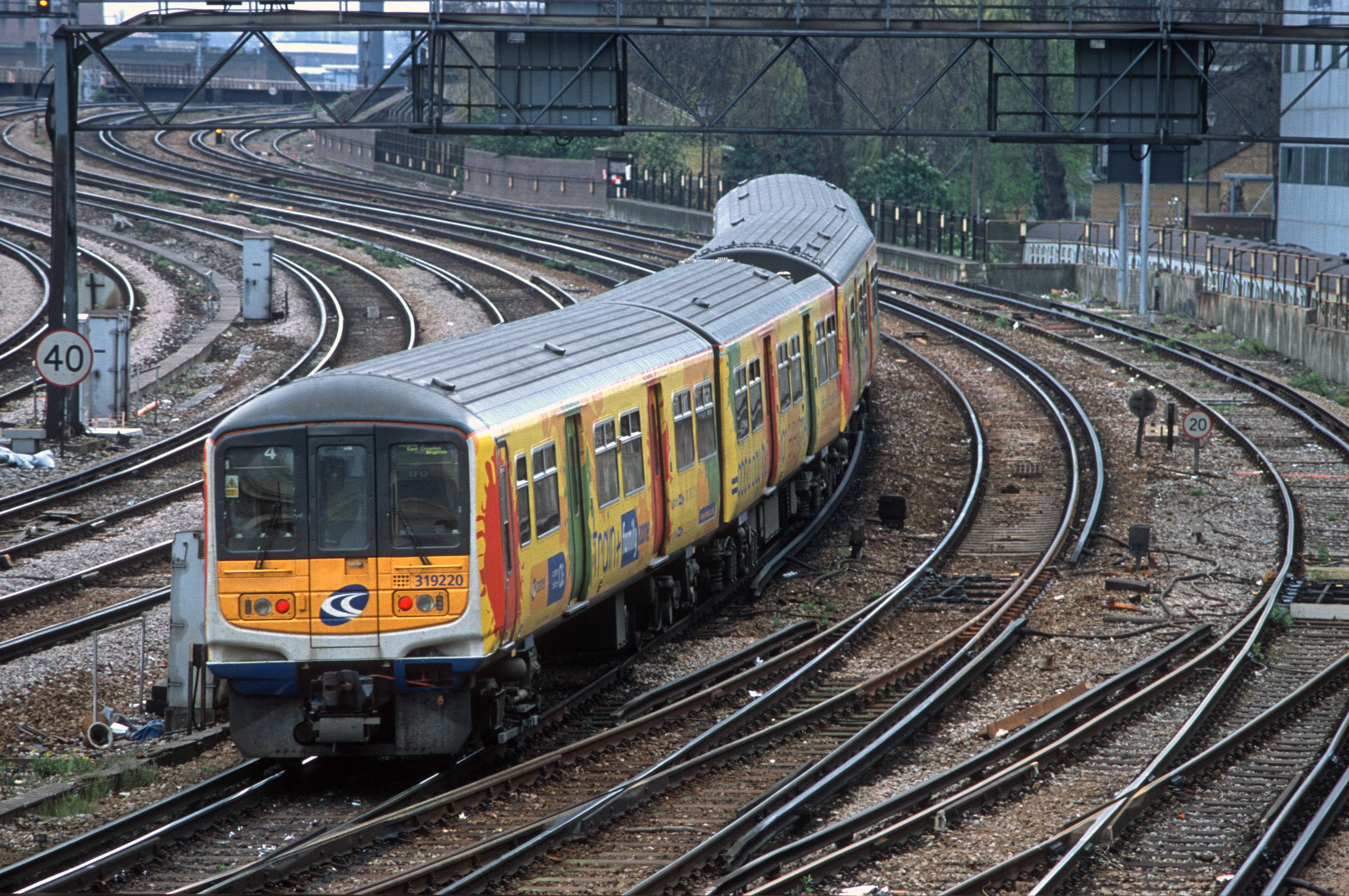
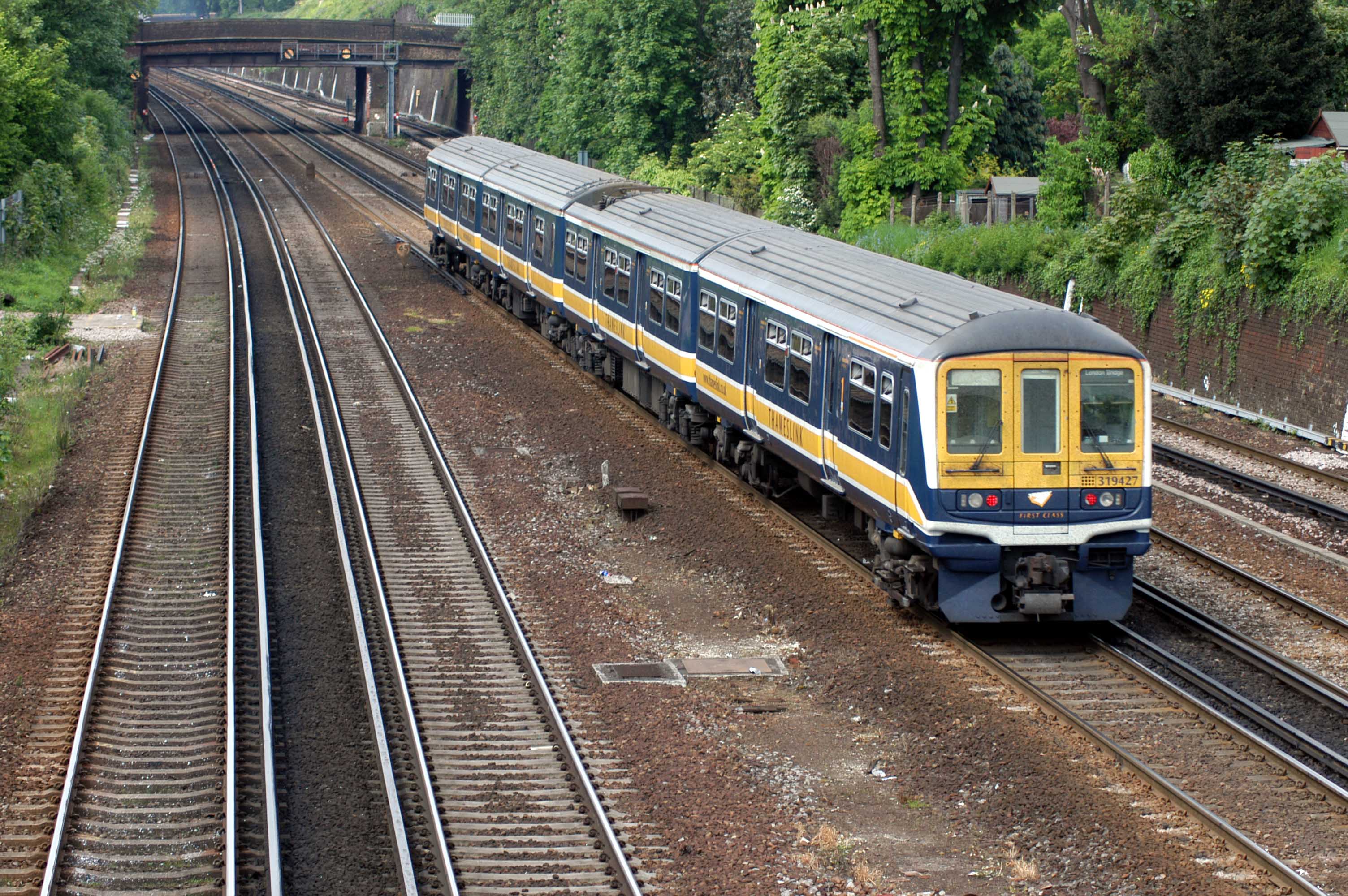
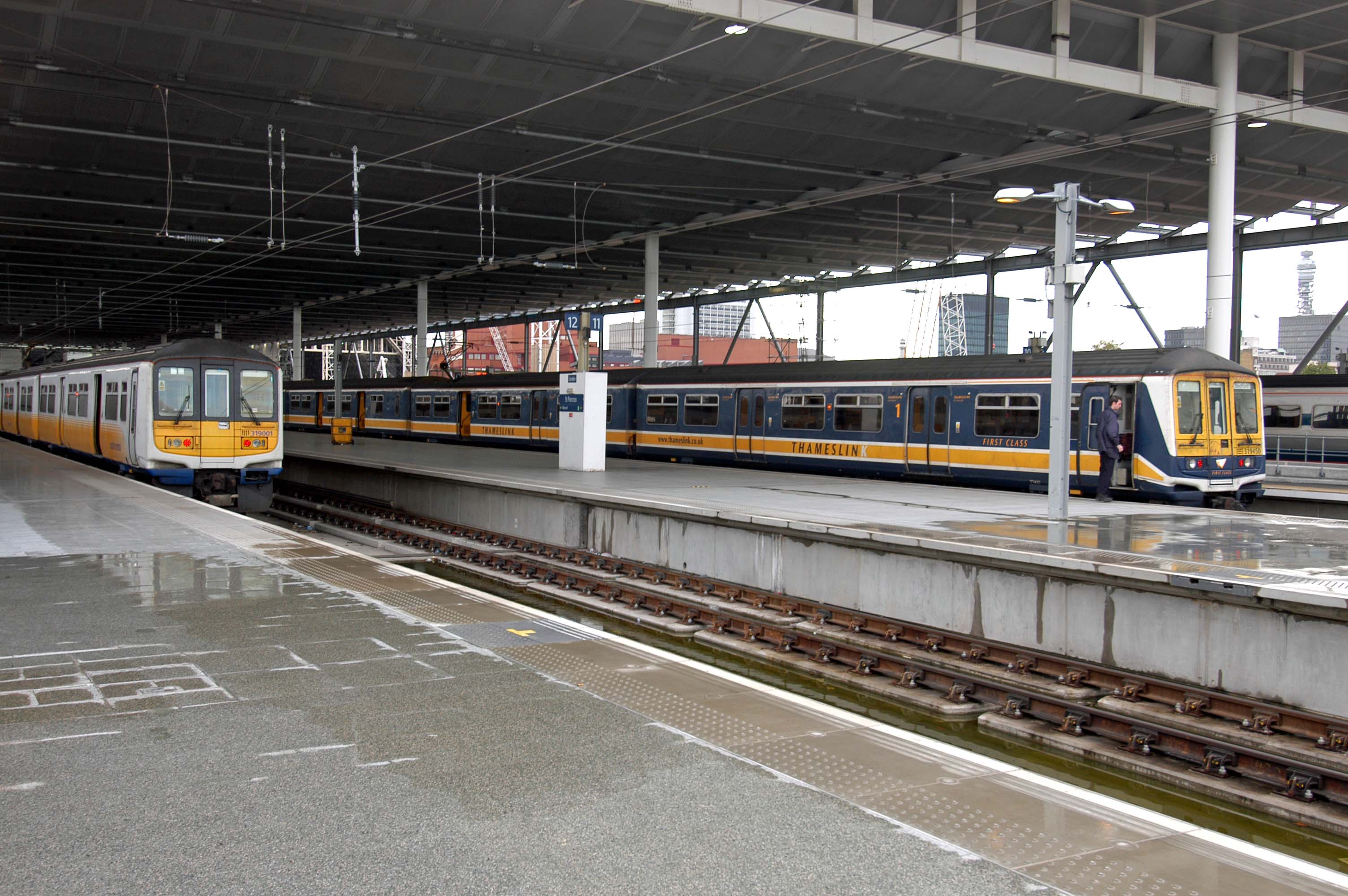
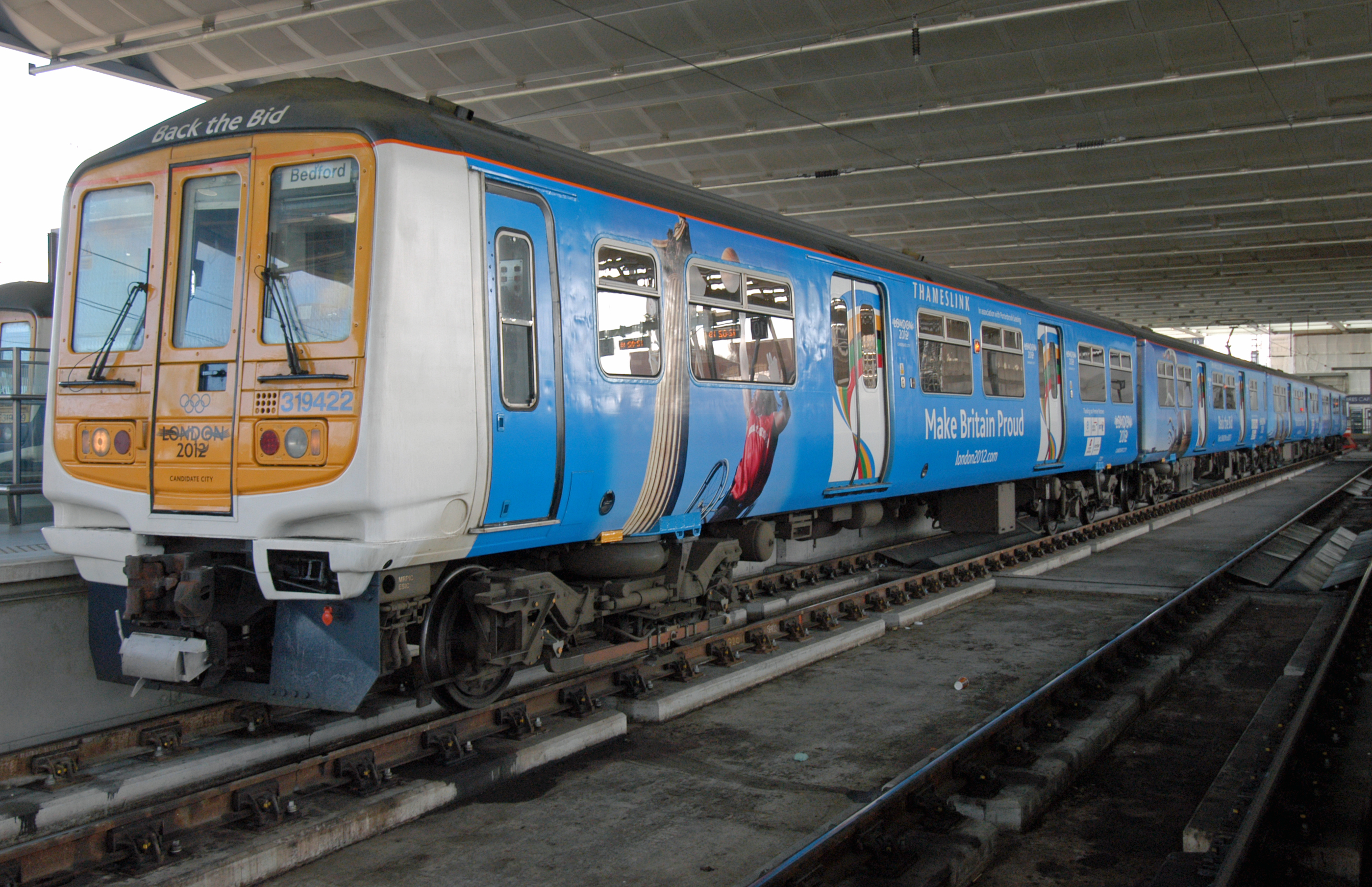
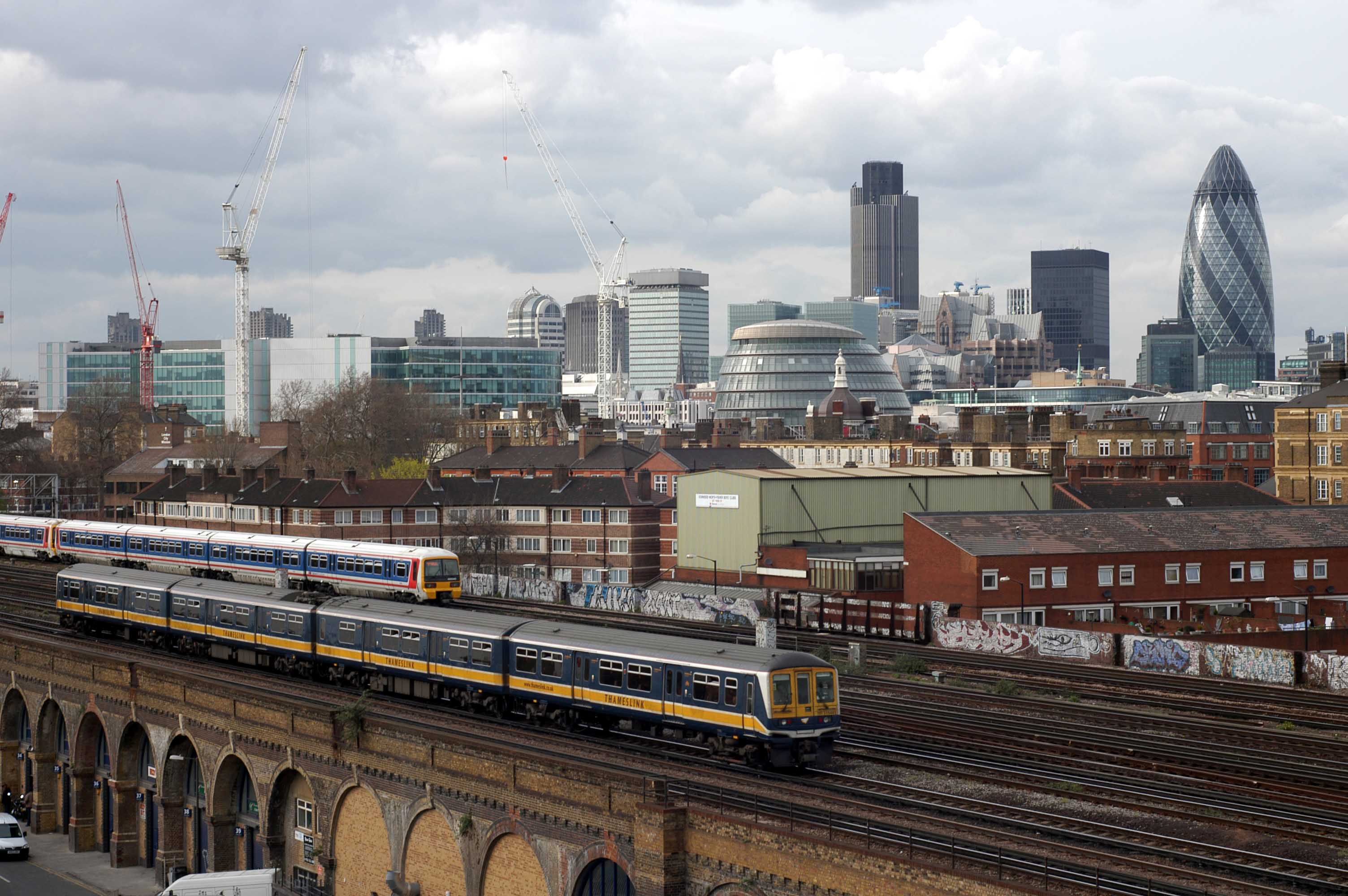
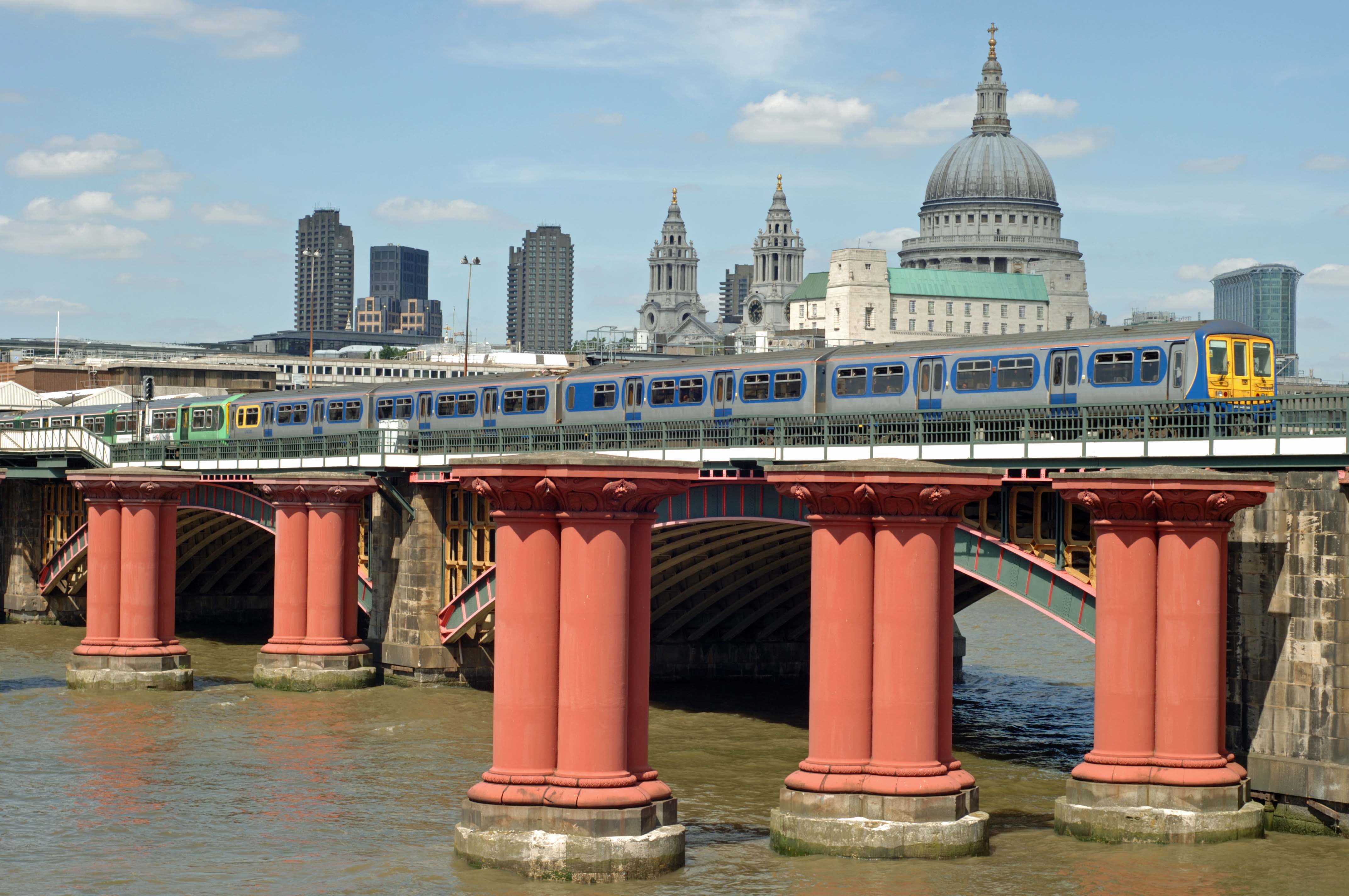
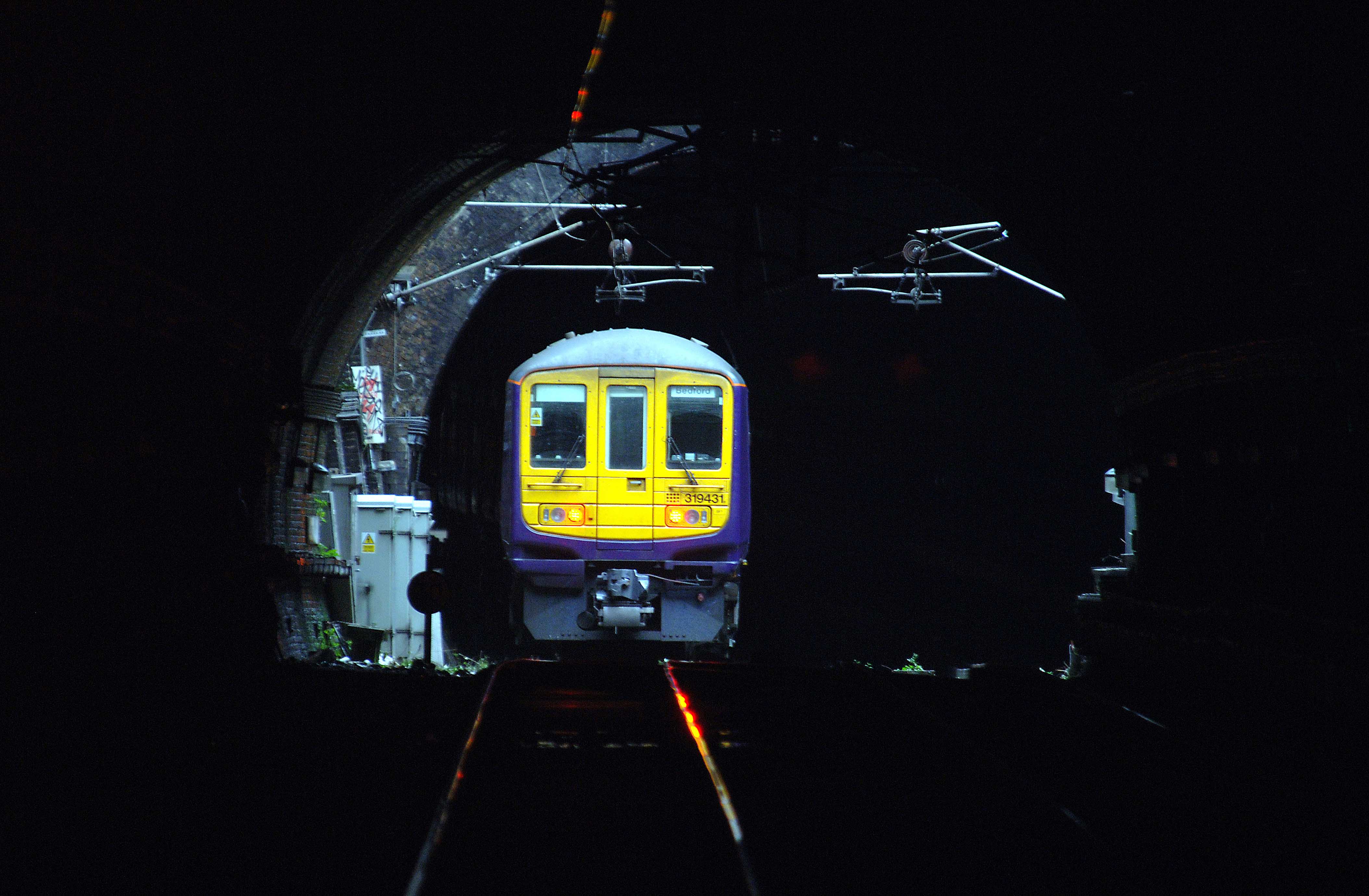
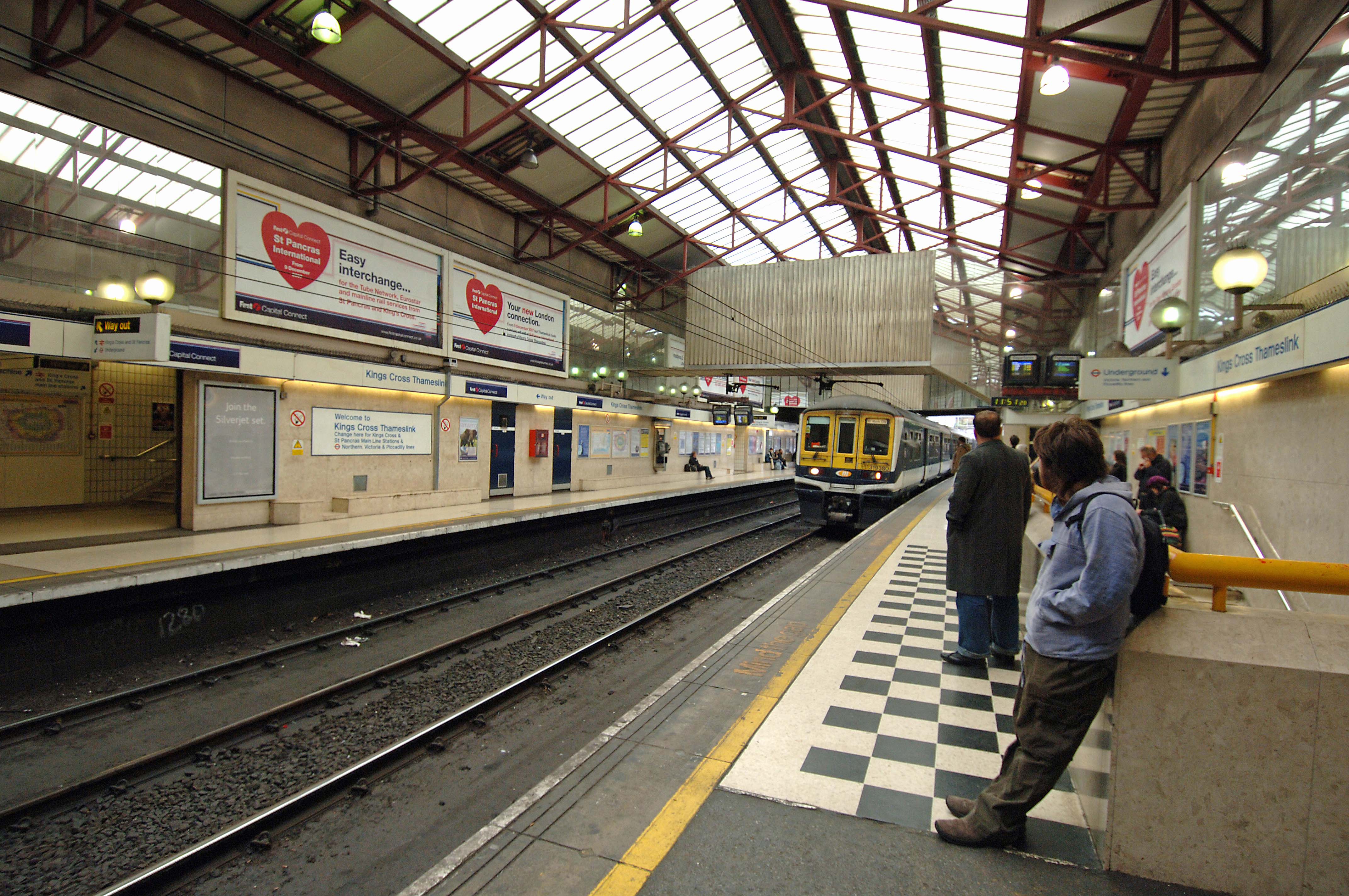
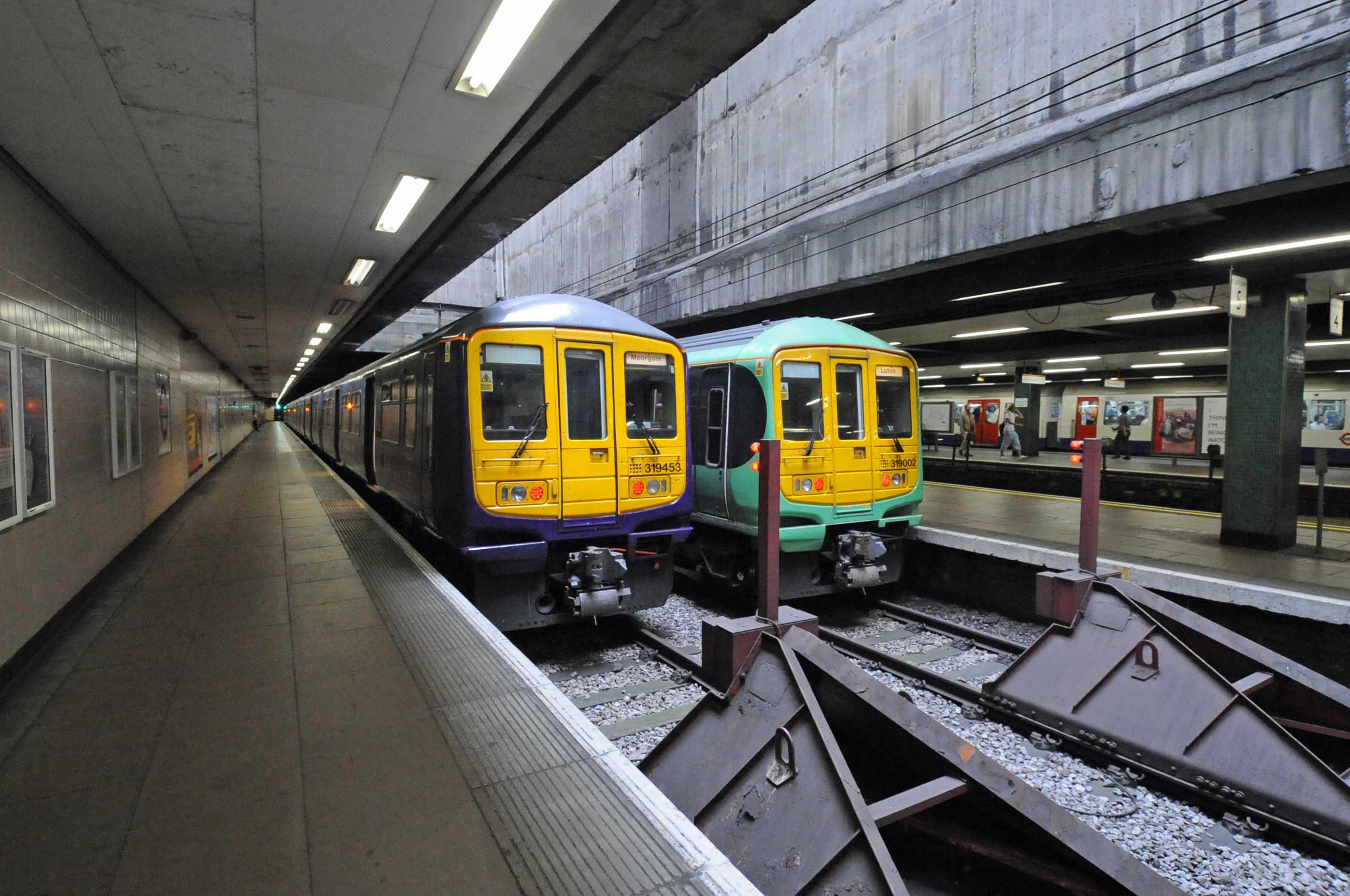
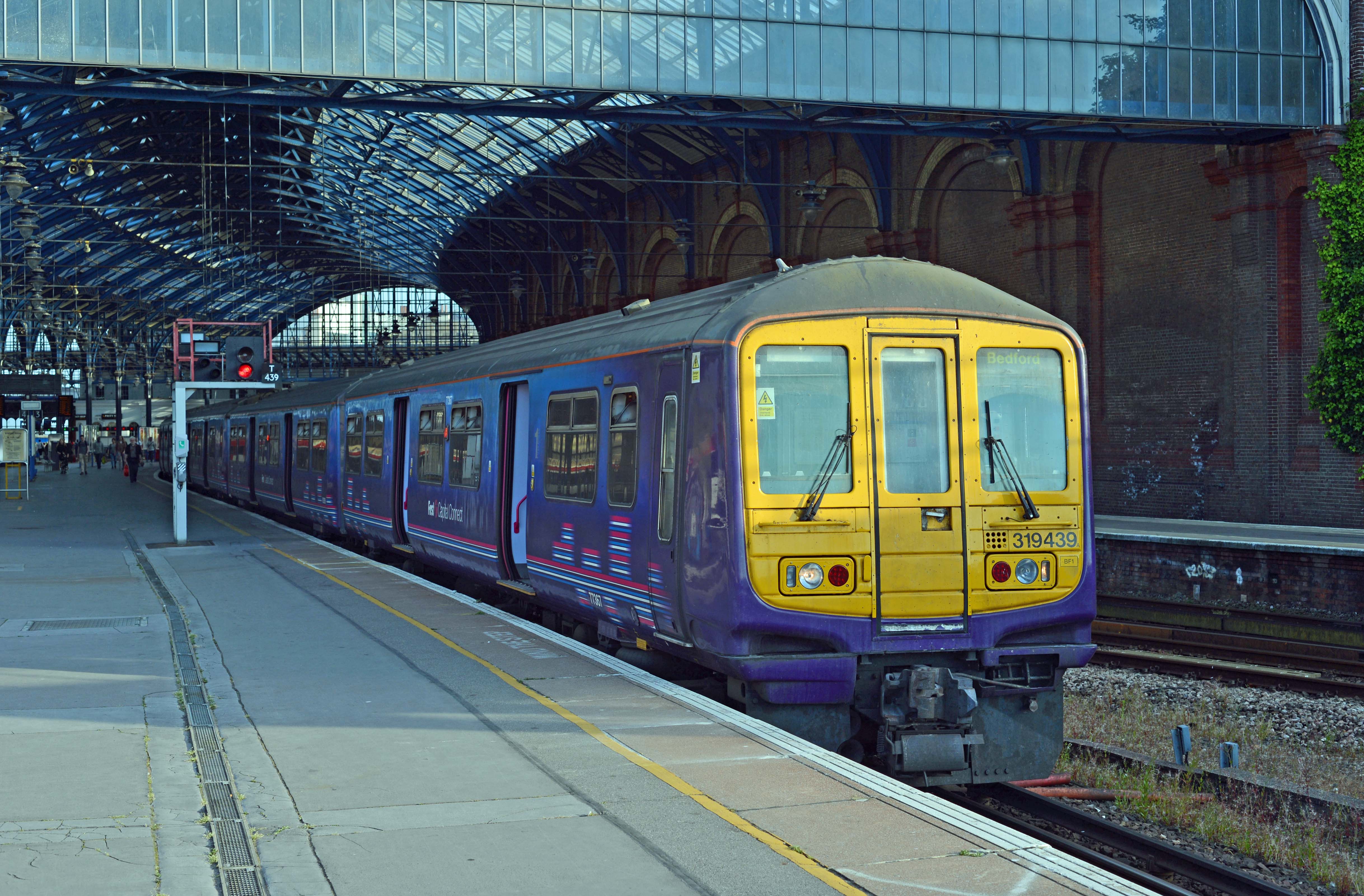
Only 3 years old, 319024 on their original Network South-East livery is seen departing from Luton with a Southbound service on the 2nd March 1990. As they were new and film wasn’t cheap I rarely photographed these trains, which in retrospect was a mistake.On the 28th April 1990 319047 leaves Bedford empty stock before reversing in the nearby sidings and working a later service for the South. Network South-East red paint is very much in evidence in this shot! It was to be another 6 years before I took another shot of a Class 319, 21st April 1996 to be precise. Here’s 319163, a set from the 26 strong 1990 batch pictured at Purley in between turns 319004 wearing Connex livery sits under the skeletal roof of the old Rugby station on the 9th August 1999 whilst waiting to work the 18:39 to Gatwick airport. This cross-London shuttle between the two destinations was introduced in June 1997 but cut back to Watford Junction from the December 2000 timetable change.Now we move forward in time from the BR to the Connex era and the 10th April 2001 when 319220 is pictured leaving London Victoria with an express service to Brighton. Seven Class 319s were renumbered from the 0 to 2 series in 1997 when they were altered internally to provide lower density seating and a ‘lounge’ area with buffet counter in the pantograph car. With pantograph down and operating on 3rd rail, Thameslink liveried 319427 speeds towards London Bridge from Brighton through South Croydon on the 6th May 2004Between September 2004-May 2005 the central Thameslink core was shut to allow construction of the ‘Thameslink box’ below St Pancras which would house the new Thameslink station, replacing the cramped Kings Cross Thameslink station. As a result, Thameslink services from Bedford and St Albans terminated in the new Eastern side of St Pancras International that’s now used by South-Eastern. Here’s 319001 and 319450 seen in St Pancras on the 29th October 2004.It’s the 19th February 2005 and Thameslink’s 319422 is seen at St Pancras sporting ‘back the bid’ branding in support of London’s (later successful) attempt to win the right to host the 2012 Olympic Games. What a different country we seem to be now compared to those heady, optimistic days! London’s skyline has changed dramatically during the 21st century as this view of 319441 Heading East from London Bridge on the 5th April 2005 demonstrates.Here’s another London scene that’s changed out of all recognition! It’s the 11th July 2006 and 319449 is sporting the later Thameslink livery, seen with a sister unit in Southern colours, departing from the old Blackfriars station and crossing the Thames with St Paul’s cathedral in the background We move forward in time to the 24th October 2007 when First Capital Connect had taken over Thameslink services. Here’s 319431 caught in the daylight between tunnels in Central London on its way from the old Kings Cross Thameslink station towards Farringdon.Also on the 24th October 319380 arrives at the cramped old Kings Cross Thameslink station with a service to Bedford. Between morning and evening peaks sets 319453 and 319002 are stabled in Moorgate station on the 23rd July 2008. This FCC rush-hour service was living on borrowed time as the branch from Farringdon was soon to be severed to allow platforms at Farringdon to be extended. On the 30th June 2016, 319439 puts in an appearance at Brighton, the Southernmost end of the Thameslink route where it’s seen waiting to work a service to Bedford.
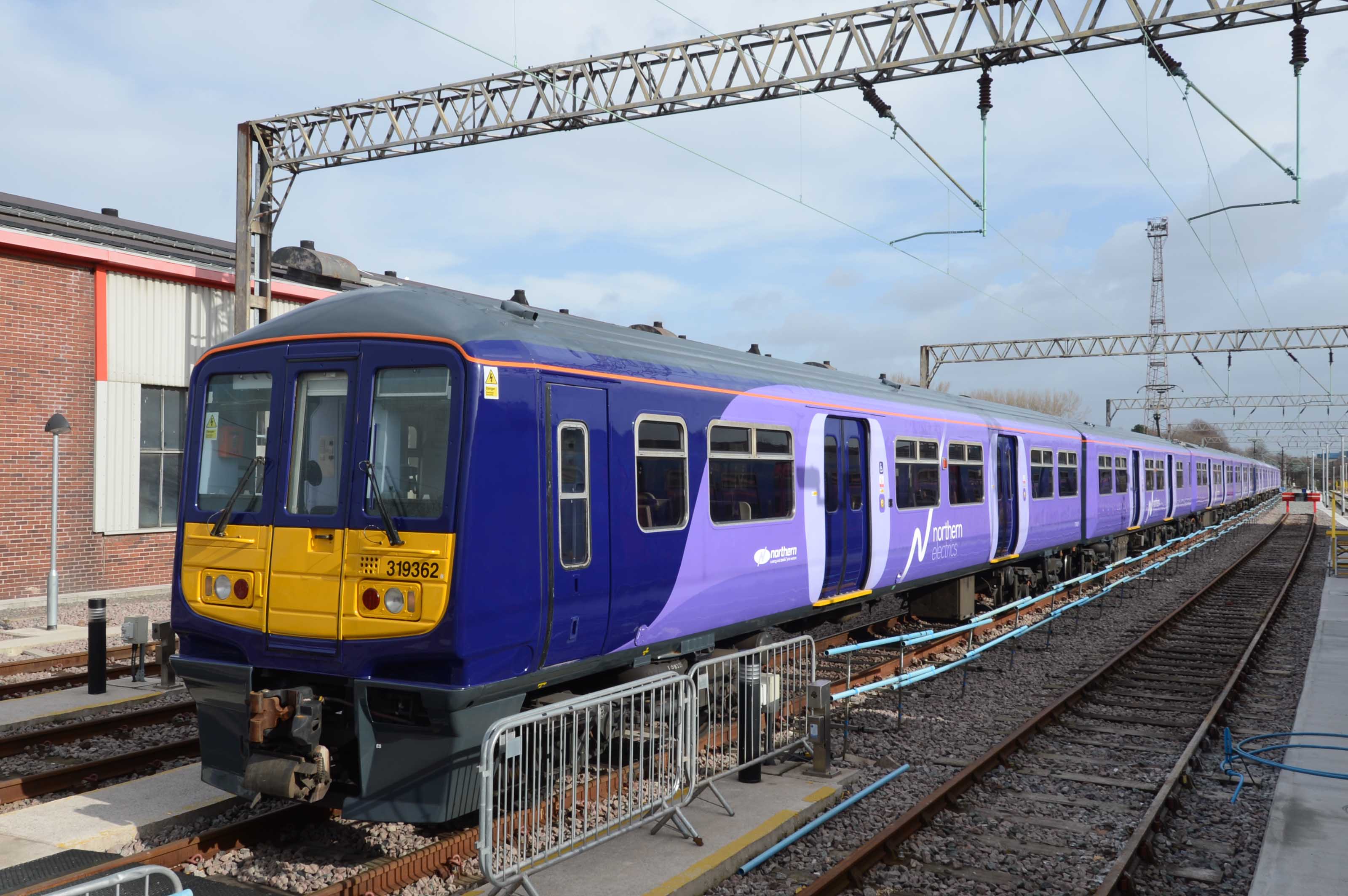
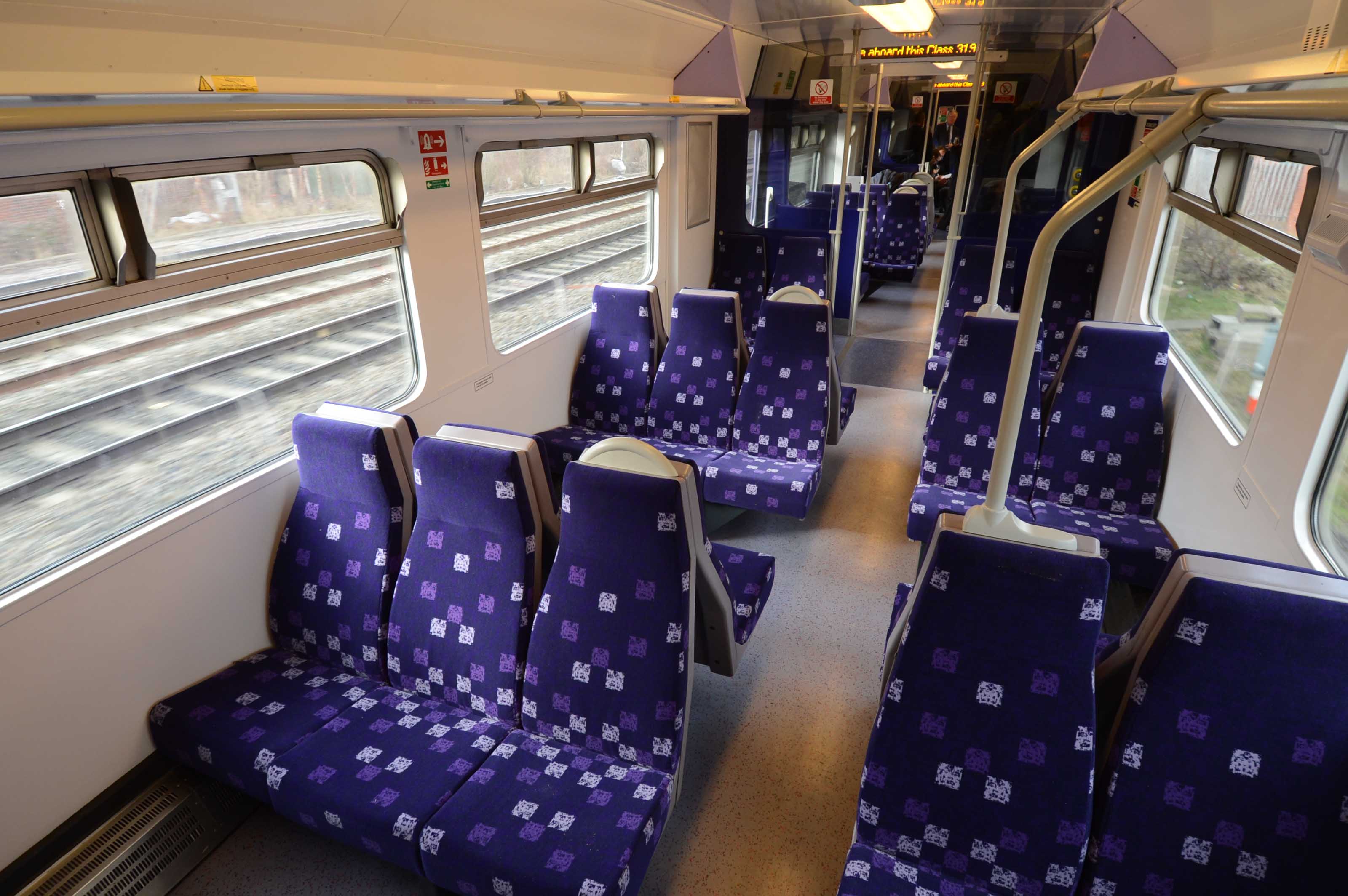
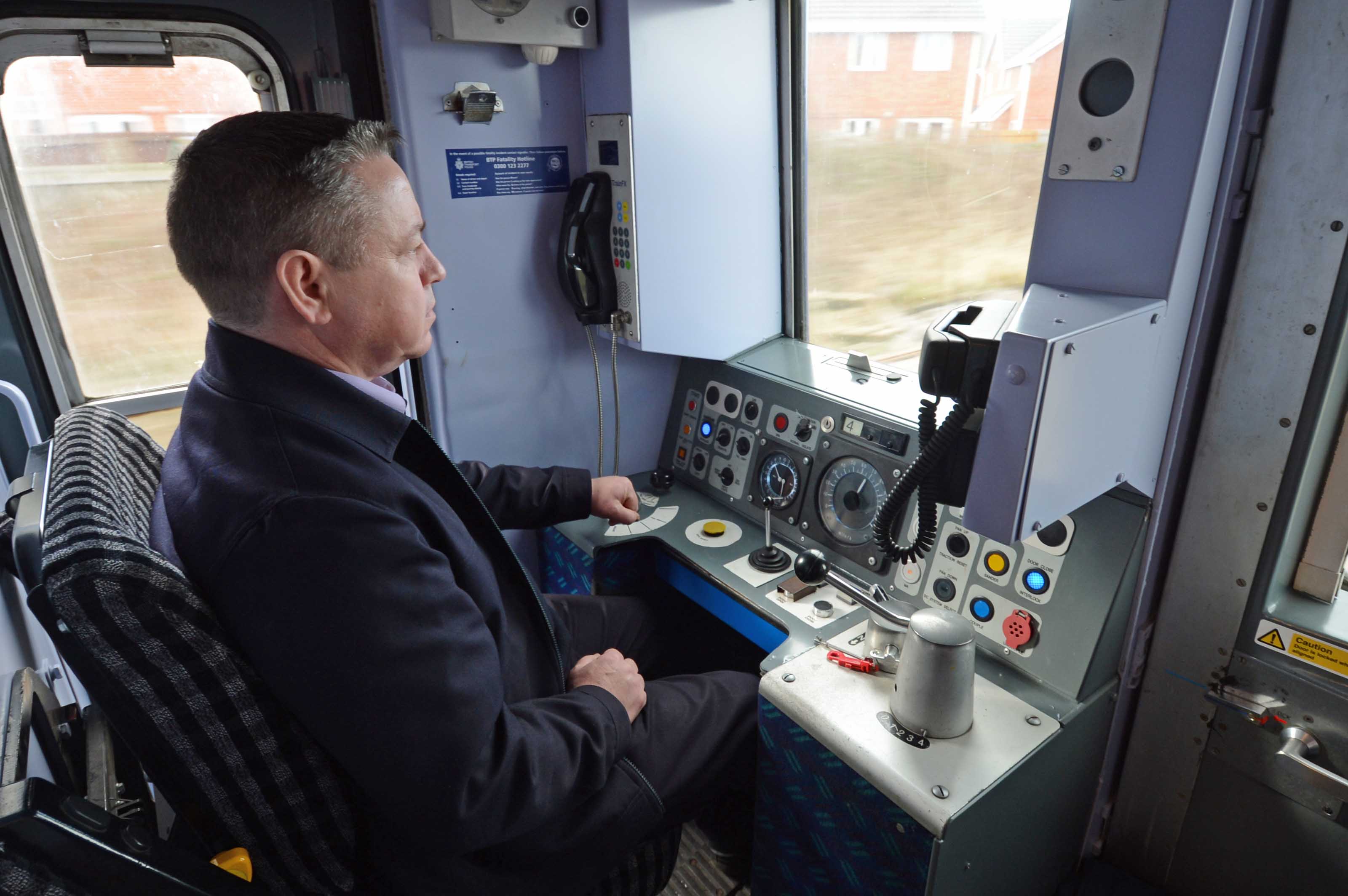
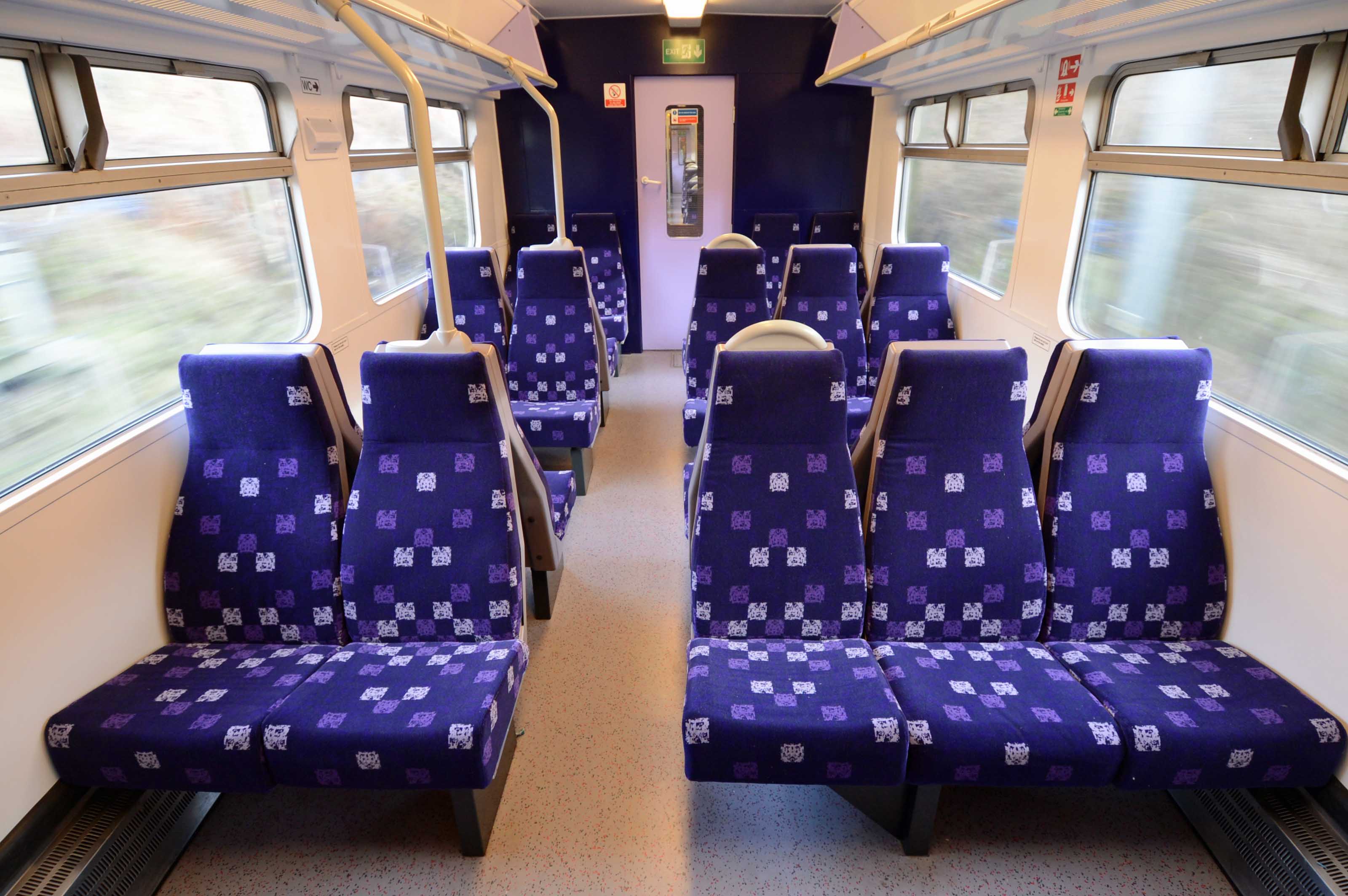
On the 24th February 2015 the press were invited to Allerton depot in Liverpool to see the unveiling of the new ‘Northern electrics’ Class 319s which received a new livery and internal refresh that included new seat moquette. Afterwards we were treated to a run on one of the sets and opportunity to visit the cab. Here’s a few pictures from the event.
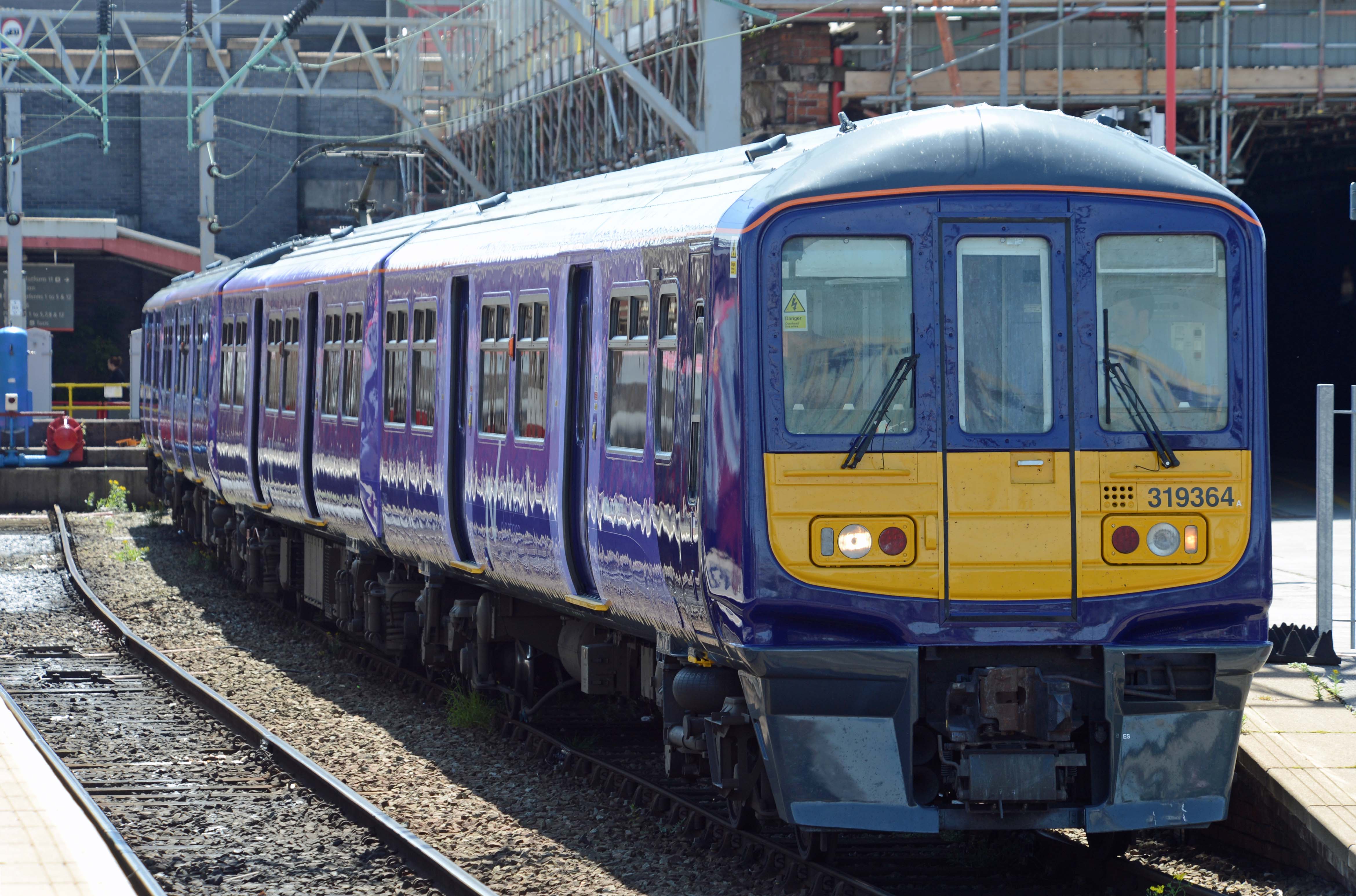
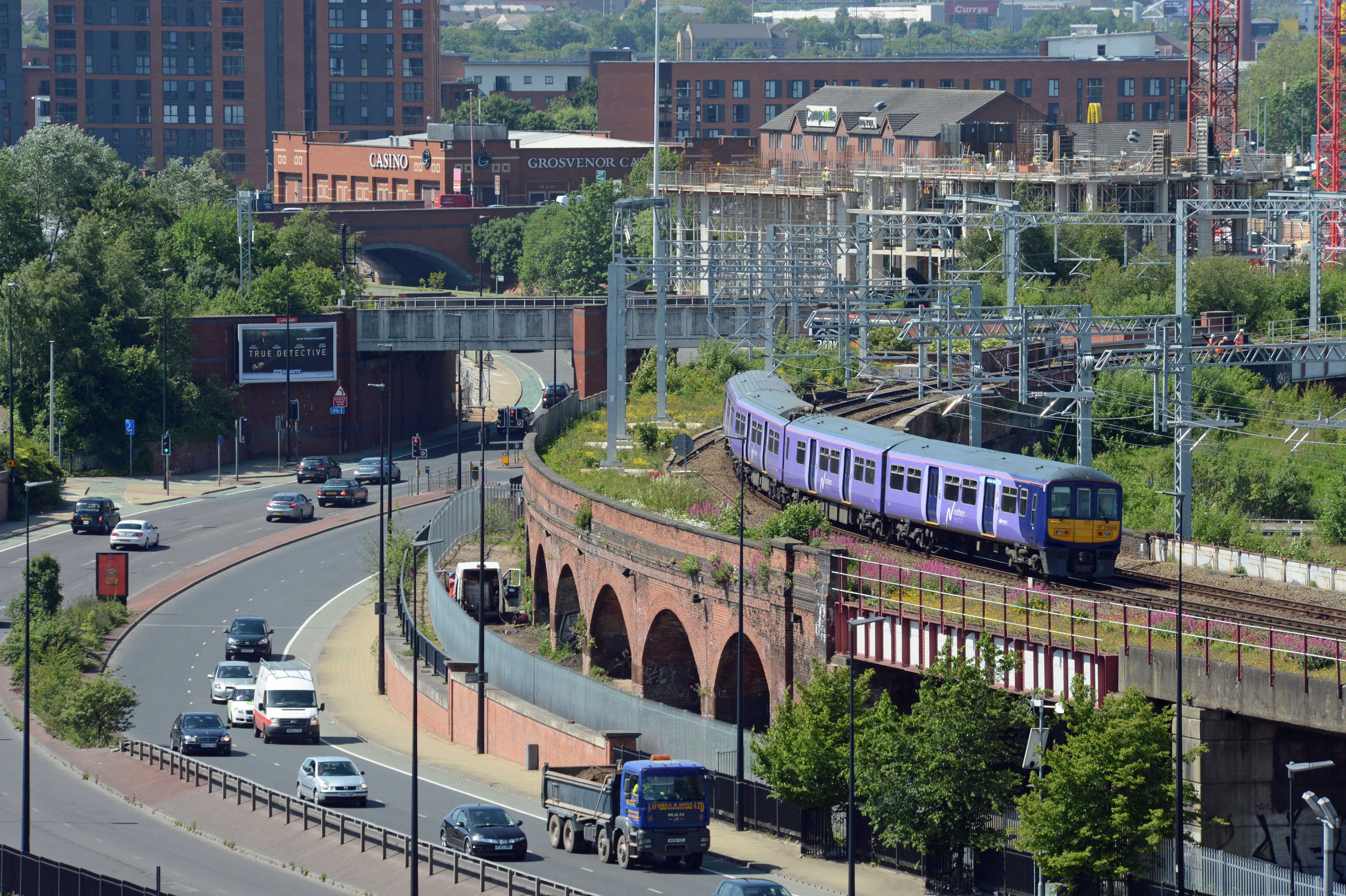
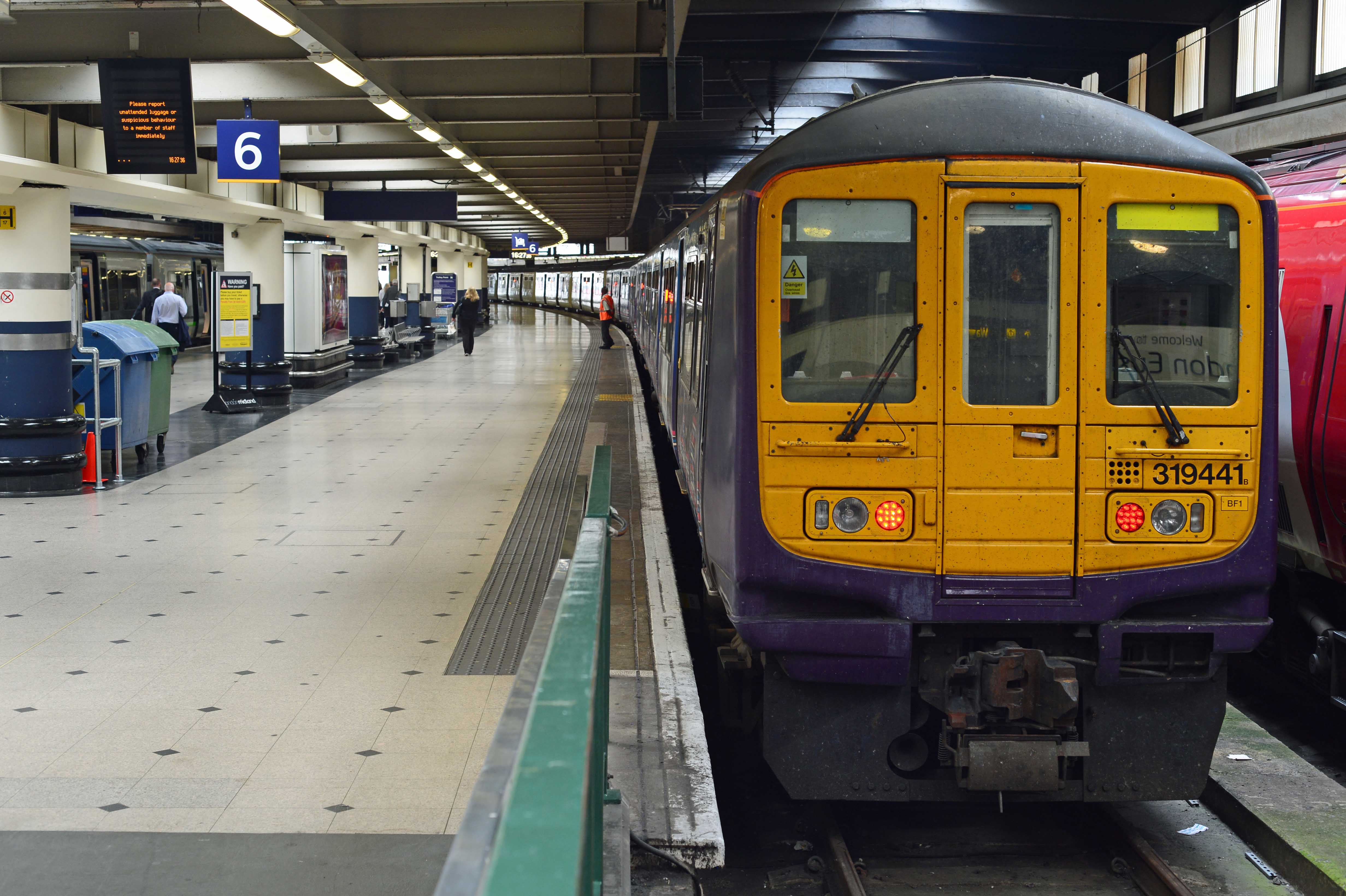
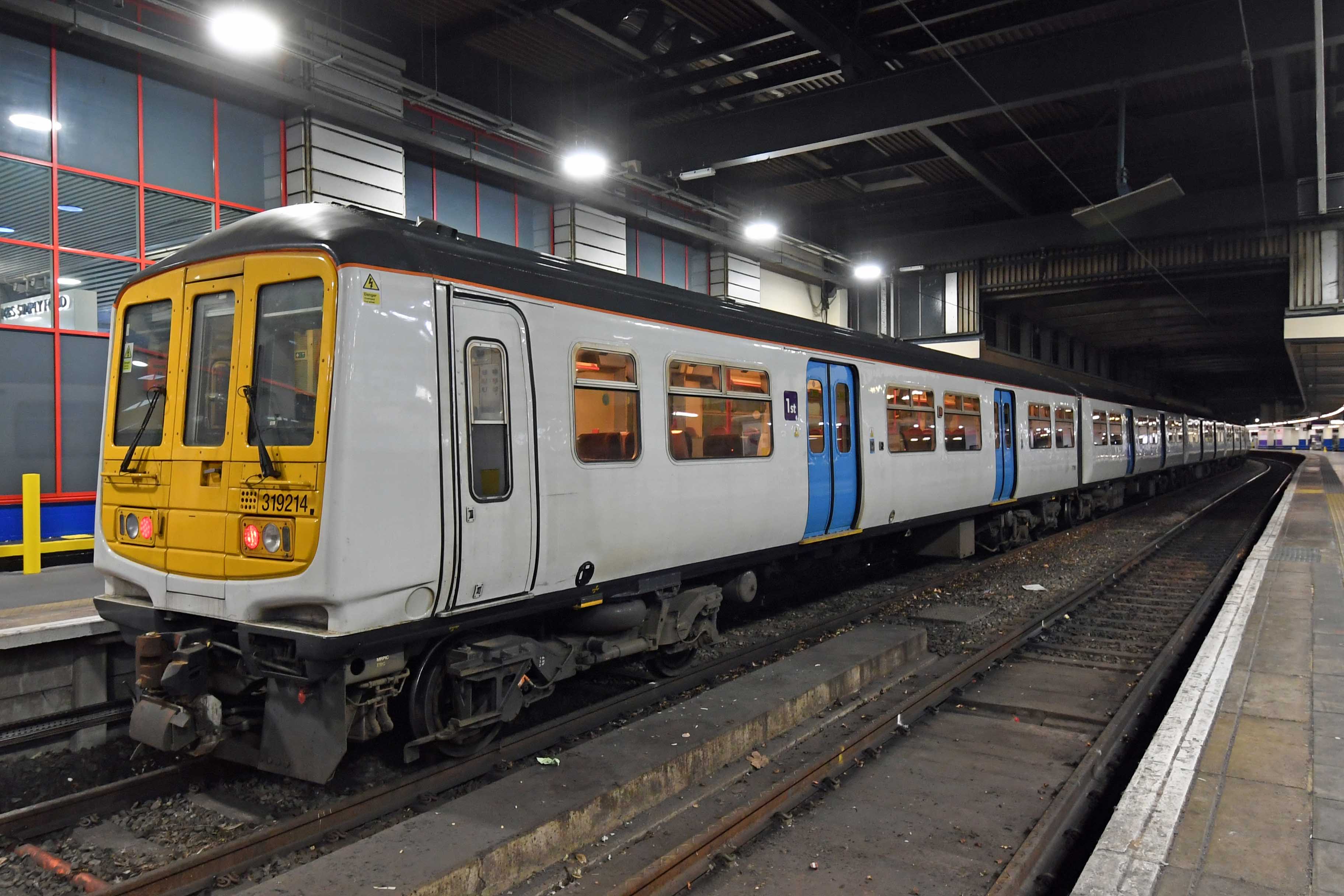
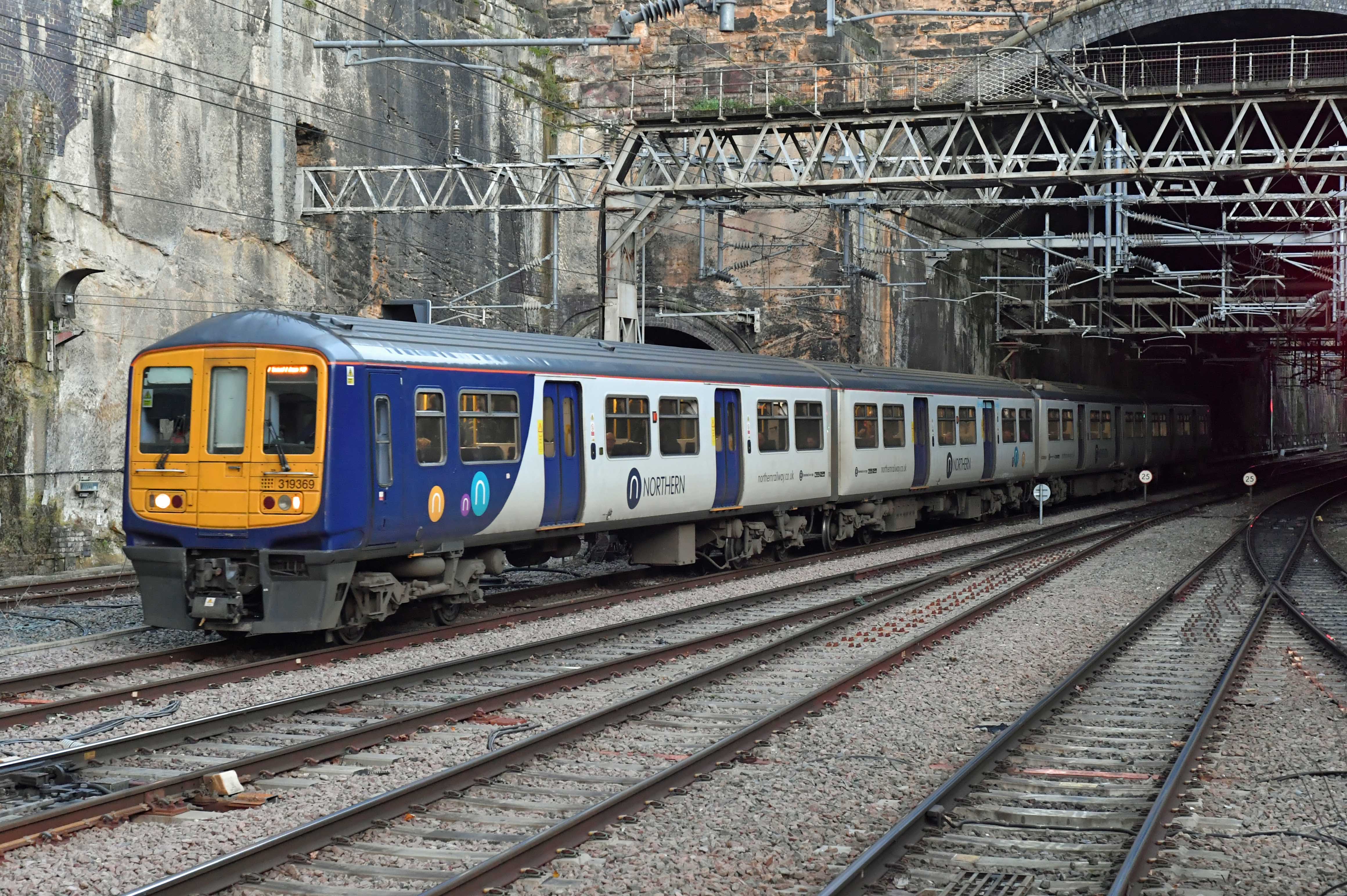
319362 sporting the new livery outside Allerton depot.The refreshed interior of the press train (319365) showing the new seat mocquette.Driver Jason Wakefield at the controls of 319365.Another view of the refreshed interior of 319365. On their transfer, the Northern Class 319s acquired a new ‘Northern electrics’ livery and branding. 319364 is sporting the colour scheme in this shot taken at Crewe on the 11th May 2015.Exactly a month later on the 11th June 2015, 319368 is seen at Salford in Manchester with a service tp Liverpool Lime St from Manchester Victoria. This area’s changed completely as the Ordsall chord and Viaduct cross the foreground now! On the 9th August 2016, 319441 and a sister unit sit empty at Euston before working an afternoon rush-hour service North. Several sets had been loaned to London Midland to replace their Class 321 units which were bound for Scotrail. London Midland’s successor, London North-Western retained the class 319s until the 27th November 2023. Here’s one of them, 319214 seen at Euston on the evening of the 3rd December 2019. The set bears no branding or livery. How they look now. Here’s 319369 sporting Northern livery as it arrives at Liverpool Lime St on a service from Wigan North Western on the 24th November this year.
UPDATE: 19th December.
At the time of writing the last handful of 319s remain available for traffic and – whilst they have no booked work – anything between 1-4 get pressed into service to cover for unavailable units. I managed to get out on the 12th when a pair of the sets were working Manchester Airport – Bolton – Blackpool North diagrams although crew shortages meant some of the trips were cancelled or the trains run as empty stock.
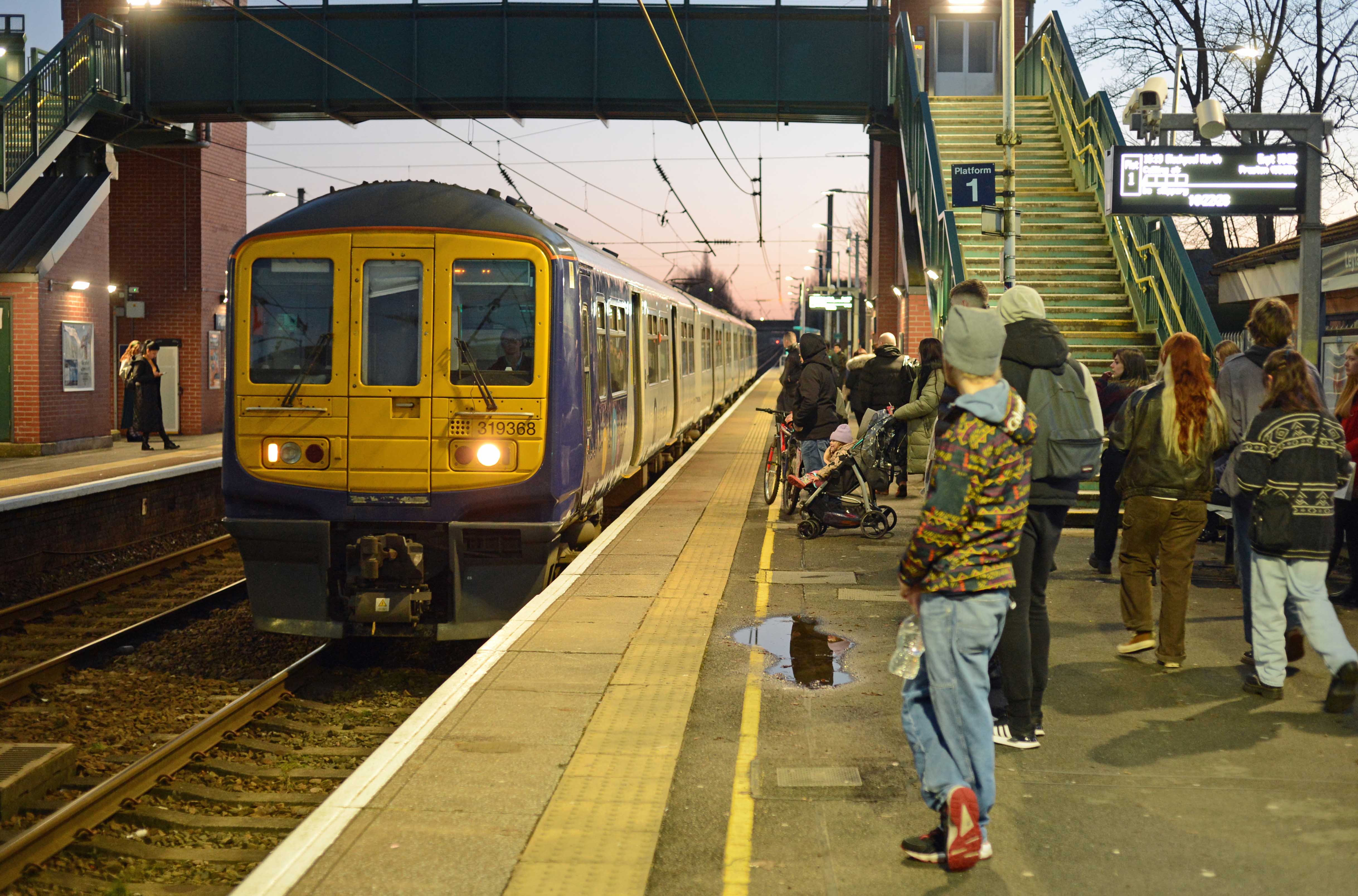
Here’s 319368 working 1N50, the 15:17 from Manchester Airport to Blackpool North, seen calling at Leyland.
If you want to enjoy more pictures of the Class 319s you can find them in the following galleries;
*Yes, I know the bi-mode Class 769s remain in service with Northern, but as they’re converted Class 319s they don’t count!
I’ve a small favour to ask… If you enjoy reading this or any of the other blogs I’ve written, please click on an advert or two. You don’t have to buy anything you don’t want to of course – although if you did find something that tickled your fancy that would be fab! – but the revenue from them helps me to cover some of the cost of maintaining this site (which isn’t cheap and comes out of my own pocket). Remember, 99% of the pictures used in my blogs can be purchased as prints from my other website – https://paulbigland.zenfolio.com/
There’s a short blog from me I’ve been up to my neck in archive pictures for most of the day. Not because I’d planned it that way but because I had a rather unusual request which involved digging through various hard-drives to find pictures of a particular event going back 20 years, which took a fair bit of digging. I haven’t looked at one of the hard drives for several years so I was relieved to find what I was looking for – and more! I rediscovered some pictures I’d filed away and thought were lost which would have been frustrating as they’re of historic interest now. To be honest, it was a good day for being stuck in the office as we had another morning of torrential rain. I had to walk into Sowerby Bridge for an appointment and ended up wearing my full set of waterproofs to do so – not something I expected to be doing at the end of August!
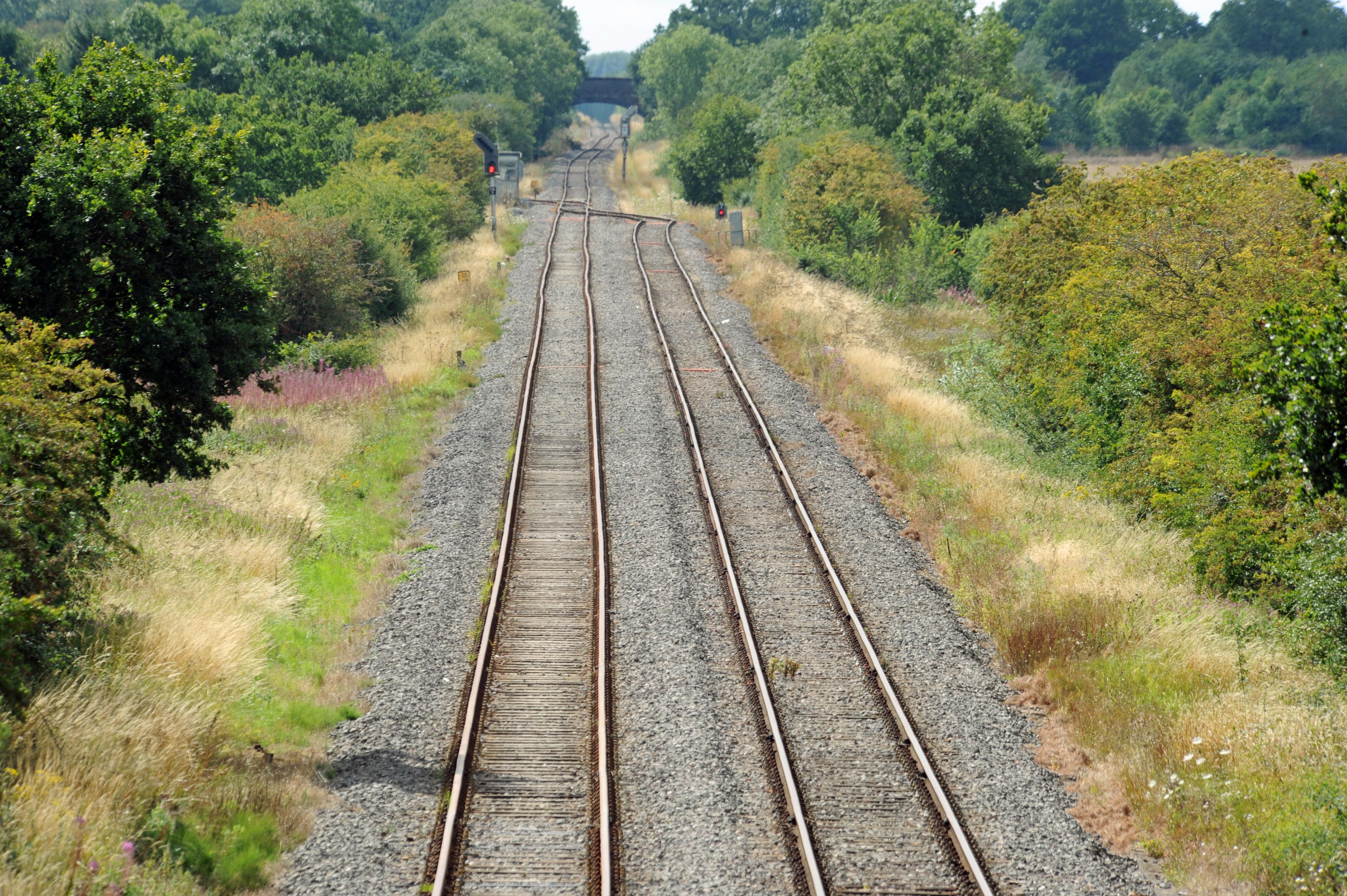
I’ll be spending much of tomorrow to complete the exercise and also to add some more of the pictures I’ve discovered to my Zenfolio website, starting with images from what’s now the new East-West rail link. I visited the line in 2011 when the idea was still being considered and long before construction actually started. Here’s one such shot taken at a location that’s unrecognisable today – and not just because of E-W rail, but also HS2.
This is Calvert in Buckinghamshire. Looking West towards L&NE junction and the single line to Bicester beyond. A spur runs off to the left towards Calvert and the old Great Central line. Only one thing in this shot remains intact (but not for long) which is the road overbridge in the distance. This picture was taken on the 11th August 2011 from the Addison Rd overbridge, which has also disappeared although it’s replacement has yet to open.
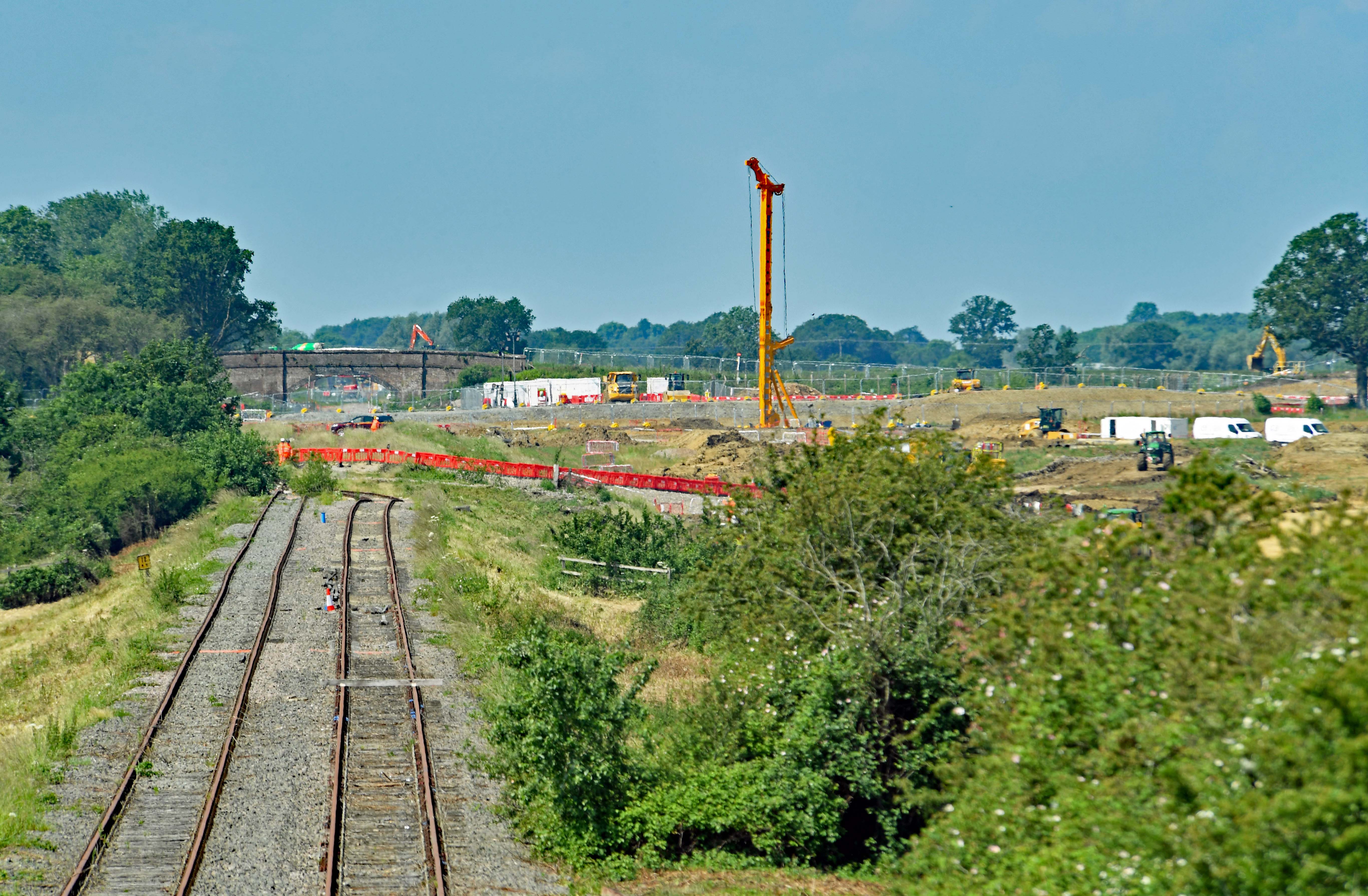
Here’s the same view almost exactly a decade later on the 23rd June 2021
The tall piling rig is standing where High Speed 2 will pass from Left to Right, underneath the reopened E-W rail link, the trackbed of which is being raised to almost the level of the old overbridge beyond. Meanwhile, the land to the right of the picture is being transformed as it’s the site of the HS2 Infrastructure Maintenance Depot (IMD) and sidings.
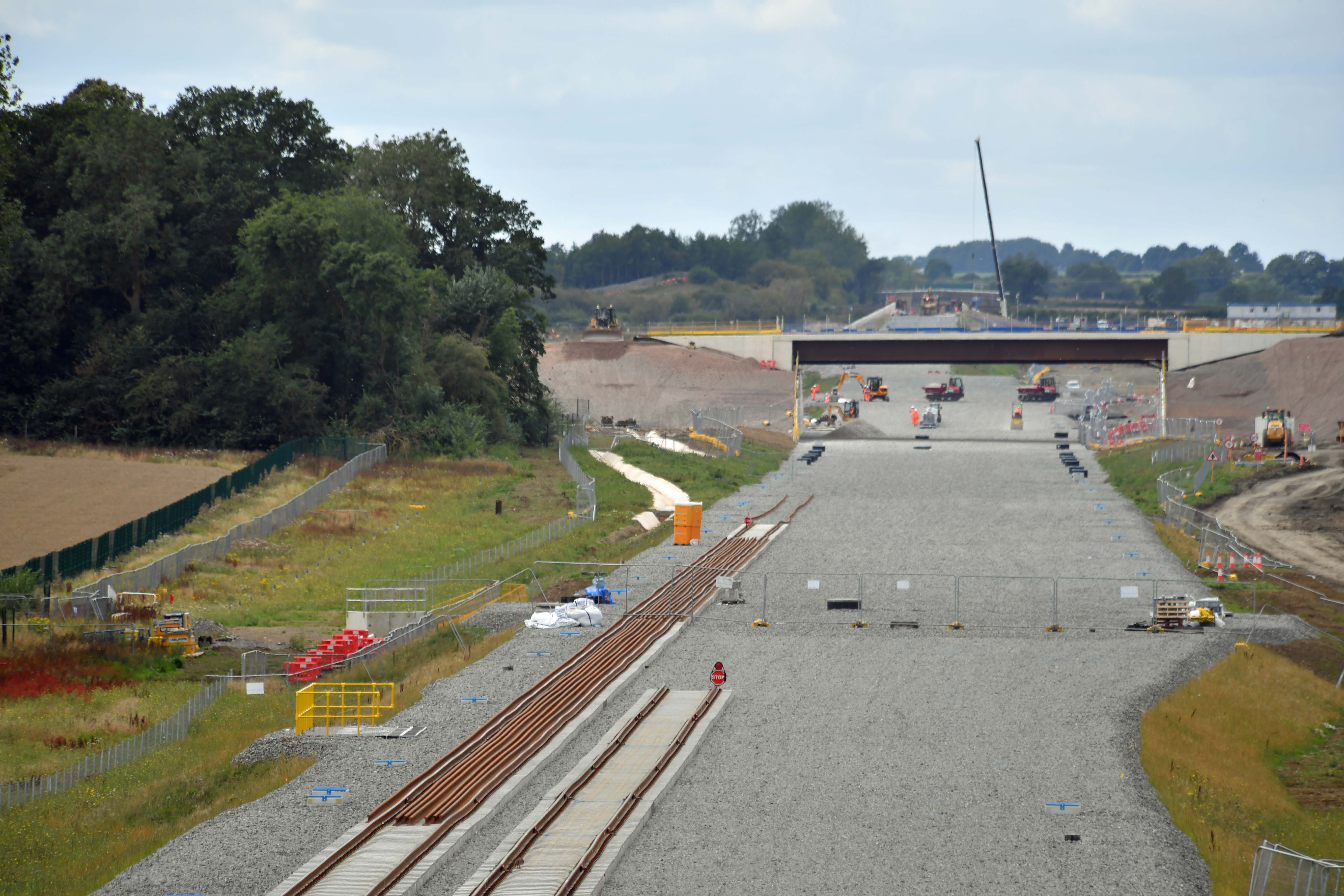
Here’s a more recent picture. I can’t do an exact comparison as Addison Rd is still closed. But here’s how the area looked on the 1st August this year.
Taken from further East, this is the new Addison Rd bridge under construction. The E-W trackbed has been widened on the Northern side to accomodate the tracks which will lead into the IMD.
How things change in 12 years! You can find more E-W rail construction pictures here. It’s the place you’ll be able to find the 2011 pictures too when I’ve had chance to add them tomorrow.
I’ve a small favour to ask… If you enjoy reading this or any of the other blogs I’ve written, please click on an advert or two. You don’t have to buy anything you don’t want to of course – although if you did find something that tickled your fancy that would be fab! – but the revenue from them helps me to cover some of the cost of maintaining this site (which isn’t cheap and comes out of my own pocket). Remember, 99% of the pictures used in my blogs can be purchased as prints from my other website – https://paulbigland.zenfolio.com/
We’ve had a lazy Sunday here at Bigland Towers. That wasn’t actually the plan but the weather forecast forgot to tell the weather what it was meant to be doing. So, the pair of us spent most of the morning catching up with various stuff at home in the expectation sunshine would arrive in the early afternoon and we could get out for a decent Sunday stroll. I spent much of the morning editing and captioning some of the several hundred pictures I’d got in the queue after this weeks outings, whilst Dawn was equally busy sorting out Platt family duties. I’d even done a load of washing and pegged it out to dry before retreating to the office to continue picture editing when I noticed the skies had gone dark. Very dark – like aliens had parked a bloody great spaceship overhead dark. Then the rain arrived…
I couldn’t help but laugh as I brought the washing in again. That’ll teach me to listen to forecasts rather than watch the conditions from the bedroom window. Our bedroom looks out across the Calder valley in the direction most of the prevailing weather arrives. Normally we get a good 15 minutes warning of a deluge as we see the Ryburn valley disappear, then the South side of the Calder. The change of plan meant all the outdoor jobs I’d intended to carry out got rained off. Instead, I finished off the picture editing I’d intended to complete tomorrow morning then managed to get many of them on my Zenfolio website. If you follow this link you’ll see which galleries have been updated. There’s more to come tomorrow. Finally the rain abated and we did get out for a short stroll around the local area to get our steps in, so not all was lost although I have to say I’m starting to get fed up of these wet and windy conditions. Where’s the summer? I don’t mind over the next couple of days as I’ve an article for RAIL to write but I need to get out and about after that to catch up with more photography at far-flung locations. Emulating a drowned rat is hardly conducive to the job…
Anyway. We shall see. In the meantime I’ll leave you with today’s picture which is one from this week’s outing to Northumberland and the Blyth and Tyne railway. It’s a mundane scene now but it will look very, very different by this time next year.
This is Newsham. It doesn’t look much, does it? But in a year this location will change dramatically. The first clue is the extension of double track you can see creeping in to the right of the existing line. This is to provide capacity for a 30 minute passenger service. You’re looking at the site of a new two platform station which will have car-parking on either side of the tracks that will accommodate 287 cars. Not only that but in between the two semaphore signals that you can see there’s going to be a new road flyover crossing the railway as the existing level crossing (which is behind the camera) is being abolished. This sleepy railway which currently sees just one freight train a day is being transformed. You’ll be able to read all about it in a future edition of RAIL magazine.
I’ve a small favour to ask… If you enjoy reading this or any of the other blogs I’ve written, please click on an advert or two. You don’t have to buy anything you don’t want to of course – although if you did find something that tickled your fancy that would be fab! – but the revenue from them helps me to cover some of the cost of maintaining this site (which isn’t cheap and comes out of my own pocket). Remember, 99% of the pictures used in my blogs can be purchased as prints from my other website – https://paulbigland.zenfolio.com/
*Warning – blog under construction. This warning will be removed when I’ve added all the details and pictures*
Whilst the sun is rapidly setting on the careers of the old BR built Mk3 coach derivatives South of the Border it still shines in Scotland – for now…
The Class 321 Electric train series is finally being retired in England but the Scottish version of the ‘Dusty Bins’ (The ‘McBins’ maybe?) are not only at full strength, they’ve been complemented by reformed Class 321/4 transfers from the South.
History
Built at York Holgate works in 1990 the Class 320 is a 3-car version of the Class 321s built for London and South-East services. 22 of the trains were ordered and numbered 320301-322. Unlike their sisters, the 320s were originally built without toilets and with a maximum speed of 75mph rather than 90mph due to the closeness of station on the lines they were designed to operate on. They were ordered to help replace the older 75mph Class 303s from Pressed Steel Co which were built between 1959-61. Originally they operated North Clyde services from Glasgow to Balloch, Helensburgh and Milngavie. Their speed was raised to 90mph in 2010 by fitting the yaw dampers that were standard on the rest of the 321 fleet. This allowed them to operate in multiple with the Class 318s and also extended their sphere of operation to include the Argyle line underneath Glasgow Central and later the Cathcart lines from the mainline station above. Nowadays they can be found on many different routes North and South of the Clyde, including services to Wemyss Bay.
The units have been refurbished twice. Firstly between 2002-04 when they received an internal refresh including new seats covers and a revised version of the revised SPT carmine and cream livery which they’d first gained from 1997 onwards.
(To be continued)…
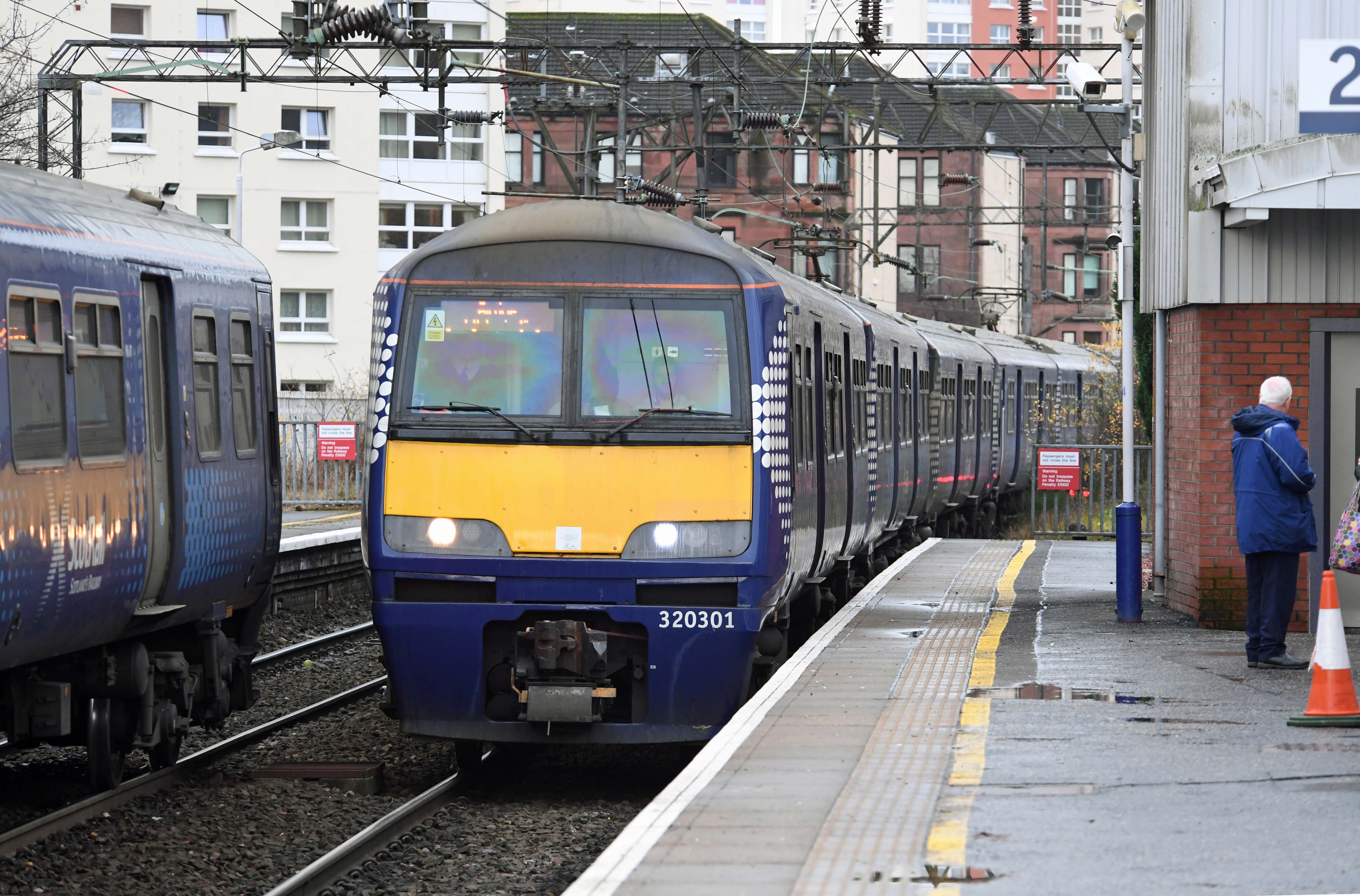
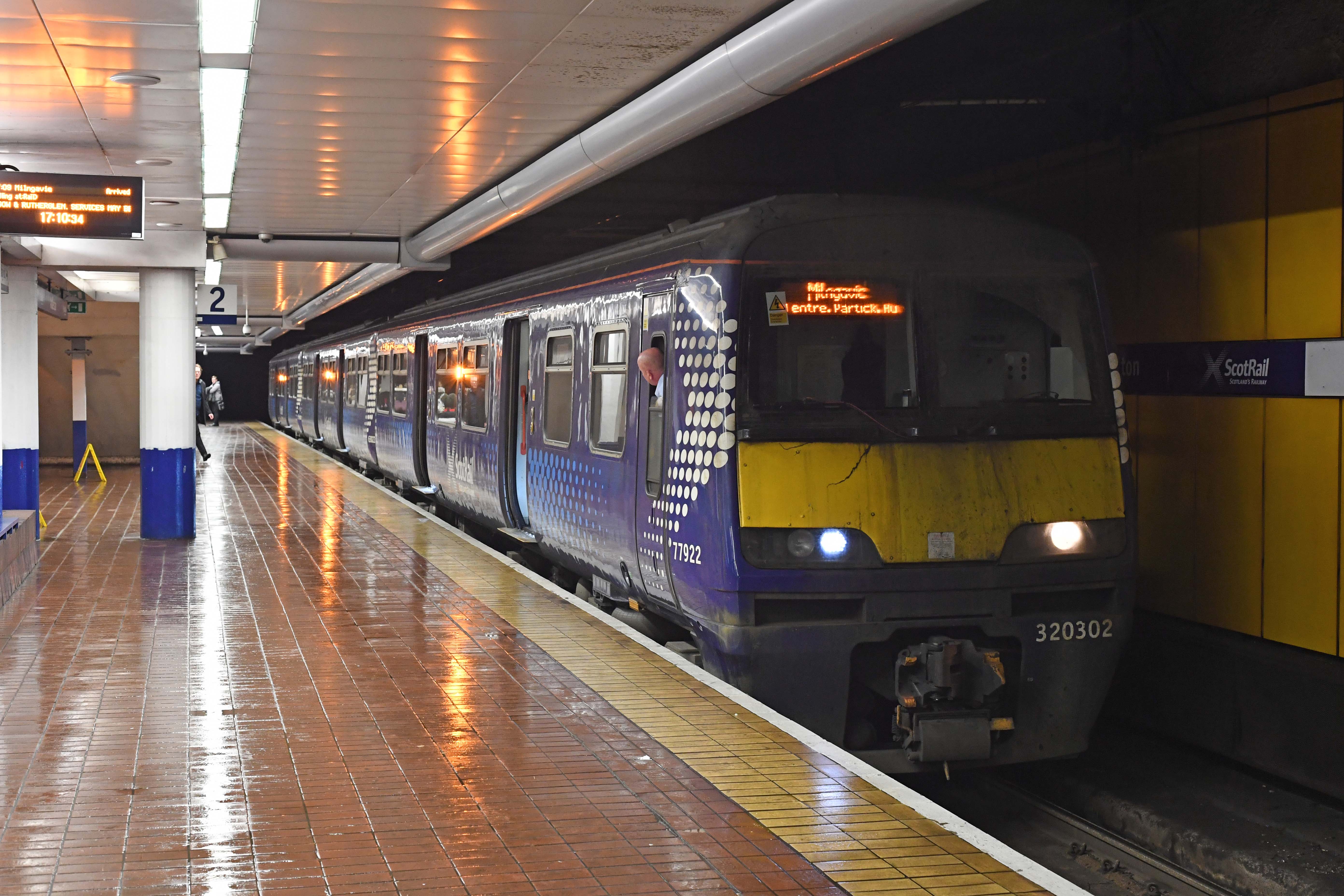
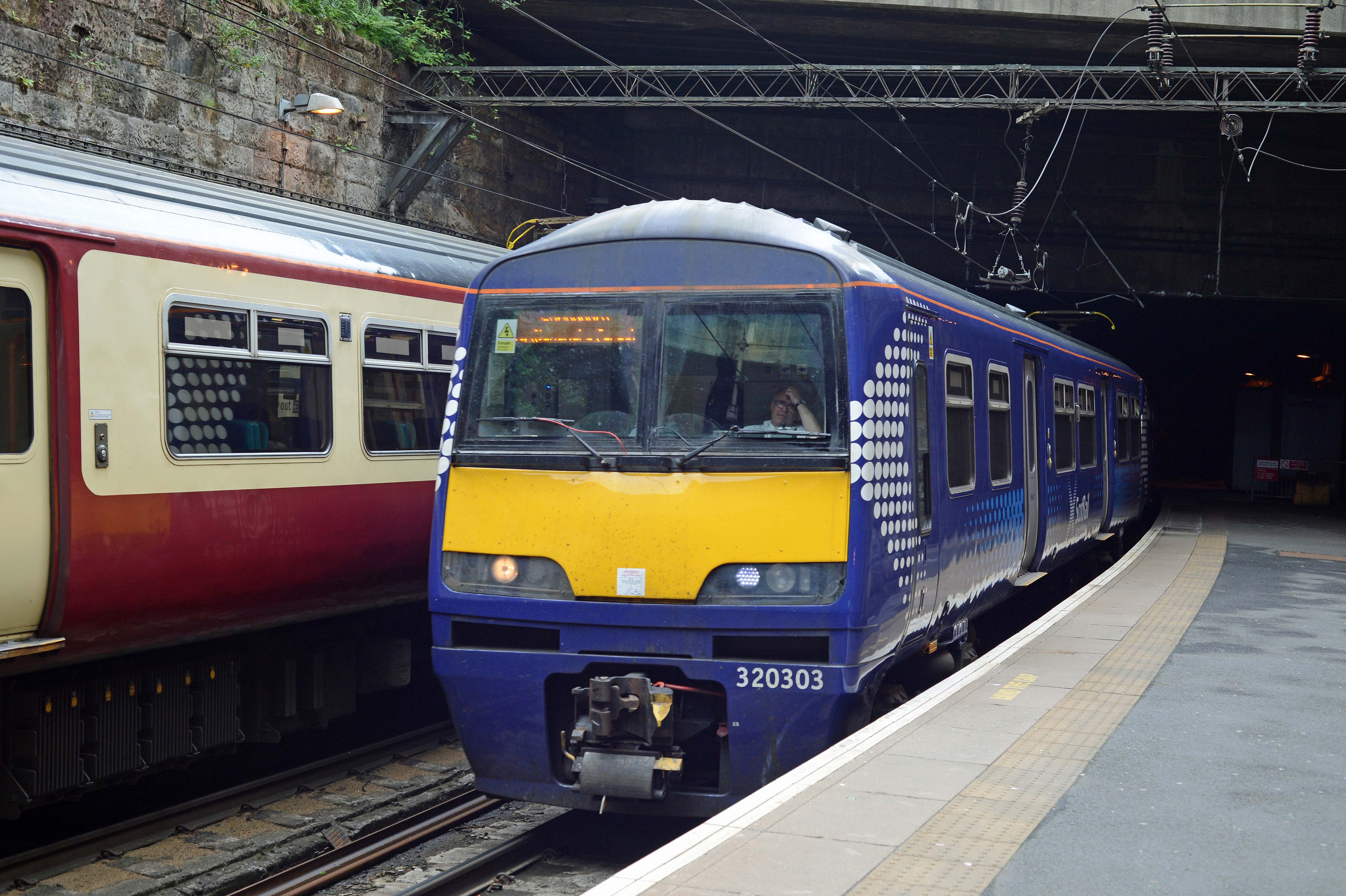
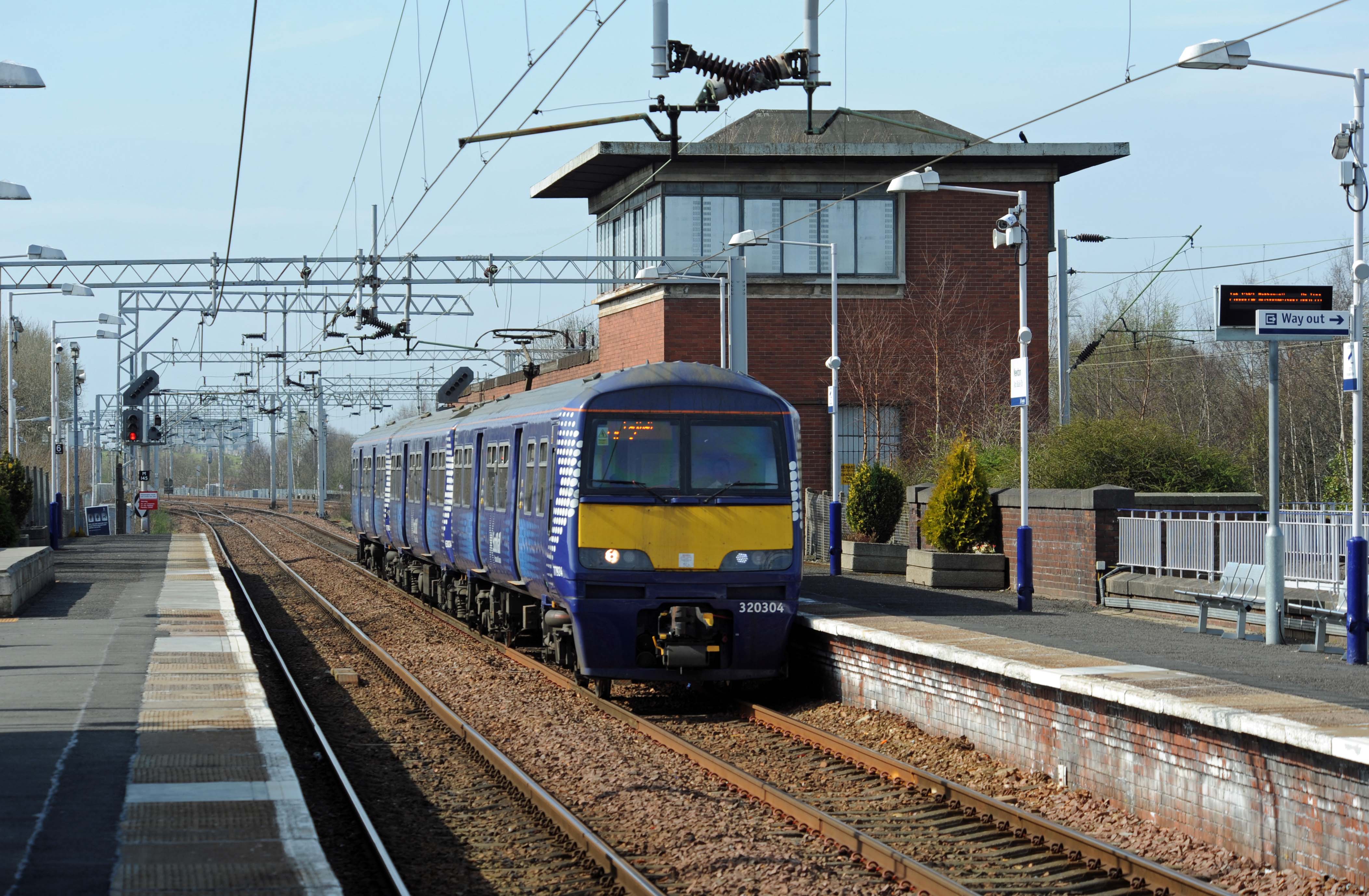
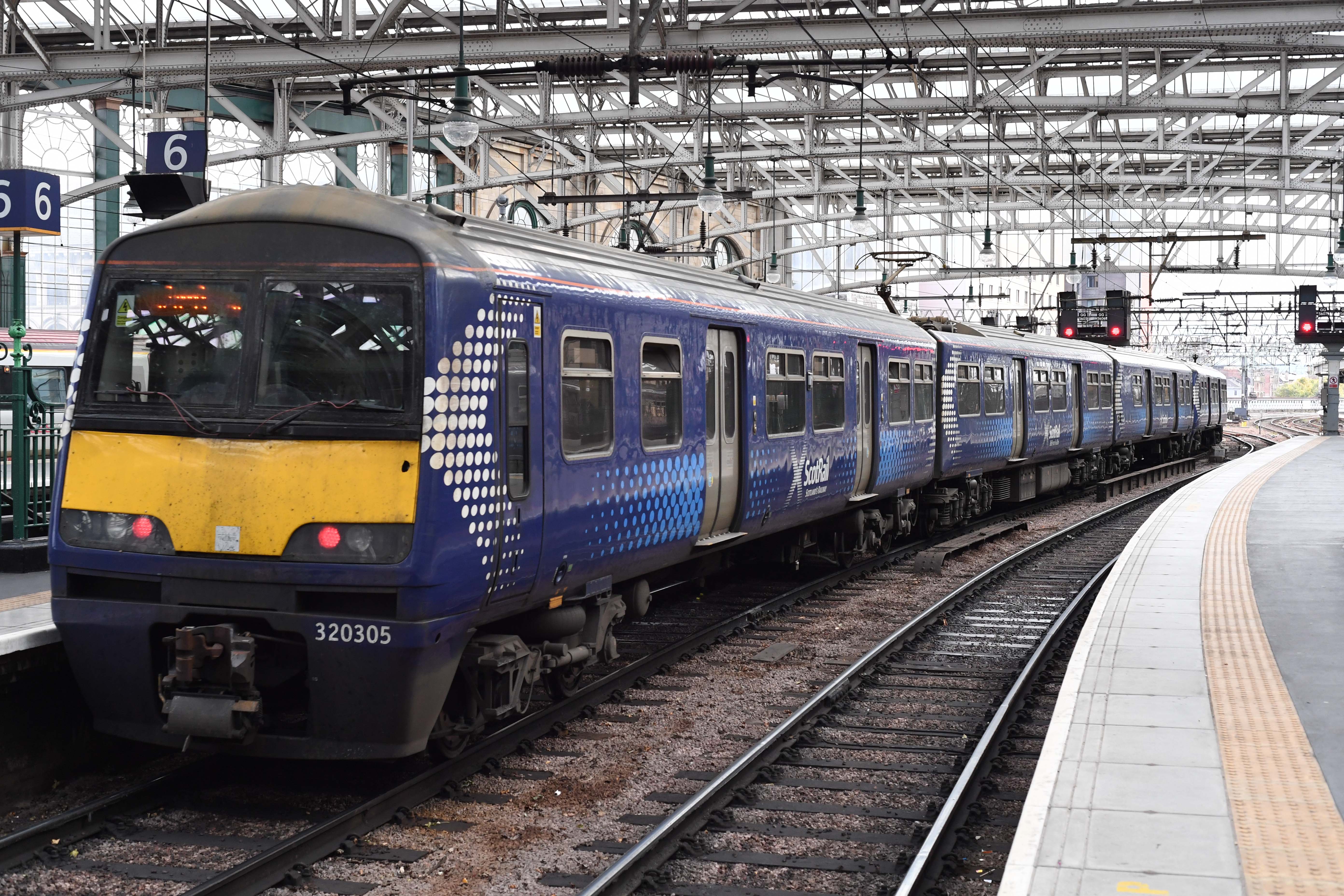
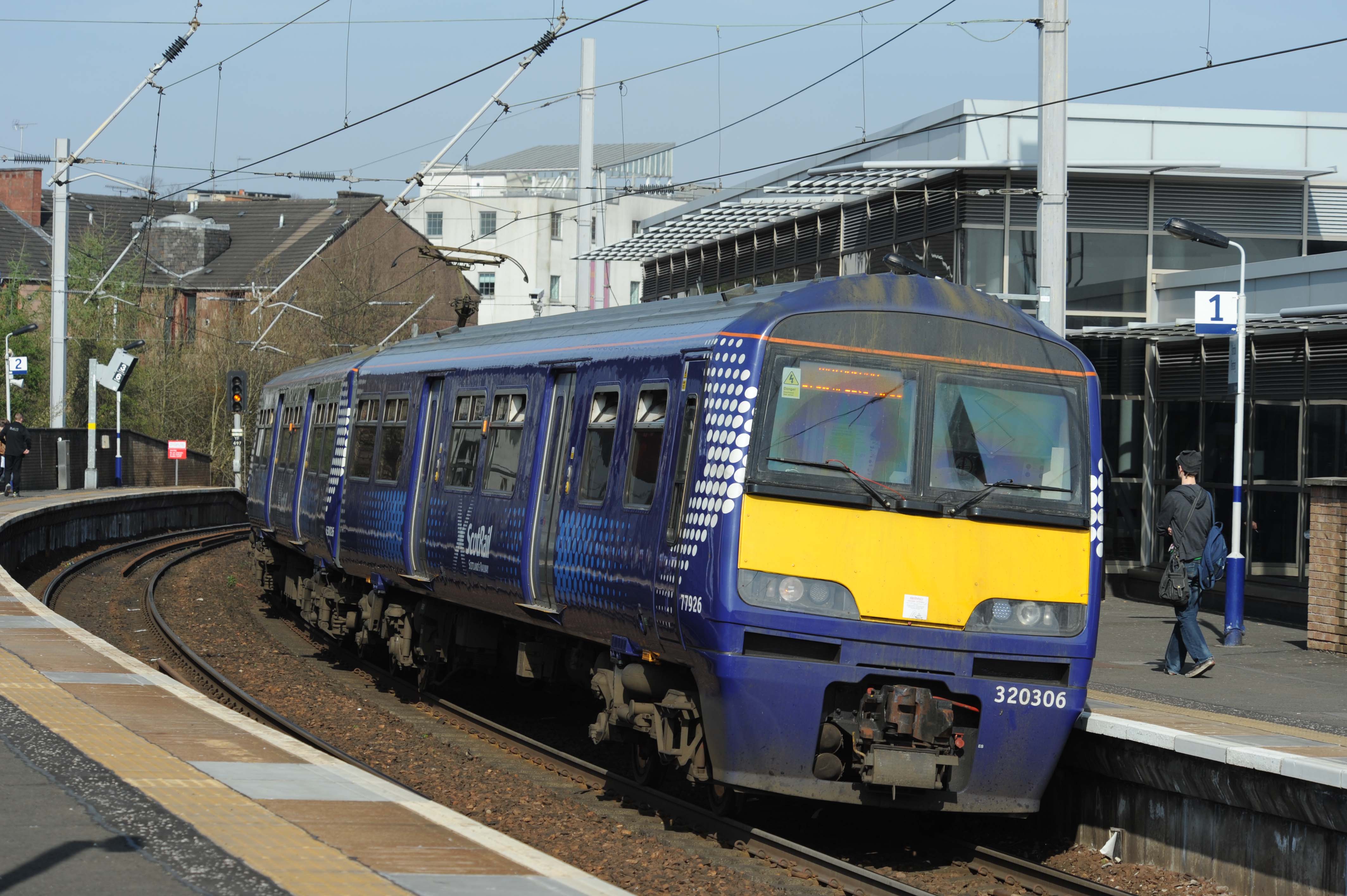
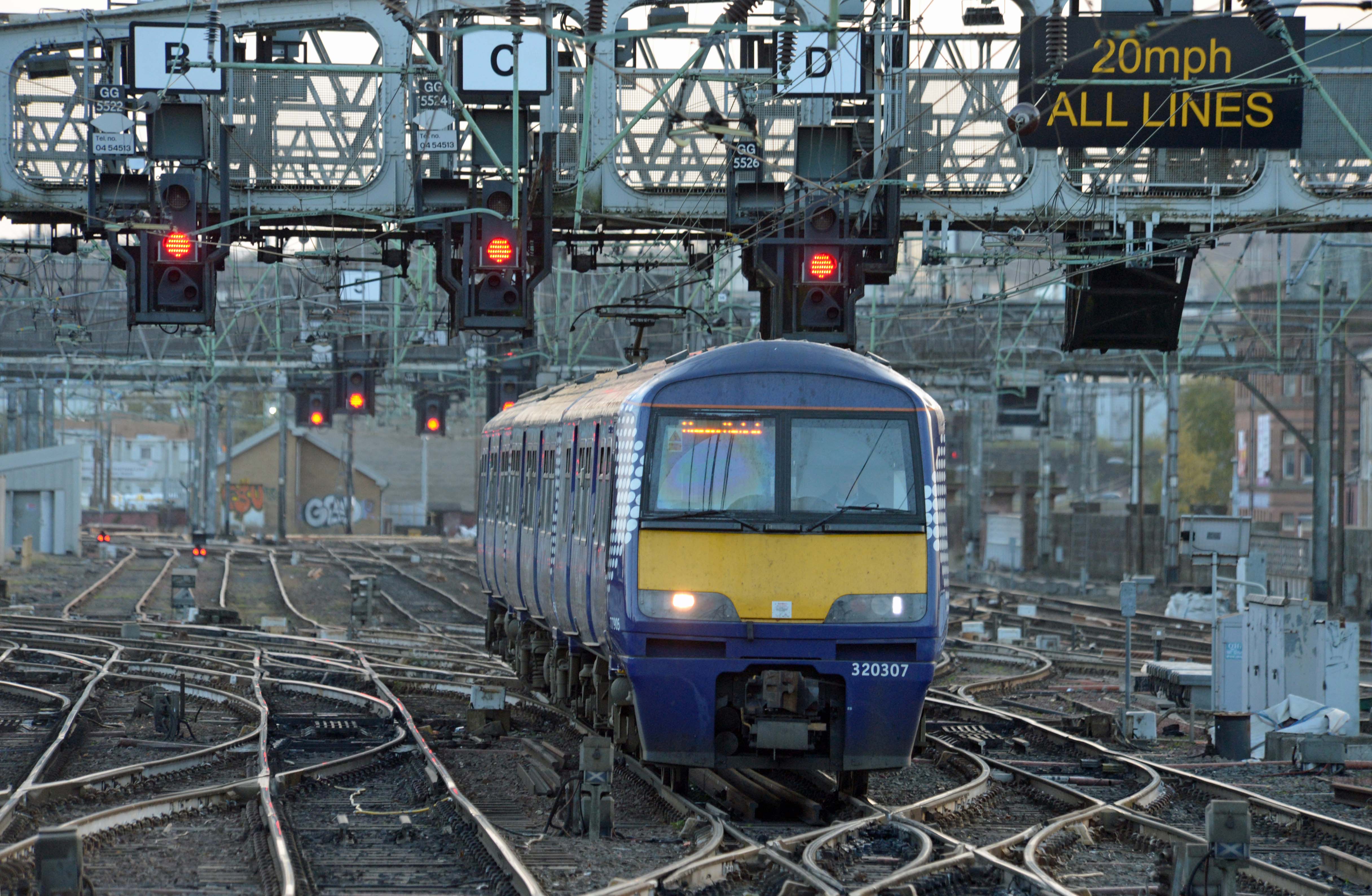
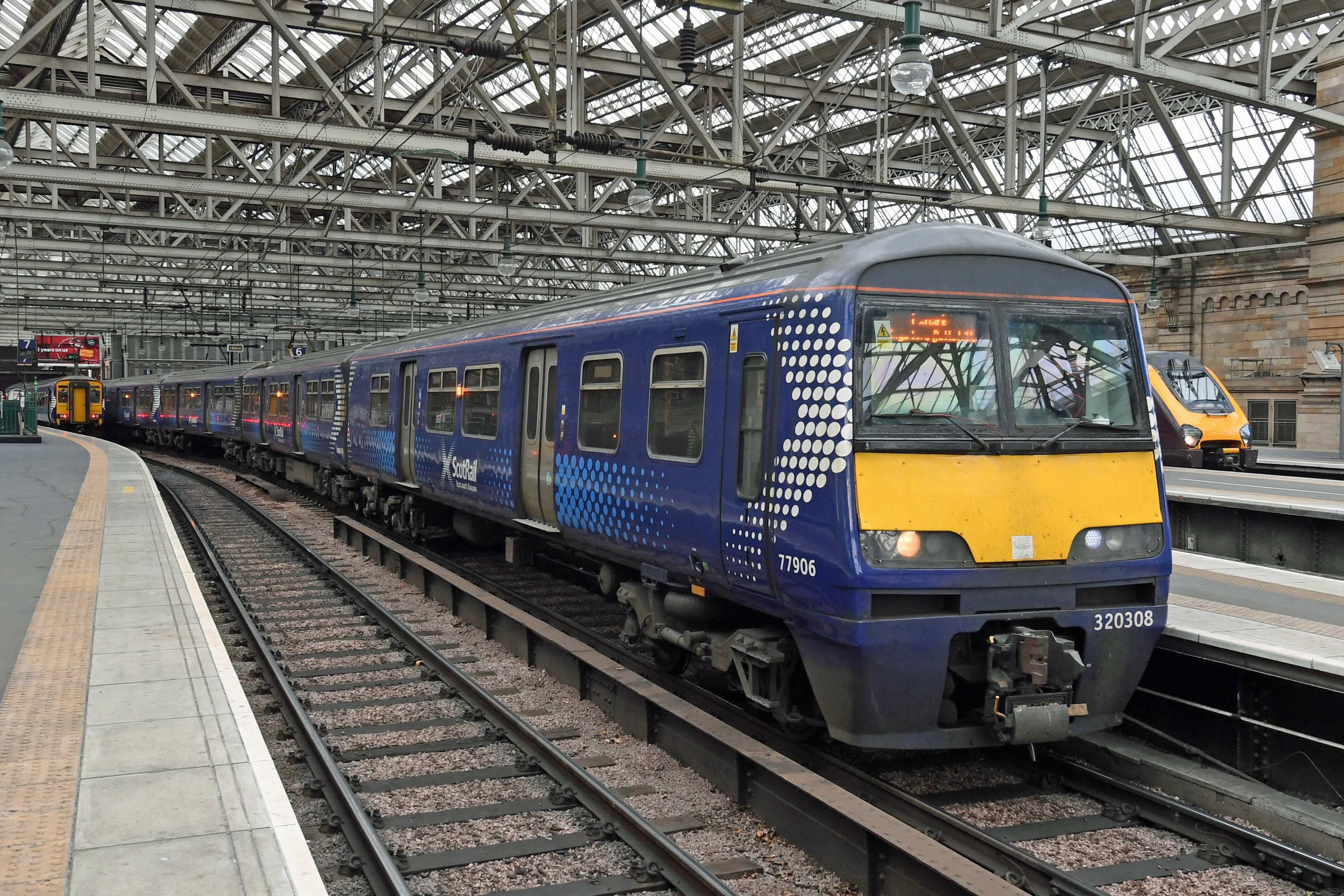
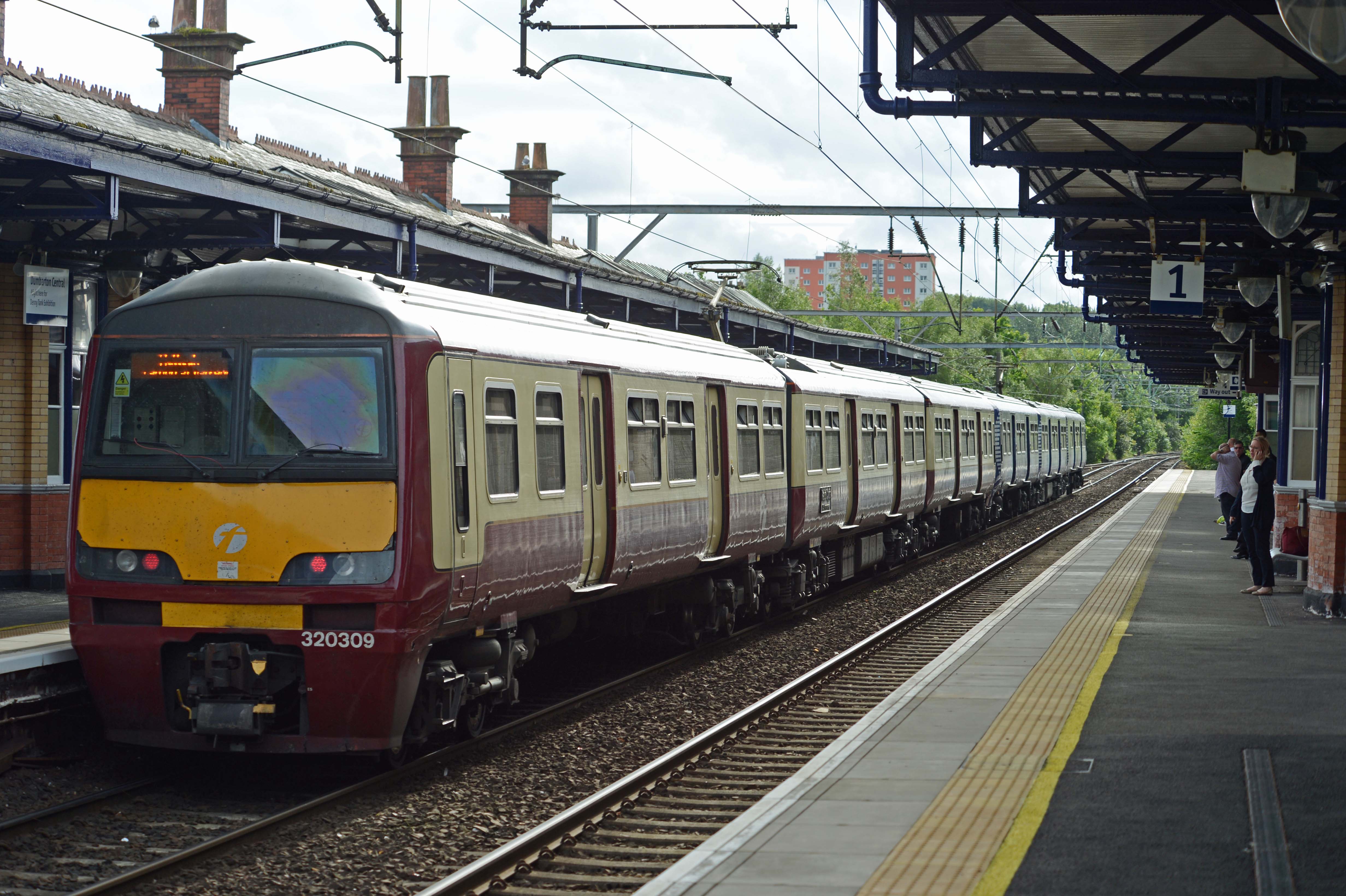
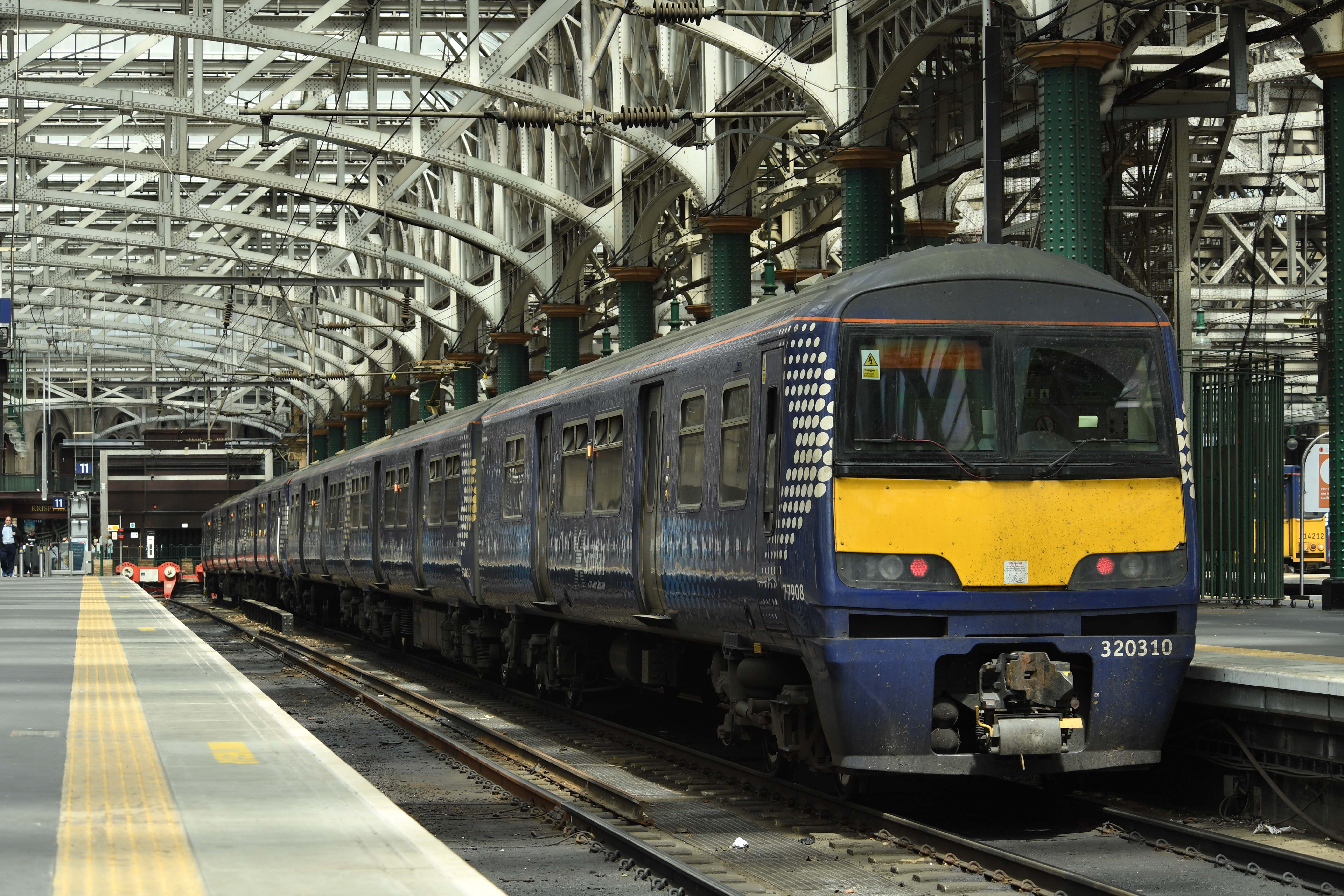
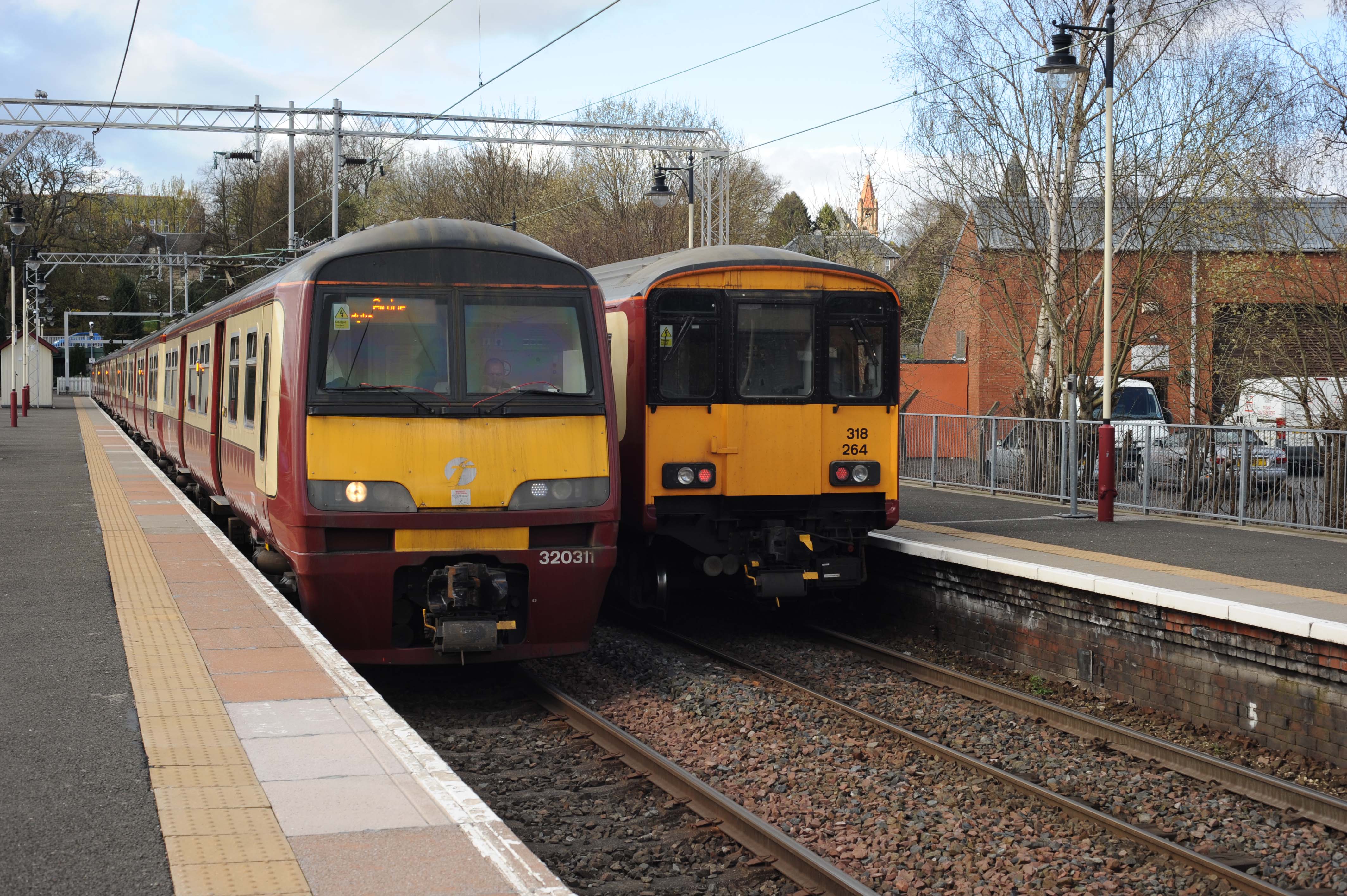
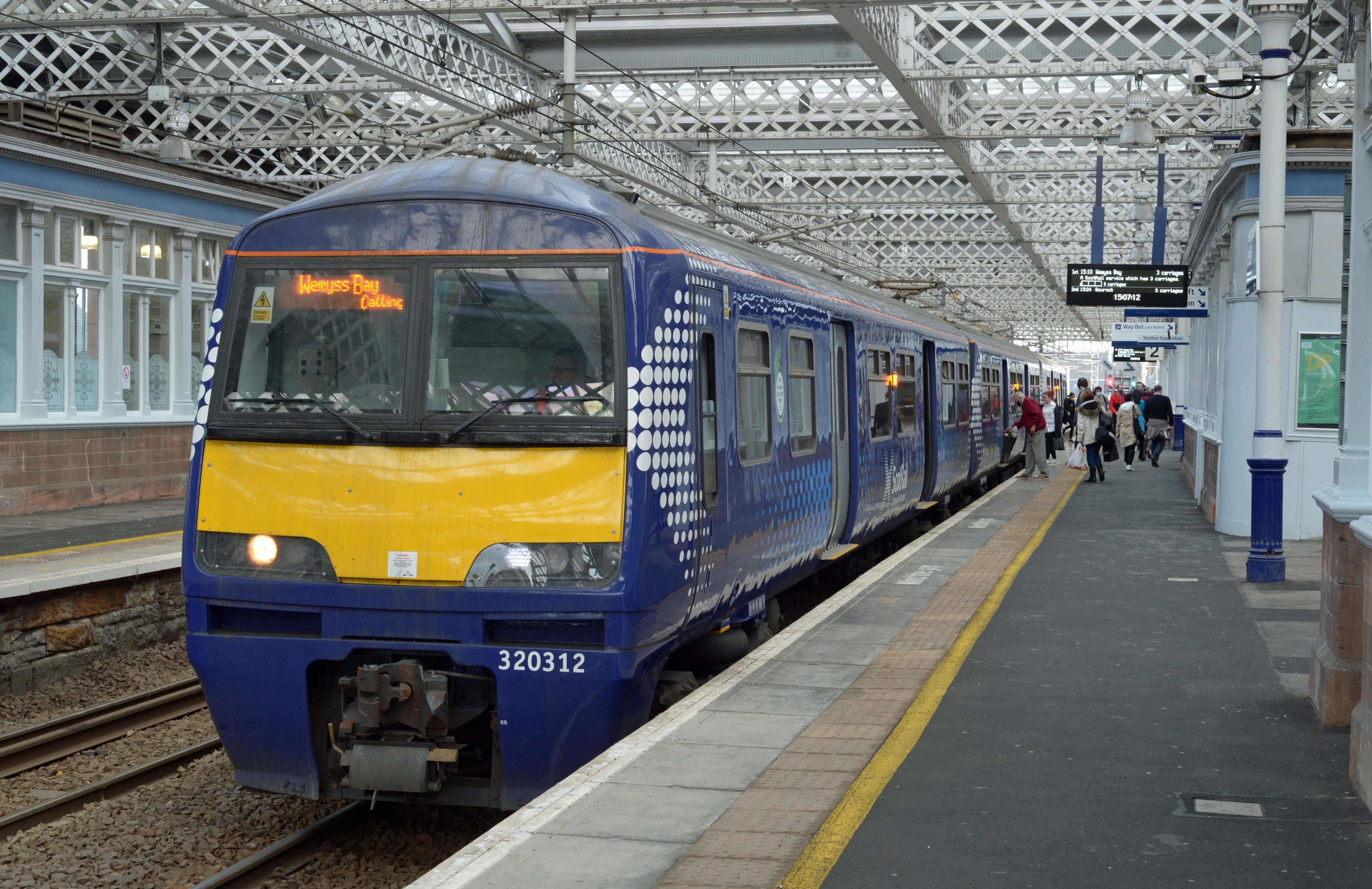
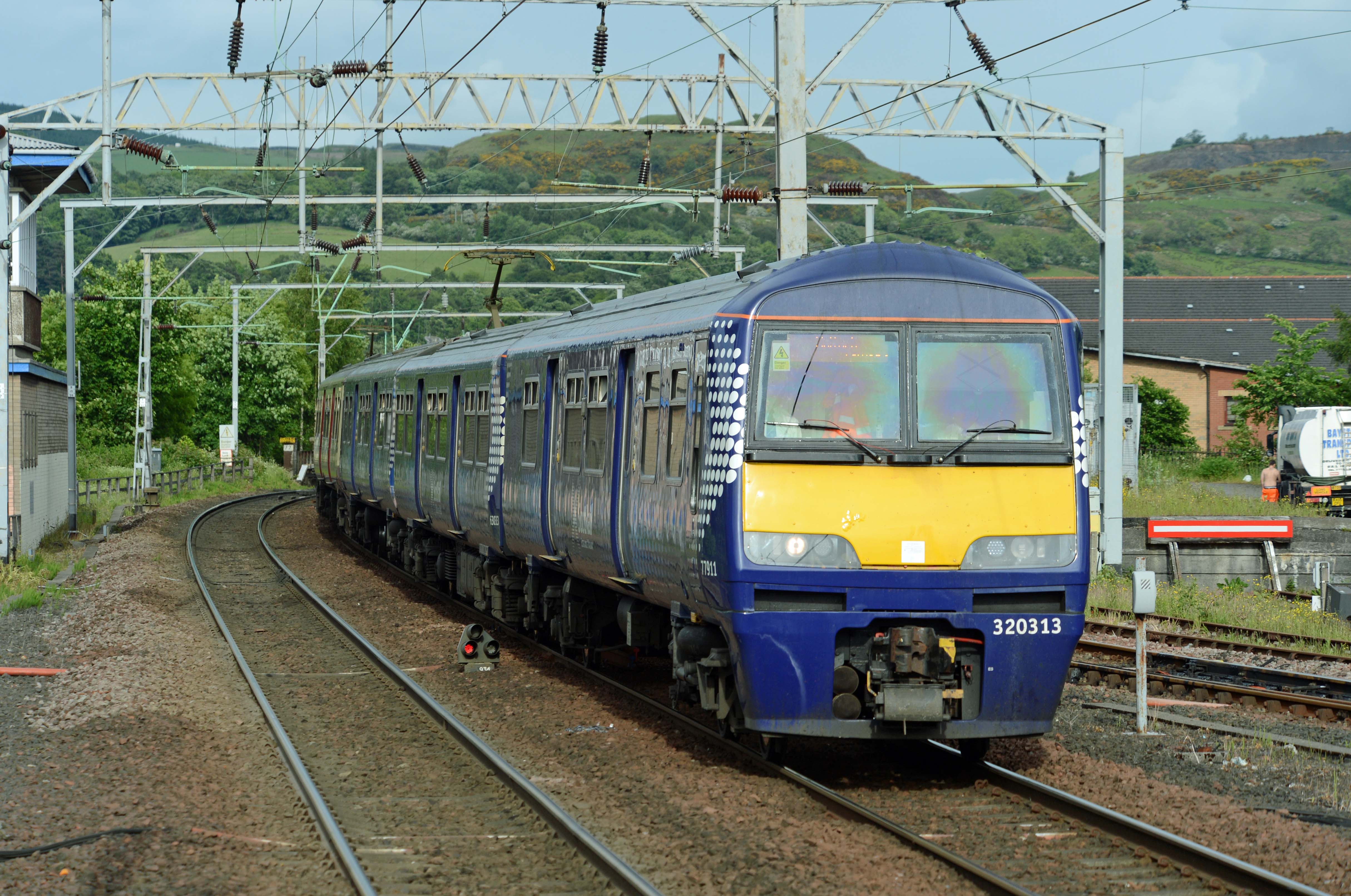
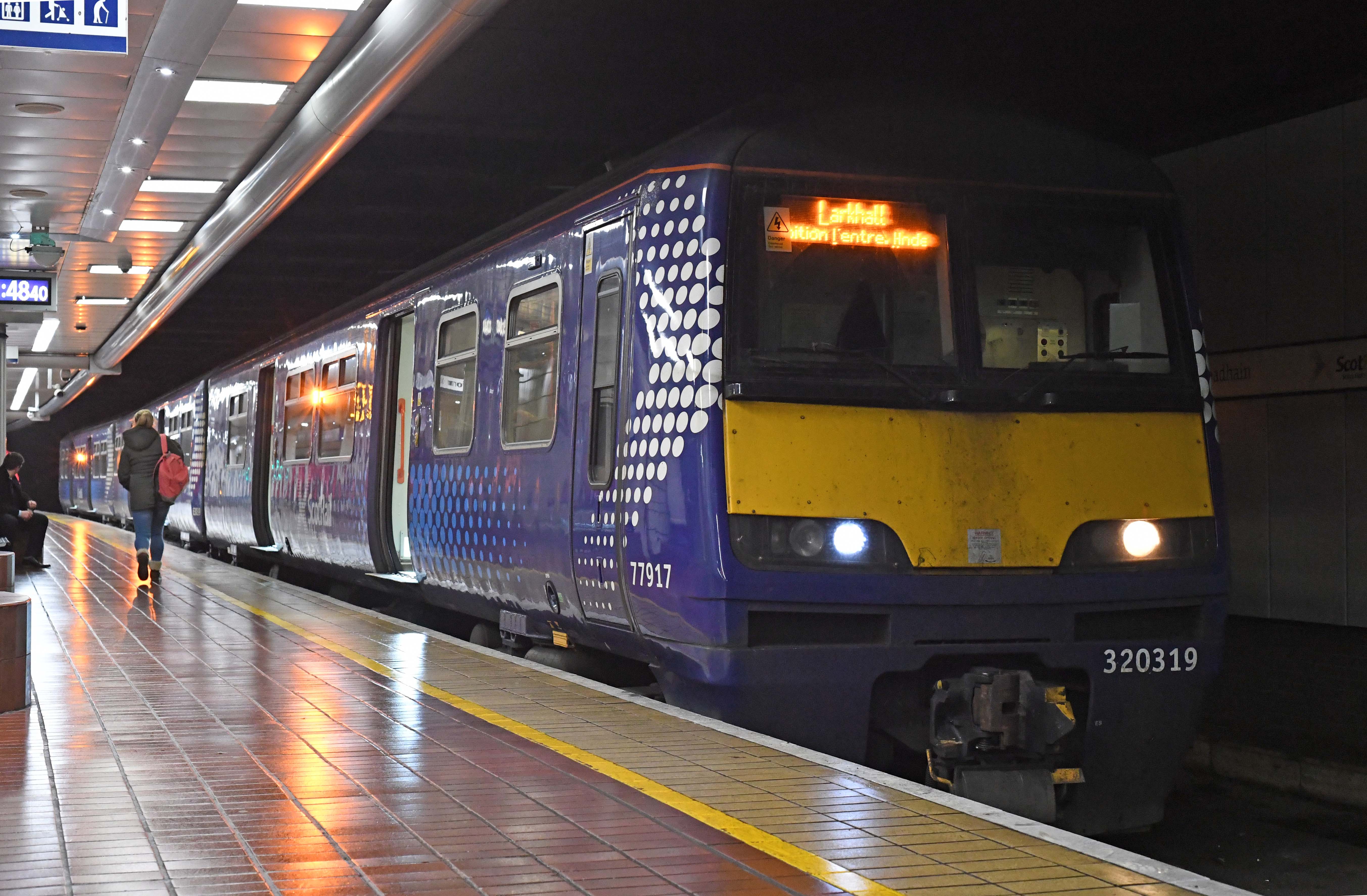
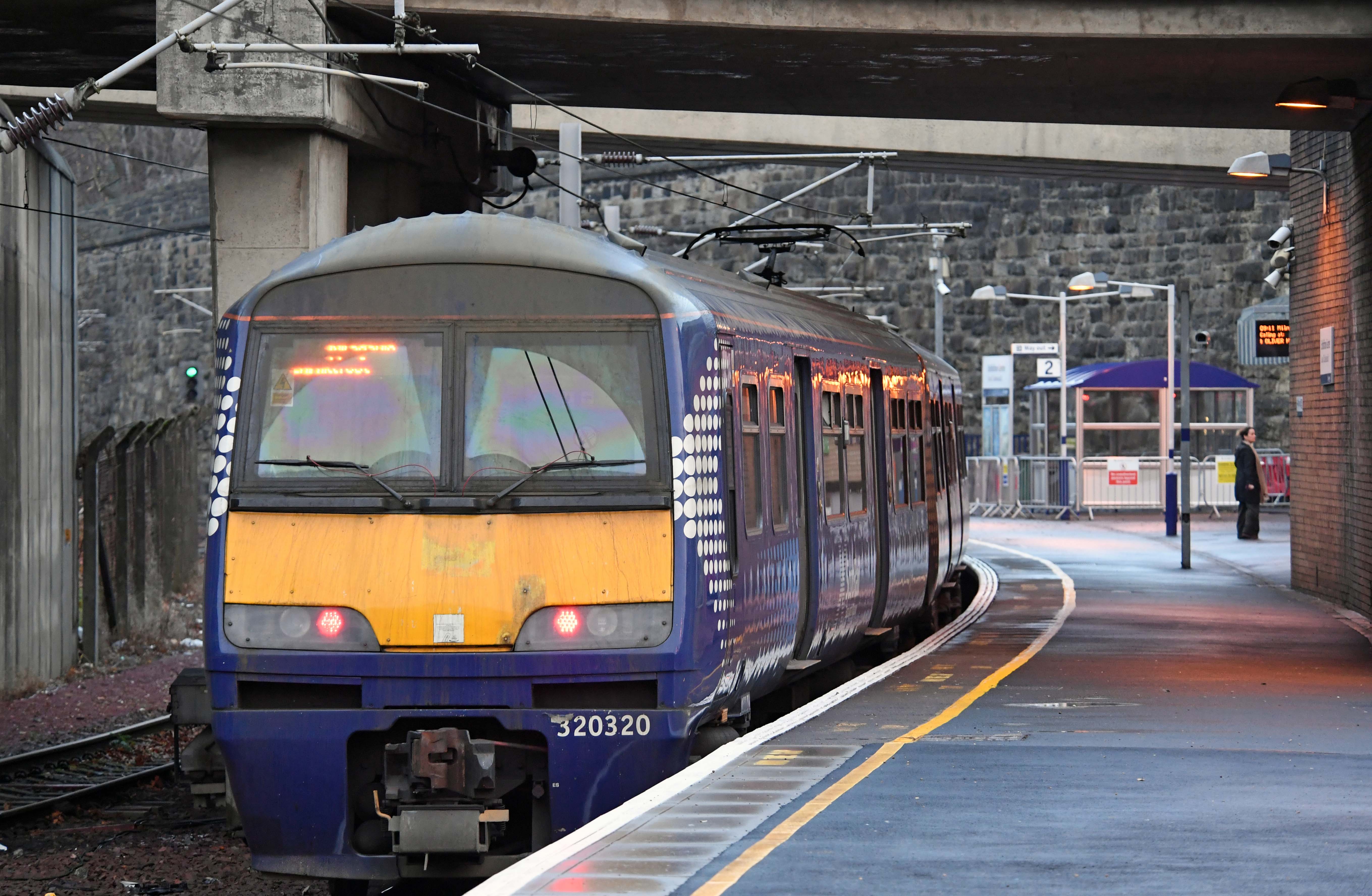
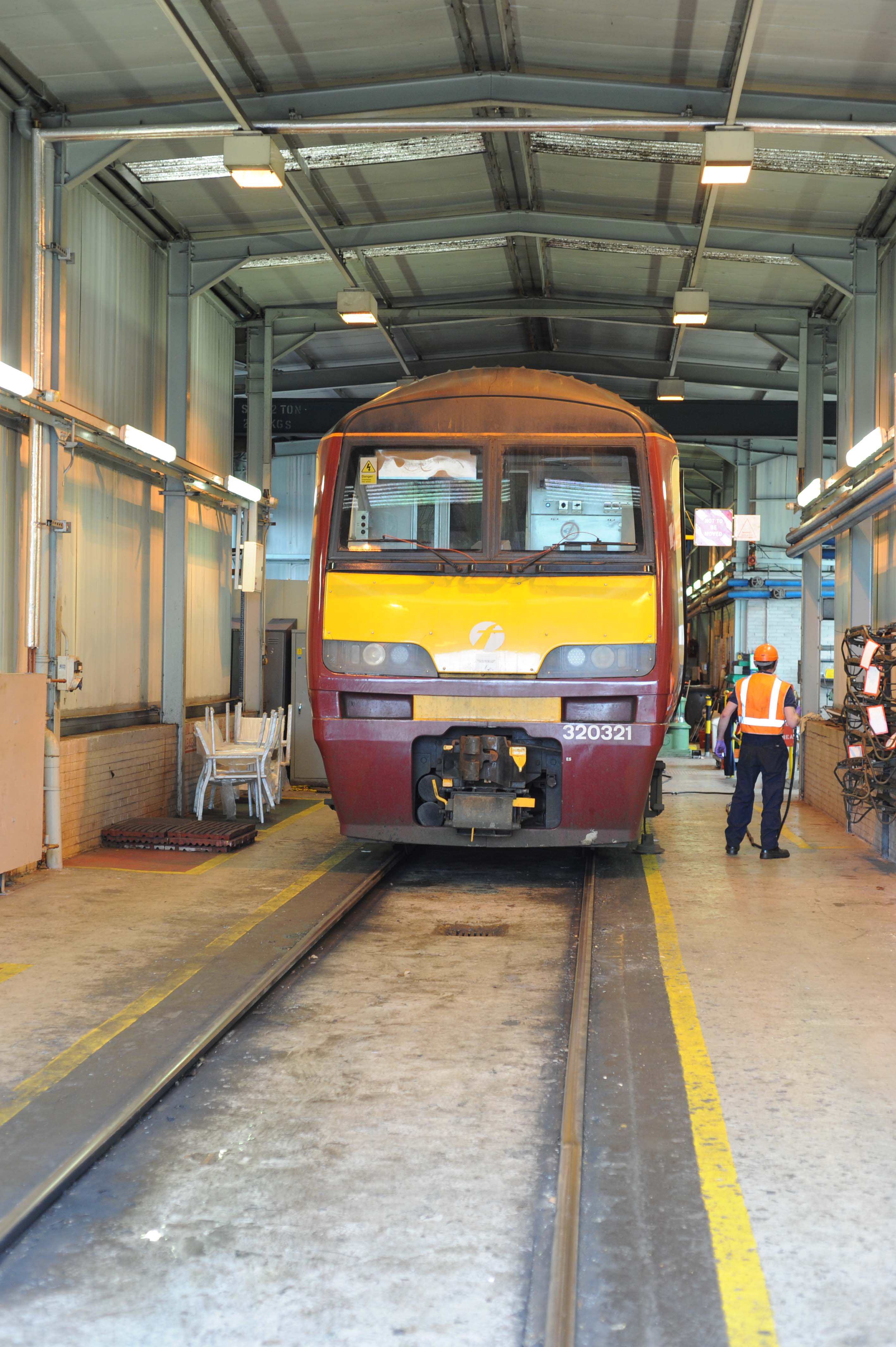
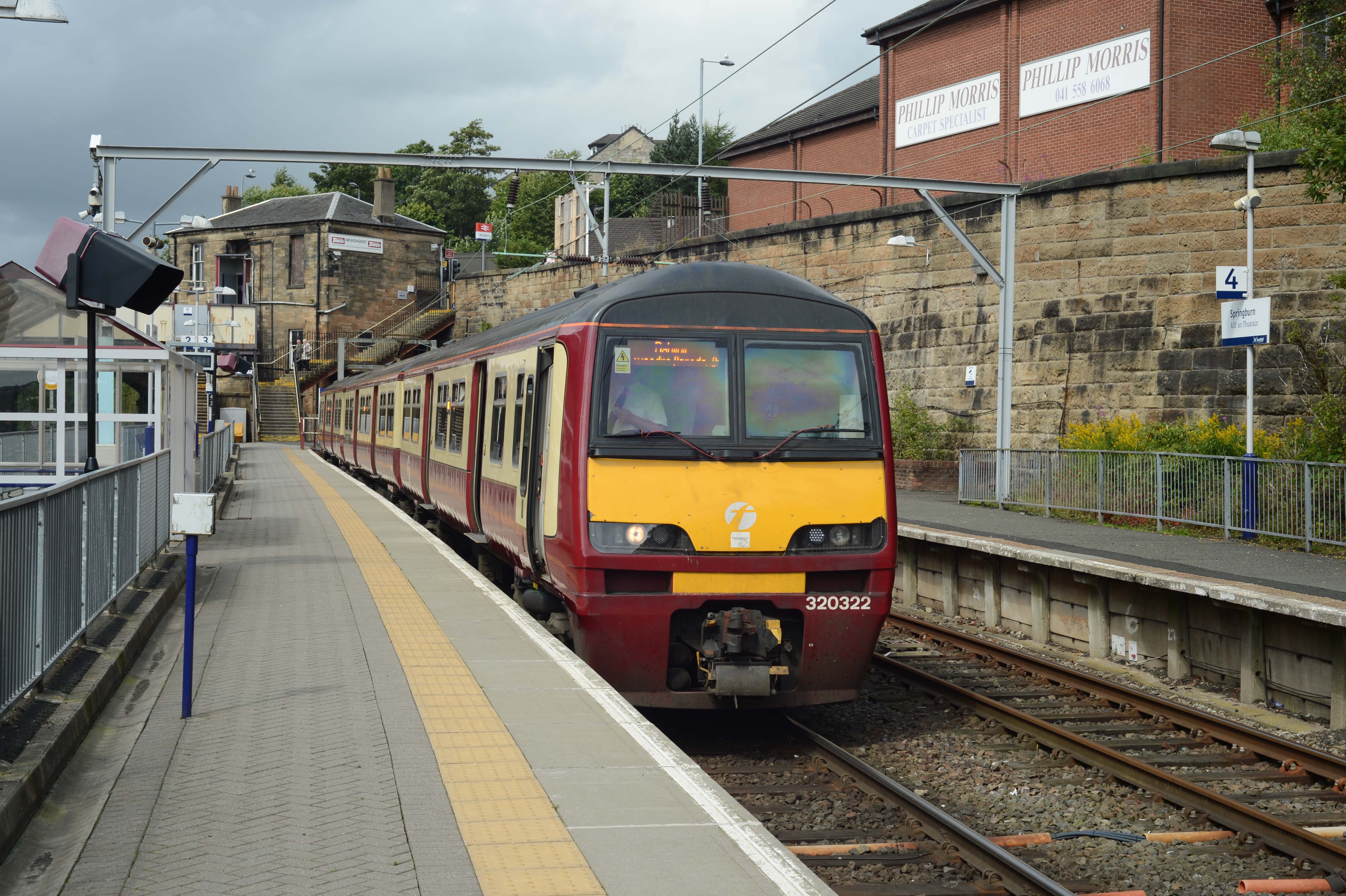
On the 8th December 2016 class leader 320301 sporting Saltire livery arrives at Dalmuir with a service heading for Glasgow. The previous day, 320302 calls at Glasgow Central low level with a service to Milgavie.3 years previously, on the 14th June 2013. 320303 pulls into Charing Cross on the low level line via Glasgow Queen St. Here’s 320304 arriving at Newton to the East of Glasgow on the 29th March 2012 with a service to Motherwell.320305 sits at platform 6 at Glasgow Central on the 4th October 2018. It’s the 29th March 2012 and 320306 is arriving at Partick station on the North bank of the Clyde, an interchange with the famous ‘clockwork orange’ as the Glasgow circular subway is known to many. The station had only recently been rebuilt and extended. 320307 threads its way through the complex switches and crossing that form the approaches to Glasgow Central station on the 10th November 2021. Platform 6 at Glasgow Central once more, this time on the 4th October 2018, when 320308 rests between duties. 320309 sporting the revised SPT carmine and cream livery with all cream doors seen at Dumbarton Central on the 13th June 2013. Glasgow Central again but this time platform 10 where 320310 and a sister unit sit in the sunshine on the17th July 2018. It’s the end of the line at Milngavie on the 8th April 2009 where 320311 keeps company with a fellow Mk3 based unit in the shape of Class 318254. These units had been refurbished and had their corridor connections removed. Ironically, Scotland is also the last bastion of the Class 317 type fleets as the last ones in English service were withdrawn earlier this year.It’s the 9th of November 2021 an the distinctive and ornate lattice roof supports give away the location of this picture of 320312 working to Wemyss Bay. It’s Paisley Gilmour St on the South side of the Clyde. 320313 arrives at Dumbarton Central with a service from Glasgow on the 13th June 2013.
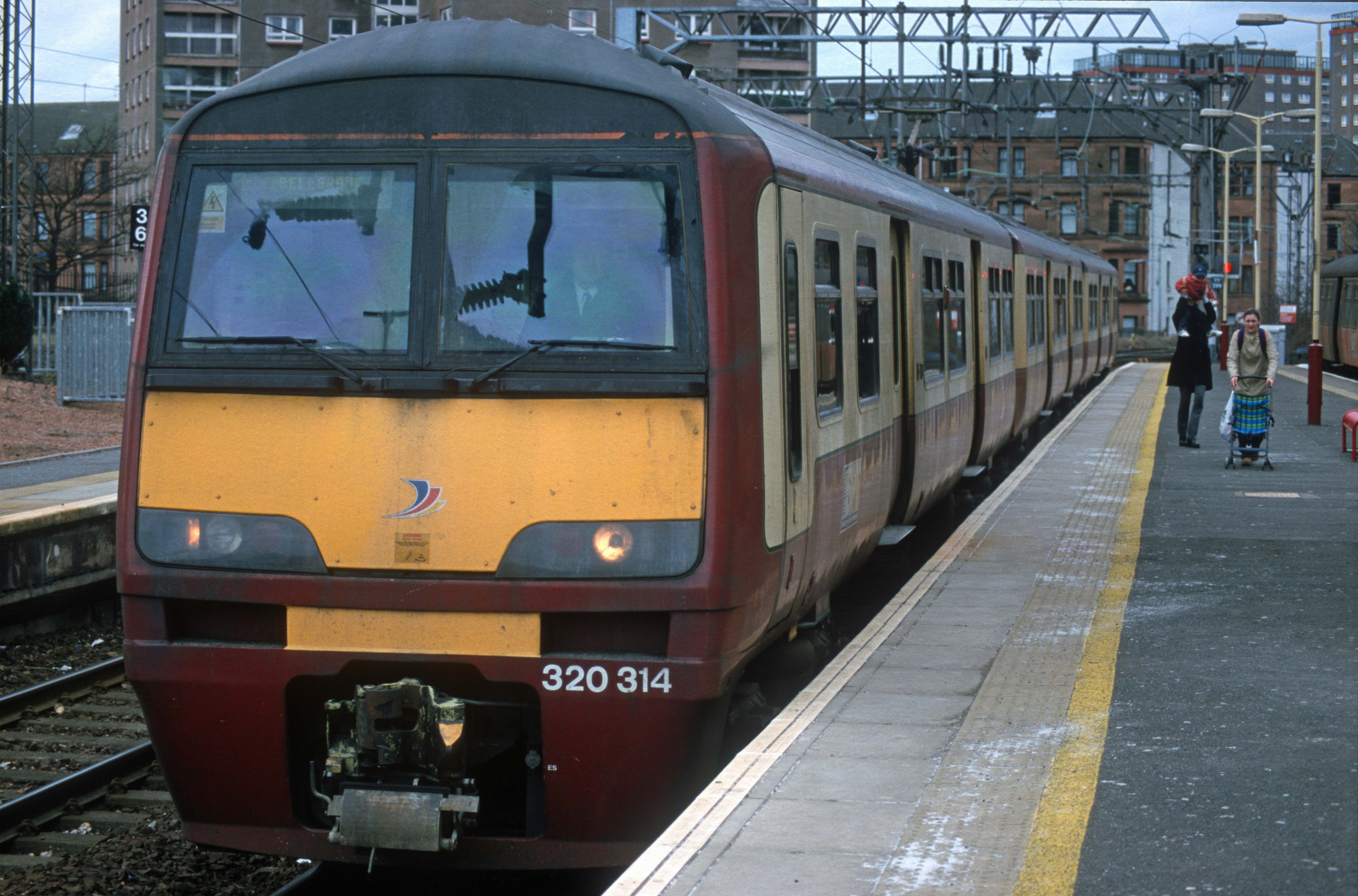
320314 with the swoosh on the front of its carmine and cream livery calls at Dalmuir on the 21st March 2001.
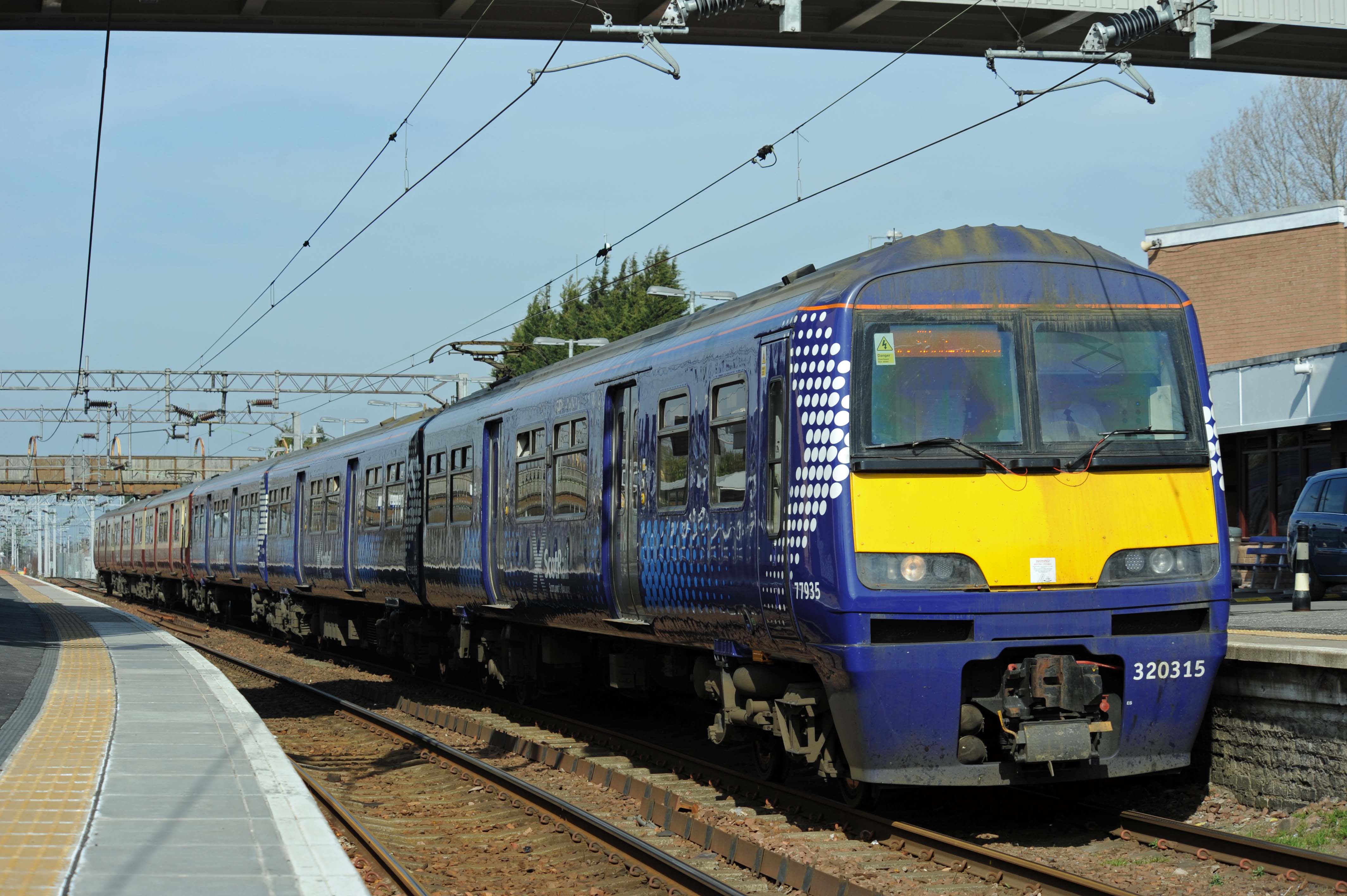
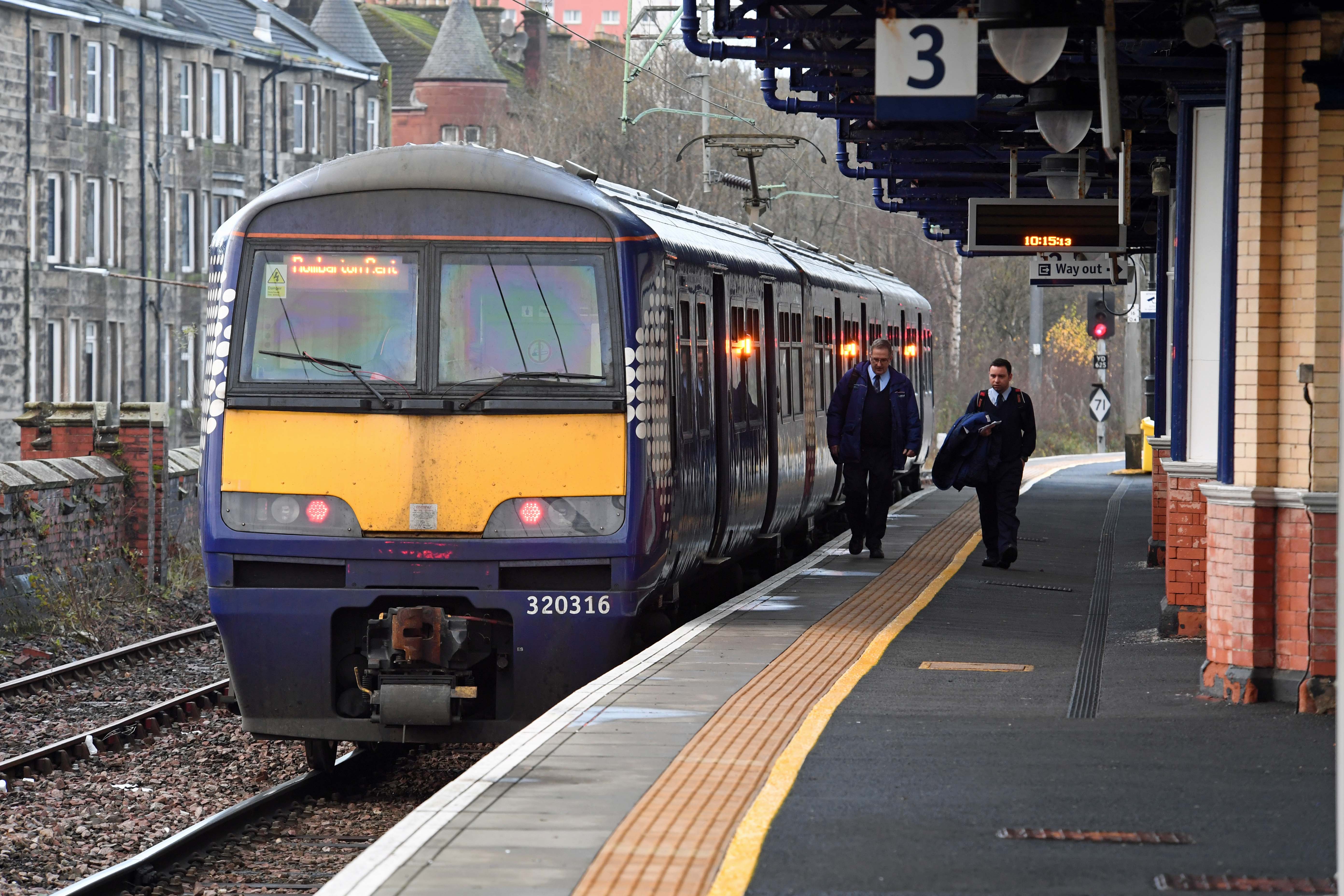
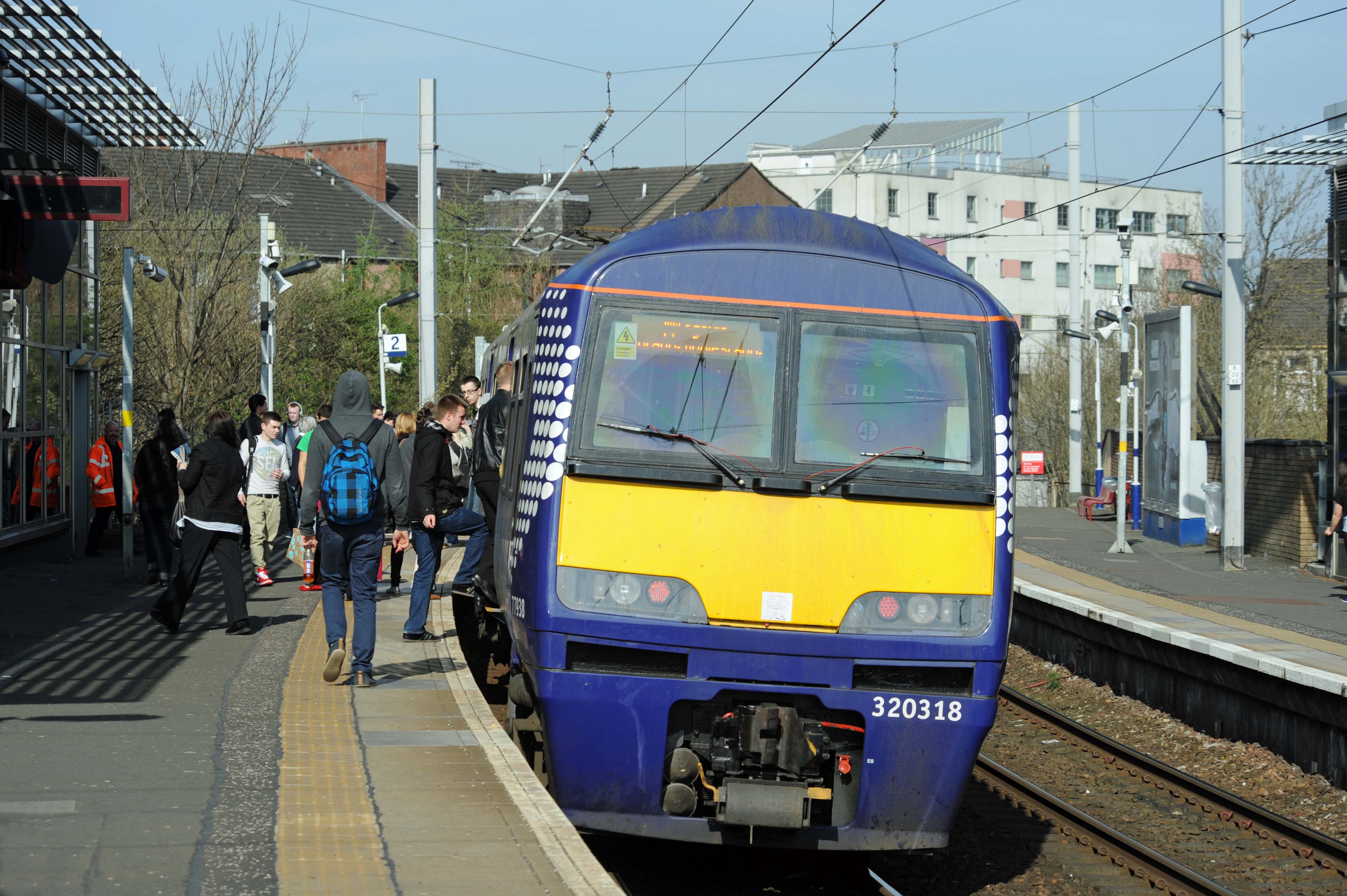
320315 with a sister unit in tow calls at Motherwell on the 29th March 2012. The traincrew change ends on 320316 which has terminated at Dumbarton Central, ready to work back into Glasgow and beyond on the 8th December 2016.Passengers board 320318 at Partick on the 29th March 2012. 320319 waits at Glasgow Low Level station on the 7th December 2016 with a service to Larkhall. 320320 pulls into Exhibition Centre station on the North Bank of the Clyde on the 8th December 2016. Carmine and cream liveried 320321 wearing the First Group logo on its front end sits inside Glasgow’s Shield Road depot where the class was based on the 8th April 2009. Last of the class 320322 sporting Carmine and Cream livery and First group logos sits in the bay platforms at Springburn on the 16th August 2012.
To be continued…
I’ve a small favour to ask… If you enjoy reading this or any of the other blogs I’ve written, please click on an advert or two. You don’t have to buy anything you don’t want to of course – although if you did find something that tickled your fancy that would be fab! – but the revenue from them helps me to cover some of the cost of maintaining this site (which isn’t cheap and comes out of my own pocket). Remember, 99% of the pictures used in my blogs can be purchased as prints from my other website – https://paulbigland.zenfolio.com/
Here’s a look at yet another of the BR commissioned ‘new’ train fleets which were built to replace the 1st generation of diesel and electric trains back in the 1980s but that are now being retired themselves.
The single car Class 153s – or ‘Dogboxes’ as they’re nicknamed were originally 2 car Class 155s which were built by British Leyland at their Workington factory back in 1987-1988. 42 sets were built but only 7 remain in original form.
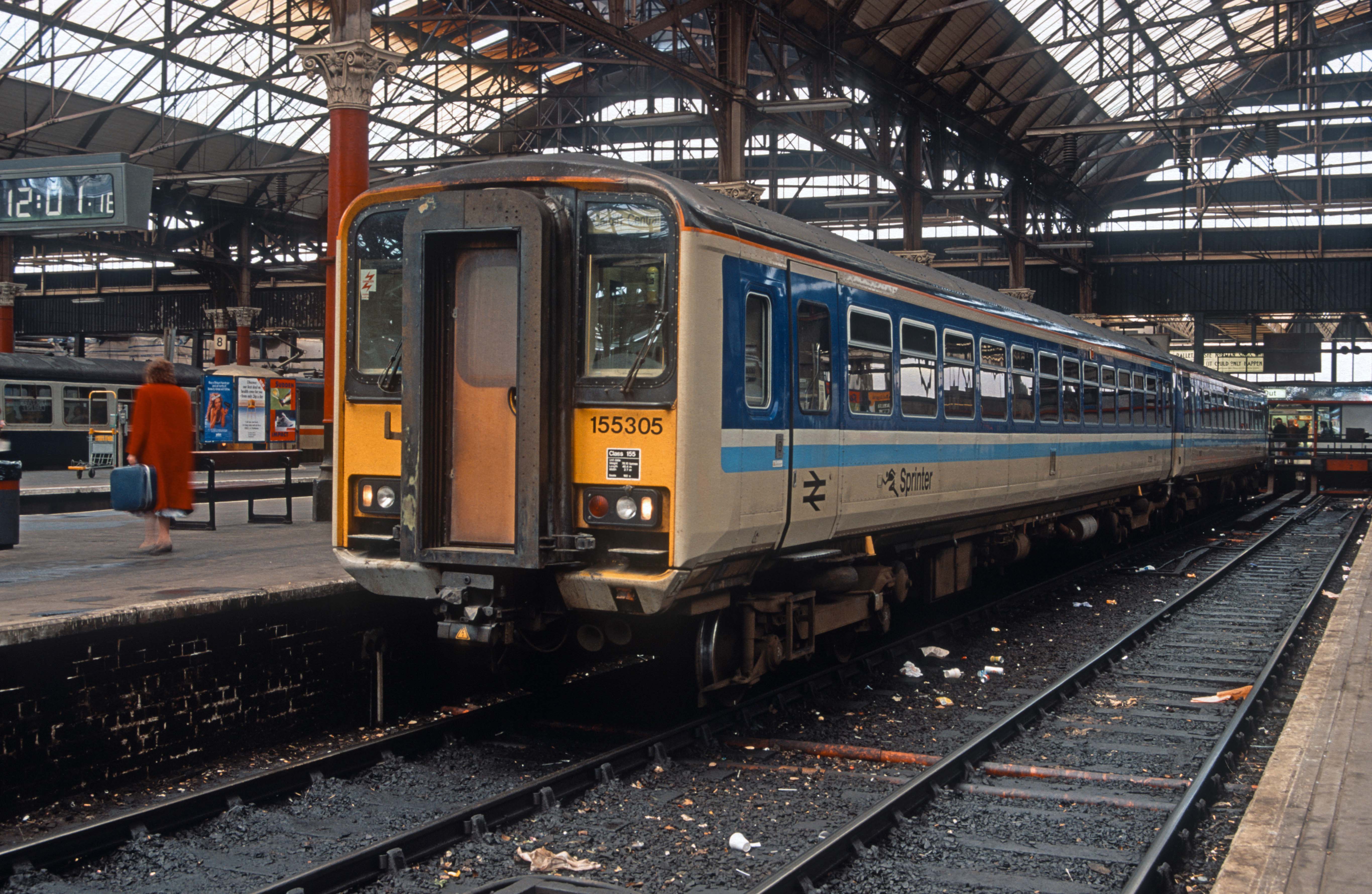
How they started out. 2-car set 155305 seen at Manchester Piccadilly before working to Cardiff Central on the 19th June 1991. Note the original ‘Sprinter’ branding and BR Double-arrow.
The other 35 sets were split and rebuilt as railcars by Hunslet-Barclay at their works in Kilmarnock between 1991-92. Squeezing a second cab into the bodyshell was a challenge which led to the new cab being very cramped, causing surprise that the rail unions agreed to such a restricted space. The cars were renumbered by changing the 523xxx numbered 155301 – 335 to 153301-335 and adding 50 to the numbers of the 573xxx cars to make them correspond to set number 153351-153385.
The 70 new railcars (each with 72 seats) were spread around the regional railways network. The depots that received an allocation were Newton Heath (Manchester), Tyseley (Birmingham), Heaton (Newcastle), Canton (Cardiff) and Crown Point (Norwich).
On privatisation the fleet was divided to became the property of rolling stock companies Angel and Porterbrook.
Over the years the trains have been operated by a wide range of TOCs which include former franchises Central Trains, Anglia, Arriva Trains North, Arriva Trains West, and Wessex trains. Later they were used by Greater Anglia, First Great Western (later GWR), East Midlands Trains (later EMR), London Midland, Northern Trains, and the Welsh Franchises which became Transport for Wales. Over the years they’ve been a familiar sight – from Penzance to Carlisle, across the Midlands and North-East and through Wales. The only places they’ve never operated in have been Scotland and the Southern 3rd rail Network.
In recent years the vehicles have suffered from the fact most of them are not PRM (Persons of Restricted Mobility) compliant. Add to this the reduction of services due to the Covid pandemic and their use has dropped dramatically. The majority of the vehicles are now stored with just two passenger operators using them. Transport for Wales retains 26 cars which are all PRM compliant for services across its network, although these are due to be made redundant by the arrival of new trains by 2023.
Scotrail – who never operated the trains before – received 5 units in 2019-20 which have been converted to carry bicycles. These hybrid (part bike, part seating) trains are coupled to Class 156s and used between Glasgow and Oban.
Apart from passenger service handful of sets have been taken over by Network Rail for departmental use.
In this blog I’m not going to try and give an exhaustive list of their movements as individual cars have swapped between franchises many times. Instead, I’m going to illustrate the wide range of liveries and places the trains have operated.
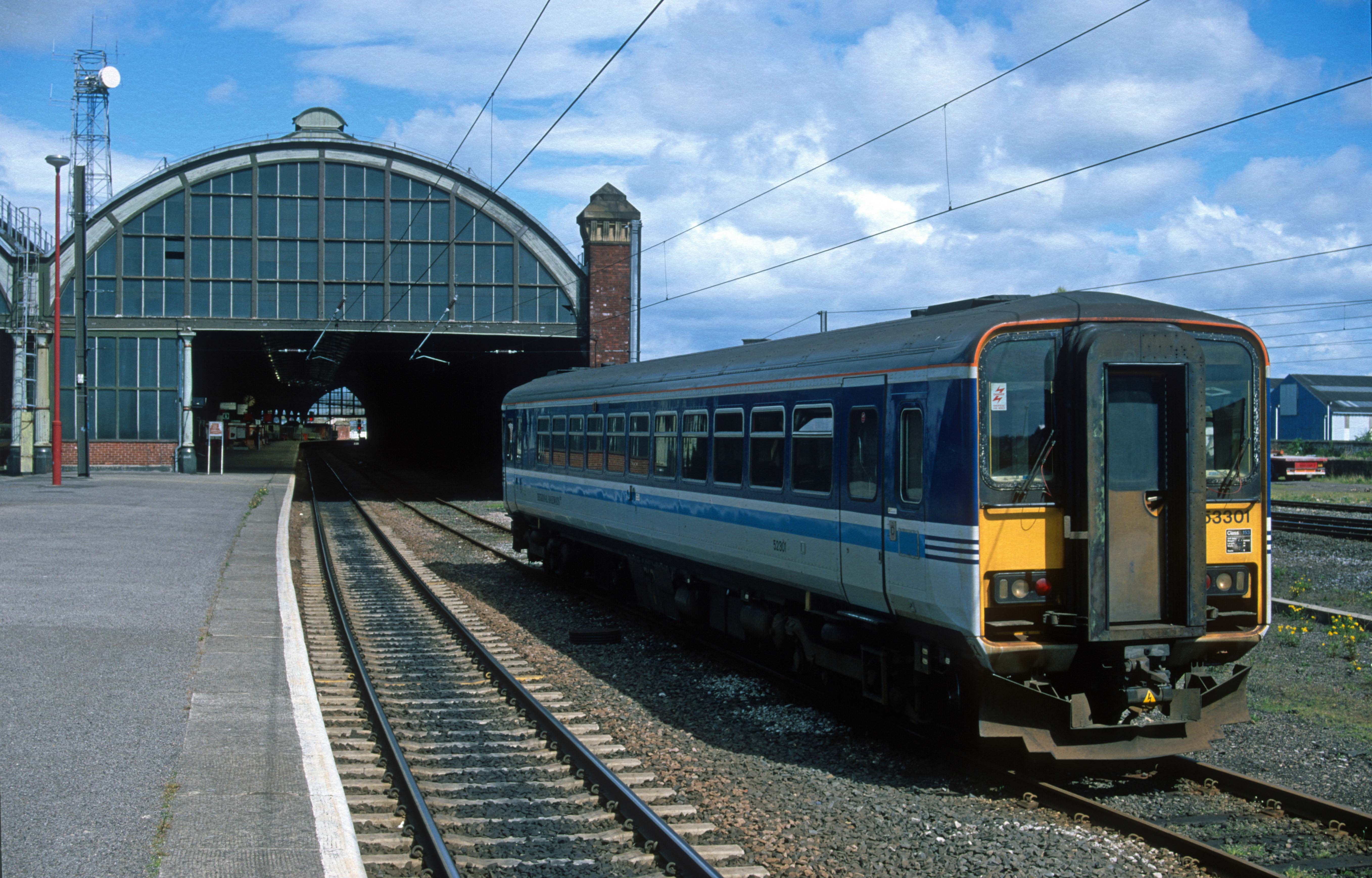
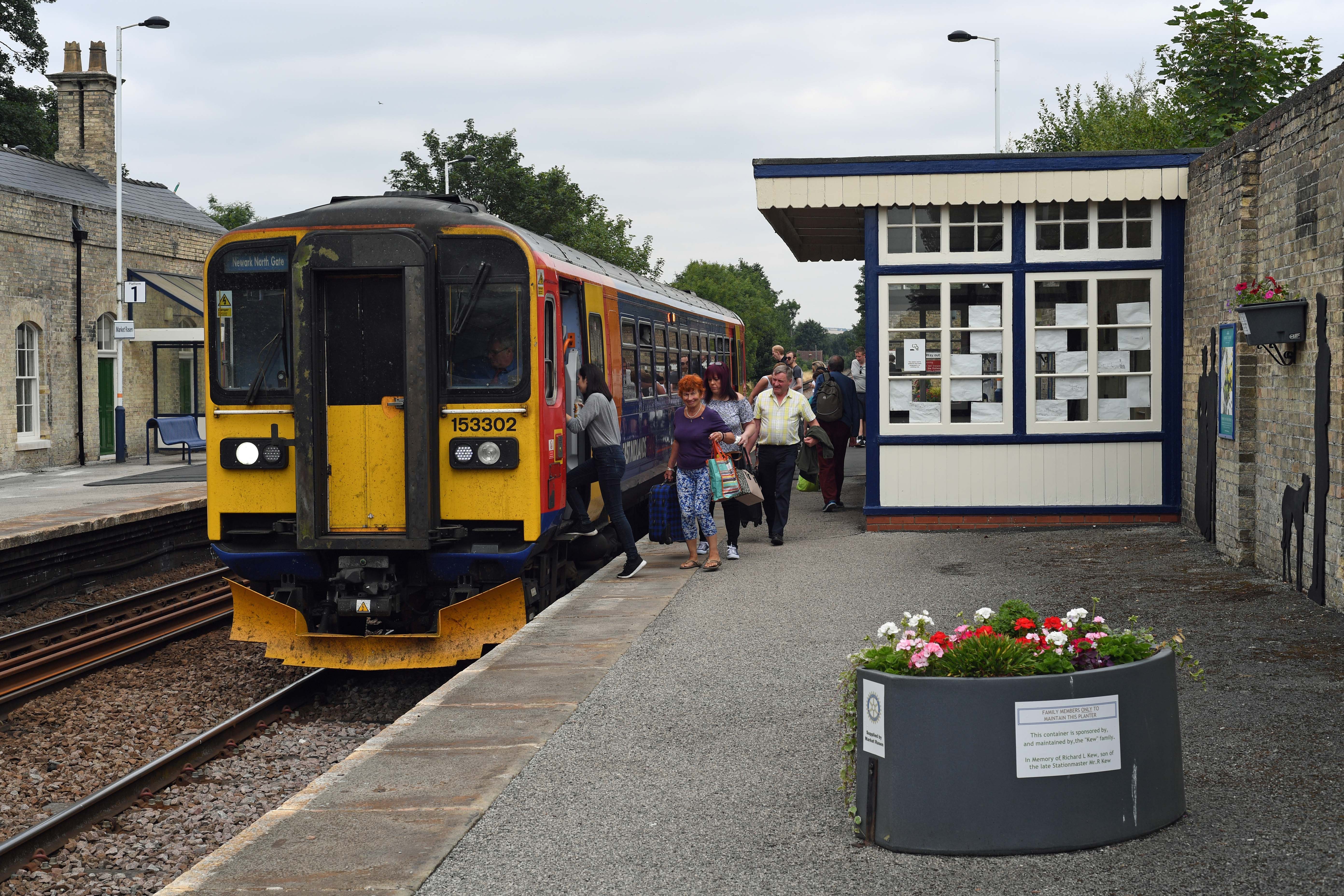
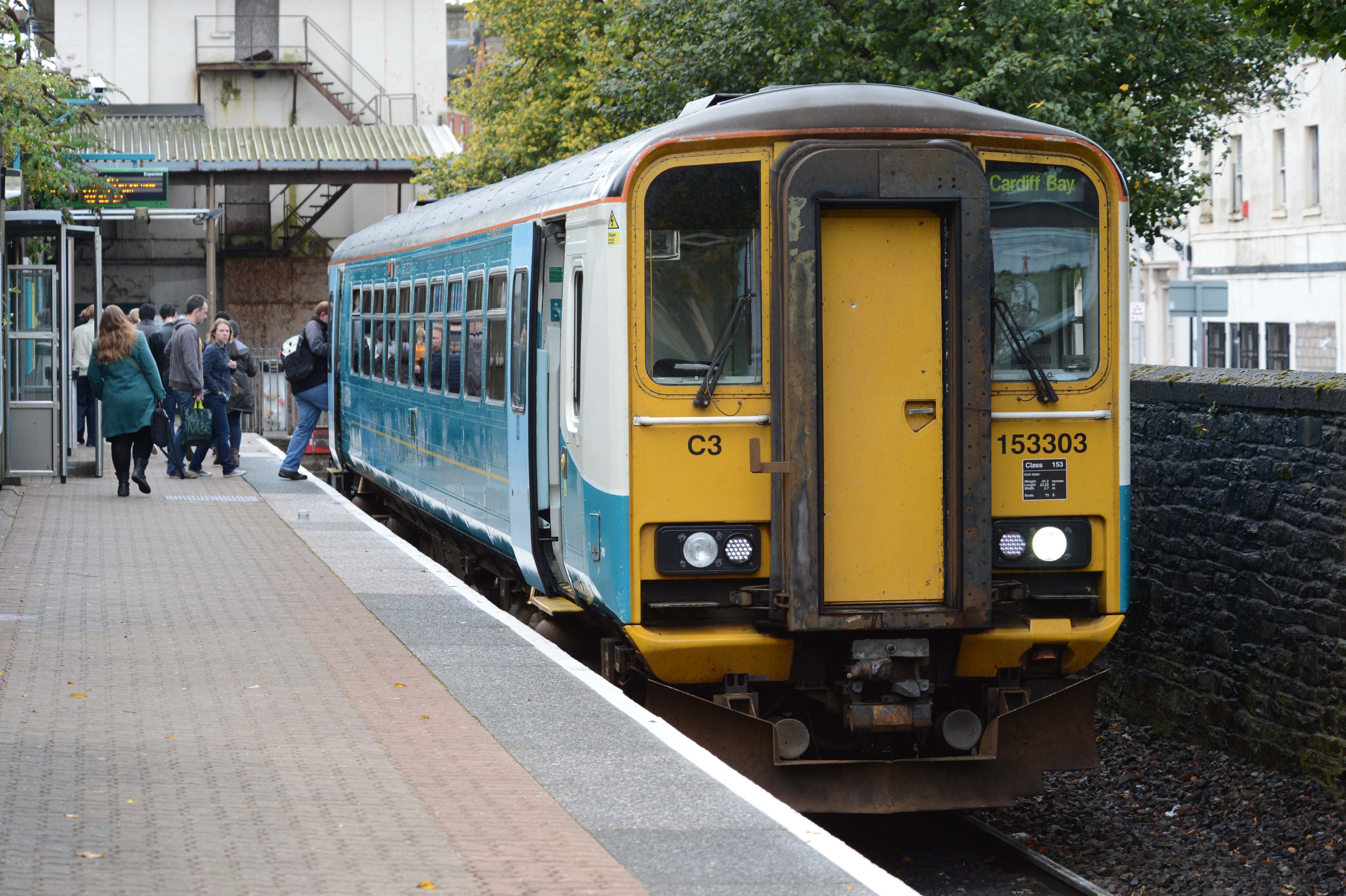
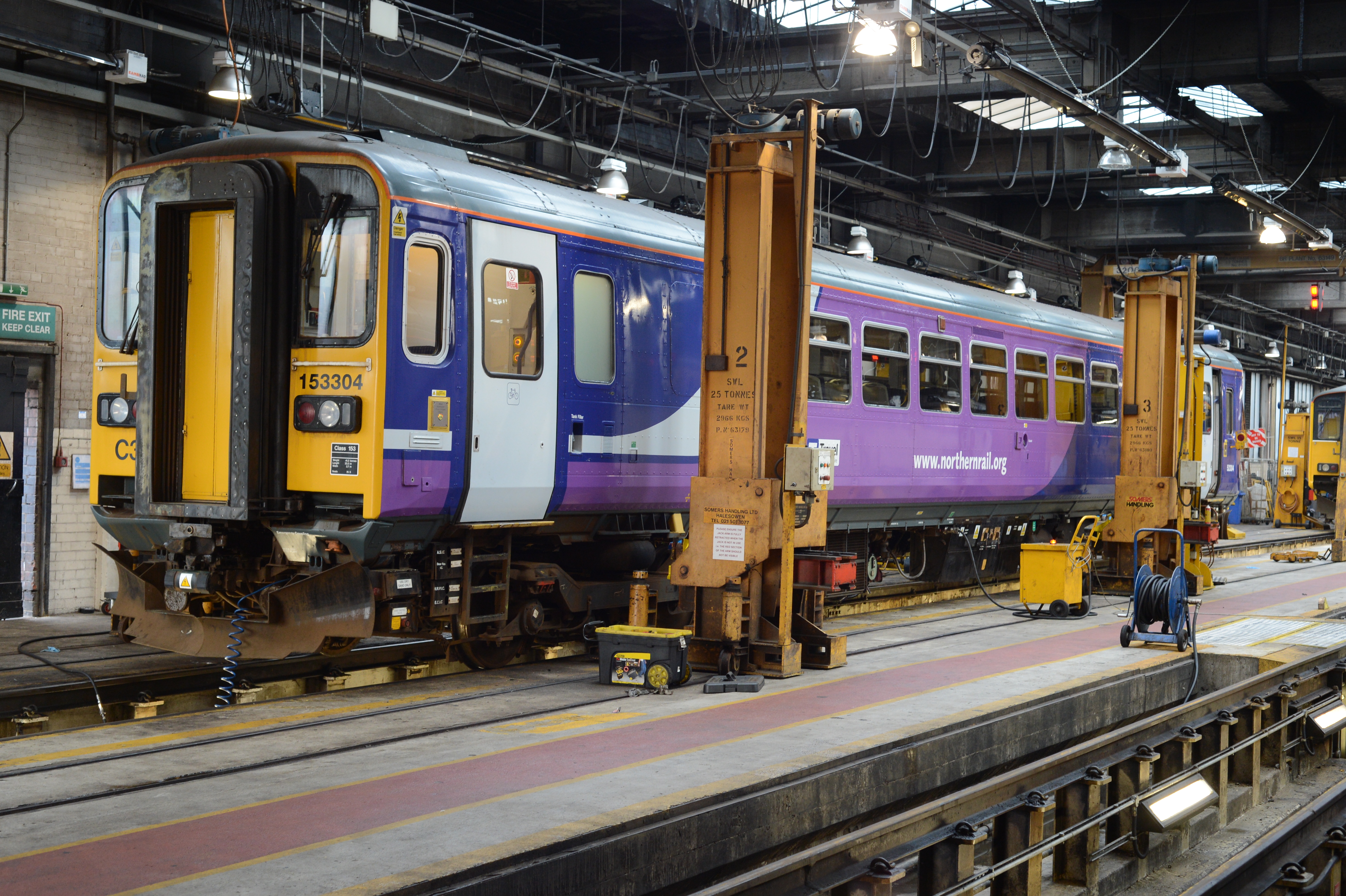
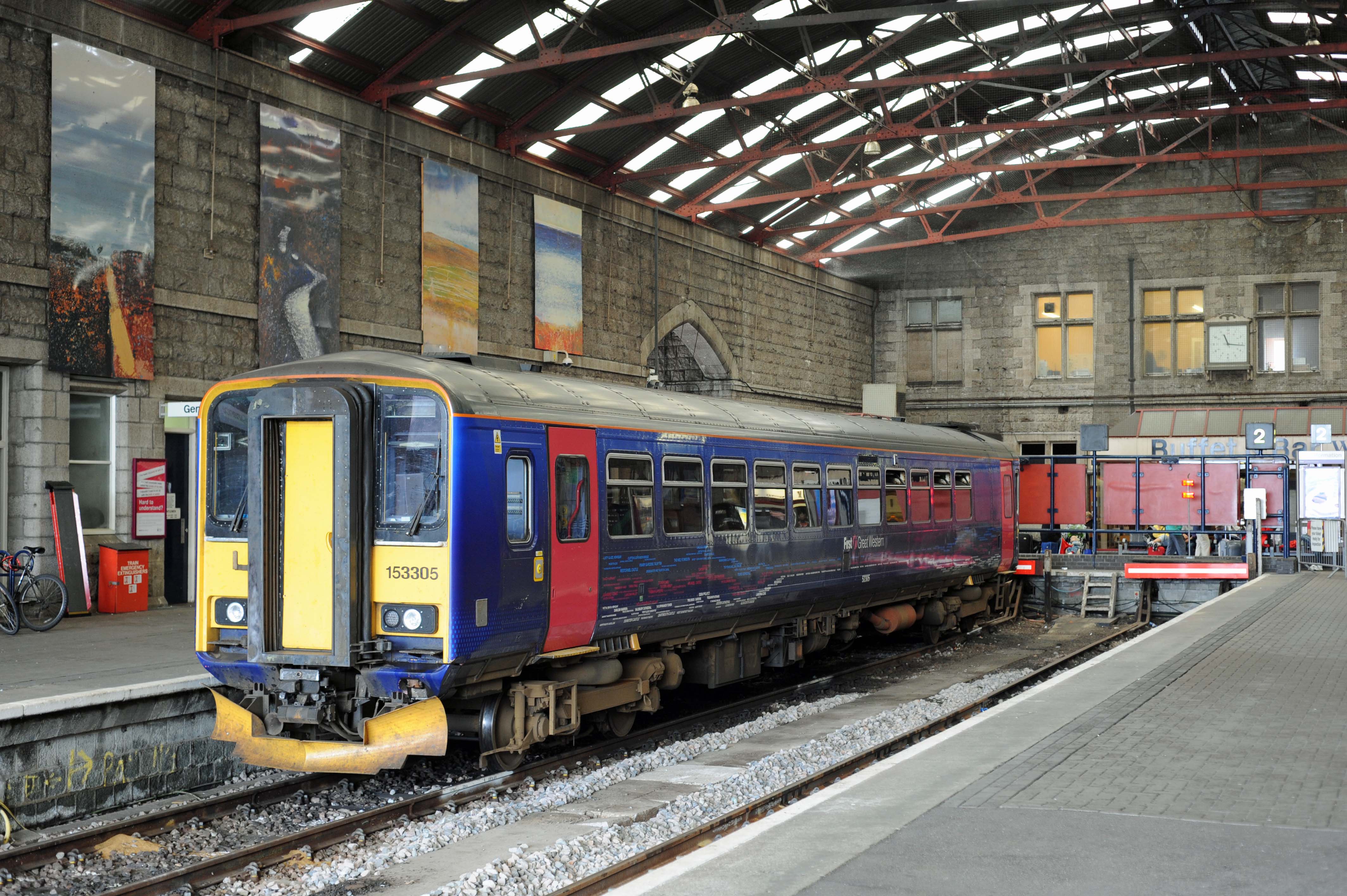
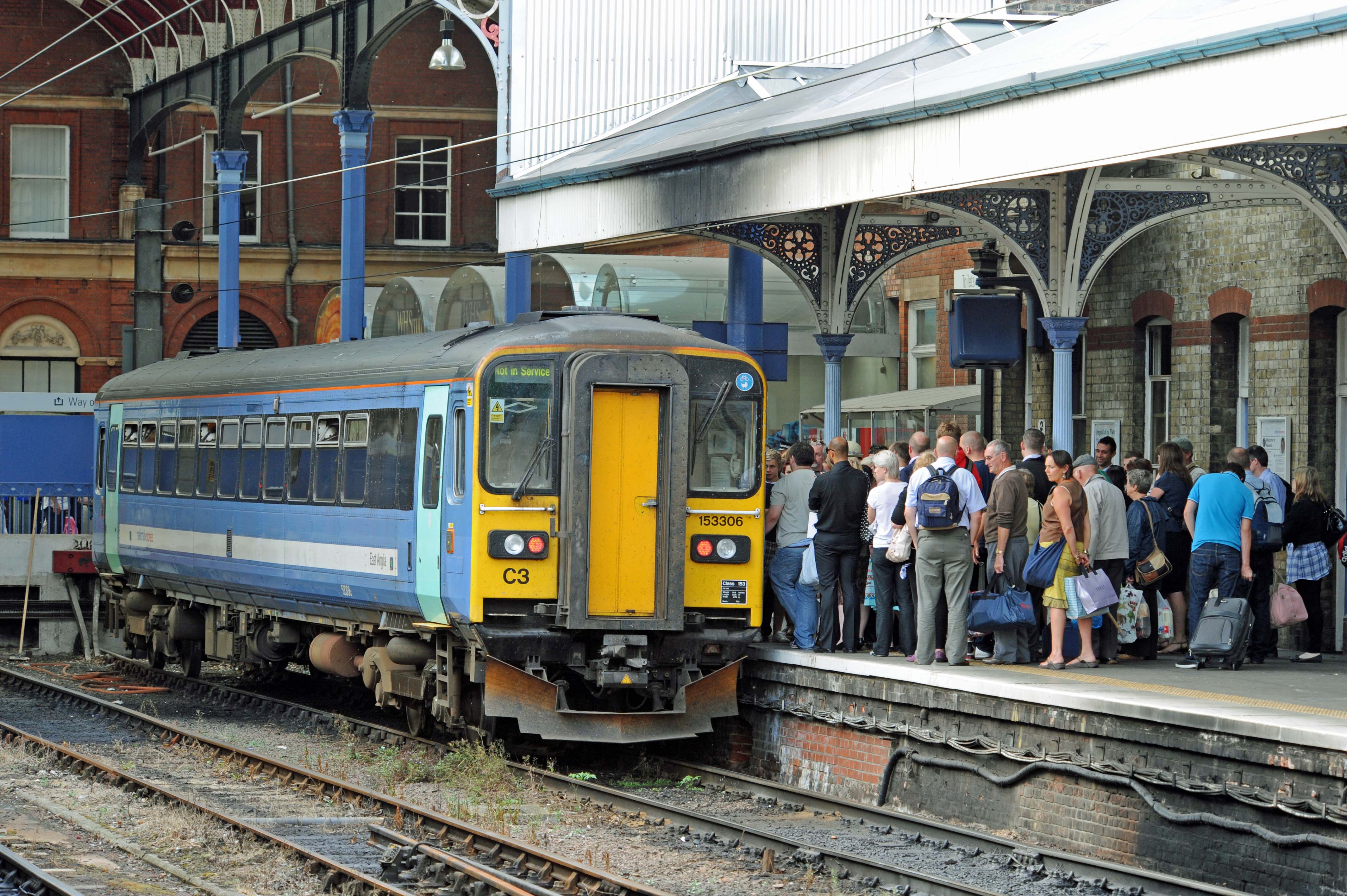
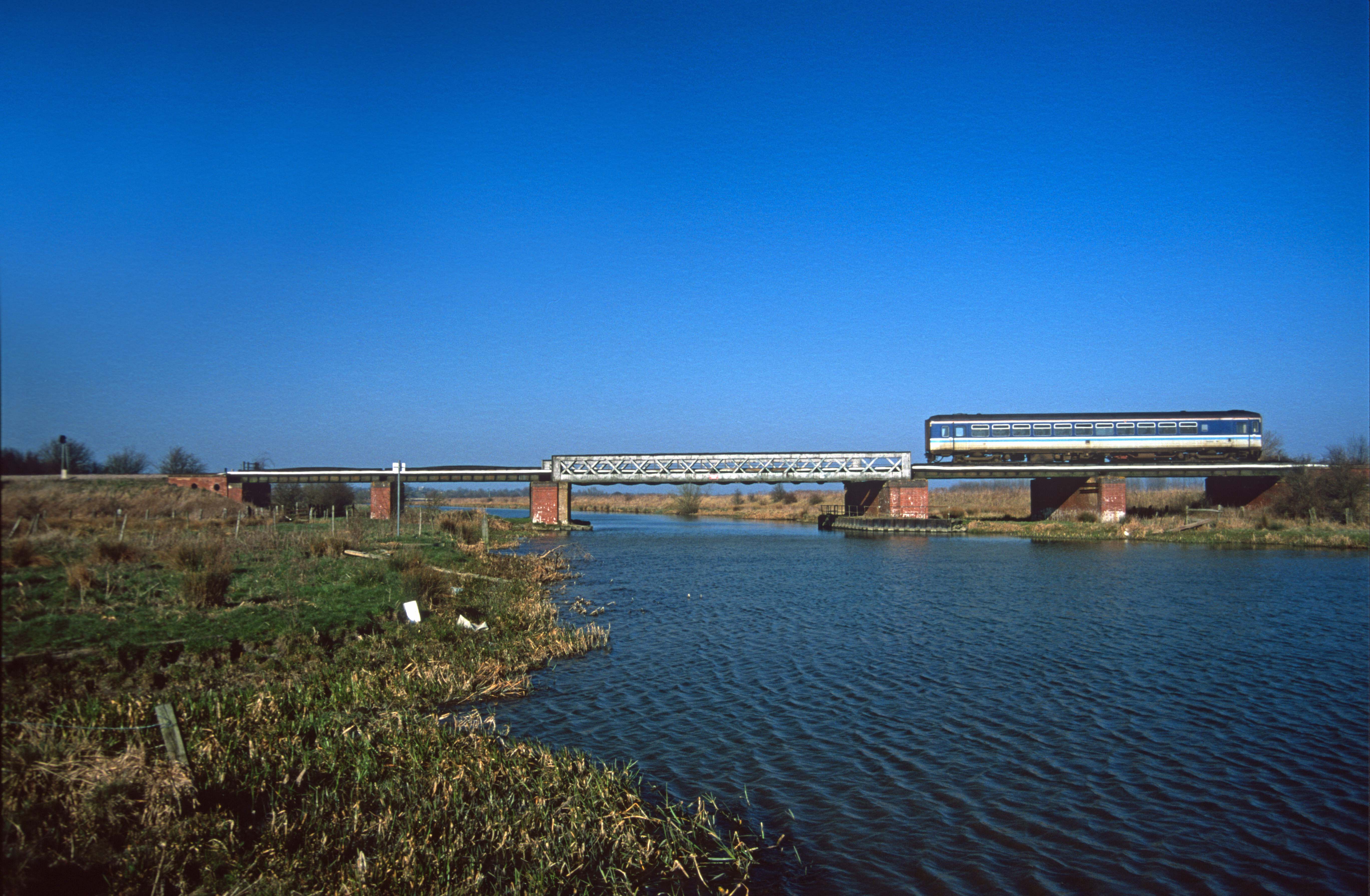
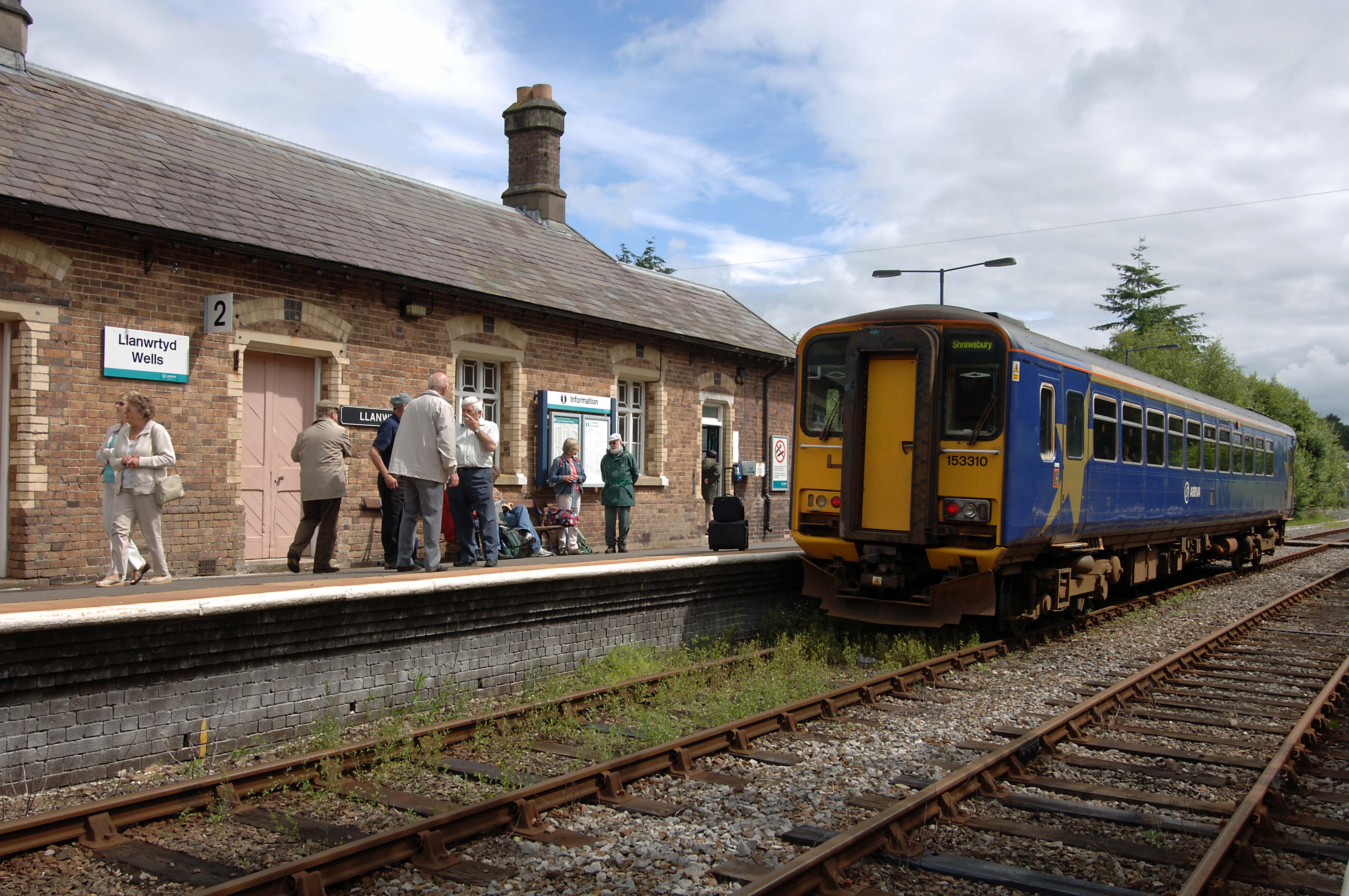
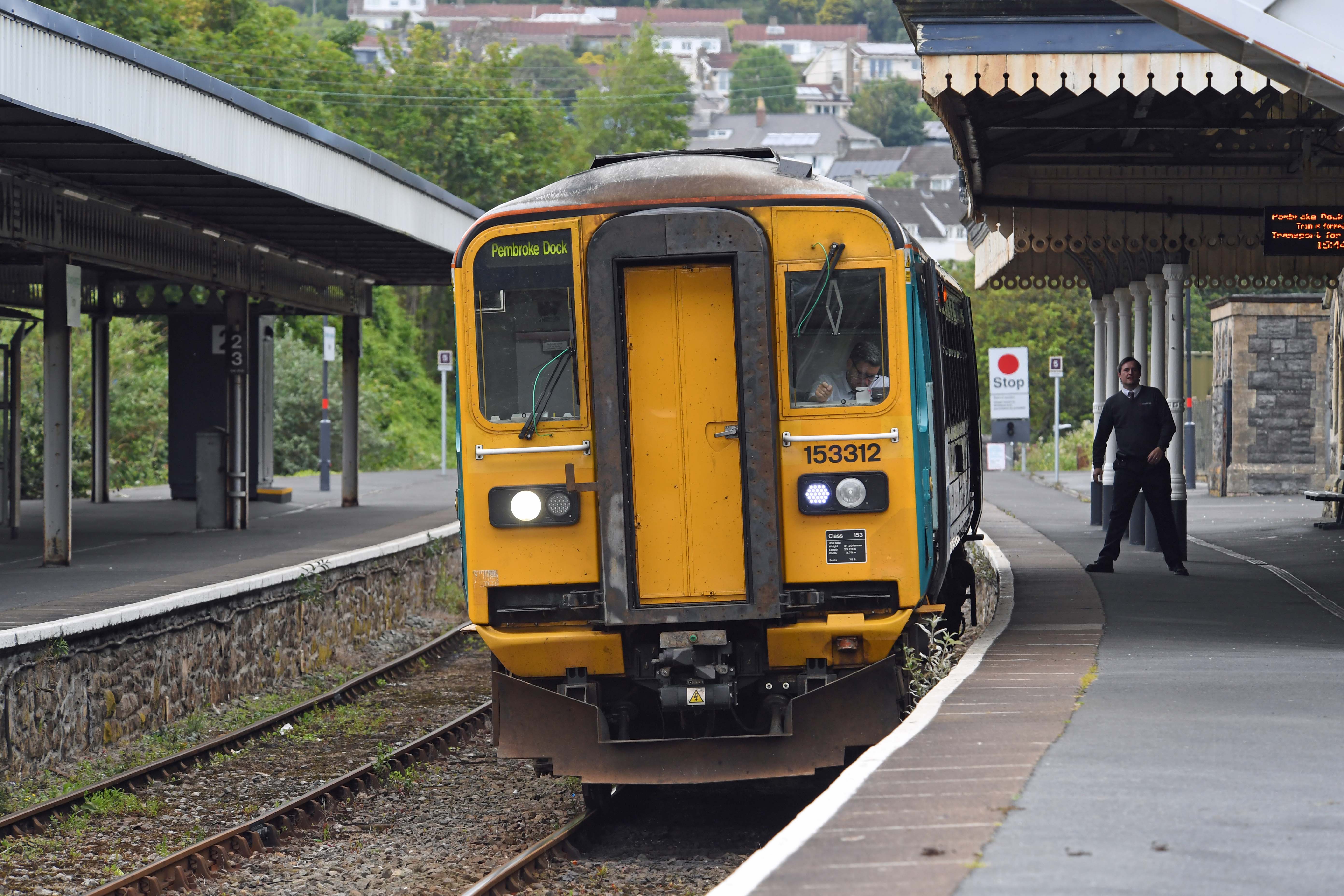
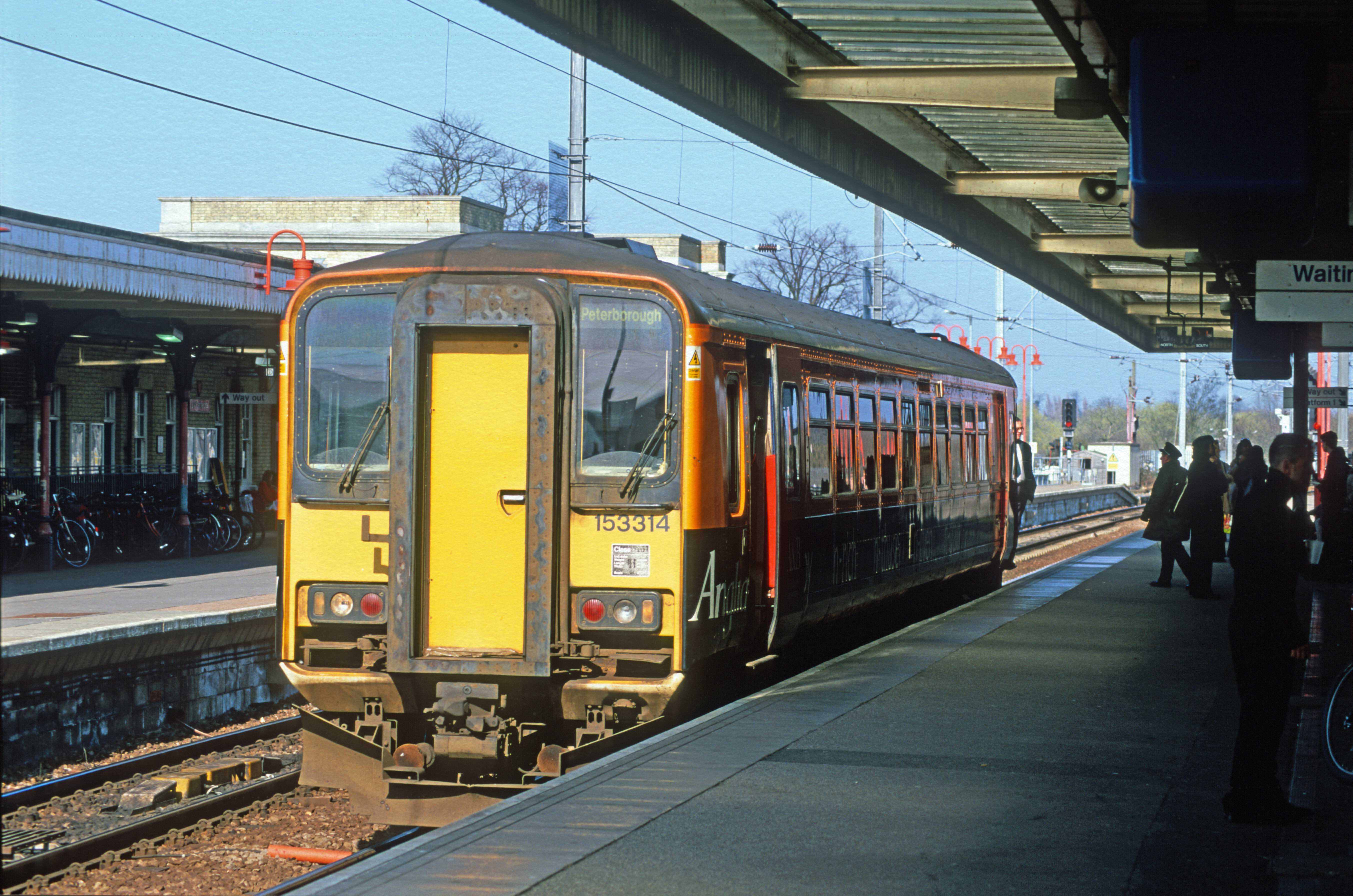
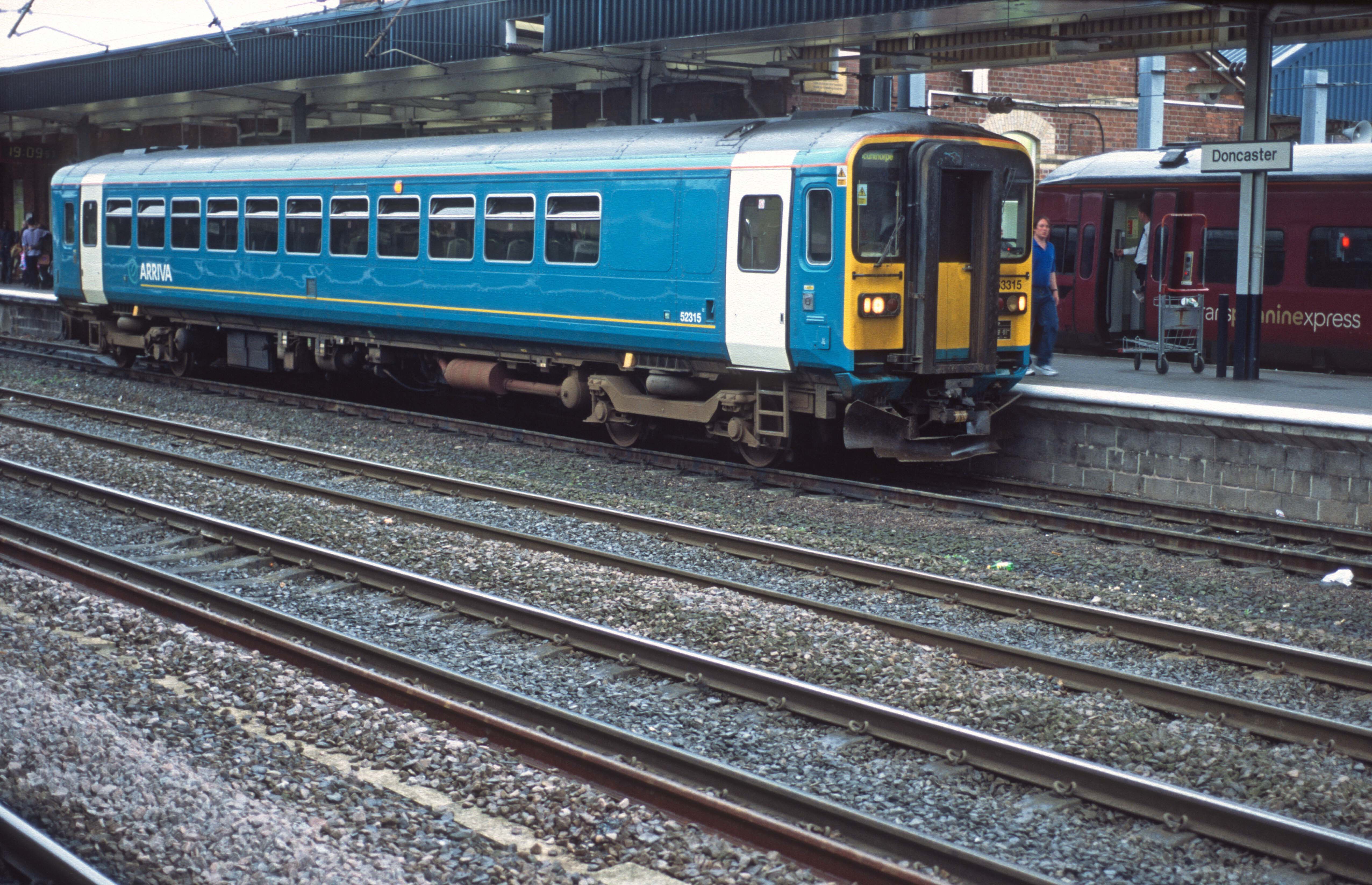
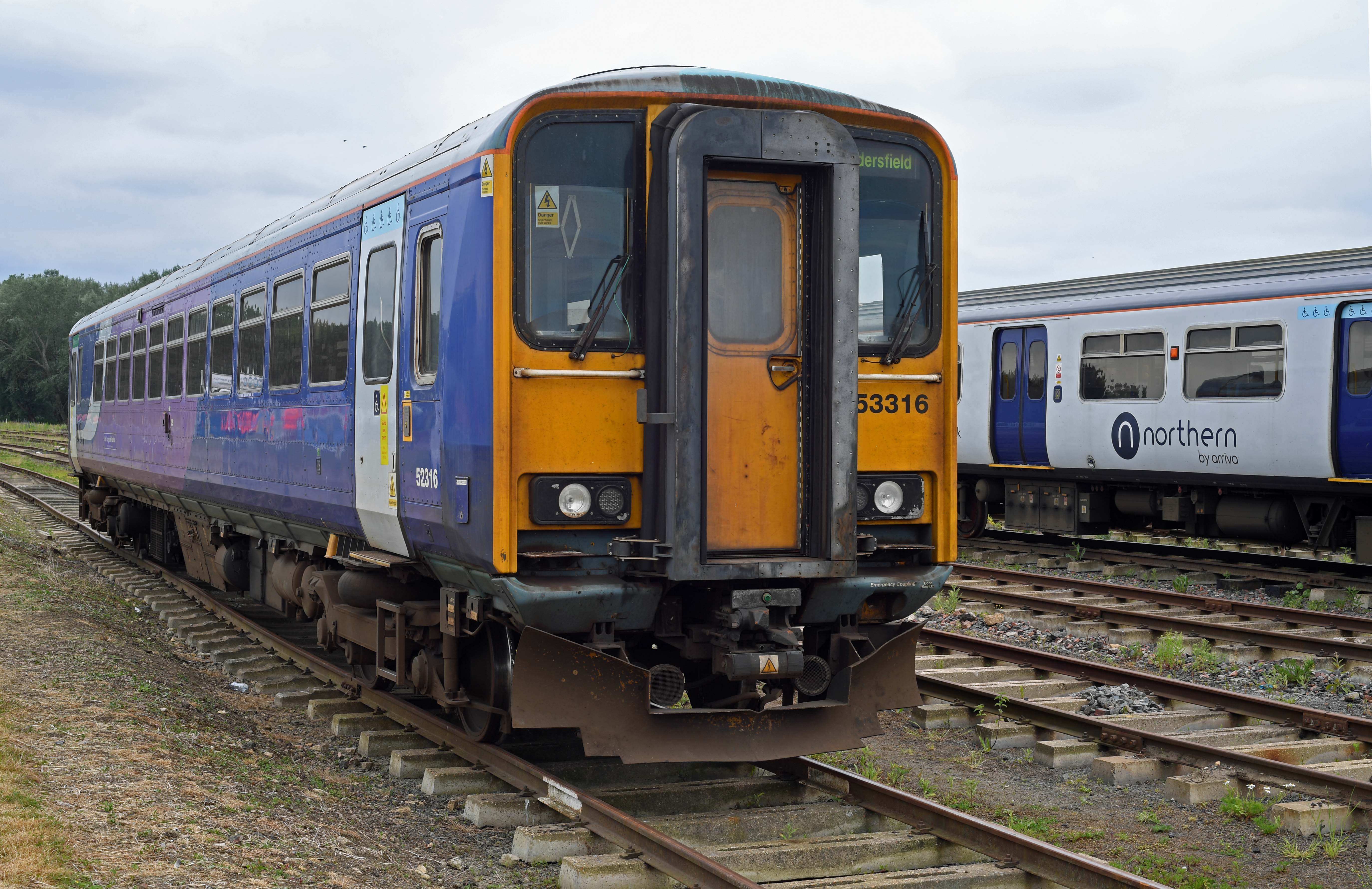
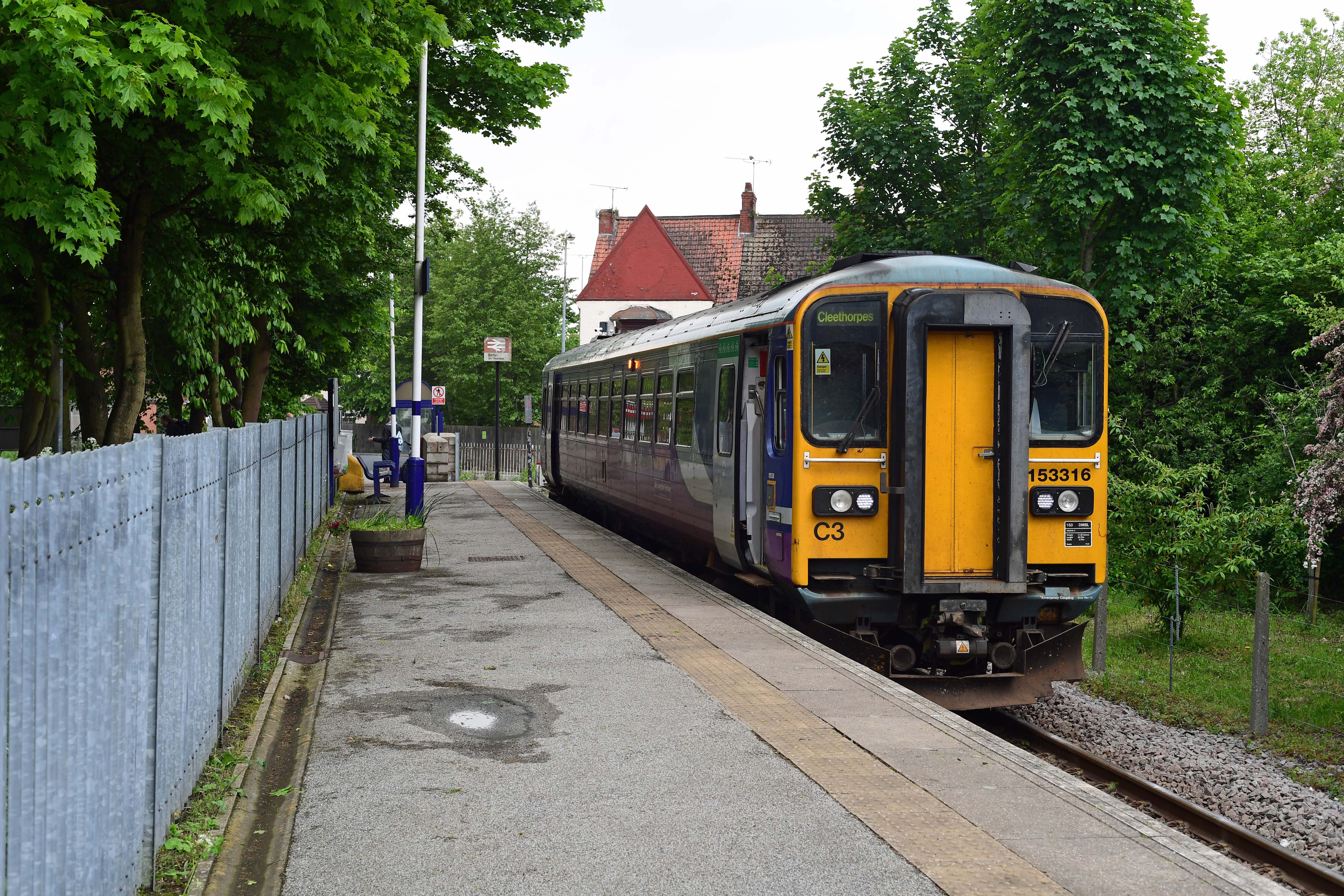
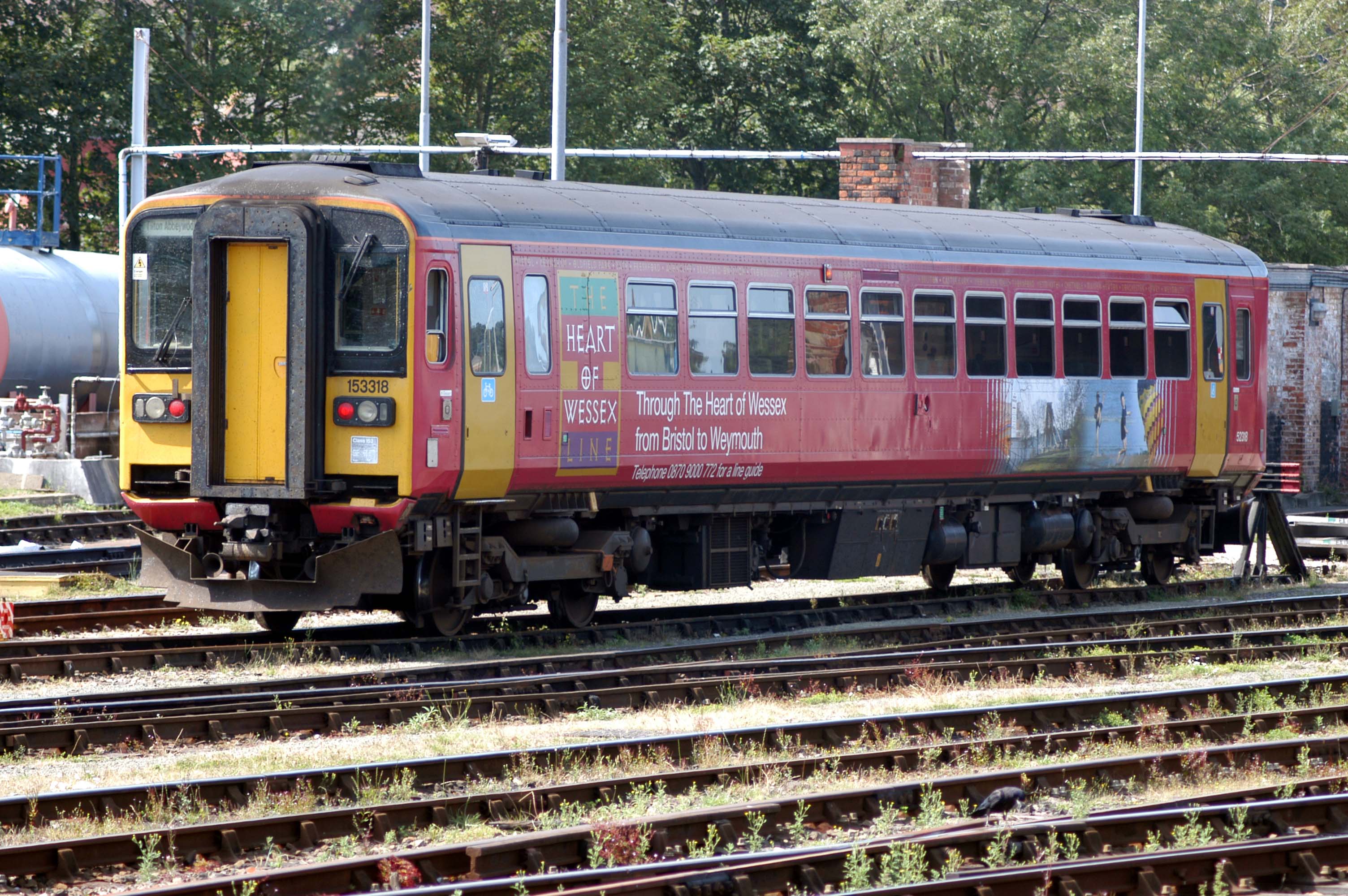
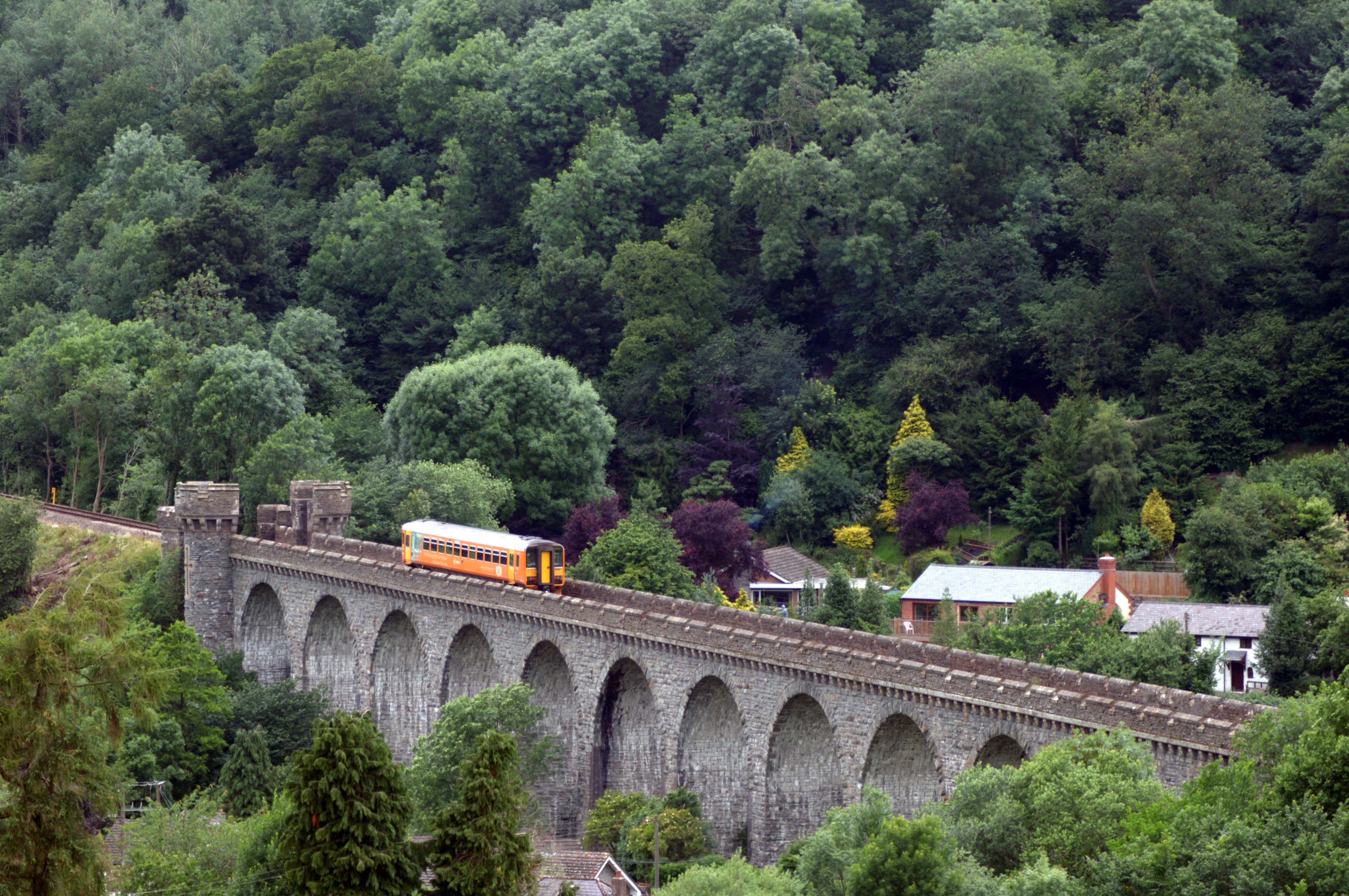
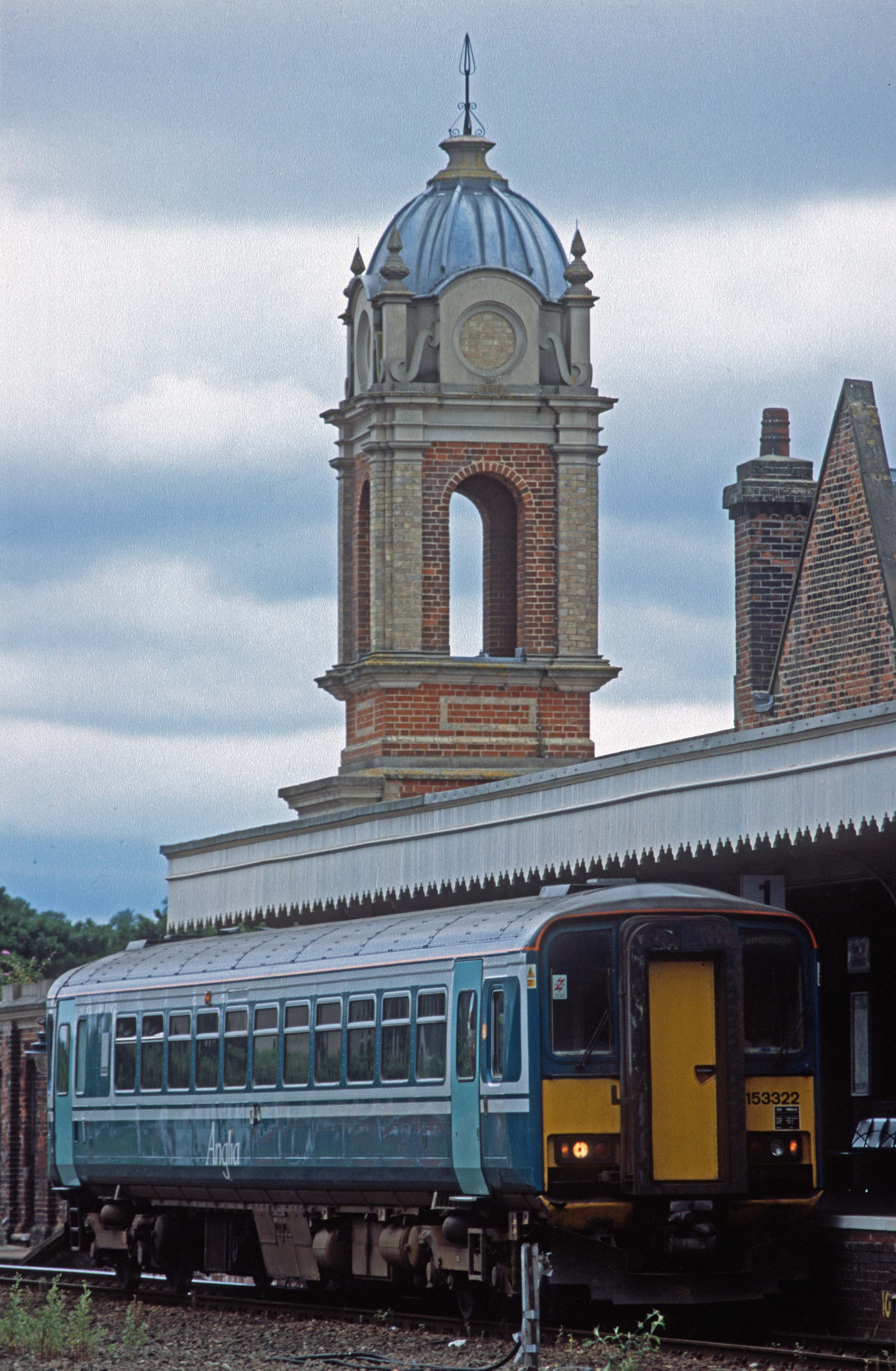
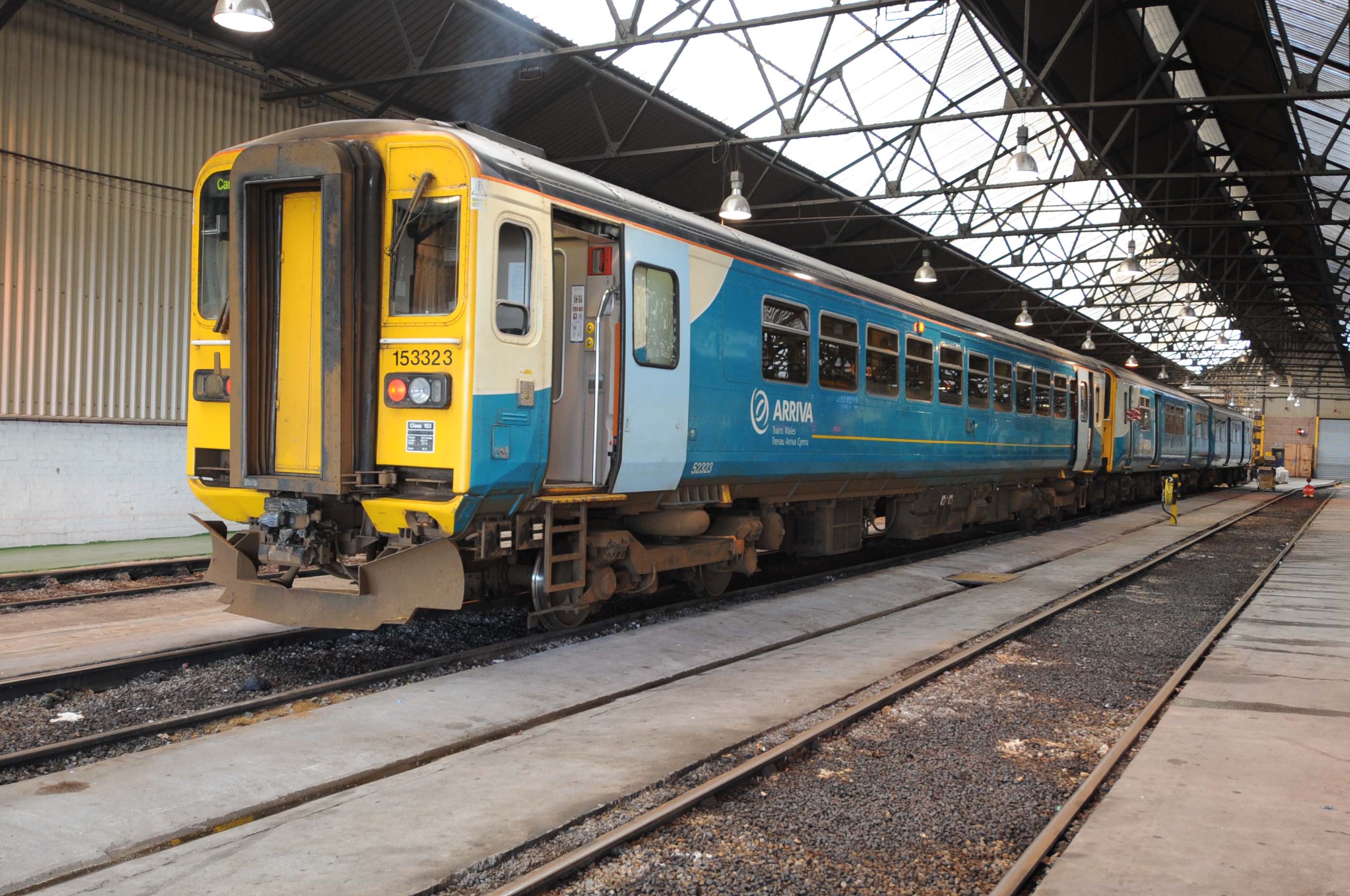
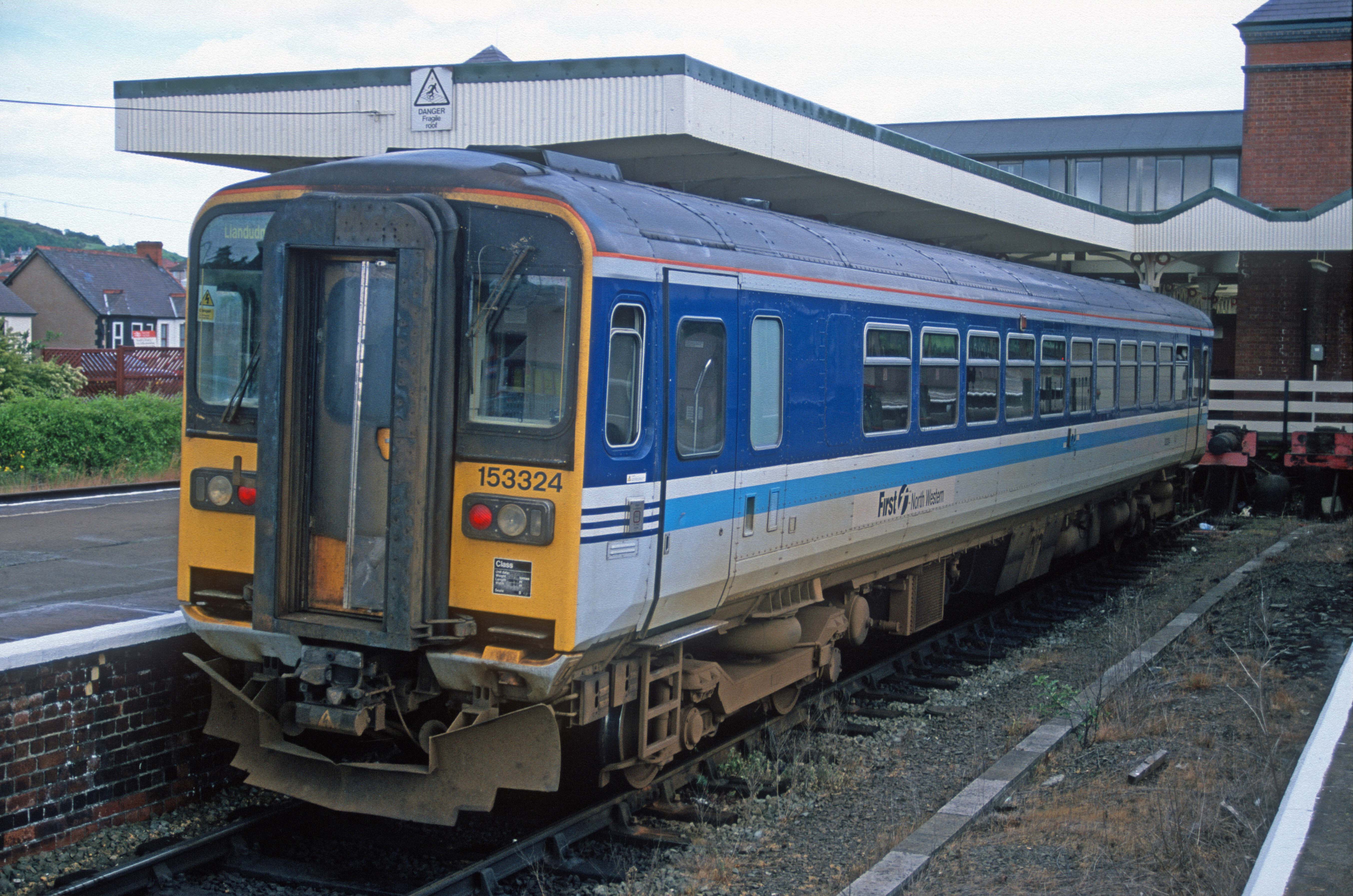
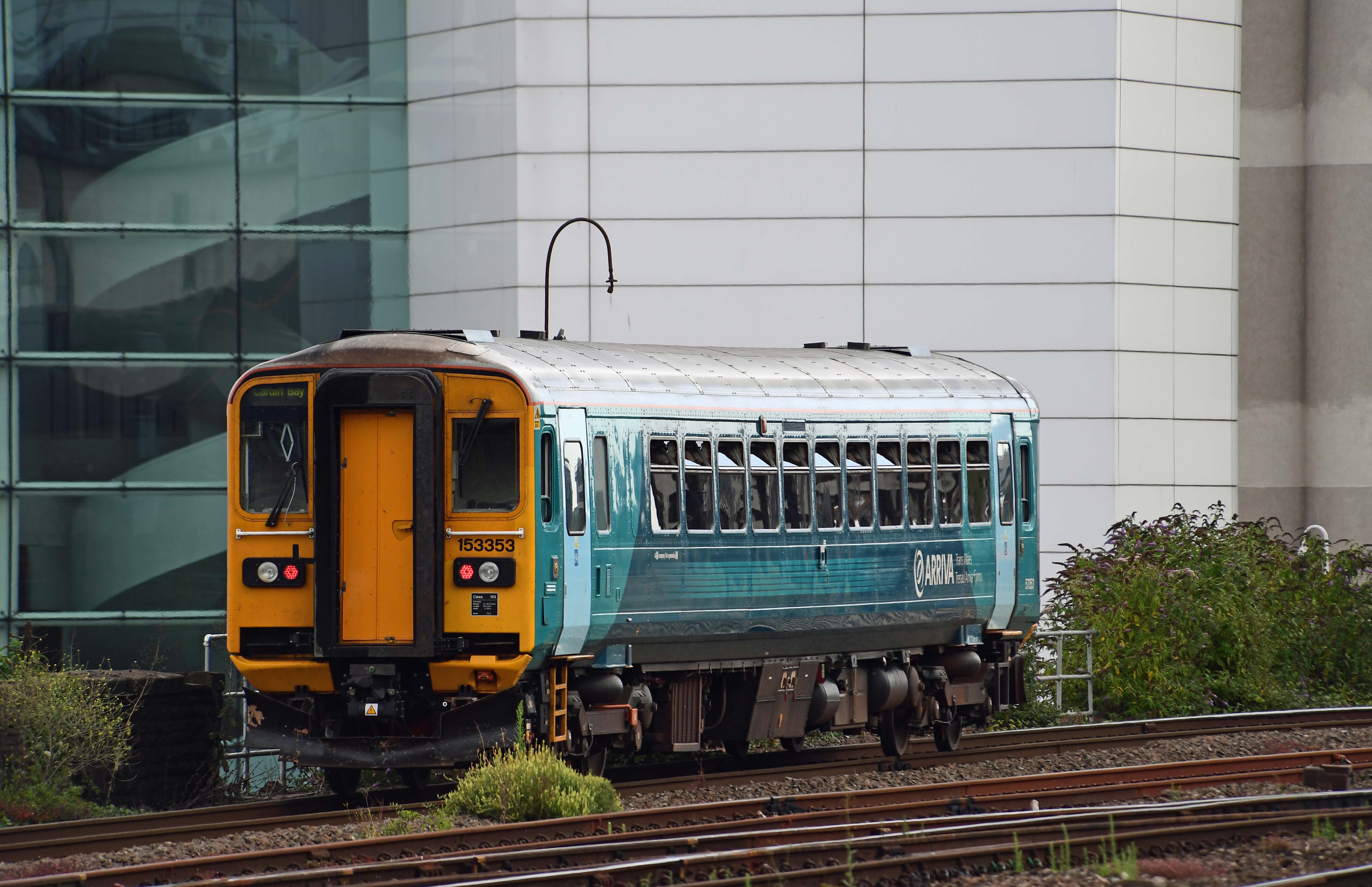
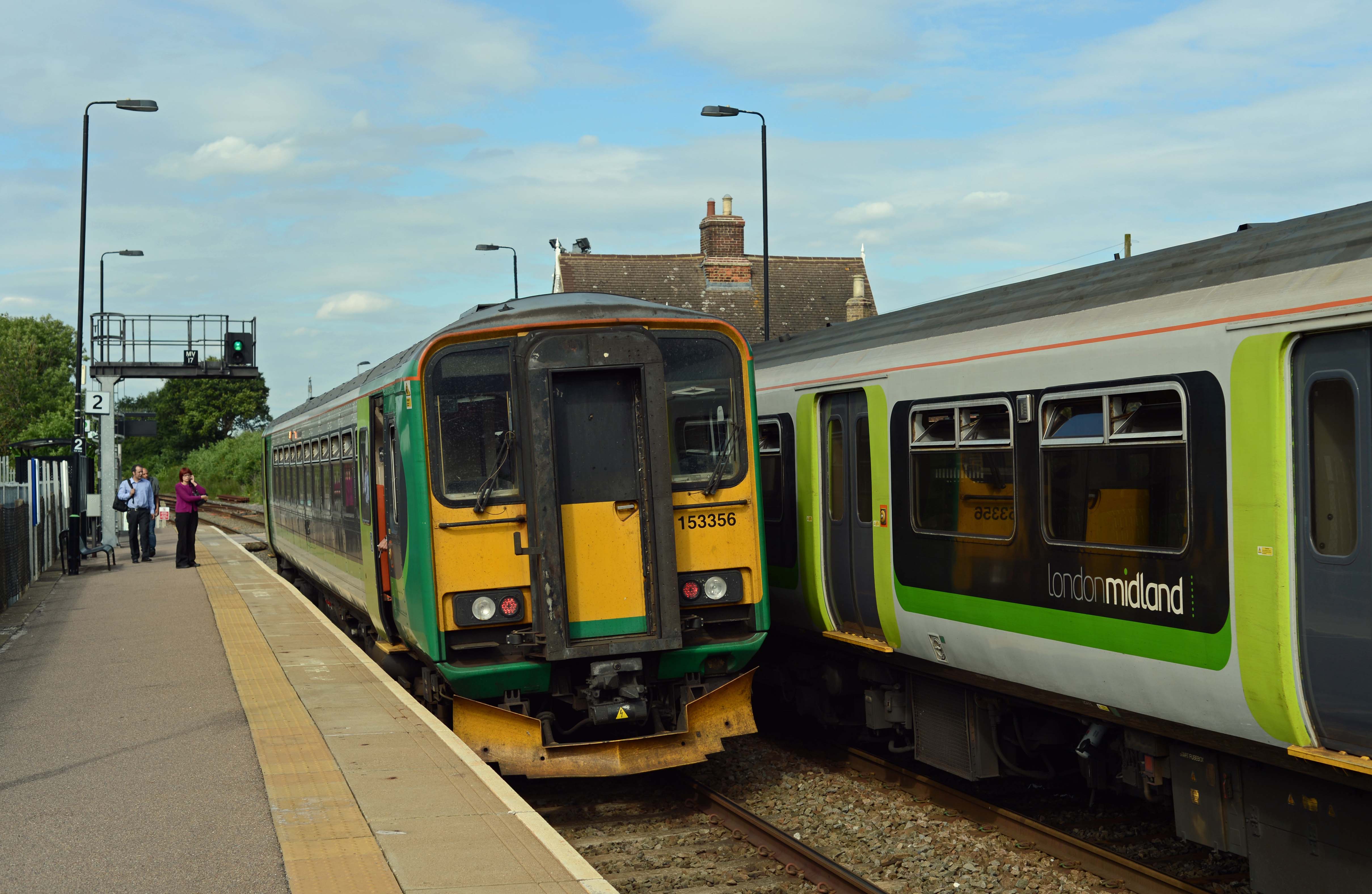
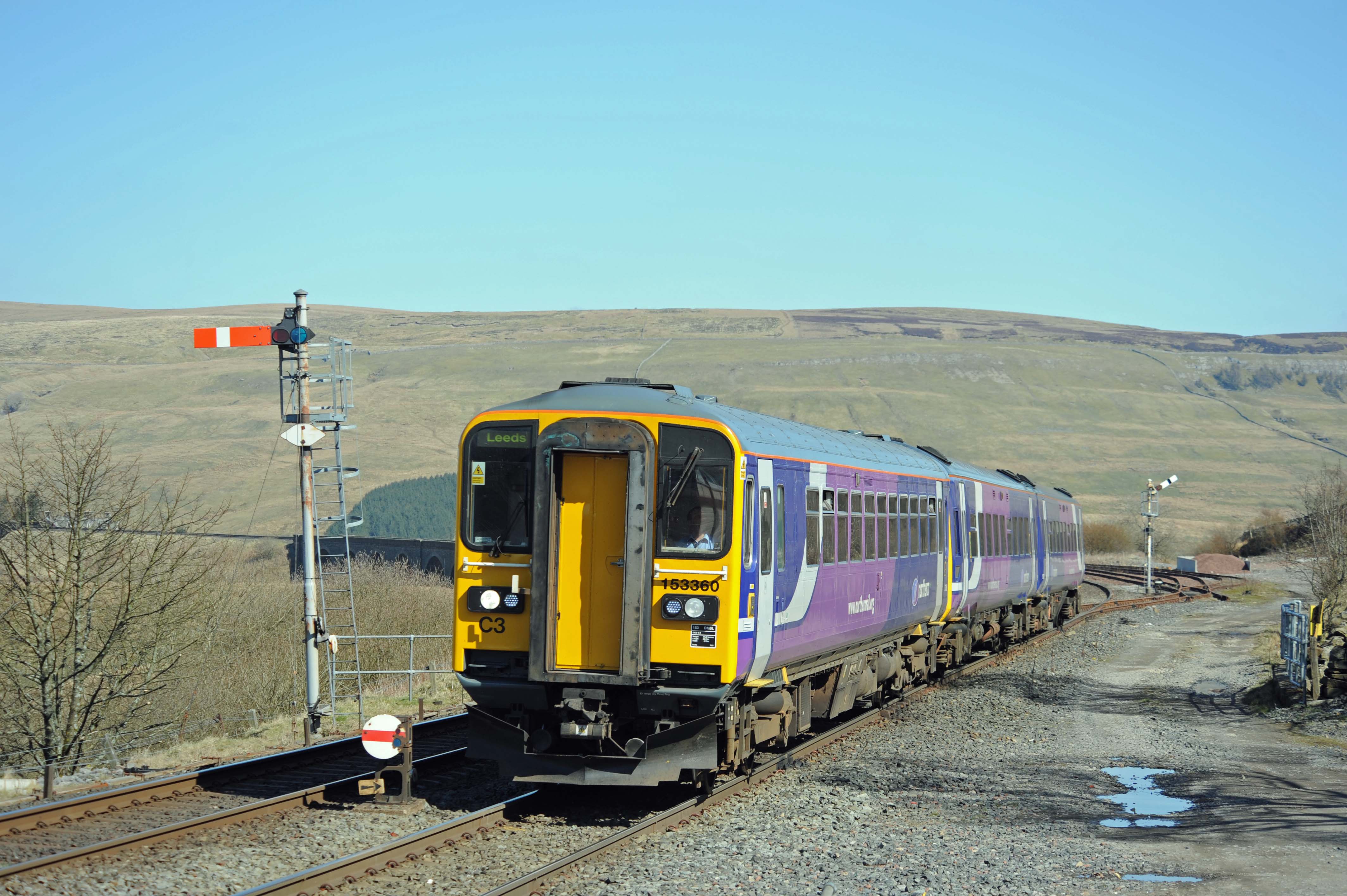
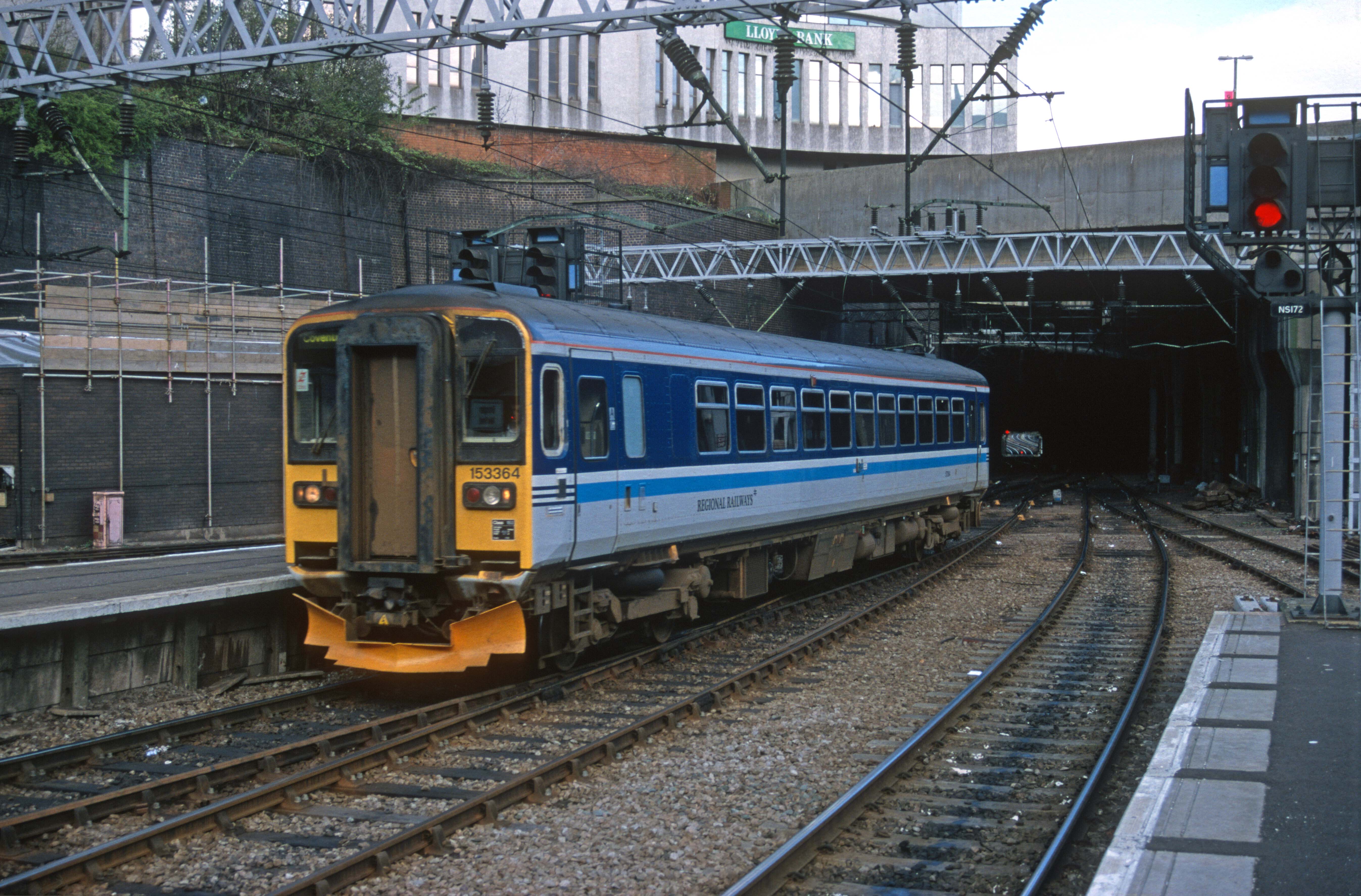
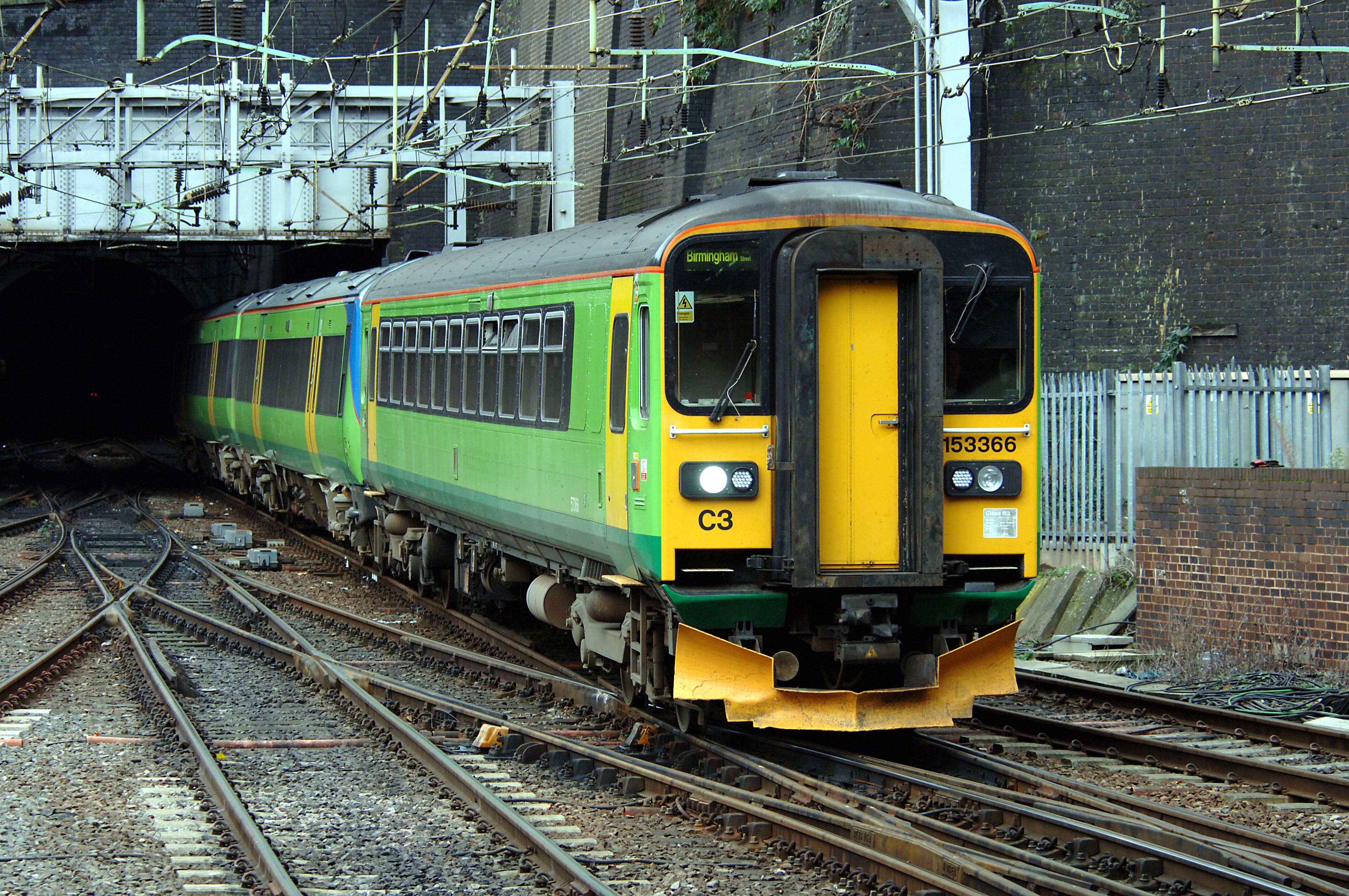
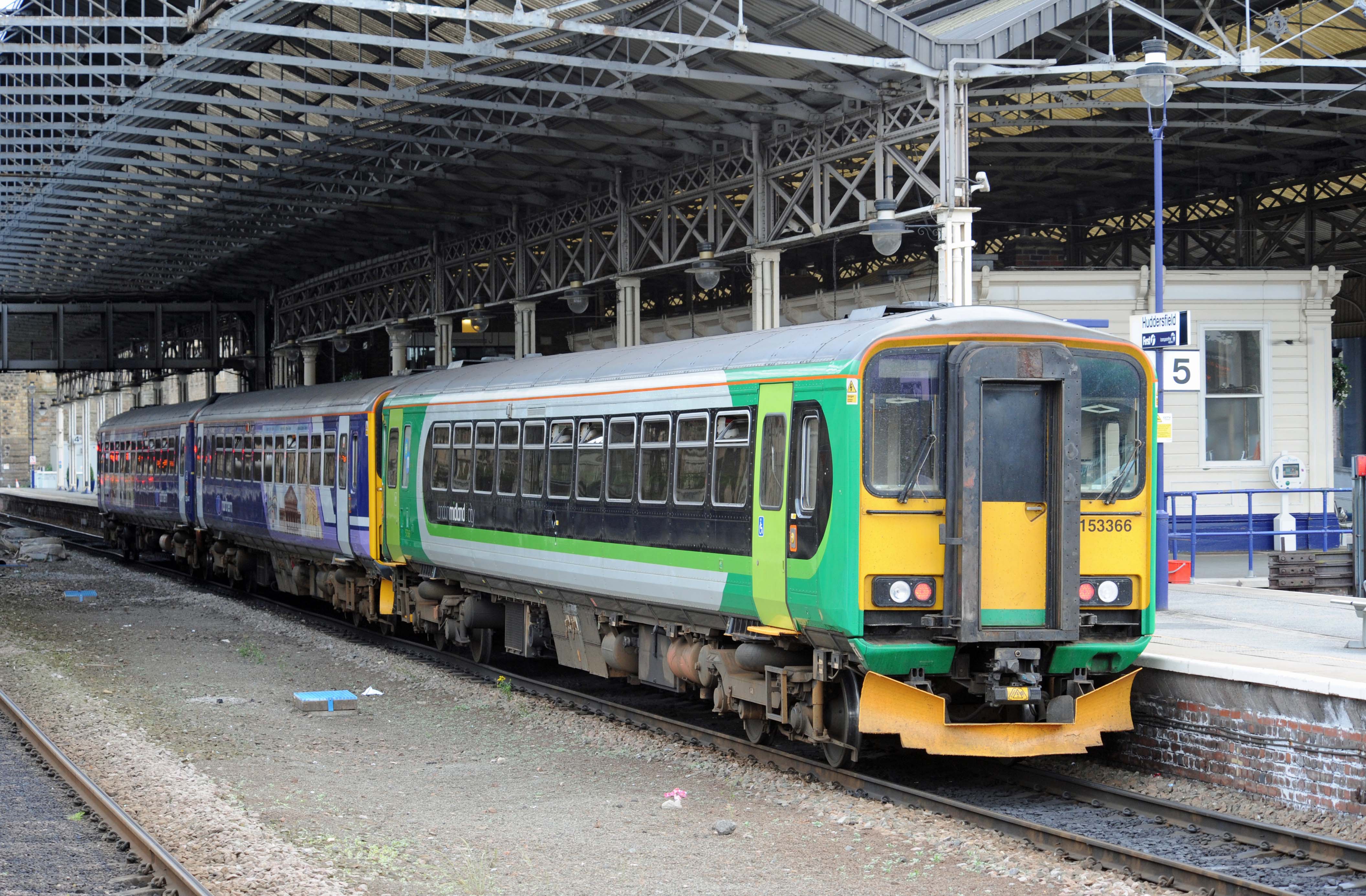
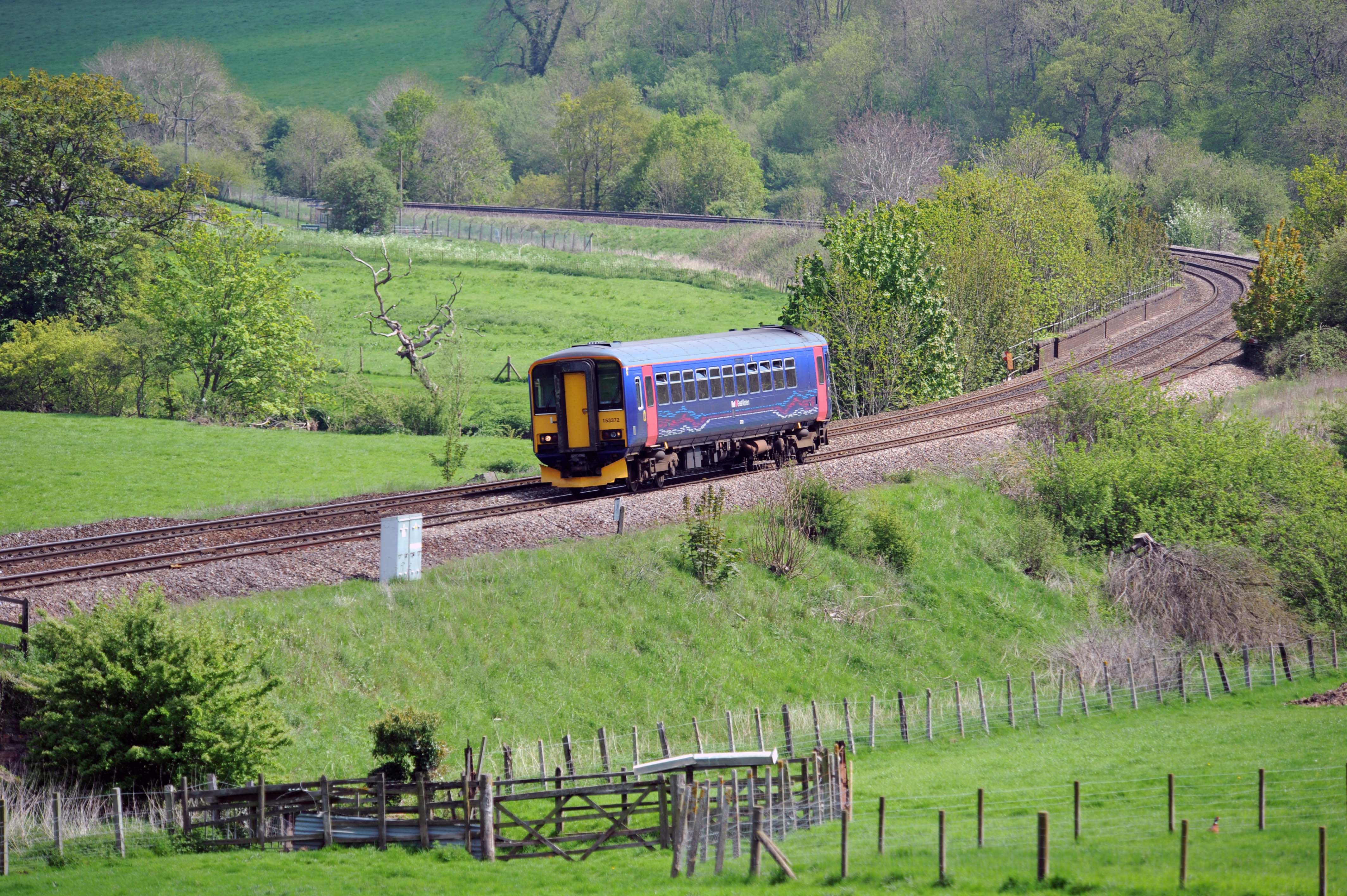
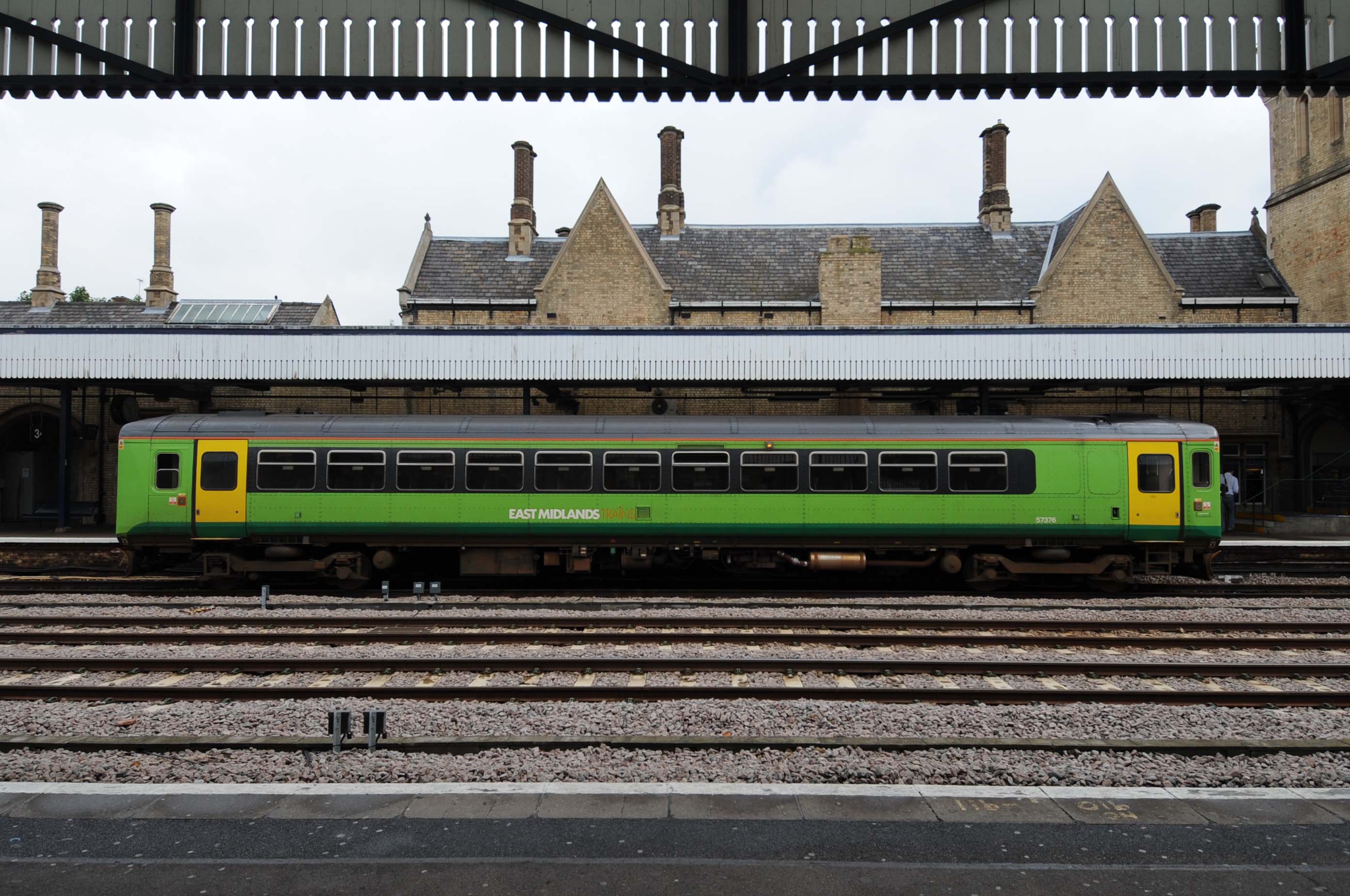
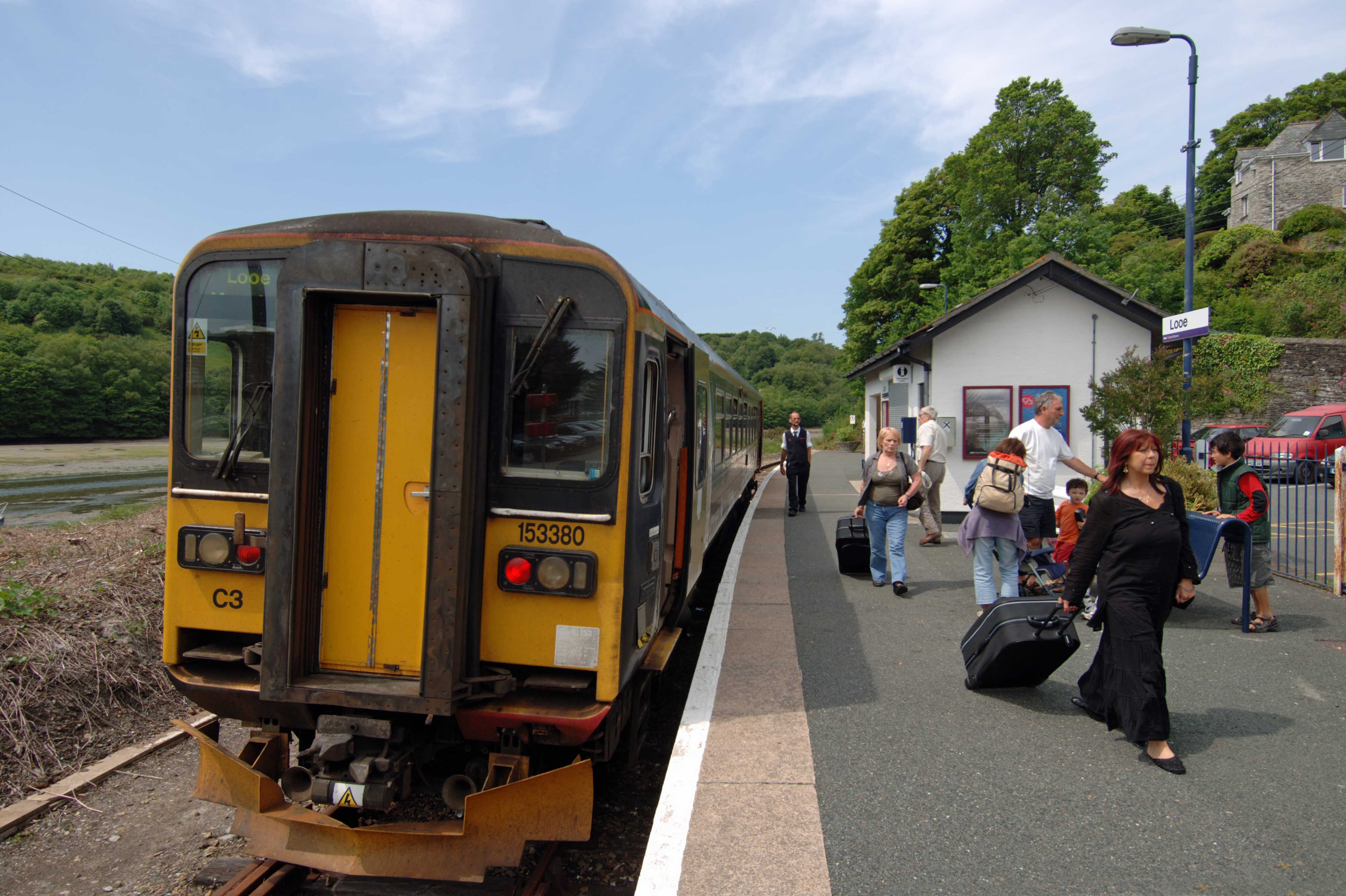
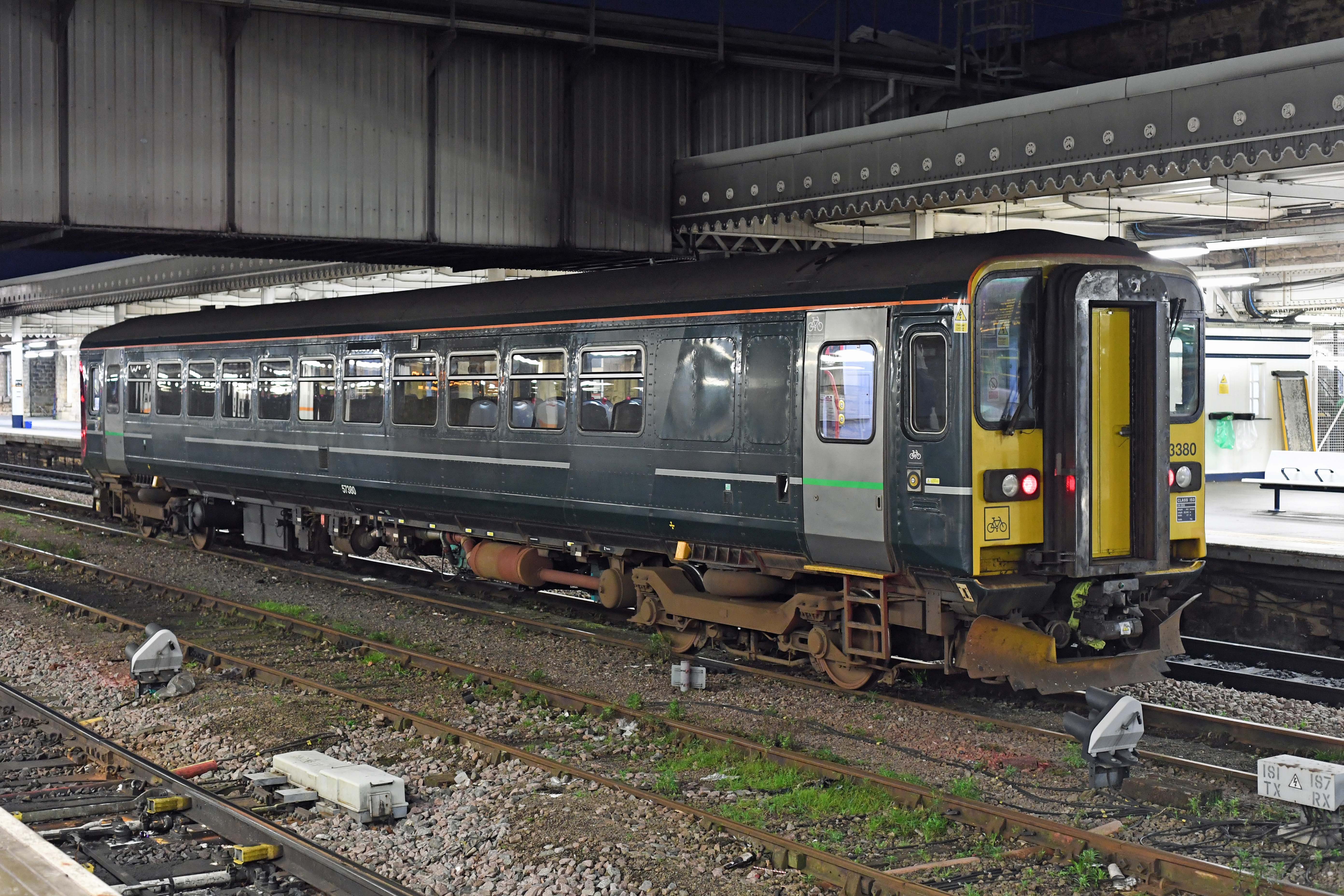
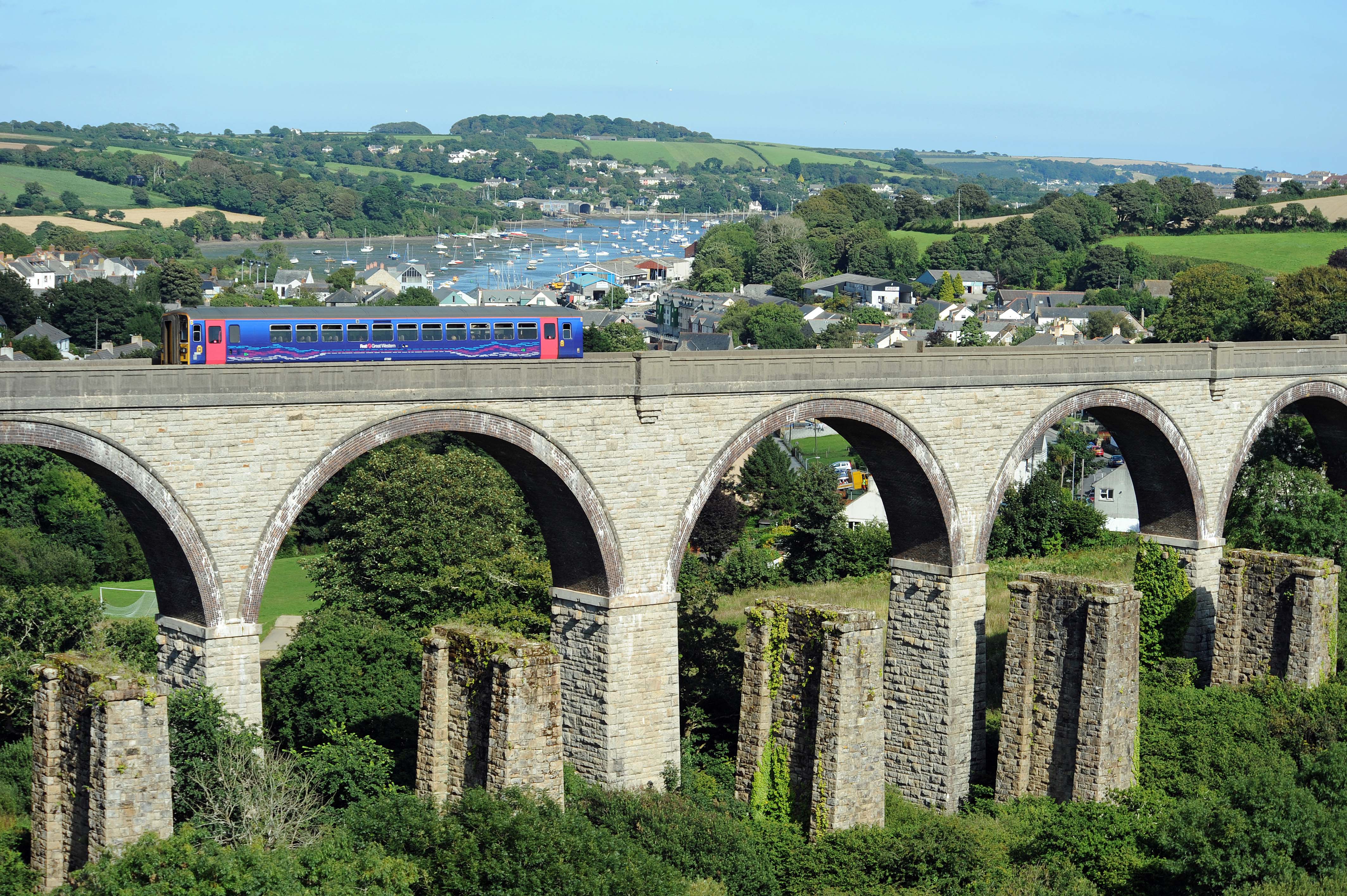
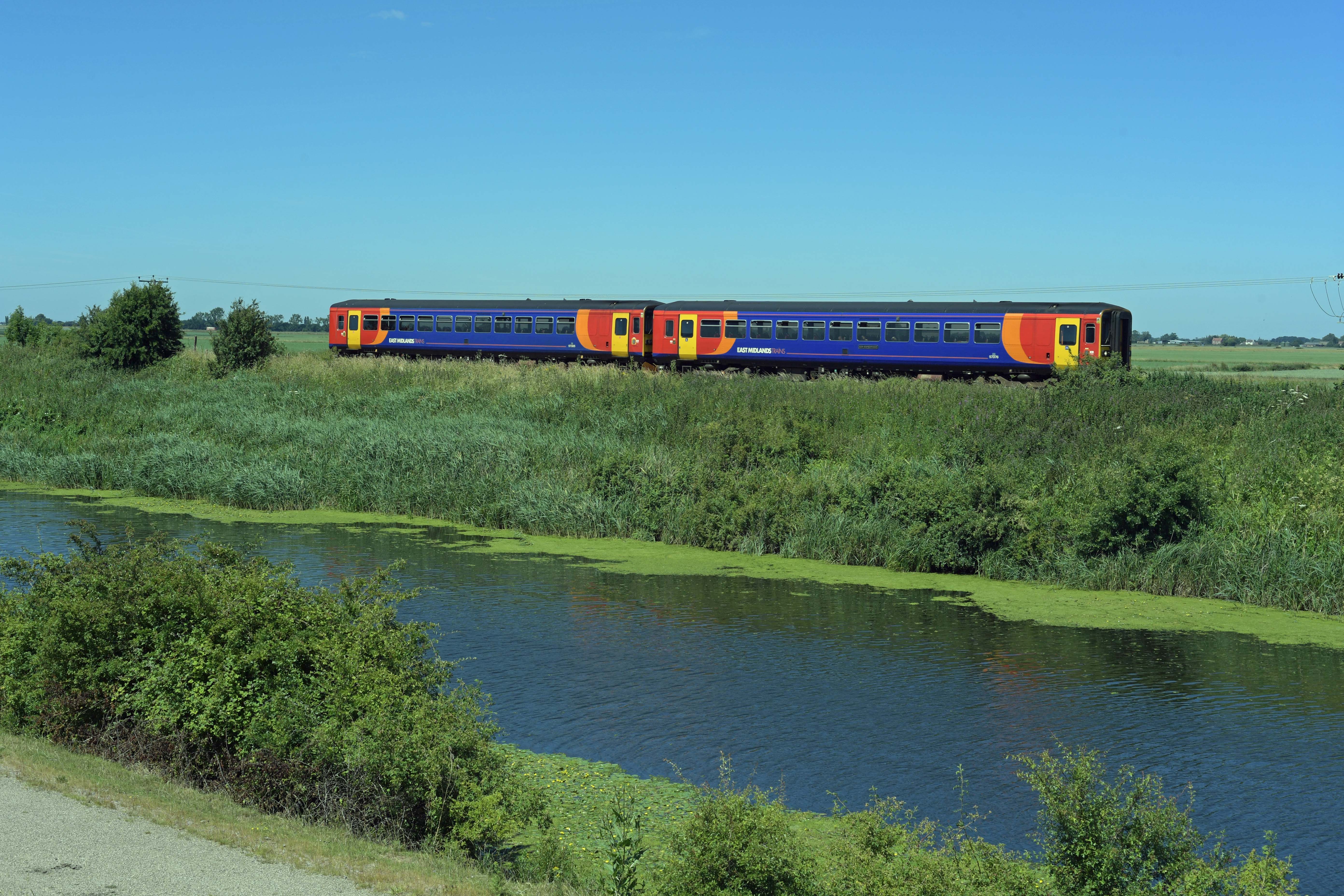
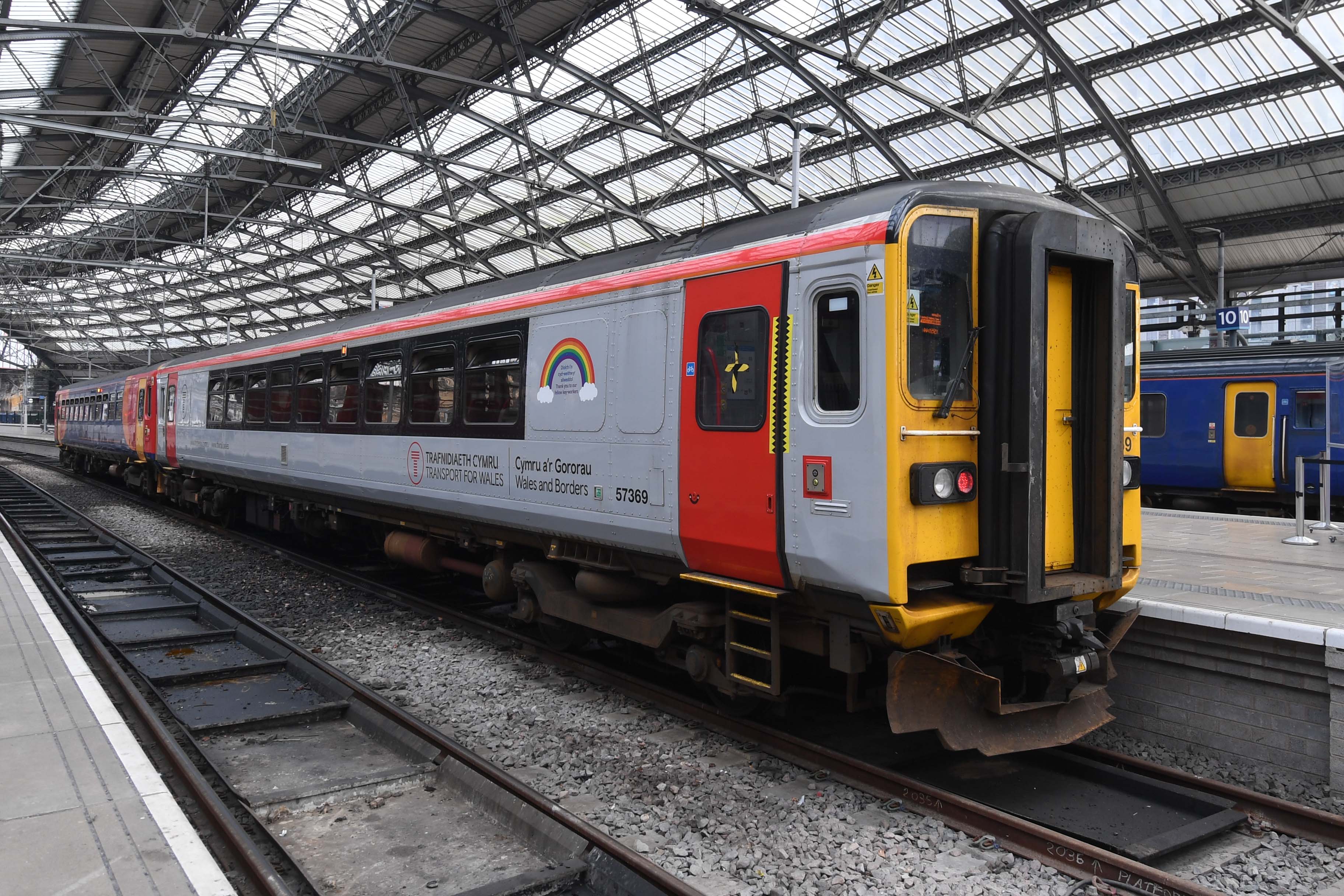
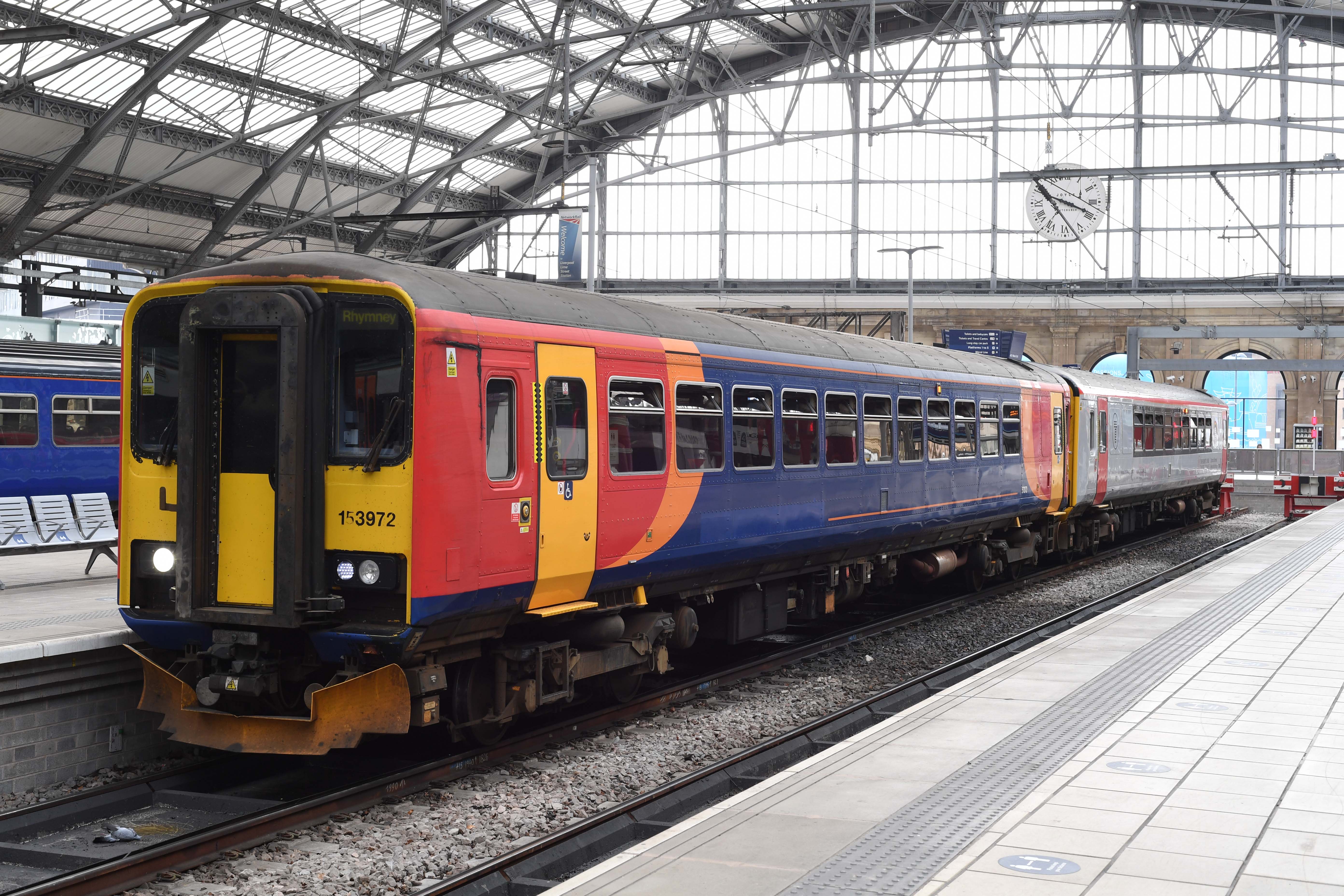
The first of the Class, 153301 seen between duties at Darlington on the 24th April 1997. MTL Holdings had taken over services in the area just a few weeks before on the 2nd March 1997. The unit’s still in full Regional Railways livery and branding.153302 is the first of the 153s which has been cut up. It’s seen here when it was operated by East Midlands Trains. On the 12th July 2018 it was calling at Market Rasen with a service from Grimsby to Newark North Gate. In 2020 it was transferred to Transport for Wales who stripped it for spares to keep other units in service. The shell of the unit went for scrap in June 2021. Sporting Arriva Trains Wales livery and branding 153303 is pictured at Cardiff Bay on the 24th September 2012 when it was working the shuttle service from Cardiff Queen St. Northern Rail’s 155304 on jacks at Leeds Neville Hill depot on the 21st January 2014. At the time, Northern had 18 of the railcars based at Neville Hill for operating services across their empire, along with other sets at Heaton and Newton Heath. Here’s as far West as you can get on the UK rail network! 153305 in full First Great Western livery is seen at Penzance on the 10th August 2009. Based at Exeter, this was one of 12 153s operated by FGW which worked services across the Devon and Cornwall branches and sometimes further afield. This unit is now in Scotland having been converted into a bike carrier for use on the Glasgow – Oban line. 153306 wearing the base Anglia livery but with the added National Express white stripe and branding, seen at Norwich on the 22nd July 2010. It was one of 5 such units operated by the TOC, all of which were based at Norwich Crown Pont and used on Norfolk and Suffolk services plus the Marks Tey – Sudbury branch. An unidentified Anglia 153 crosses the Great Ouse at Ely whilst working the 14.54 Ely to Ipswich on the 22nd March 2003. Several years later this bridge collapsed and the replacement is far less photogenic.Former First North-Western 153310 seen after transfer to Arriva trains Wales at Llanwrtyd Wells on the ‘Heart of Wales’ line on the 26th June 2007.The 153s see regular service in Pembrokeshire working trains on some of the more lightly used branches. Here’s 153312 calling at Tenby en-route to Pembroke Dock on the 18th June 2019.A few years earlier on the 22nd March 2003 153314 in a version of ‘ONE’ livery but with Anglia branding is seen at Ely with the 13.54 to Ipswich. On the 26th July 2003 Arriva Trains Northern liveried 153315 sits at Doncaster with a service for Scunthorpe. This franchise was merged with the North-Western franchise to become Northern in December 2004. Post Covid with the railways reducing capacity on the order of the Government more 153s found themselves surplus to requirements now that trains no longer needed strengthening. Here’s former Northern unit 153316 in store at Porterbrook leasing’s site at Long Marston on the 17th June 2021. Here’s 153317 in more productive times, when it was covering services on Northern’s isolated outpost in Lincolnshire otherwise know as the Barton-on-Humber branch. Seen on the 18th May 2017. Here’s Wessex trains 153318 seen at Exeter depot on the 31st July 2004, sporting ‘Heart of Wessex’ advertising livery. This franchise operated 13 of the units between and 1st October 2001 and the 1st April 2006 when it was absorbed by First Great Western who took over the 153s. Arriva Trains Wales operated 153320 crosses the Knucklas viaduct on the ‘Heart of Wales’ line on the 27th June 2007. On the 17th July 2003, 153322 in full Anglia livery is pictured at Bury St Edmunds whilst working the 13.19 to Peterborough. 153323 bearing Arriva livery and Welsh branding is stabled in the carriage shed at Cardiff Canton on the 18th November 2008. On the 24th May 2000 Regional Railways liveried (but First NorthWestern branded) 153324 sits in the bay at Llandudno Junction in the days when First NW ran services along the North Wales coast. Here’s 153353 in a revised version of the Arriva Trains Wales livery, seen departing Cardiff Queen St on the shuttle service to Cardiff Bay. 24th July 2017. London Midlands 153s were regulars on the Bedford to Bletchley branch shuttles. Here’s 153356 at the pretty station at Ridgemont (visit the lovely tea room in the old station building) on the 3rd July 2014. Here’s Northern’s 153360 being used to strengthen a service on the glorious Settle and Carlisle line, seen arriving at Garsdale on the 2nd April 2009. Another of the first Class 153s to go for scrap (this time only recently) 153364 is seen in Regional Railways livery working a service out of Birmingham New St bound for for Coventry on the 29th of March 1997.Still in Central trains livery but now working for London Midland here’s another of the first units to be scrapped. 153366 arrives at Birmingham New St on the 28th November 2007. Here’s 153366 again several years later on the 19th May 2011. Wearing London Midland livery it’s very ‘off-route’! It was on loan to Northern at the time and it’s seen coupled to one of what it used to be – a Class 155 at Huddersfield. First Great Western liveried 153372 approaches Freshford en-route to Bristol Temple Meads on the 6th May 2008Here’s 153376 at Lincoln on the 17th July 2009. Still sporting Central trains livery but East Midlands branding having been inherited from the former franchise operator in December 2007. The difference in the size of the two cabs is very noticeable in this shot. EMT had 17 of these units on its books at the time, all based at Nottingham’s Eastcroft Depot. 153380 pictured at journey’s end at Looe on the scenic Cornish branch line on the 12th June 2006. Thanks to the community rail movement these branches have seen massive growth in passenger numbers which outstripped the capacity of the 153s.It’s the 31st January 2020 and who knew what craziness was about to befall the railways due to a global pandemic? Former GWR 153380 still wearing the company’s green livery but minus branding is stood in Sheffield station after being transferred to Northern. It didn’t stay long before moving to Scotrail who had it converted into a hybrid bike carrier. First Great Western’s 153382 crosses the viaduct at Penryn on the Falmouth Harbour branch from Truro on the 11th August 2009. Here East Midlands Trains 153385 and 153376 near Hubberts Bridge on line to Skegness seen on the 27th July 2018. 153369 and 153962 sporting Transport for Wales and East Midlands Trains livery are pictured at Liverpool Limes St on the recently introduced service to/from Chester on the 18th April 2021. The same train with the renumbered ex-EMR vehicle leading.
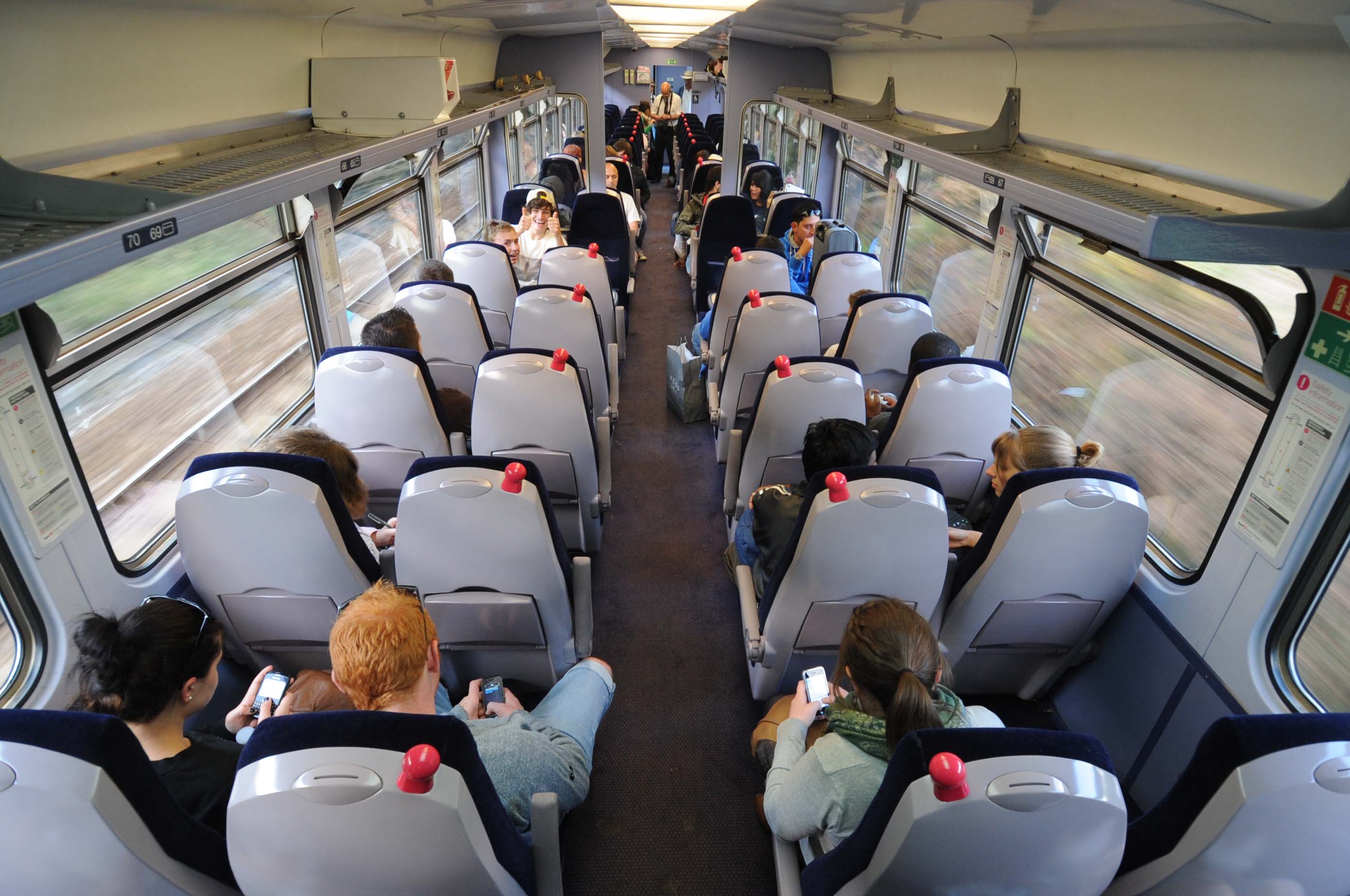
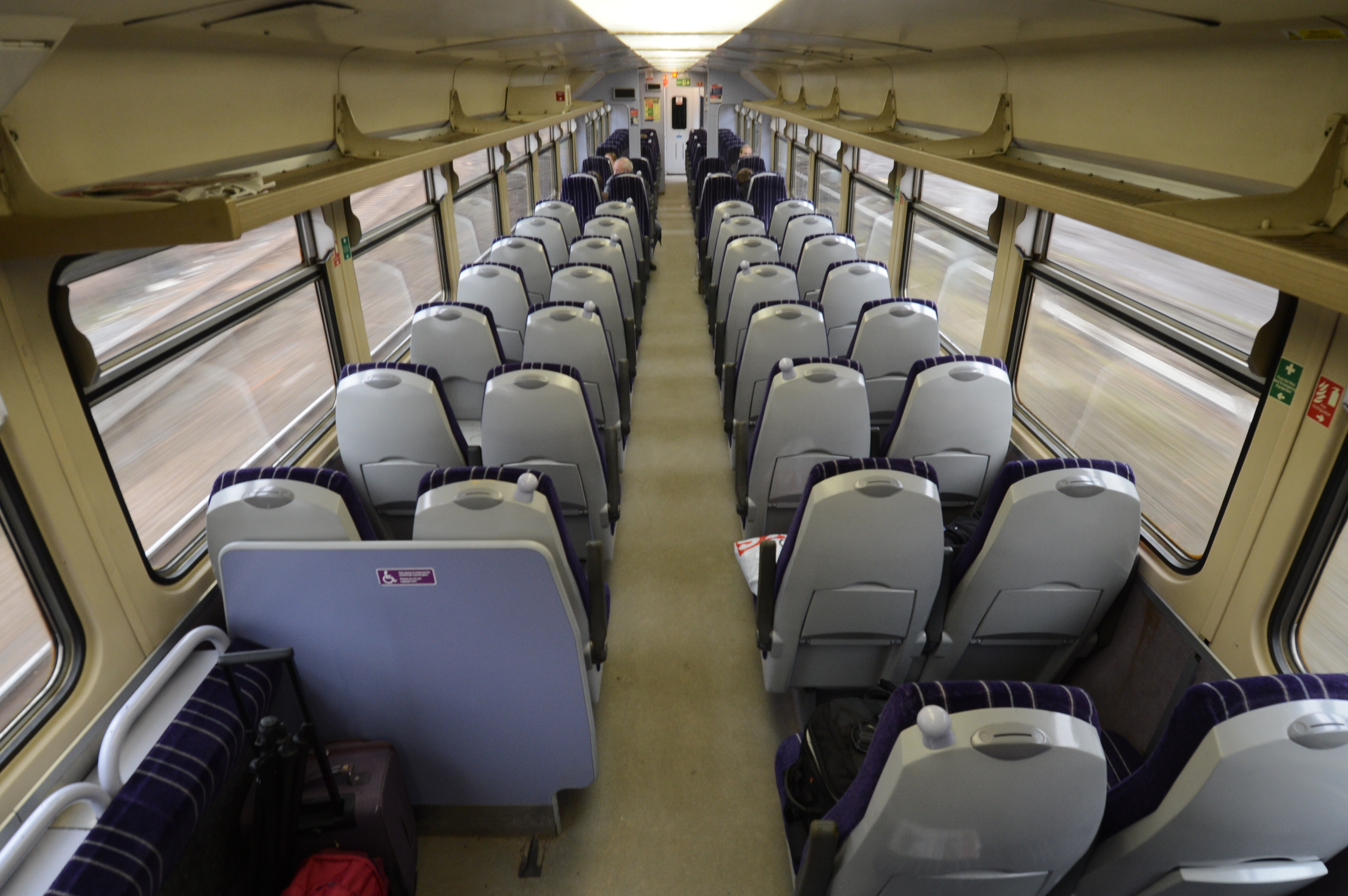
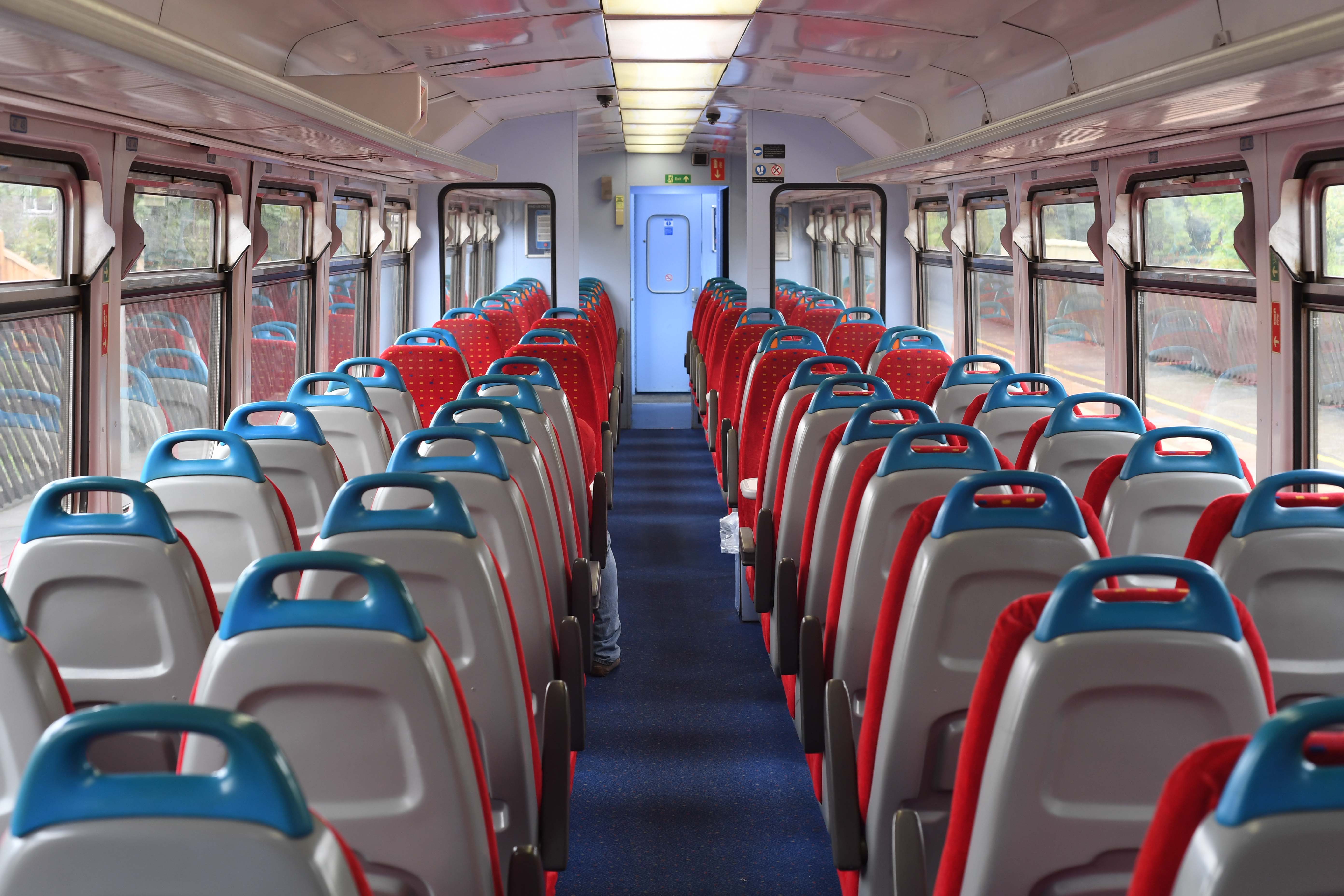
Here’s a few internal views to show the difference between different TOCs (or not).Here’s GWRs well loaded 153370 operating on the Falmouth branch on the 7th March 2013. At this time the franchise operated 14 Class 153s after the fleet had been strengthened with arrivals from Arriva Trains Wales and London Midland. Here’s the interior of Northern’s 153351 seen on the 7th March 2013. The same design of seats as GWR are in use.This is East Midlands Trains 153308 seen on the 20th September 2016. The general layout is the same but the seat type is different.
I’ve a favour to ask… If you enjoy reading this blog, please click on an advert or two. You don’t have to buy anything you don’t want to of course – although if you did find something that tickled your fancy that would be fab! – but the revenue from them helps me to cover some of the cost of maintaining this site (which isn’t cheap and comes out of my own pocket). Remember, 99% of the pictures used in my blogs can be purchased as prints from my other website – https://paulbigland.zenfolio.com/
Here’s the final blog on the BR built Class 321s. I’ve lumped the final build of 3 Class 321/9s and 5 Class 322s together as they were both such small fleets.
The trio of 321/9s were built at BREL York in 1991. They were the final build of the Class 321 design. They were built for Regional Railways but paid for by for West Yorkshire Passenger Transport Executive who wanted them to operate local services on the newly electrified route from Doncaster to Leeds, so the units were built with all Standard Class seating. They shuttled between the two locations for several years before their sphere of operation was extended to include the Wharfdale line when the route was electrified in 1995.
Little changed for many years apart from liveries as they transferred from British Rail to Northern Spirit, then Northern Rail in all its incarnations. The units were refurbished by Hunslet-Barclay in Kilmarnock during 2006-2007 when they received an internal refit and and lost their original WYPTE livery for a derivative of the livery applied to the Class 333s with whom they shared Wharfdale services.
They remained based in West Yorkshire until they were displaced by the new CAF built Class 331s in 2020 when they were sent to Abellio Greater Anglia services to allow older (unrefurbished) Class 321s to be retired. The units hang on in service at the moment but are clearly living on borrowed time and their use could finish any time. They’ve been joined in Anglia by the Class 322s, which have had a much more varied career!
The 5 Class 322s were Class 321s in all but name. Like the rest of the fleet they were constructed at BREL York but in 1990, the year before the 321/9s. They were numbered Class 322 as they had minor detail difference to the rest of the builds and were designed for the new Stansted Express service from Liverpool St to Stansted Airport so they were fitted with a much larger 1st Class seating area and 2+2 seating in Standard Class. They were also delivered in their own ‘Stansted Express’ white livery.
The some of the units were loaned out a couple of times. in 1998 a pair were sub-leased to North-Western trains for the short-lived service from Manchester to London Euston. It folded after a year. They also appeared on Silverlink services from Euston and worked for Anglia trains from Liverpool St to Norwich.
They continued to ply their trade to Stansted airport until 2000 when they were displaced by refurbished Class 317/7 trains – after which they became ‘common-user’ and shared duties with the rest of the WAGN fleet on services to Cambridge and Peterborough. This led to their biggest move. In December 2001 all the units were transferred to Scotland to replace slam-door Class 305s on Edinburgh – North Berwick Services. They remained in Scotland until 2004 when they had a brief return to old haunts in order to cover services for the new ‘ONE’ franchise. This was short-lived, within a year they’d returned to Scotland and the North Berwick branch
Like the Class 321/9s they were refurbished in by Hunslet-Barclay in 2006-07 when the 2+2 and 1st class seating layouts where changed and Standard seating increased. The trains remained in Scotland until 2011 when they were displaced by the new Siemens Class 380s. This time they joined the Class 321/9s operating electrified services around West Yorkshire until they too were displaced by the new CAF built Class 331s by May 2020. Following the 321/9s they too were transferred back down to Anglia services which is where they remain to this day until their final withdrawal.
Here’s a selection of pictures of both classes during their time in service.
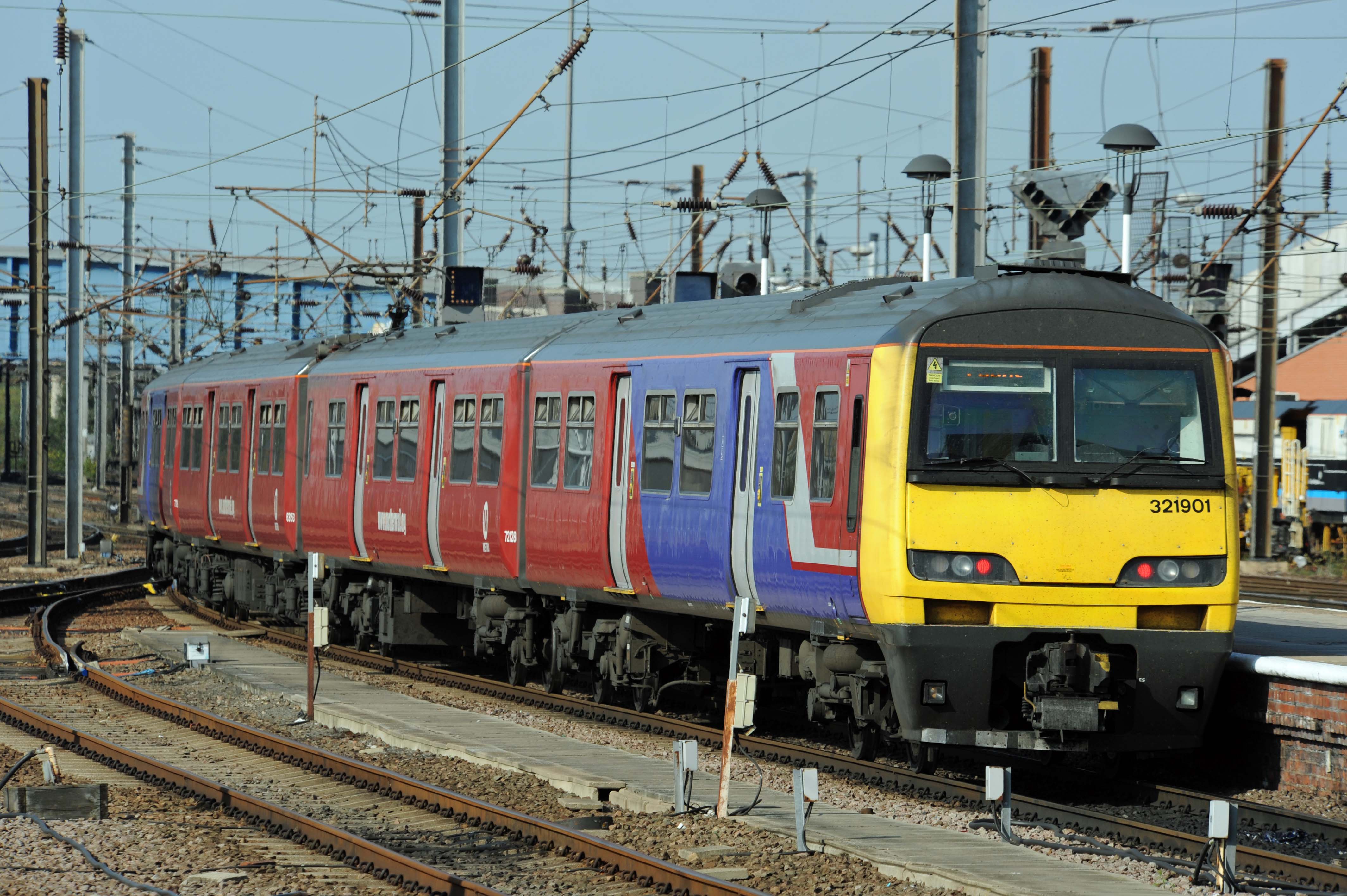
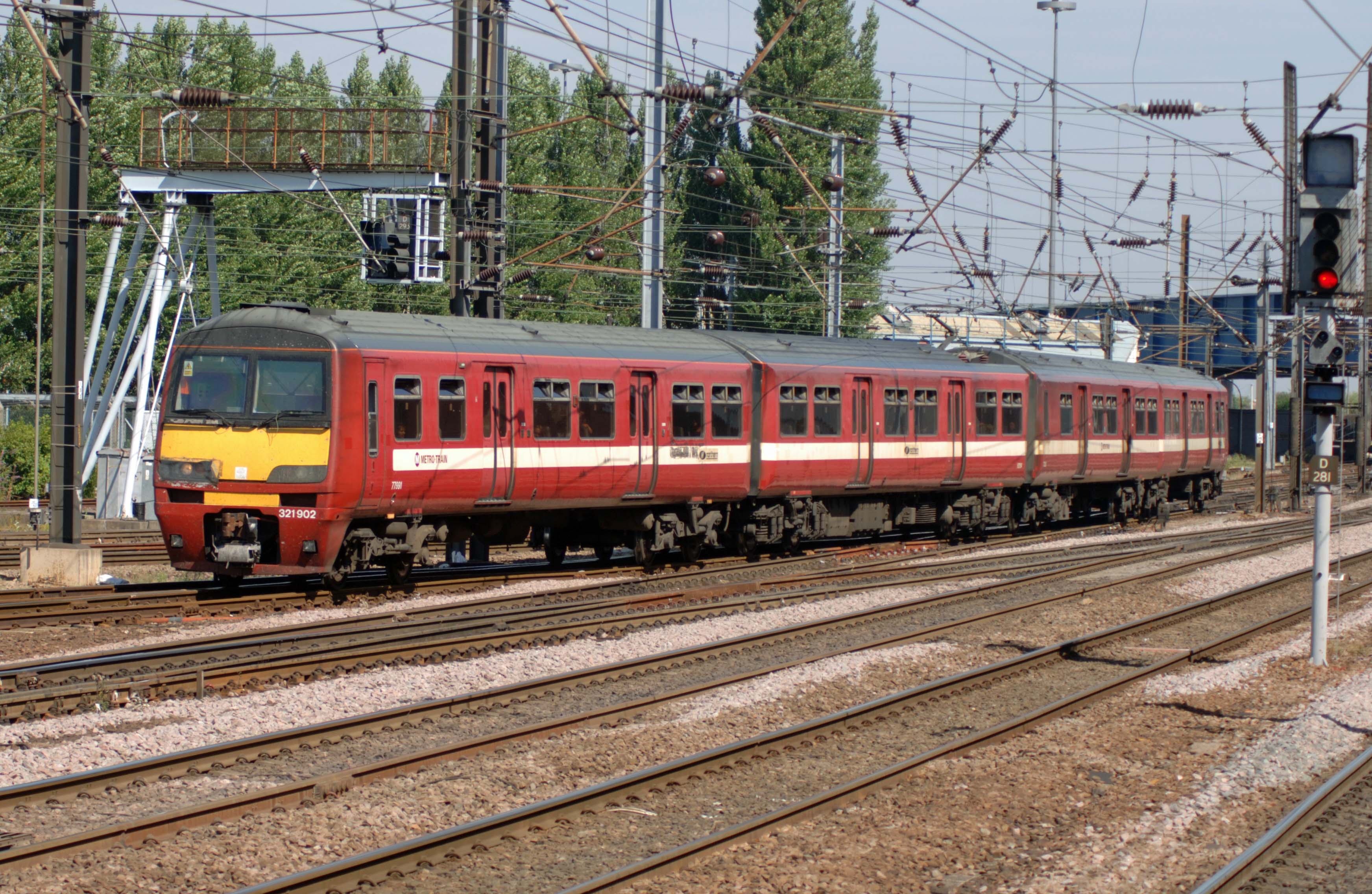
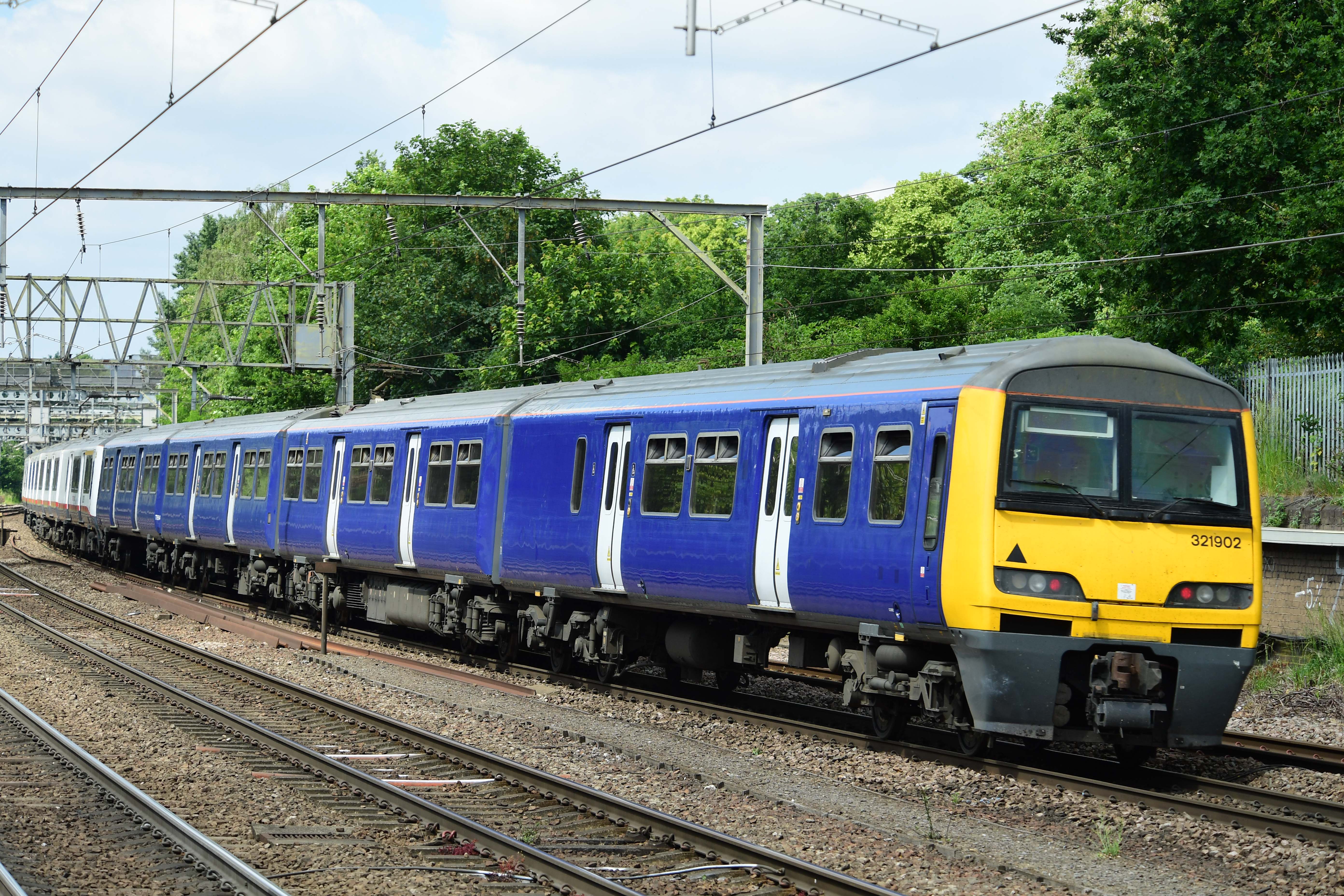
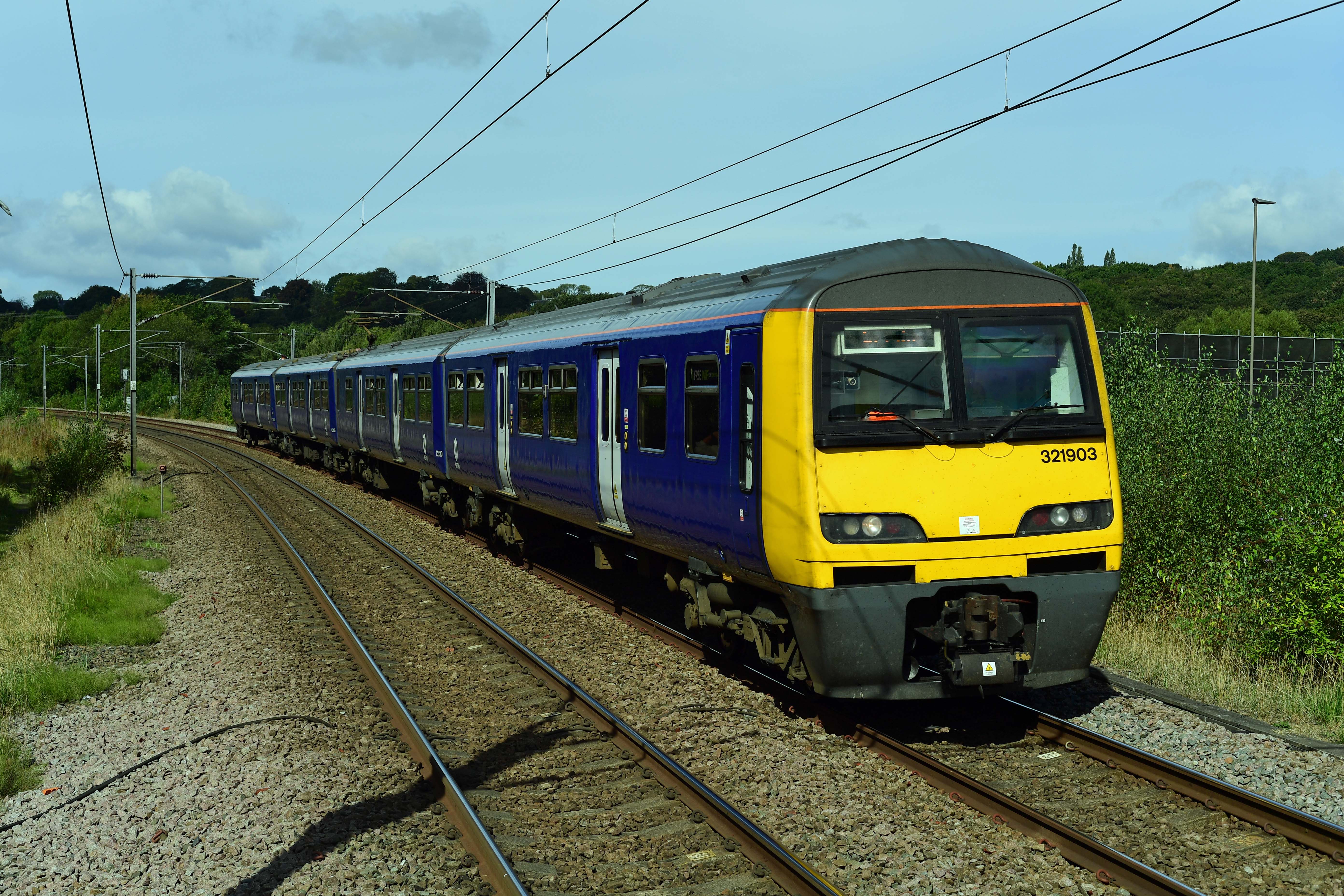
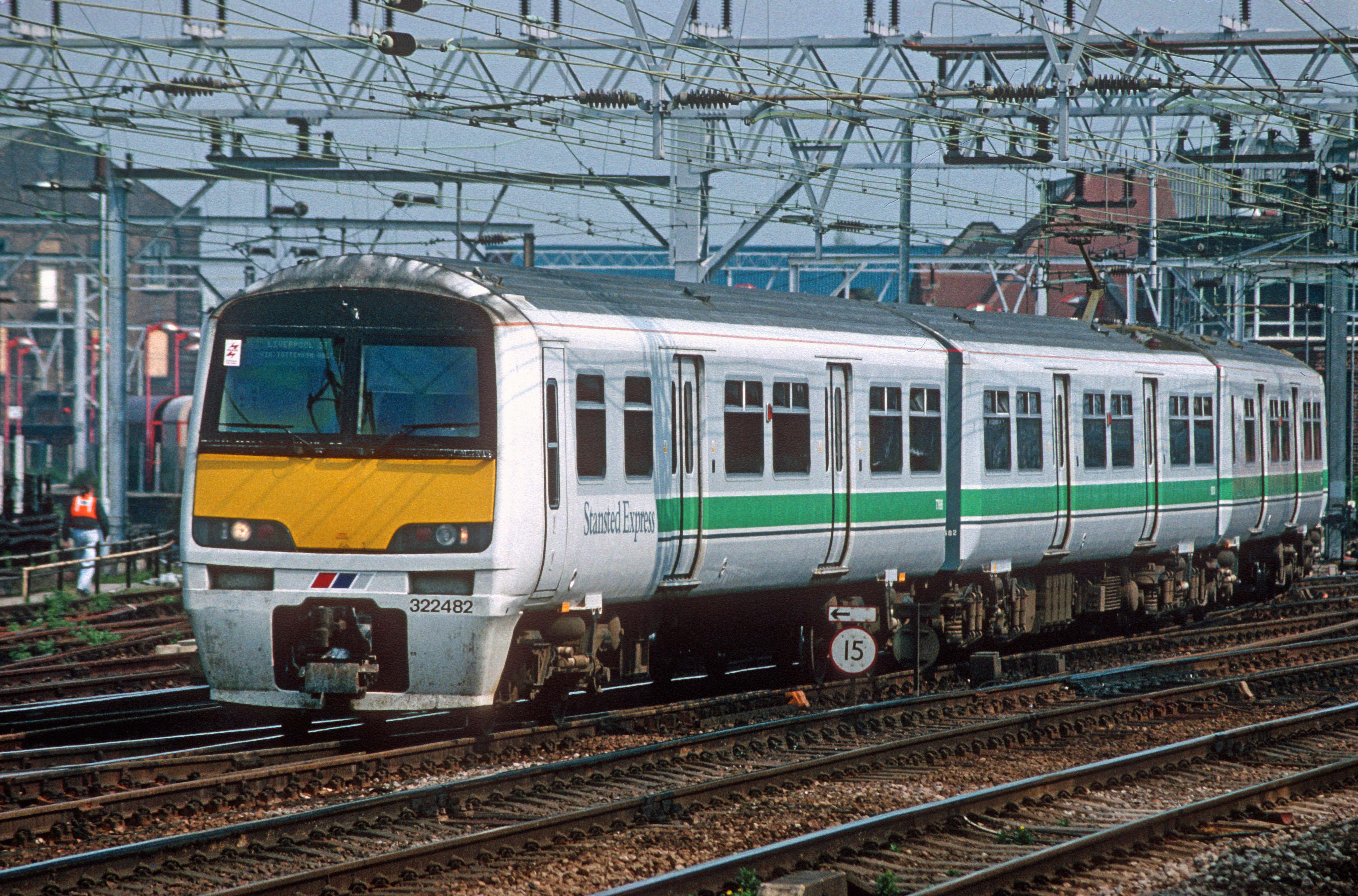
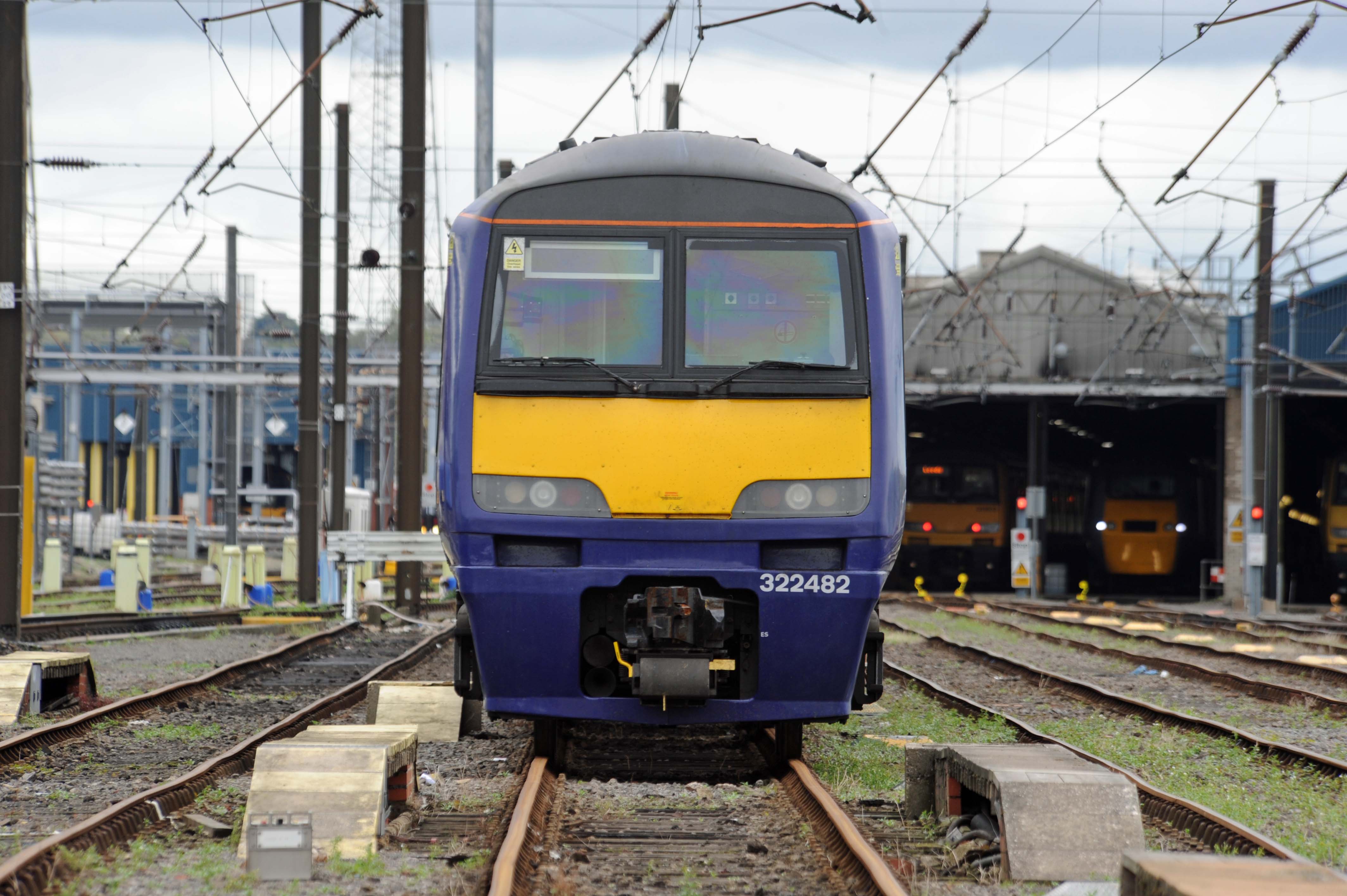
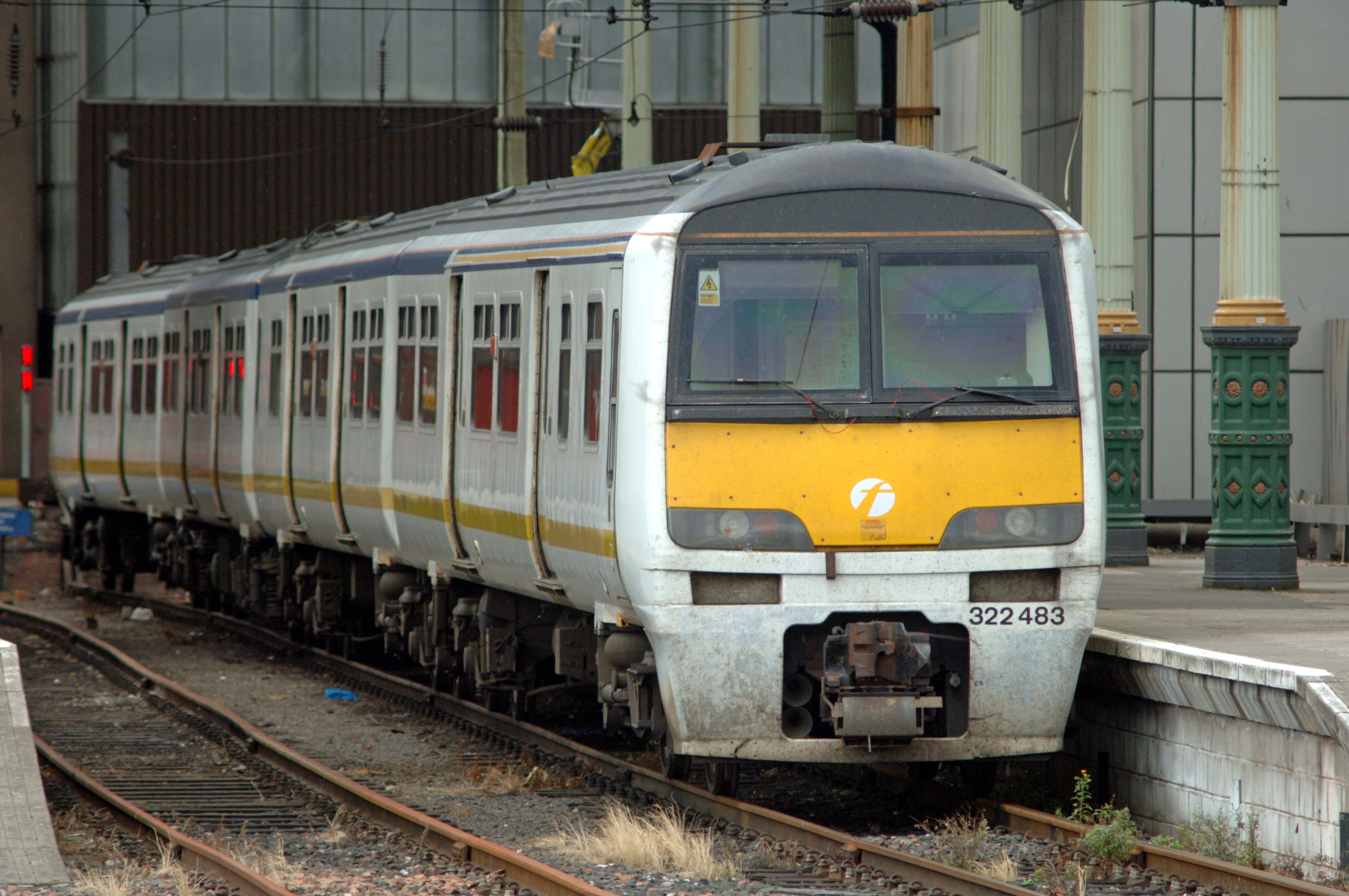
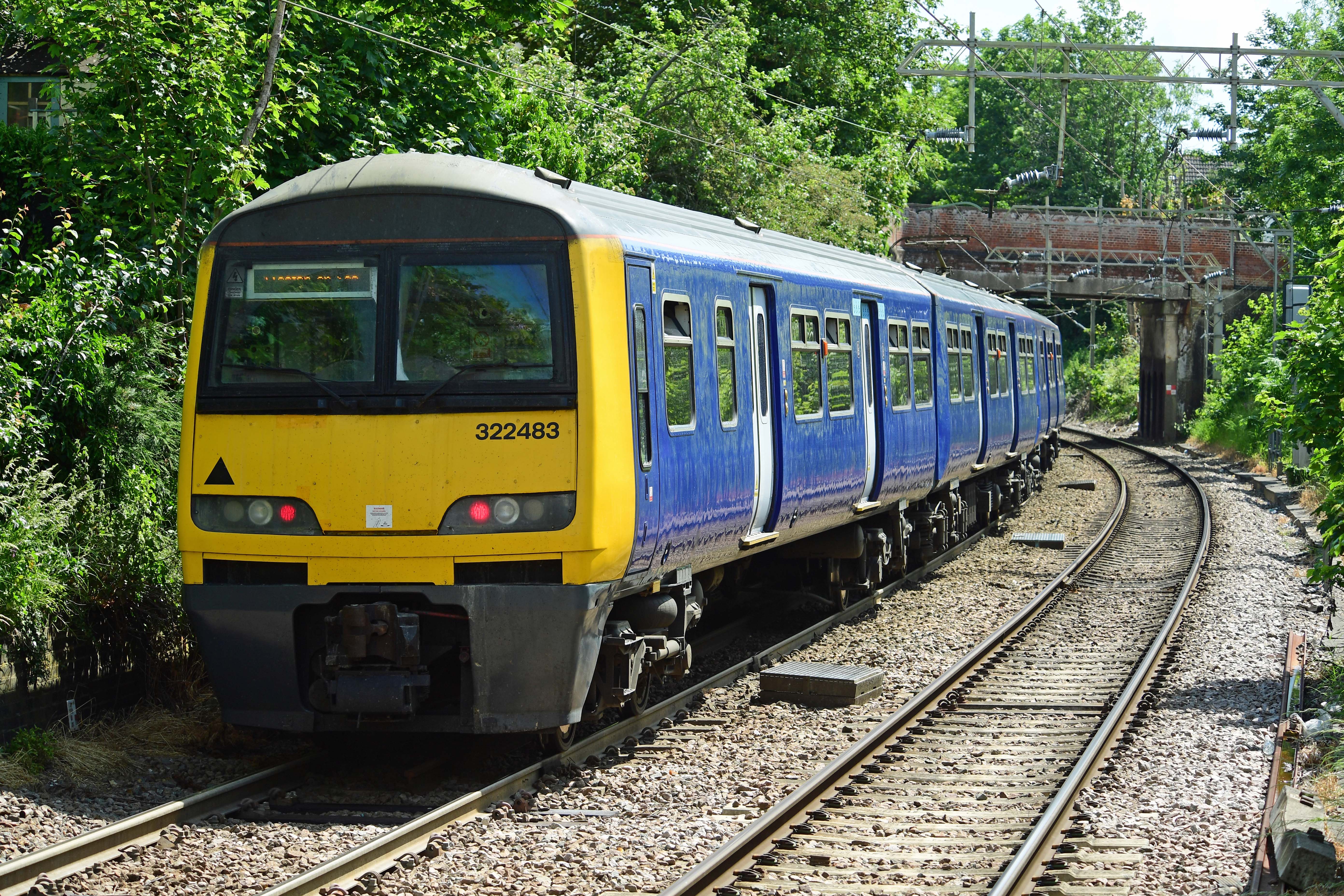
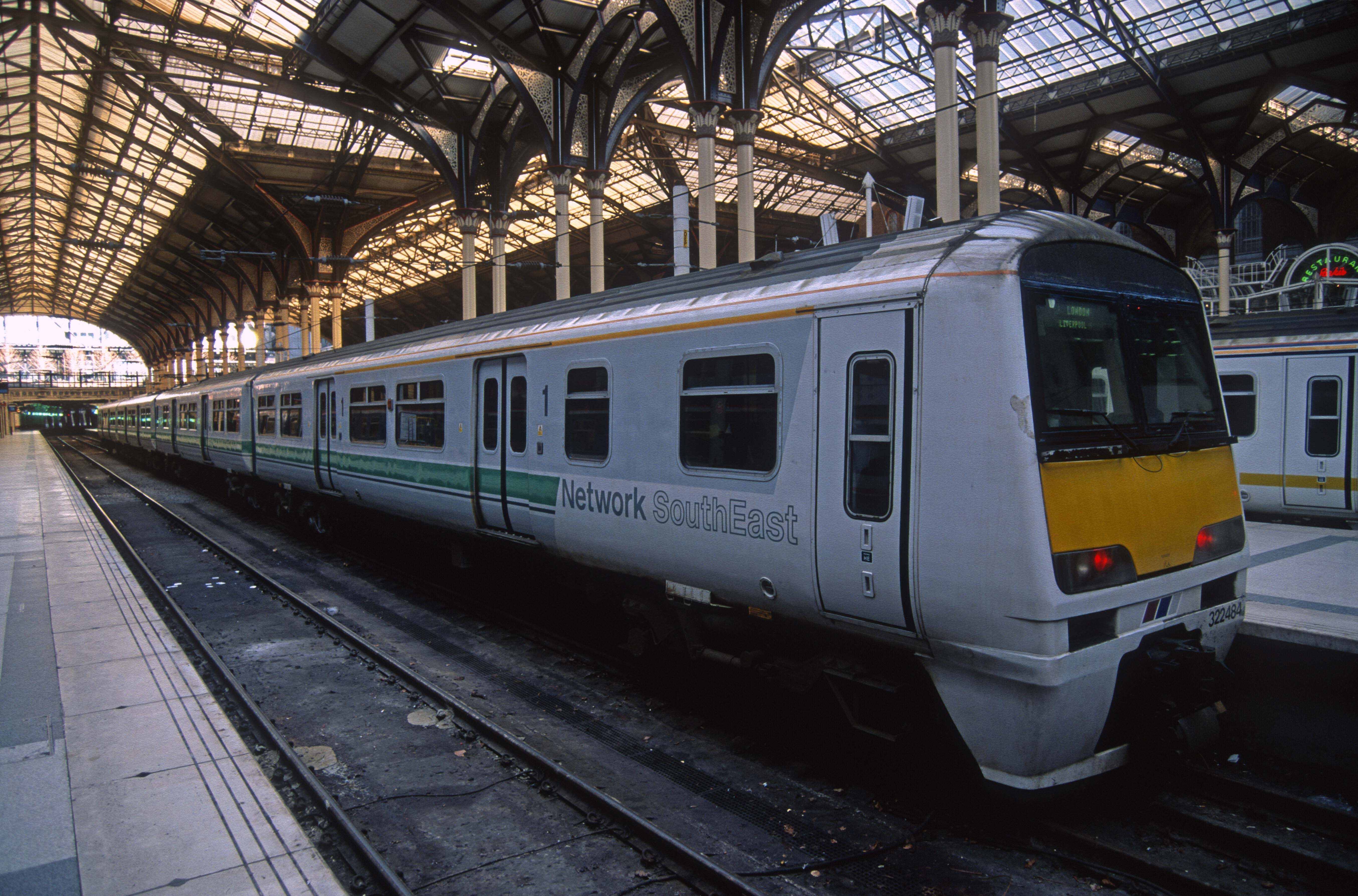
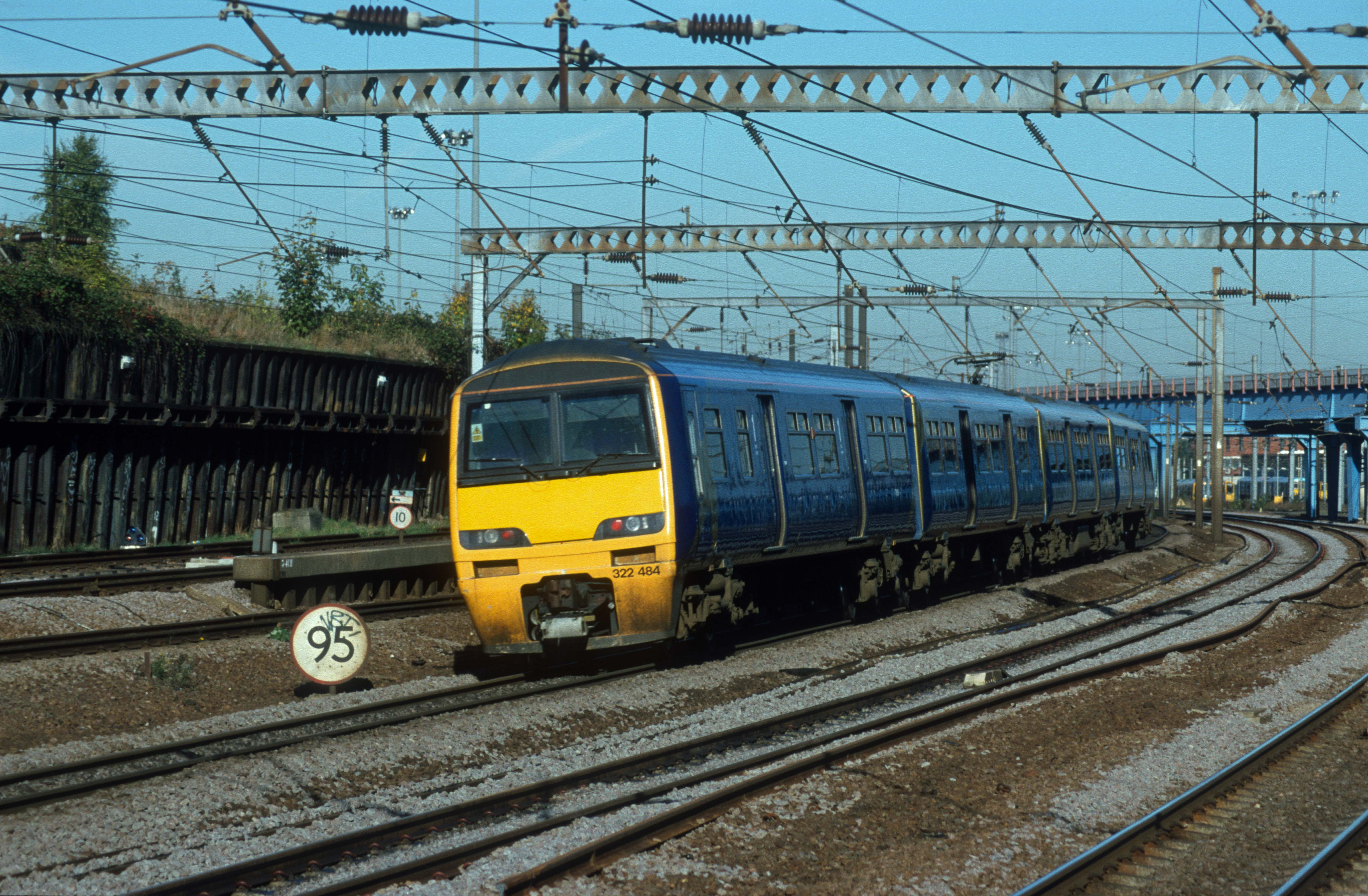
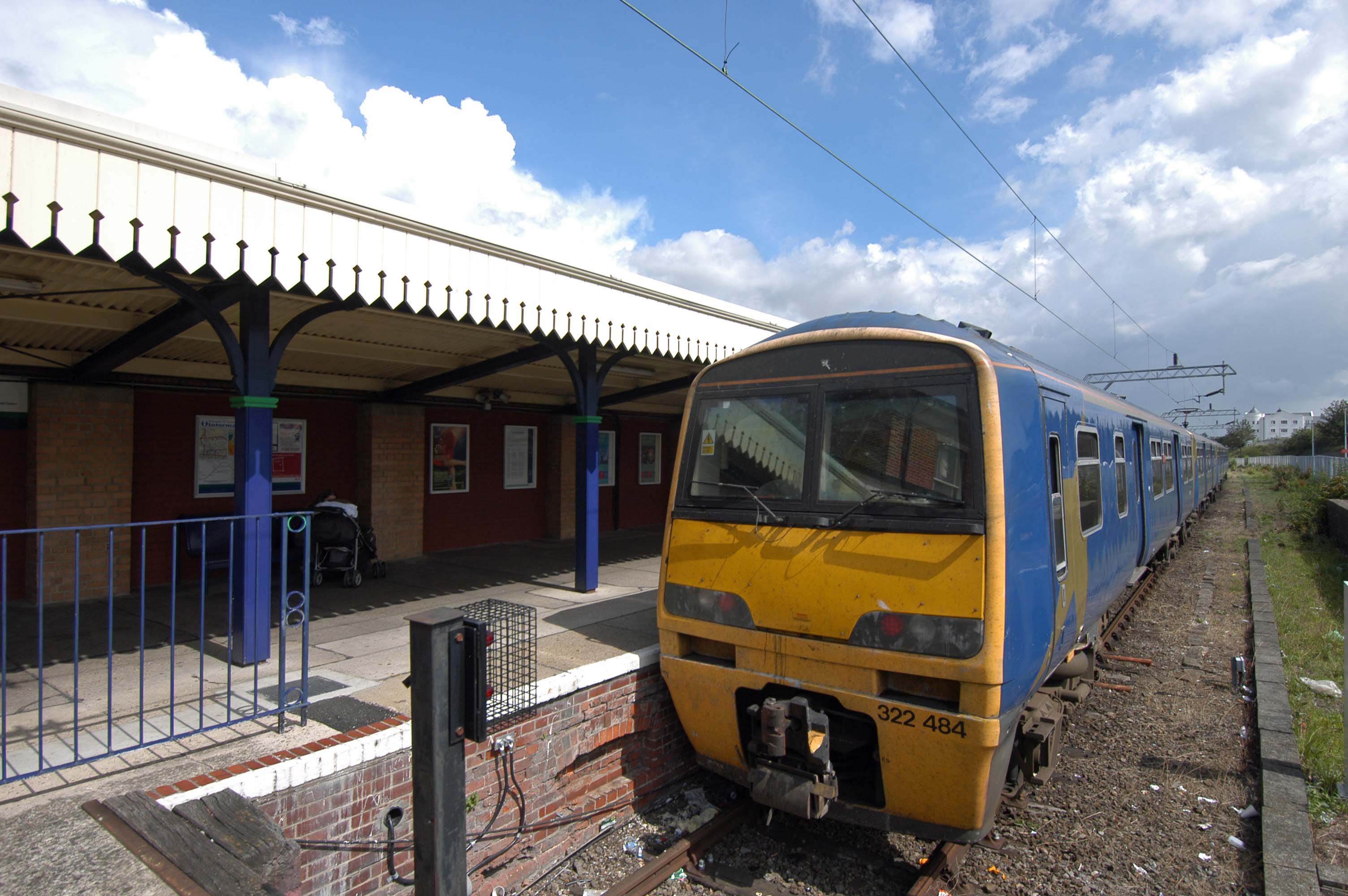
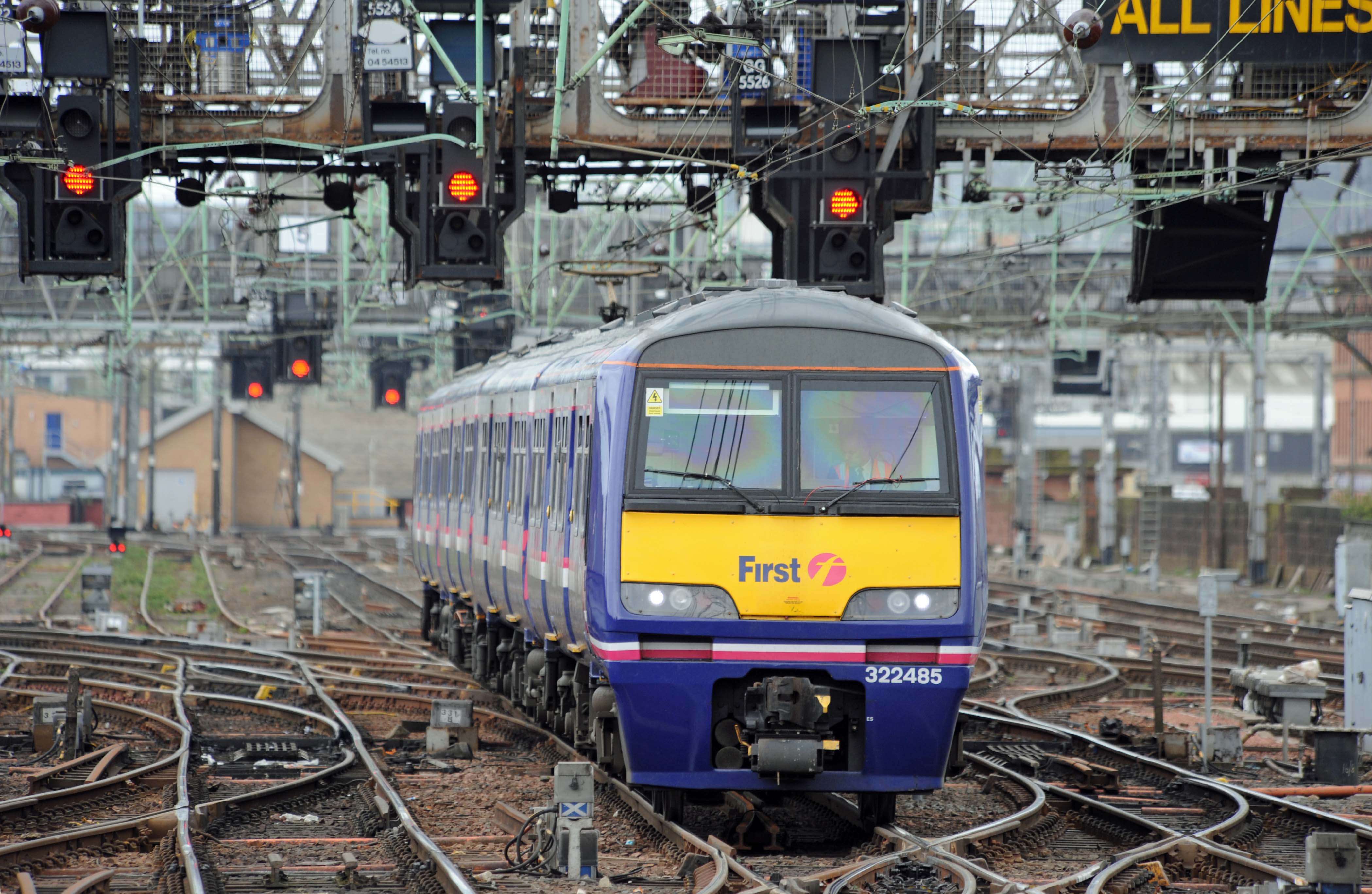
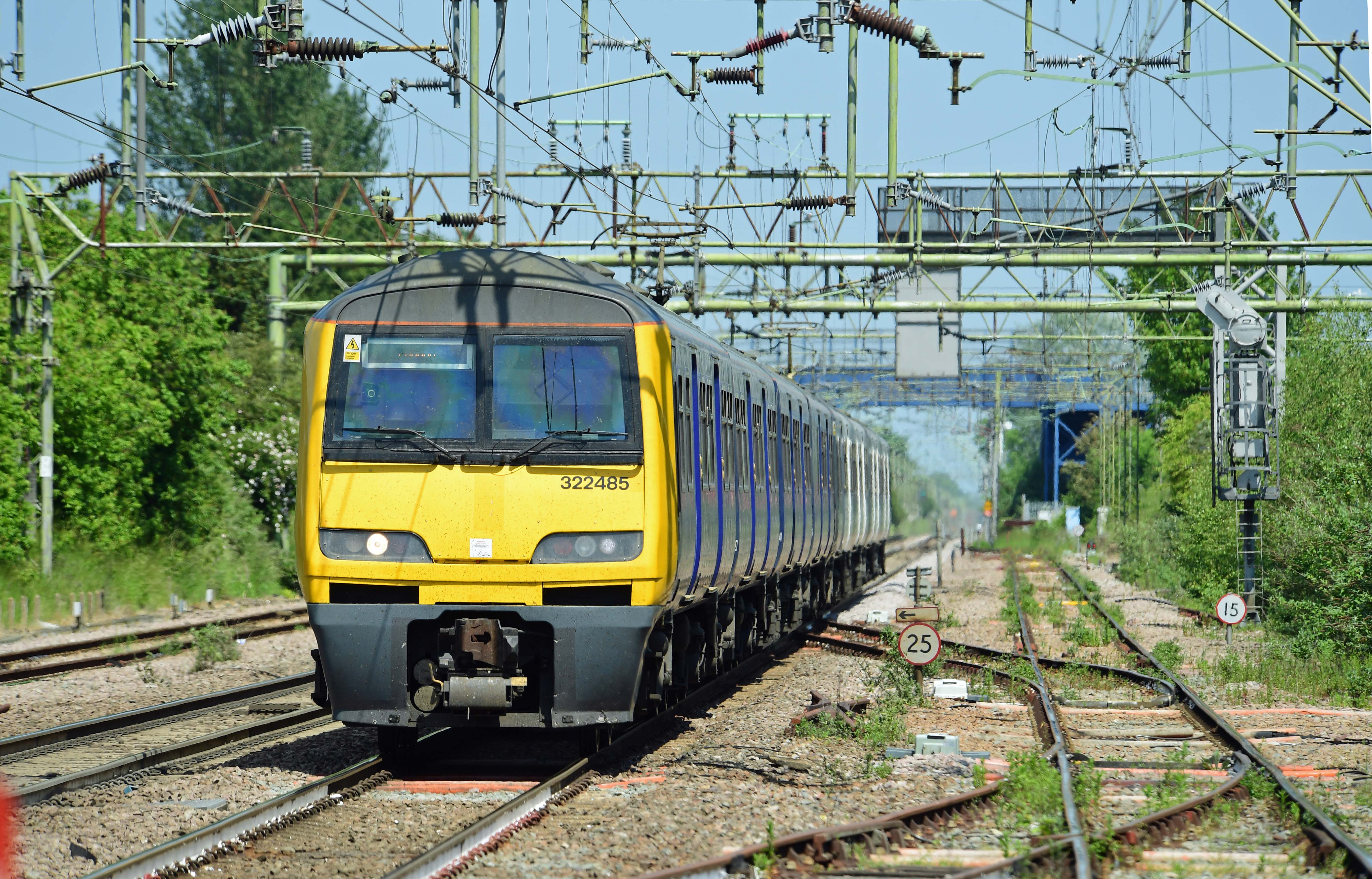
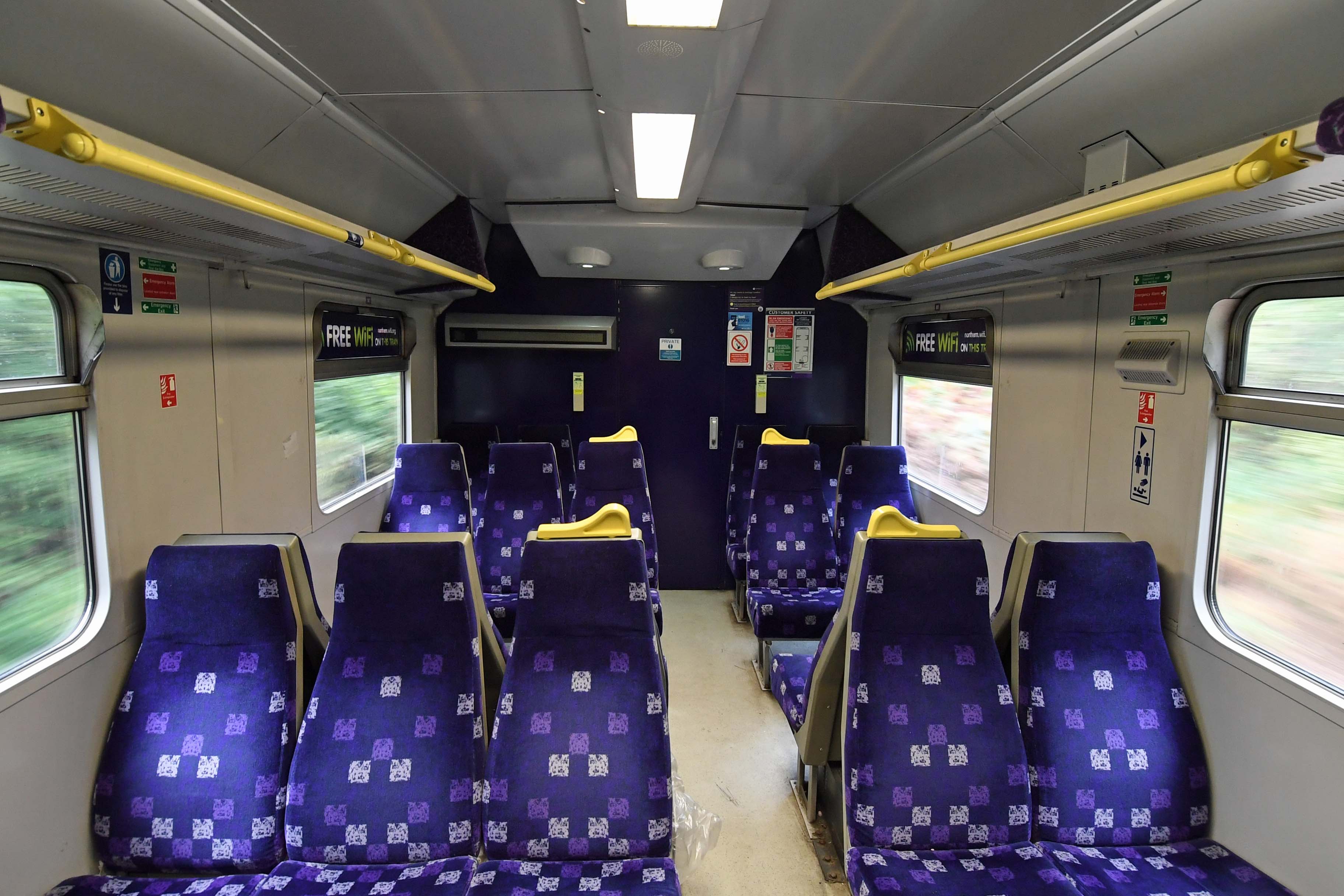
On the 1st September 2011 class leader 321901 pulls out of the bays at Doncaster en-route to Leeds.At Doncaster five years earlier on the 29th July 2006 321902 takes the same journey. It’s sporting the original WYPTE livery the units were delivered in, complete with ‘Metrotrain’ branding but with the addition of the ‘Northern’ logo.Fast forward another 15 years to the 12th June 2021 and 321902 is seen in the company of a ‘Renatus’ Class 321/3 passing Manor Park whilst bringing up the rear of a service to London Liverpool St.Here’s 312903 operating a Wharfedale service arriving at Kirkstall Forge on the 13th September 2019.A few months earlier on the 27th June 2019 322481 is pictured at Leeds before departing with a service to Ilkley. Here’s 322482 in the ‘as delivered’ Stansted Express’ livery. The driving cars carried ‘Stansted Express’ on one side of the vehicle and ‘Network SouthEast’ on the other. The unit’s seen diverted from its normal route, passing through Stratford on the 15th April 1993. Many years and many moves later, 322482 is pictured at Leeds Neville Hill on the 10th October 2011. In a revised form of its original ‘Stansted Express’ livery minus all branding bar the First group ‘Flying F’ 322483 is pictures at Edinburgh Waverley between turns to North Berwick on the 25th May 2005. Many years later after having spent time in West Yorkshire 322483 is seen eking out its last days working Anglia services. It’s pictures here pulling out of Wivenhoe on its way to Clacton on the 8th June 2021. Pictured at Liverpool St on a day in October 1996 is set 322484 showing the opposite side branding to ‘Stansted Express’. Also on display is the revised window layout for the extended 1st Class section which takes up 2/3 of the driving car. The same unit several years later in First North-Western livery with gold star on the driving car end seen passing Harringay at speed when it had been returned to WAGN and used as part of the generic fleet. It’s en-route to Peterborough, pictured on the 17th October 2000.322484 again after it has been transferred to Anglia services. It’s seen at Colchester Town on the 20th August 2004. Back in Scotland on the 9th September 2009 where 322485 in First Scotrail livery is seen arriving at Glasgow Central. Whilst the units were normally used on the Edinburgh – North Berwick services they also appeared on services to Glasgow Central via Carstairs – useful for returning them to base as the units were actually allocated to Glasgow Shields Rd depot. Fat forward to the 7th June 2021 and 433485’s seen passing Witham at speed with a service from Ipswich to Liverpool St. The interior of refurbished Driving Trailer 78163 when it was in service with Northern. This was originally a 1st Class section, the fact being given away by the large gap between the windows. It’s seen on the 10th October 2019.
Here’s another in the series of picture blogs looking at the gradual demise of the old British Railways built train fleets. In this case it’s my favourite of the bunch, the Class 365 fleet which was retired (too early in my opinion) in 2021.
The 4 car, 100mph capable Class fleet were the last vehicles to be built at York works. 41 units were constructed at the Holgate Road factory between 1994-95. Part of the ‘Networker’ design (which produced the Class 165 and 465 diesel and electric fleets), these trains were produced for longer distance services. The first 16 originally went to work Network Southeast services out of Victoria before Connex took over what became the South-Eastern franchise. They stayed South of the river until 2004 when they moved to join their sisters working for West Anglia Great Northern (WAGN) out of Kings Cross. Units 365517-541 went straight to East Coast services, operating regional services from Kings Cross to Peterborough, Cambridge and Kings Lynn.
For many years they were the backbone of WAGN and later First Capital Connect express services. They were comfortable trains from a passenger perspective, despite the lack of air-conditioning (they had forced-air ventilation through hopper windows). They had 2+2 seating and tables plus bigger windows, which made them far superior to the earlier Class 317s they shared duties with.
The Class stayed on East Coast services until they were gradually retired from service from 2017 inwards, having been displaced by newer Class 387s. Many units went into store but a stock shortage in Scotland in 2018 (due to defects with the new Hitachi built Class 385 EMUs) saw 10 of the trains leased to Scotrail from April 2018 where they remained in service until March 2019, working services from Glasgow Queen St to Edinburgh Waverley. The final units were retired from Great Northern service on the 15th May 2021. Little fuss was made because of the Covid pandemic which was a shame as they’d served the railways well. After a period in storage most have gone for scrap which is an even greater shame. They were less than 30 years old and could have provided a useful fleet on newly electrified lines such as East West rail if only the Government hadn’t decided not to electrify the line and cut back other wiring plans. An earlier proposal to shift them to GWR services came to nothing as new Class 387s were ordered instead. Still, I’m fortunate to have lived on their route in North London and spent many years travelling on them and photographing them in service. Here’s a look back at their lives and times.
Please note, all pictures are my copyright.
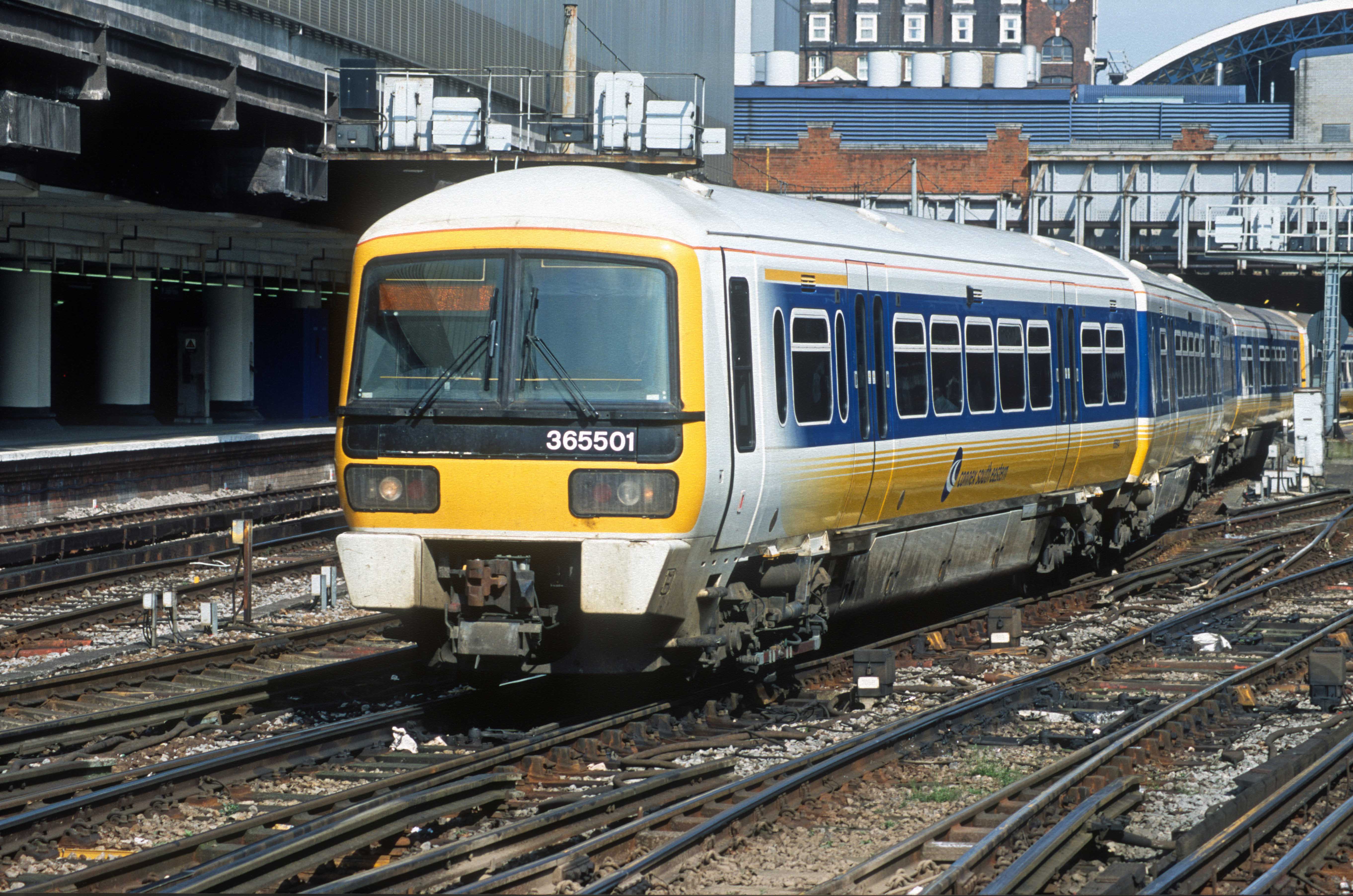
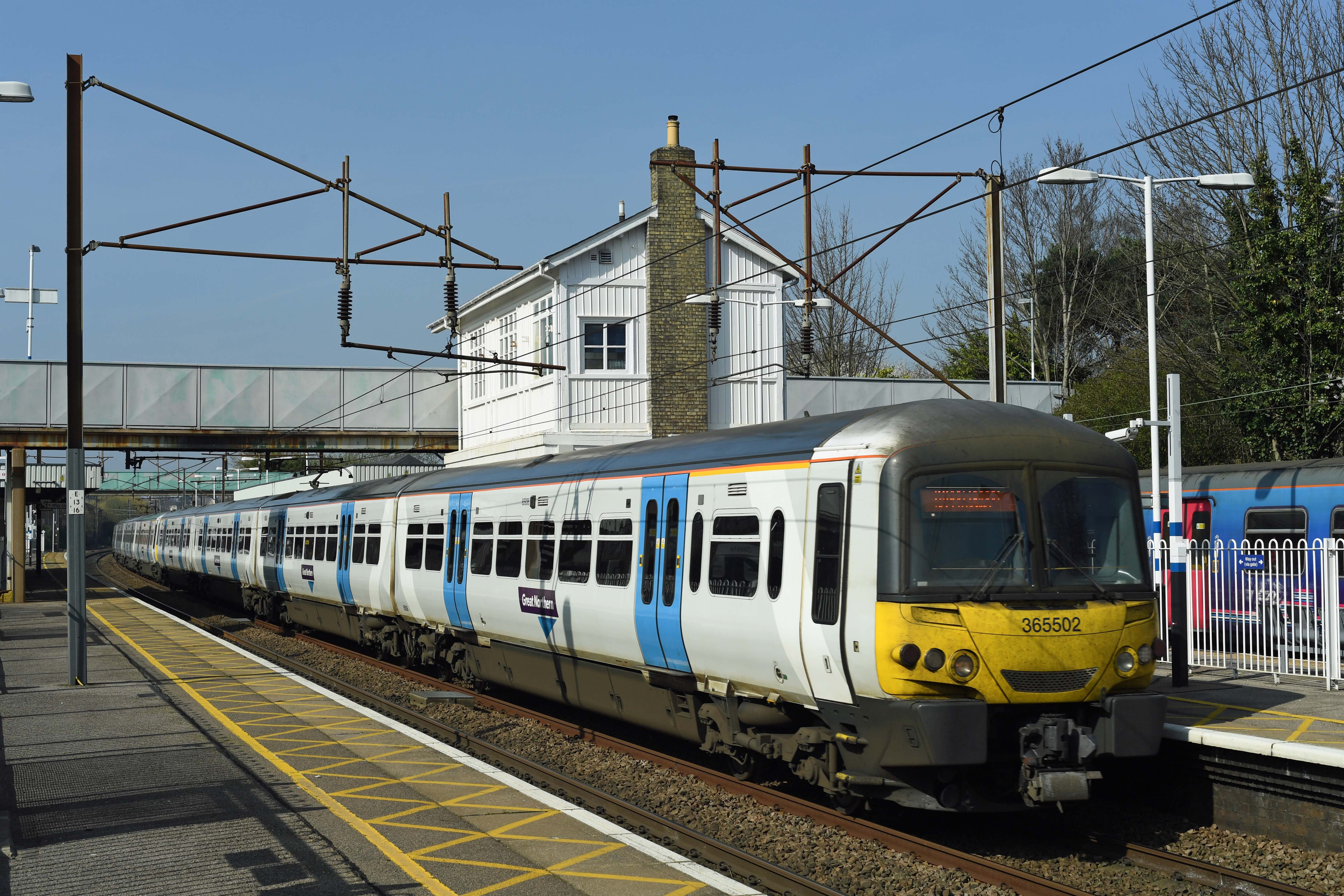
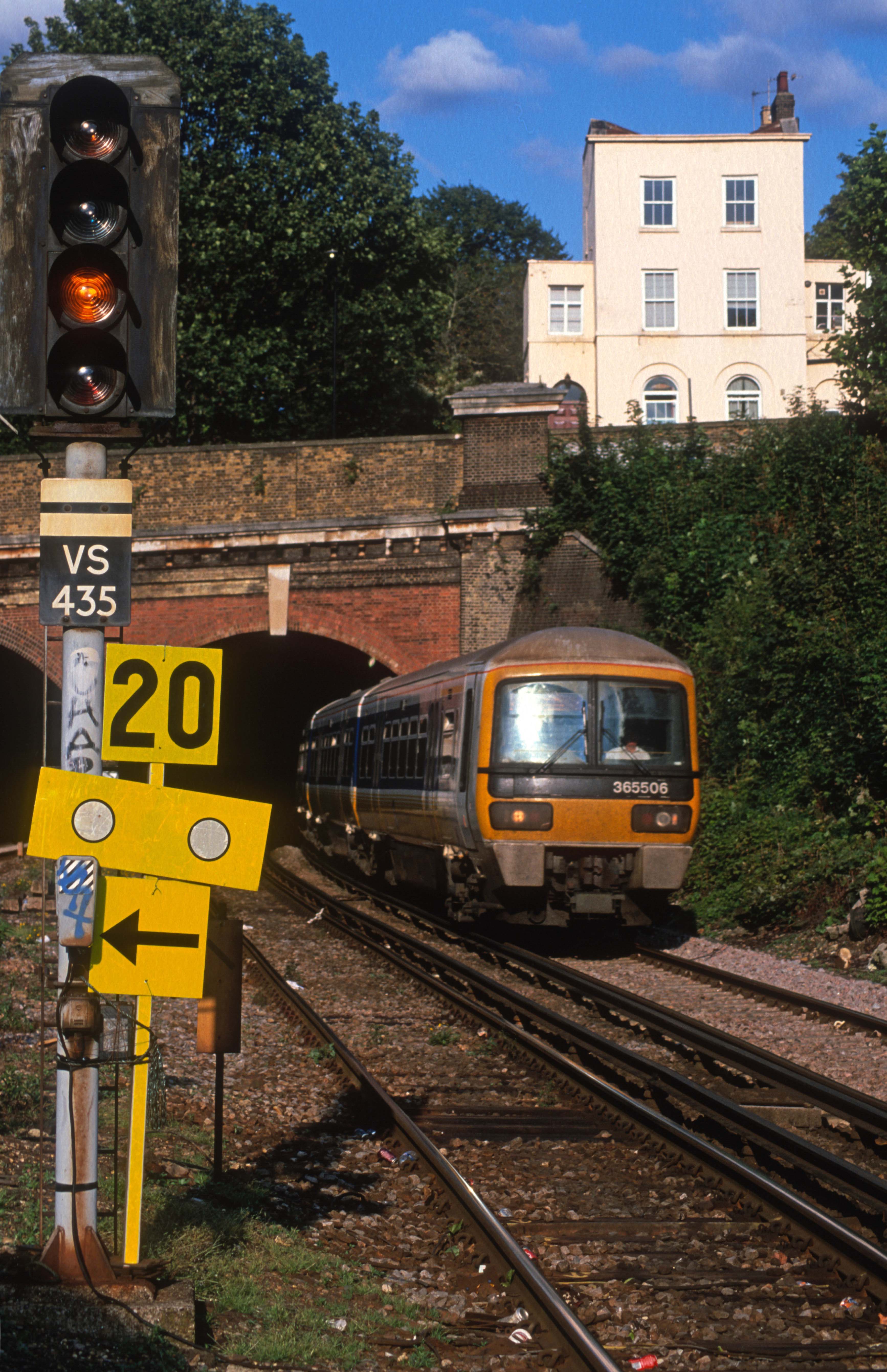
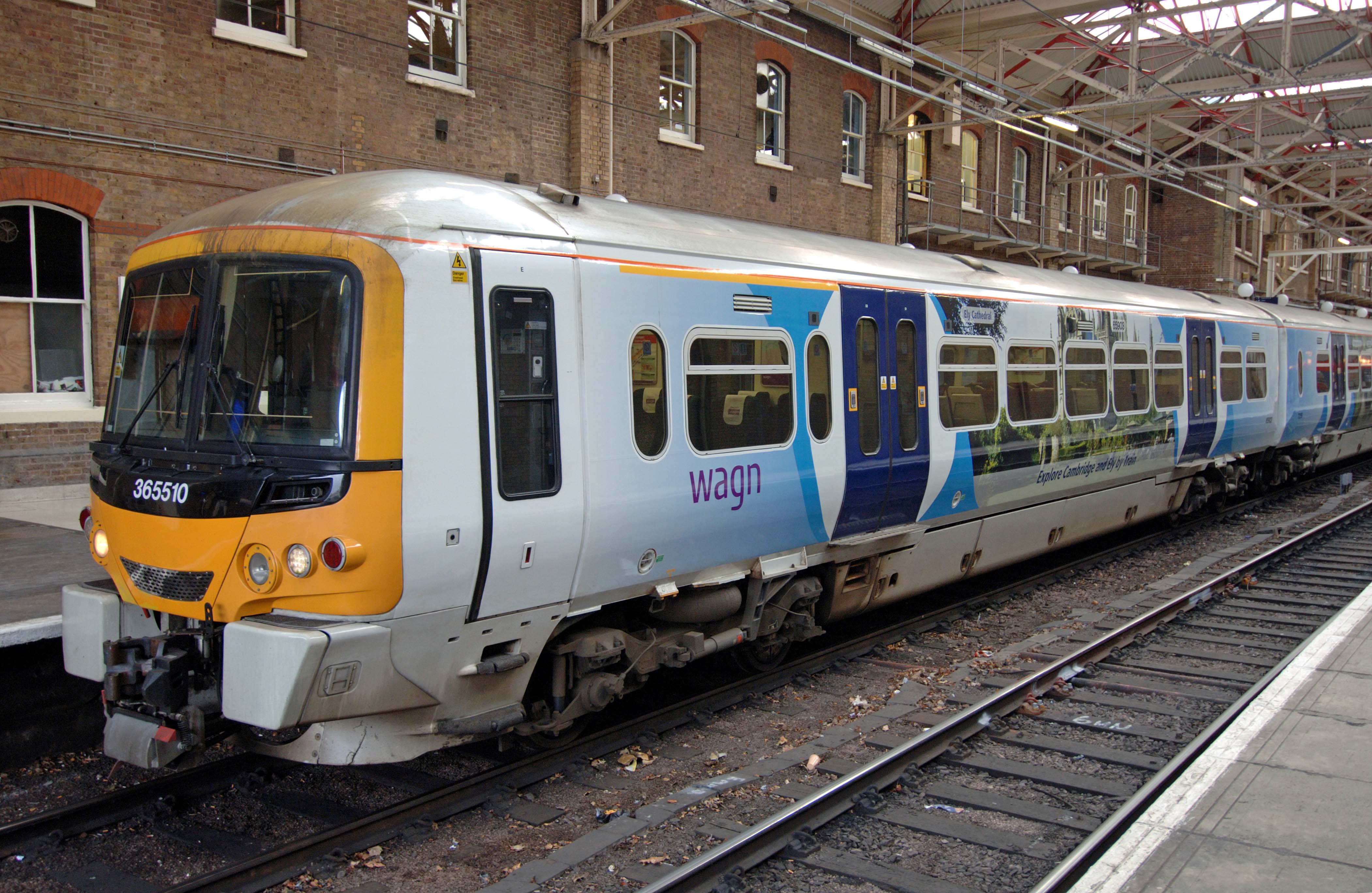
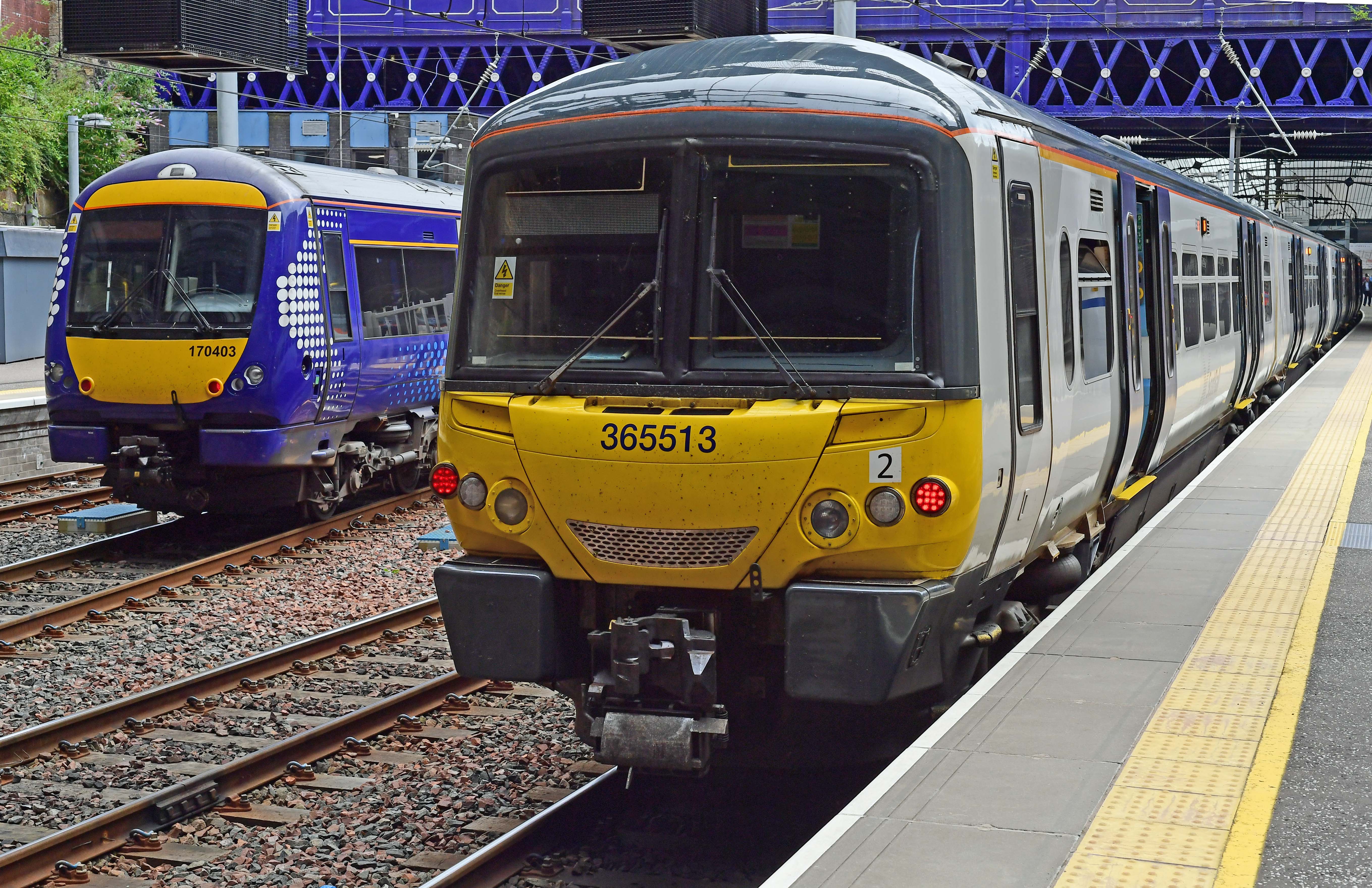
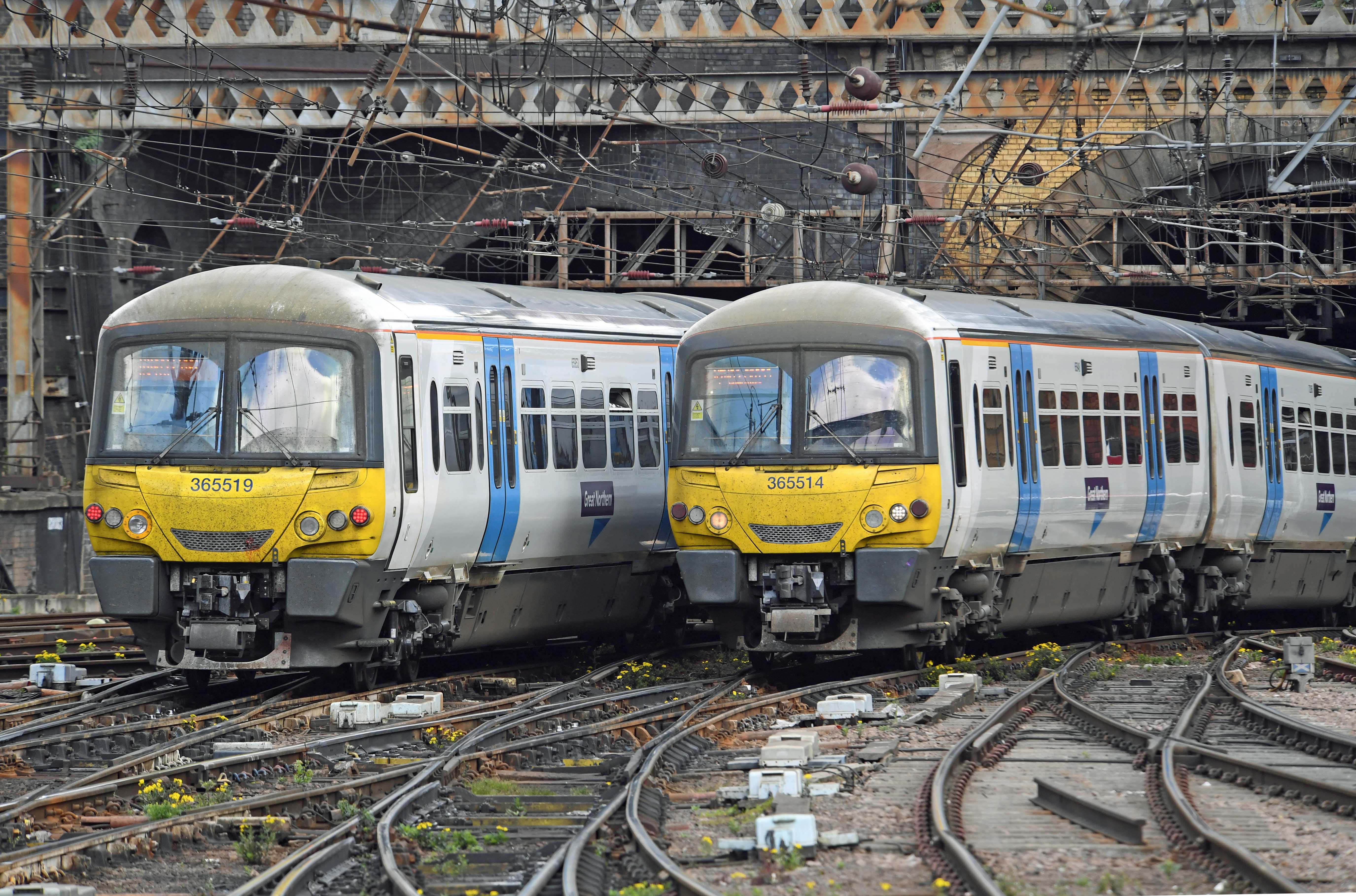
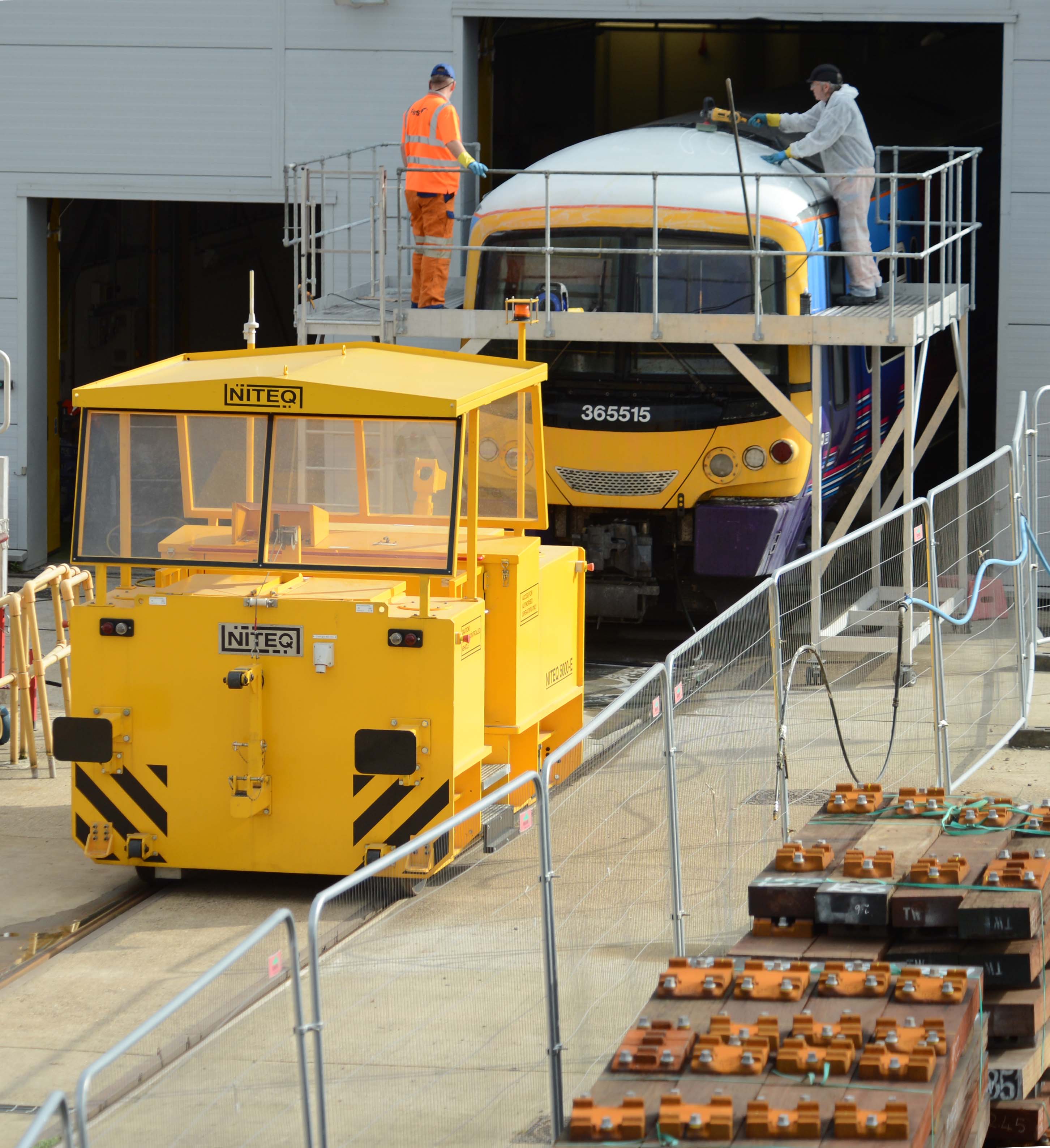
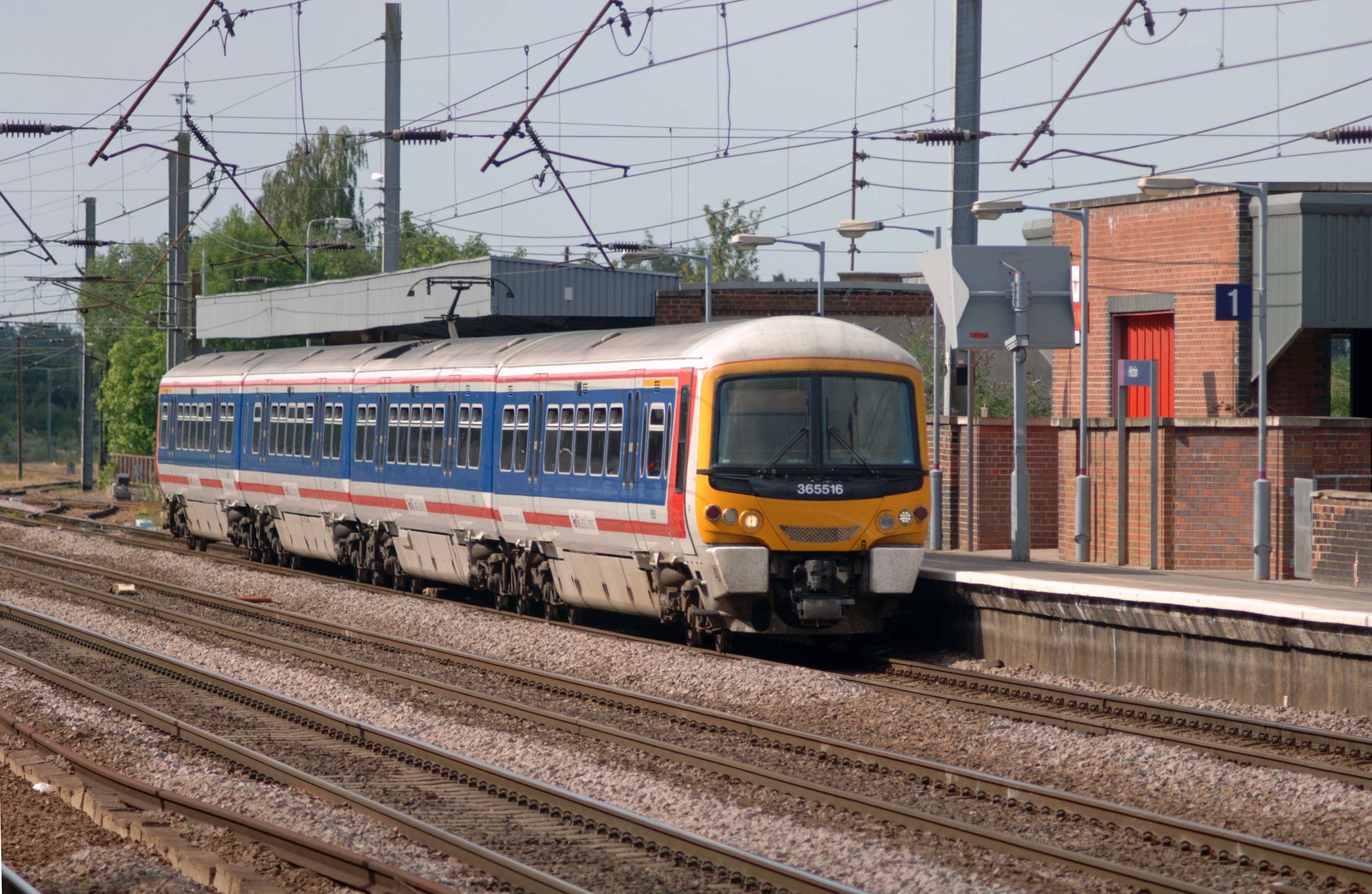
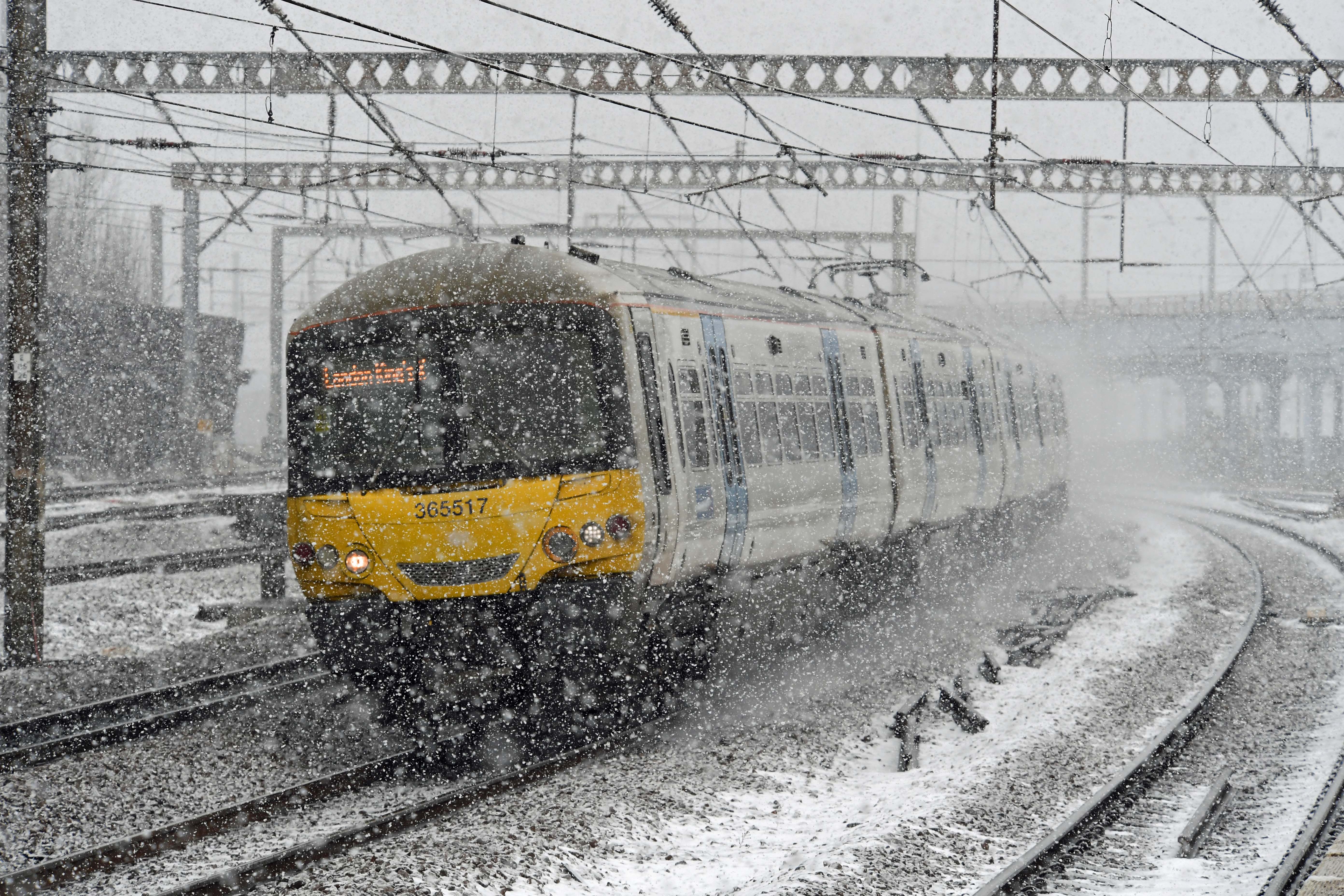
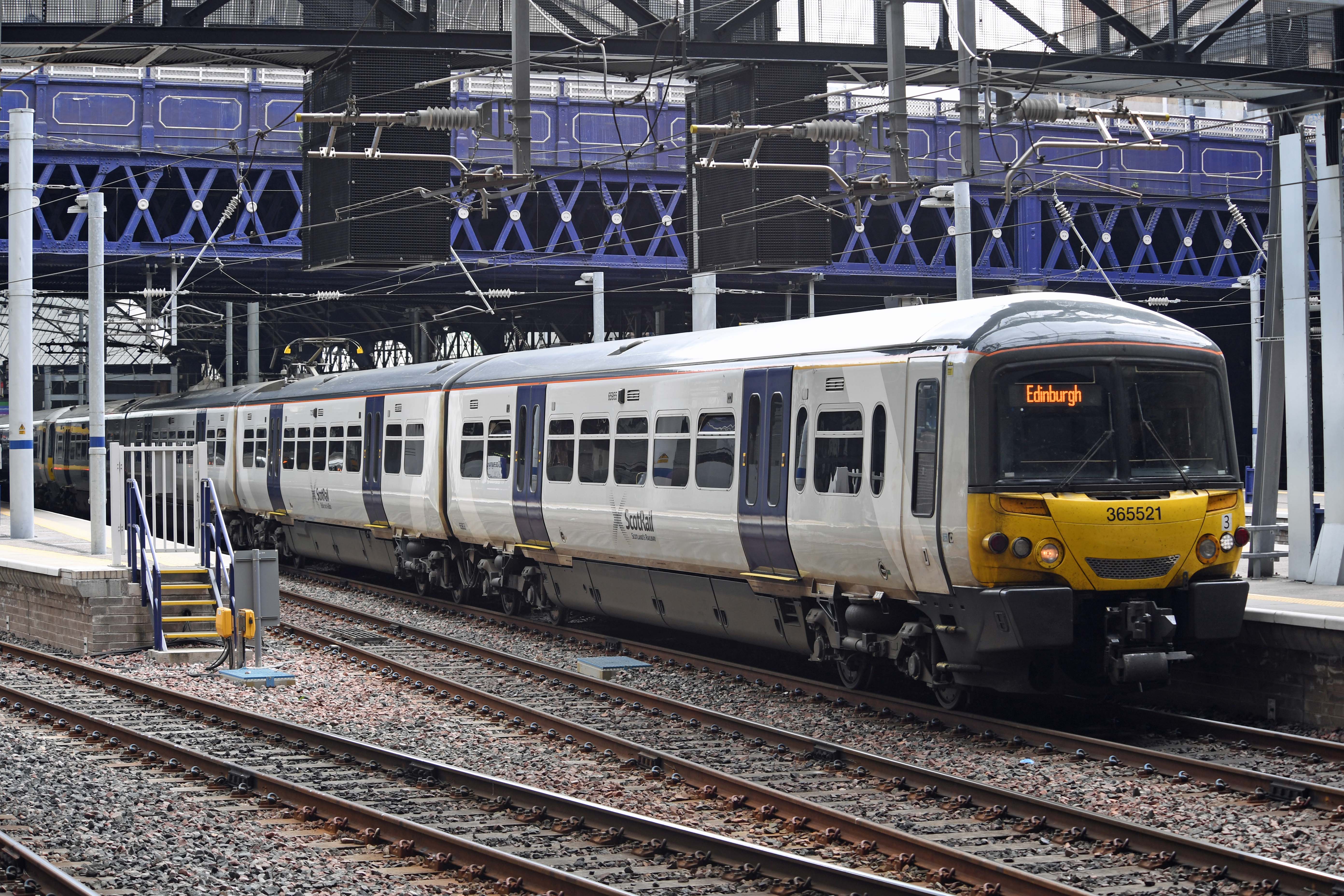
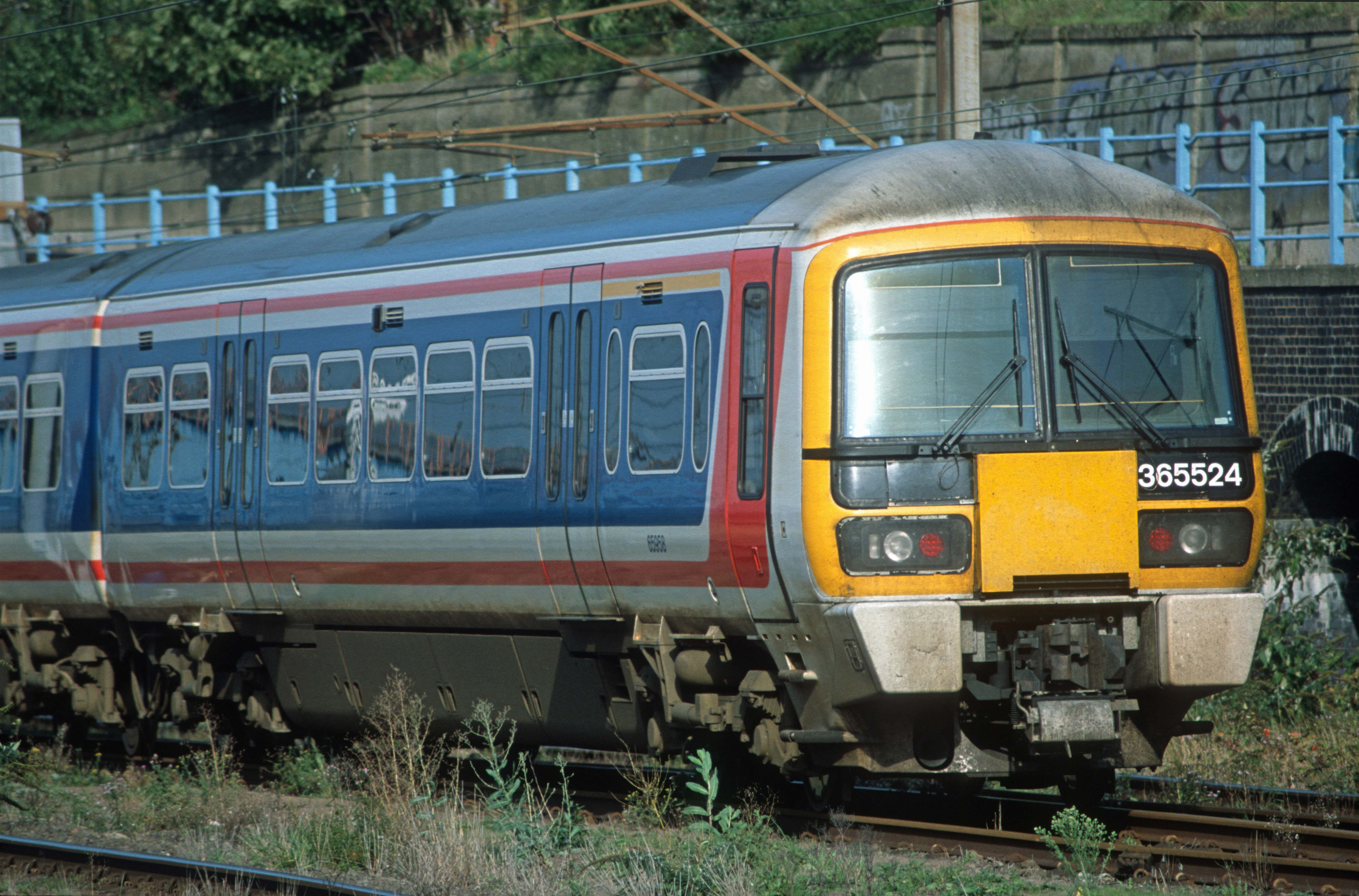
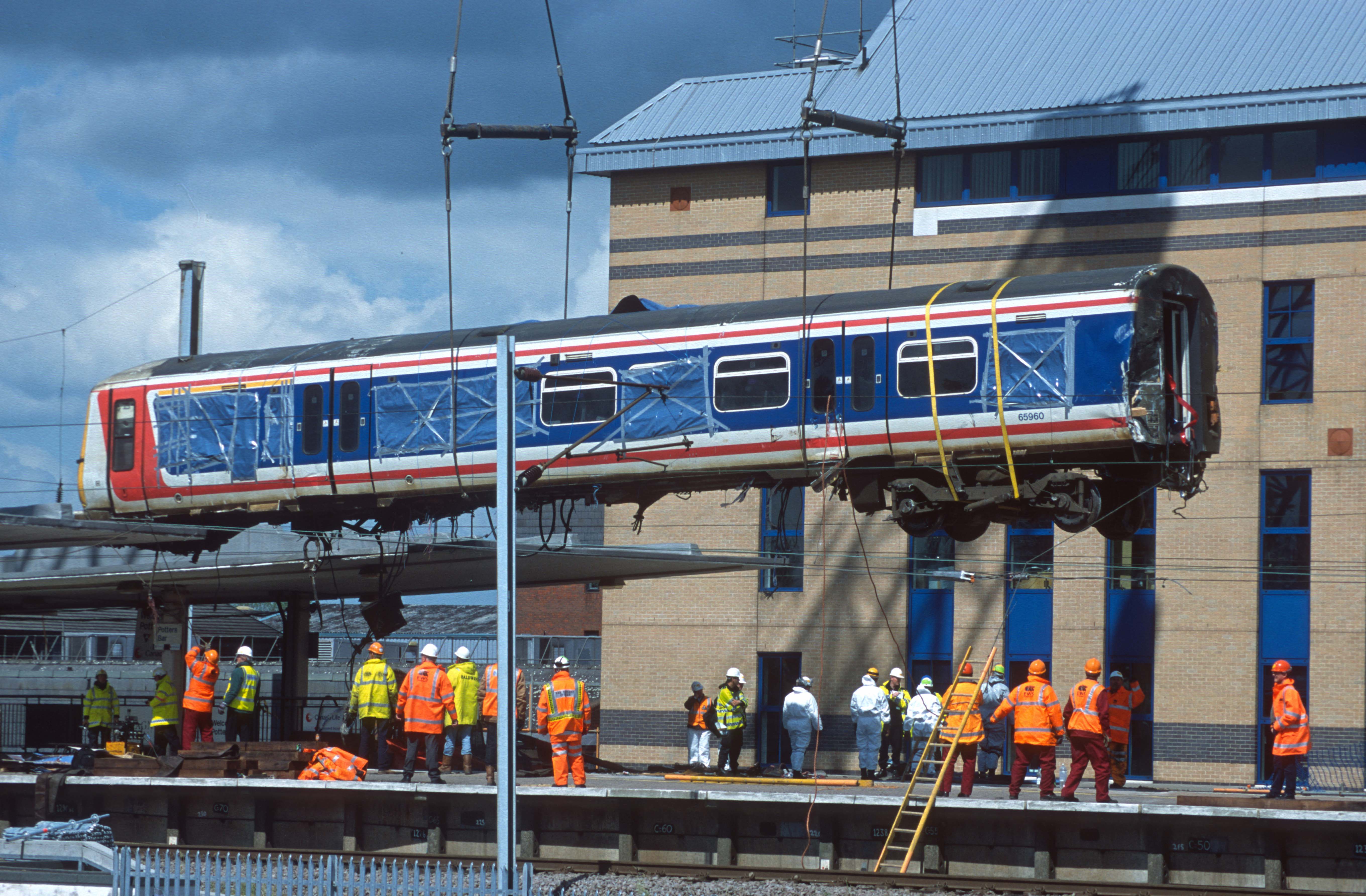
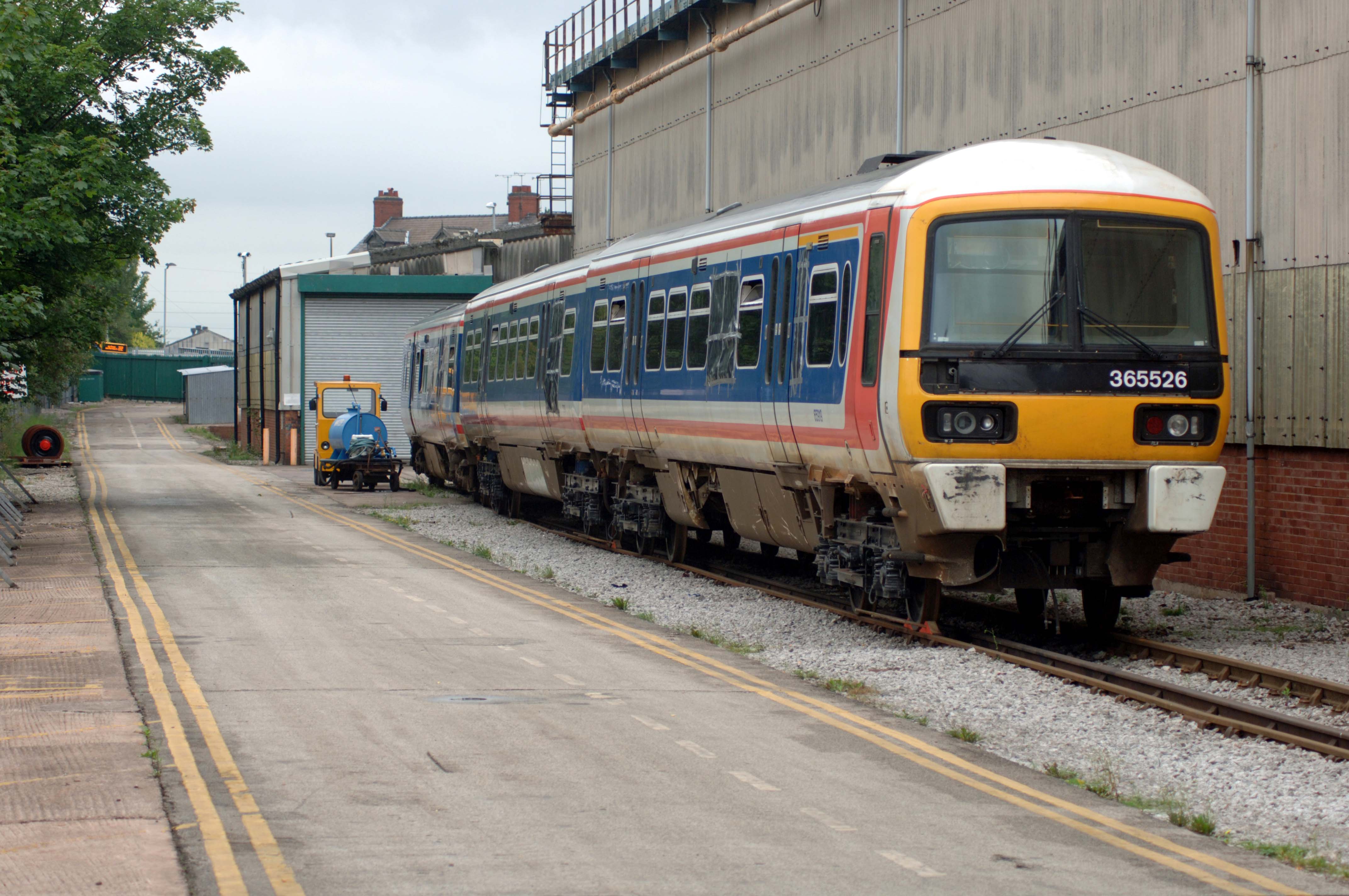
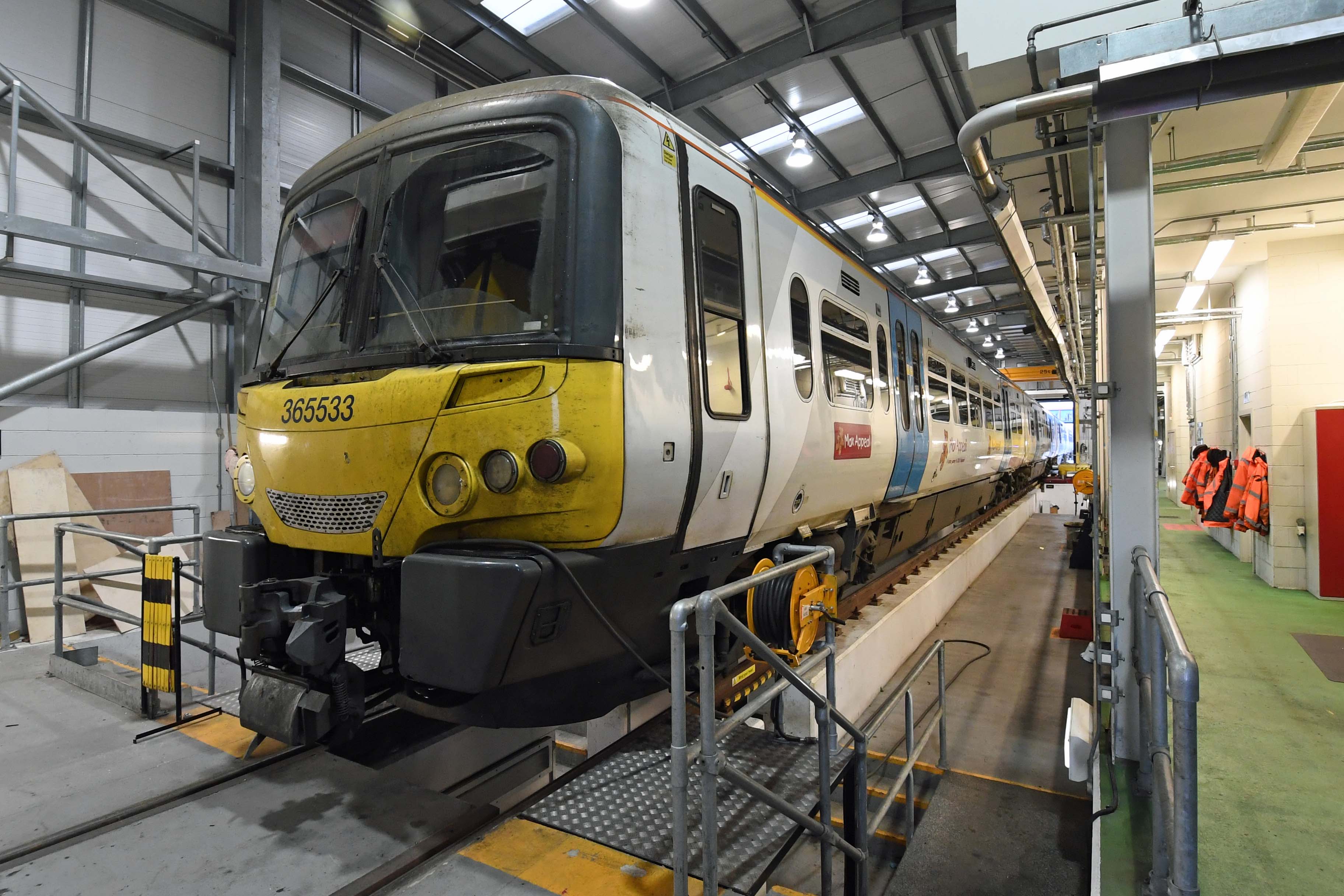
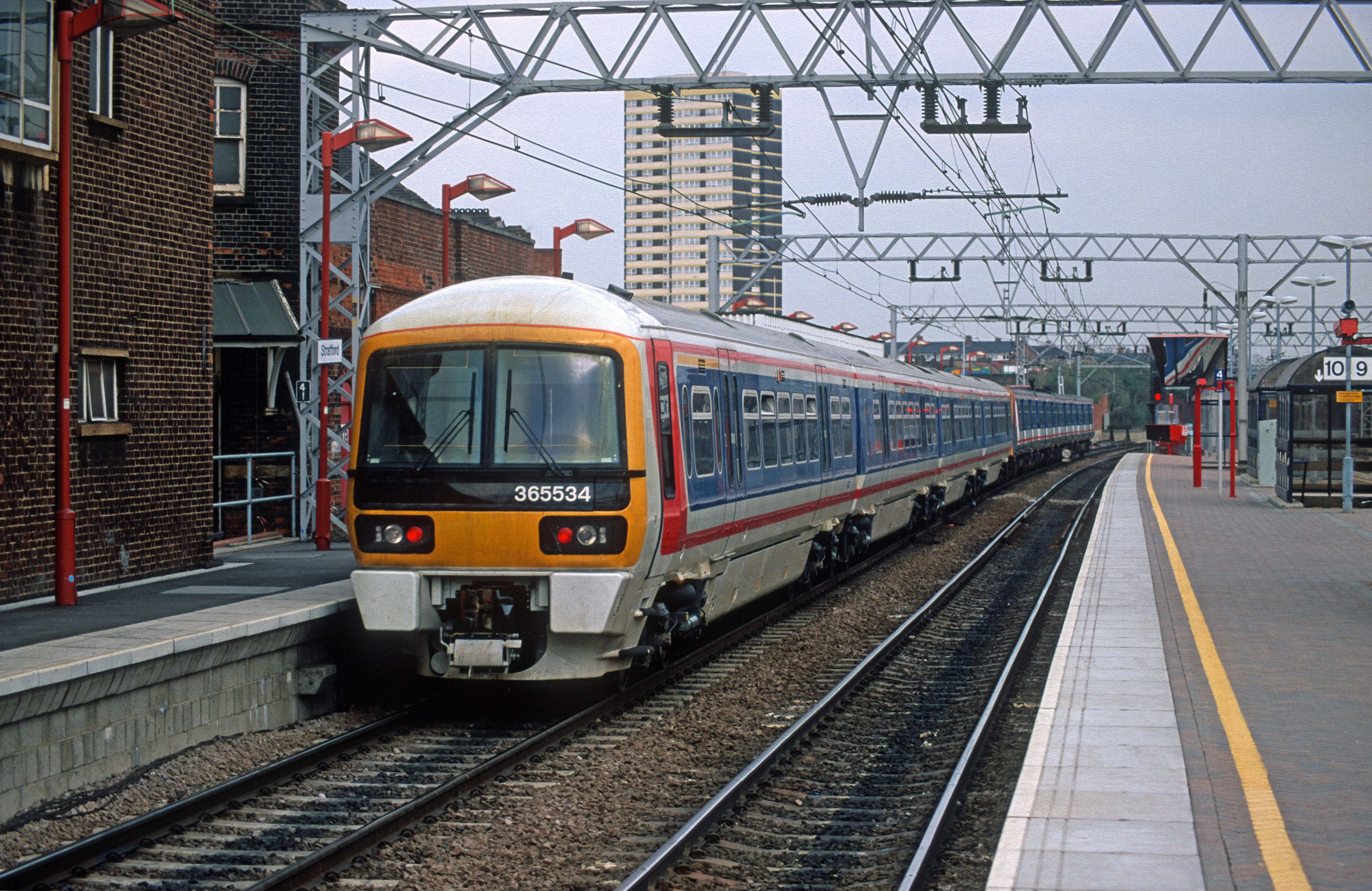
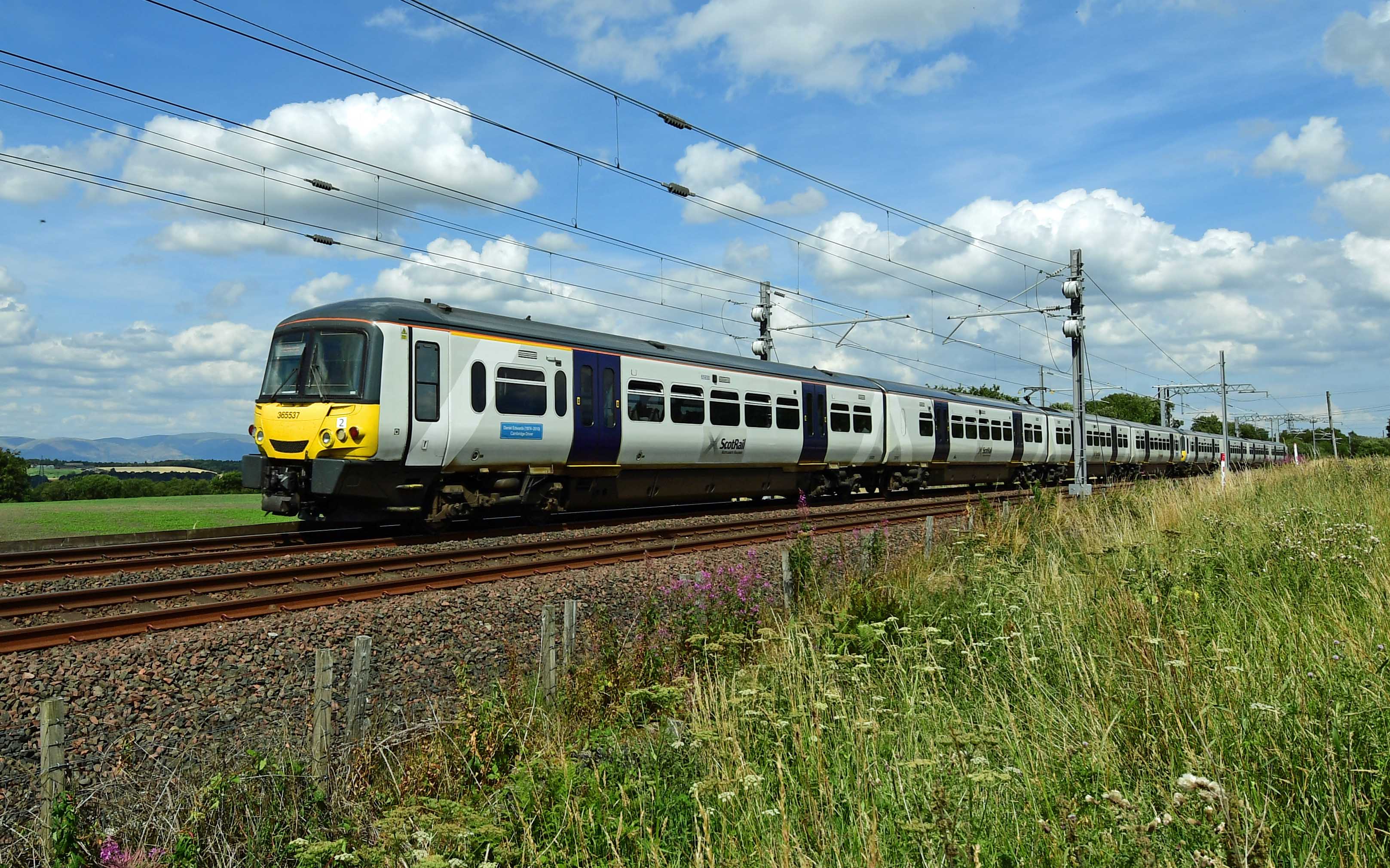
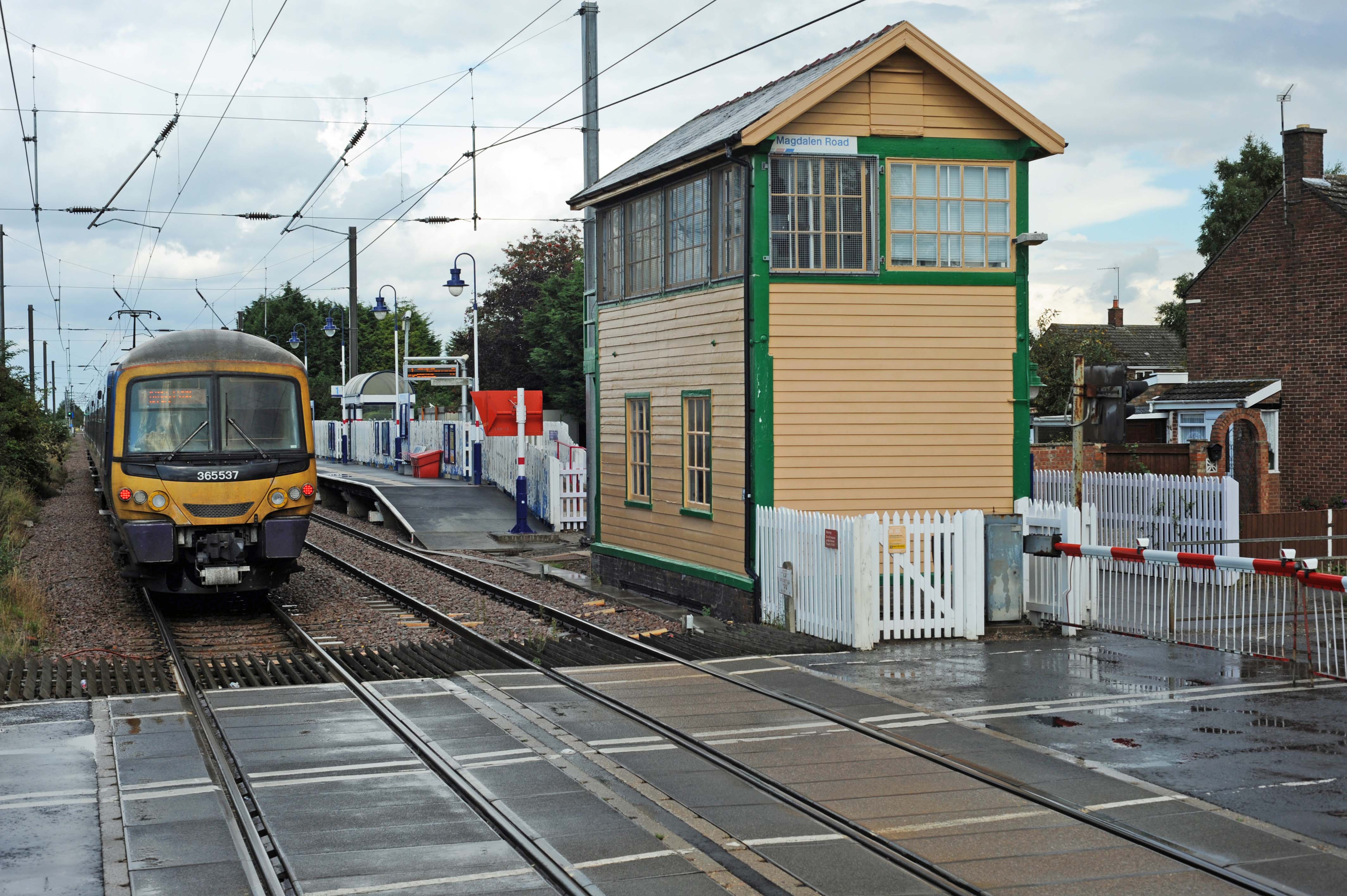
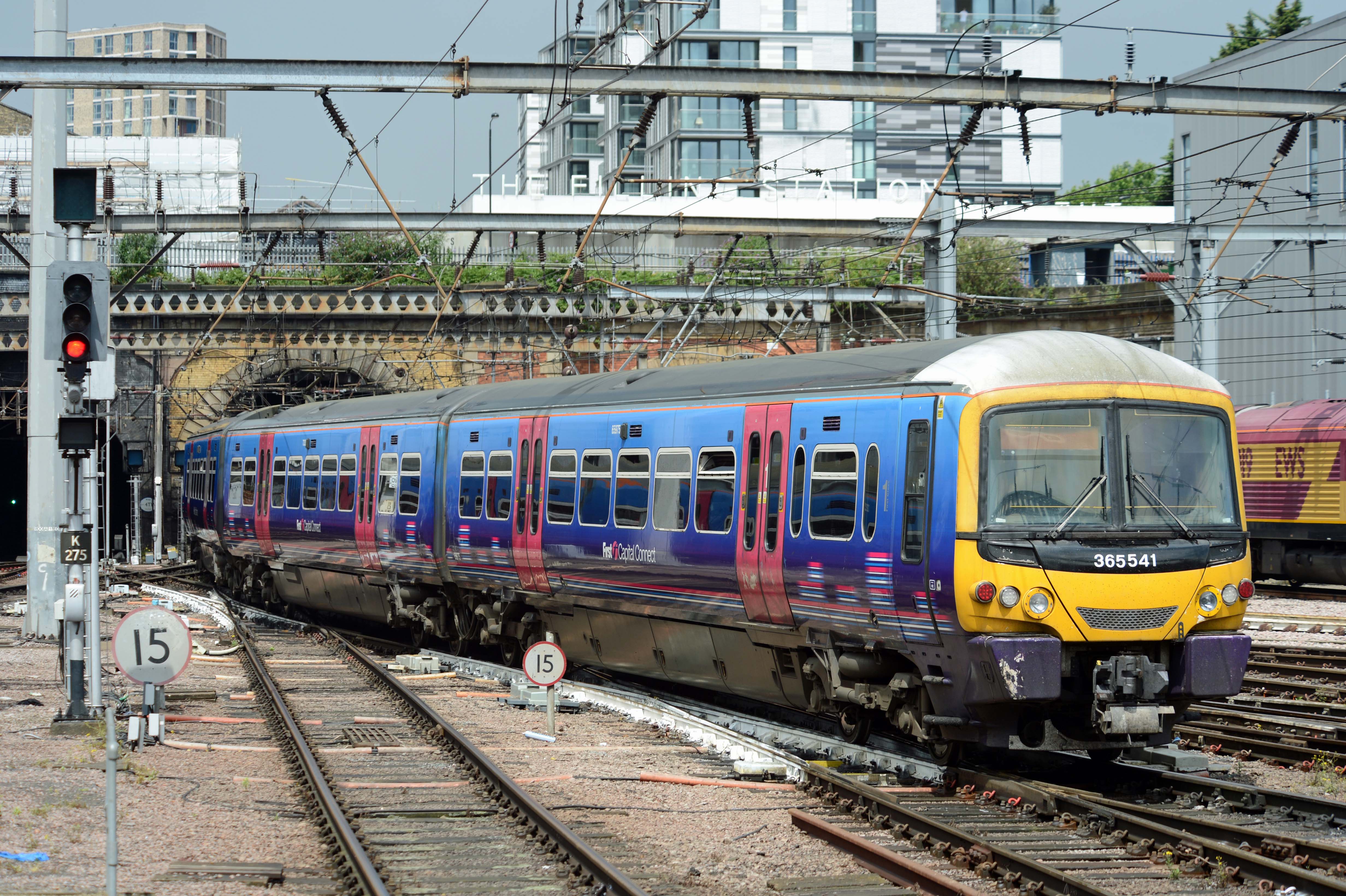
On the 24th March 2002 class leader 365501 is pictured at London’s Victoria station in Connex livery.Sporting the later Thameslink livery and carrying Great Northern branding 365502 is seen speeding towards Kings Cross through Oakleigh Park on the 27th March 2017.365506 passes Denmark Hill on the 23rd November 2002 when the network was still suffering from the panicked rash of 20mph speed restrictions imposed after the terrible Hatfield 2000 rail crash caused by rail defects. To add to the problems a sister Class 365 had been involved in the Potters Bar crash only a few months before this picture. WAGN operated 365510 wears a special advertising wrap extolling the tourist virtues of Cambridge and Ely at Kings Cross on the 22nd December 2005. Towards the end of their careers 10 of the units were sent to Scotland for a year. Here’s 365513 at Glasgow Queen Street on the 30th July 2018.The classic view of the old complex Kings Cross station throat with 365519 and 365514 passing, seen on the 14th April 2017.Here’s a view of the new wheel lathe building at Hornsey on the 7th October 2013 when the building was being used to give 365515 a freshly painted white cab roof. I always thought The First Capital Connect dynamic blue livery and white cab roofs really suited these trains. Seen at Hitchin on the 24th July 2006, 365516 still carries NSE livery but with the addition of First Capital Connect branding on the vehicle sides. Rain, shine (or snow) the 365s maintained services on the East coast. On the 28th February 2018 365517 speeds through Harringay en-route to Kings Cross.365521 was one of 10 sets sent to Scotland in 2018-19. It’s seen here at Glasgow Queen St with a service for Edinburgh on the 17th July 2018.Set 365524 was chosen as the Guinea-pig to test a cab air-conditioning system, hence the odd box on the nose. It’s seen here at Harringay on the 30th October 2001. The tests led to the front end of the units being redesigned which left them with a smiley face, leading to their nickname ‘happy trains’. A not so happy train. Here’s vehicle 65960 from set 365526 being lifted clear of the tracks days after the tragic Potters Bar crash which killed seven people. This was the leading car which had come to rest sideways across the tracks and jammed under the platform canopies you can see to the left. The date is the 14th May 2002. The remaining vehicles from Potters Bar crash victim 365526 seen at Crewe works on the 10th September 2005. They never saw service again. Two ended up being used by the RAF for target practice at RAF Spadeadam in Cumbia whilst the other was stripped for spares before being scrapped. On the 13th December 2016 set 365533 sits inside the new Siemens depot at Hornsey which was built on the site of the former Coronation sidings North of the original depot site.The 365s rarely strayed from their established routes but on the 17th March 1997 365534 and 315803 are seen passing Stratford in East London whilst on their way from Hornsey depot to Ilford depot for attention. On the 25th July 2018 a pair of 365s with 365537 trailing pass Bonnymuir in Scotland whilst working from Glasgow Queen St to Edinburgh Waverley.Seven years earlier on the 27th August 2011 365537 was on more familiar territory. It’s seen here passing the old wooden signalbox at Watlington station on the line from Ely to Kings Lynn. The box carries the station’s former name – Magdalen Rd.Wearing the attractive First Capital Connect livery the last of the class, 365541 pulls out of Kings Cross on the 28th June 2014.The interior of one of the driving cars of 365505 shows why the units were such a pleasant environment for passengers. Spacious and comfortable with a far better ambience than the earlier Class 317s. Seen on the 3rd May 2013.
Most of these trains have already gone for scrap at Newport in South Wales, but at the time of writing several of the sets are languishing at Doncaster Belmont yard, although these are due to follow this month. Here’s the timetable for the first move on the 8th March. There’s speculation that set 365525 may be retained for departmental use but I’ve not seen any official confirmation.
Three vehicles are being preserved. The East Kent railway is taking two driving cars and a trailer from sets 524 and 540 which will be used as a restaurant, an exhibition area and a major events venue.
I’ve a favour to ask… If you enjoy reading this blog, please click on an advert or two. You don’t have to buy anything you don’t want to of course – although if you did find something that tickled your fancy that would be fab! – but the revenue from them helps me to cover some of the cost of maintaining this site (which isn’t cheap and comes out of my own pocket). Remember, 99% of the pictures used in my blogs can be purchased as prints from my other website – https://paulbigland.zenfolio.com/
Thank you!
Next up (when I’ve got time) I’ll be having a look at the Southern Class 455 fleet (in both Connex and Southern guises) as this fleet is expected to be withdrawn by the end of 2022.
Here’s a look back at the first of the old BR built multiple unit classes to be built that were based on the steel Mk3 coach bodyshell in a departure from the earlier series of trains which used aluminum bodyshells. They’re easy to identify because of the distinctive ridged roof which they share with the Mk3s. The 317s were also the first units to be built for DOO (Driver Only Operation), dispensing with the need for a guard. This wasn’t without controversy and led to the units being ‘blacked’ by rail unions which delayed them entering into service. They were also the first modern units to have a maximum speed of 100mph since the 1960s built Class 309s . They’ve led a nomadic existence during their lives, which is now coming to an end.
The first order for Class 317s was built in 1981-82 to operate services on the newly electrified line from London St-Pancras to Bedford. 48 four-car units were constructed by BR at York works, although the Trailer cars (and all the units bogies) were built at Derby works.
Due to the DOO issues with the unions the trains didn’t enter service until March 1983. They plied their trade on the ‘Bedpan line’ (as the Bedford-St Pancras route was nicknamed) until 1987 when they were displaced by the Class 319s built for the ‘Thameslink’ programme. By this time they’d come under the aegis of Network Southeast who transferred to units to services out of Euston where they displaced older, slower, slam-door class 310 EMUs. Their tenure on the line was short as they were soon displaced by the new Class 321s so they moved again, this time to operate services out of Liverpool St and Kings Cross stations on the West Anglia and Great Northern routes. This time their stay was much more long-lived. It outlasted BR and survived into privatisation when ownership of the units was transferred to Angel trains.
At this point in their lives they joined their sister units for the first time.
A second batch of 20 Class 317s (numbered 317349-368) were built solely at York between 1985-86. A further four units (numbered 317369-372) followed on in 1987. The 317/s as they were known were ordered to work Great Northern services from Kings Cross to Cambridge and Peterborough. They were easy to tell from their earlier sisters as the front end had been modified to remove the redundant roof headcode boxes. The 317/2s were allocated to Hornsey depot in North London which also looked after the 317/1s after transfer from Euston services.
Changes continued throughout the units lives as franchises came and went. WAGN was split in 2004 and some 317s were absorbed by ‘One’ which took over the West Anglia routes. The Great Northern services were absorbed by new franchise First Capital Connect in April 2006.
However, Anglia and Great Northern services weren’t the only places you found the 317s. In 1996, LTS Rail hired in Class 317/1 units from its sister franchise WAGN for use on the routes out of Fenchurch St. The initial 2 units increased to a total of 18 units by the following year. The sets were maintained at LTS Rail’s depot at East Ham. They were gradually phased out on what by then was c2c by the arrival of the Class 357s although the final 317s didn’t disappear until 2002.
In 2002 the 317s reappeared on the ‘Bedpan’ route. Thameslink hired in 4 sets to work additional services between Moorgate and Bedford. More units followed in 2004 when an engineering blockade spilt Thameslink in two to allow the St Pancras Thameslink station box to be constructed. a total of 12 317/1s returned to their original stomping ground until the blockade was lifted.
By late 2004 the picture had begun to settle. WAGN was no more. Twelve 317/1s worked on Great Northern services for First Capital Connect whilst all the other sets worked out of Liverpool St for National Express under the ‘ONE’ brand.
Renumbering.
Whilst the service pattern had been simplified, the numbering system hadn’t! All but the sets (317337-348) working on Great Northern had been renumbered during various refurbishment programmes.
First to be renumbered were sets 317322-328 by BR back in 1994 when First Class was declassified. They had became 317392-398.
In 1998-99 WAGN refurbished the entire Class 317/2 fleet at Wolverton. 300 was added to the numbers and the units re-emerged ass 317649-672.
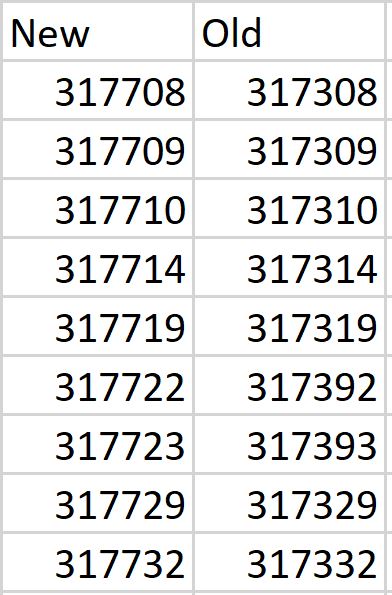
In 2000, 9 sets were modified and refurbished to take over ‘Stansted Express’ services from the Class 322s. They were renumbered in the 317/7 series thus:
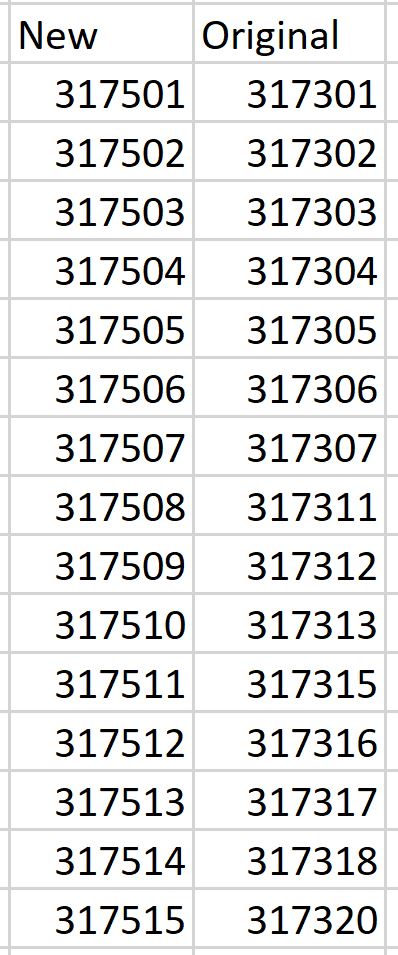
Another 15 sets were refurbished by ‘ONE’ with new seating and passenger information systems in 2005 for use on West Anglia services. They were renumbered 317501-515 thus:
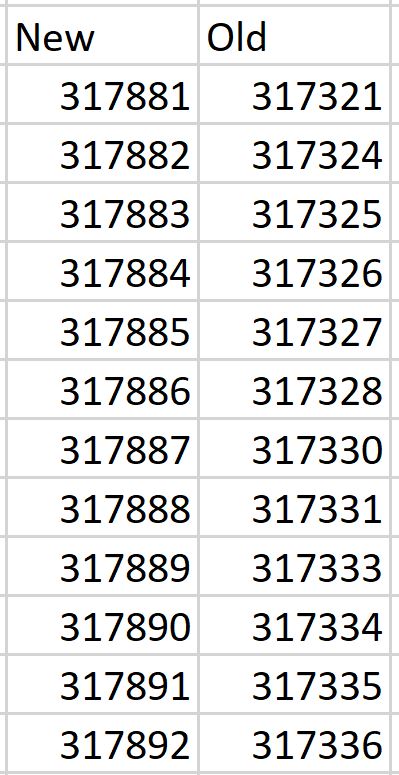
Finally, in 2006 a further 12 sets received a minor refresh at Wabtec in Doncaster. These were renumbered in the 317/8 series thus:
The final act in the lives of the 317s was on the 3st May 2015 when London Overground took over some London suburban routes from Abellio Greater Anglia. The lines from Liverpool St to Chingford, Enfield Town and Cheshunt via Seven Sisters were absorbed and eight 317/s and 6 317/8s (rendered surplus from Stansted services by the Class 379s) were taken over to run the services. The units were repainted on London Overground livery but little else. They lasted until April 2020 when the new Class 710 ‘Aventra’ trains displaced them.
Withdrawal of the 317s has continued to the present day. All the original Class 317/2s have gone for scrap at Eastleigh in Hampshire. The 317/7s have been stored bar 317722 which has been scrapped after being used as a demonstrator for a potential refurbishment programme. All that remains is a handful of 317/5s and 317/s which at the time of writing still work a few peak service between Liverpool St and Cambridge. For how much longer depends on the acceptance into traffic of the Class 720s…
Here’s a selection of pictures showing the diverse routes and liveries the 317s have used over their careers.
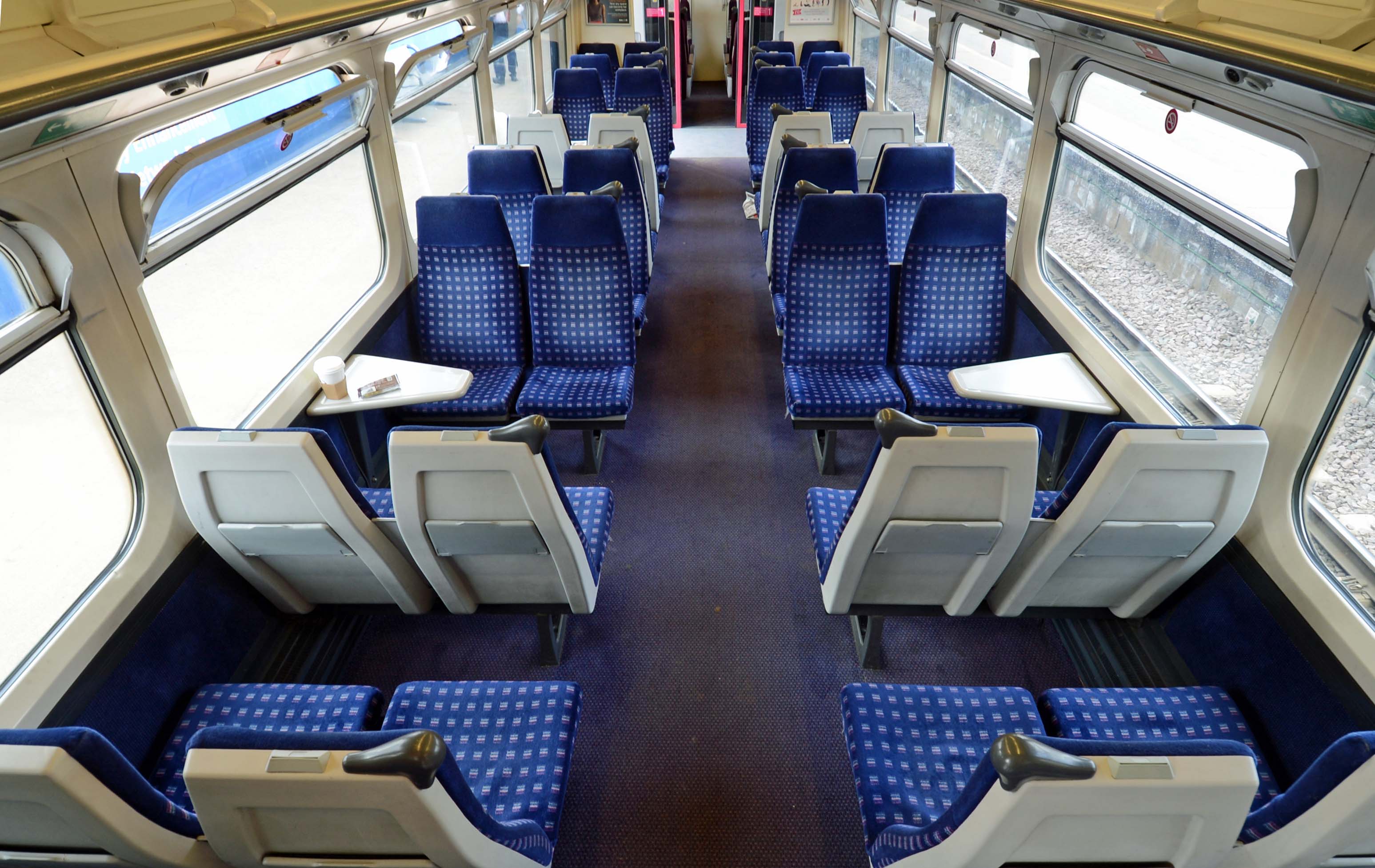
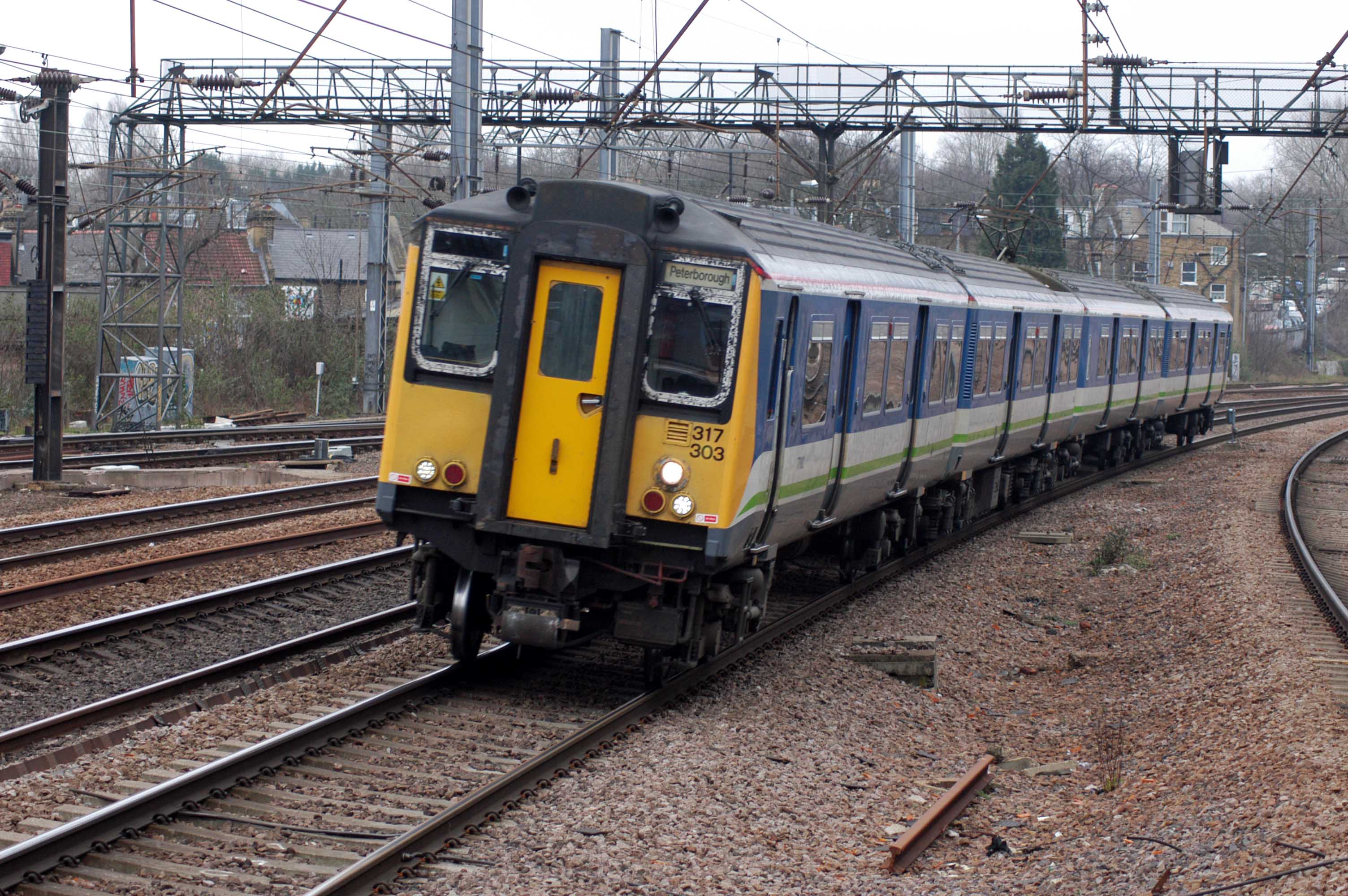
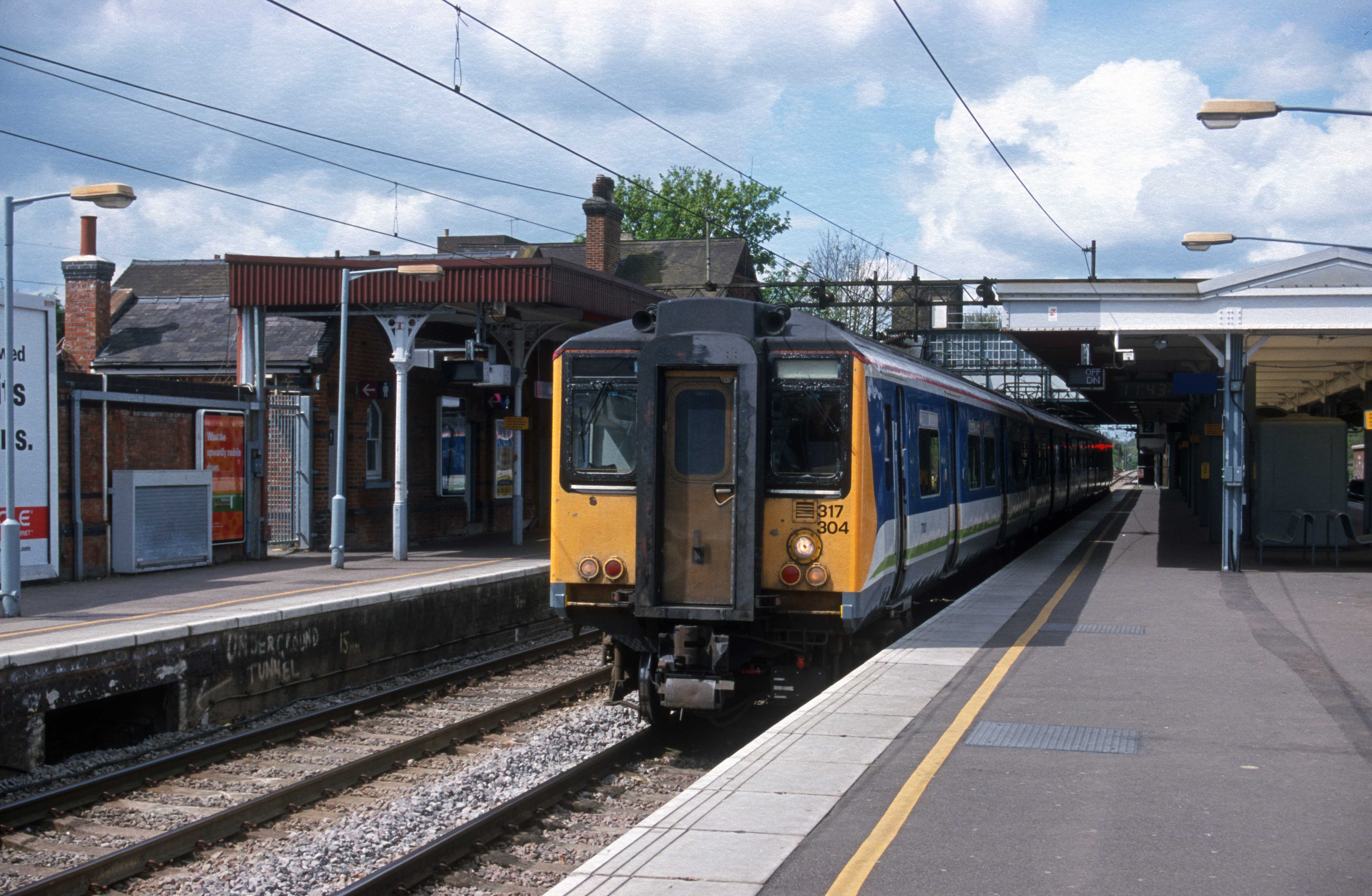
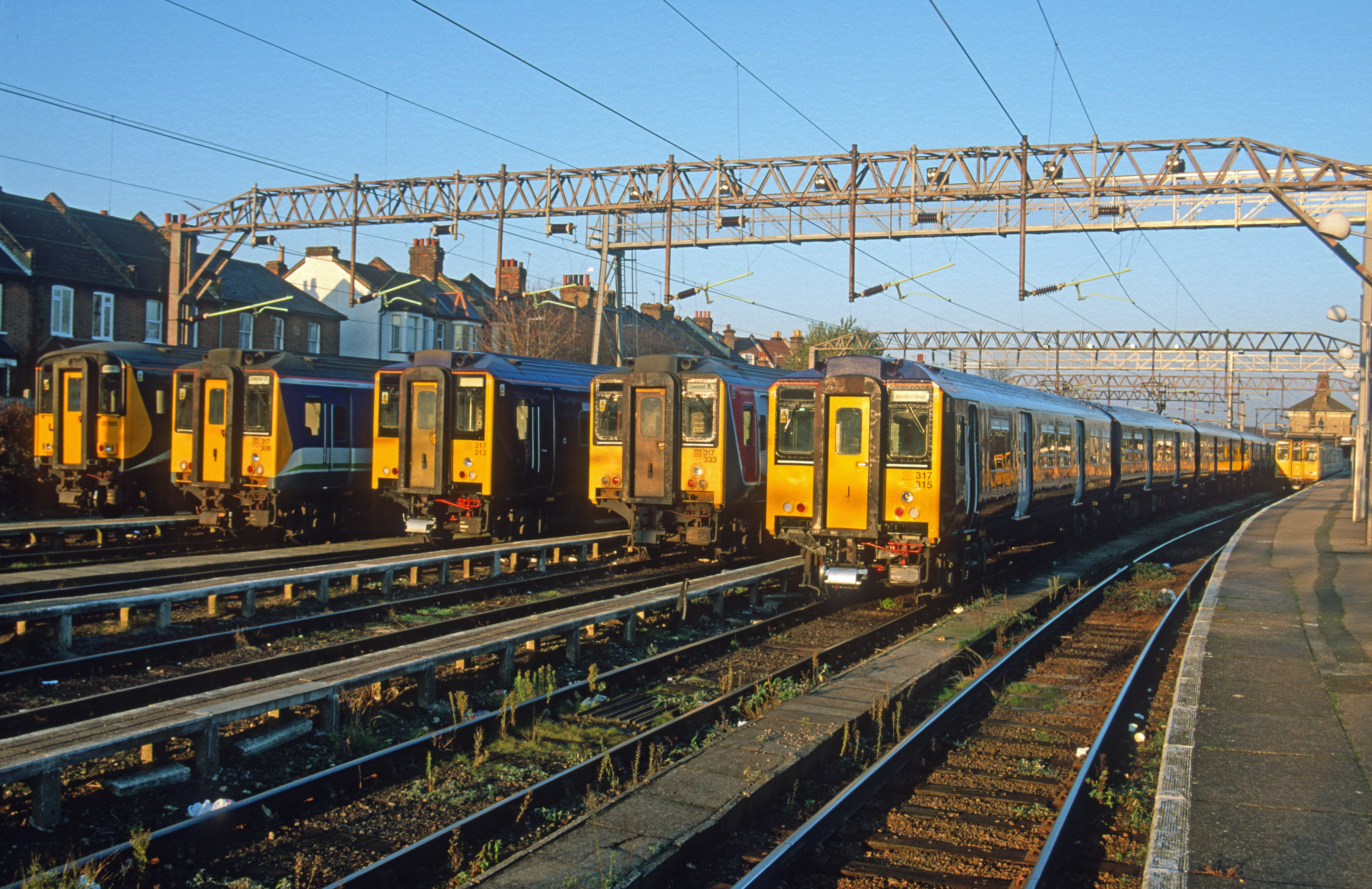
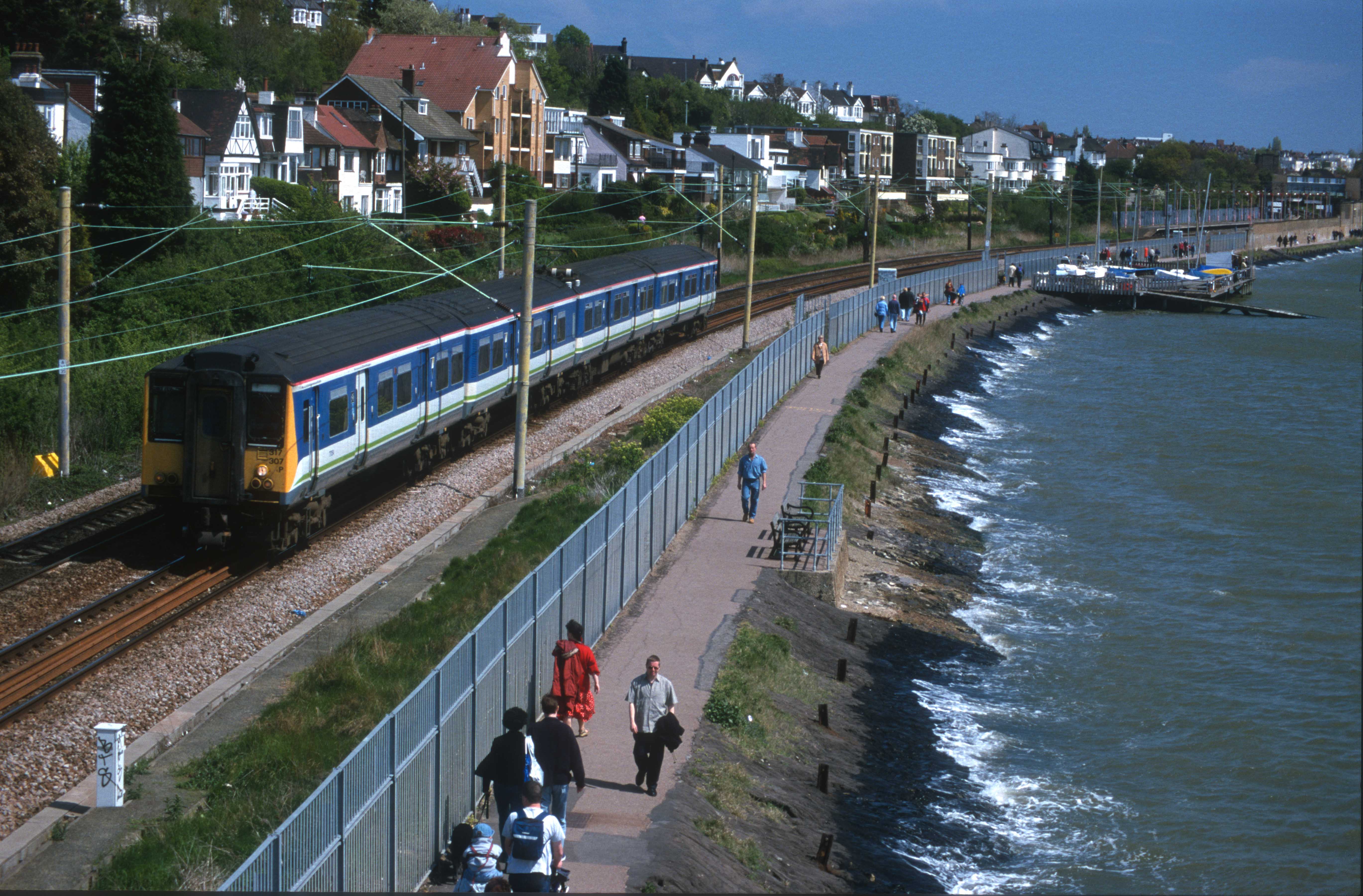
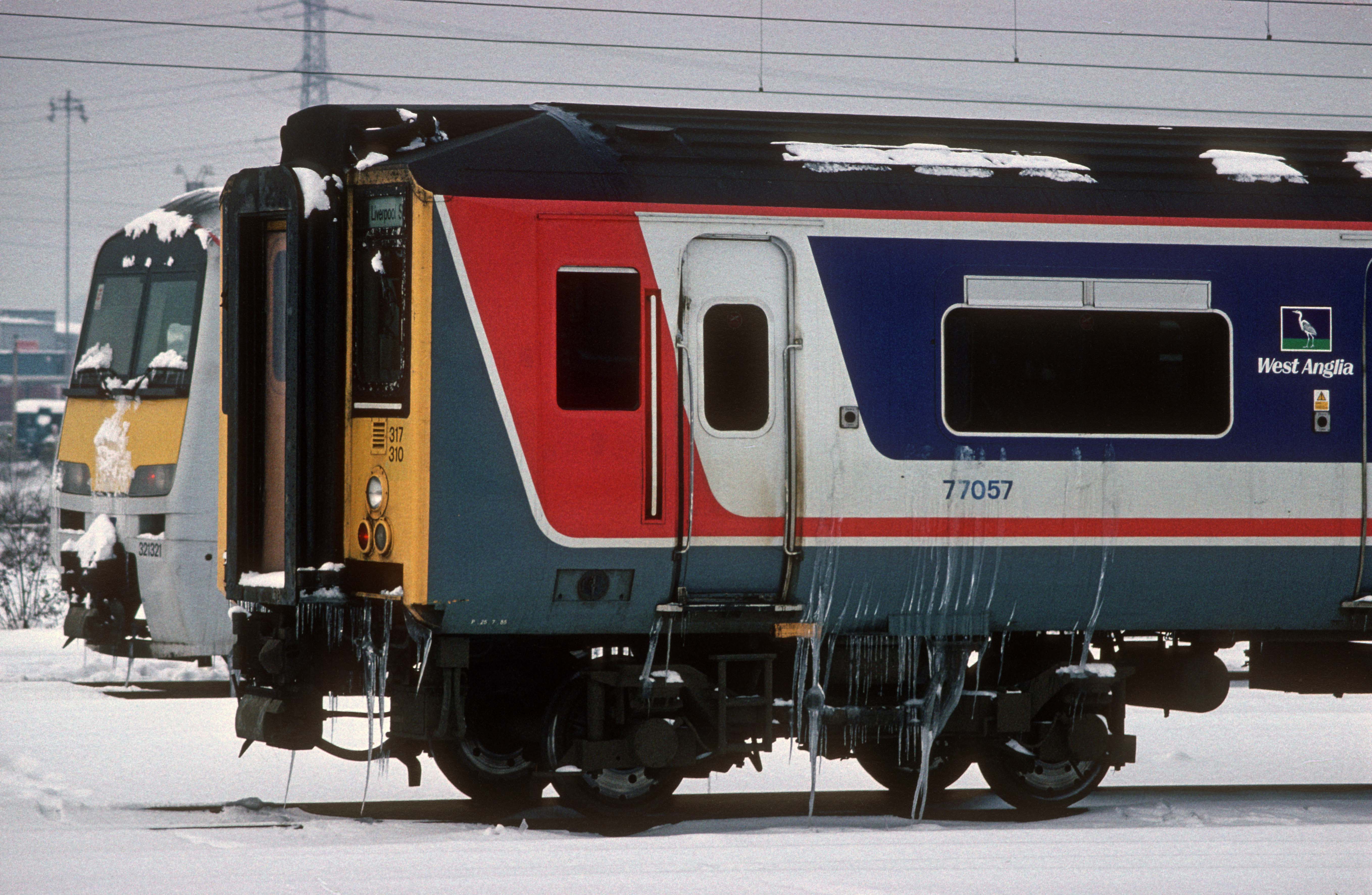
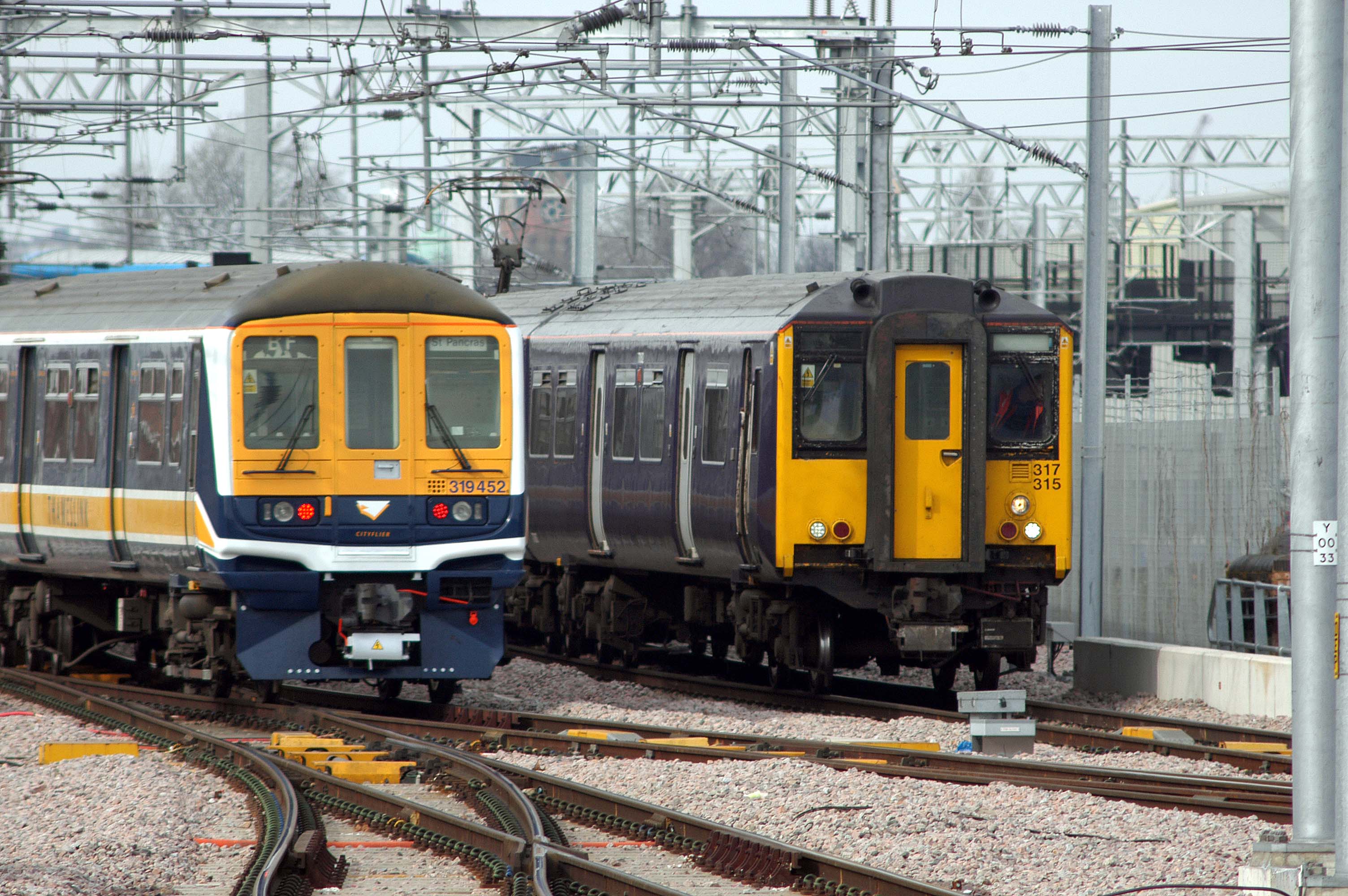
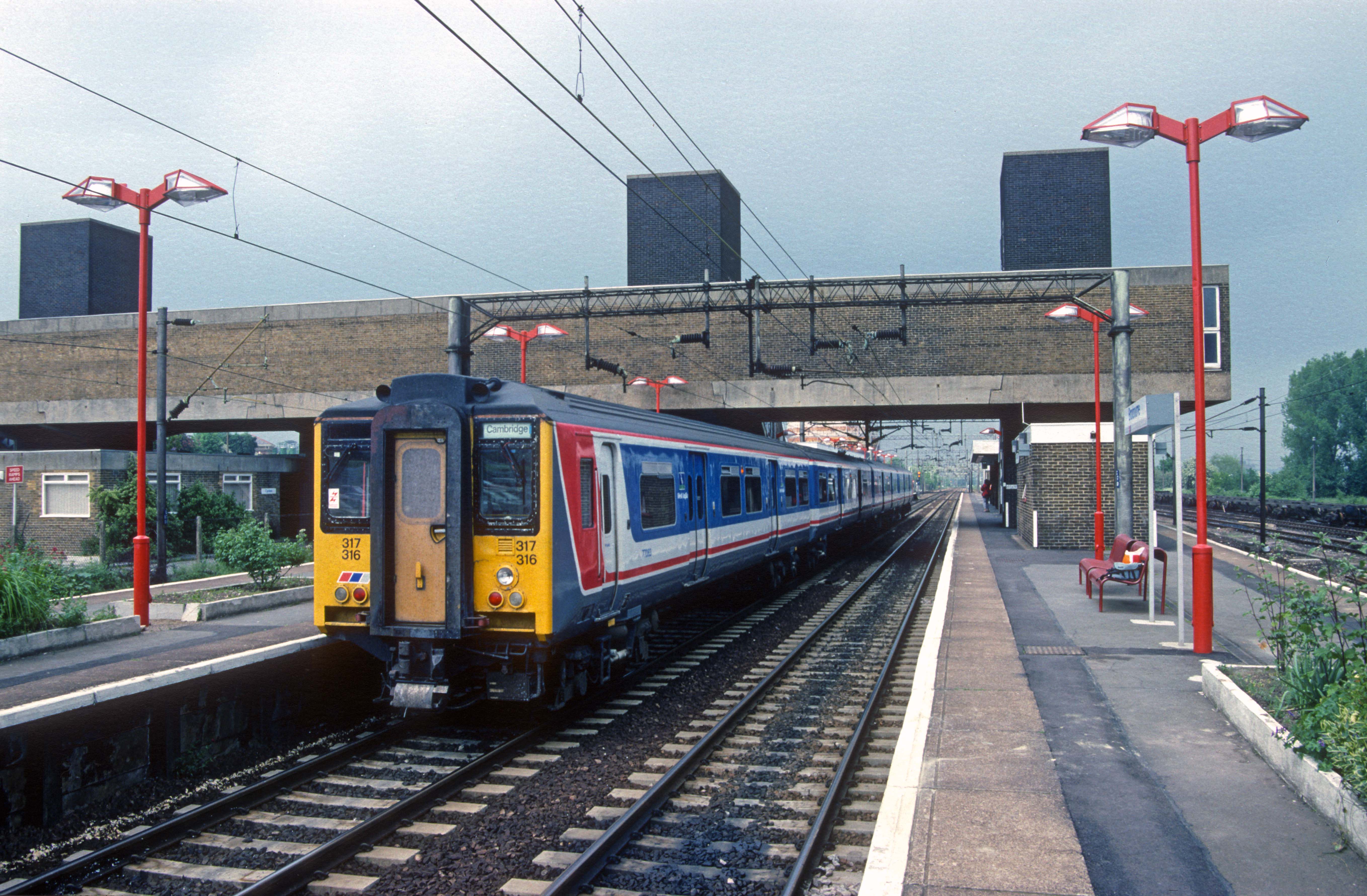
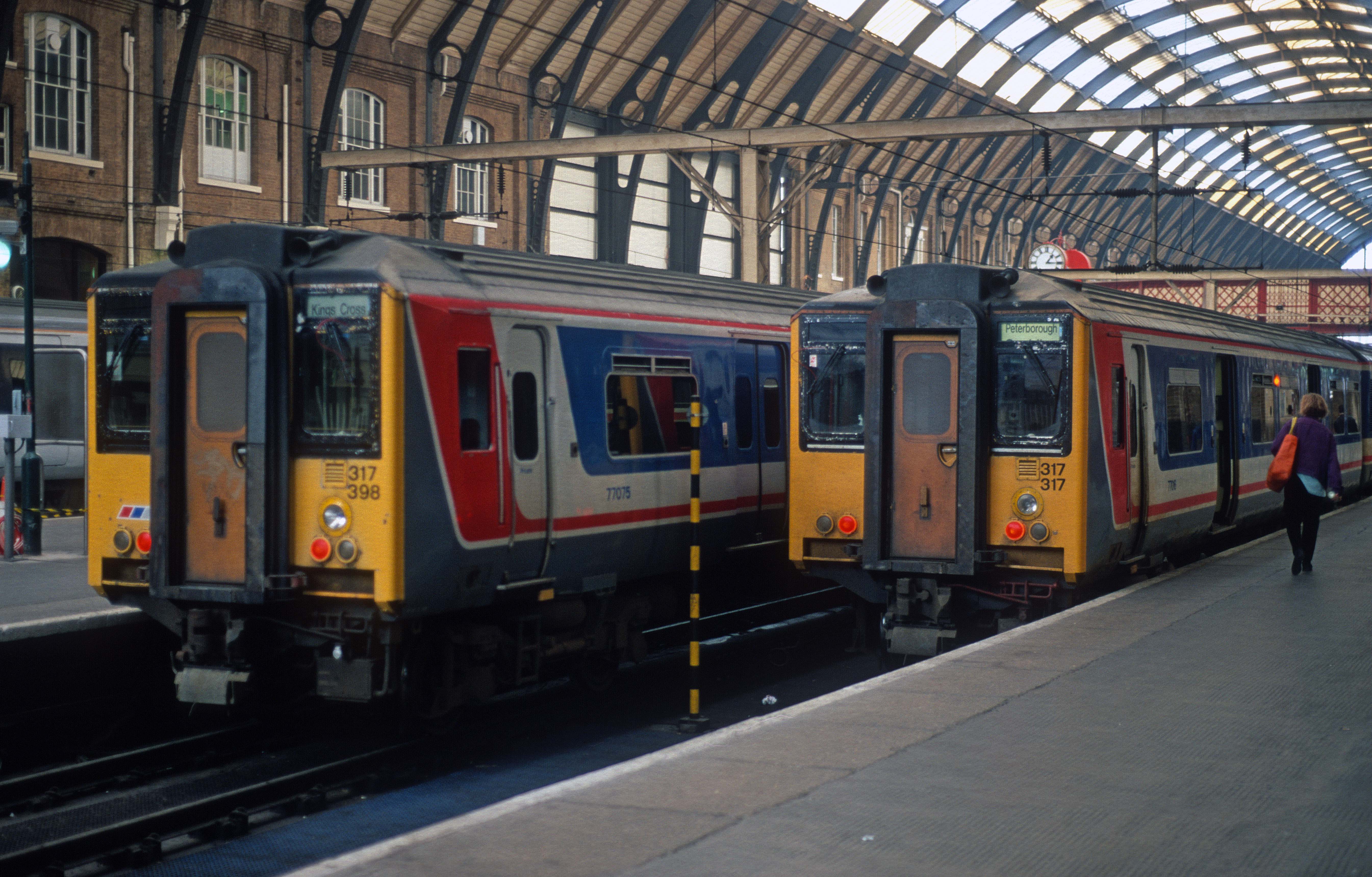
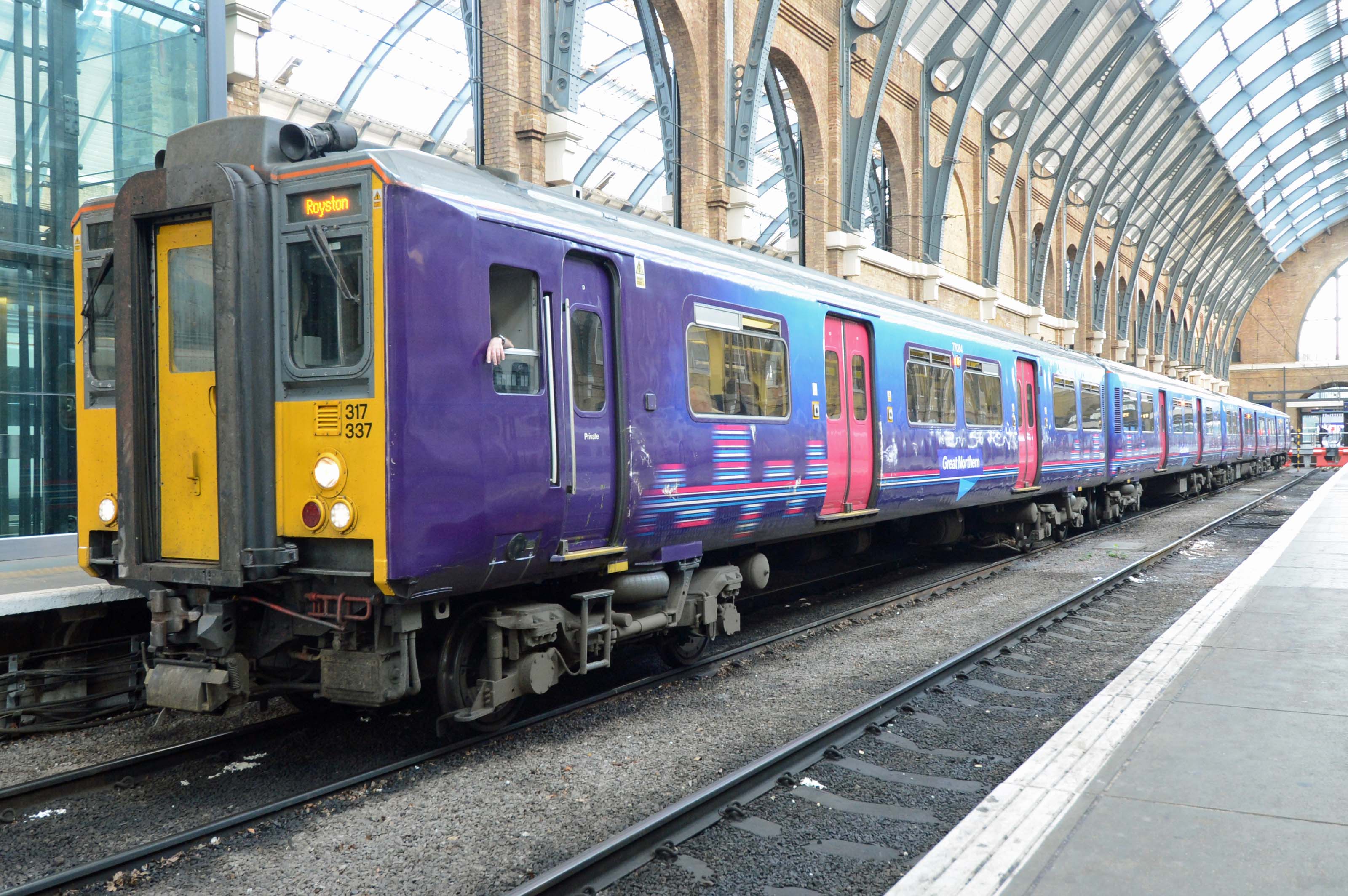
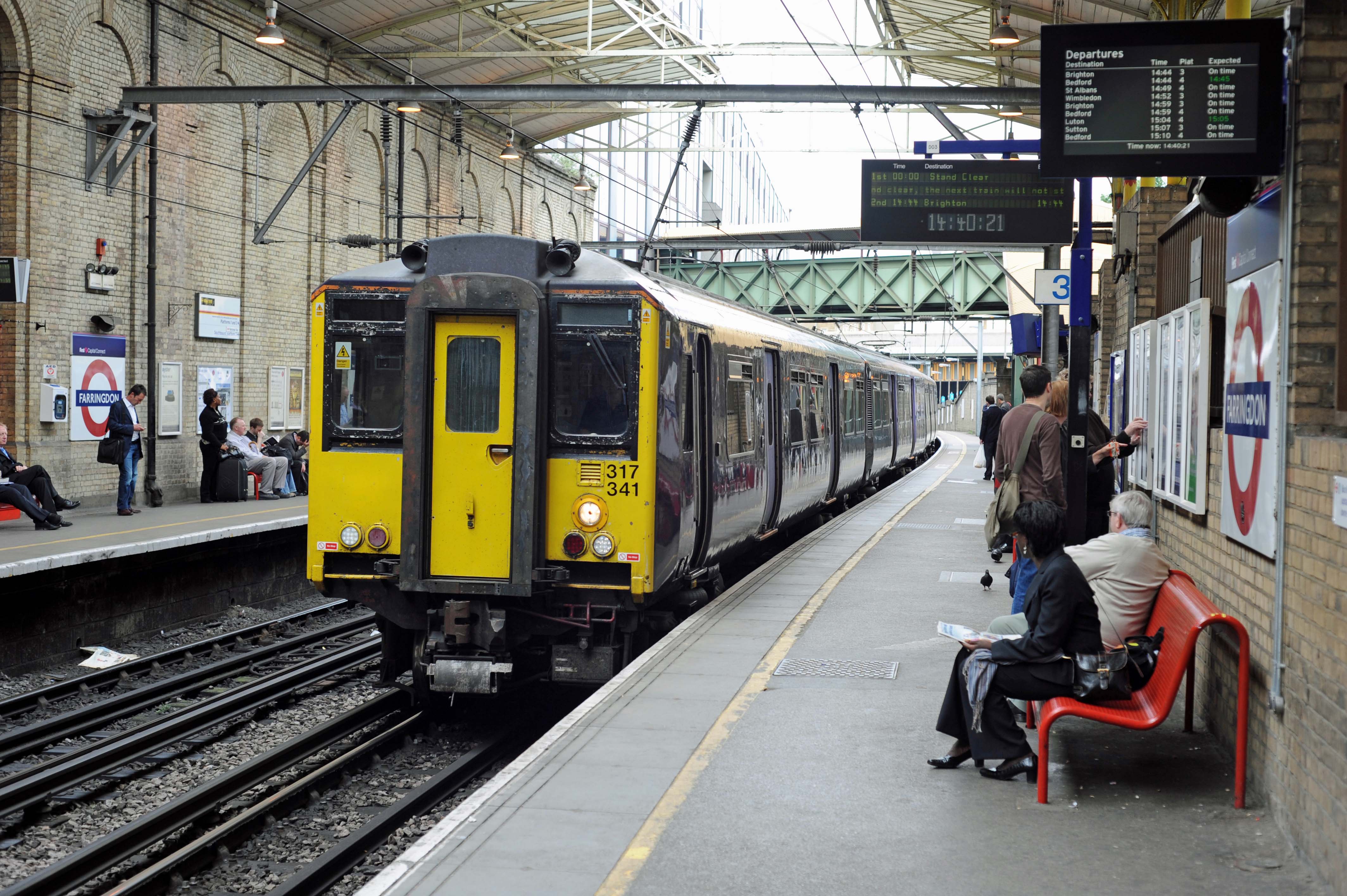
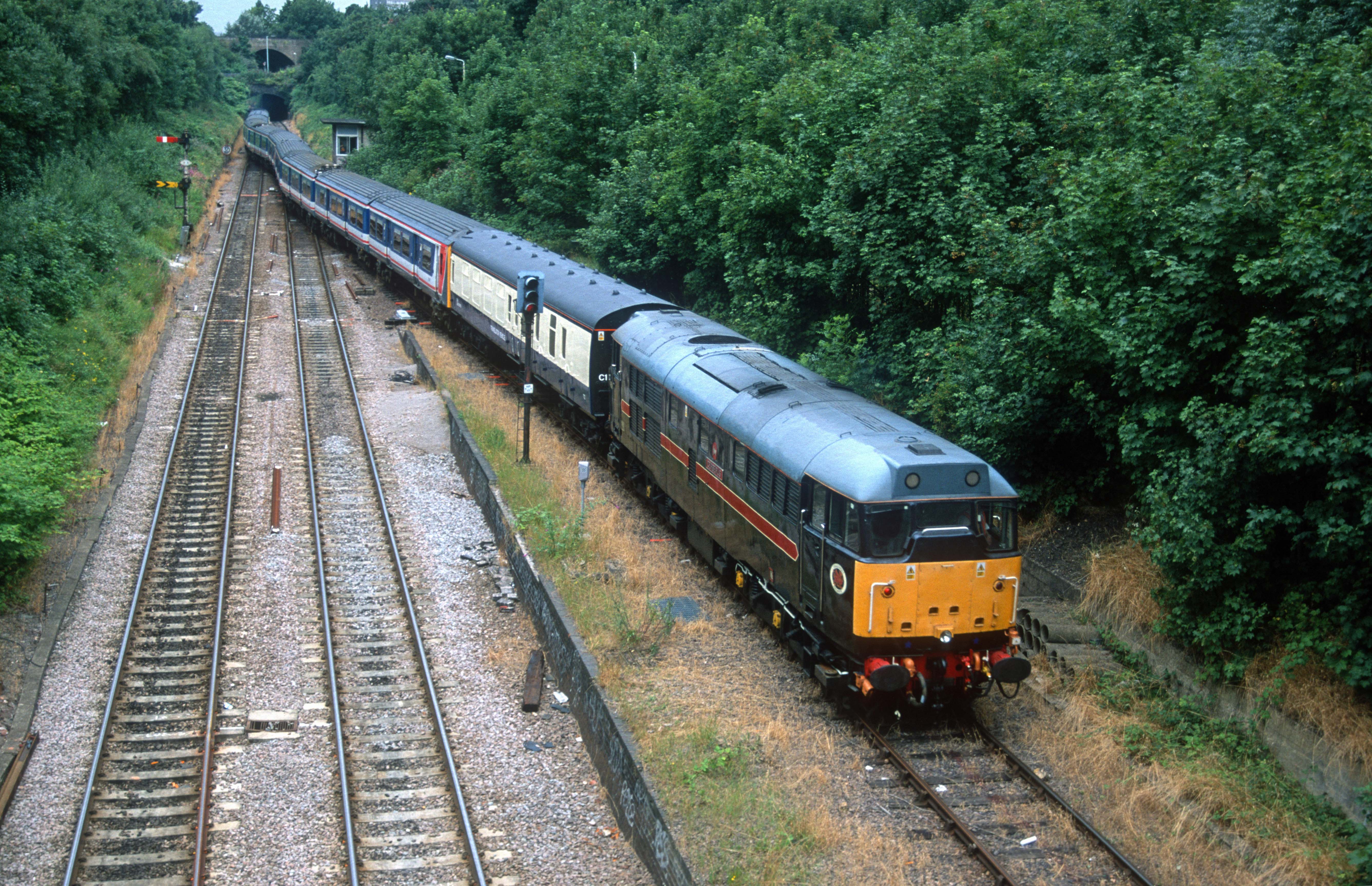
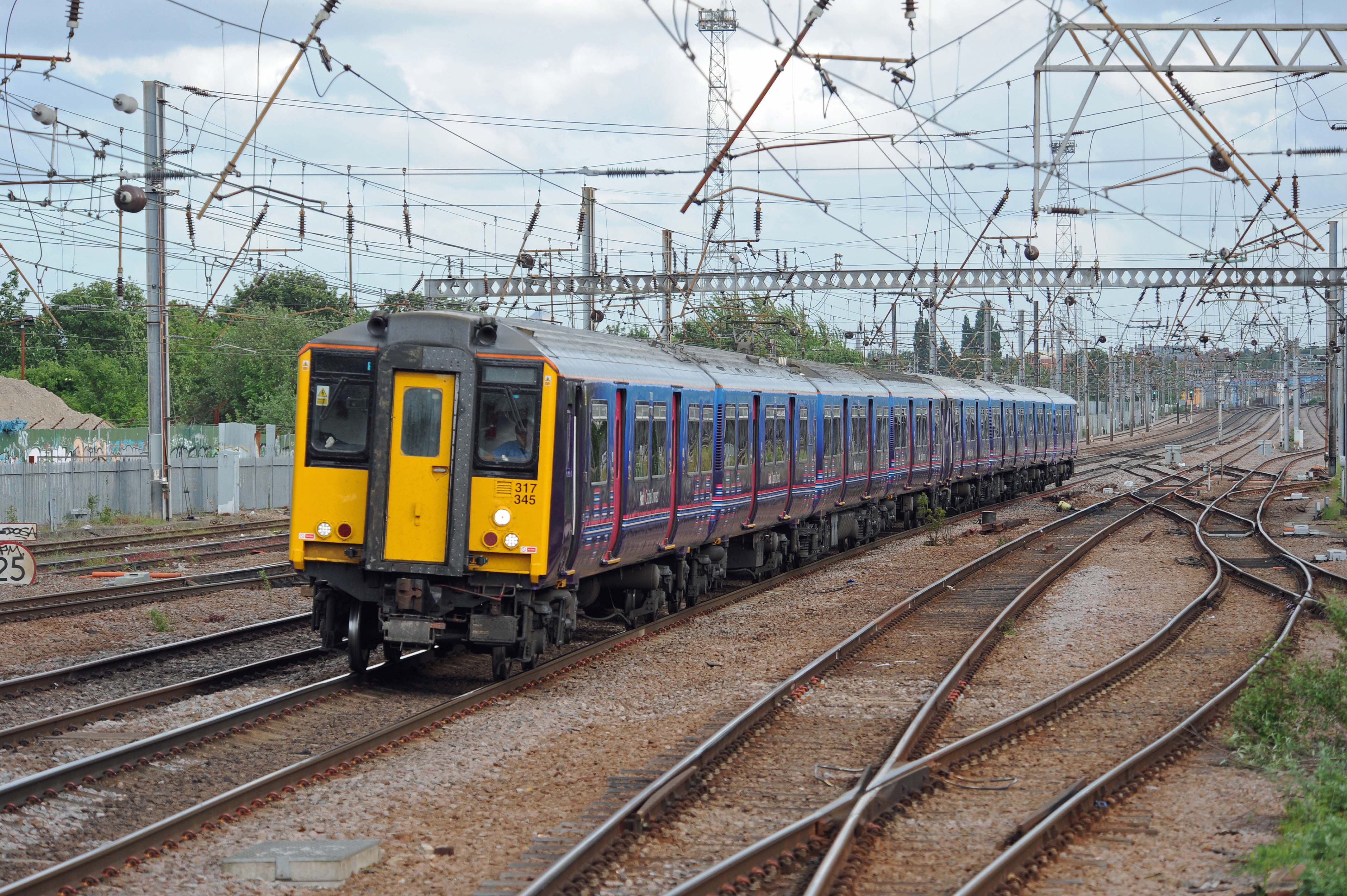
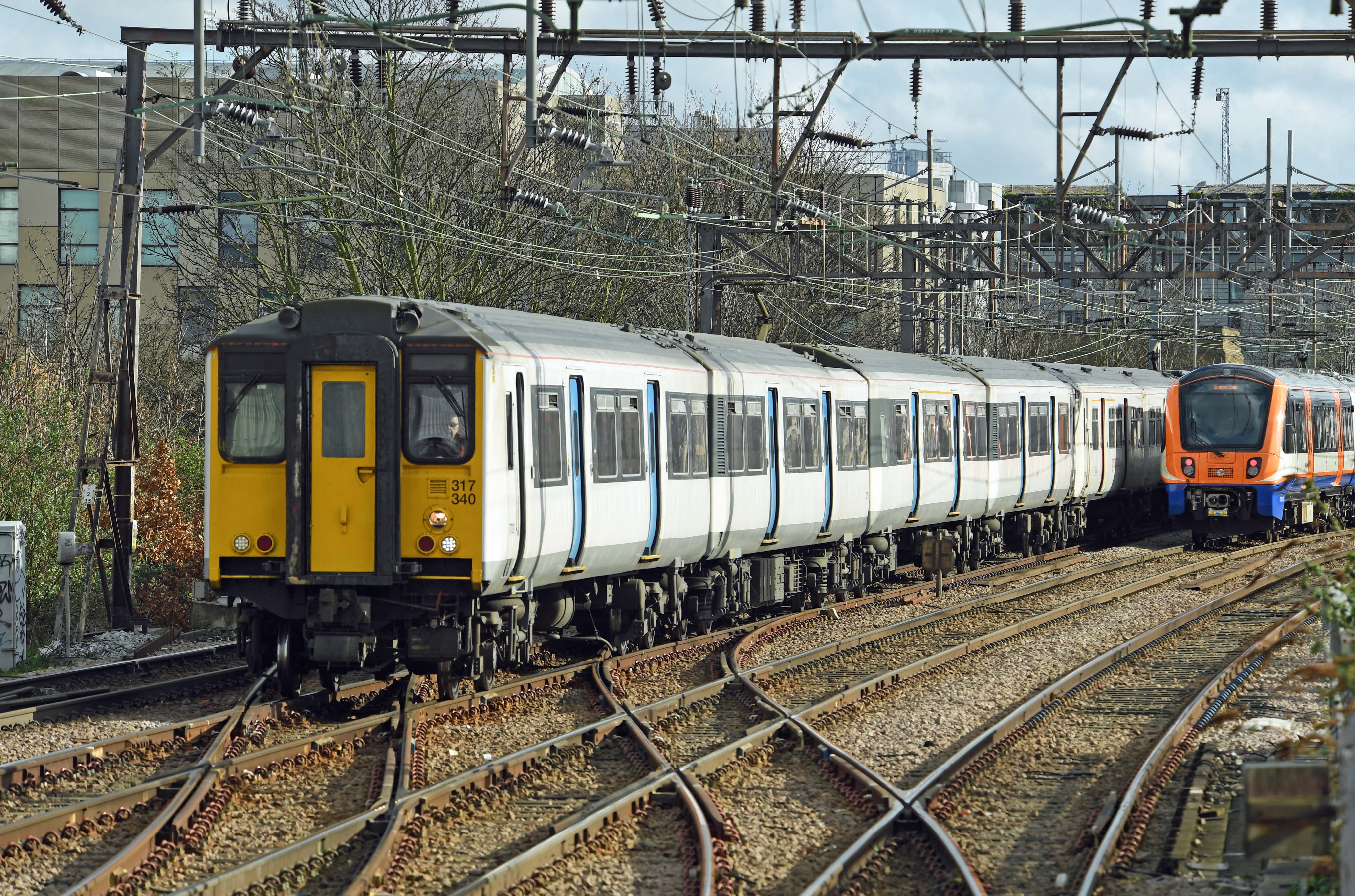
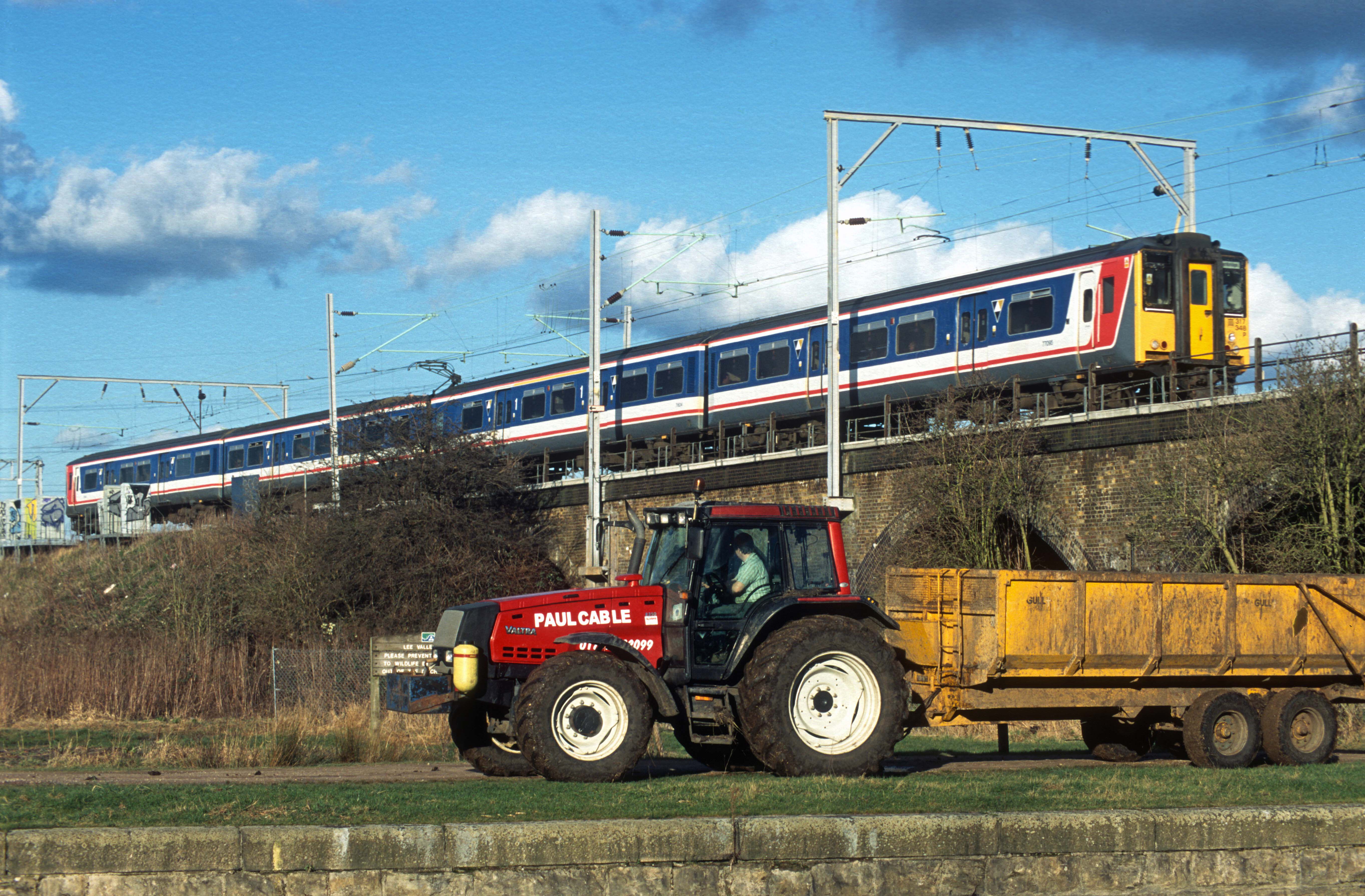
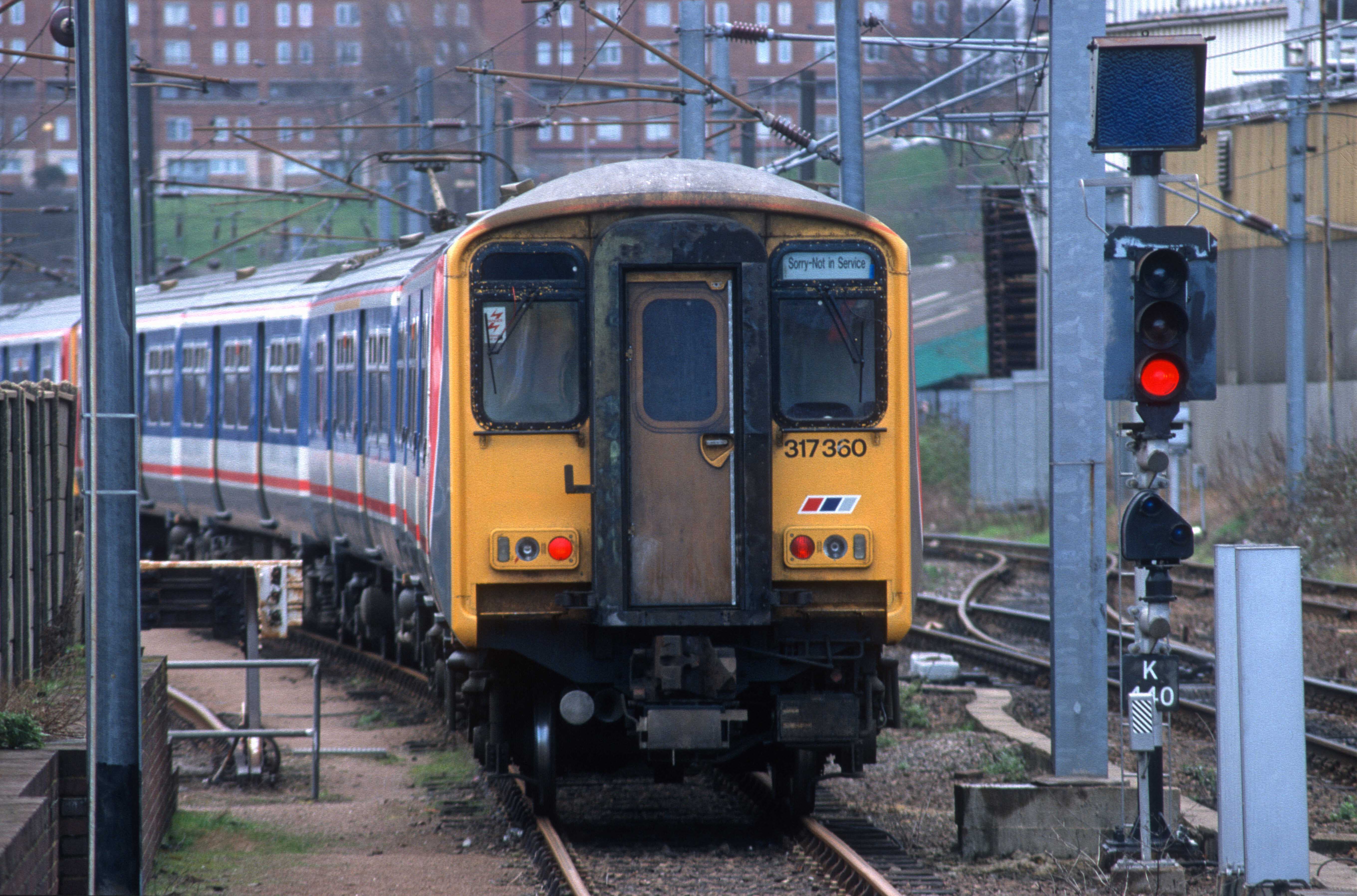
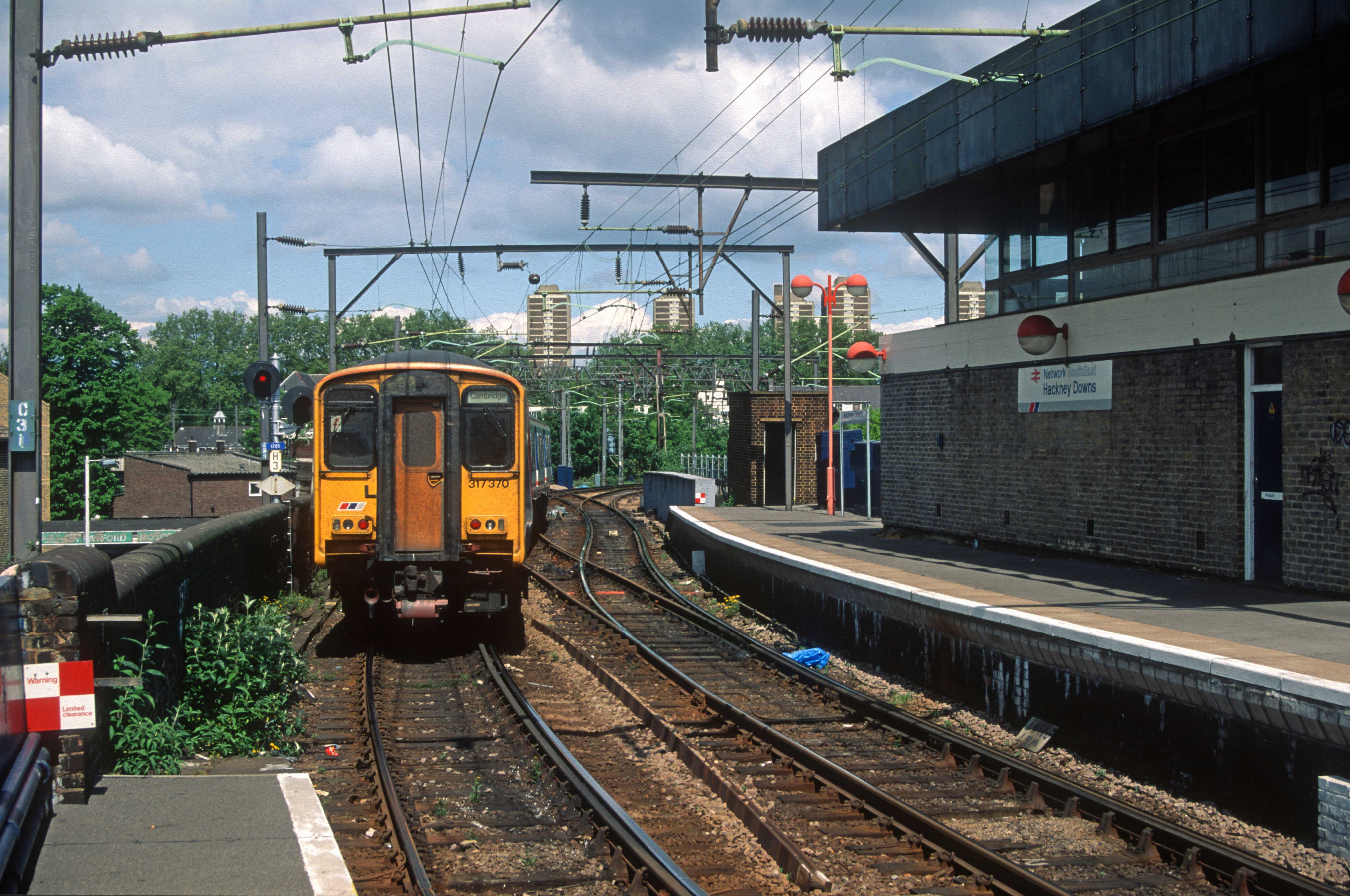
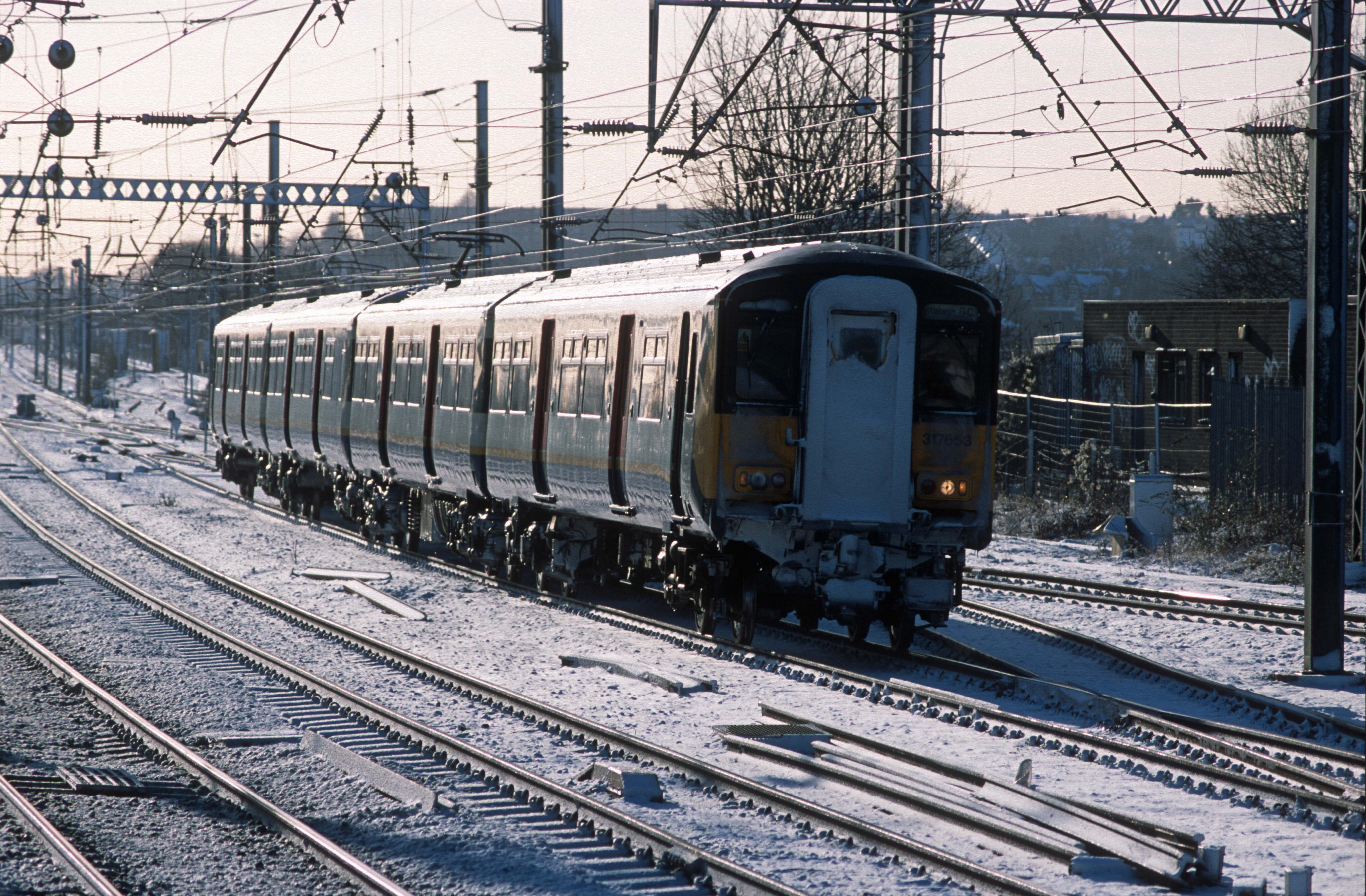
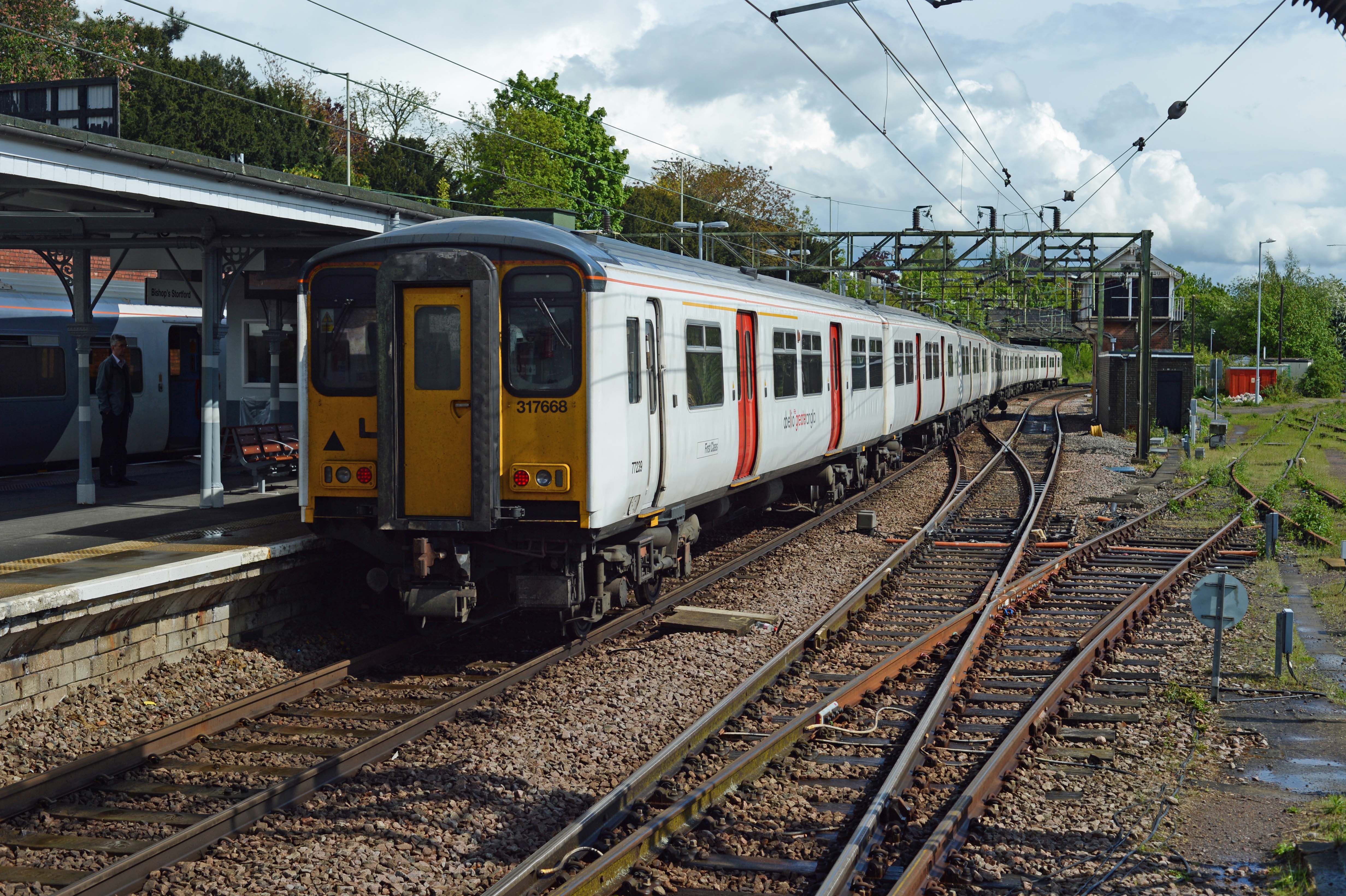
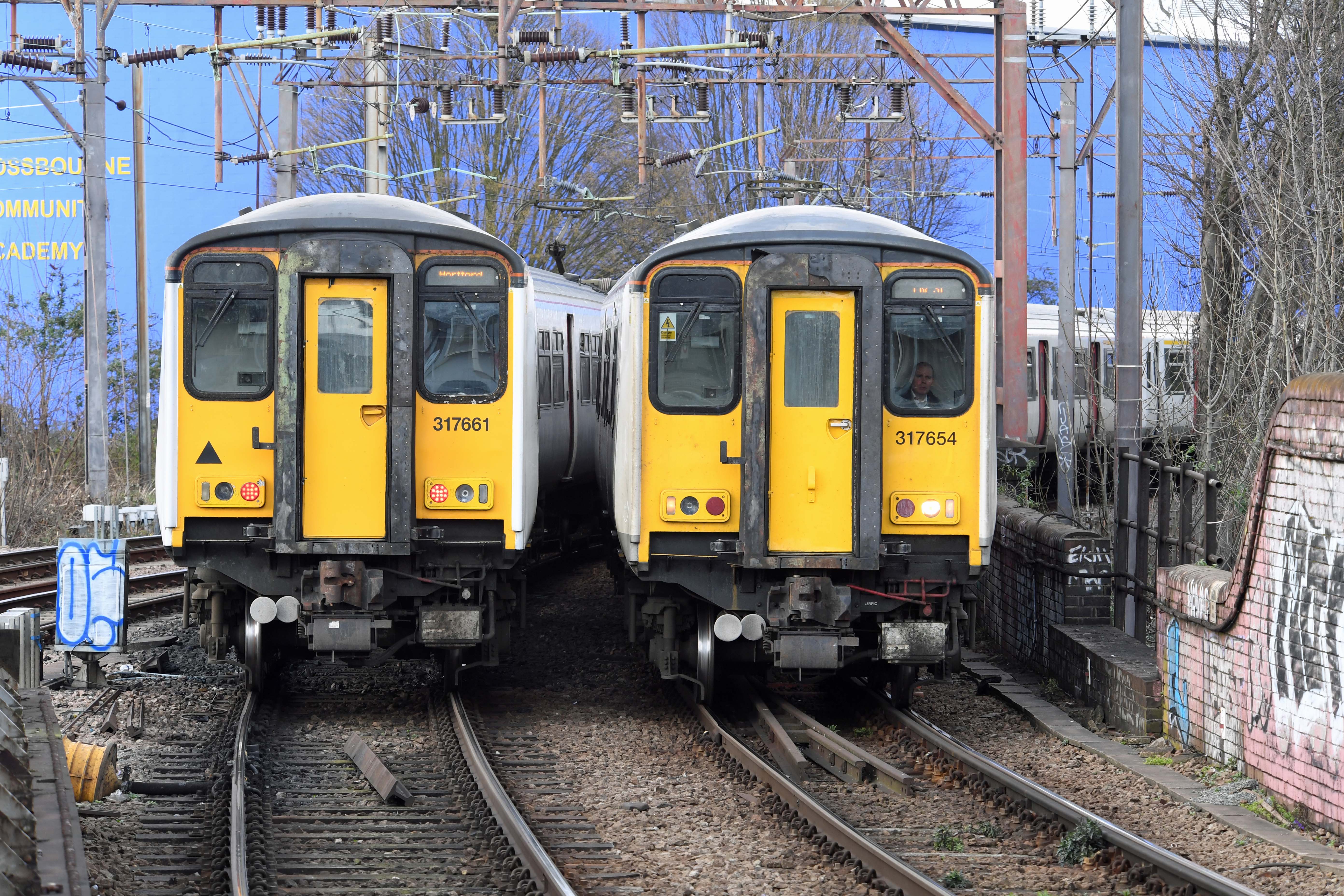
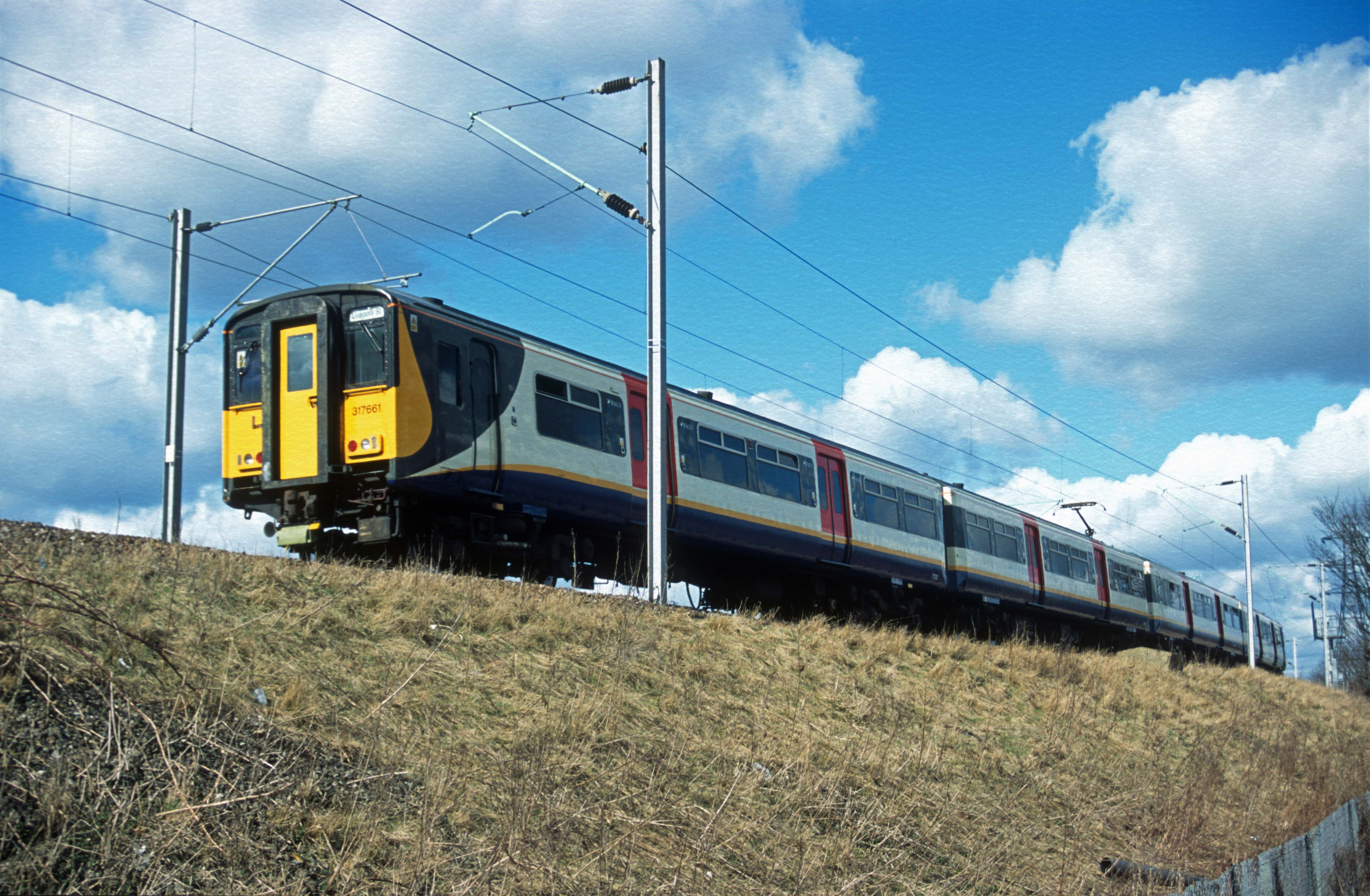
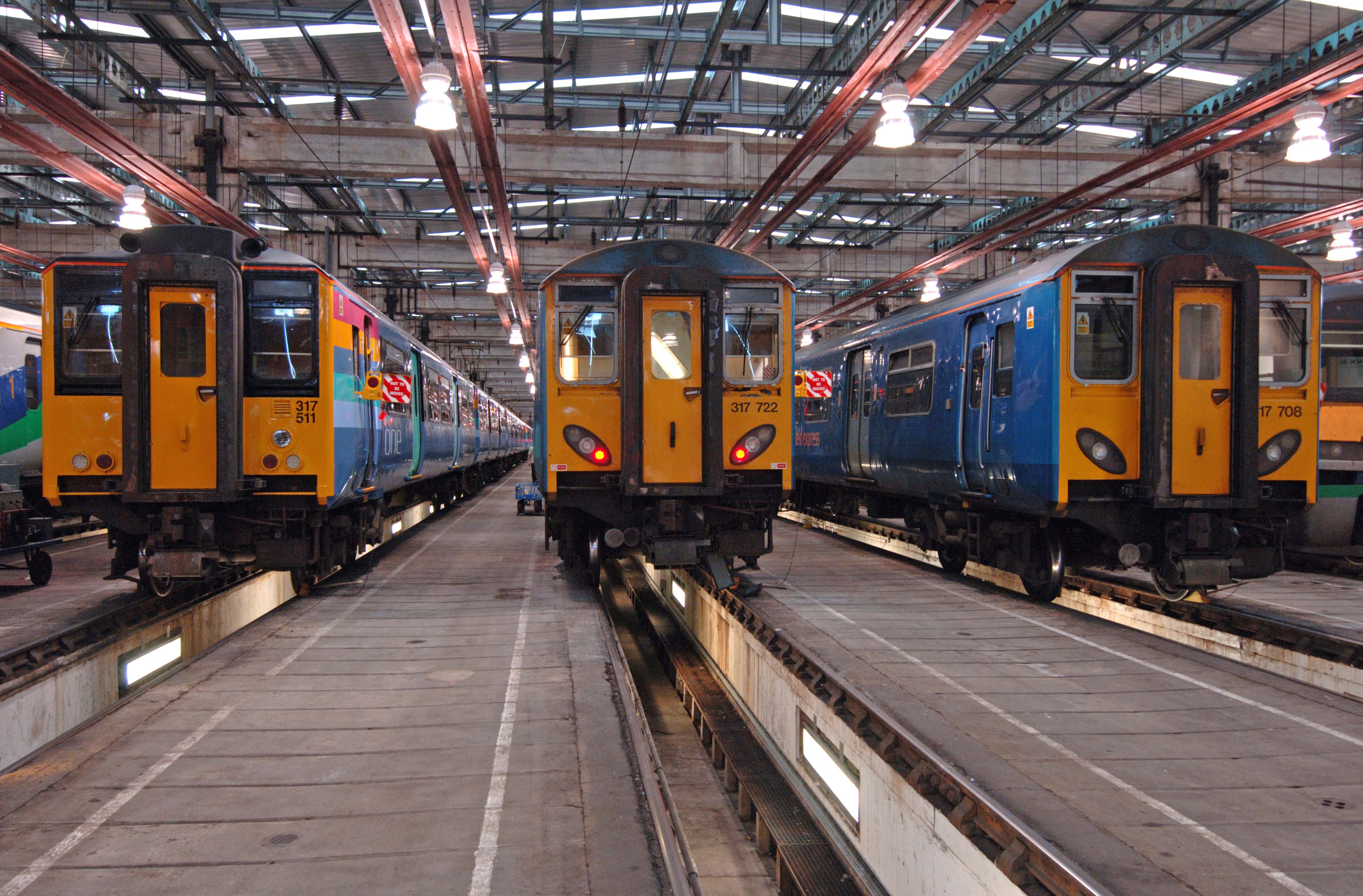
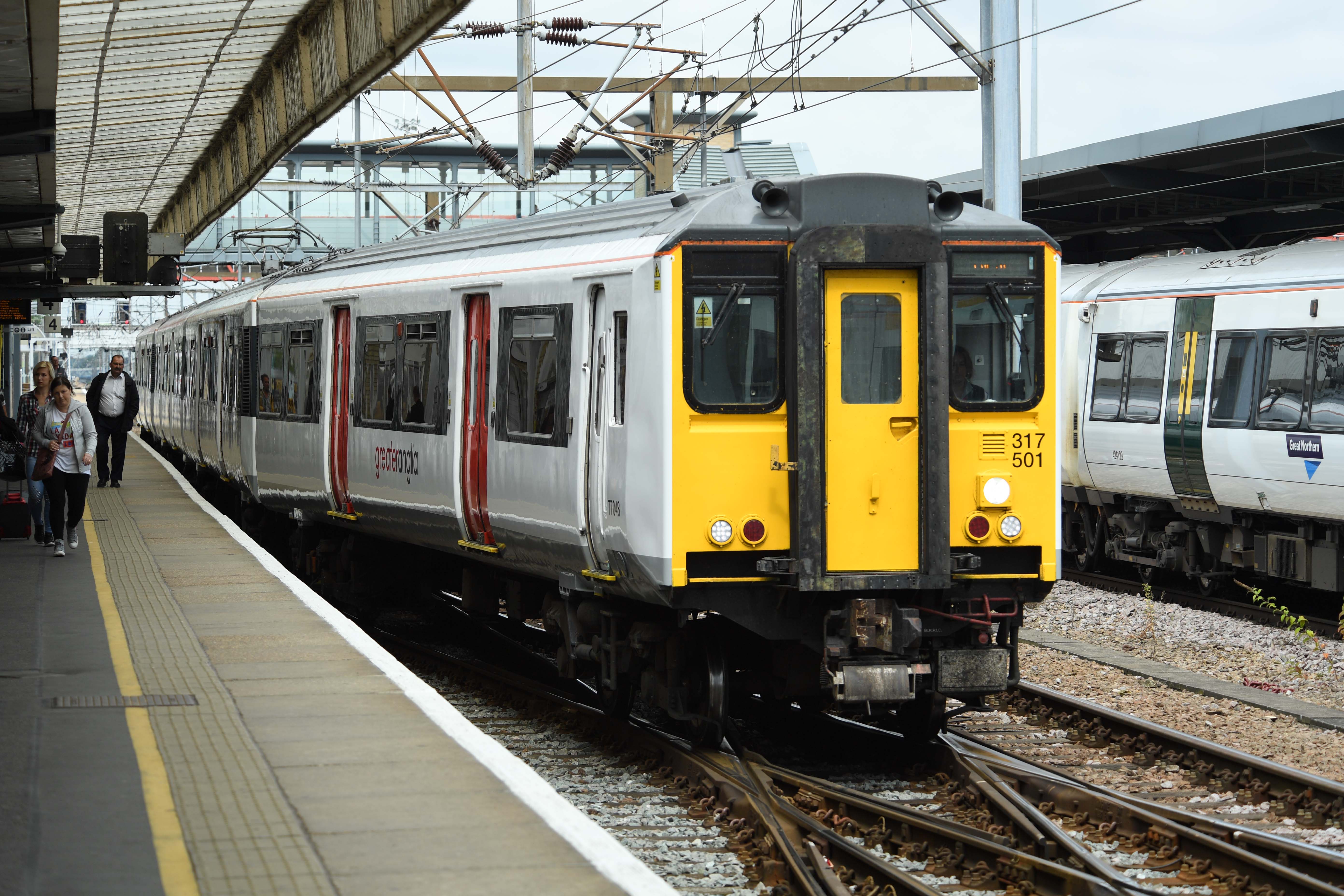
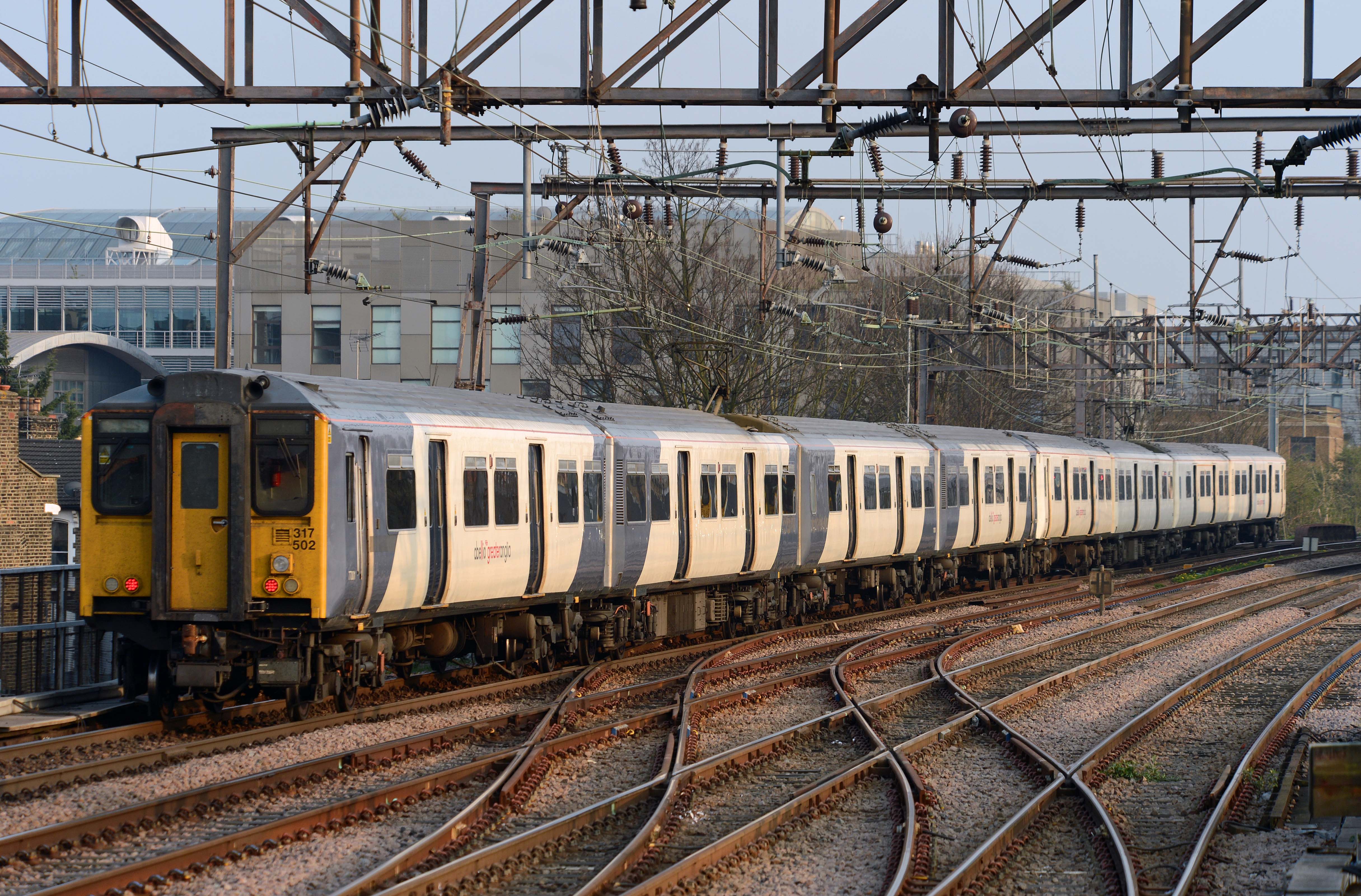
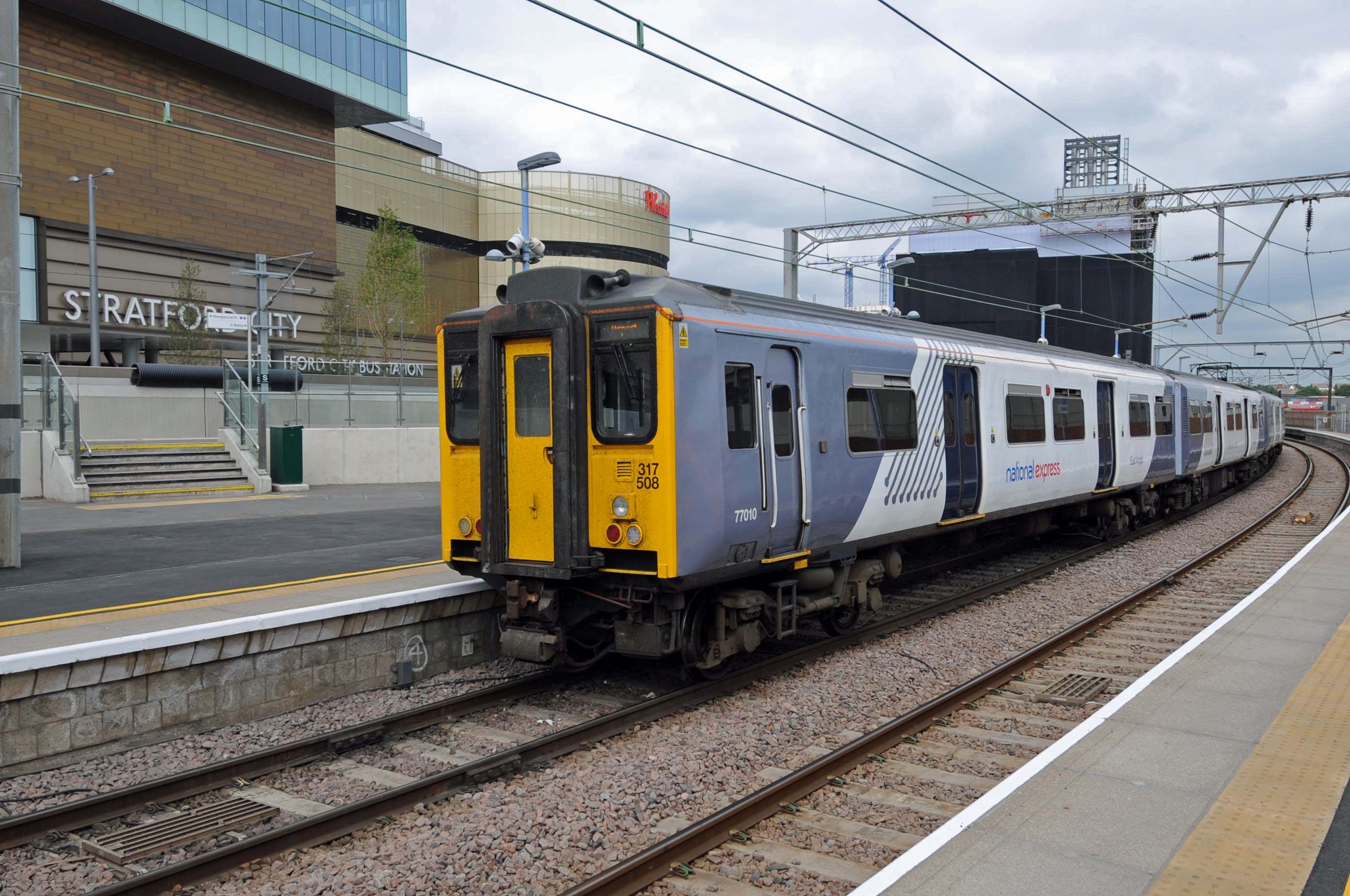
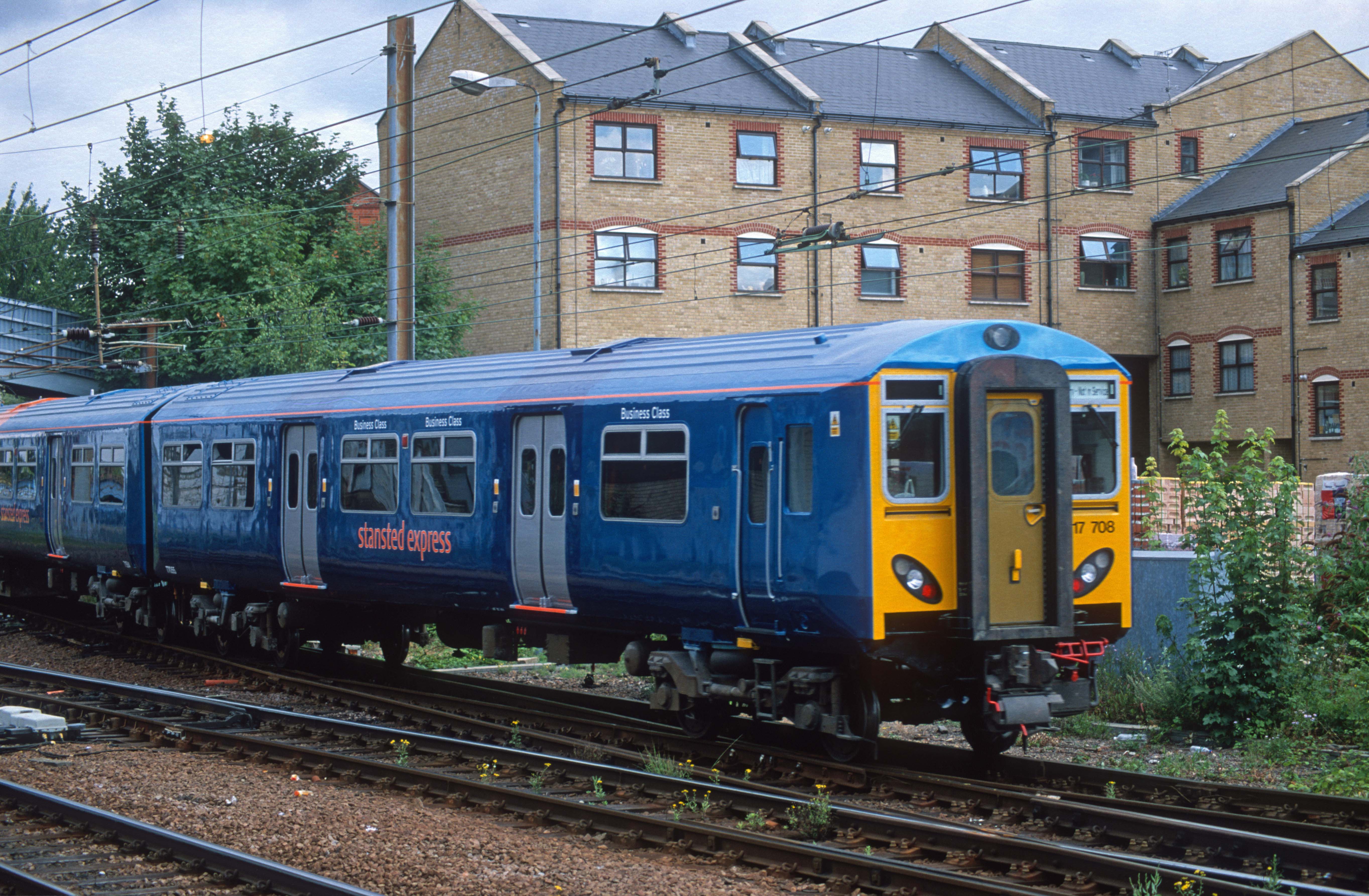
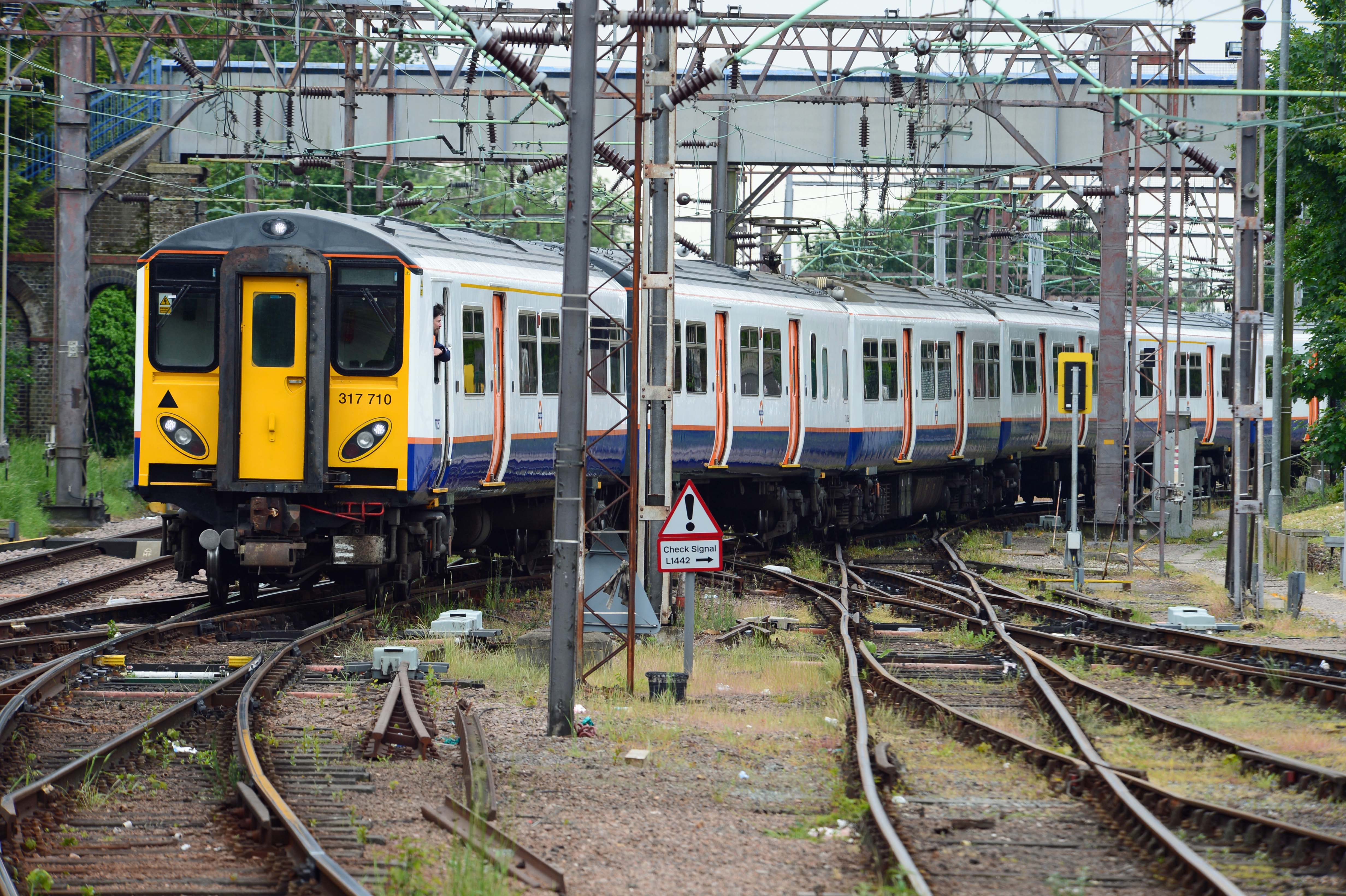
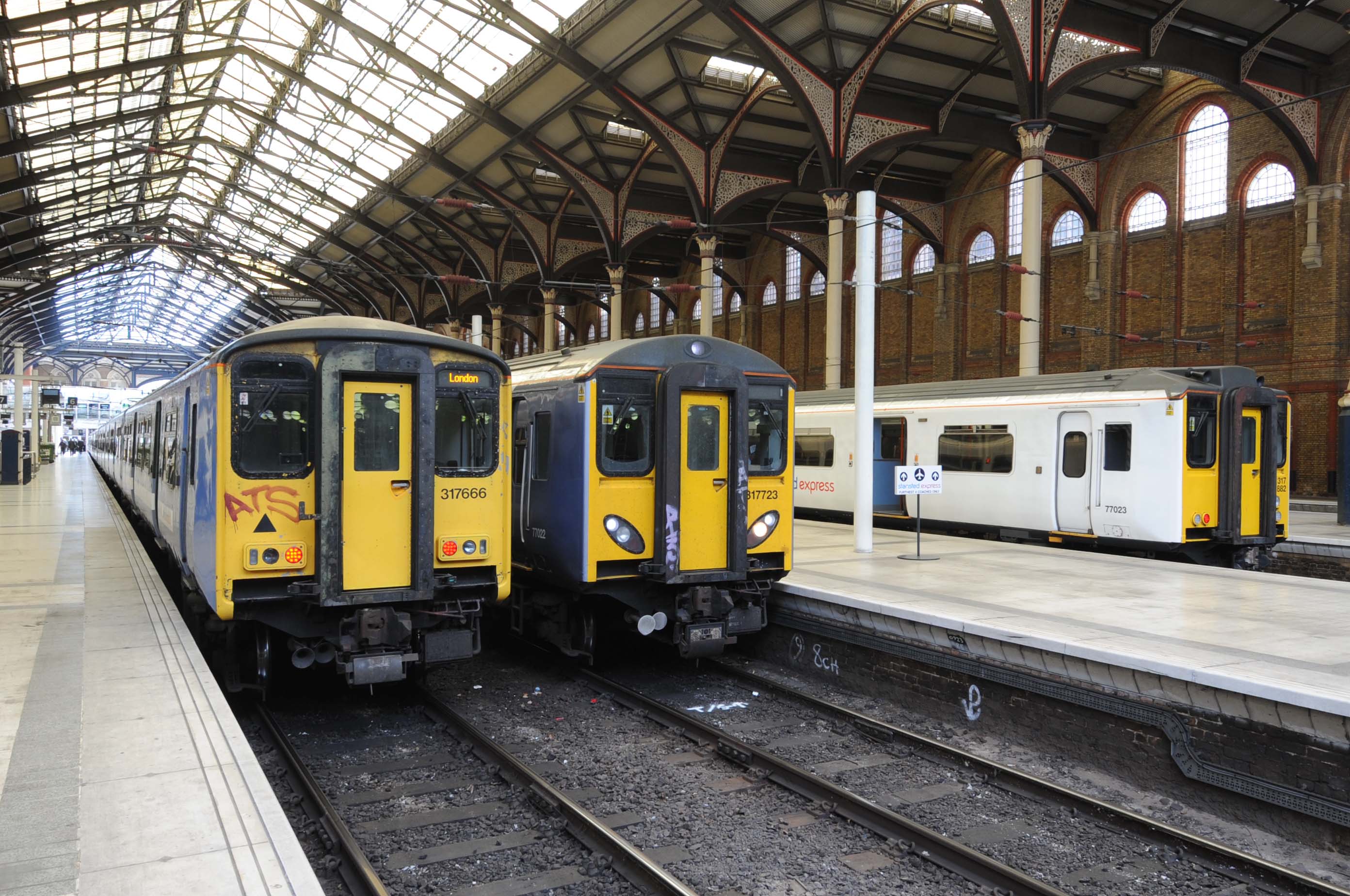
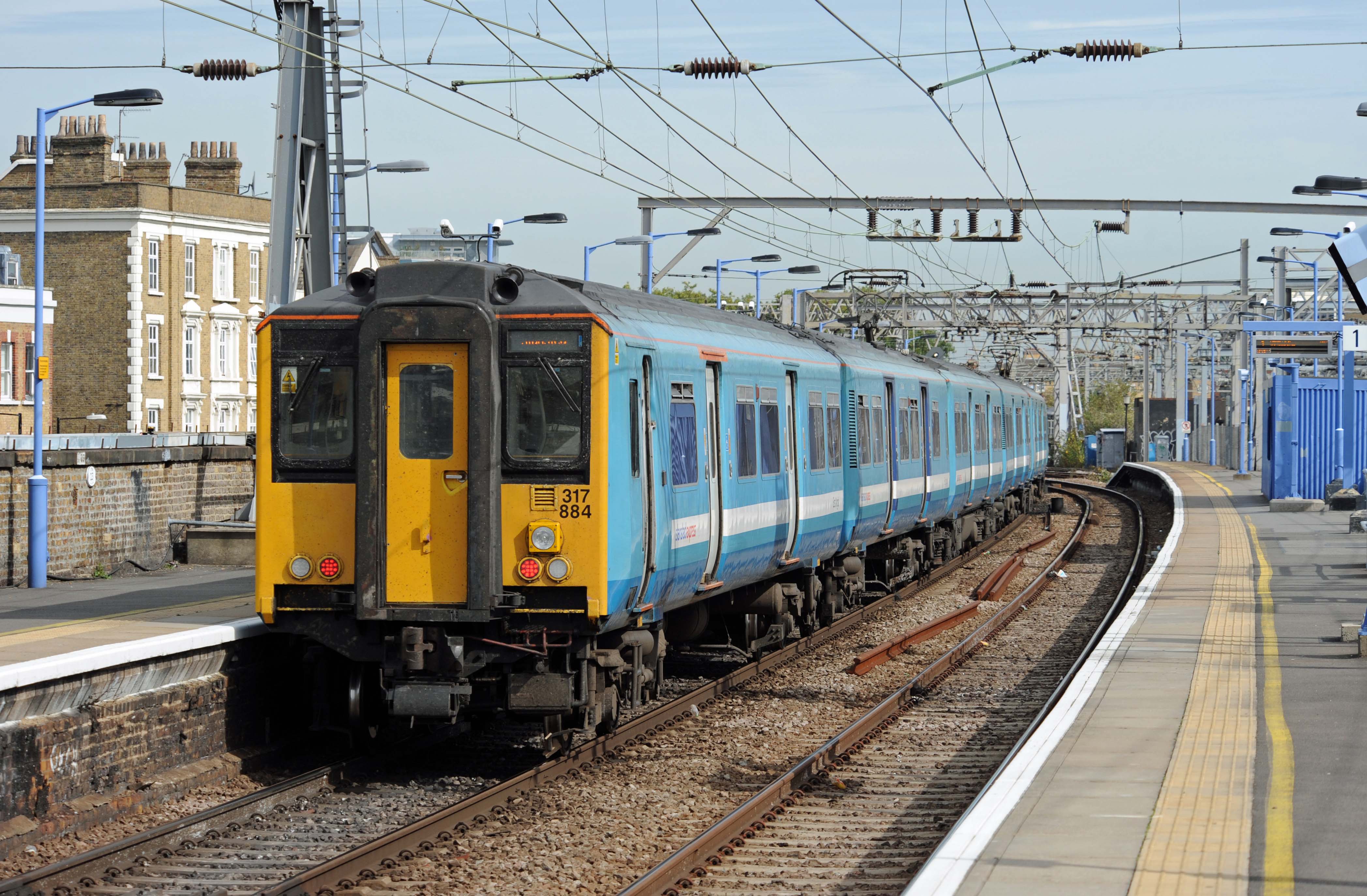
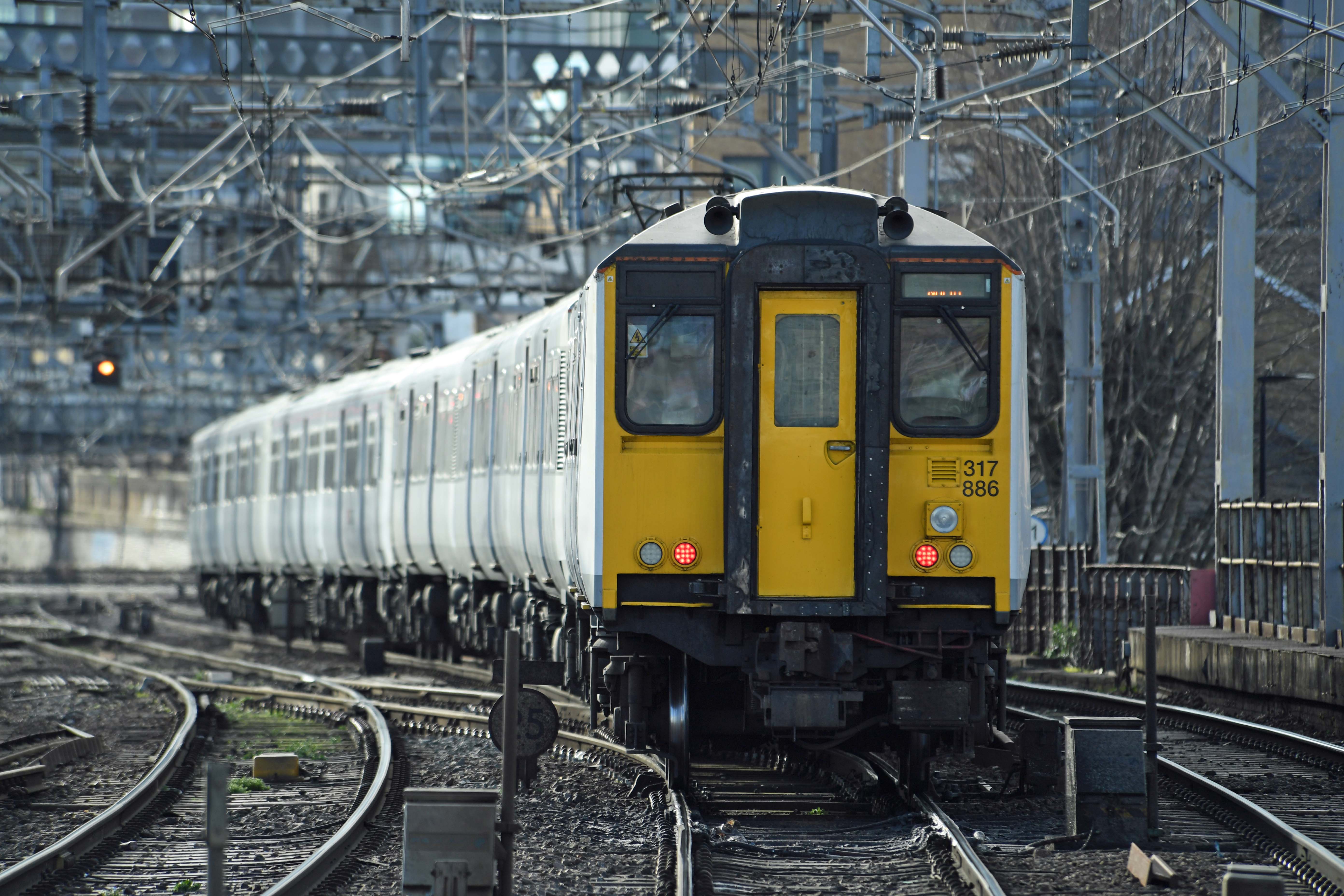
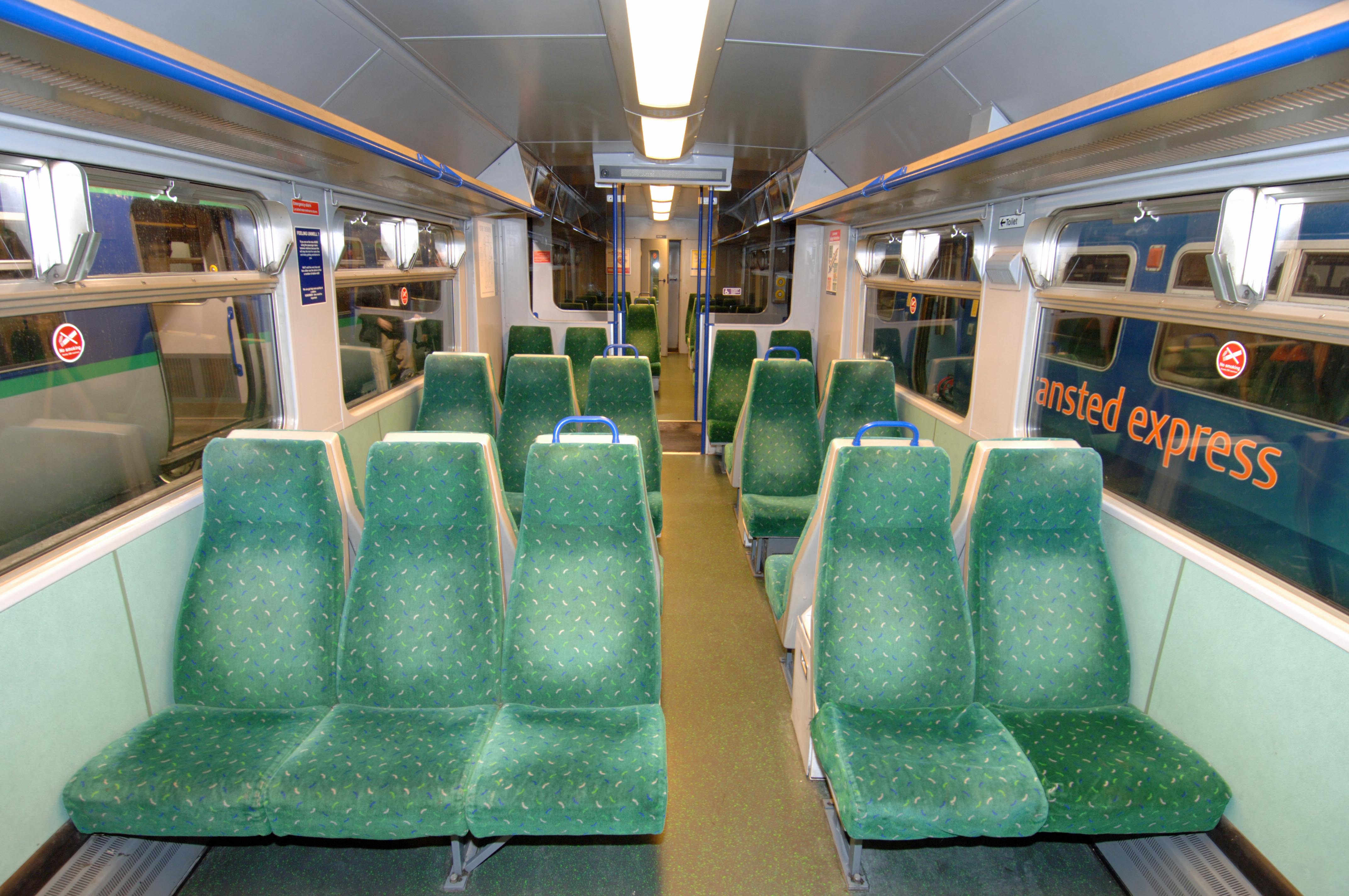
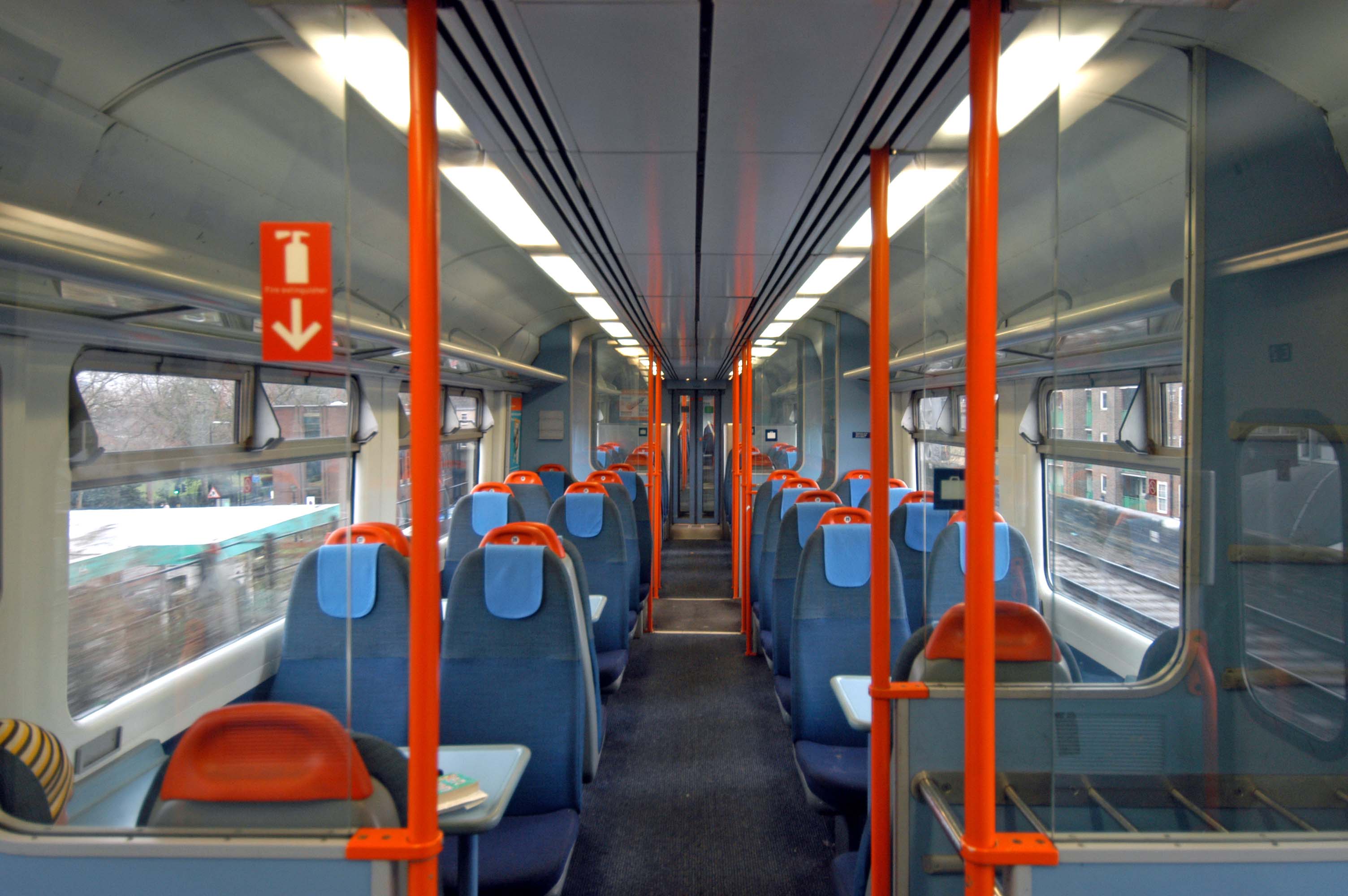
It’s the 15th March 2004. Displaced from the LTS but still carrying the modified NSE livery used on that route 317304 is seen speeding through Harringay whilst working a Kings Cross – Peterborough service. A few years earlier on the 17th May 2001 317304 was pictures calling at Upminster on the London, Tilbury and Southend line. The end of the line at Chingford on the 14th December 2001 as the low winter sunlight illuminates (from L-R). 317665. 317306. 317313. 31733 and 317315 at rest in the sidings. A classic LTS location seen on the 7th May 2001 as 317307 speeds past the sea at Westcliff whilst working a service from Southend back to Fenchurch St. In NSE livery and carrying the West Anglia logo (but with added icicles) 317310 freezes in the sidings at Stratford, East London on the 9th February 1991. Seen at St Pancras on the 16th March 2005. WAGN liveried 317315 arrives at the Eastern platforms now used by SET Javelins and passes Thameslink liveried 319452, one of the units that displaced it on the ‘Bedpan’ line. Classic corporate Network Southeast, from the train livery to the new lamp standards and signage! Here’s 317316 at Broxbourne on the 24th May 1991 whilst working a Liverpool St – Cambridge service. It’s the 27th April 1997 and 317398 keeps sister unit 317317 company at Kings Cross. For a short while seven units were renumbered between 317392 and 317398 due to having their First Class seating declassified. Still carrying First Capital Connect livery but ‘Great Northern’ branding, 317337 sits at Kings Cross with a service for Royston on the 14th April 2015. When 317s worked services from Moorgate to Bedford. Here’s 317341 working empty stock on its way to Moorgate passing through Farringdon on the 18th June 2008.On the 7th August 2000 Fragonset liveried 31459 brings up the rear of 5Z45, the Hornsey – Cricklewood stock move with 317398 and 317320, seen at Harringay Park Junction. The scene’s changed completely. The semaphores and signalbox have gone and the lines been fitted with 25kv overhead electrification.On the 18th May 2009 a pair of units in ful First Capital Connect livery with 317345 leading speed North through Alexandra Palace in North London with a service from Kings Cross.The world just before Covid shut it down. Unbranded but wearing Greater Anglia livery, 317340 is seen after its transfer to Transport for London working a service through Hackney Downs on the 11th March 2020. The last of the original batch of 317/1s No 317348 crosses the Walthamstow marshes with a service bound for Cambridge on the 6th March 2003. The unit was still sporting NSE livery but with the addition of the WAGN triangle logo. 317360 from the second batch of 317s seen at Hornsey on the 25th February 1997, still sporting NSE livery. The unit had run ECS from Kings Cross and was about to cross the flyover in order to gain entry to Hornsey depot. A sunny day in London on the 13th May 1995 as NSE branded 317370 heads through Hackney Downs with service to Cambridge.London doesn’t see much snow compared to the rest of the UK, but here’s WAGN liveried 317653 passing through Alexandra Palace on a snowy 31st January 2003. At Bishops Stortford on the 19th May 2015 as 317668 sits on the rear of a service to Liverpool St. The unit’s carrying Abellio Greater Anglia branding. Towards the end of days and just before Covid changed the world, a pair of 317/2s pass just outside Hackney Downs station on the 11th March 2020. On the same say as the picture of 317348 (6th March 2003) WAGN liveried 317661 crosses the embankment above the Walthamstow Marshes with a service inbound to Liverpool St.Inside Ilford depot on the 13th March 2007 with 317511 in full ‘ONE’ livery plus 317722 and 708 showing off the front end modifications and new windowframes they received as part of their refurbishment for ‘Stansted Express’ duties. 317501 is seen in Abellio ‘Greater Anglia’ livery at Cambridge on the 8th August 2017.A few years earlier on the 9th April 2015 317502 is seen at Hackney Downs sporting National Express livery but with Abellio branding. Four years earlier on the 17th May 2011 317508 carrying full National Express branding sits at a virtually unrecognisable Stratford station. Note the original metal hopper windows the unit carried from new that were replaced on refurbished units. Fresh from its conversion and rebuild at Wolverton works 317708 eases on to Hornsey depot, seen from Harringay station on the 7th August 2000. The difference in windows from the previous picture is noticeable. Displaced from Stansted services, transferred to London Overground and repainted into their livery. 317710 leaves the sidings at Chingford on the 3rd June 2016.All three varieties of 317 seen at Liverpool St on the 6th June 2011. 317/2 317666 with a rebuilt 317/1 renumbered 317723 and original condition 317/1 number 317882 wearing Stansted Express branding. On the 21st September 2009 317884 calls at Bethnal Green. The unit’s base livery is the old ‘ONE’ livery with the addition of a white stripe and Stansted Express branding within it. Another year, another view of Bethnal Green. This time it’s the 11th March 2020 and 317886 is seen descending the bank to Liverpool St bringing up the rear of a London Overground service.Here’s a look at the interior of a 317 at Ilford on the 13th March 2007. The unit’s had it’s original metal hopper windows replaced and acquired a Passenger Information System (see the screen on the roof) but it retains the original 3+2 seats.This is the refurbished interior of Stansted Express unit 317723 seen on the 5th March 2005. It’s a far superior layout to the original set-up and has the luxury of having 2=2 searing – and tables!
Personally, I never really liked the Class 317s. The high windows with their metal hoppers made the units feel claustrophobic and the lack of tables was bizarre considering that they operated medium distance services. But, they provided the railways with 100mph capacity and served it well on a variety of routes over the years. I hope to have one last trip on them over the next few weeks before they enter the history books.
If you’d like to browse (or buy) other pictures of Class 317s you can find them on my Zenfolio website in the following Galleries.
I’ve a favour to ask… If you enjoy reading this blog, please click on an advert or two. You don’t have to buy anything you don’t want to of course – although if you did find something that tickled your fancy that would be fab! – but the revenue from them helps me to cover some of the cost of maintaining this site (which isn’t cheap and comes out of my own pocket). Remember, 99% of the pictures used in my blogs can be purchased as prints from my other website – https://paulbigland.zenfolio.com/
At the time of writing, just 8 units of the 61 old BR built Class 315 4-car EMUs constructed at York between 1980-81 remain in service. Operated by Transport for London (TfL), they’re used during the Monday-Friday peaks on one of the routes they were originally built for – Liverpool St to Shenfield. After a career of over 40 years their task of moving people in and out of the capital is finally drawing to a close. The 315s were the last of several fleets (313, 314, 507 and 508 were the others) totalling 755 vehicles based on the 1970s ‘PEP’ test trains. BR then moved on to vehicles based on the Mk3 coach bodyshell, starting with the Class 317 EMUs.
Over their career they’ve worked for several different operators. BR first, then at the advent of privatisation the fleet was taken over by Eversholt Rail and leased to West Anglia Great Northern (WAGN) who had 18 units (315844 – 861) based at Hornsey in North London and First Great Eastern who had 43 units (315801-843) based at Ilford in East London. Both franchises used the units exclusively on services from Liverpool St.
Franchises changes in 2004 saw the entire fleet come together again at Ilford depot under the banner of National Express East Anglia which originally named the franchise ‘ONE’. The 315s began to emerge in their distinctive livery which lasted until 2008 when the ‘ONE’ name was dropped. NXEA lasted until February 2012 when operations (and the 315s) were taken over by Abellio Greater Anglia (AGA). Committed to total fleet replacement, this was the writing on the wall for the 315s.
The next change for the fleet was in May 2015 when TfL Rail took over operations of AGA’s metro operations on the Liverpool St – Shenfield line prior to this being incorporated into Crossrail. They also took over the services to Cheshunt, Enfield Town, Chingford and the Romford – Upminster branch. This meant all the 315s moved to TfL control with the first 17 units being allocated to London Overground and the rest to TfL rail. Another repaint into London Overground livery followed.
The last London Overground 315 ran on October 21st 2020 as the fleet was displaced by new Class 710 ‘Aventra’ trains built by Bombardier. Their sisters, the longer 345s continued the job on the Liverpool St-Shenfield services, leaving just the aforementioned 8 Class 315s in service at the present time.
Here’s a look at the 315s over their time in traffic. With a fleet of 61 I’m not going to illustrate every one but give you a snapshot of their lives and times instead.
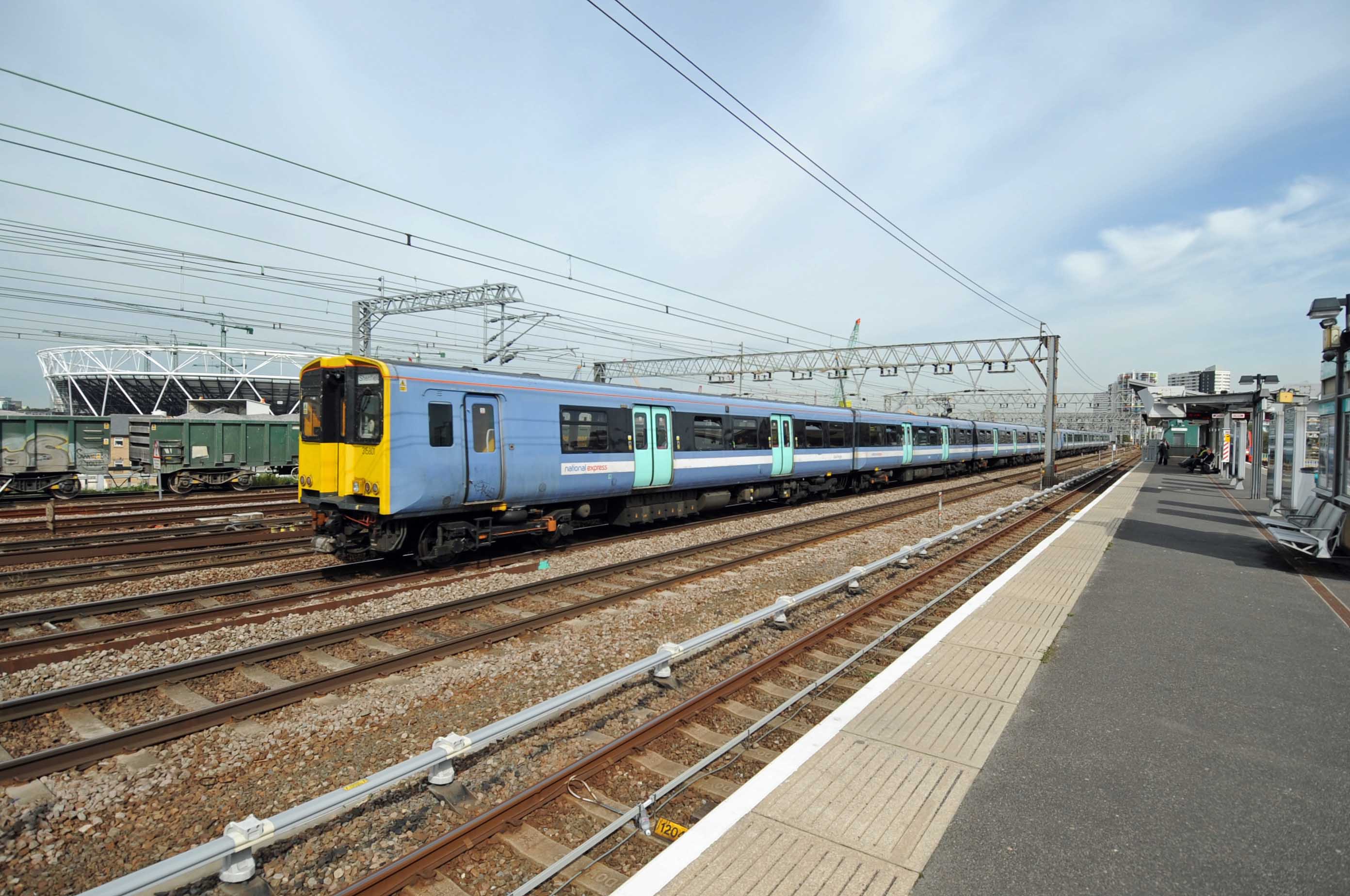
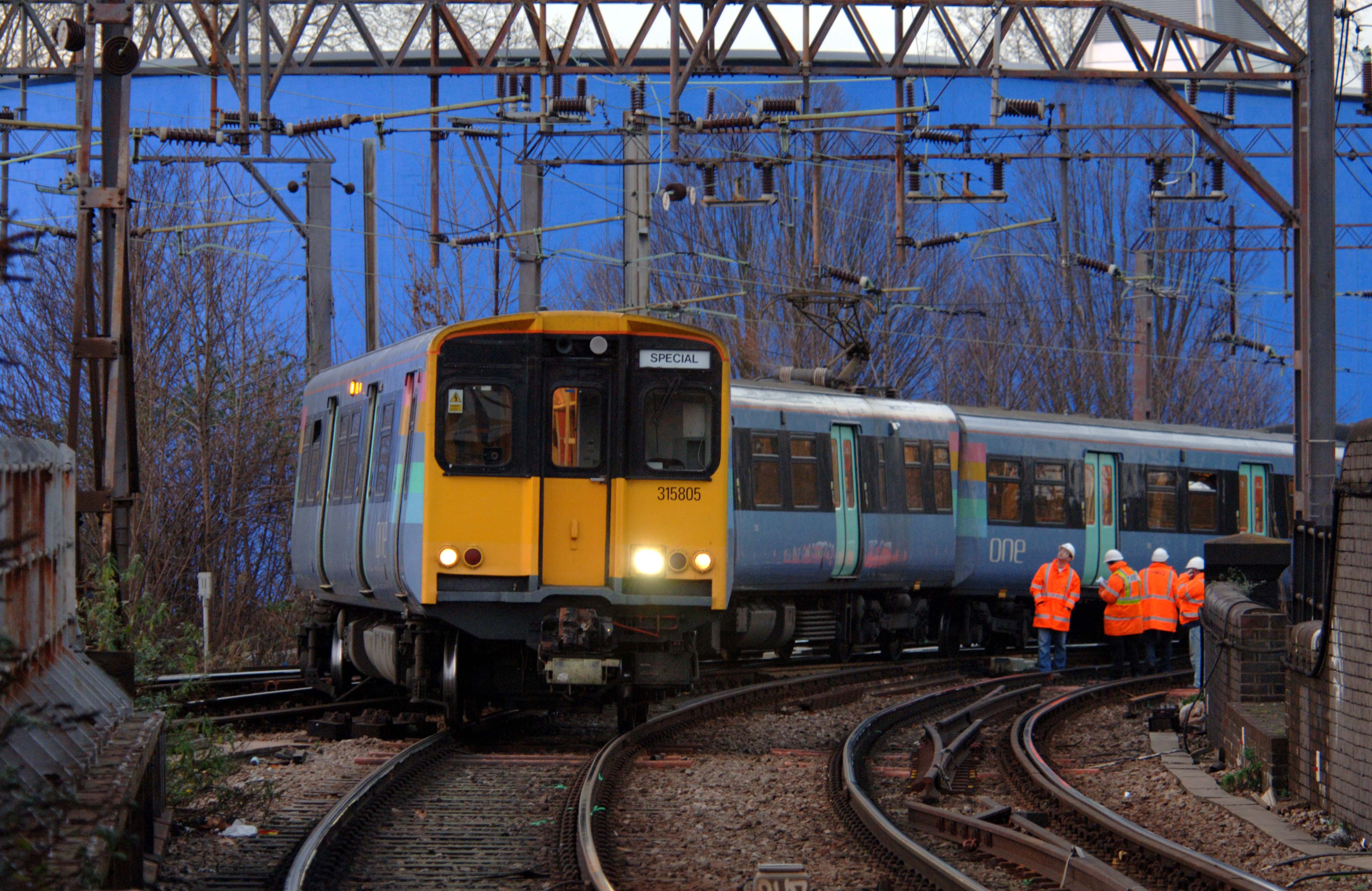
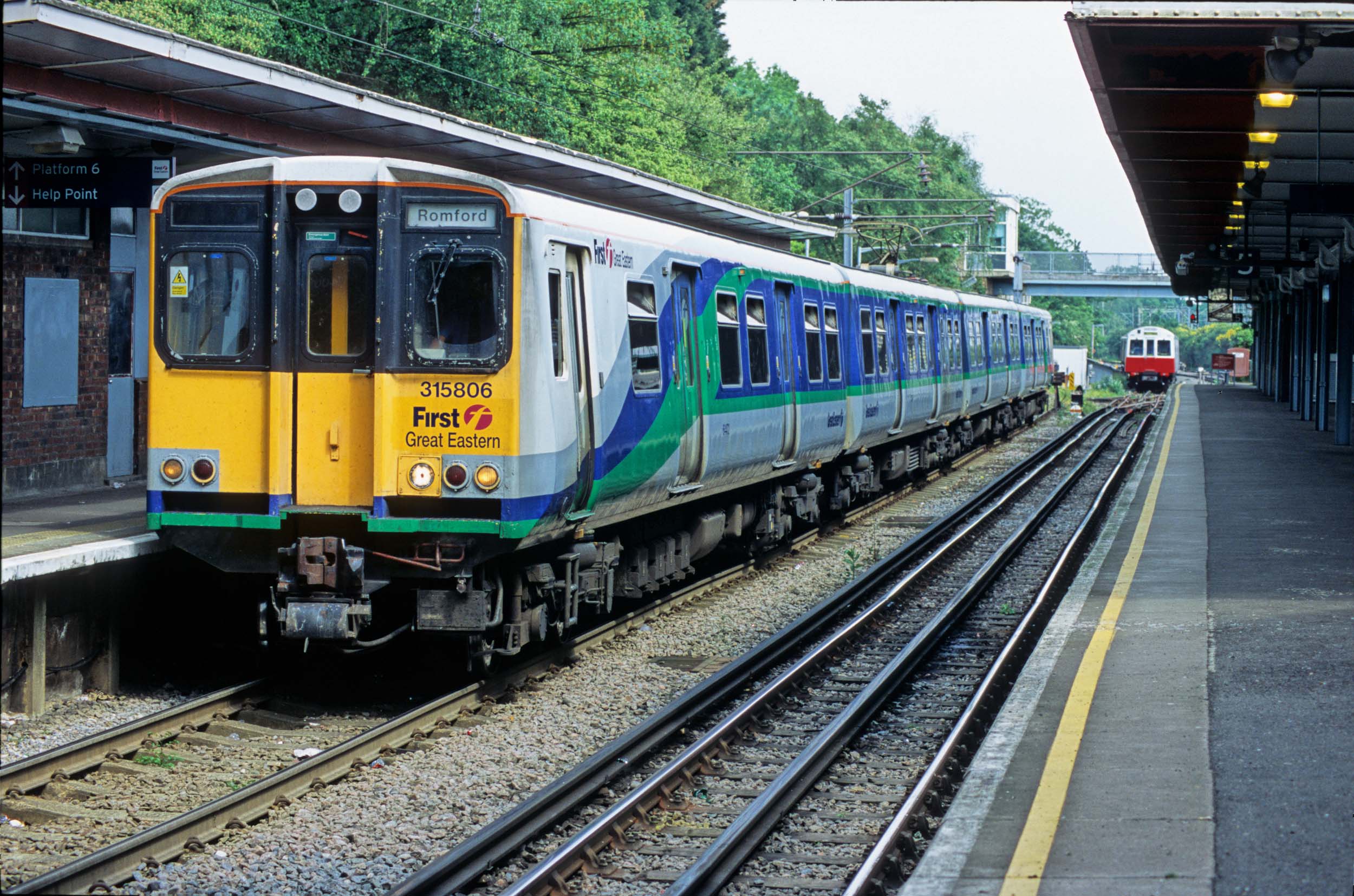
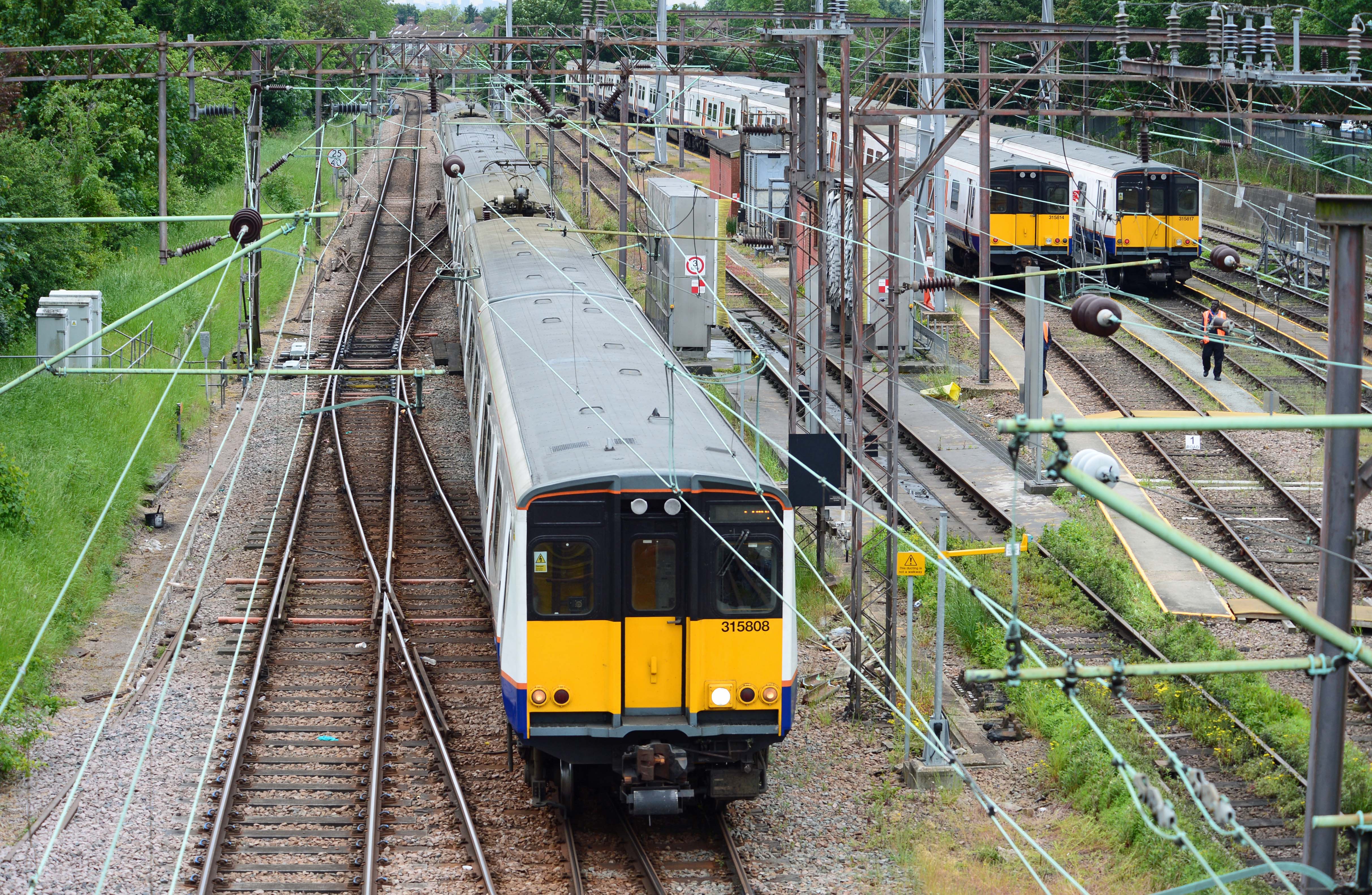
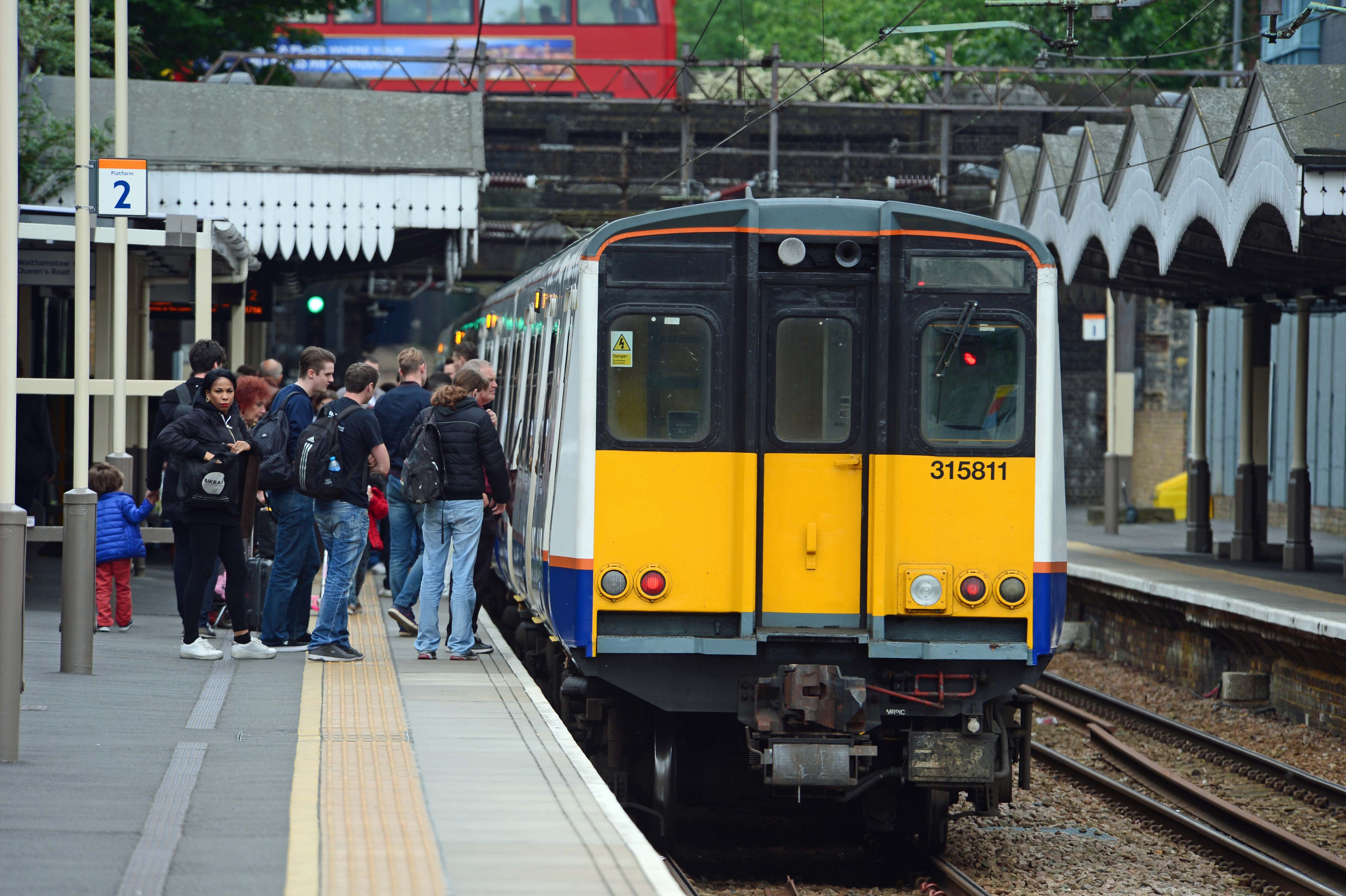
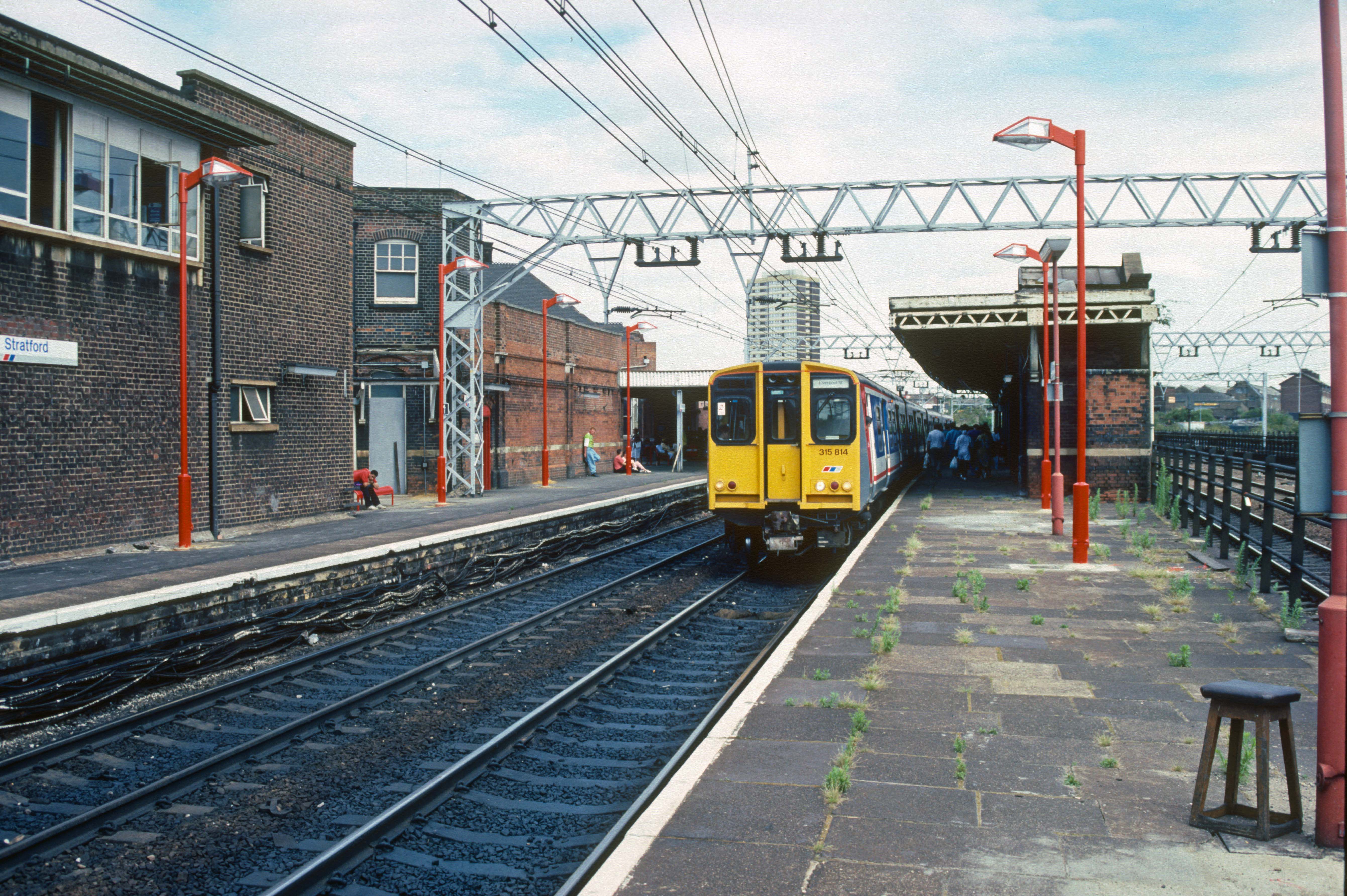
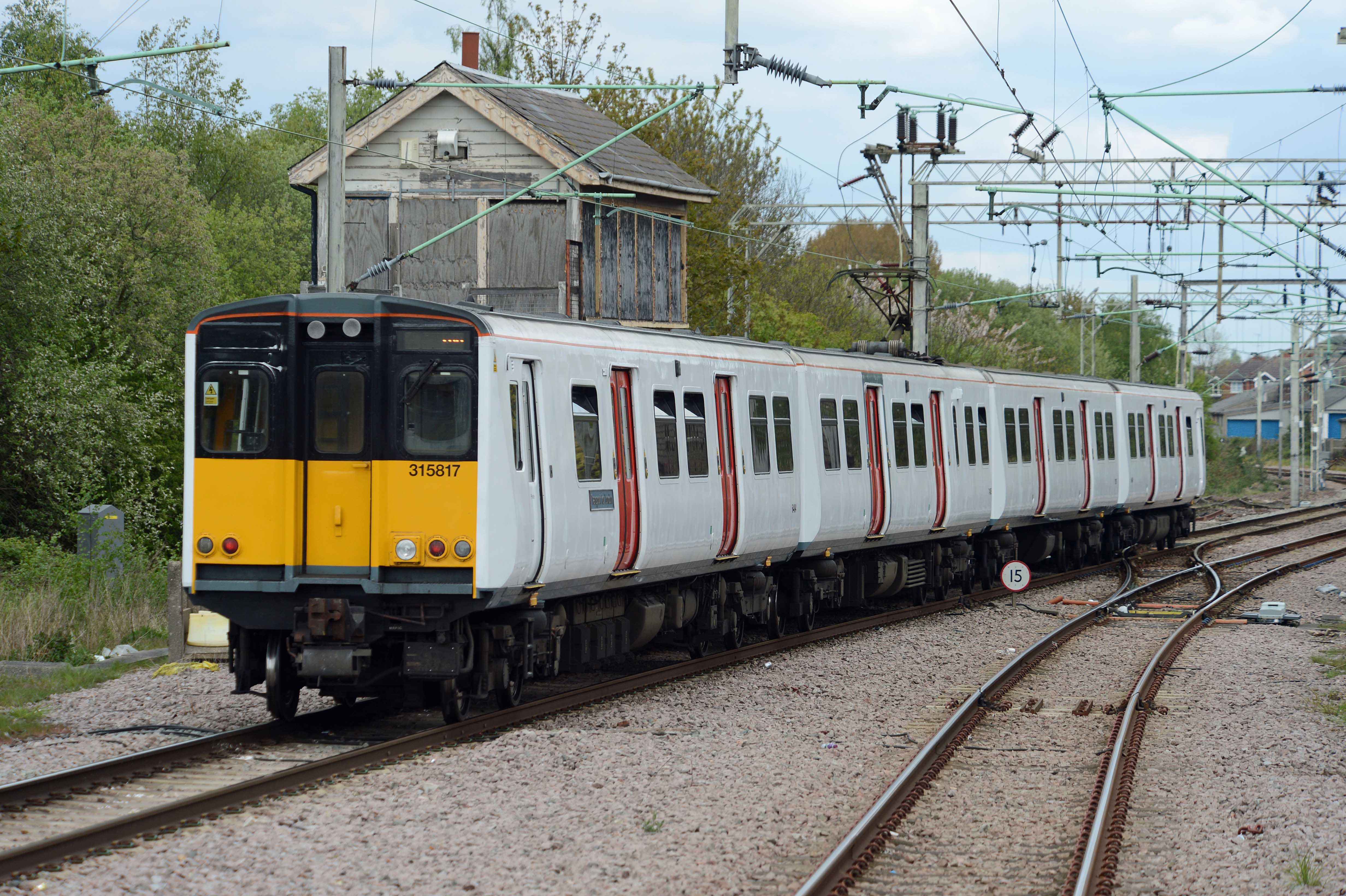
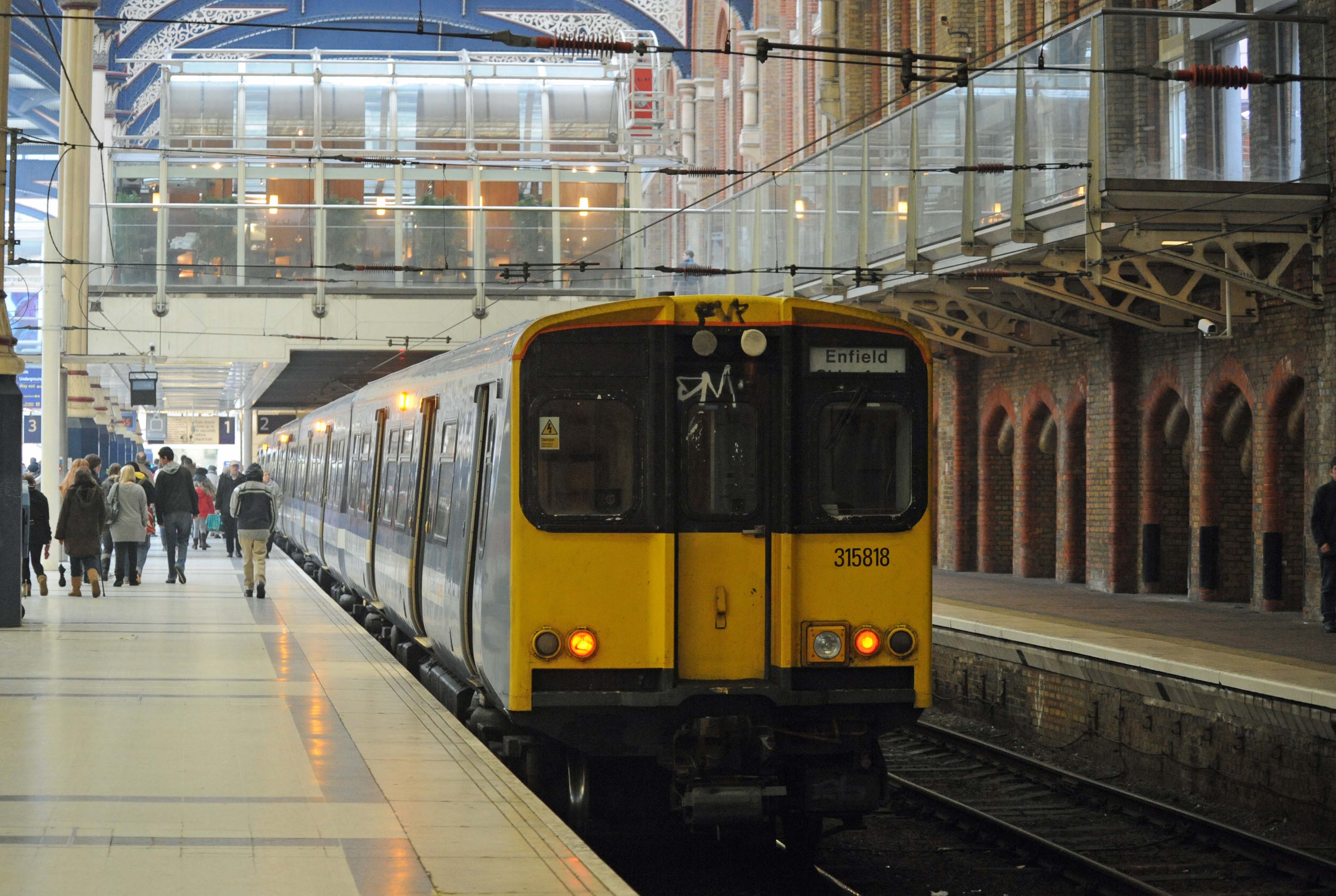
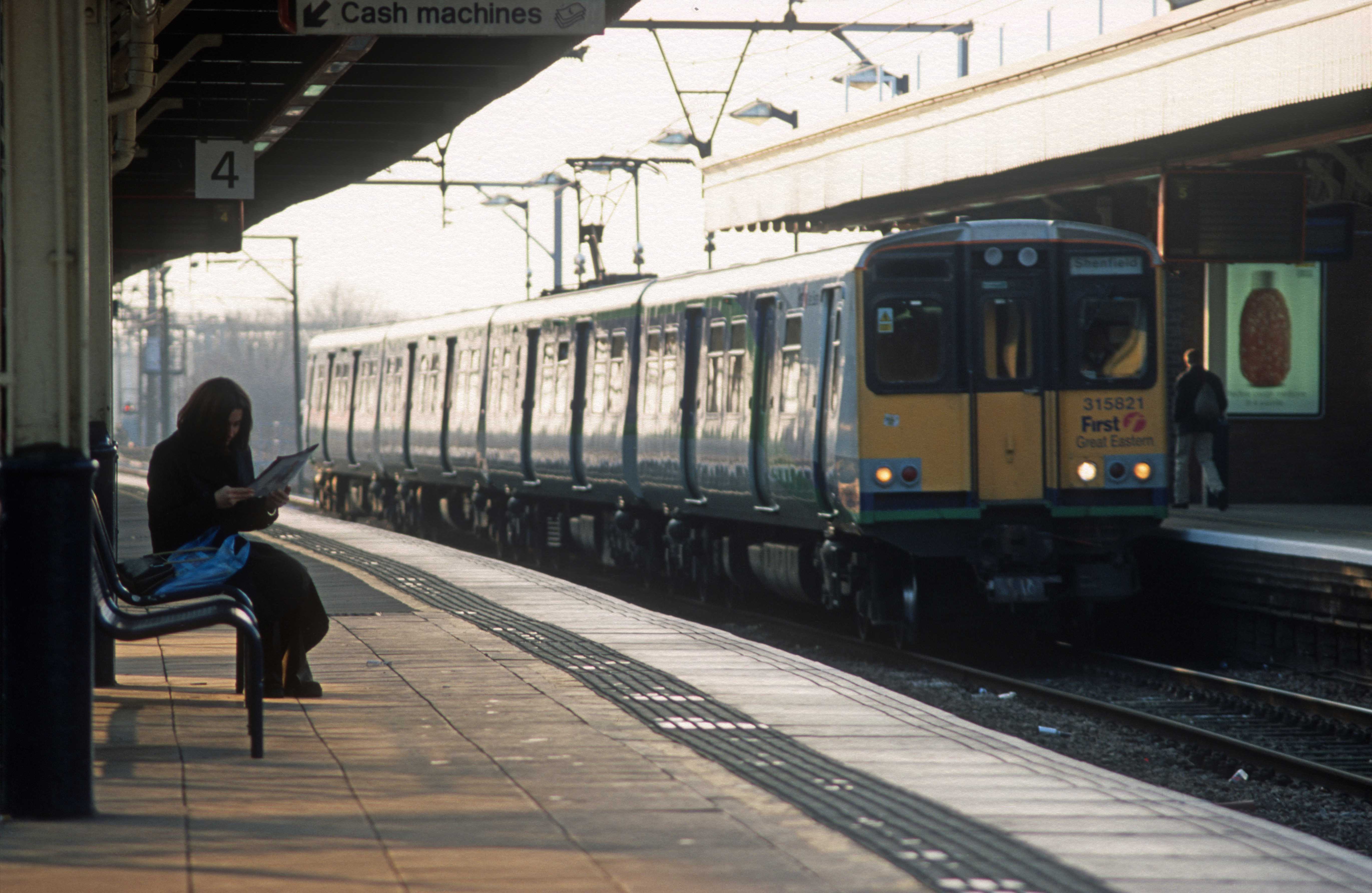
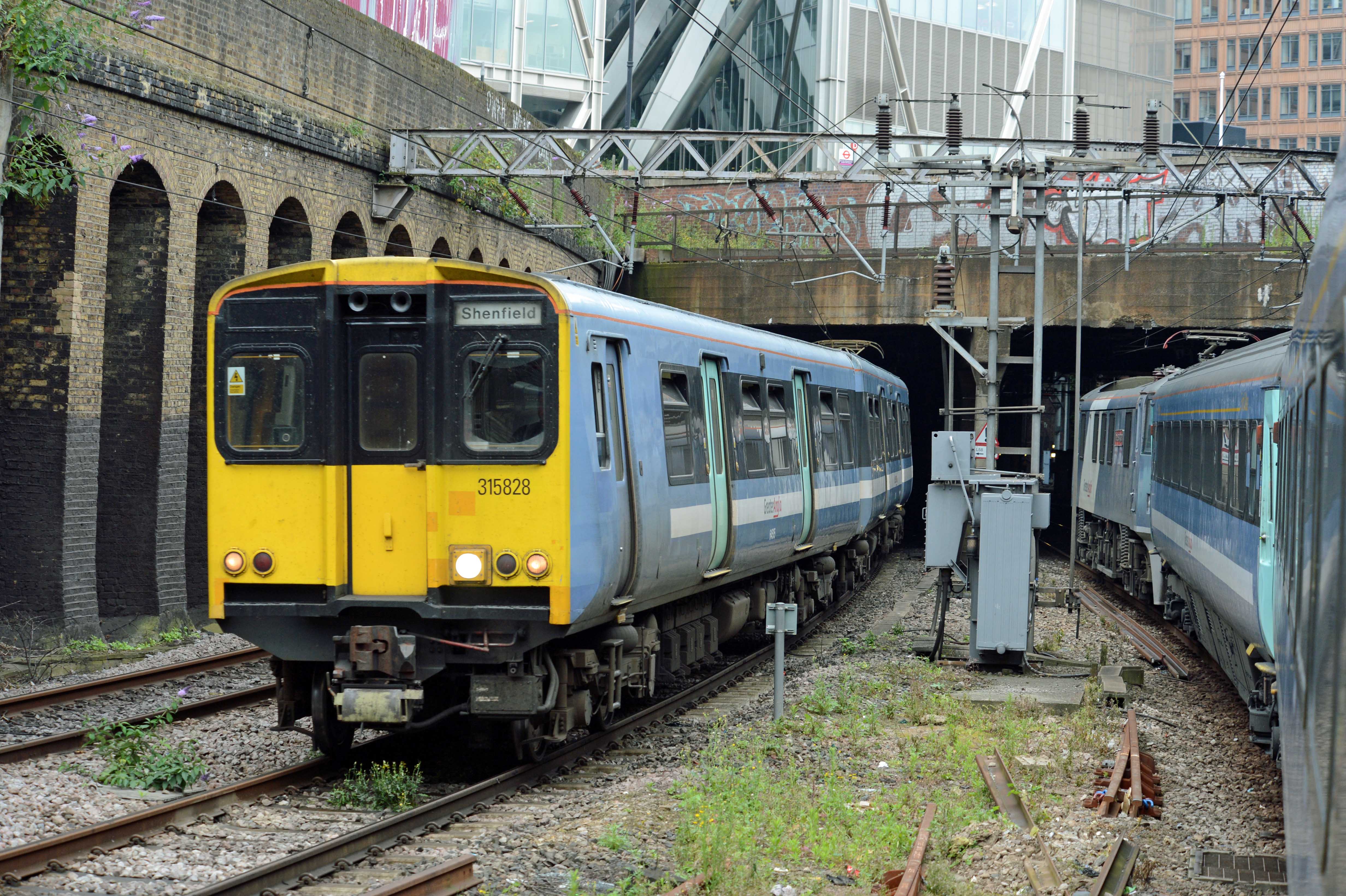
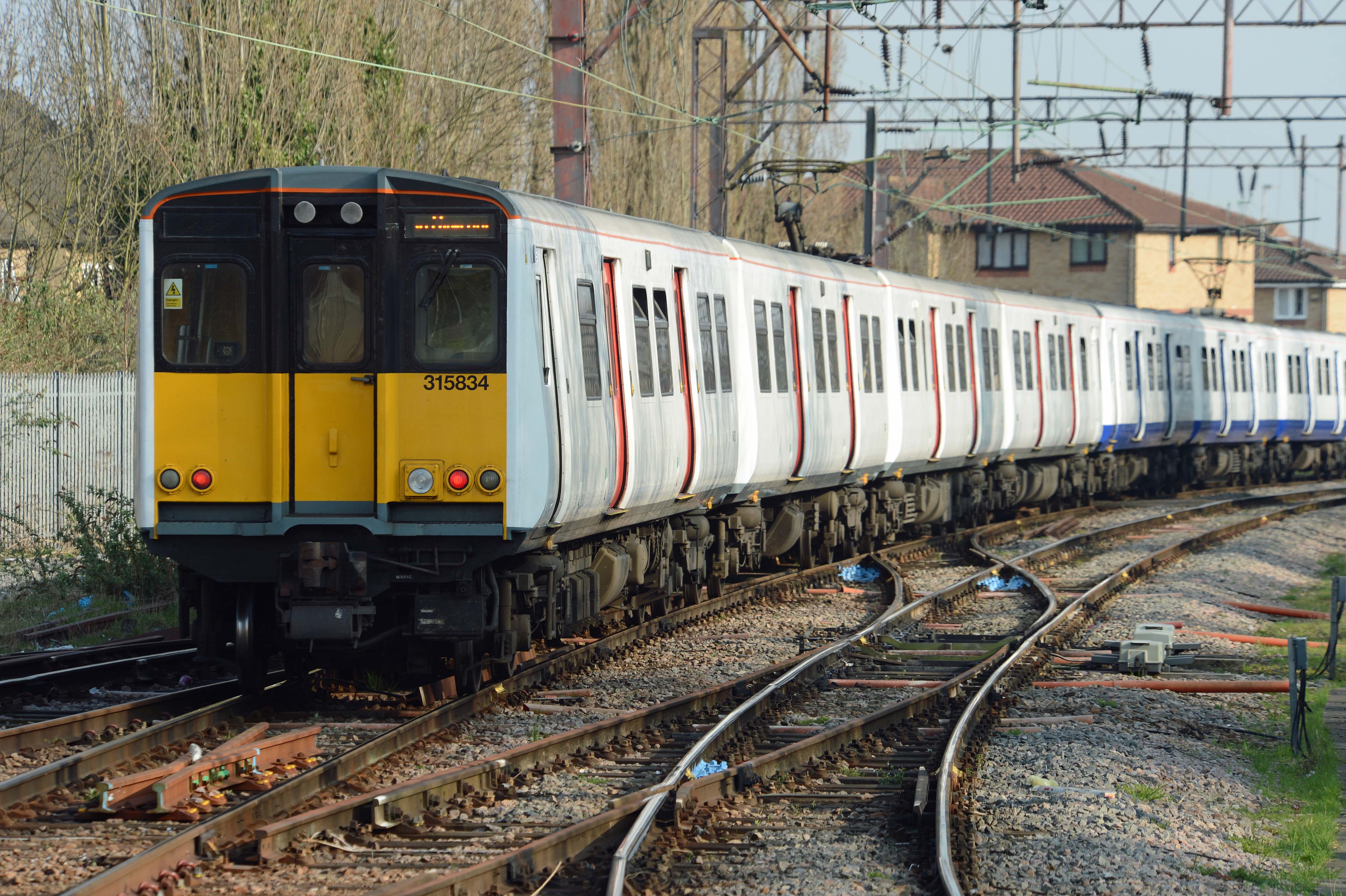
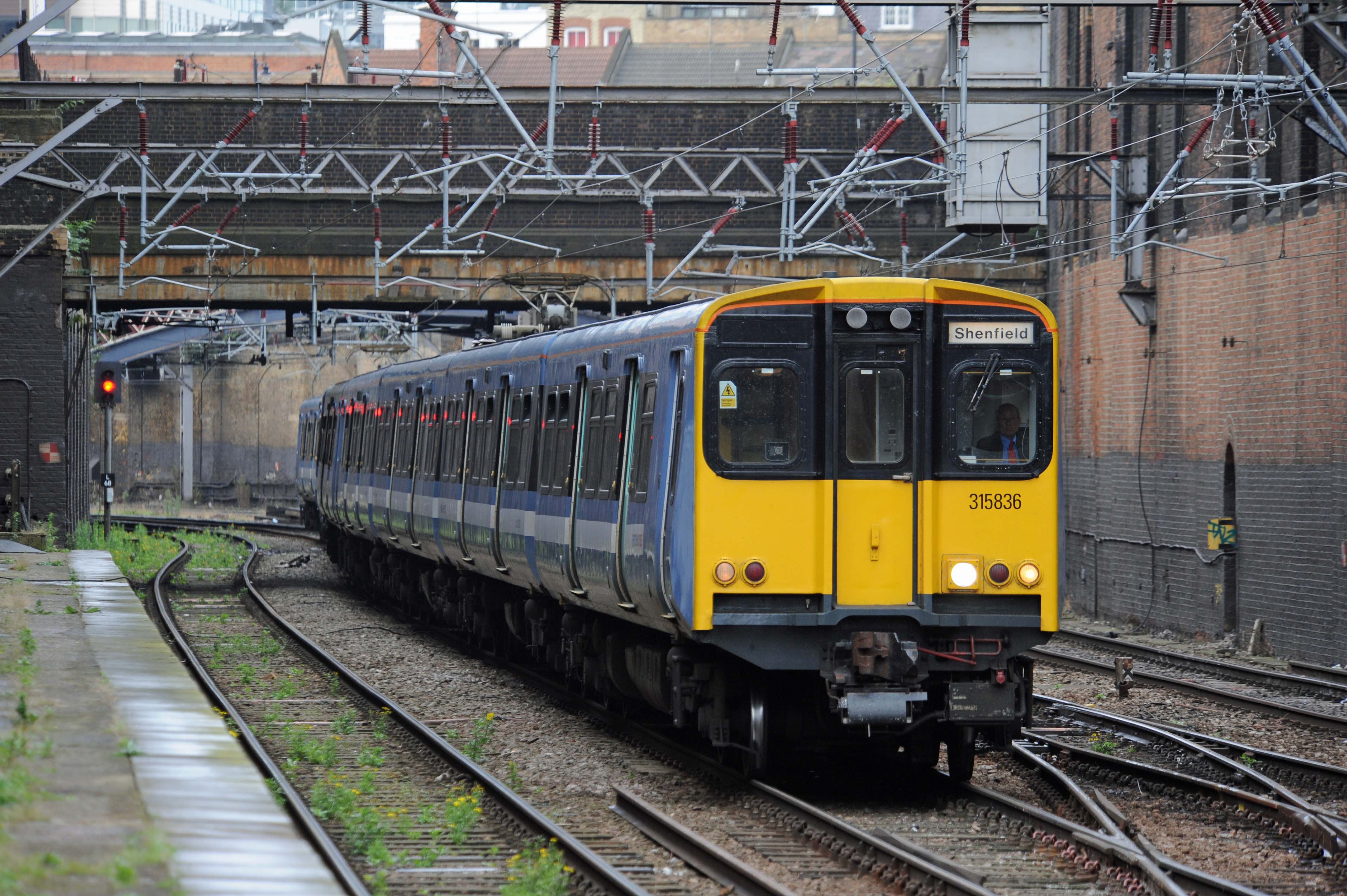
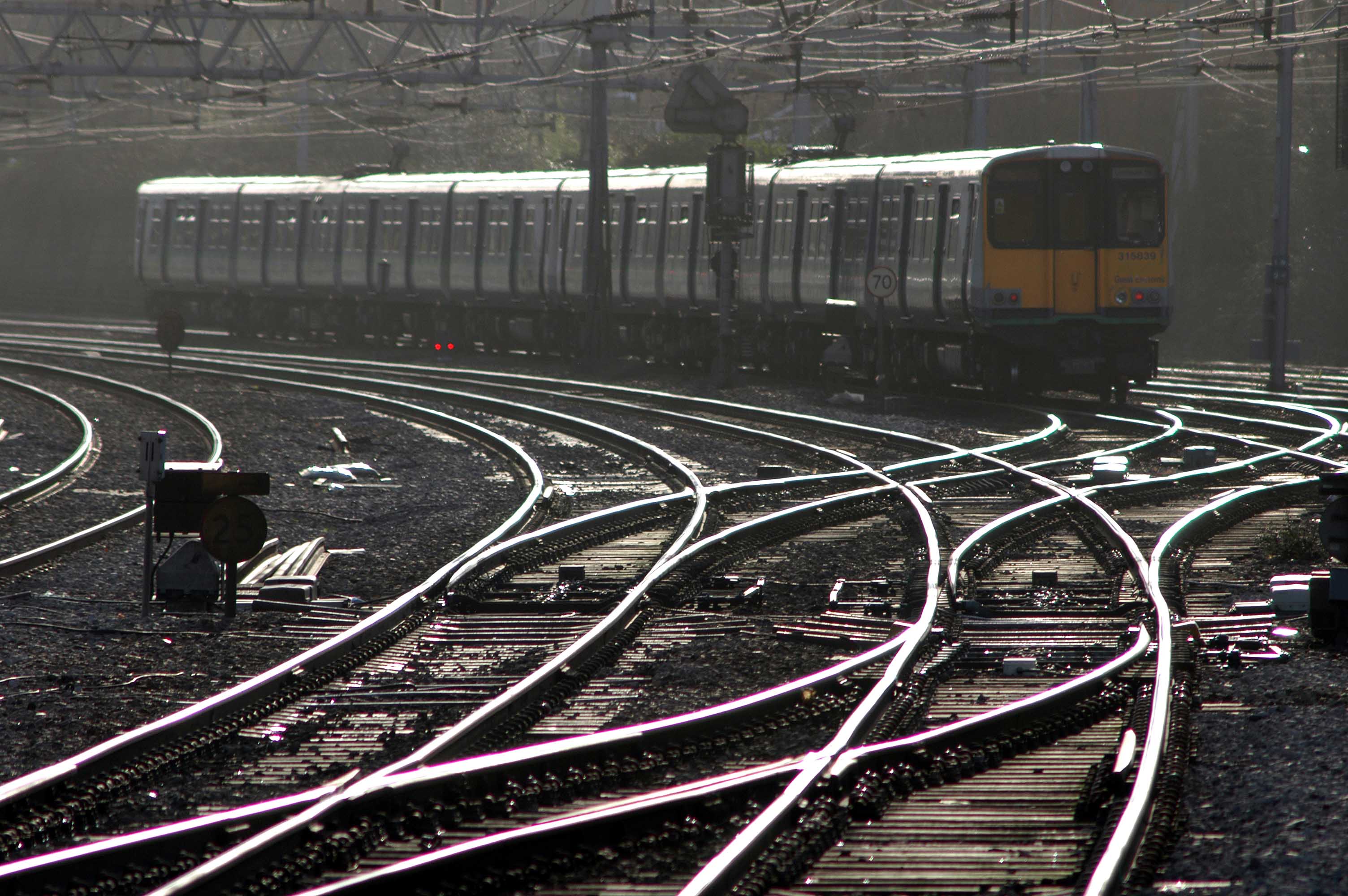
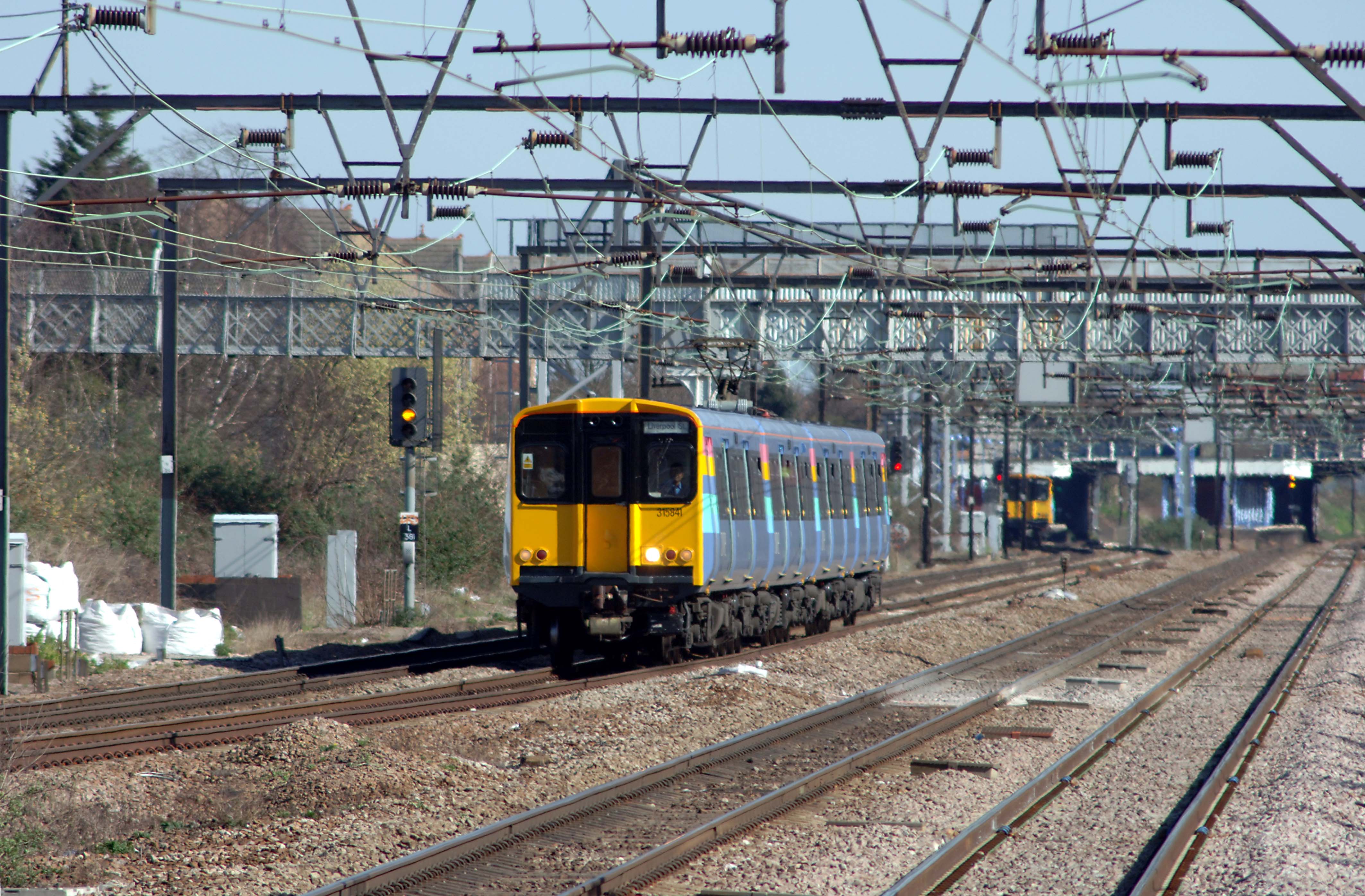
On the 21st September 2009 the first of the class 315801 in NXEA livery passes the DLR station at Pudding Mill Lane whilst in the background one of the 2012 Olympic stadiums takes shape. This scene’s unrecognisable now and the picture impossible to replicate as the DLR station’s disappeared to make way for Crossrail and the skyline’s much changed due to the Olympics. Accidents happen! On the 6th January 2008 315805 came to grief on the approaches to Hackney Downs station where a set of points appear to have moved underneath the leading vehicle, leaving it trying to arrive into two platforms at the same time! It’s the 17th May 2002 and 315806 in First Great Eastern livery is sat at the end of the branch line from Romford at Upminster whilst working the shuttle service between the two locations. Forward to the 3rd June 2016 when Overground liveried 315808 arrives at Chingford, passing sisters 315814 and 817 stabled in the carriage sidings until the peak.On the same day as the above, Overground liveried 315811 calls at a busy Walthamstow Central station, which is an interchange with (and terminus of) the Victoria Line tube.Here’s another scene that’s vanished forever. Stratford station on the 29th July 1990 with NSE liveried 315814 disgorges passengers at the old platform 9 before heading for Liverpool St. Nothing in this picture (apart from the tower block in the background) survives today. Only four Class 315s ever carried names. Here’s 315817 sporting the nameplate ‘Transport for London’ on the rear vehicle passes the redundant signalbox at Hertford East on the 1st May 2015 It’s the 18th February 2010 and 315818 sits in Platform 2 at Liverpool St with a service to Enfield. FGE liveried 315821 calls at Romford with the 14.38 to Shenfield on the 18th January 2001. On the 1st August 2012 NXEA liveried 315828 is seen leaving Liverpool St from an express heading in the opposite direction – not a shot you can take anymore now the MK3s with their droplight windows have vanished from the route.On the 9th April 2015 a pair of 315s with 834 at the rear pull out of Enfield Town heading for Liverpool St. The transition in liveries is evident, with the leading set in Overground colours whilst 834 has yet yet to be repainted.Not a view you normally get to see (I was there with permission from Network Rail). Here’s 315836 seen leading a service out of Liverpool St on the 9th September 2008. At the opposite end of the route to the last picture, here’s FGE liveried 315839 pulling out of Shenfield on its way back to Liverpool St on the 13th January 2005. It’s the 13th March 2007 and ‘ONE’ liveried 315841 is seen approaching Brentwood with a Shenfield – Liverpool St Service.
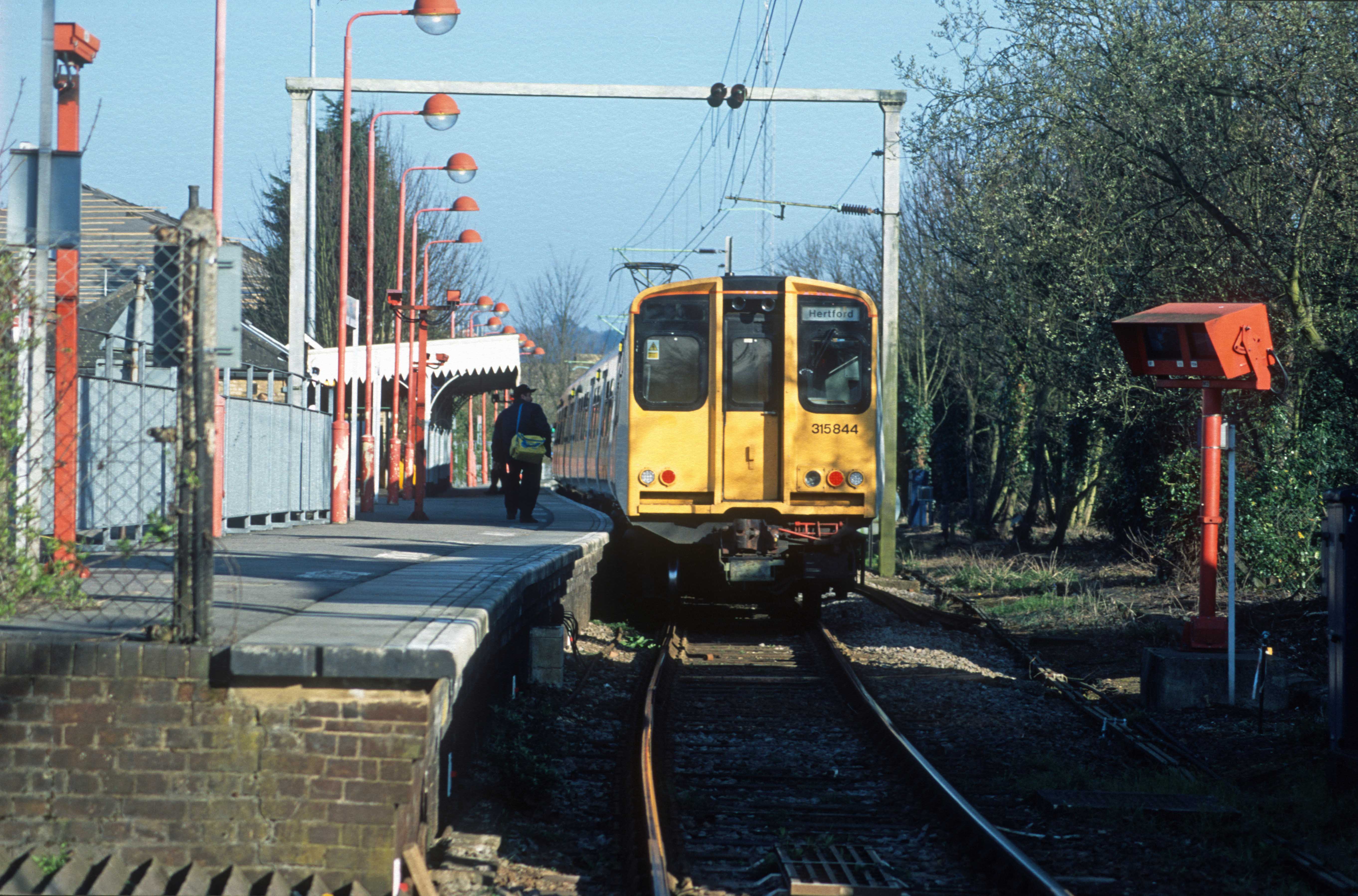
On the 28th March 2002 315844 calls at the single platform station at Ware, Hertfordshire on its way to the end of the line at Hertford East.
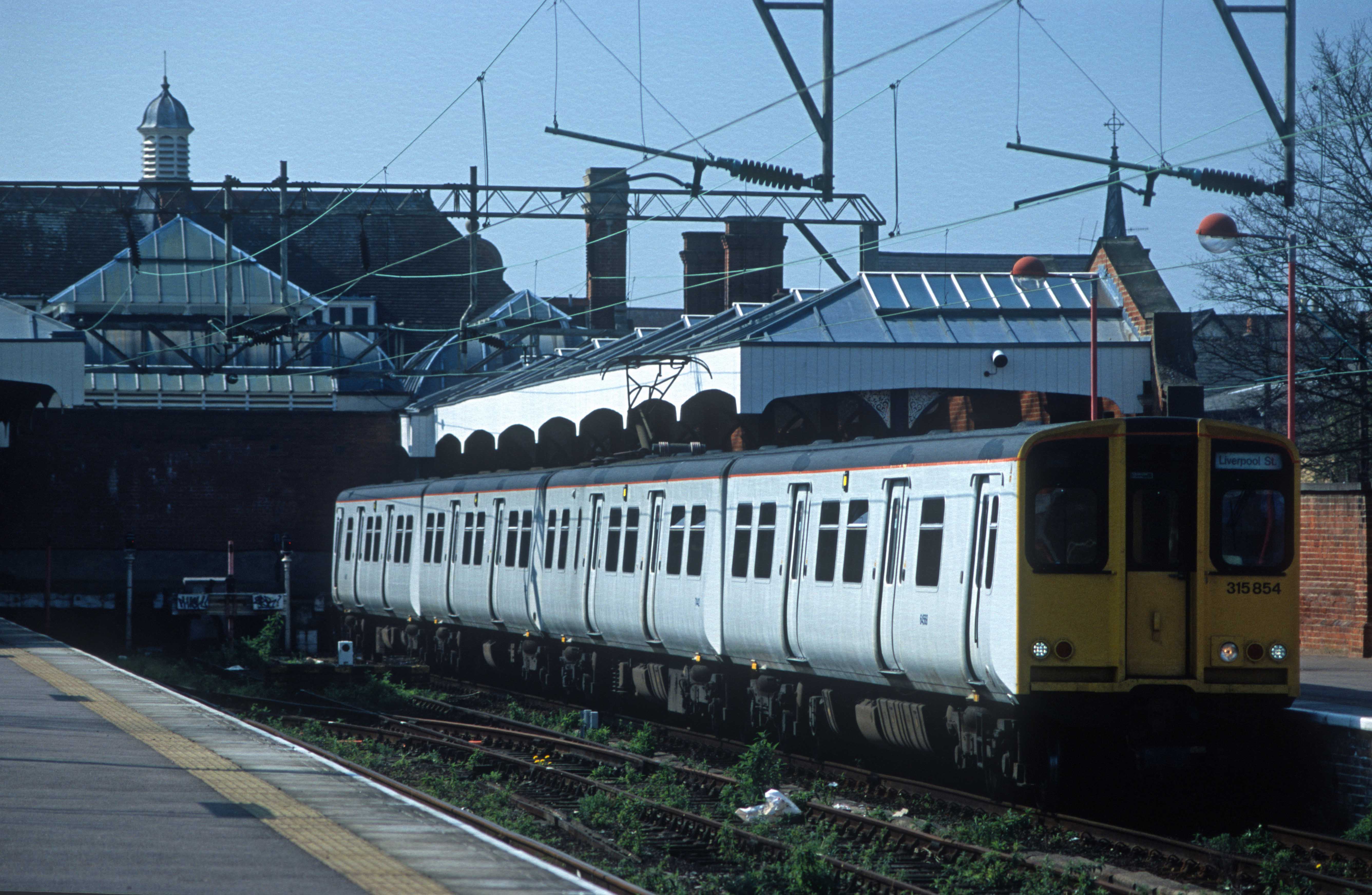
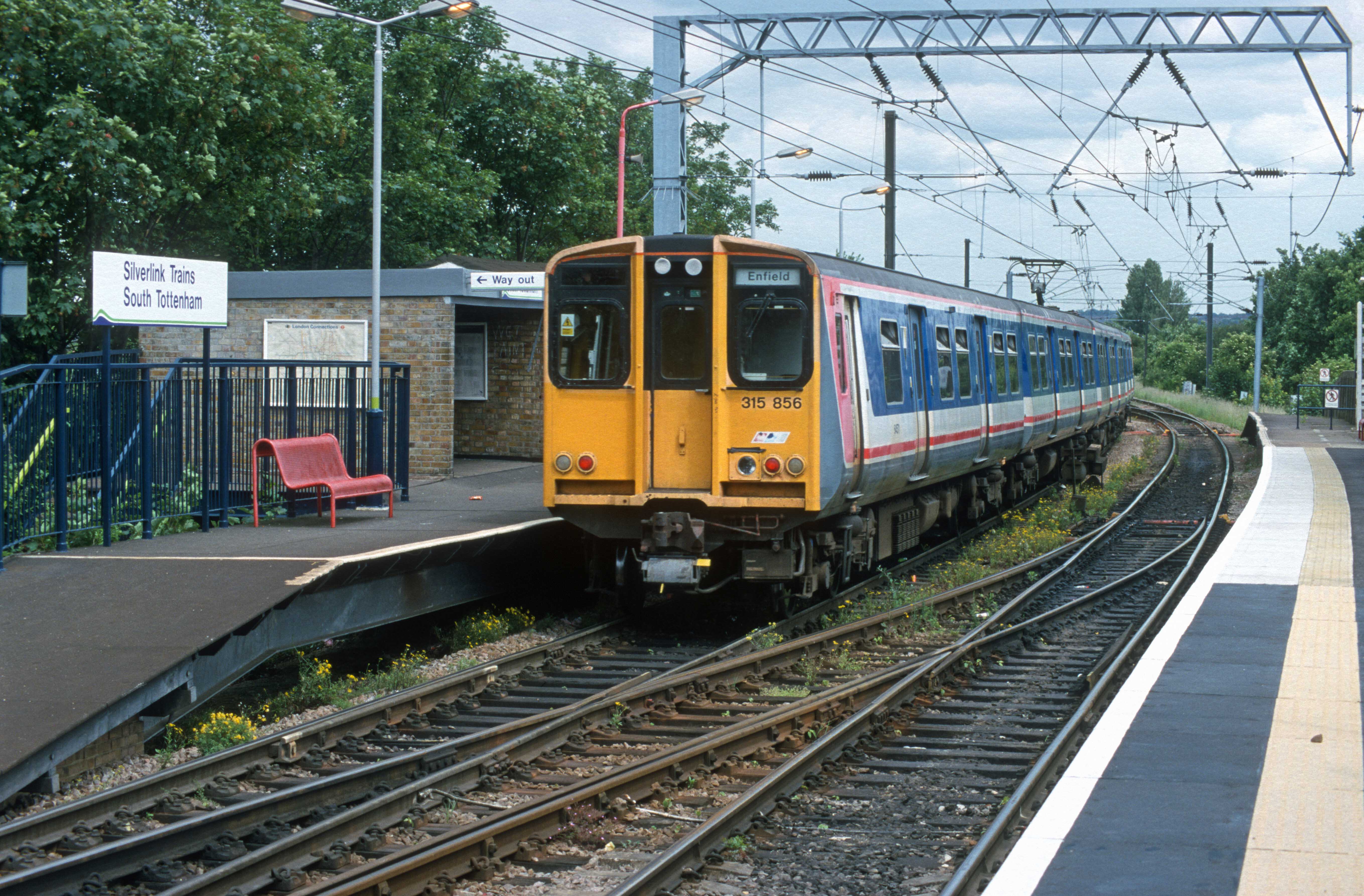
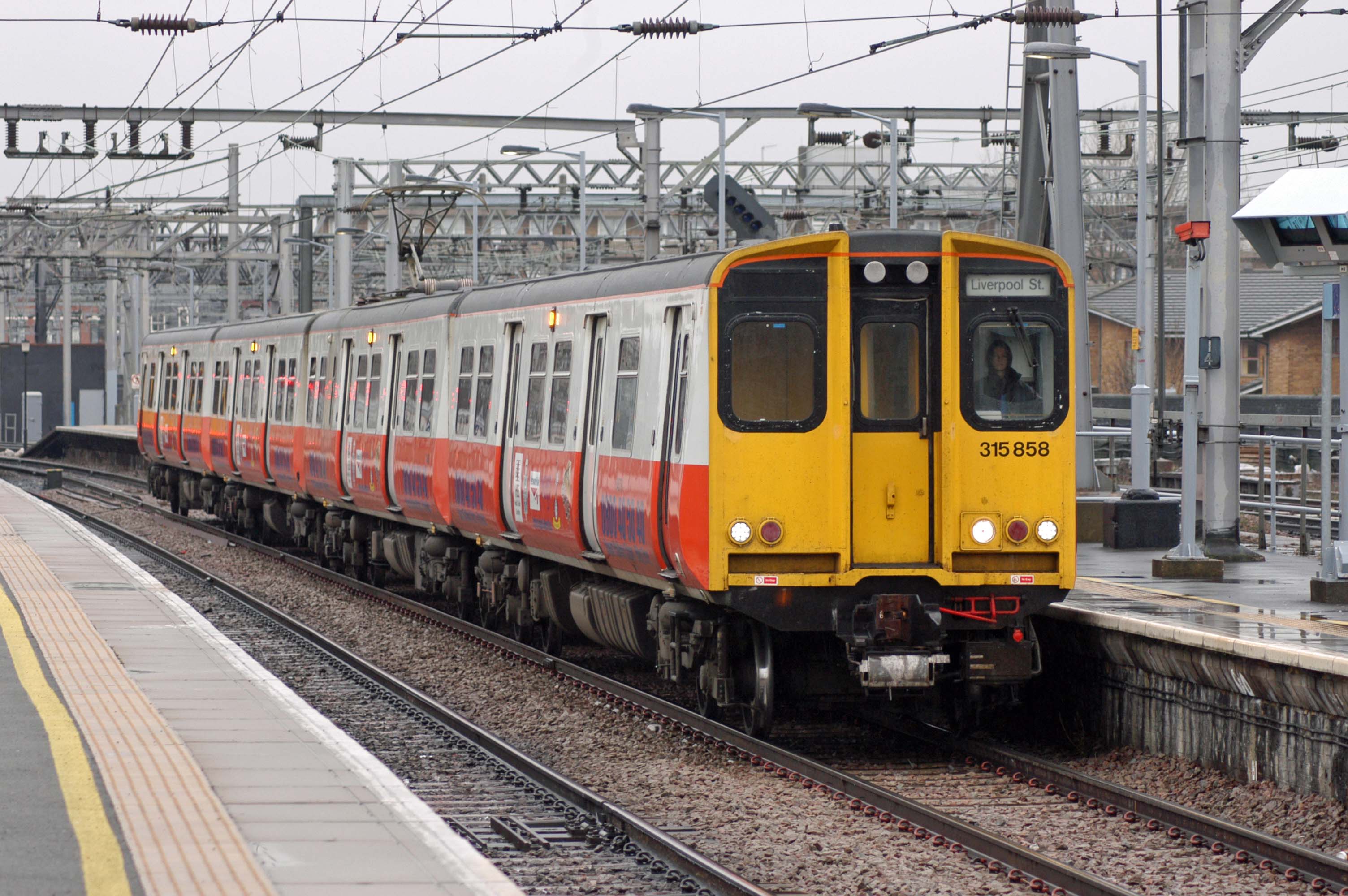
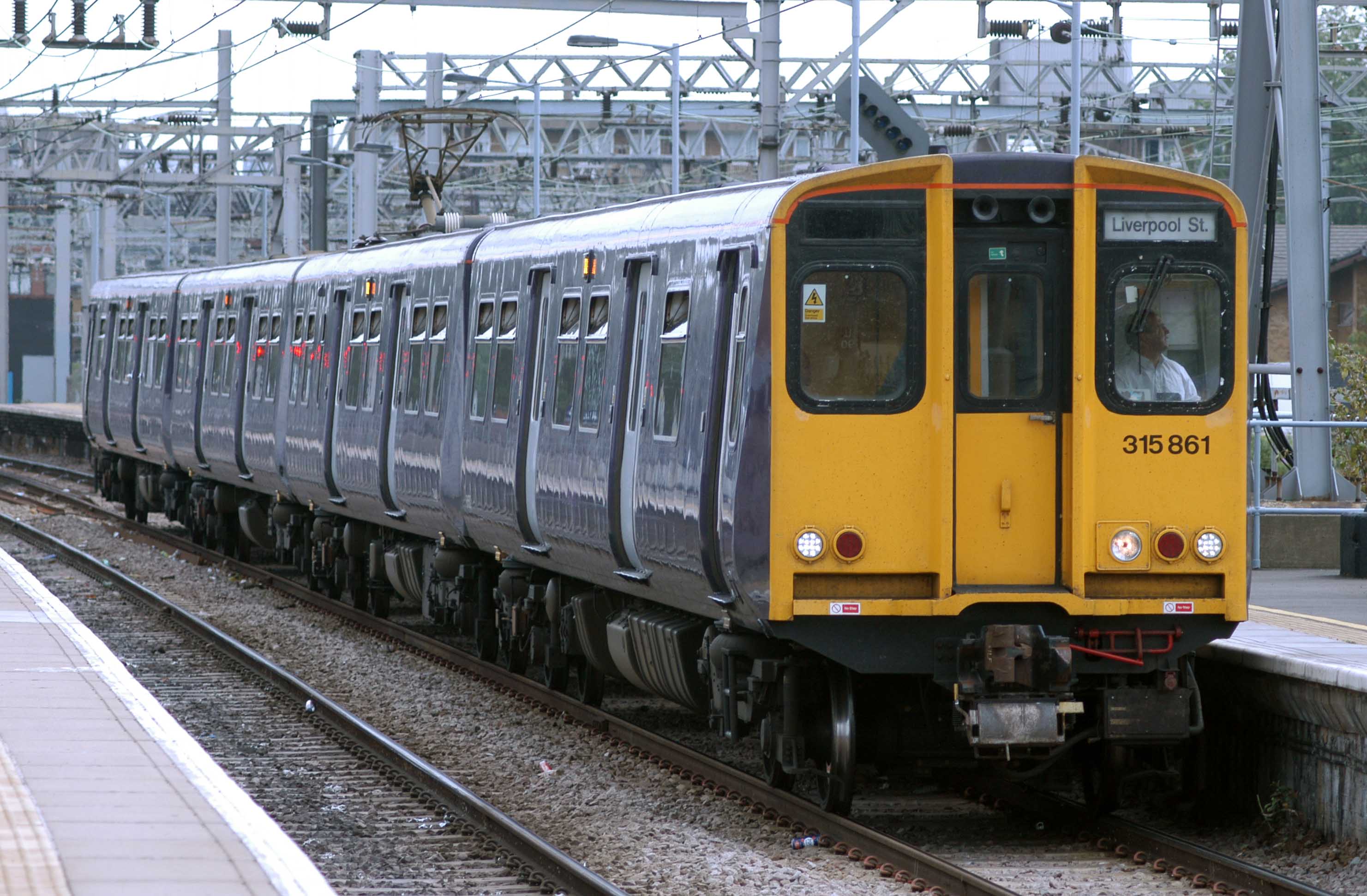
On the same day at the end of the line, 315854 waits to return to London as the 12.:23 to Liverpool St. The unit’s in pure white livery, even the doors are the same colour which was hardly an aid to the partially sighted! Not that this was in the days before the station was resignalled and rationalised, hence the fact the centre road run-round loop still exits. On the 11th June 2000 a WAGN service from Enfield is off the beaten track due to engineering work. NSE liveried 315856 is seen at South Tottenham taking the long way round to get to Liverpool St. Over the years some 315s appeared in a variety of special vinyl liveries/branding. Here’s 315858 at Bethnal Green on the 2nd March 2005 sporting a Network Rail anti trespass message.Here’s Bethnal Green on the 27th July 2004 as the last of the class (315861) sporting the former WAGN livery calls at the station en-route to Liverpool St.
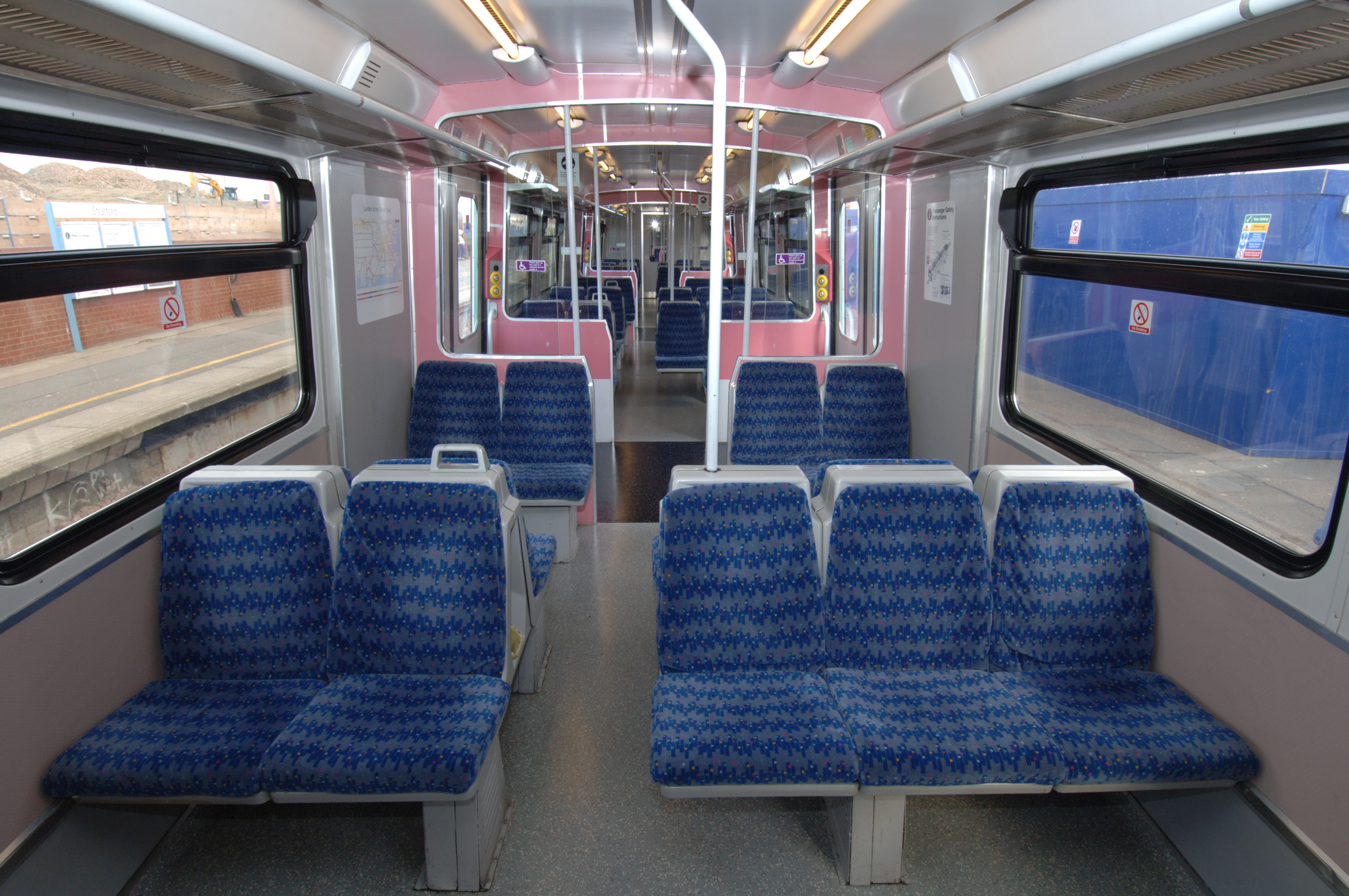
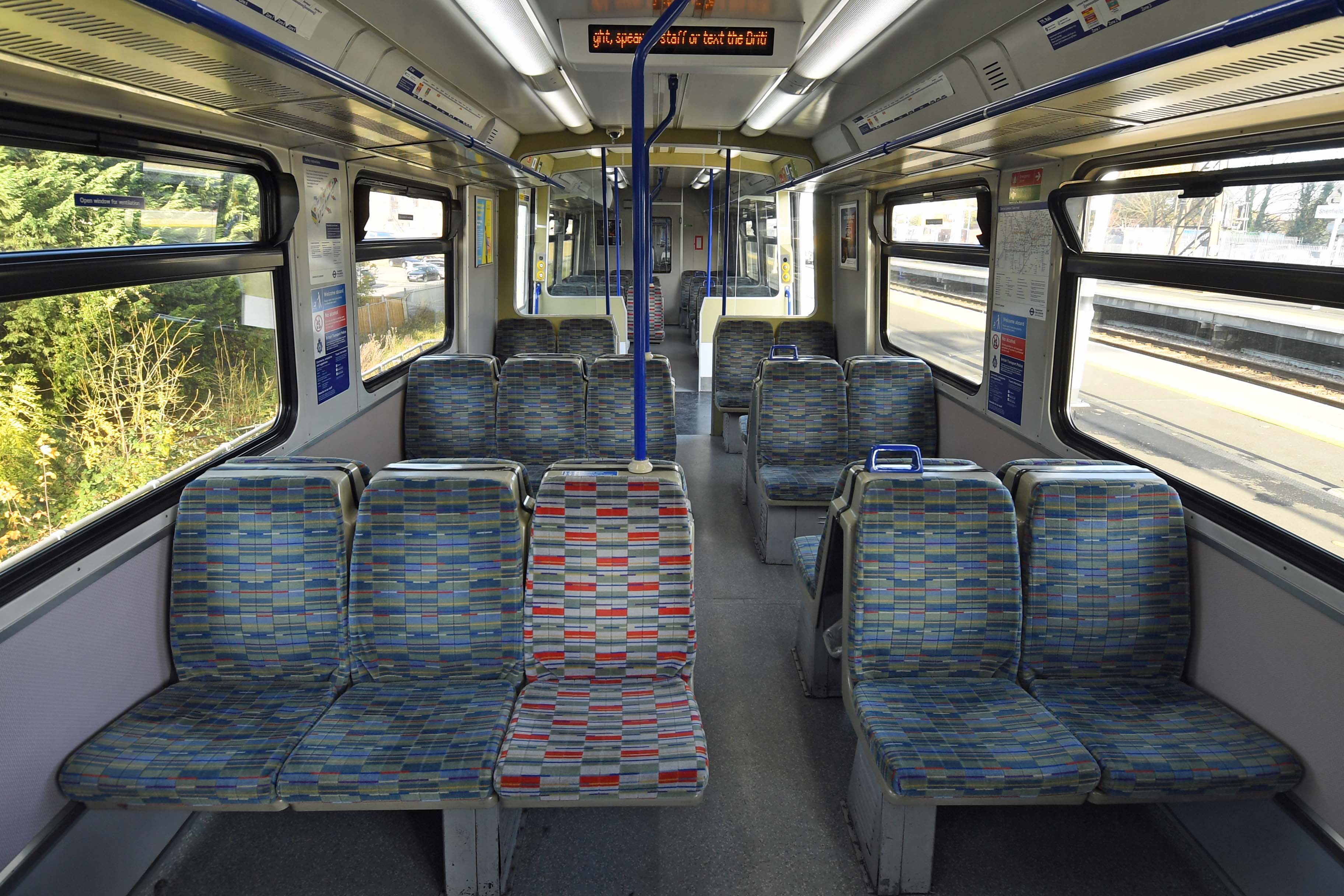
The interiors of the 315s changed little over the years although the units were refurbished a number of times they retained their low-backed seating. Here’s the refurbished interior of 315857 on the 19th March 2008.A decade later on the 14th November 2018 this is how the interior of 315843 looked.
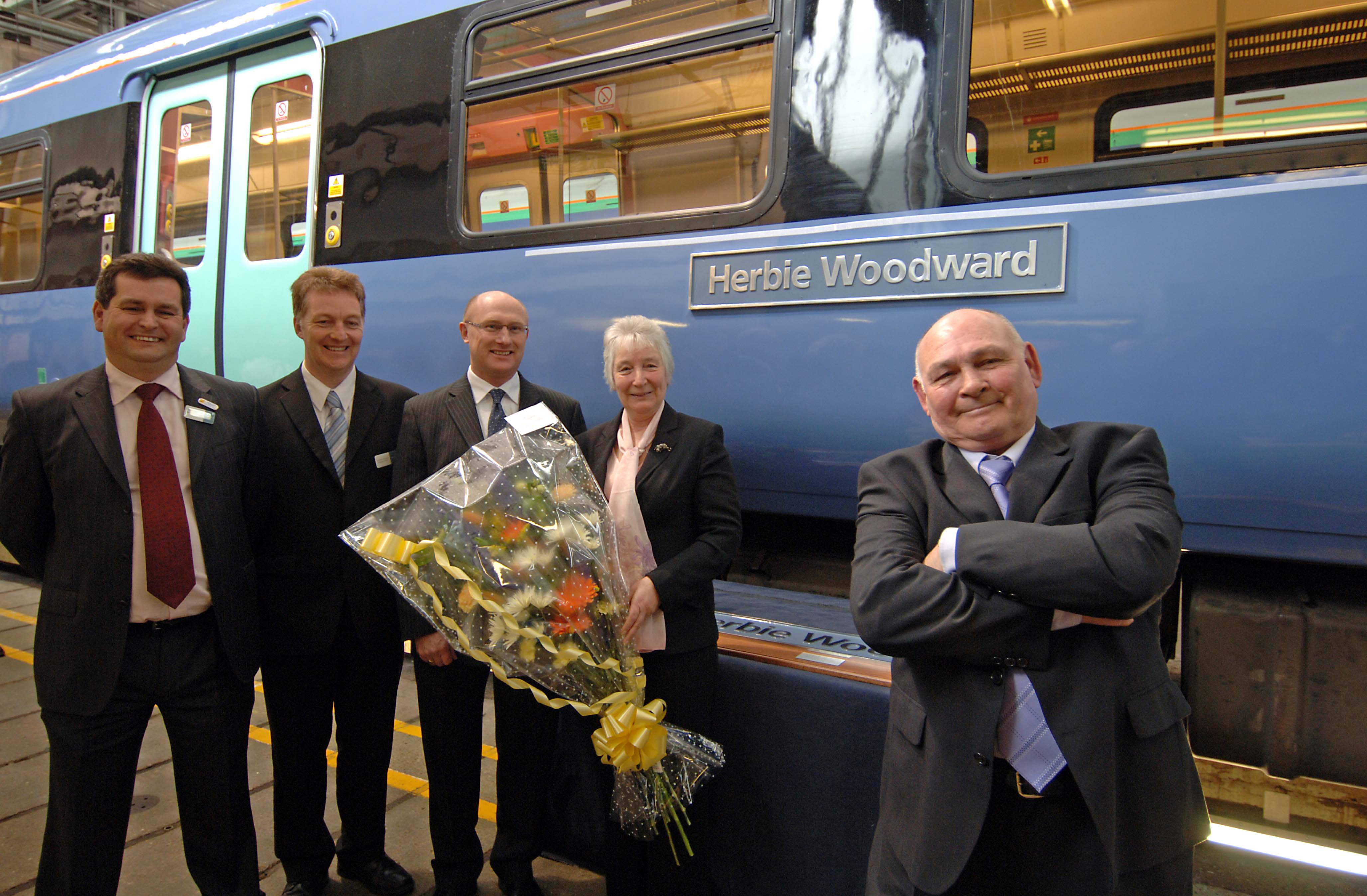
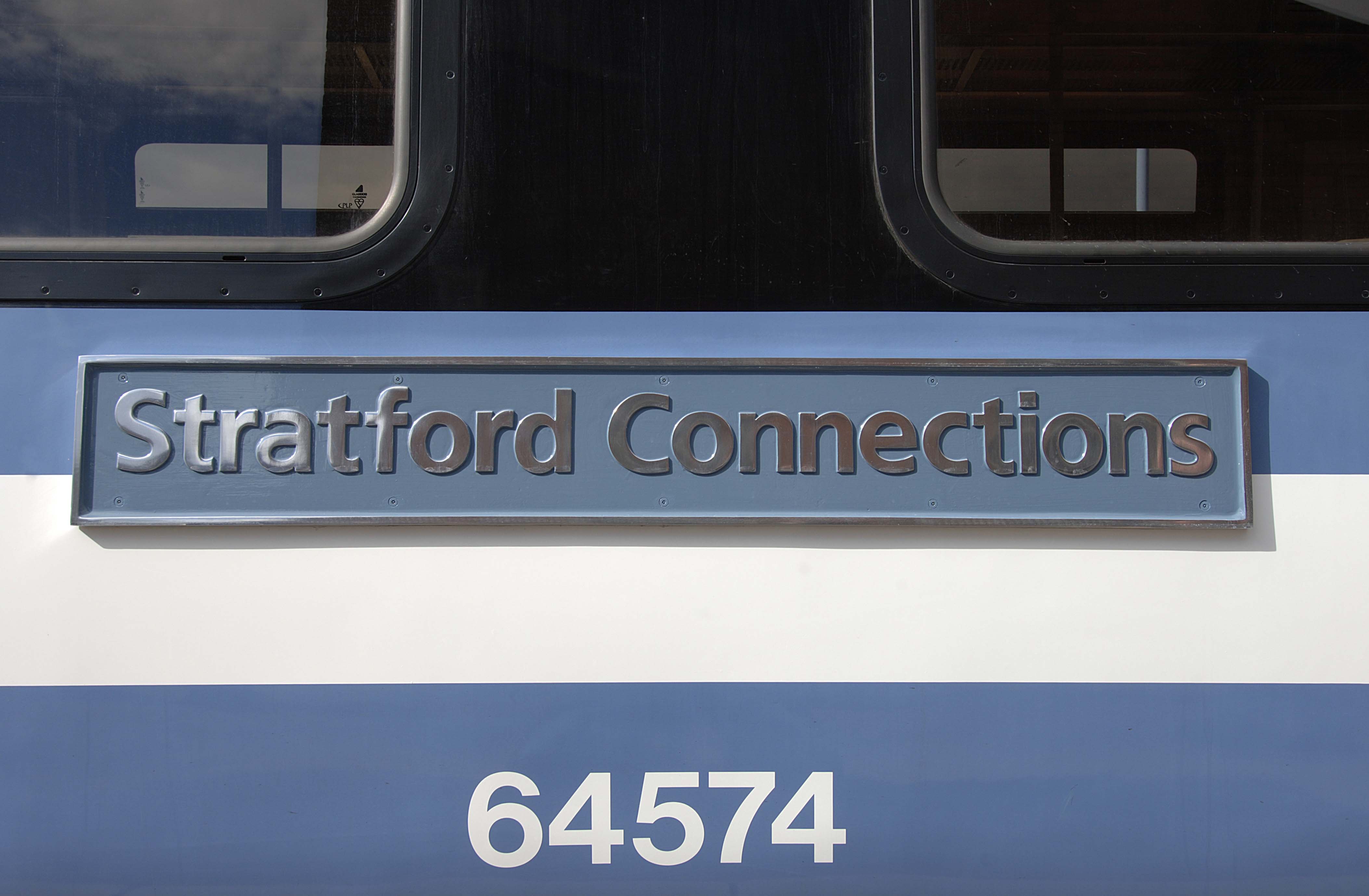
Four of the class carried names. Unit 817 was ‘Transport for London’. 829 was ‘London Borough of Havering Celebrating 40 years’. 845 was named ‘Herbie Woodward’ and 857 became ‘Stratford Connections’.
315845 was named after Ilford fitter Herbie Woodward on the13th March 2007. Here’s the unit – and the man himself!The nameplate on 315857 seen on the 18th March 2008.
You can brows (or buy) many more photographs of the 315s in these galleries.
I’ve a favour to ask… If you enjoy reading this blog, please click on an advert or two. You don’t have to buy anything you don’t want to of course (although if you did find something that tickled your fancy that would be fab!), but the revenue from them helps to cover some of the cost of maintaining this site – and right now (because of Covid), us freelances appreciate all the help that we can get to aid us in bouncing back from lockdowns. Remember, 99% of the pictures used in my blogs can be purchased as prints from my other website – https://paulbigland.zenfolio.com/



 Paul Bigland