We’ve had a busy day here in the middle of nowhere so there was no point in trying a rolling blog. I’m writing this at the end of the day instead.
Having made it to Cardiff I managed a decent half-night’s sleep before pressing on this morning in order to get to Neath. Fortunately all the trains heading in my direction were running, so I had time to get a few shots of the changing nature of the Transport for Wales train fleet in this neck of the woods.
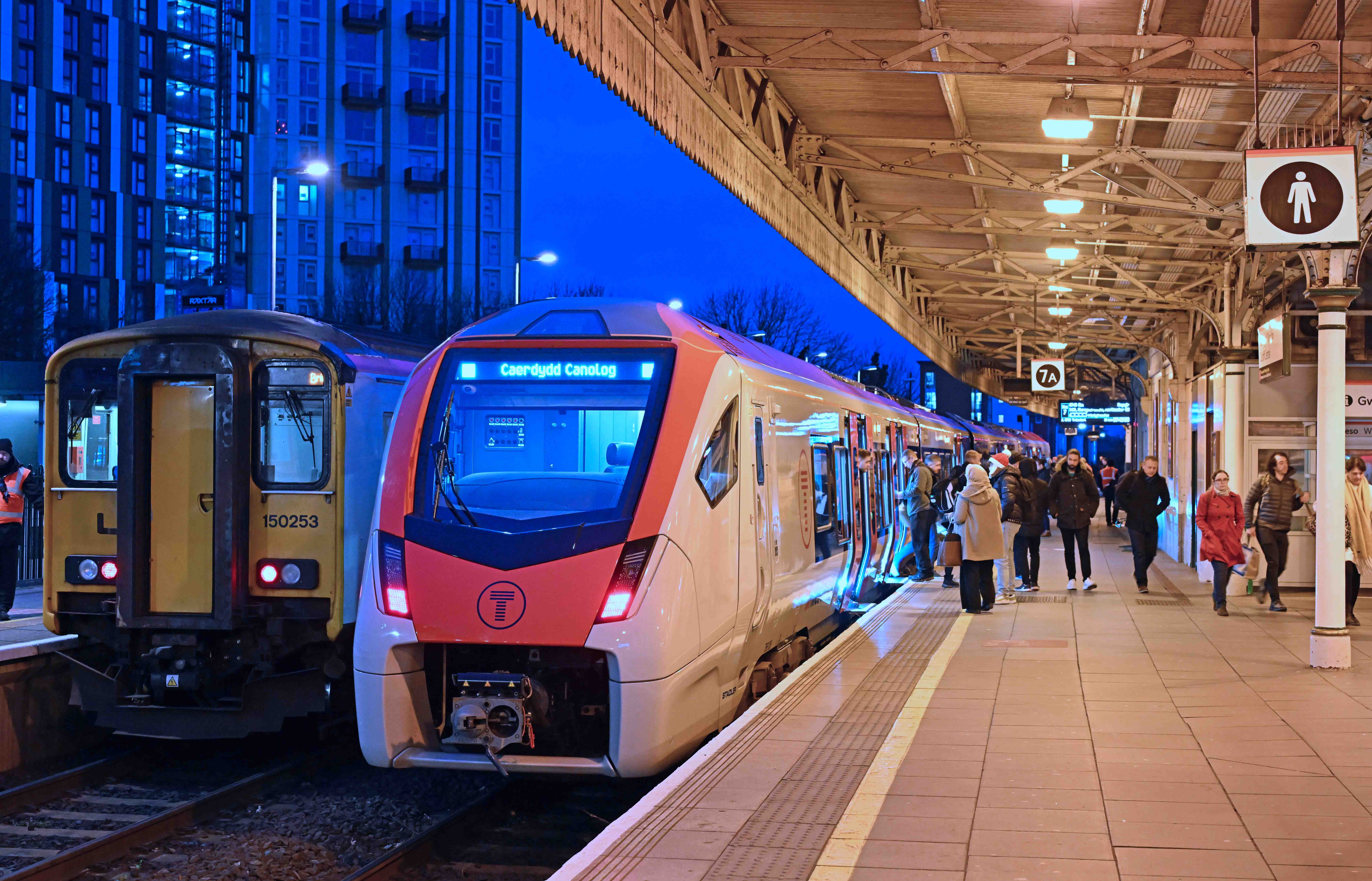
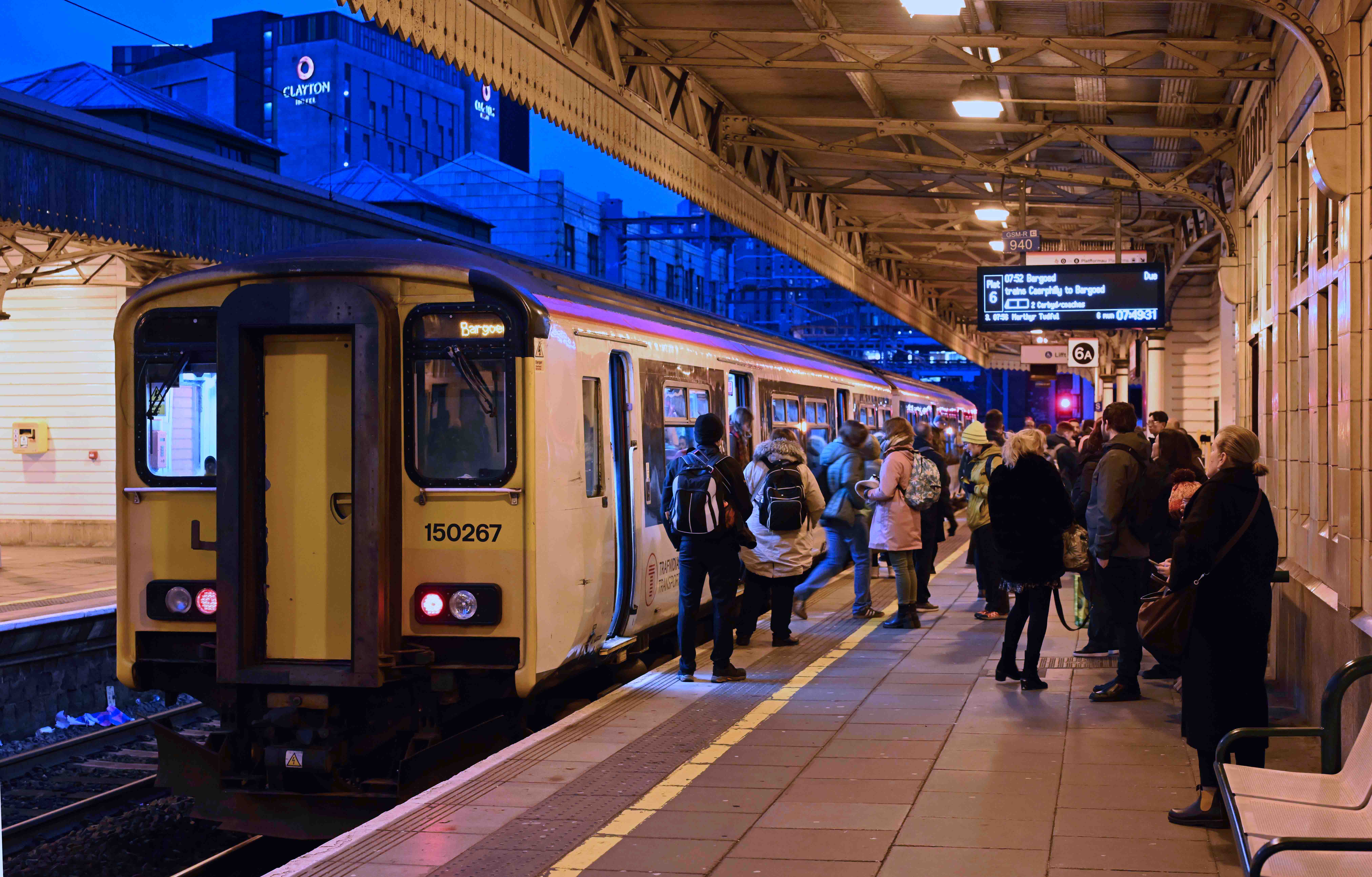
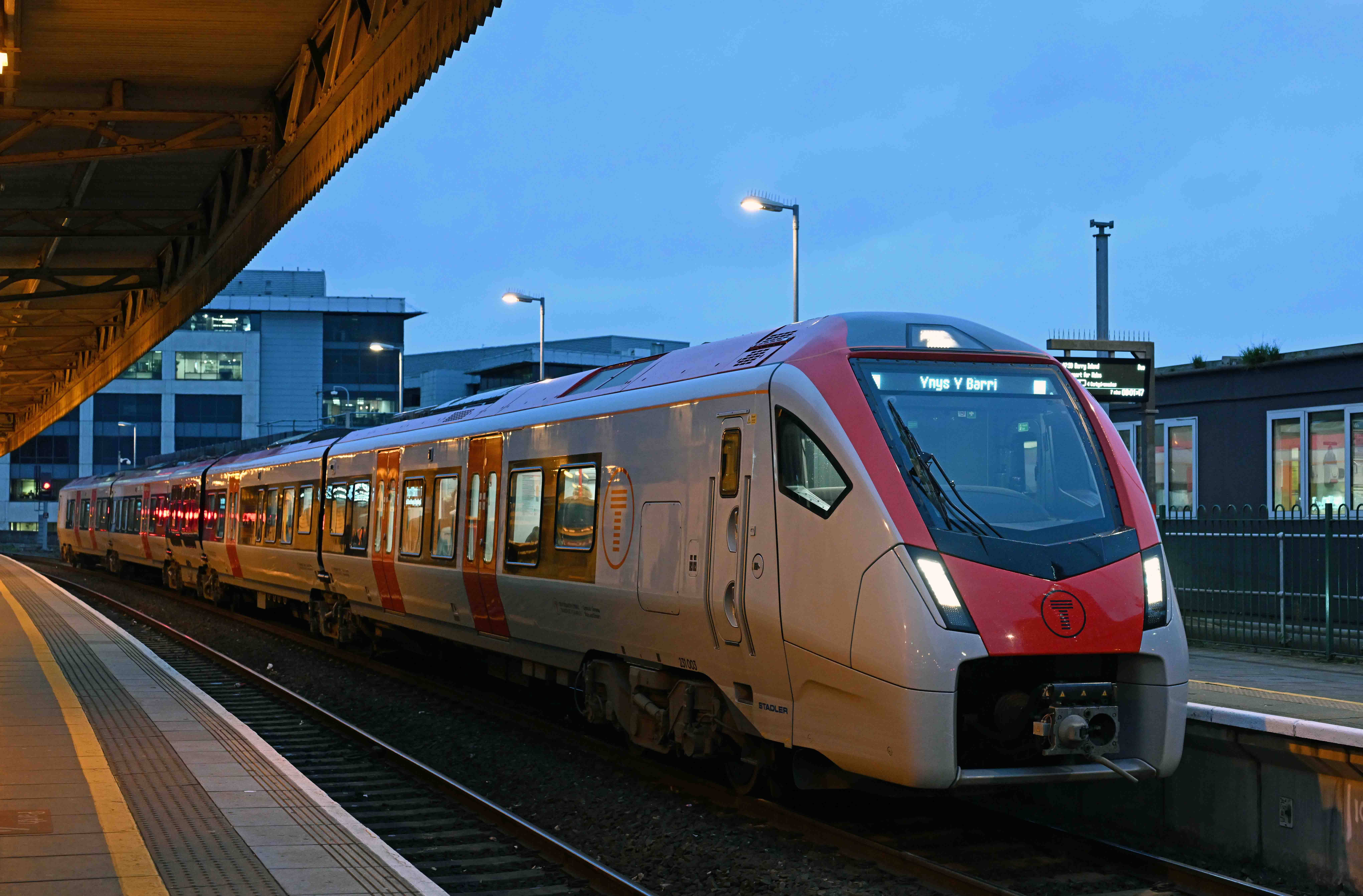
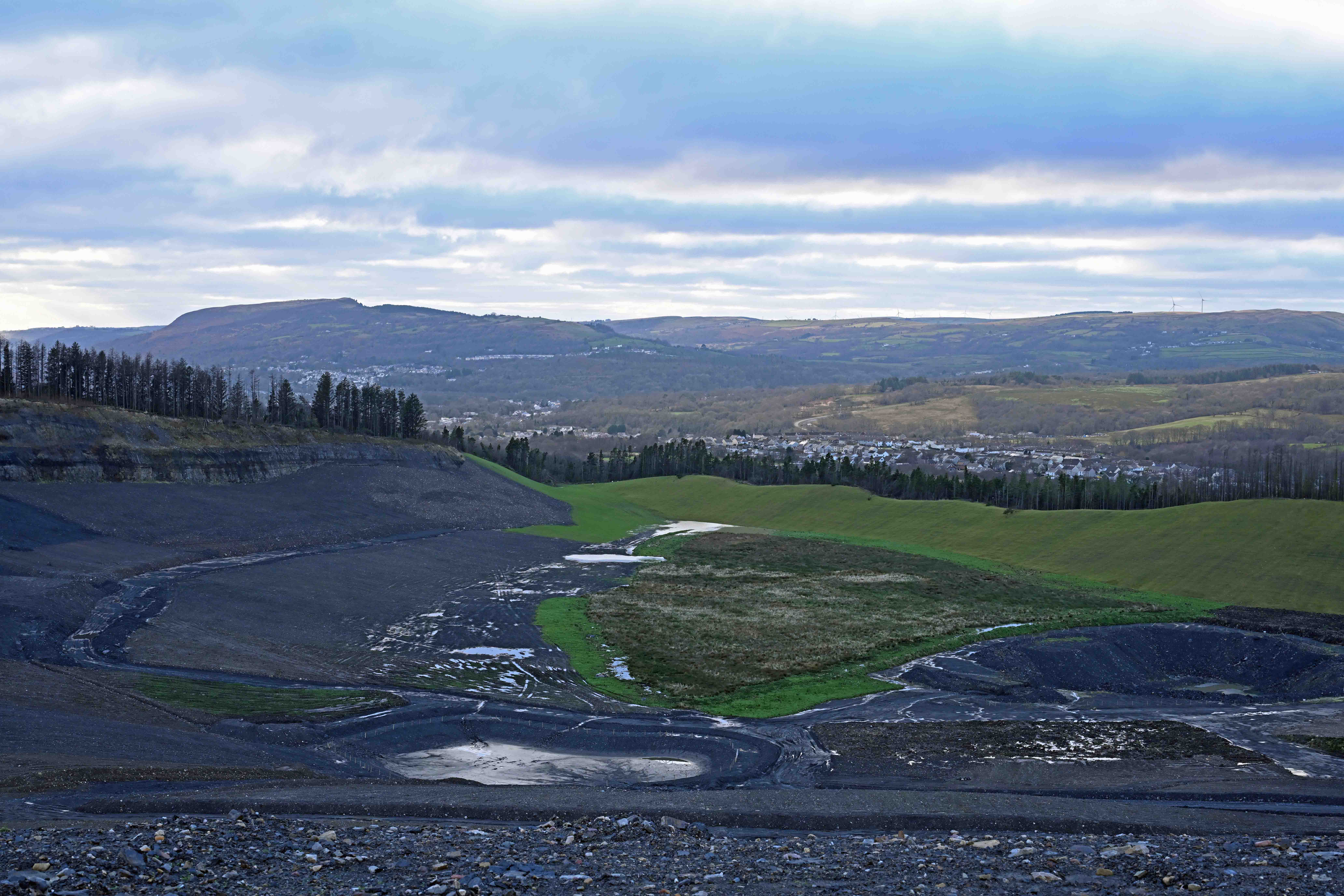
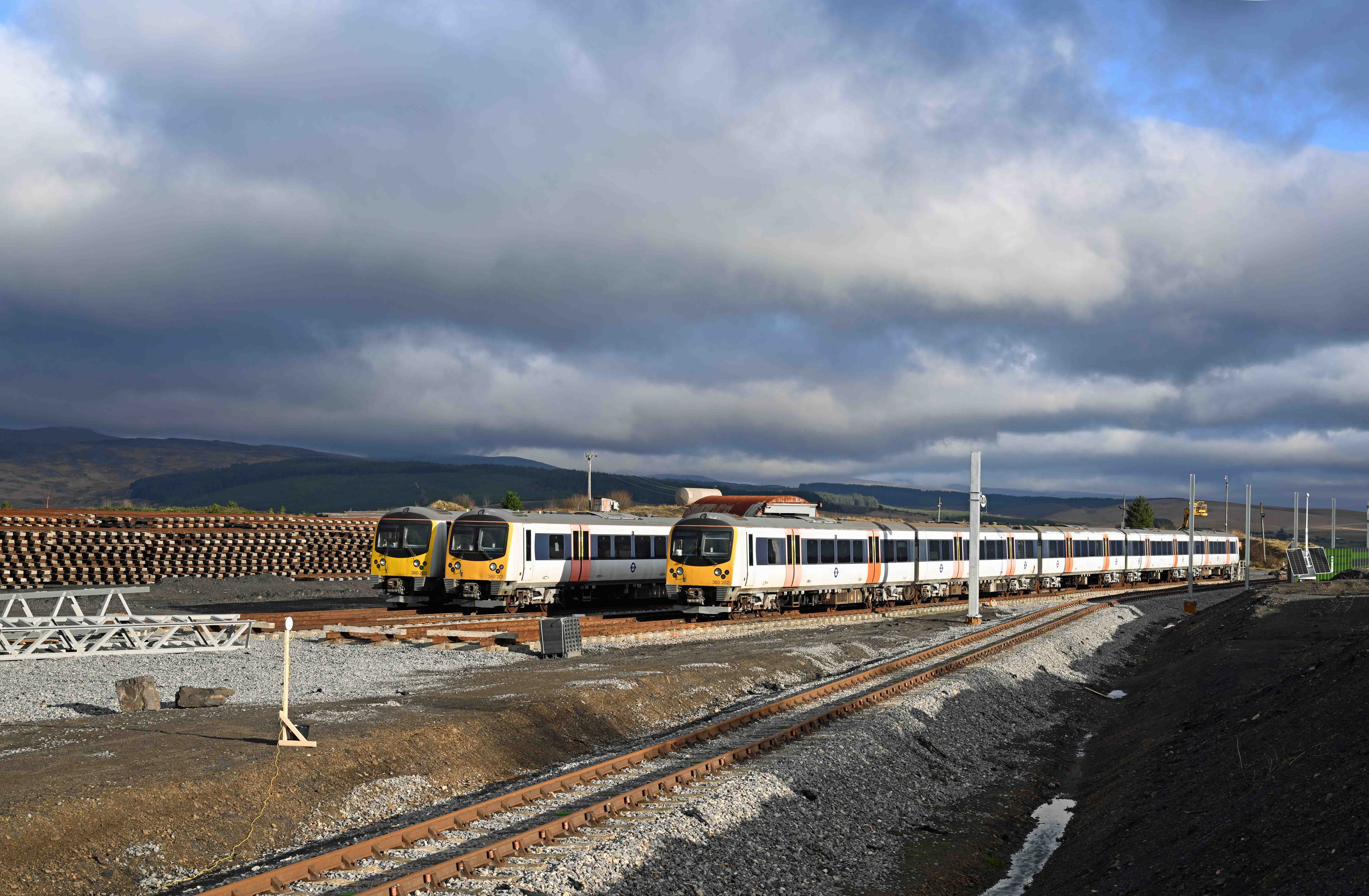
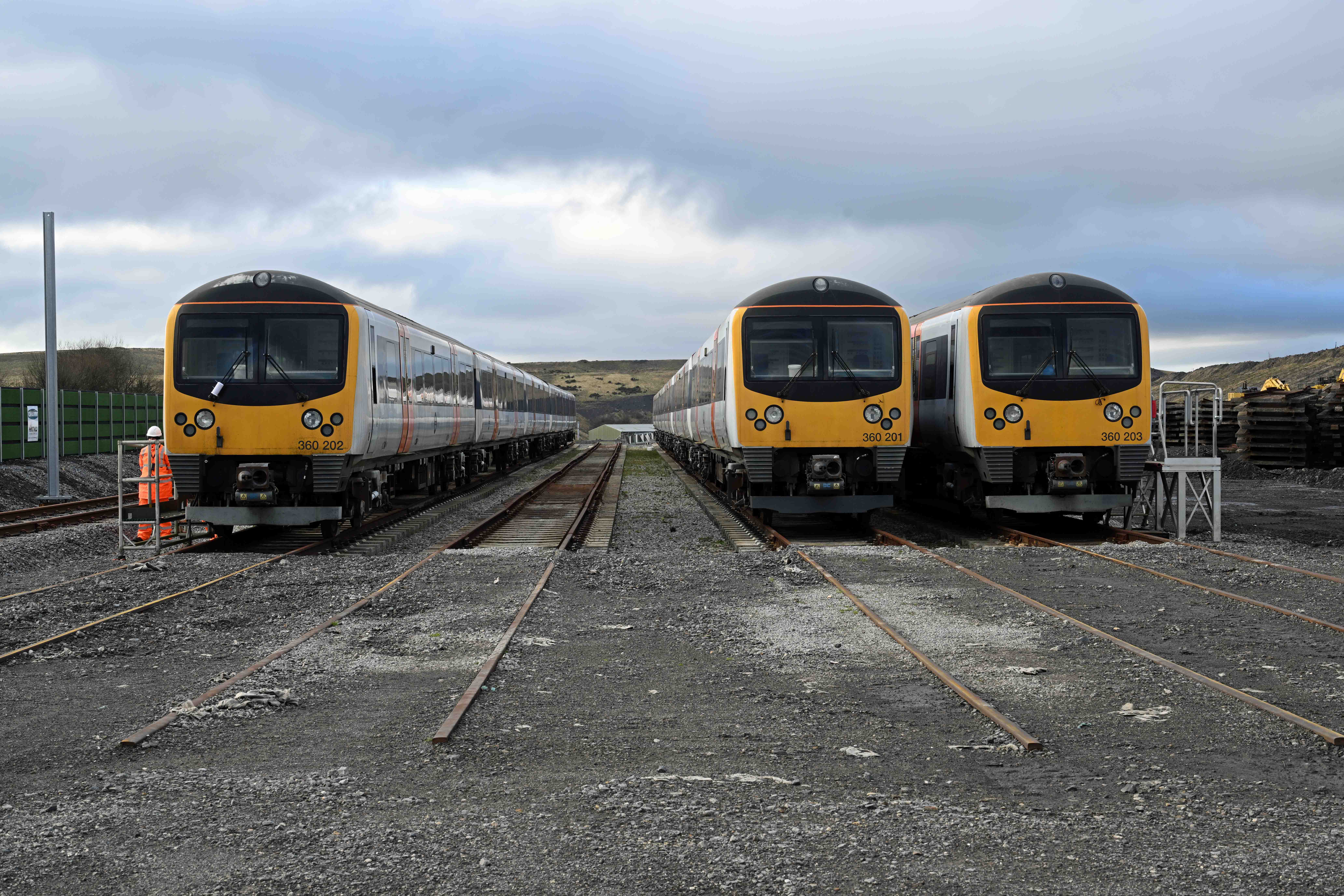
Having got to Neath my next trick was to get to GCRE, which isn’t the most accessible place in the world right now. The only way for me to make the journey was by taxi, which took half an hour. Unless you know the area you don’t appreciate just how isolated it is. The test track and other facilities are being built on the site of a vast opencast mine, which closed in 2021. It hadn’t run out of coal, but its license to mine had expired and wasn’t being renewed. The whole site is bigger than Gibraltar. In essense, imagine building a circular 7km long test track (with some serious gradients) around the base of a huge, hollowed-out hill.
Now GCRE have taken over the site as well as the old railhead at Onllwyn. Today they were having an open day for guests who were invited to see the site and learn about two of the groups who’re carrying out work here. Both are looking at how to cuts the costs of two major fixed assets on the railways. Signalling and electrification.
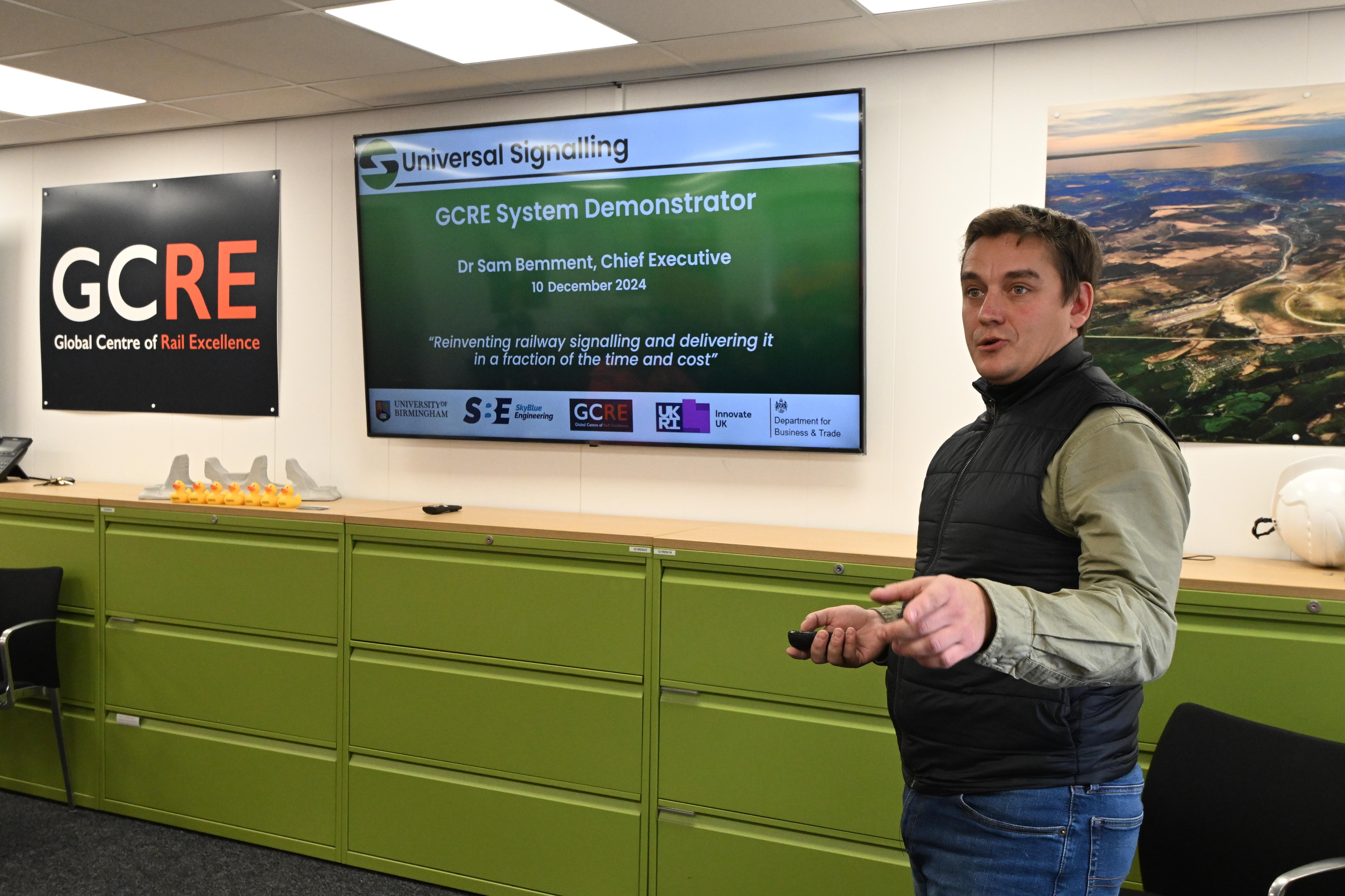
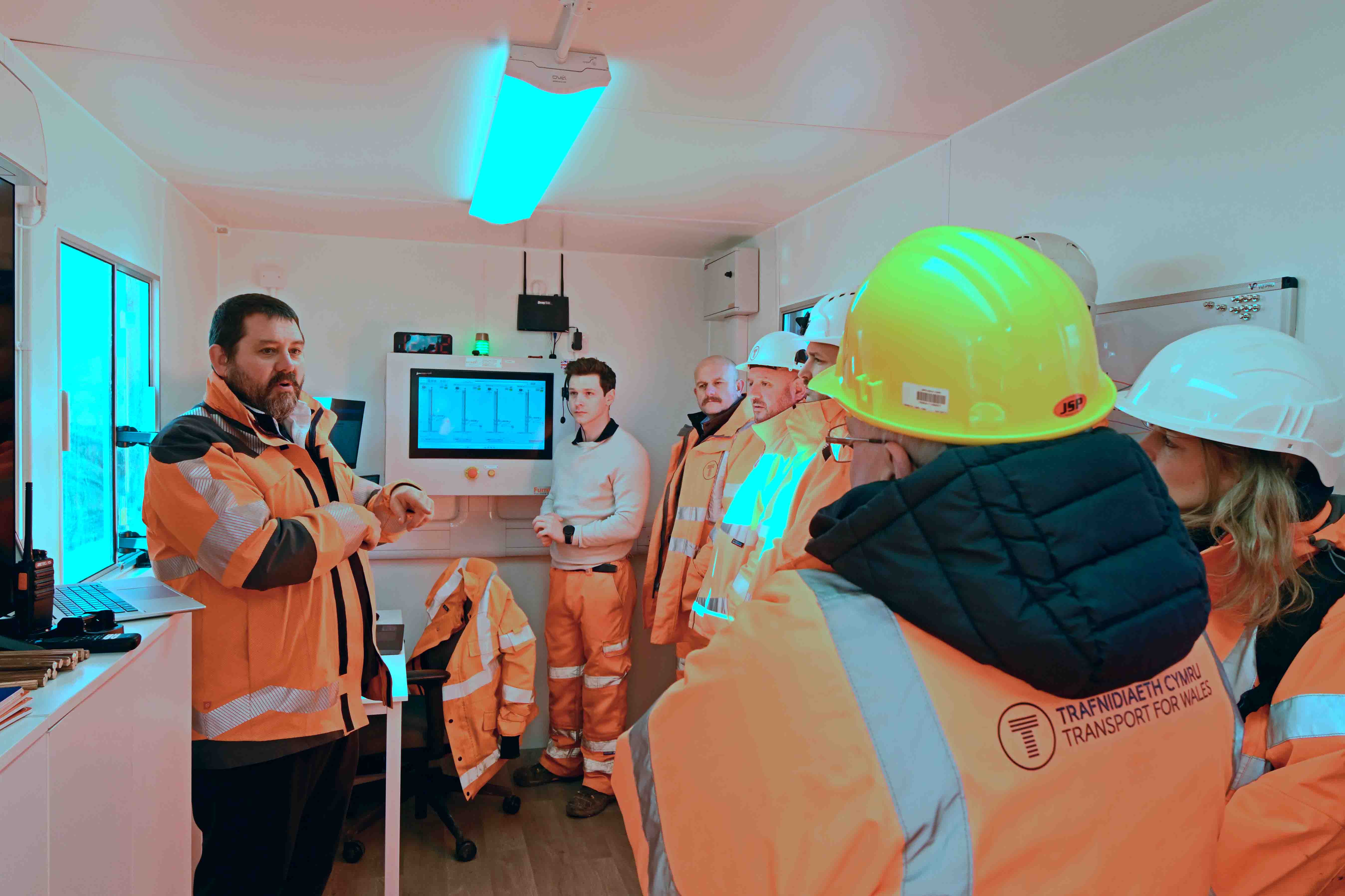
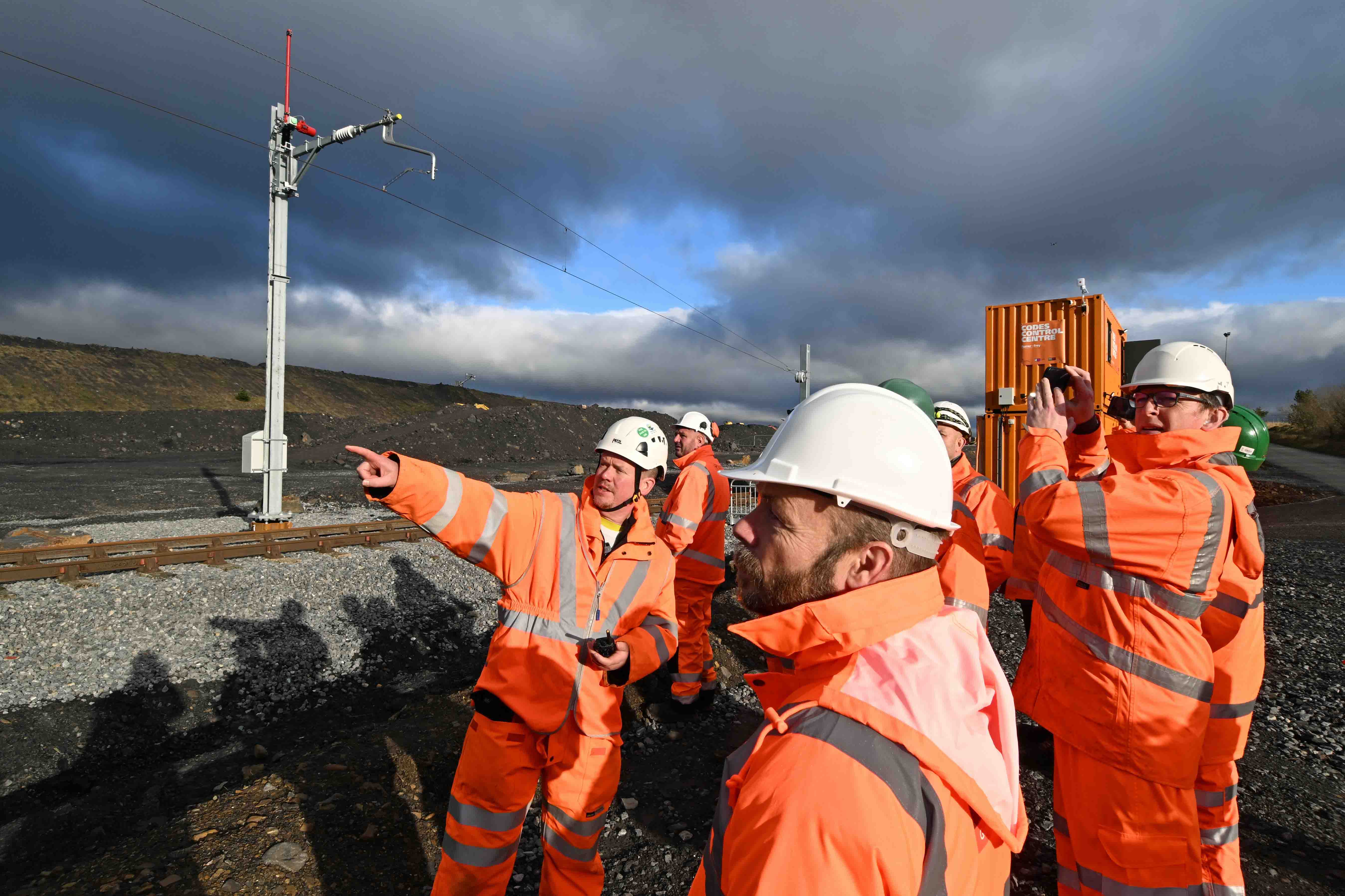
After the presentations and demonstrations we were given a short tour of the site by Land Rover. This really gave people a sense of how vast, isolated (and high up) the site is.
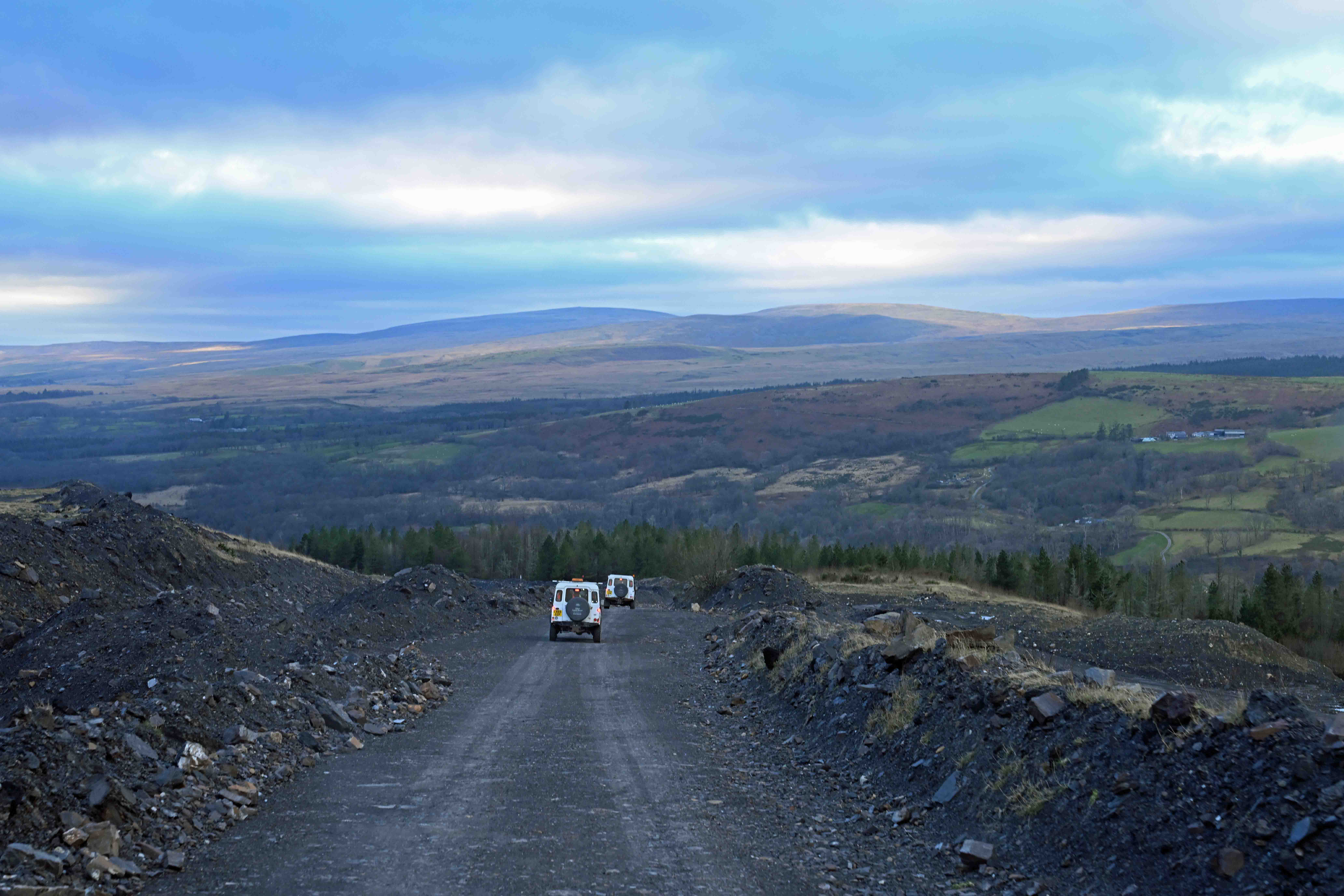
Right, it’s late and I’m due back at the GCRE site along with colleagues from F&F in the morning. We’ve got a busy day ahead of us, then I’ve got to travel back to West Yorkshire. Hopefully, there’s no buses involved! So, it’s time for bed.
See you tomorrow.
I’ve a small favour to ask…
If you enjoy reading this or any of the other blogs I’ve written, please click on an advert or two. You don’t have to buy anything you don’t want to of course – although if you did find something that tickled your fancy that would be fab! – but the revenue from them helps me to cover some of the cost of maintaining this site (which isn’t cheap and comes out of my own pocket). Remember, 99% of the pictures used in my blogs can be purchased as prints from my other website – https://paulbigland.zenfolio.com/
Or – you can now buy me a coffee! https://ko-fi.com/paulbigland68312
 Paul Bigland