The December 10th timetable change was due to see the last of the BR built Class 319s leave passenger service*. 86 of these 4-car, 100 mph dual voltage units were built in two batches between 1987-88 and 1990. The original stomping ground was the new ‘Thameslink’ service from Bedford, through central London on the reopened Farringdon – Blackfriars route and out to Brighton.
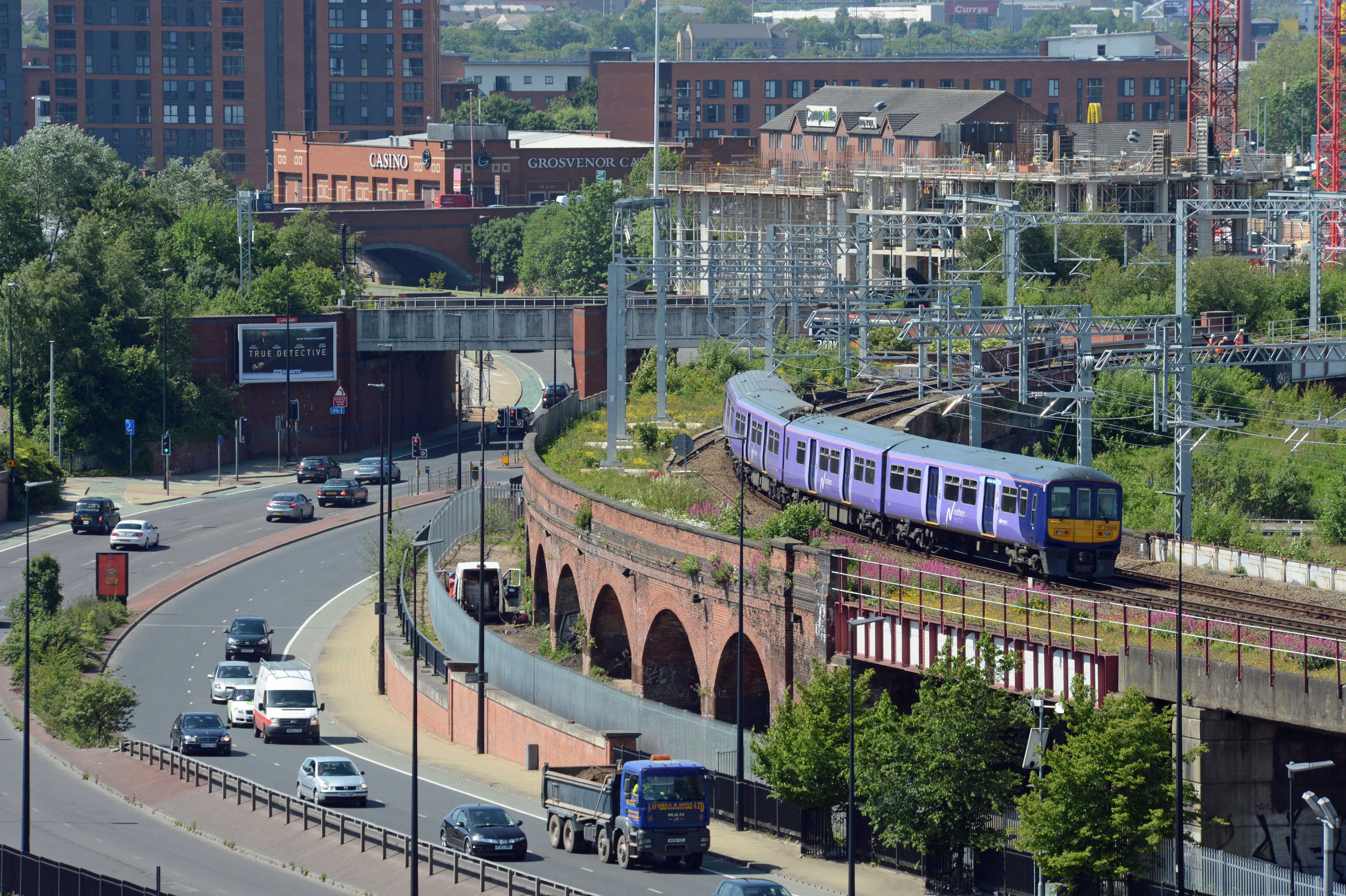
Since being displaced by Siemens built Class 700s in the early 2010s they’ve had a varied career working for Northern and London Midland as well as some units being converted to bi-mode diesel-electric (Class 769) or even hydrogen. Right now, the final handful left in service are operating Northern services between Liverpool-Wigan-Blackpool, Wigan-Manchester or even Manchester Airport-Bolton-Blackpool.
So, here’s the start of a blog looking back at their lives and times…
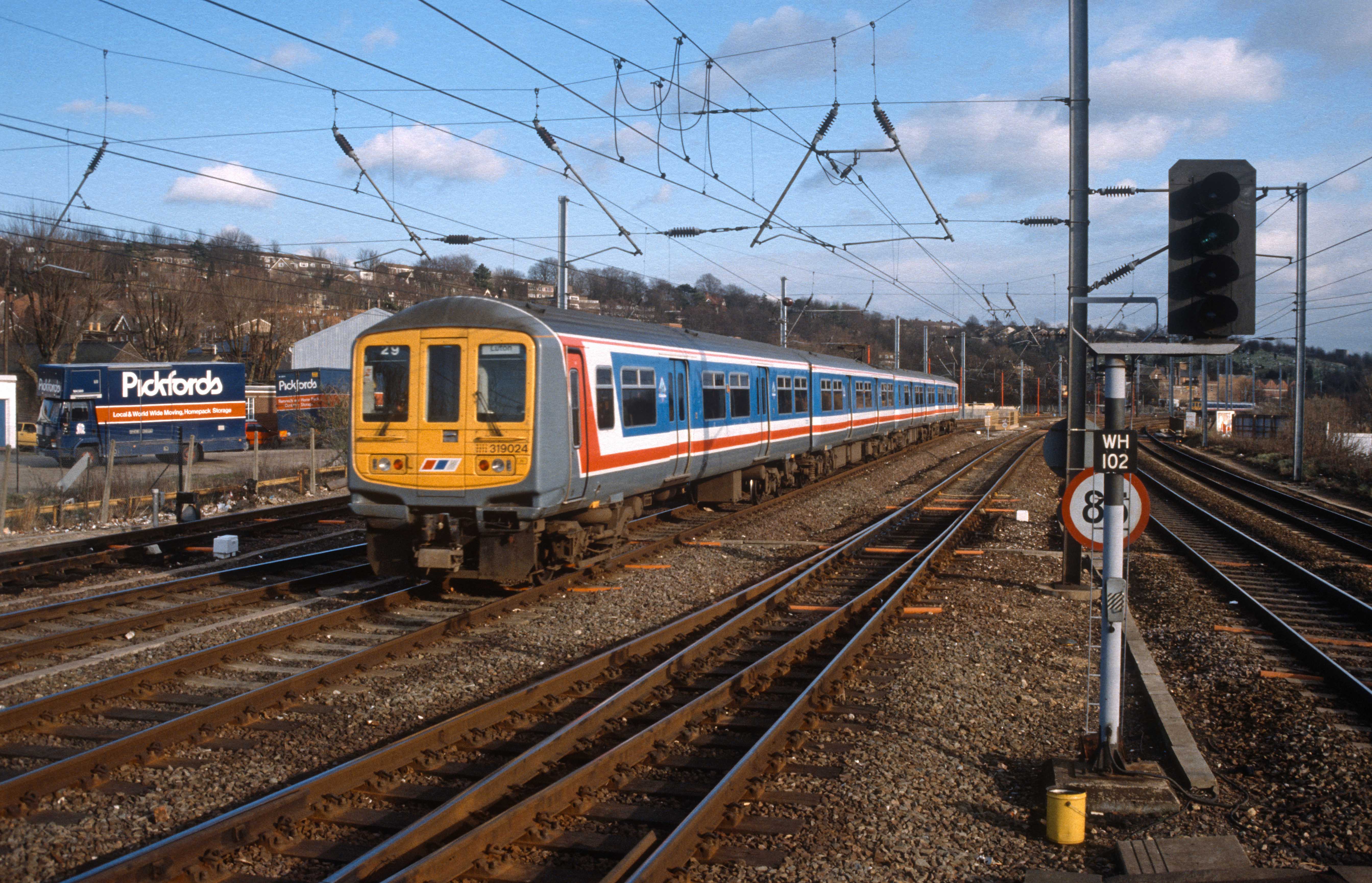
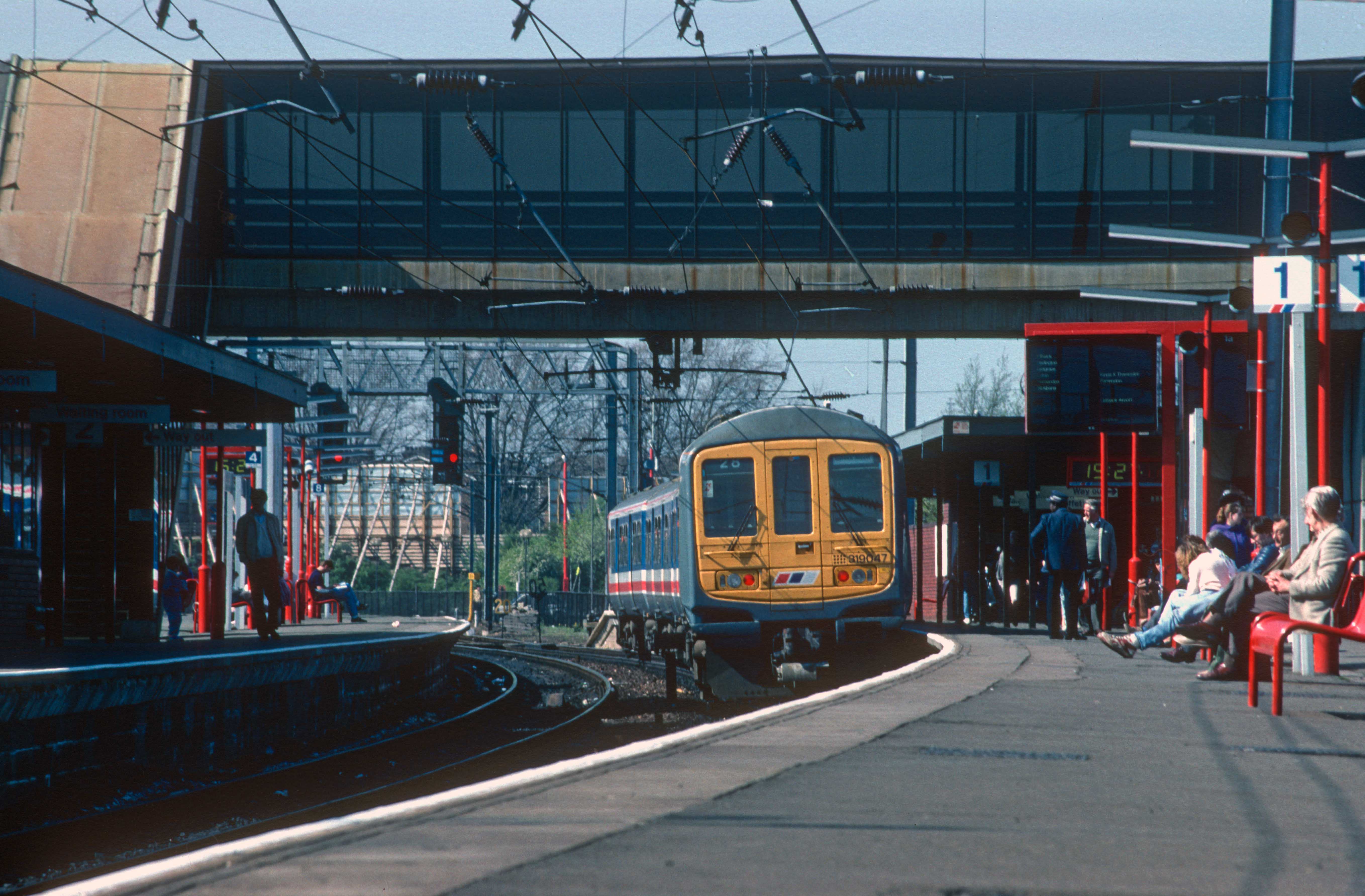
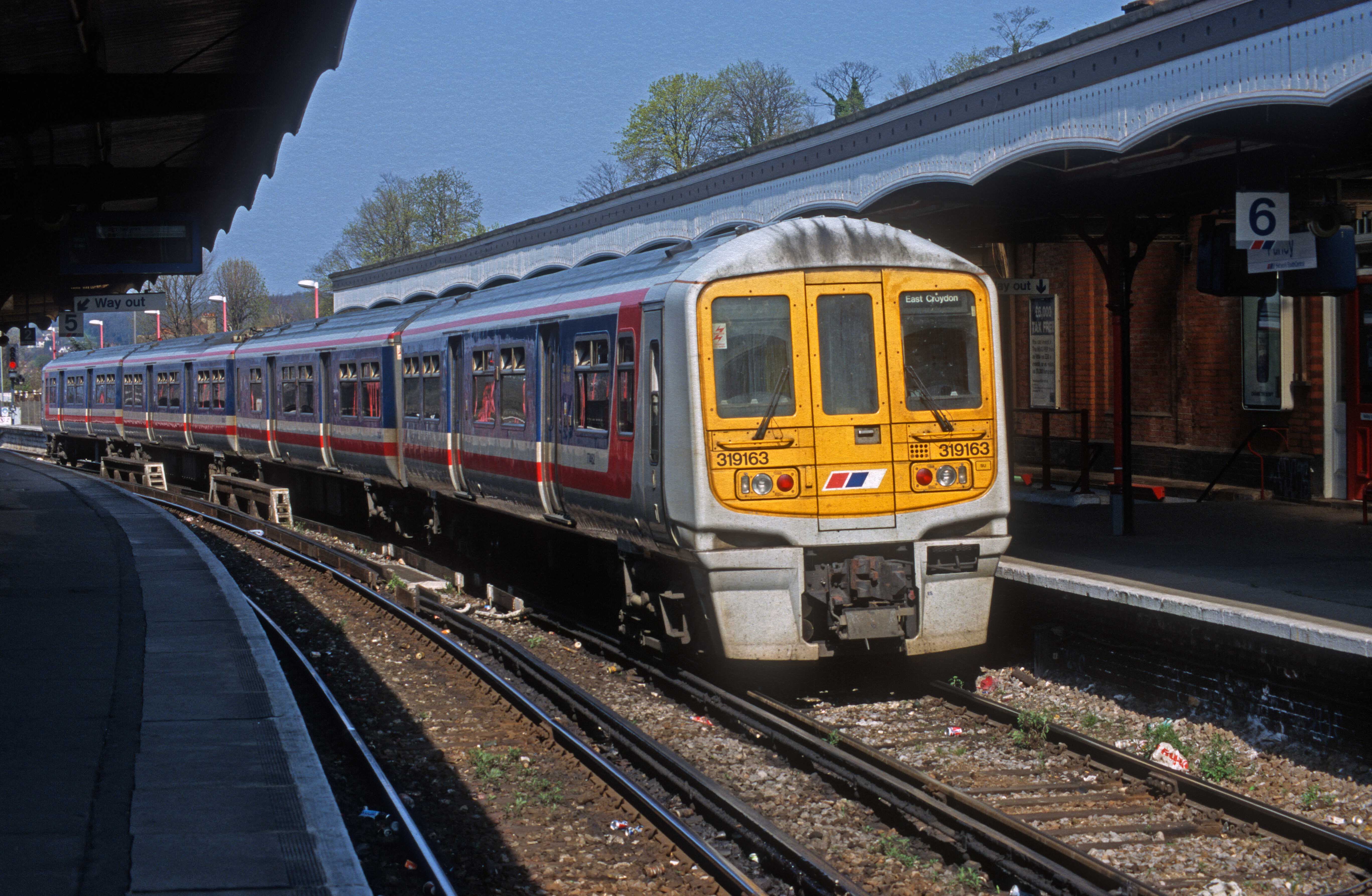
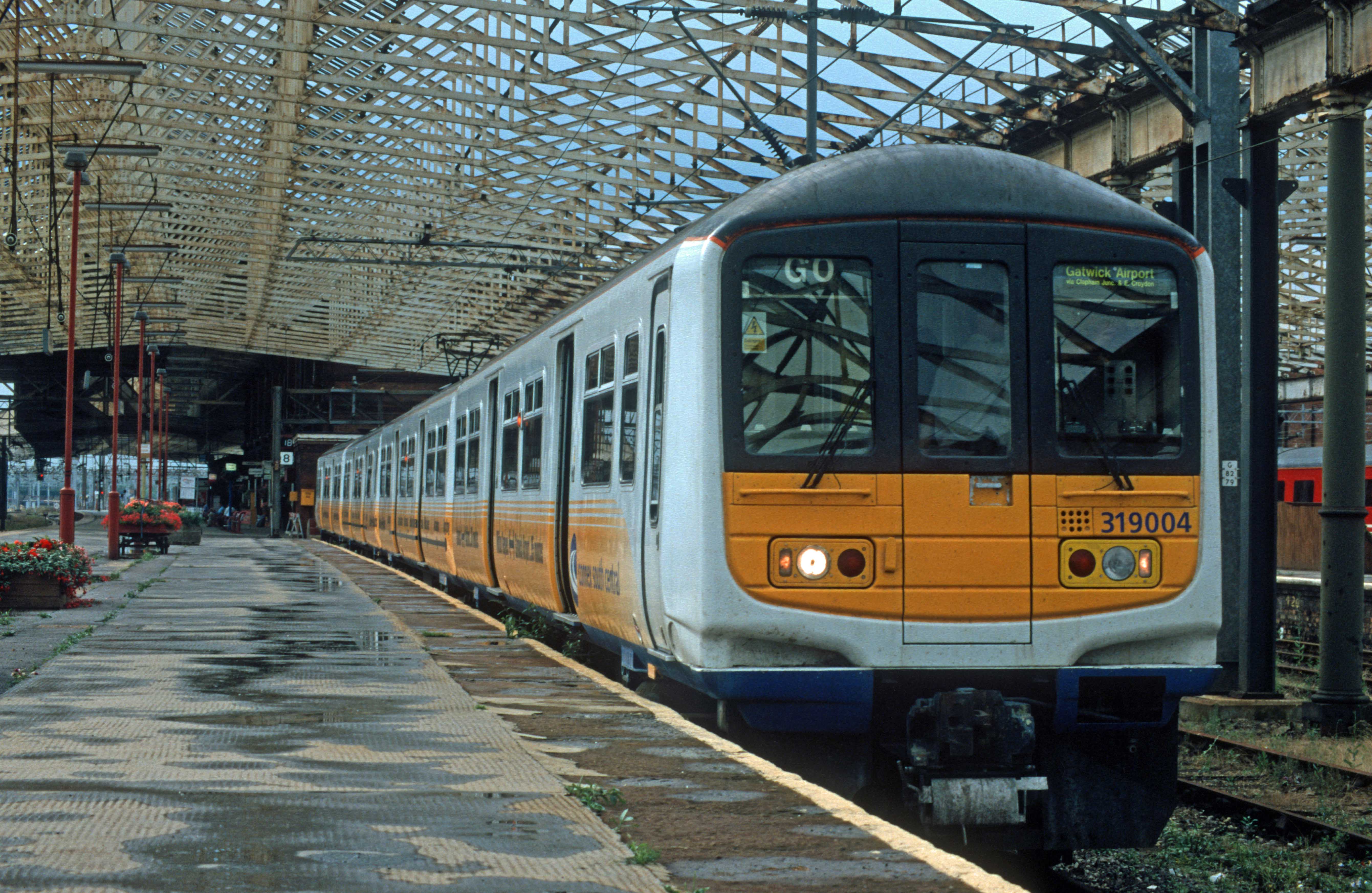
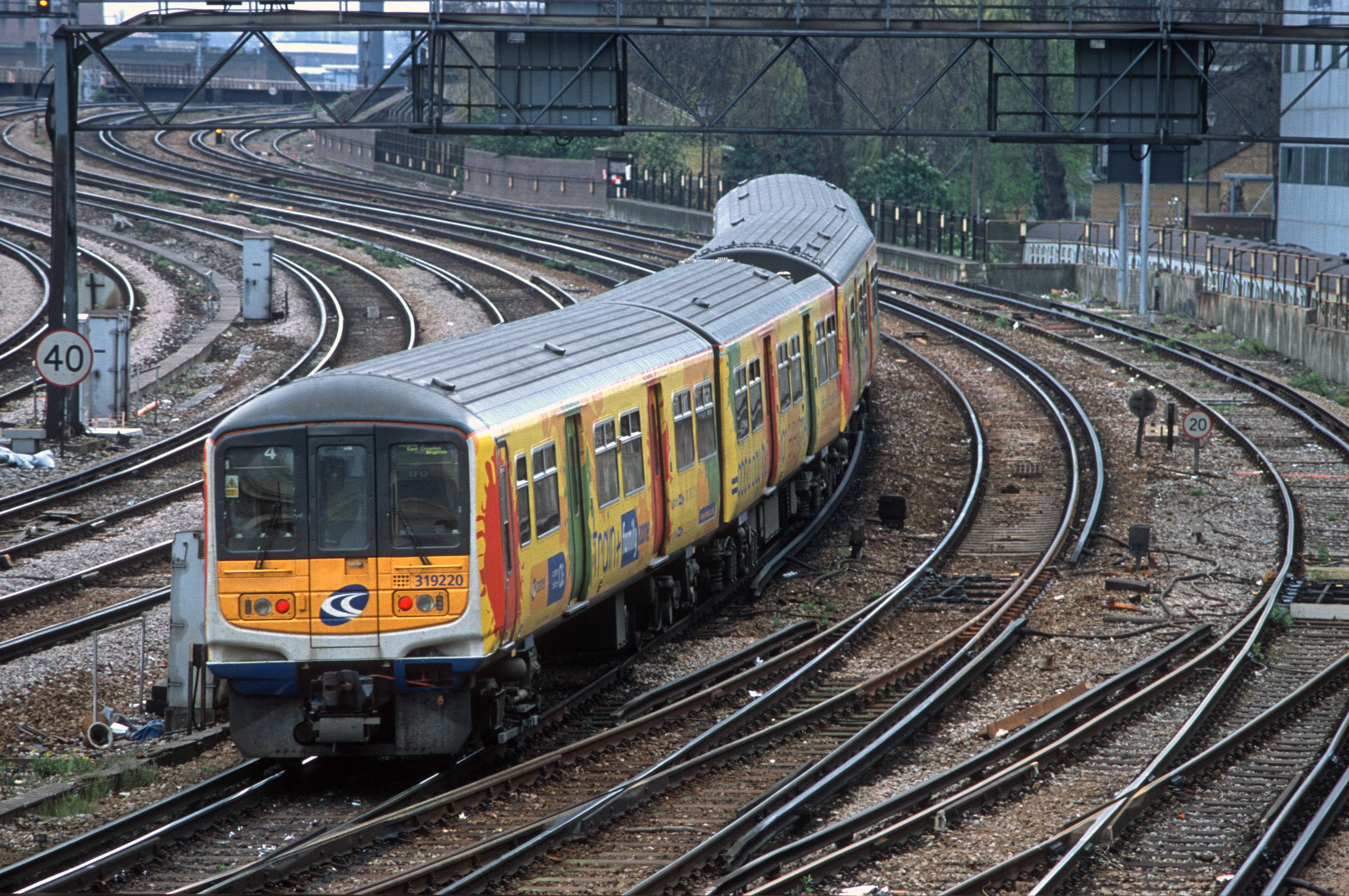
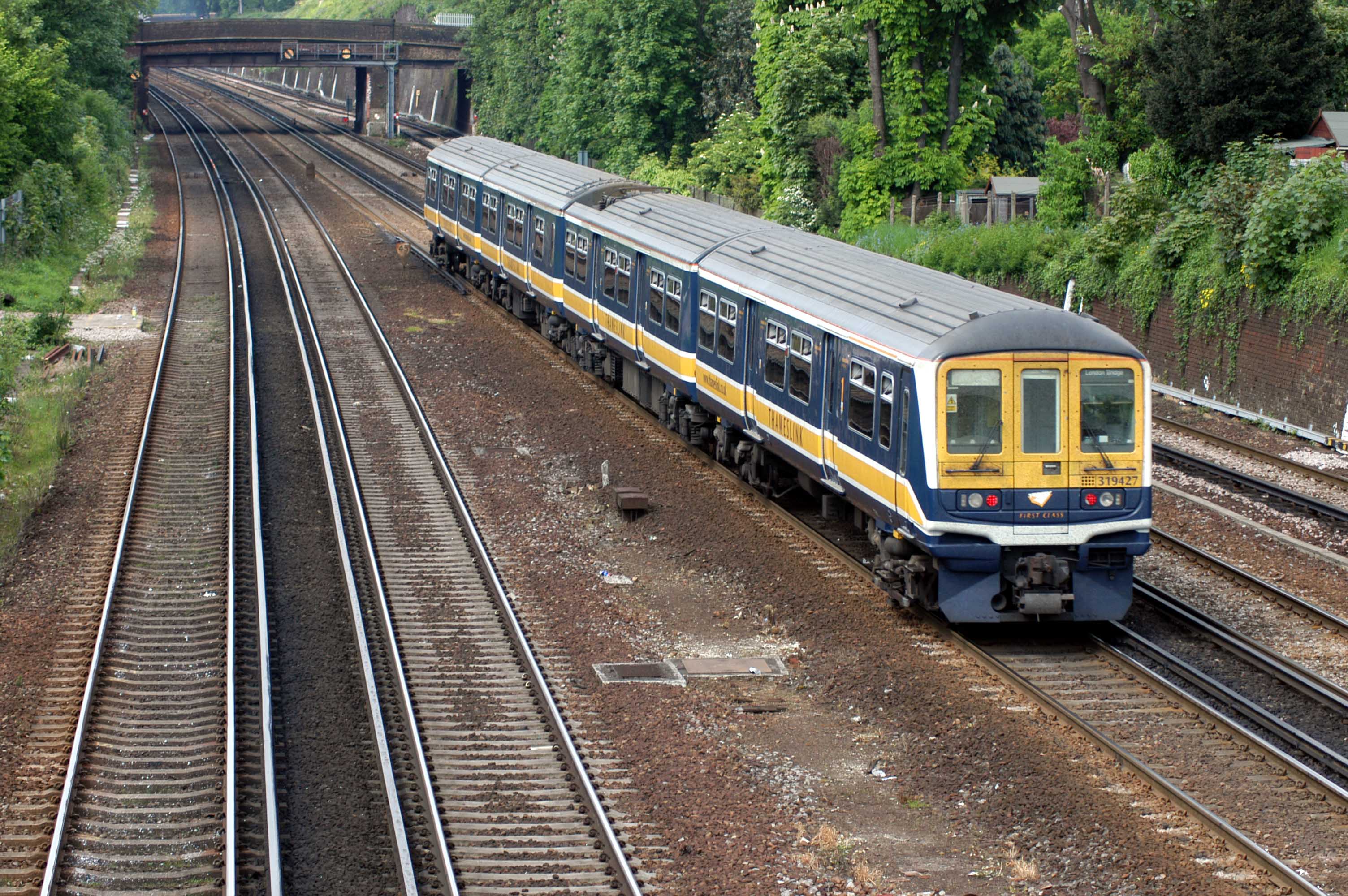
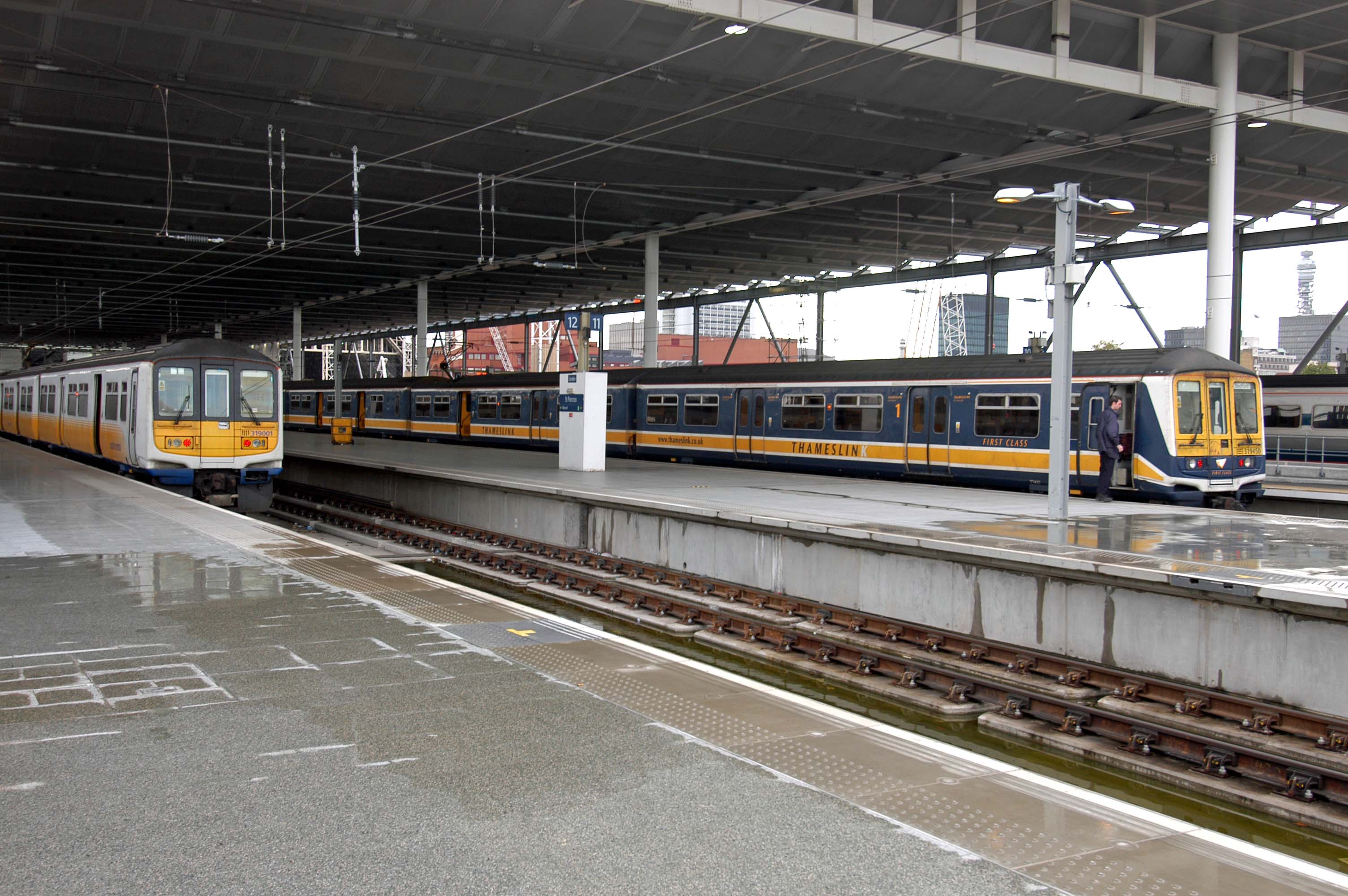
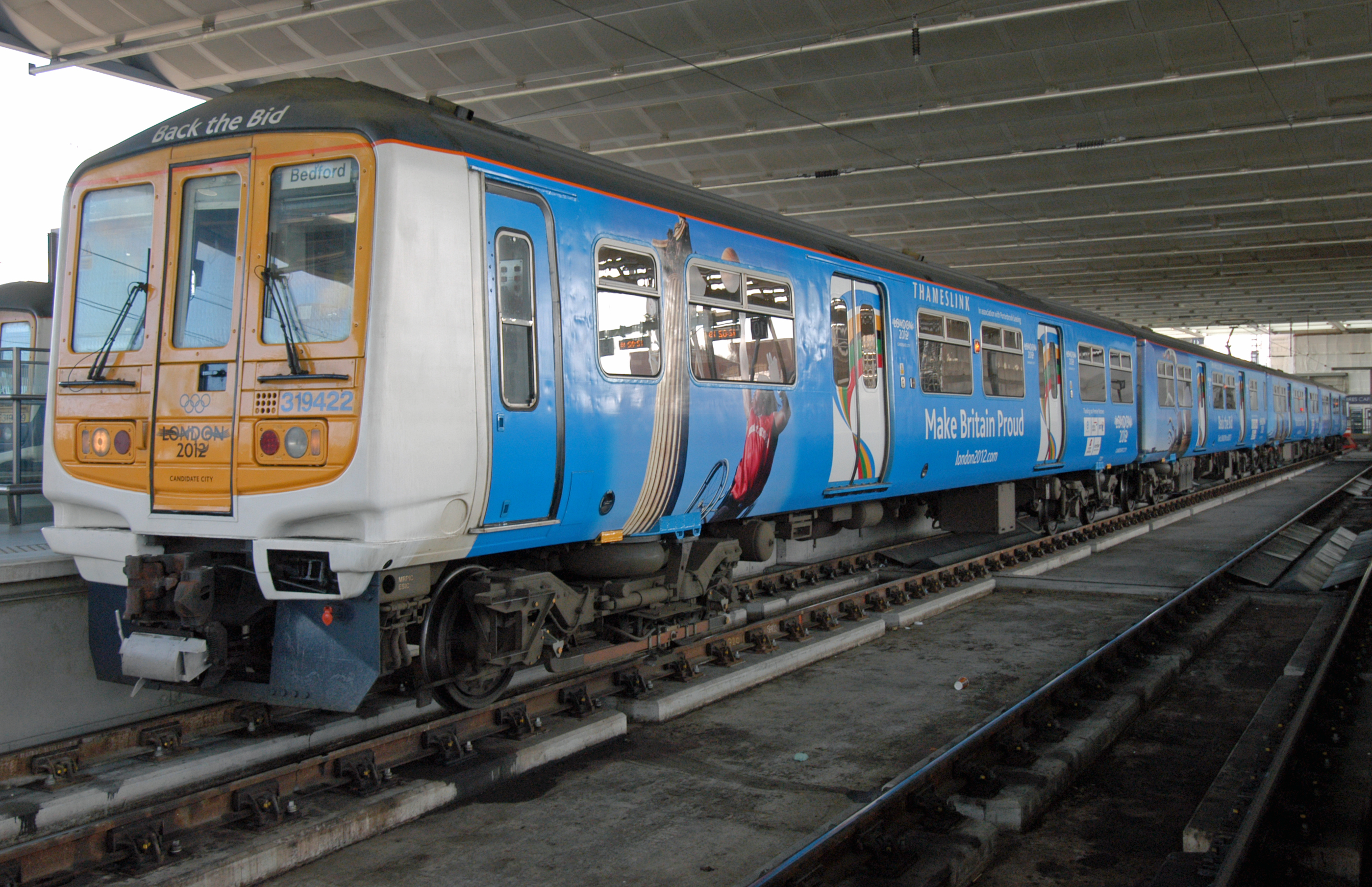
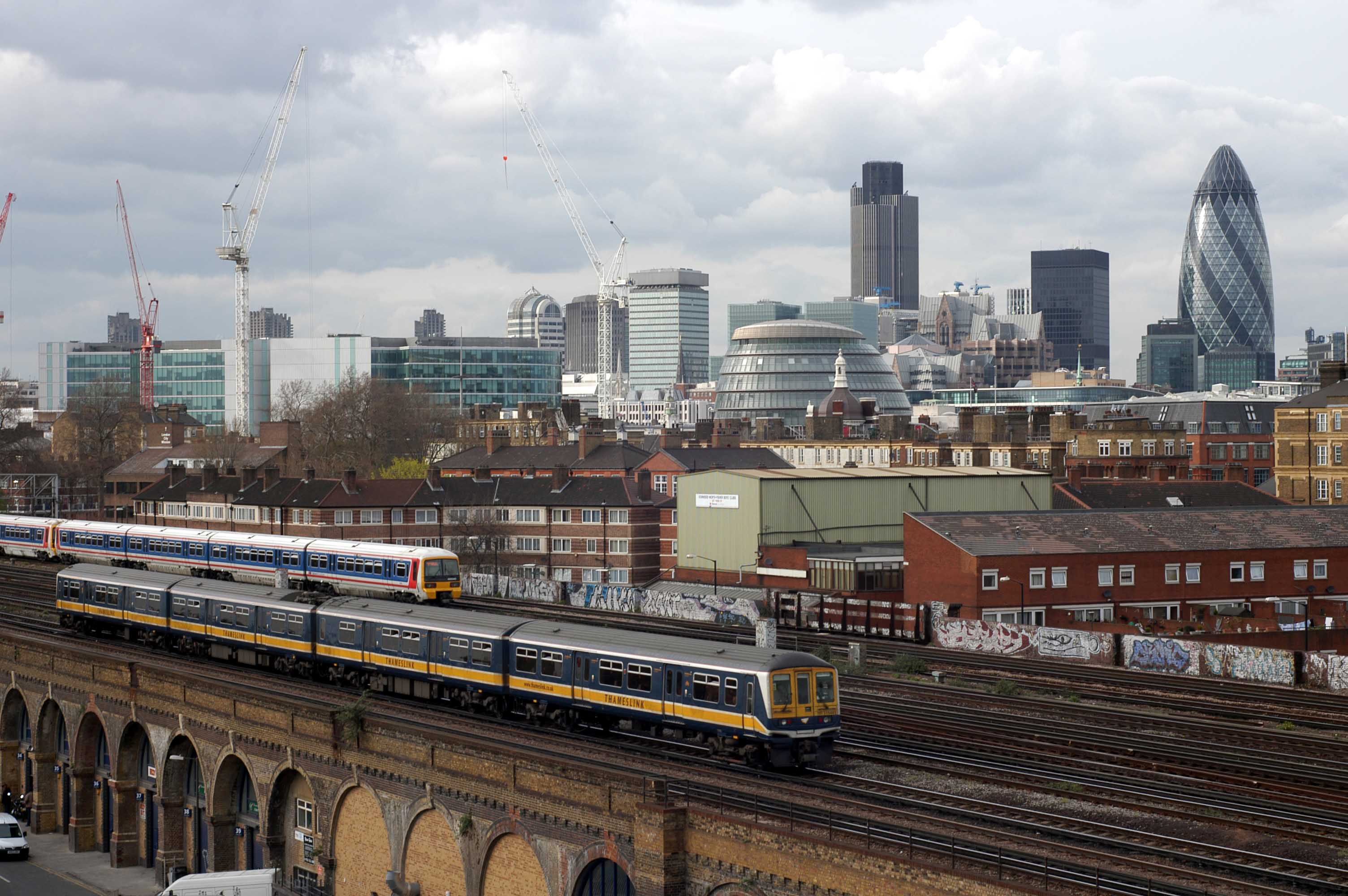
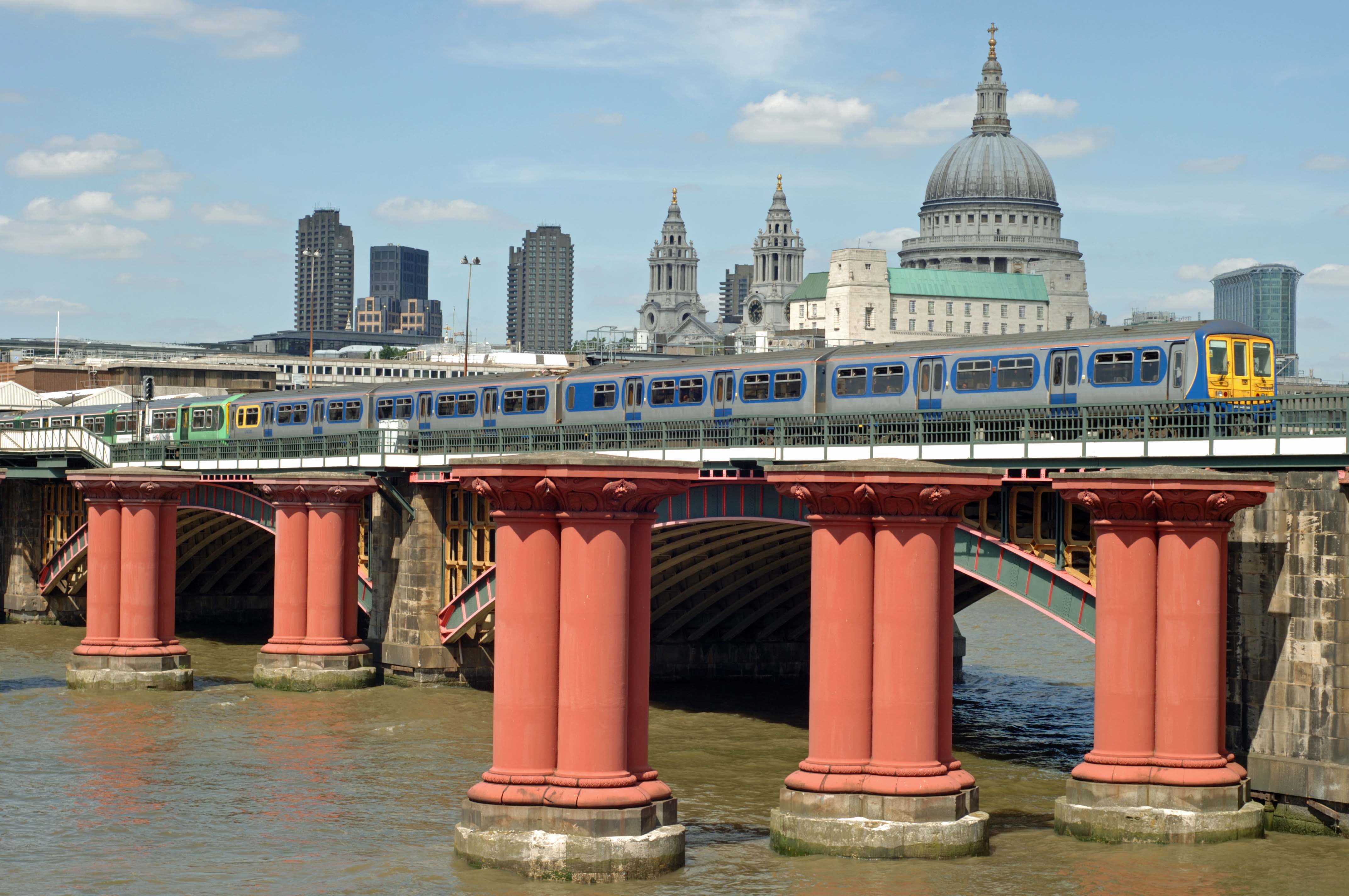
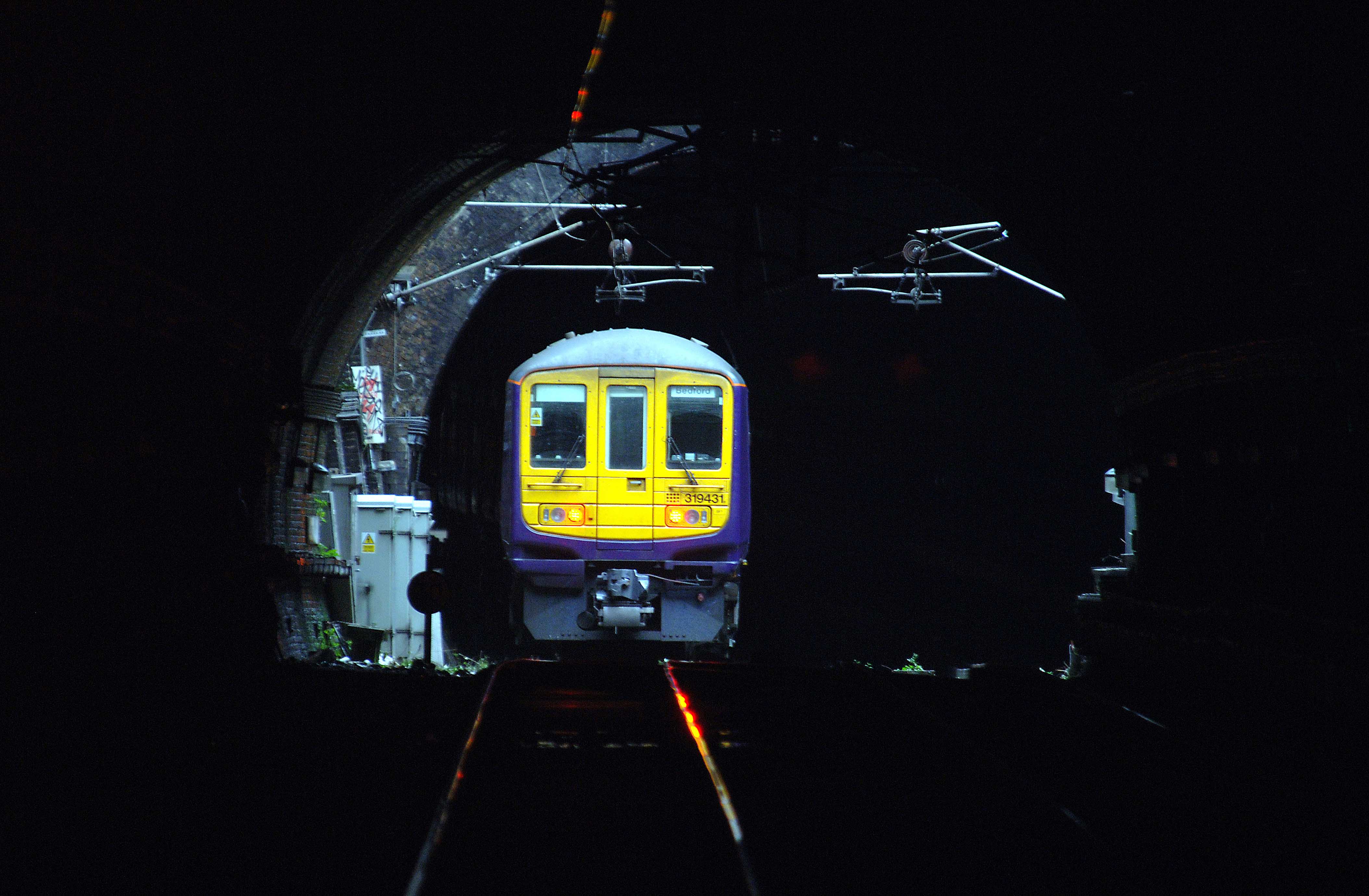
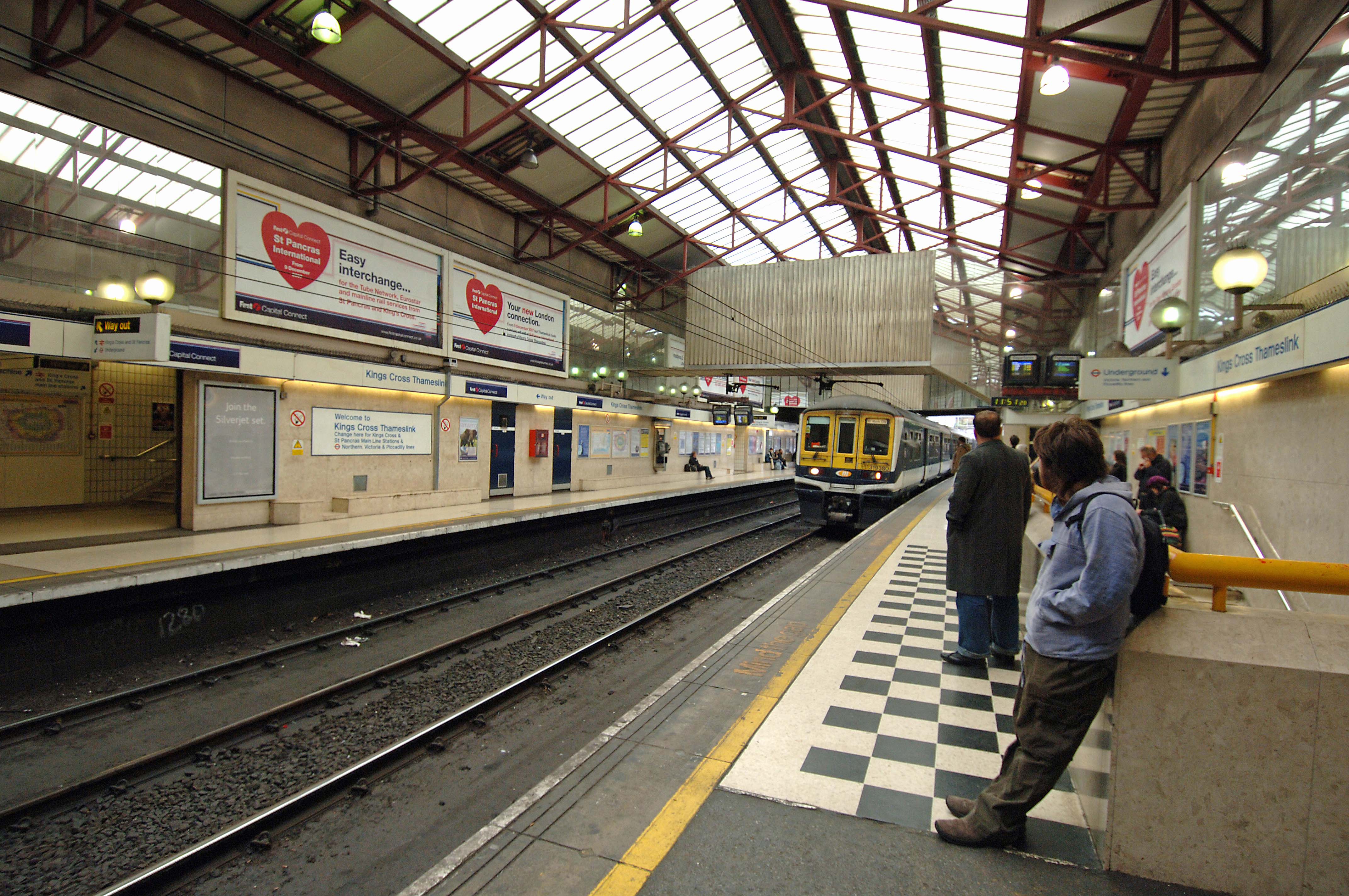
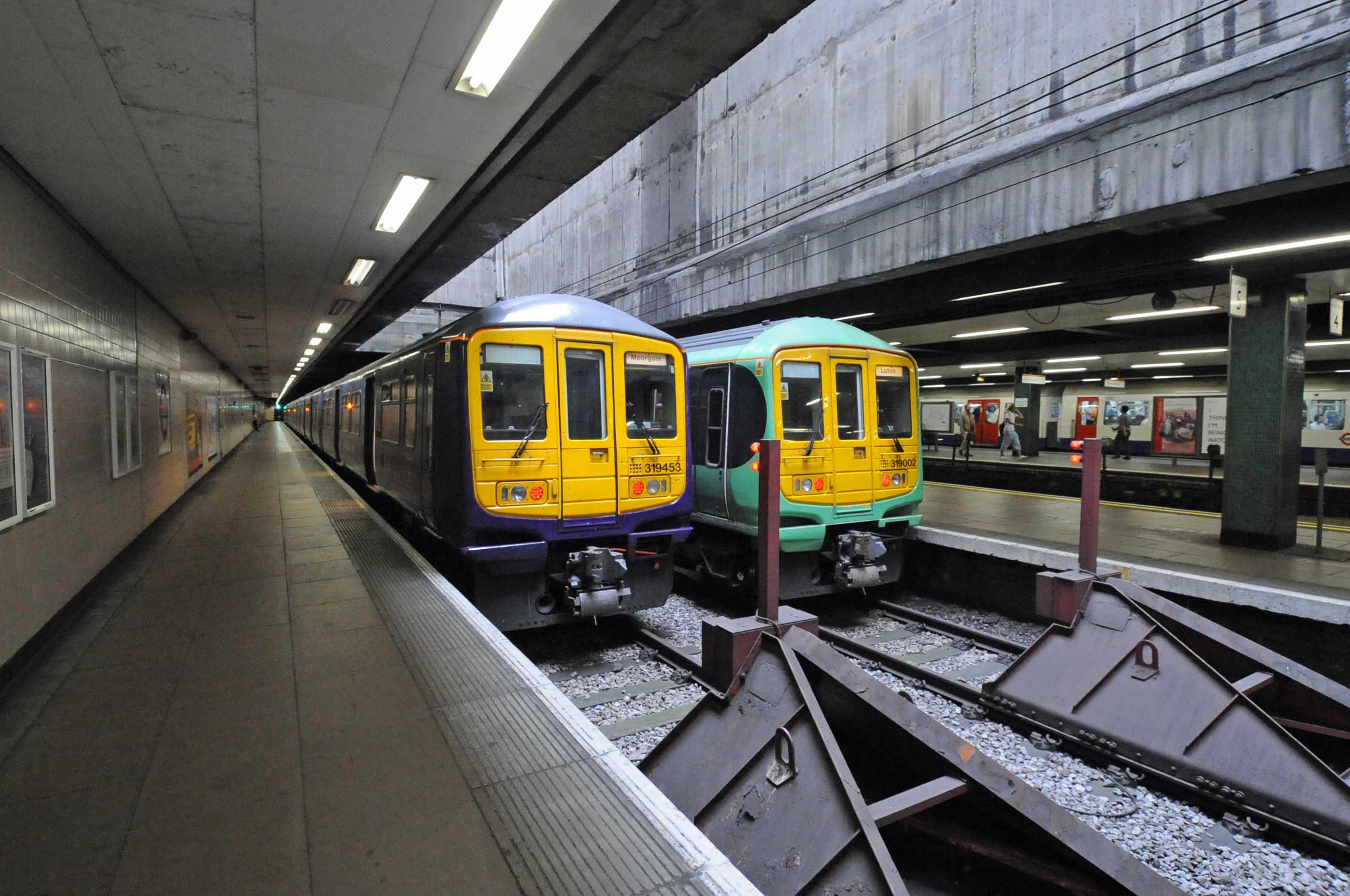
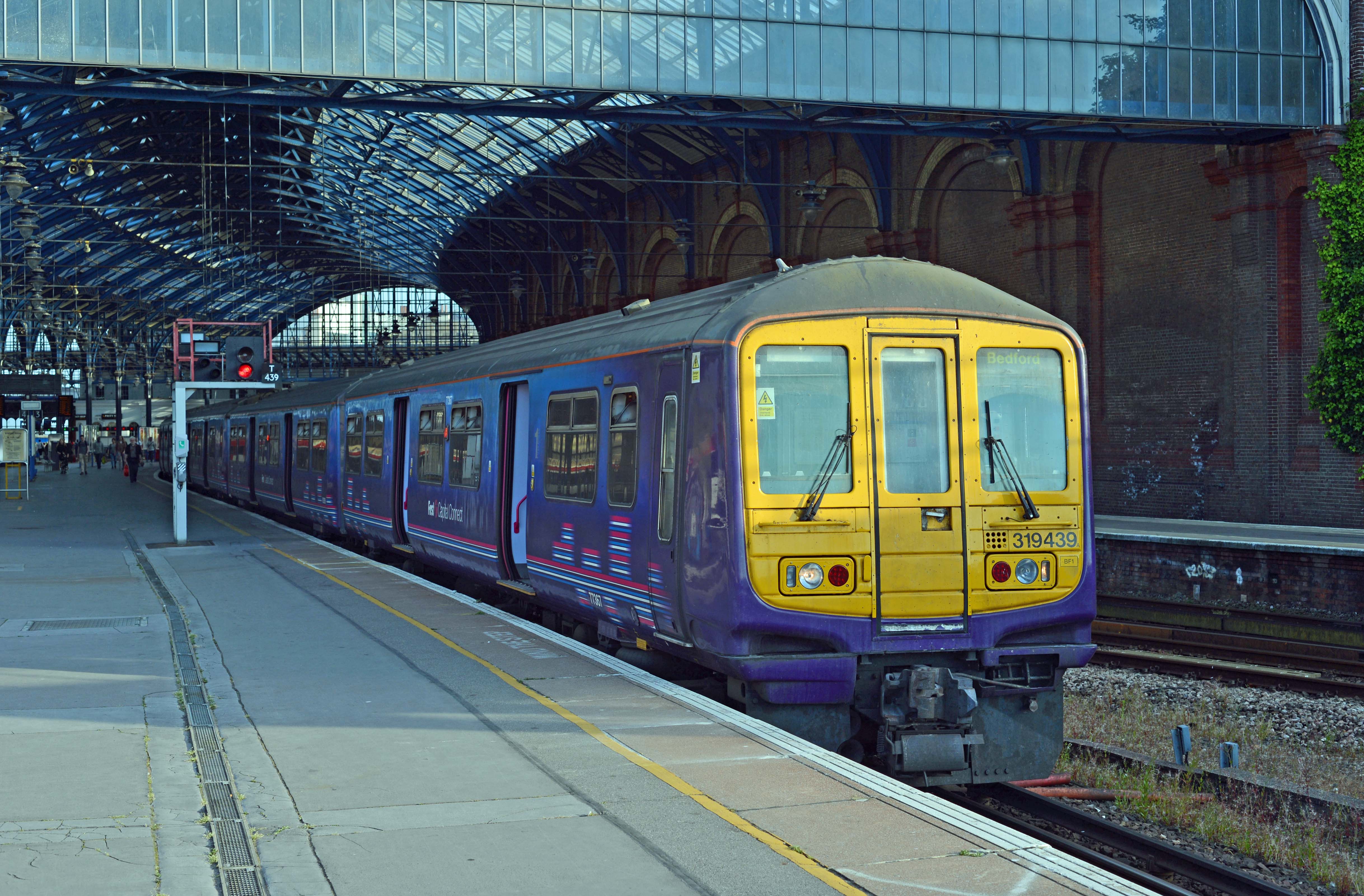
Only 3 years old, 319024 on their original Network South-East livery is seen departing from Luton with a Southbound service on the 2nd March 1990. As they were new and film wasn’t cheap I rarely photographed these trains, which in retrospect was a mistake.On the 28th April 1990 319047 leaves Bedford empty stock before reversing in the nearby sidings and working a later service for the South. Network South-East red paint is very much in evidence in this shot! It was to be another 6 years before I took another shot of a Class 319, 21st April 1996 to be precise. Here’s 319163, a set from the 26 strong 1990 batch pictured at Purley in between turns 319004 wearing Connex livery sits under the skeletal roof of the old Rugby station on the 9th August 1999 whilst waiting to work the 18:39 to Gatwick airport. This cross-London shuttle between the two destinations was introduced in June 1997 but cut back to Watford Junction from the December 2000 timetable change.Now we move forward in time from the BR to the Connex era and the 10th April 2001 when 319220 is pictured leaving London Victoria with an express service to Brighton. Seven Class 319s were renumbered from the 0 to 2 series in 1997 when they were altered internally to provide lower density seating and a ‘lounge’ area with buffet counter in the pantograph car. With pantograph down and operating on 3rd rail, Thameslink liveried 319427 speeds towards London Bridge from Brighton through South Croydon on the 6th May 2004Between September 2004-May 2005 the central Thameslink core was shut to allow construction of the ‘Thameslink box’ below St Pancras which would house the new Thameslink station, replacing the cramped Kings Cross Thameslink station. As a result, Thameslink services from Bedford and St Albans terminated in the new Eastern side of St Pancras International that’s now used by South-Eastern. Here’s 319001 and 319450 seen in St Pancras on the 29th October 2004.It’s the 19th February 2005 and Thameslink’s 319422 is seen at St Pancras sporting ‘back the bid’ branding in support of London’s (later successful) attempt to win the right to host the 2012 Olympic Games. What a different country we seem to be now compared to those heady, optimistic days! London’s skyline has changed dramatically during the 21st century as this view of 319441 Heading East from London Bridge on the 5th April 2005 demonstrates.Here’s another London scene that’s changed out of all recognition! It’s the 11th July 2006 and 319449 is sporting the later Thameslink livery, seen with a sister unit in Southern colours, departing from the old Blackfriars station and crossing the Thames with St Paul’s cathedral in the background We move forward in time to the 24th October 2007 when First Capital Connect had taken over Thameslink services. Here’s 319431 caught in the daylight between tunnels in Central London on its way from the old Kings Cross Thameslink station towards Farringdon.Also on the 24th October 319380 arrives at the cramped old Kings Cross Thameslink station with a service to Bedford. Between morning and evening peaks sets 319453 and 319002 are stabled in Moorgate station on the 23rd July 2008. This FCC rush-hour service was living on borrowed time as the branch from Farringdon was soon to be severed to allow platforms at Farringdon to be extended. On the 30th June 2016, 319439 puts in an appearance at Brighton, the Southernmost end of the Thameslink route where it’s seen waiting to work a service to Bedford.
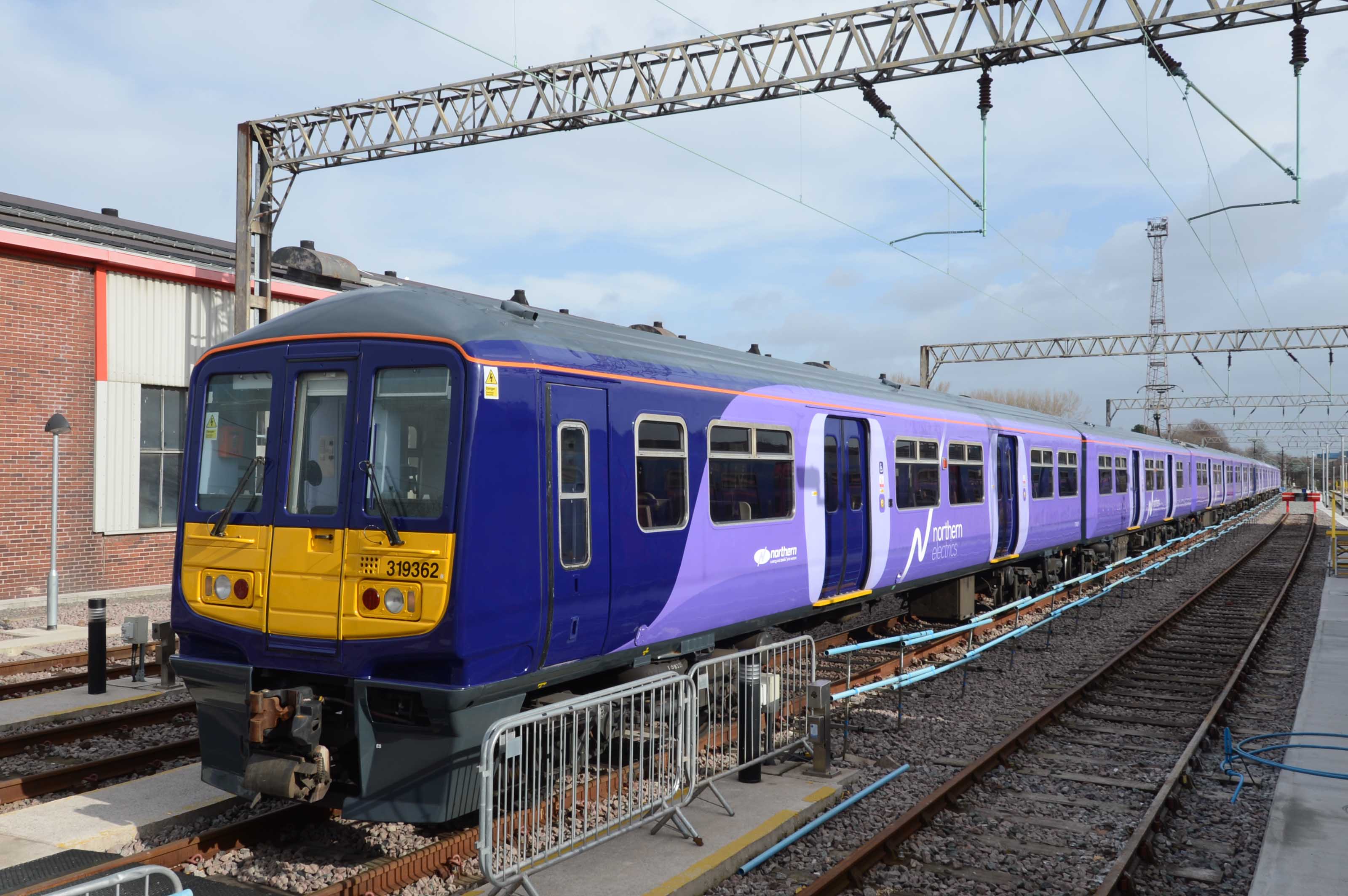
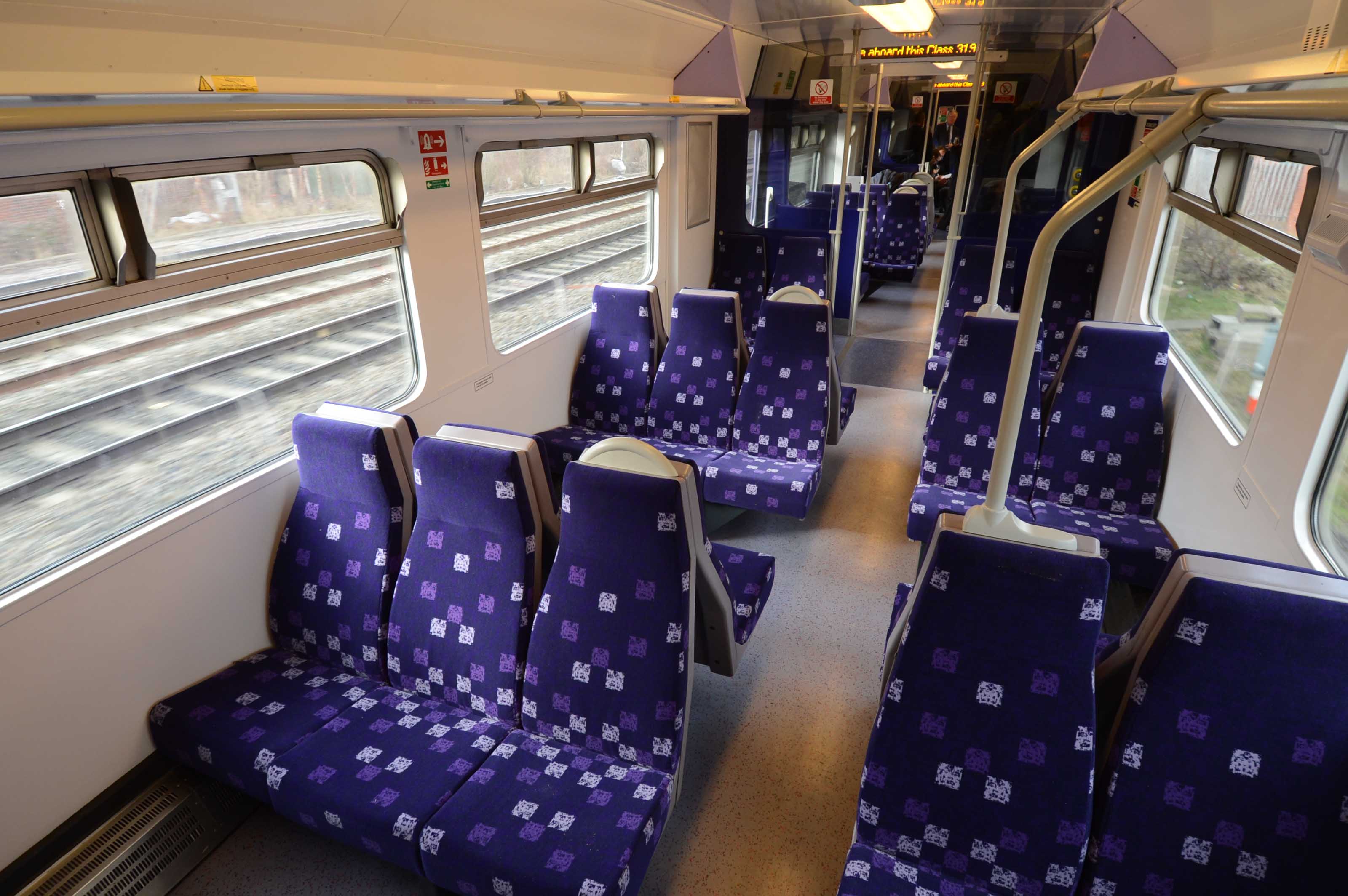
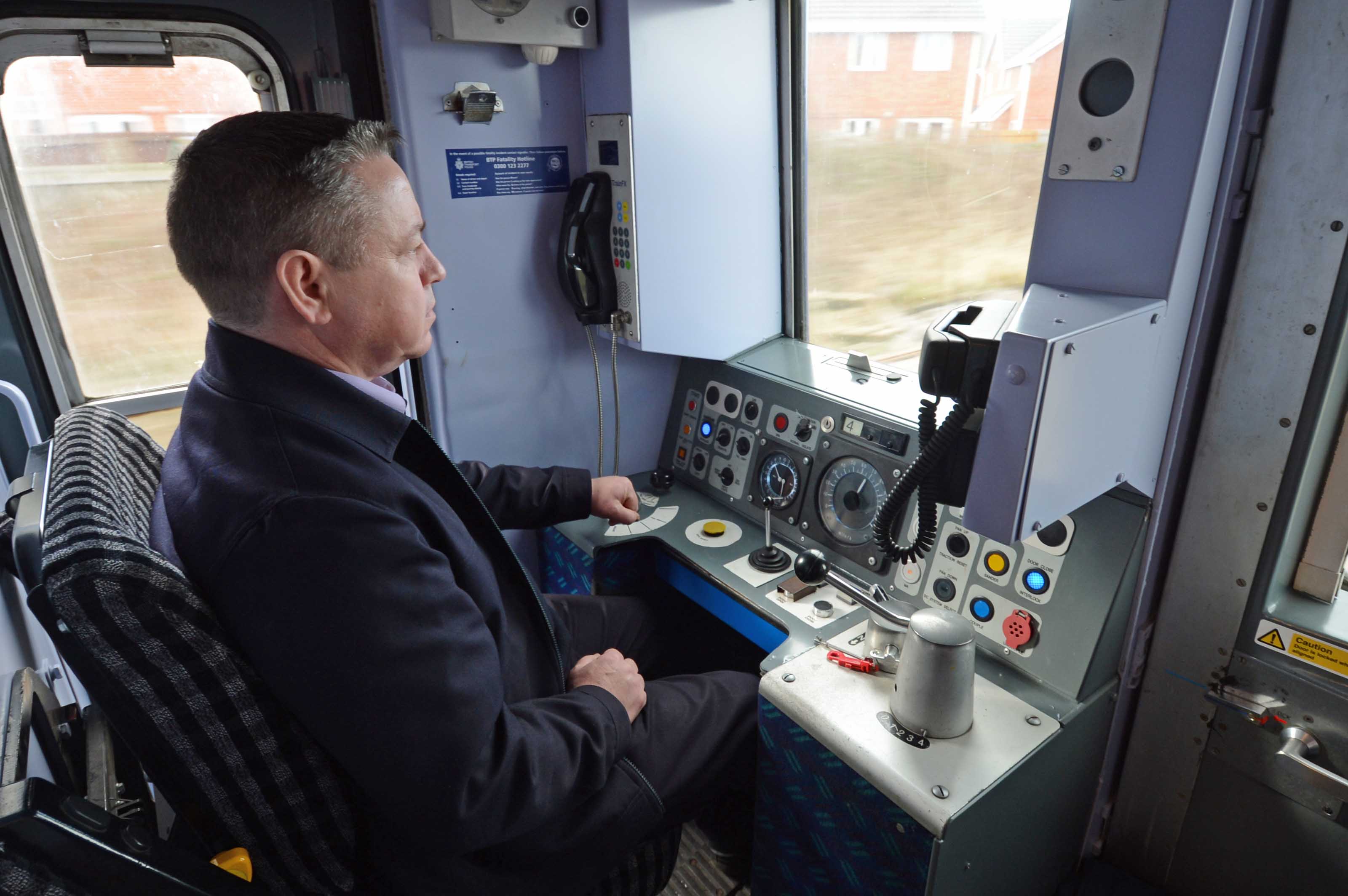
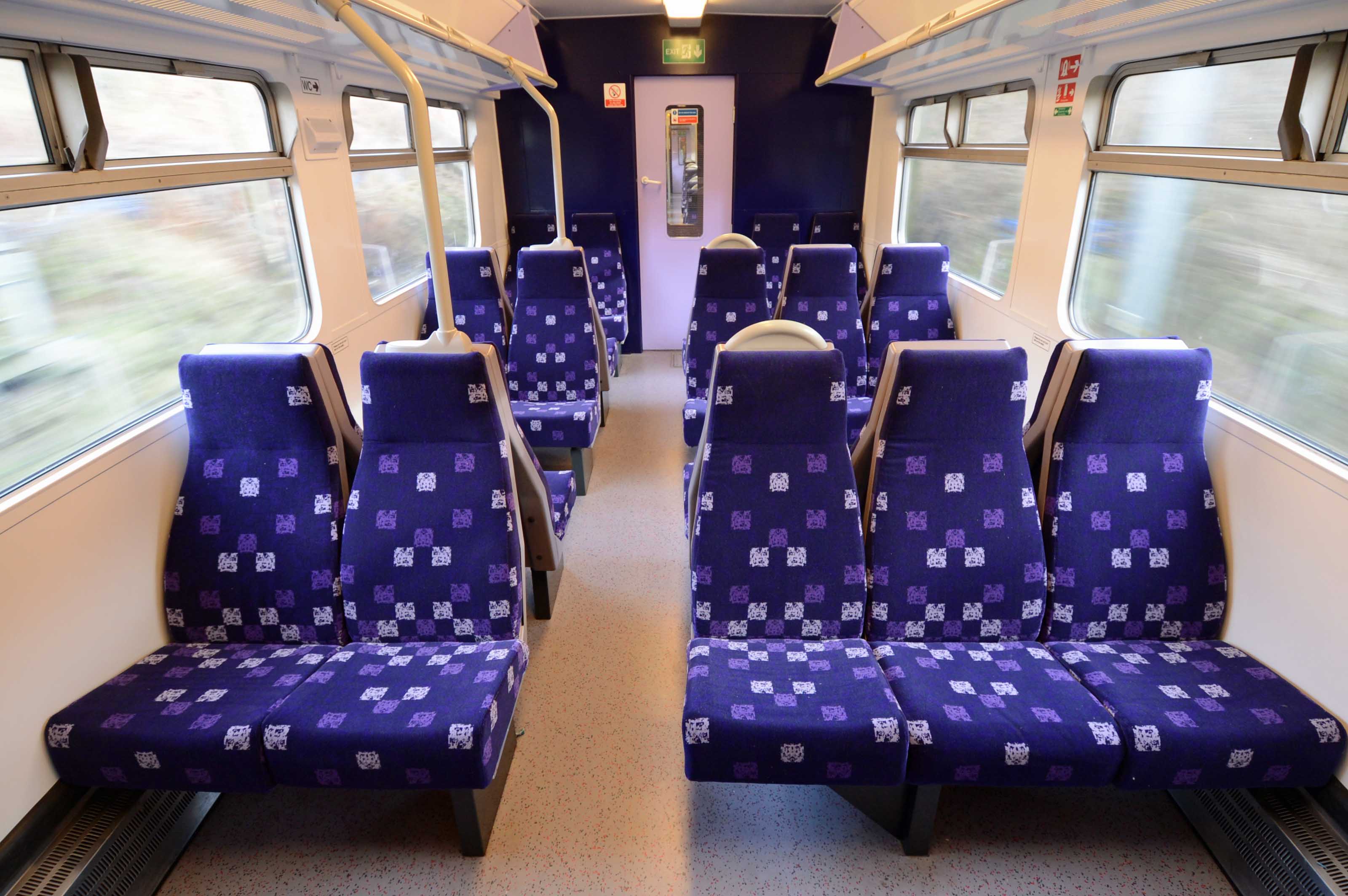
On the 24th February 2015 the press were invited to Allerton depot in Liverpool to see the unveiling of the new ‘Northern electrics’ Class 319s which received a new livery and internal refresh that included new seat moquette. Afterwards we were treated to a run on one of the sets and opportunity to visit the cab. Here’s a few pictures from the event.
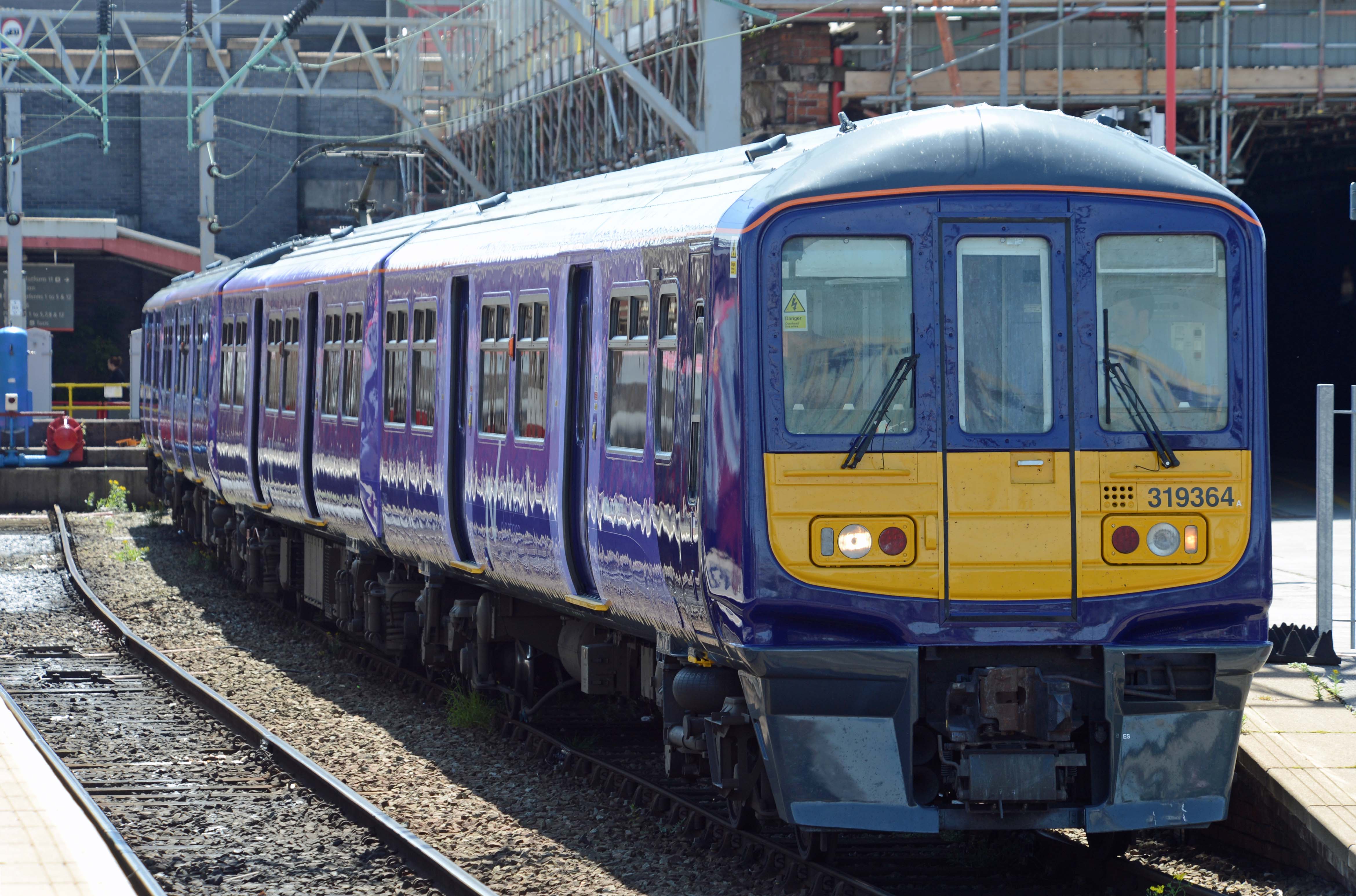
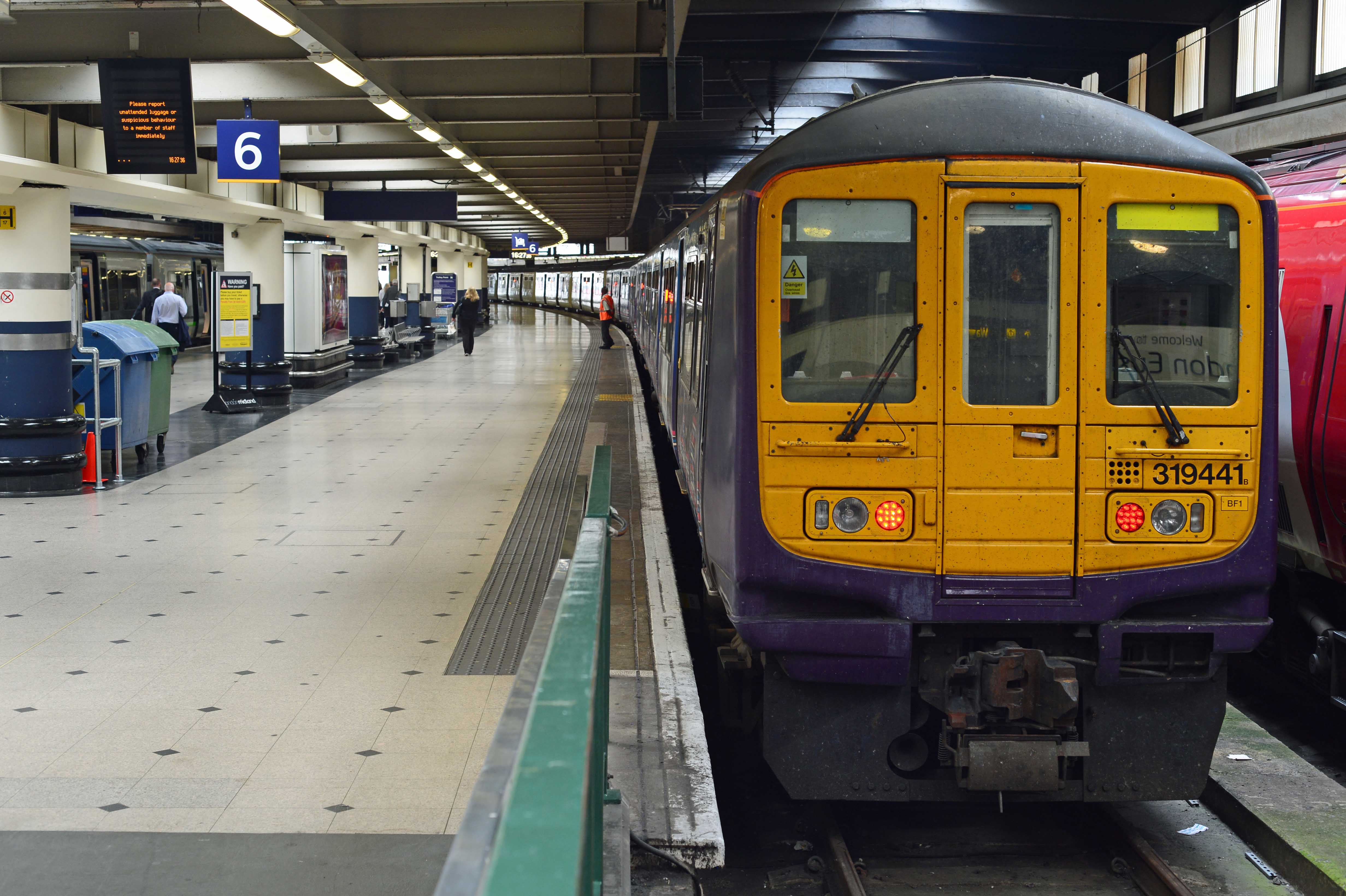
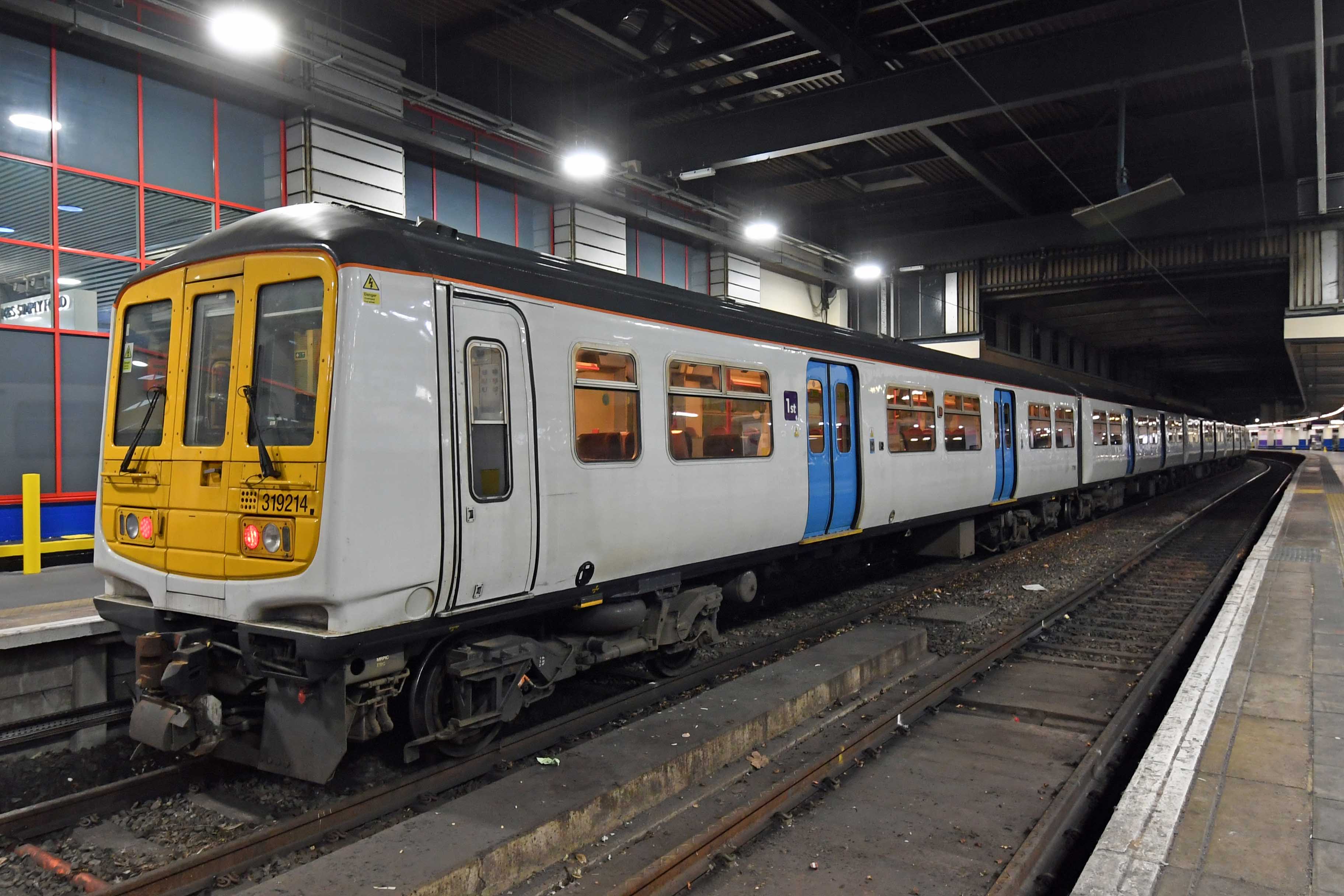
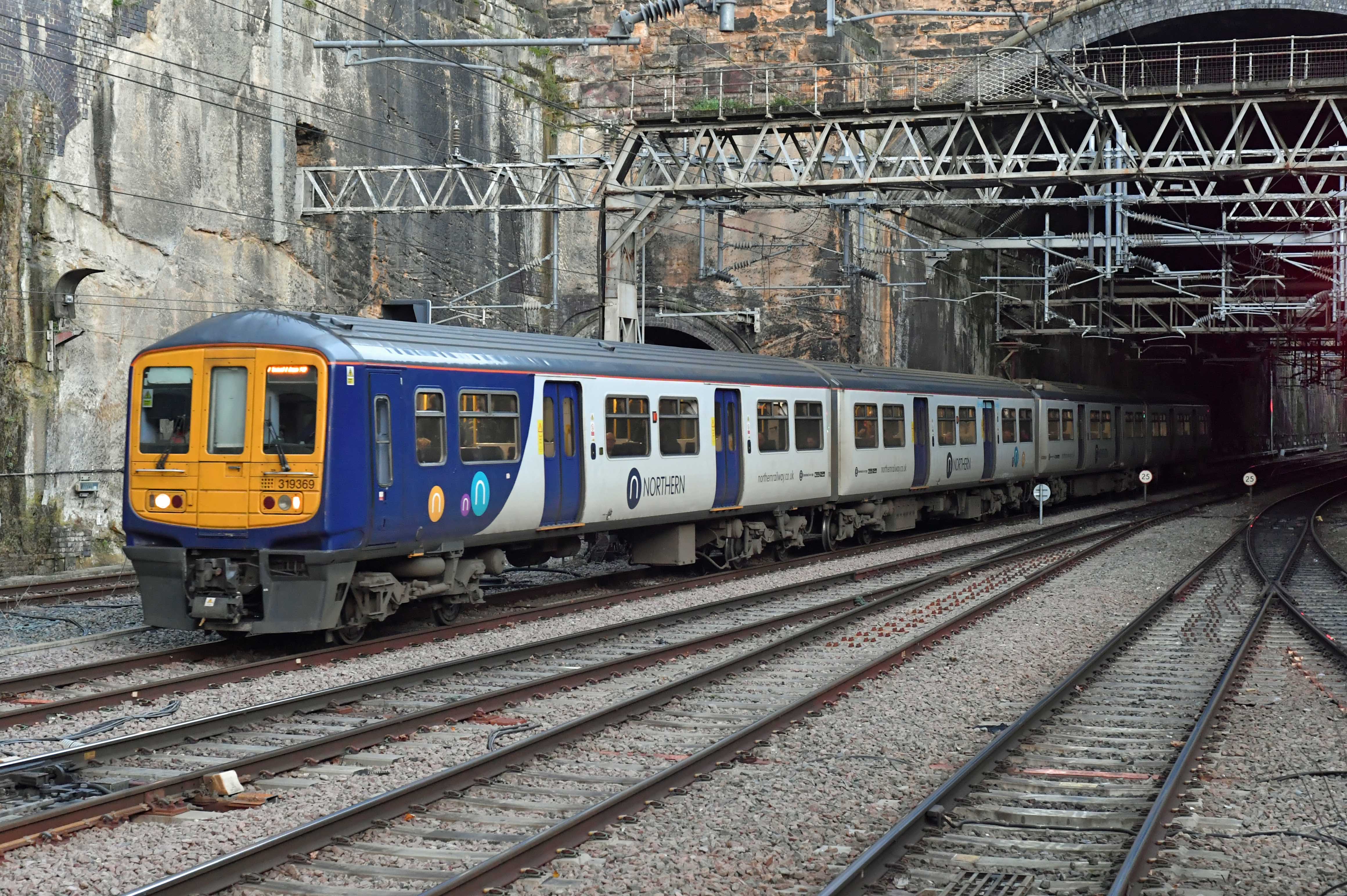
319362 sporting the new livery outside Allerton depot.The refreshed interior of the press train (319365) showing the new seat mocquette.Driver Jason Wakefield at the controls of 319365.Another view of the refreshed interior of 319365. On their transfer, the Northern Class 319s acquired a new ‘Northern electrics’ livery and branding. 319364 is sporting the colour scheme in this shot taken at Crewe on the 11th May 2015.Exactly a month later on the 11th June 2015, 319368 is seen at Salford in Manchester with a service tp Liverpool Lime St from Manchester Victoria. This area’s changed completely as the Ordsall chord and Viaduct cross the foreground now! On the 9th August 2016, 319441 and a sister unit sit empty at Euston before working an afternoon rush-hour service North. Several sets had been loaned to London Midland to replace their Class 321 units which were bound for Scotrail. London Midland’s successor, London North-Western retained the class 319s until the 27th November 2023. Here’s one of them, 319214 seen at Euston on the evening of the 3rd December 2019. The set bears no branding or livery. How they look now. Here’s 319369 sporting Northern livery as it arrives at Liverpool Lime St on a service from Wigan North Western on the 24th November this year.
UPDATE: 19th December.
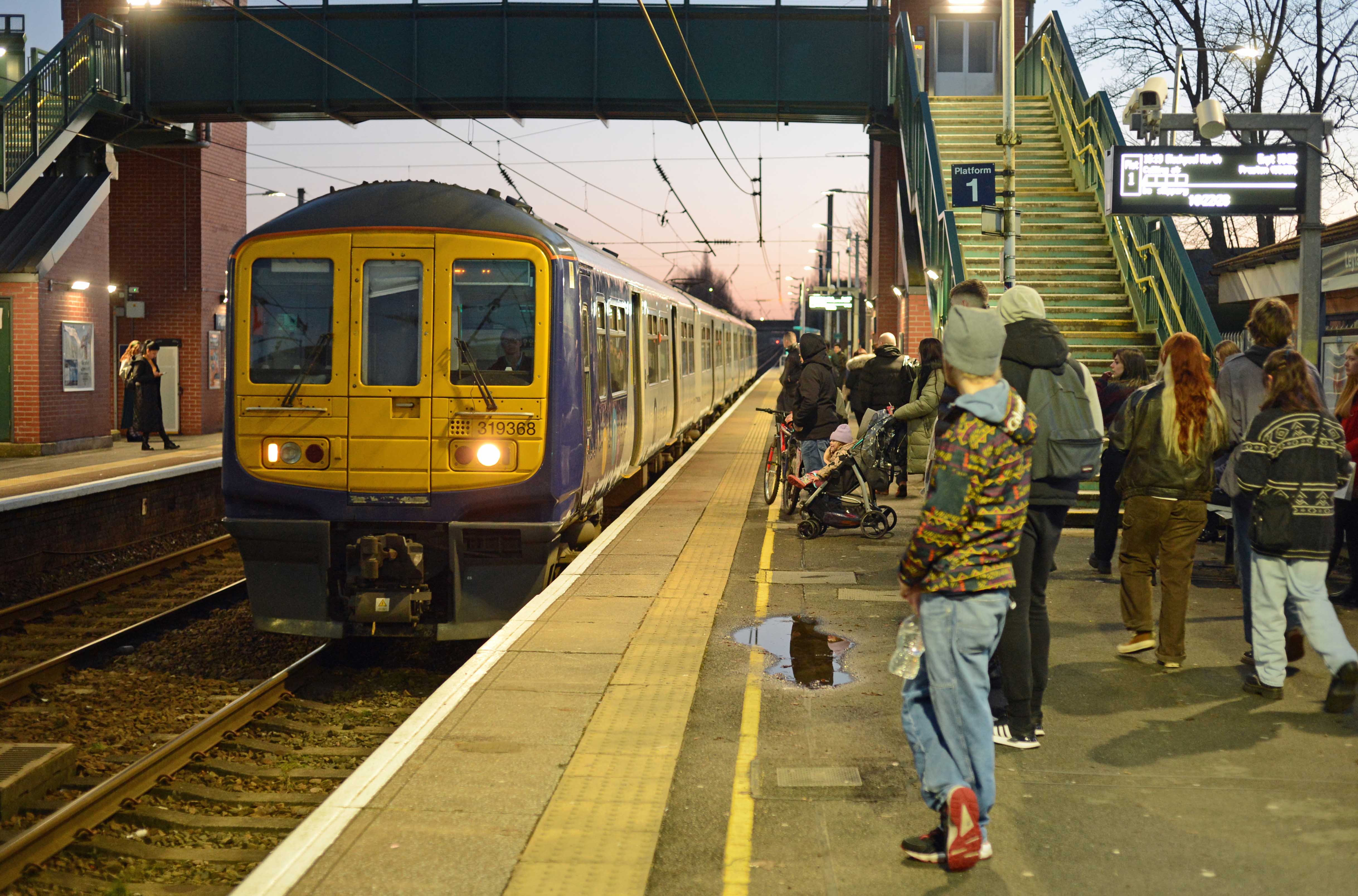
At the time of writing the last handful of 319s remain available for traffic and – whilst they have no booked work – anything between 1-4 get pressed into service to cover for unavailable units. I managed to get out on the 12th when a pair of the sets were working Manchester Airport – Bolton – Blackpool North diagrams although crew shortages meant some of the trips were cancelled or the trains run as empty stock.
Here’s 319368 working 1N50, the 15:17 from Manchester Airport to Blackpool North, seen calling at Leyland.
If you want to enjoy more pictures of the Class 319s you can find them in the following galleries;
*Yes, I know the bi-mode Class 769s remain in service with Northern, but as they’re converted Class 319s they don’t count!
I’ve a small favour to ask… If you enjoy reading this or any of the other blogs I’ve written, please click on an advert or two. You don’t have to buy anything you don’t want to of course – although if you did find something that tickled your fancy that would be fab! – but the revenue from them helps me to cover some of the cost of maintaining this site (which isn’t cheap and comes out of my own pocket). Remember, 99% of the pictures used in my blogs can be purchased as prints from my other website – https://paulbigland.zenfolio.com/
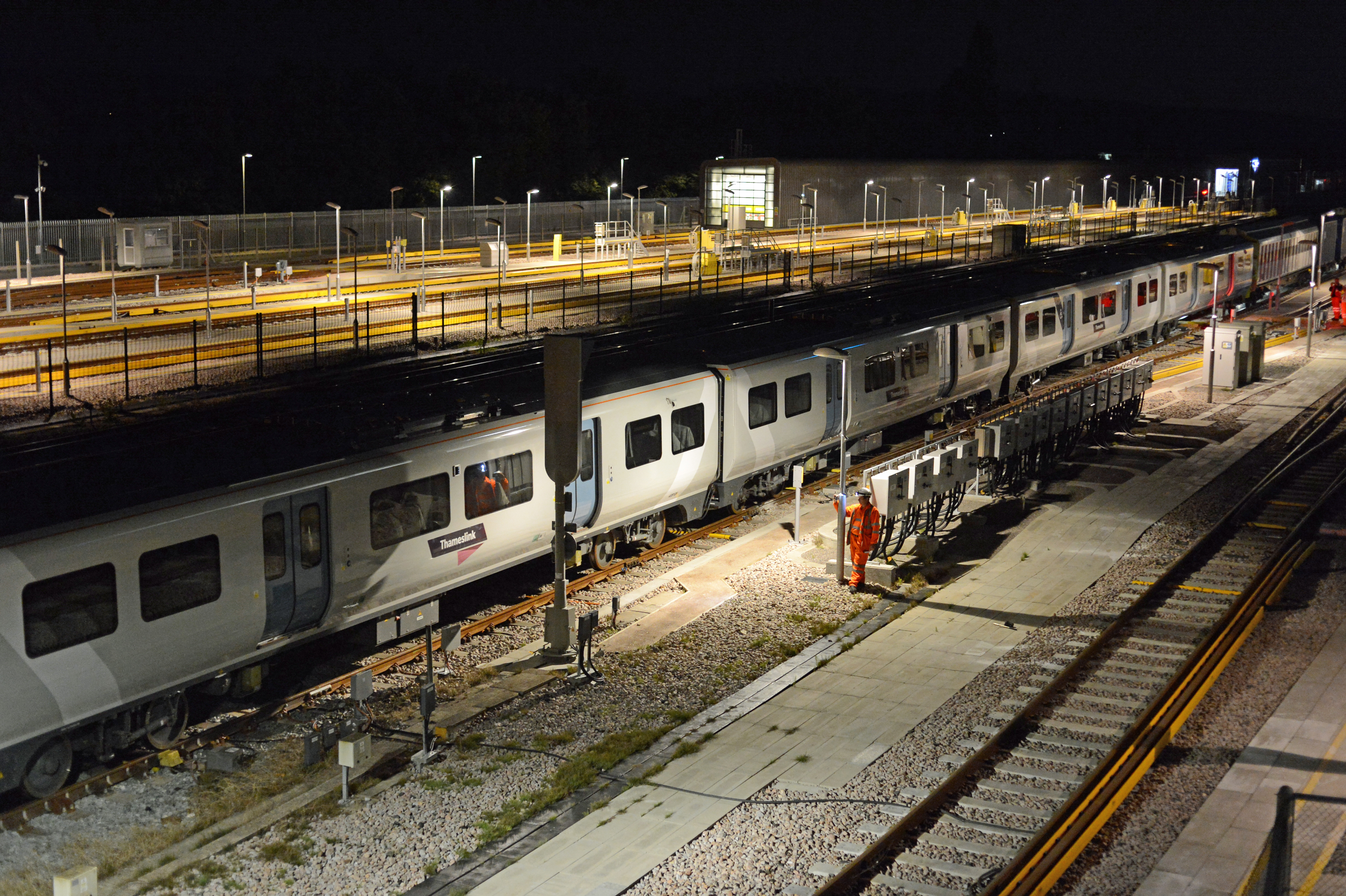
It’s been a long day! I’ve spent most of the night/morning at the new Siemens/GTR depot at Three Bridges, waiting for the first of the new Desiro City’s to arrive from Germany via the Channel Tunnel. The set arrived at 02:19 this morning and myself and a video photographer were there to catch it.
It was quite a moment. What most people don’t realise is that this is the culmination of many years hard work. Siemens were named preferred bidder for the trains way back in 2011.
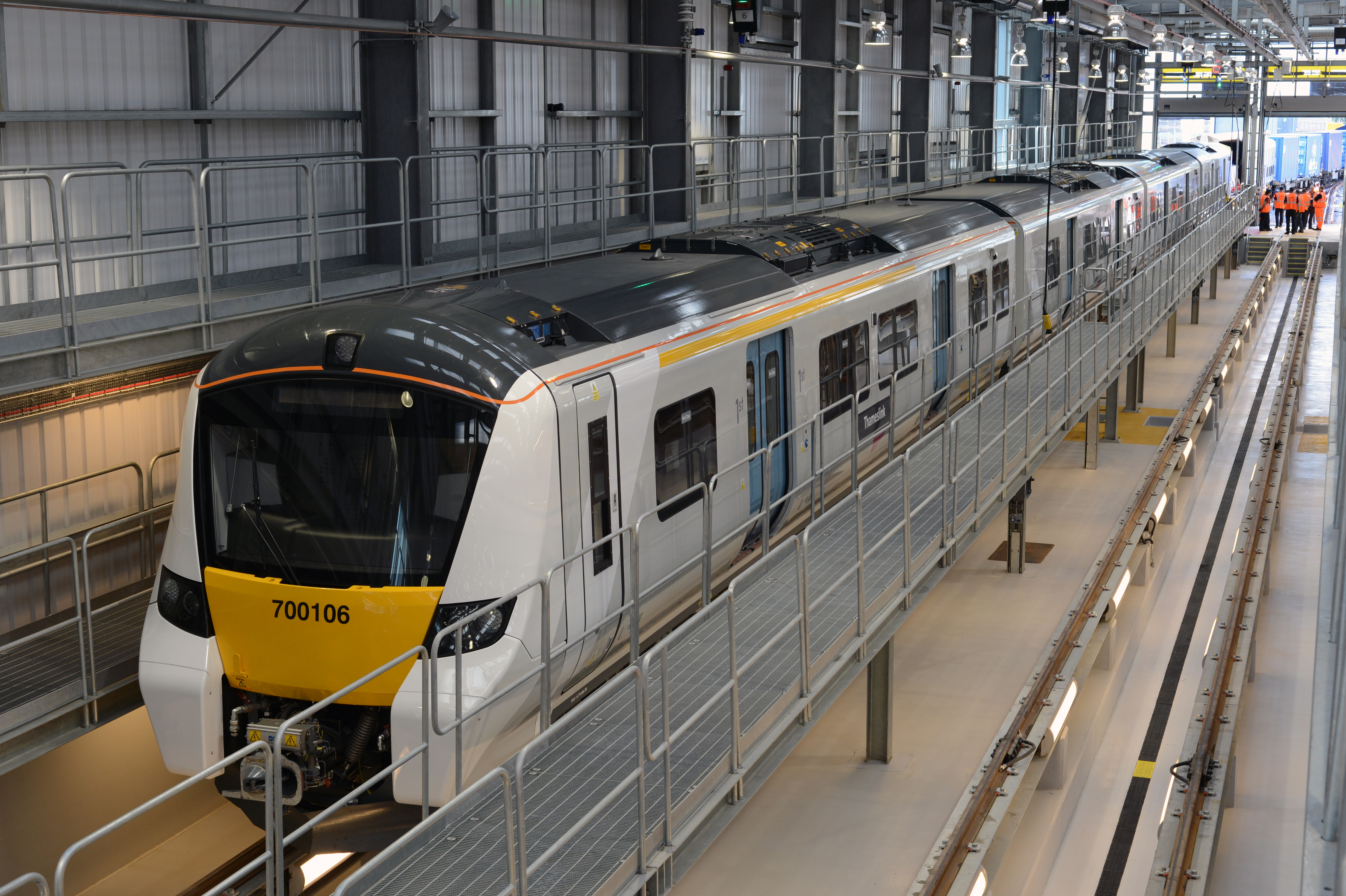
Once the set was safely stabled we had a couple of hours to rest before the real work started. 700106 arrived split into three sections. In between the sections (and at each end) were barrier wagons used to provide the brake force to allow the train to move (and stop!). The whole lot had to be split & the sections moved into the main shed using the diesel loco which had brought the train in. Needless to say, this took quite some time & it wasn’t until after 9.00am that the first four cars were moved, gingerly, into the shed.
So, here’s what 5 years hard work looks like this morning.
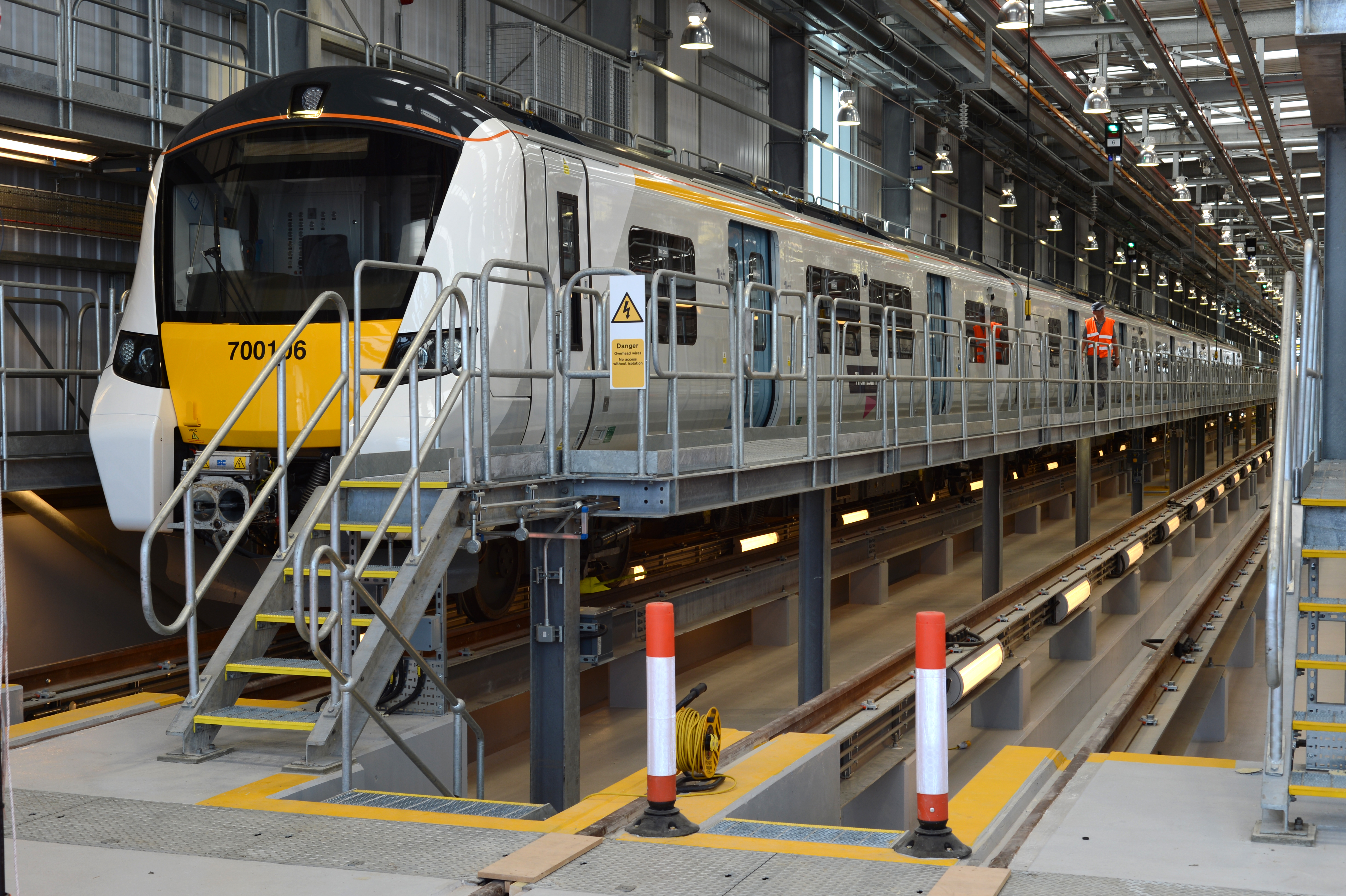
The first four cars of 700106 at rest on No6 road inside the shed. Believe it or not, but it only took 6 men to push this formation into place!
Now all that’s left to do is repeat the process 114 times over the next few years…
I’m scribbling this on board a TPE train from Huddersfield to York, where I’m volunteering at tonight’s Railway Benefit Fund spring ball. Here’s the poster;
It’s been a hectic week that’s left me with no time to blog – but plenty to blog about. It began with another press trip to Germany where Siemens were hosting a pre UITP 2015 conference event at their factory at Krefeld & test track at Wildenrath. 50 plus journalists from across Europe attended. To say Siemens had plenty to talk about & show us was an understatement – the press pack weighed a ton! At Krefeld we had a choice of seminars on digitalization, the Thameslink Class 700s and improving rail capacity through the use of electronic signalling. There was even a presentation on eBuses. After the presentations we toured the Thameslink Class 700 production line & were treated to a demonstration of the company’s 3-D design technology. All this has provided a huge amount to write about (I’ll be blogging about the Thameslink 700s in a separate piece when I’ve more time).
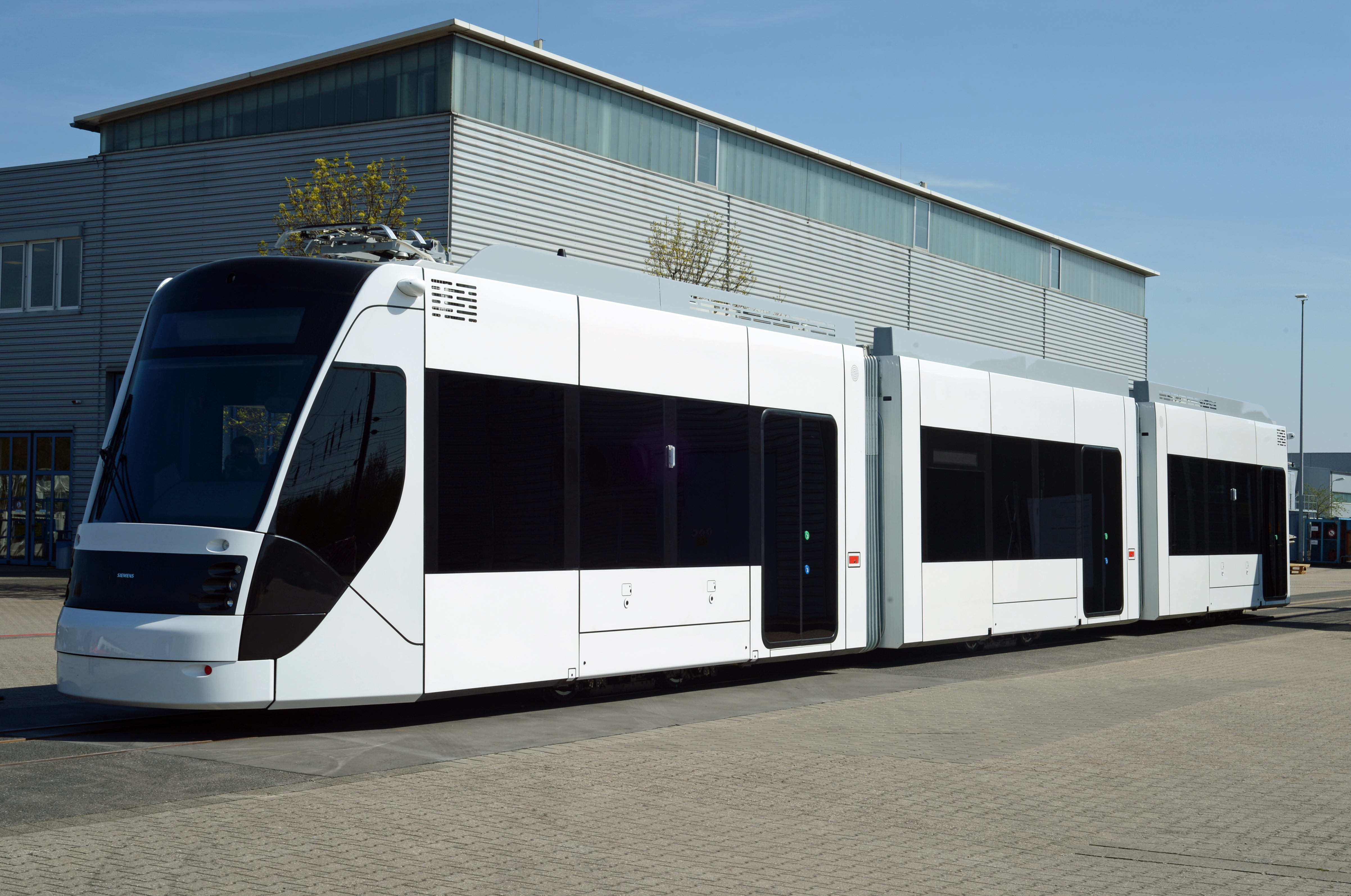
After a night in Dusseldorf we moved on to the Siemens test track on the former RAF base at Wildenrath which is a fantastic resource. It has two circular test tracks (the longest is 6km) and numerous testing & commissioning workshops. We’d come to see two different vehicles fleets; first was the new Avenio hybrid tram for Doha in Qatar. I have to say, this concept has the potential to be a real game changer for tramways – you’ll be able to read a full report about it in my next article for RAIL magazine. As well as being shown a static tram we took a ride on another which was under test. For a battery powered vehicle, their performance is impressive. Later we were treated to a ride on one of the 12-car Class 700s which are at Wildenrath for testing before they move to the UK later this year. I’m really looking forward to seeing them arrive as they’ll make a huge difference to capacity on the network. As an aside, Siemens mentioned that the Desiro City operating costs are 47% lower than the Class 450 Desiro. The presentations often contained interesting nuggets of information like this. Another mentioned that 3D printers have solved the problem of obsolescence in spare parts as it’s now possible to recreate them – even in small numbers.
One of the 19 3-car Avenio hybrid trams Siemens are building for Doha in Qatar.
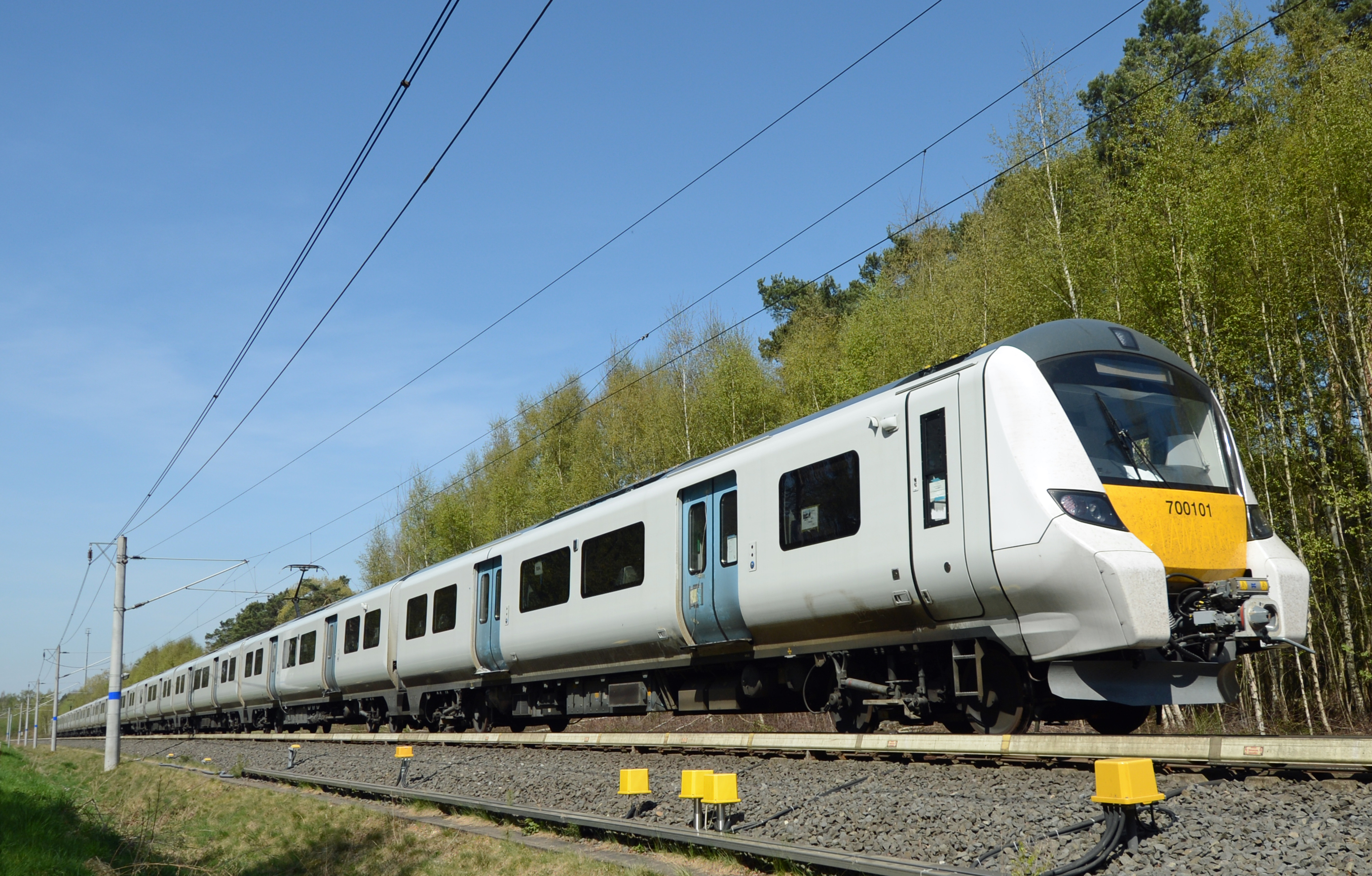
Here’s 700101 on the test track at Wildenrath. Earlier in the month I had the opportunity to drive it at 80mph!
Right, we’re almost at York, so it’s time to go. I’ll write more about my experiences with Siemens soon. In the meantime, if you want to have a look at the rest of the pictures from Germany, follow these links;


 Paul Bigland